
Reviewed · GYEONGJU TOURS
Gyeongju UNESCO World Heritage Sites and History Full-Day Tour with Lunch
Gyeongju is South Korea’s ancient capital, but its best sights are spread across town and into the hills. This full-day minivan tour ties the major stops together without asking you to sort out buses, taxis, and opening hours on your own. You get temples, royal tombs, palace ruins, and a traditional village in one long day.
I like the practical design: lunch and entrance fees are included, and a driver can leave you close to each entrance, which matters when the day is hot or wet. I also like the guides. Steve, Chris, Sue, and Jina are singled out for clear English, strong knowledge of Silla history, and a friendly manner. The main caution is pace. Six substantial stops make this an efficient introduction, not a slow, museum-style study of Gyeongju.
Key points to know before booking
- Bulguksa and Seokguram in one day: These are Gyeongju’s headline UNESCO sites, and reaching both is far easier with a vehicle.
- A useful Silla history lesson: The route connects royal tombs, astronomy, Buddhist art, and palace life.
- Good local lunch included: Vegetarian and gluten-free needs have been accommodated when advised ahead of time.
- Often a small-group experience: The official maximum is 40 people, but some departures have had only three to five guests.
- Expect plenty of walking: Comfortable shoes matter, especially at the temple, tomb complex, and mountain grotto.
- Best for a day trip from Busan: If you are already staying in central Gyeongju, independent visits may be cheaper and simpler.
Why Gyeongju works well as a guided day trip
Gyeongju does not feel like a single attraction with a neat entrance and exit. Ancient sites are scattered through a broad area, with Bulguksa and Seokguram outside the central historic zone. On public transport, you can see them independently, but fitting all six stops into roughly eight hours takes planning and good timing.
This tour removes most of that friction. Pickup and drop-off are offered, and the air-conditioned minivan gives you a place to rest between walks. That comfort is not a small detail in summer, when one day was reported in temperatures in the high 90s Fahrenheit, or during heavy rain.
The morning start is 8:00 a.m. That early departure helps you make the most of the day, though the total time can include a long drive if you are coming from Busan. The experience is listed as approximately eight hours, and some of that time is road time rather than sightseeing.
The group limit is 40, but the actual feel may be much smaller. Several departures had only a handful of people, and some became private tours when demand was low. That can mean more conversation with your guide, though you should not book expecting a private vehicle unless that option is confirmed.
More lunch stops around Gyeongju:
- Seoul City Private Full-Day Tour Including Lunch
★ 5.0 · 469 reviews - Premium Private DMZ Tour & (Suspension Bridge or N-Tower) include lunch
★ 5.0 · 348 reviews - Private DMZ Tour with North Korean Defector + N Korean Lunch
★ 5.0 · 122 reviews
Cheomseongdae: a quick look at Silla science
The first stop is Cheomseongdae Observatory, an ancient stone structure built during the reign of Queen Seon-deok between 632 and 647. It is described as the oldest existing astronomical observatory in Asia and was used to watch the stars and help forecast the weather.
You have about 30 minutes here, and admission is free. The stop is short because Cheomseongdae is a compact outdoor monument rather than a large museum. I find it most useful when the guide explains how astronomy, agriculture, royal authority, and seasonal planning fitted together in Silla society.
Do not expect a room full of instruments or a long indoor exhibition. The structure itself is the point. Some people may find the visit too brief or the monument less dramatic than the temples later in the day, but it gives you a helpful opening idea: Silla was not only a kingdom of warriors and gold crowns. It also invested in observation and organized government.
Donggung Palace and Wolji Pond: ruins made beautiful
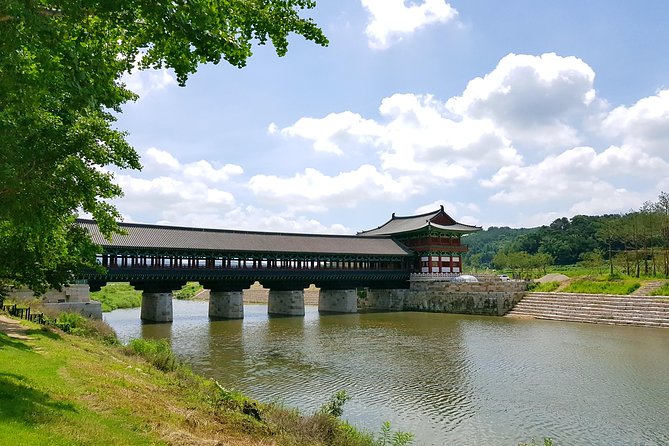
Next comes Donggung Palace and Wolji Pond, a one-hour stop with admission included. Historical records place the pond’s construction during the reign of King Munmu, who ruled from 661 to 681. The Silla court created small mountains and features within the palace grounds, turning the water garden into a formal royal setting.
Today, you see the pond, reconstructed structures, and the remains of a once-important palace complex. The name Wolji means pond that reflects the moon, and the setting is especially graceful when the water mirrors the pavilions and surrounding greenery.
This is one of the easiest places on the route to enjoy at your own pace. Walk the edge, take photographs, and listen as your guide explains what the site meant to the Silla court. At the same time, keep your expectations measured. The palace is largely an archaeological site, not a complete royal residence. Much of the original complex is gone, so the historical explanation is what turns a pleasant pond into a meaningful stop.
Gyochon Village and the Choi family story
Gyeongju Gyochon Traditional Village provides a change of mood after the royal sites. You have about 45 minutes to walk among hanok buildings and learn about the Gyeongju Choi Clan, a prominent local family.
The village offers a look at traditional domestic life rather than royal ceremony or Buddhist worship. Its value comes from the contrast. After seeing the scale of Silla rulers and their monuments, you get a more human sense of how a historic Korean household was arranged and remembered.
This stop may feel modest compared with Bulguksa or Seokguram. It is not a vast open-air museum, and the number of buildings or displays available can vary. Give it the right amount of weight. You are here for atmosphere, architecture, and a short window into local tradition, not a full afternoon of shopping or performances.
More Historical Tours in Gyeongju:
- Gyeongju: UNESCO Heritage Tour Including Bulguksa Temple
★ 4.8 · 104 reviews - Full day Private Gyeongju UNESCO Heritage Tour : a glimpse into Silla
★ 5.0 · 60 reviews - Private World Heritage Gyeongju Taxi Tour
★ 5.0 · 12 reviews - UNESCO Listed Historic Sites in Gyeongju National Park
★ 5.0 · 5 reviews
Daereungwon: walking among Silla royal tombs
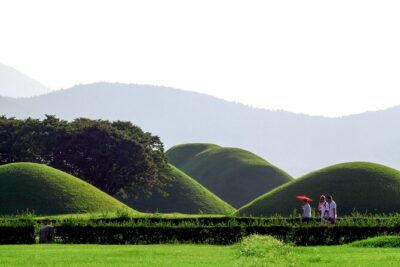
Daereungwon Tomb Complex is one of the most striking central Gyeongju stops. The grounds contain 23 large tombs associated with kings and nobles of the Silla Kingdom. Their rounded grassy mounds rise from the city like quiet hills.
The scheduled visit lasts about an hour, with admission included. The scale is the story. These are not isolated graves hidden behind a museum wall. You walk among monumental burial mounds and begin to understand the wealth and power of the Silla court.
Cheonmachong Tomb is the best-known part of the complex and the one associated with an accessible interior display. The experience gives you a clearer idea of how Silla burial customs worked, though one visitor felt that the complex offered less explanation than the National Museum nearby.
That criticism is worth taking seriously. Daereungwon is visually memorable, but the grounds do not explain every artifact or historical detail on their own. A strong guide makes a large difference here. Steve and Chris have been praised for bringing the political and cultural background to life, while the tombs give you the physical scale that a classroom lesson cannot.
Seokguram Grotto: a mountain sanctuary
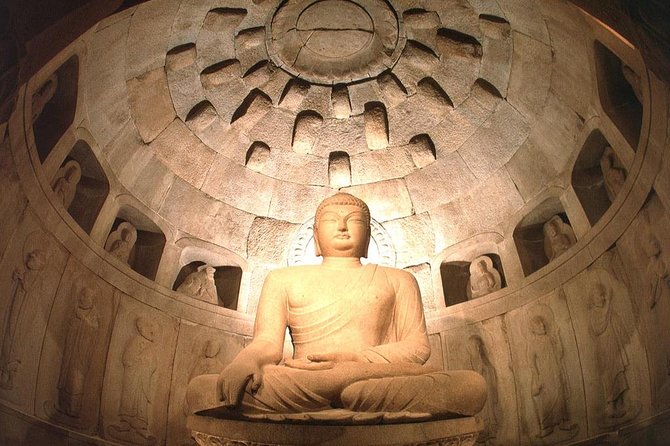
Seokguram is the most unusual stop on the route. Located on Tohamsan Mountain, this stone sanctuary is regarded as one of Korea’s great religious and artistic monuments and is designated a UNESCO World Heritage site. Its official name is Seokguram Seokgul, and it is National Treasure No. 24.
The visit lasts about an hour and admission is included. You will walk through a mountain setting to reach the grotto, then view the central stone Buddha and its surrounding carvings. The interior is protected, and photography is not permitted inside, so pay attention rather than treating the stop as a quick picture opportunity.
The grotto is less about size than precision and mood. The carved figures, the setting, and the skill required to create a stone temple in the mountain make this a powerful stop even when the viewing area is controlled. Your guide’s explanation is important because you cannot linger freely in front of every detail.
This is also where footwear and weather planning matter most. Wear comfortable shoes, use sunscreen in bright weather, and be prepared for walking. The route is manageable for most people, but the day involves repeated movement and outdoor exposure.
Bulguksa Temple: the day’s major highlight
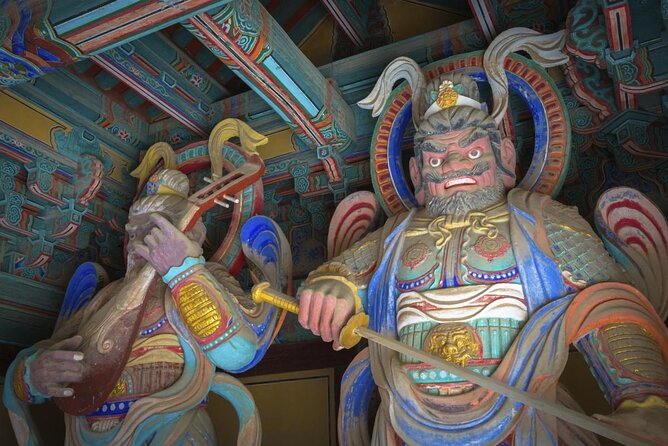
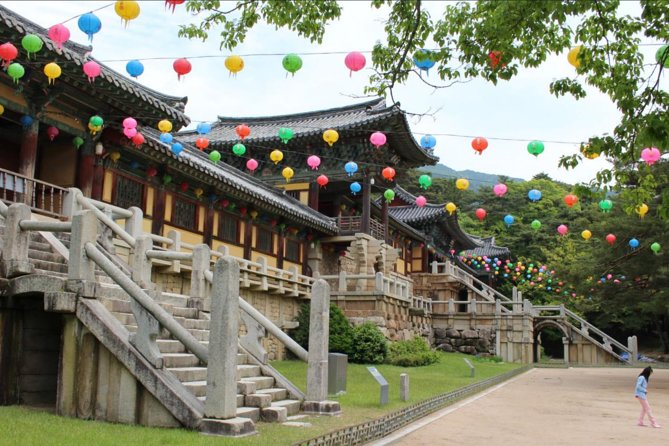
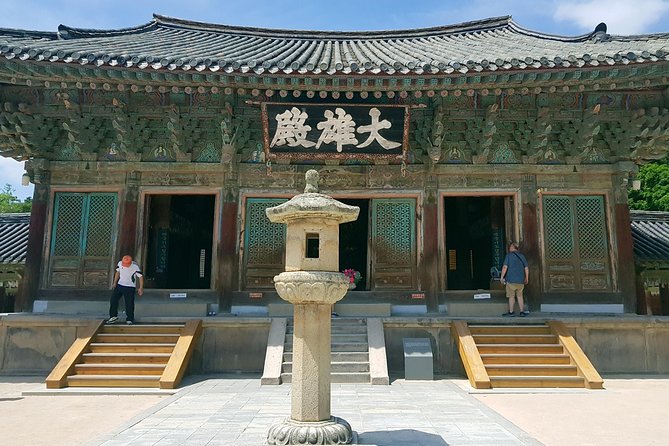
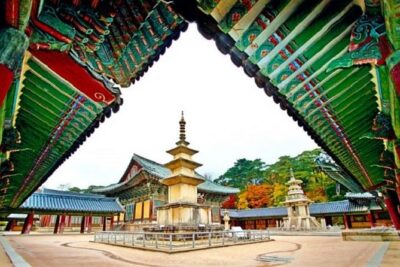
Bulguksa Temple is the representative landmark of Gyeongju and one of Korea’s best-known Buddhist sites. UNESCO designated it a World Cultural Asset in 1995. The temple combines courtyards, gates, stone terraces, pagodas, and carefully framed views.
You have about an hour here, with admission included. I would give the guide your full attention at the stonework and main temple areas, then use any free time to look closely at the details. Bulguksa is not simply a surviving old building. Its design links the earthly temple grounds with Buddhist ideas about an ordered, ideal world.
The stone elements are especially important. Even if you are not an architecture specialist, you can see the difference between heavy masonry, delicate wooden structures, and the clean lines of the pagodas. This is also the stop most likely to reward a second visit, since an hour can pass quickly.
The tour’s schedule gives you an efficient introduction, but not unlimited time. If you prefer to sit quietly, sketch, photograph every roof detail, or read every sign, you may feel rushed. If your goal is to see the main temple and understand its place in Korean history, the time is more workable.
Guides, transport, and the human side of the day
The strongest part of this experience is often the guide. Steve is repeatedly praised for fluent English, clear explanations, flexibility, and an engaging style. Chris is described as friendly, well-informed, and a safe driver, while Sue has handled both history questions and special meal requests with care. Jina is also praised for explaining each location and its wider context.
The individual guide can shape the day, so do not assume every departure will feel identical. Some guides provide more commentary during the drive, while others focus on the sites and allow quieter travel between stops. One less satisfied customer wanted more explanation about places seen from the road. If you want that kind of running commentary, ask early.
The driver matters, too. A dedicated driver can drop you close to an entrance and collect you afterward, reducing unnecessary walking. That helped one small group keep its total walking to roughly 11,000 steps, less than expected. The minivan is air-conditioned, which makes the long transfers more comfortable.
Pickup and drop-off are included, and several people found the process smooth. One pickup address caused confusion, but the guide arrived within minutes after contact. Check your pickup details carefully before the morning begins.
Lunch and special dietary needs
Lunch is included at a local restaurant, and it is more than a token meal. It has been described as filling and a pleasant surprise, with Korean food that felt like part of the day rather than an afterthought.
Vegetarian and gluten-free meals have been arranged successfully when requested in advance. You should state your needs at booking rather than waiting until lunchtime. The available meal is still subject to what the operator can arrange, but the experience has shown useful flexibility.
The meal also gives you a break from the walking schedule. With six stops packed into one day, a proper lunch helps you reset before the mountain and temple visits.
Is $189.99 a fair price?
At $189.99 per person, this is not a bargain sightseeing bus. You are paying for hotel pickup and drop-off, an air-conditioned minivan, a driver, a guide, lunch, and entrance fees. If you are coming from Busan and have only one day for Gyeongju, the convenience can make the price reasonable.
The value is strongest for solo visitors, couples without a car, and people who do not want to manage several connections. A taxi-heavy independent day could narrow the price gap, especially when divided among two or more people, but you would still need to organize the route and provide your own historical background.
The value is weaker if you are staying in Gyeongju for several days. Many central sights can be reached on foot or by local taxi, and you can spend longer at the National Museum, which is not included. One practical criticism of the route is that the museum would add useful context, especially for visitors who want to see original Silla treasures and learn more about the dynasty.
Also note a pricing wrinkle. Some departures have turned into private tours because only a few people booked. That can be wonderful, but the listed price is still based on the scheduled tour rather than a guaranteed private experience.
Who should book this Gyeongju tour?
I would choose this tour if you are based in Busan, have one free day, and want the major Silla sites without arranging transport. It is also a good fit if English explanations, a local lunch, and an organized route matter more to you than choosing every stop yourself.
Families with older children may find it useful, since children must be accompanied by an adult and the route mixes outdoor sites with cultural interest. Most people can participate, but comfortable shoes are essential. High heels are a poor match for the temple grounds and walking paths.
I would hesitate if you dislike fixed schedules, want long museum visits, or already know Gyeongju well. The village, observatory, and palace pond are meaningful in context but modest as standalone attractions. The tour’s strength is the complete picture it creates across one day.
Cancellation is free up to 24 hours before the start time for a full refund. A minimum number of participants is required, so a canceled departure may lead to another date, another experience, or a full refund.
My booking advice
Book this for efficient access to Gyeongju’s major landmarks, especially from Busan. The best parts are the transport, the guide-led history, Bulguksa, Seokguram, and the chance to see royal tombs and palace remains in the same day.
Before paying, confirm the pickup location, ask which guide is assigned if that matters to you, and request vegetarian or gluten-free lunch arrangements in advance. If you can spend more than one day in Gyeongju, consider visiting independently and adding the National Museum. If you have only one day, the $189.99 cost buys a great deal of time and removes much of the transport puzzle.
FAQ
How long does the Gyeongju tour last?
The tour lasts approximately eight hours. It begins at 8:00 a.m., though the total day can include travel time between Busan and Gyeongju.
What sites are included?
The route includes Cheomseongdae Observatory, Donggung Palace and Wolji Pond, Gyeongju Gyochon Traditional Village, Daereungwon Tomb Complex, Seokguram, and Bulguksa Temple.
Are Bulguksa Temple and Seokguram included?
Yes. Both sites are included in the itinerary, and entrance fees are included in the tour price.
Is hotel pickup available?
Pickup and drop-off are offered. The tour information lists an 8:00 a.m. start, and you should provide and check your pickup address when booking.
Is lunch included?
Yes. Lunch is included at a local restaurant. Vegetarian meals are available if requested at the time of booking, and gluten-free arrangements have also been made when advised ahead of time.
How many people can join the tour?
The maximum group size is 40 people. Actual departures may be much smaller, and some have operated with only three to five participants.
Is the tour suitable for people who do not have a car?
Yes. Air-conditioned minivan transport is included, making the tour especially practical for reaching Bulguksa and Seokguram, which are outside central Gyeongju.
Can I cancel for a full refund?
You can cancel at least 24 hours before the experience start time for a full refund. Cancellations or changes made less than 24 hours before the start time are not accepted for a refund.
More Full-Day in Gyeongju
- Full Day Tour In The Soop BTS Ver in PyeongChang Filming Location
★ 5.0 · 1,709 reviews - Small Group Full Day Busan Tour (Max 6 Pax)
★ 5.0 · 1,464 reviews - Jeju Southern UNESCO Full Day Tour with Mt.Halla
★ 5.0 · 400 reviews - Seoul: Highlights of Seoul Full-Day Tour
★ 5.0 · 378 reviews
Recently added around Gyeongju
- From Daegu: Gyeongju UNESCO Tour 7 Highlights with Bulguksa★ 4.6 · 5 reviews
- From Busan: Busan & Gyeongju One Day Tour★ 5.0 · 5 reviews
- UNESCO Listed Historic Sites in Gyeongju National Park★ 5.0 · 5 reviews
- Gyeongju Best Customized Private Tour with Tourguide★ 5.0 · 6 reviews
- Busan: 7 Highlights Gyeongju City One Day Tour★ 4.9 · 10 reviews
- Private World Heritage Gyeongju Taxi Tour★ 5.0 · 12 reviews
- Gyeongju: Private Car Charter Taxi Tour★ 5.0 · 37 reviews
- Guided Car Tour in Geyongju with a Local Guide★ 5.0 · 38 reviews
Gyeongju Tours, compared.
Gyeongju UNESCO sites Private tour with licensed tour guide
Read the review →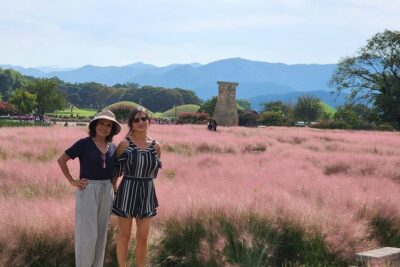
Private Gyeongju Tour – Explore Gyeongju UNESCO Sites
Read the review →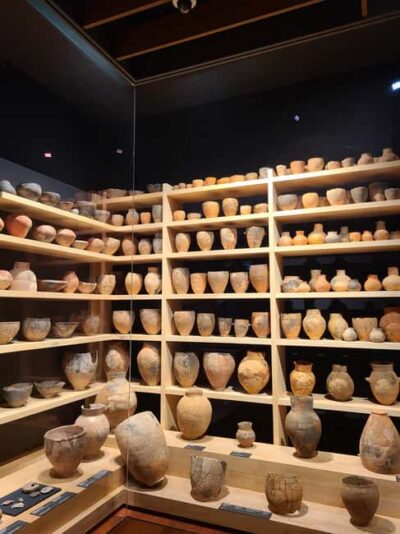
Gyeongju UNESCO Legacy Tour with National Museum
Read the review →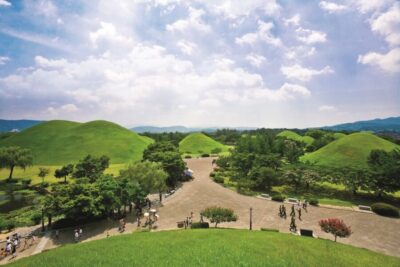
UNESCO Heritage Tour Including Bulguksa Temple
Read the review →
Full day Private Gyeongju UNESCO Heritage Tour : a glimpse into Silla
Read the review →
Browse the lists this tour appears in