
Reviewed · GYEONGJU TOURS
From Daegu: Gyeongju UNESCO Tour 7 Highlights with Bulguksa
Gyeongju is Korea’s ancient capital, and this full-day trip gives you a strong first look at its greatest sites without the bother of arranging several local buses and taxis. You’ll move from Bulguksa Temple to royal tombs, a palace pond, old village streets, and a beautifully lit bridge.
I like the practical route and the choice of a Busan drop-off, which can save a separate transfer day. I also like that entrance fees and transport are covered, with private and small-group options available. The main caution is the guide service: English explanations may vary, and one guest found the commentary too thin for a tour built around history and culture.
Key points to know before booking
- Seven Gyeongju sights in one day: The route covers Bulguksa, Gyeongju Gyochon Traditional Village, Woljeonggyo Bridge, Daereungwon, Hwangnidan-gil, Donggung Palace, and Wolji Pond.
- Bulguksa gets 80 minutes: That is enough for a meaningful visit, though you’ll need to keep moving around this large temple complex.
- Hwangnidan-gil includes dinner time: Meals are not included, so budget separately and expect this stop to take about 90 minutes.
- The tour runs from late morning into the evening: Pickup is scheduled between 10:30 and 11:00 AM, with the full experience lasting about 10 hours.
- You can finish in Busan: Drop-off choices include Busan and Busan Station, a useful option if you are continuing south.
- Guide quality matters: English and Chinese are offered, but detailed explanations are not guaranteed at the same level on every departure.
Why Gyeongju works so well as a day trip from Daegu
Gyeongju is not just another Korean city with a few old buildings. It was the capital of the Silla kingdom, and its historic center is spread across parks, temple grounds, village lanes, and open areas filled with royal burial mounds.
That spread is the reason this tour makes sense. On your own, you could visit the main sites, but fitting them into one day would require careful planning. This route links the major sights by vehicle and gives you a guide to help put each stop in context.
The day begins at one of three Daegu pickup points: Banwoldang Station, Dongdaegu first parking area, or another designated Daegu location. Your exact pickup point and drop-off choice need to be stated when you book. The guide is scheduled to contact you the day before through a messenger app such as KakaoTalk, WeChat, WhatsApp, or Viber, so check your messages rather than waiting for a phone call.
The late morning start is useful if you are staying in Daegu and do not want an exhausting dawn departure. The trade-off is that the day runs into the evening, especially with the long list of stops and the evening visit to Donggung Palace and Wolji Pond.
A few more Gyeongju half-days to weigh up
- Gyeongju UNESCO sites Private tour with licensed tour guide
★ 5.0 · 275 reviews - Private Gyeongju Tour – Explore Gyeongju UNESCO Sites
★ 5.0 · 272 reviews - Busan: Gyeongju UNESCO Legacy Tour with National Museum
★ 5.0 · 172 reviews
Bulguksa Temple: the day’s essential first stop
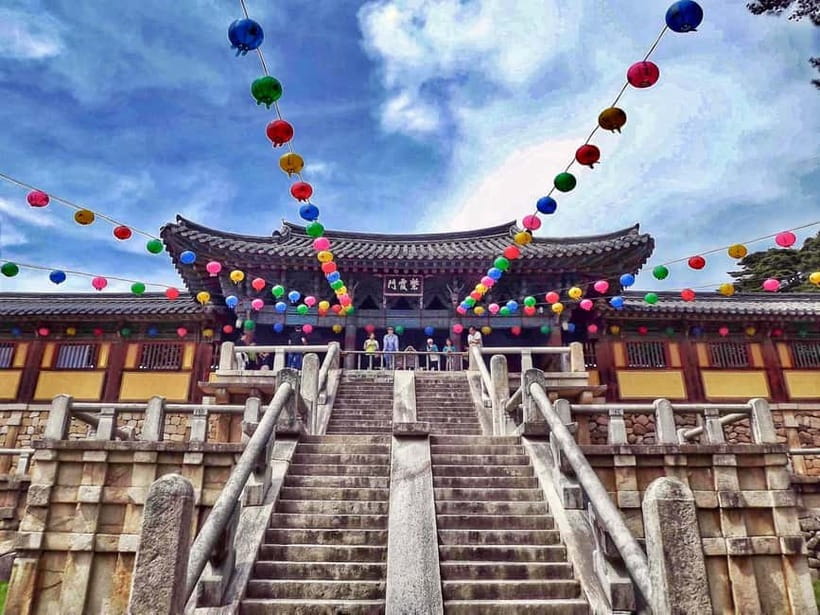
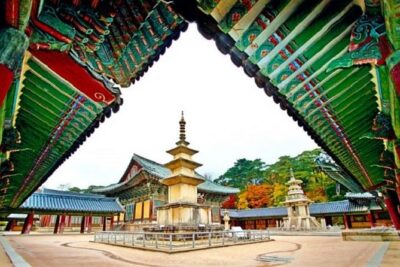
Bulguksa is the headline attraction, and rightly so. This UNESCO-listed Buddhist temple is the most important architectural stop on the route. The visit lasts about 80 minutes and includes a guided tour and time to look around.
You’ll see carefully arranged temple buildings, stone stairways, pagodas, and courtyards. The appeal is not only visual. Bulguksa shows how Buddhist belief, royal power, and skilled stonework came together during the Silla period.
I would treat the 80 minutes as a focused introduction rather than a slow, private exploration. The grounds are substantial, and you will want to listen to the guide while also allowing time for photographs. If your main reason for booking is Bulguksa, a private visit with longer free time may suit you better.
The temple is also the point where guide quality can make a real difference. A short explanation of the layout and symbolism helps you see more than an attractive collection of buildings. English and Chinese guiding are available, but the detail and fluency may depend on the guide assigned that day. Keep this in mind if you want a formal history lesson rather than basic orientation.
Gyeongju Gyochon Traditional Village and Woljeonggyo Bridge
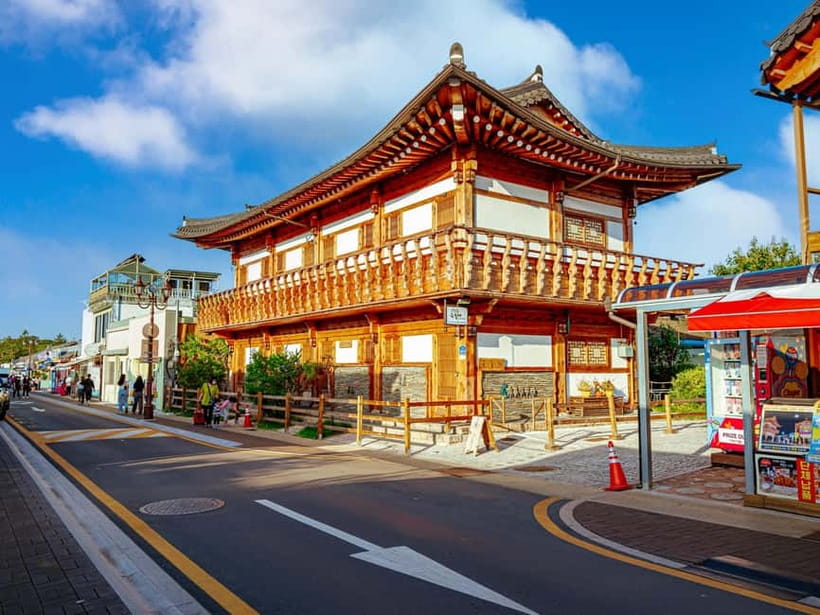
The next stop is Gyeongju Gyochon Traditional Village, with about an hour for guided sightseeing. This part of the day shifts from royal and religious monuments to a more intimate look at traditional Korean architecture and local streets.
The village gives the schedule some breathing room after Bulguksa. You can walk at a slower pace, look at the traditional houses, and get a sense of how historic Gyeongju feels at street level. The supplied details do not promise workshops, performances, or specific family homes, so I would come for the setting and architecture rather than expect a staged cultural program.
Woljeonggyo Bridge follows, with another hour. The bridge is one of Gyeongju’s most photogenic sights, especially when its traditional Korean design is framed against the water and surrounding paths. The tour description highlights the bridge as a key visual stop, so bring your camera and expect time to walk around rather than simply pause for a roadside photograph.
These two stops work well together. The village offers texture and human scale, while the bridge gives you a grander view and one of the day’s strongest photo opportunities. Still, a one-hour allocation at each place means the guide may set a clear meeting time. Keep an eye on the schedule so you do not turn a pleasant walk into a hurried dash back to the vehicle.
Daereungwon: royal tombs beneath the grassy mounds
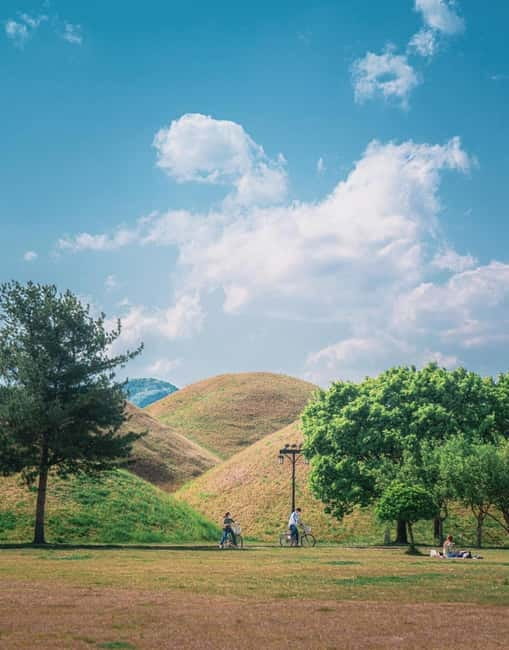
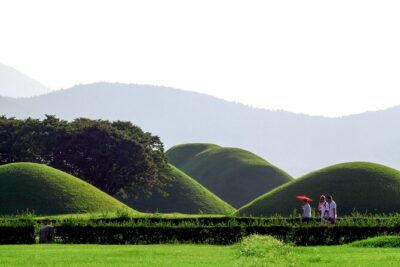
Daereungwon Tomb Complex is one of the most distinctive parts of Gyeongju. Instead of stone mausoleums or formal monuments, you see large grassy mounds rising from the city. These are royal tombs connected with ancient Silla rulers.
The hour here gives you enough time to walk among the mounds and understand how unusual Gyeongju’s historic center is. The tombs are not hidden away in a remote archaeological site. They sit within the modern city, making the old capital feel present rather than sealed behind museum glass.
This is a good stop for anyone who prefers history that you can read through the shape of a place. You do not need a long lecture to see that these burial mounds were designed to command attention. A guide can add the names and background that the earthworks alone cannot provide.
The site is also a reminder that this is a walking-heavy day. You will be moving through temple grounds, village streets, bridge approaches, tomb paths, and palace gardens. Comfortable shoes will matter more than stylish ones, particularly if you plan to keep up with the group and still stop for photos.
A different way to spend a day from here:
- Gyeongju UNESCO World Heritage Sites and History Full-Day Tour with Lunch
★ 5.0 · 104 reviews - Gyeongju: UNESCO Heritage Tour Including Bulguksa Temple
★ 4.8 · 104 reviews - Gyeongju: Private Car Tour with a Licensed Tour Guide
★ 5.0 · 85 reviews - Full day Private Gyeongju UNESCO Heritage Tour : a glimpse into Silla
★ 5.0 · 60 reviews
Hwangnidan-gil: food, streets, and a flexible dinner break
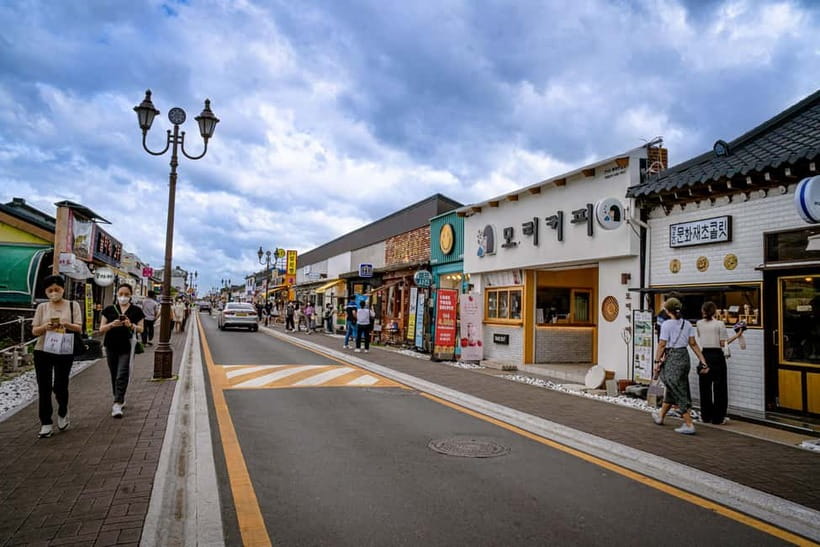
Hwangnidan-gil is scheduled for about 90 minutes and includes dinner time. This is the most flexible part of the day, since meals are not included and you pay for your own food.
The street is useful as a change of pace. After several historic sites, you get time to browse, eat, and experience a more modern side of Gyeongju. The stop also gives you a chance to choose what suits your appetite instead of being locked into a fixed group meal.
Allow enough money for dinner and personal purchases. The tour includes entrance fees and transportation, but not meals or other personal expenses. If you want to try a Korean dish such as bulgogi, ask the guide for help with ordering and preparation. Food can be an important part of the cultural experience, but the level of assistance may vary.
This stop may feel less orderly than the monuments. One report described a confusing lunch arrangement after joining another group, with some diners receiving priority despite arriving earlier. That does not mean every departure will run the same way, but it is sensible to confirm where and when to meet before you sit down to eat.
Donggung Palace and Wolji Pond after dark
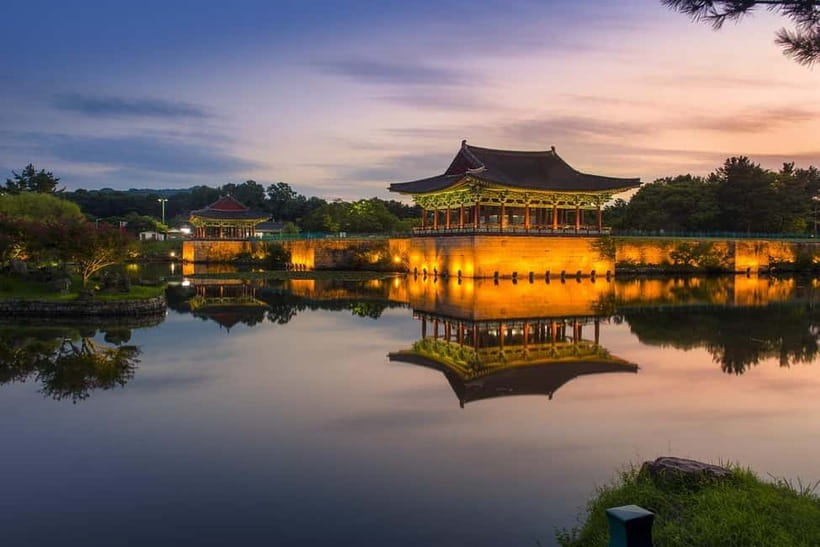
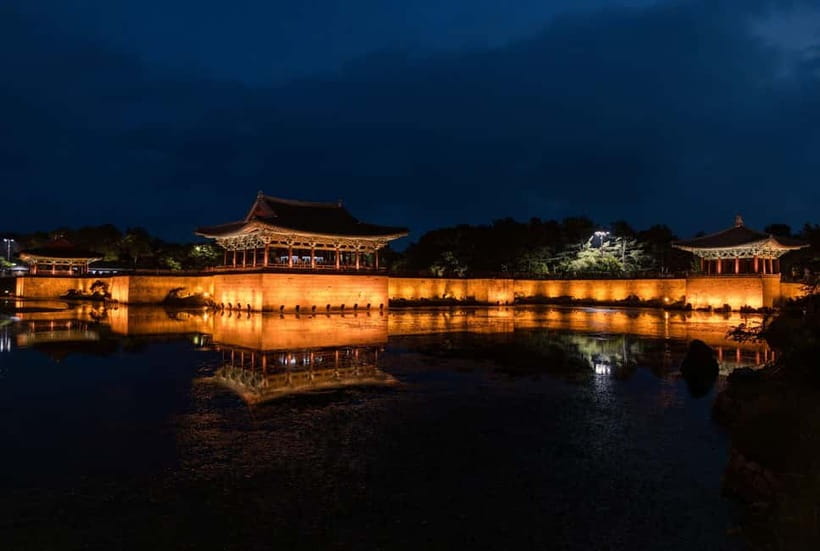
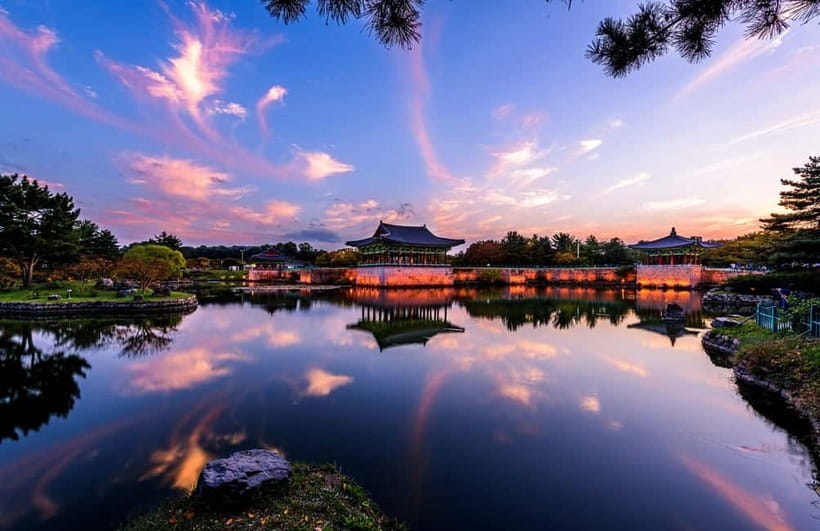
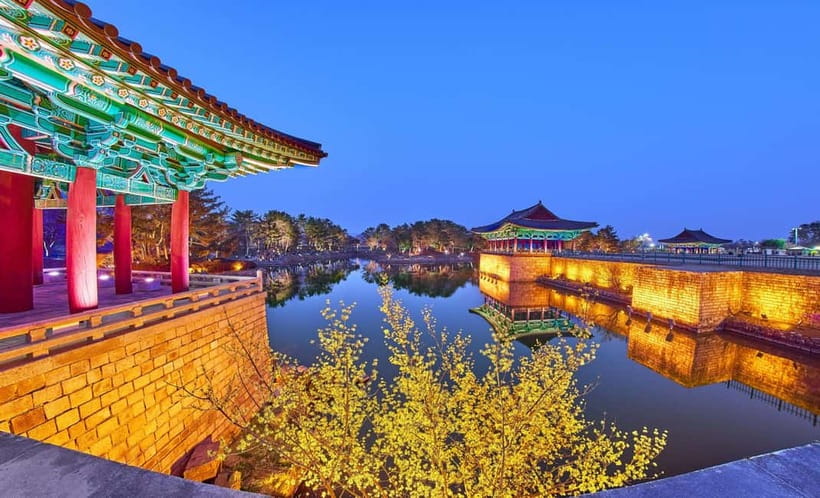
The final sightseeing stop is Donggung Palace and Wolji Pond, with about 40 minutes of guided viewing. This was once a royal villa, and the pond is known for its calm reflections and carefully composed views.
The timing is important. Since pickup begins around 10:30 to 11:00 AM and the tour lasts roughly 10 hours, you may reach this site in the evening. The palace buildings and pond can look especially atmospheric after sunset, when lights reflect across the water.
Forty minutes is enough to see the main views and hear an introduction, but it is not a long visit. You will want to decide quickly whether your priority is photography, a quiet walk, or staying close to the guide for historical context.
I like ending here because the pond provides a calmer finish after a busy day. The drawback is that this schedule gives you little room for delays. If traffic, meals, or an earlier site take longer, the final stop could feel brief.
Transport, group size, and the Busan option
The $80 price covers round-trip transportation from Daegu, entrance fees, and visits to the main paid attractions listed in the program. For a 10-hour day covering sites spread around Gyeongju, that is a fair price, particularly if you choose a small group and value simple transport.
You can choose a shared or private format. A shared tour may cost less and can be a good fit if you mainly want the route handled for you. A private option should appeal more if you want a slower pace, extra questions, or greater control over photo stops, though the available details do not specify the private-tour surcharge or exact vehicle size.
The Busan drop-off is the strongest practical feature. You can finish at Busan, Busan Station, or return to Daegu, with Dongdaegu and Banwoldang also listed among the drop-off choices. For a southbound trip, this turns the excursion into both a sightseeing day and a transfer between cities.
Be precise when booking. You need to select the pickup and drop-off locations, and provide the preferred drop-off time if requested. Since the guide contacts you the day before, make sure your messenger details are correct and watch for updates.
How strong is the guiding?
The guide speaks English or Chinese, and a live guide accompanies the tour. That gives you more than a simple driver-led transfer, especially at Bulguksa, the tomb complex, and Donggung Palace.
The guiding is also the part I would assess most carefully. One English-speaking guest found the driver punctual and caring but felt the guide was not very fluent and offered few detailed explanations. The same account found WhatsApp contact very useful, which supports the value of checking messages before departure.
If you need detailed historical interpretation at every stop, a private tour may be worth considering, but the supplied information does not guarantee a particular guide or level of expertise. If your main goal is to see the sights efficiently, take photographs, and avoid transport planning, the guide service may be sufficient.
You can also do a little preparation before leaving Daegu. Read a short introduction to the Silla kingdom and look up the names of the main sites. That way, even a brief explanation on the day will have more meaning.
Who will get the most from this tour?
I would choose this tour if you have only one day for Gyeongju and want the major sights arranged in a sensible order. It suits first-time visitors, couples, families who prefer organized transport, and anyone who does not want to work out several connections between Daegu and Gyeongju.
It is also a strong choice if you are moving on to Busan. The optional drop-off can save both time and the cost of returning to Daegu before continuing south.
You may want something else if you prefer long museum visits, quiet time at each temple, or detailed academic commentary. Seven highlights in 10 hours is efficient, but it is not leisurely. Hwangnidan-gil also requires you to pay for dinner, and the meal period may feel less structured if several groups are combining.
The tour’s overall rating is 4.6 from five published ratings, with strong marks for the day out, the scenery, and the driver’s punctual, caring service. That small number of ratings means I would treat the score as encouraging rather than definitive.
Final verdict: a useful one-day Gyeongju plan
Book this tour if you want a broad, well-organized introduction to Gyeongju from Daegu, especially if Busan is your next stop. The combination of Bulguksa, Daereungwon, Wolji Pond, Woljeonggyo Bridge, and the traditional village gives you a good mix of temple art, royal sites, old streets, food time, and evening scenery.
Go in with realistic expectations about the pace and guiding. You are paying for efficient coverage, entrance fees, and transport rather than a slow specialist-led study tour. For many people, that is exactly the right trade: one busy day, several unforgettable sights, and no need to manage the route yourself.
FAQ
How long does the Gyeongju tour from Daegu last?
The tour lasts about 10 hours. Pickup is scheduled between 10:30 AM and 11:00 AM, and the final timing depends on the day’s route and selected drop-off.
Where can I be picked up in Daegu?
Pickup choices include Banwoldang Station, Dongdaegu first parking area, and Daegu. Select your preferred departure point when booking.
Can I finish the tour in Busan?
Yes. You can choose a Busan or Busan Station drop-off instead of returning to Daegu. Other listed drop-off choices include Banwoldang Station, Daegu, and Dongdaegu first parking.
Are entrance fees included?
Yes. Entrance fees and visits to Bulguksa Temple, Daereungwon Royal Tombs, Donggung Palace and Wolji Pond, and Woljeonggyo Bridge are included.
Is food included in the $80 price?
No. Meals are not included. The Hwangnidan-gil stop includes dinner time, but you pay for your own meal and personal expenses.
What languages are available for the live guide?
The live guide service is available in English and Chinese. Private and small-group options are also offered.
What happens if I need to cancel?
You can cancel up to 24 hours before the tour for a full refund. The reserve-now, pay-later option lets you book without paying immediately.
Recently added around Gyeongju
- From Busan: Busan & Gyeongju One Day Tour★ 5.0 · 5 reviews
- UNESCO Listed Historic Sites in Gyeongju National Park★ 5.0 · 5 reviews
- Gyeongju Best Customized Private Tour with Tourguide★ 5.0 · 6 reviews
- Busan: 7 Highlights Gyeongju City One Day Tour★ 4.9 · 10 reviews
- Private World Heritage Gyeongju Taxi Tour★ 5.0 · 12 reviews
- Gyeongju: Private Car Charter Taxi Tour★ 5.0 · 37 reviews
- Guided Car Tour in Geyongju with a Local Guide★ 5.0 · 38 reviews
- Gyeongju UNESCO sites Private tour with licensed tour guide★ 5.0 · 275 reviews
Gyeongju Tours, compared.
Gyeongju UNESCO sites Private tour with licensed tour guide
Read the review →
Private Gyeongju Tour – Explore Gyeongju UNESCO Sites
Read the review →
Gyeongju UNESCO Legacy Tour with National Museum
Read the review →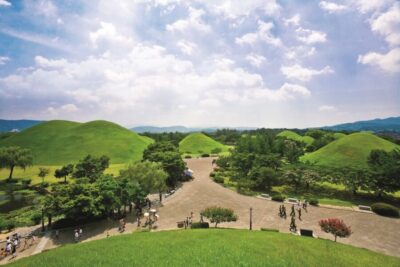
UNESCO Heritage Tour Including Bulguksa Temple
Read the review →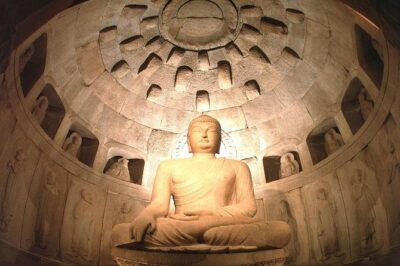
Gyeongju UNESCO World Heritage Sites and History Full-Day Tour with Lunch
Read the review →
Full day Private Gyeongju UNESCO Heritage Tour : a glimpse into Silla
Read the review →
Browse the lists this tour appears in