
Reviewed · GYEONGJU TOURS
Gyeongju UNESCO sites Private tour with licensed tour guide
Gyeongju is South Korea’s ancient capital, and this private tour brings its scattered treasures into one long, well-organized day. You can visit Bulguksa Temple and Seokguram Grotto, then move through royal tombs, Silla artifacts, an old village, and a graceful wooden bridge without trying to piece together the transport yourself. The private car is the key advantage.
I like the freedom to choose a shorter four-hour visit or stretch the day to nine hours. I also like the way guides such as Jino, Joy, Sang, Cynthia, Jake, and William adjust the pace, help with photos, suggest lunch, and even accommodate children or older adults. The main drawback is simple: this is a walking-heavy day, and entrance fees, when charged, plus lunch are not included.
Key points before you book
- See Gyeongju’s main historic sites in one day: Combine Bulguksa, Seokguram, Daereungwon, the National Museum, Cheomseongdae, Gyochon Village, and Woljeonggyo Bridge.
- Start in Busan or Gyeongju: Pickup is offered, with round-trip and one-way arrangements available.
- Use your time well: Private transport links sites that are spread across the Gyeongju area.
- Set your own pace: The experience can last roughly four to nine hours, depending on your plan.
- Expect practical help: Guides have assisted with strollers, car seats, family photos, restaurant choices, and hotel drop-offs.
- Plan for walking and extra costs: Daereungwon admission is not included, and meals are your responsibility.
Why private transport matters in far-flung Gyeongju
Gyeongju does not behave like a compact city center where every major sight sits around one easy walking route. Bulguksa and Seokguram are outside the central historic district, while the tombs, museum, observatory, village, and bridge lie in other parts of town.
That makes a private vehicle more than a comfort feature. It saves you from working out several bus connections, waiting between stops, and losing sightseeing time to transfers. You ride in an air-conditioned car or van, with parking fees and tolls covered. Guides have also handled larger groups, including a family of nine, and arranged a more spacious vehicle when needed.
Pickup can begin in Busan or Gyeongju. The drive from Busan takes about an hour, according to the tour details and firsthand trip accounts, so a Busan departure makes this a practical day trip. A one-way option is particularly useful if you are moving from Busan to Gyeongju, or from Gyeongju back toward Busan, since some groups have carried their luggage and continued directly to their next hotel.
The vehicle will not eliminate every delay. Gyeongju has several major stops, and a full day can feel packed. Still, the private setup gives you a chance to pause, shorten a visit, or spend longer at a place that catches your interest.
A few more Gyeongju half-days to weigh up
- Private Gyeongju Tour – Explore Gyeongju UNESCO Sites
★ 5.0 · 272 reviews - Busan: Gyeongju UNESCO Legacy Tour with National Museum
★ 5.0 · 172 reviews - Gyeongju UNESCO World Heritage Sites and History Full-Day Tour with Lunch
★ 5.0 · 104 reviews
Bulguksa Temple, where Silla stonework takes center stage
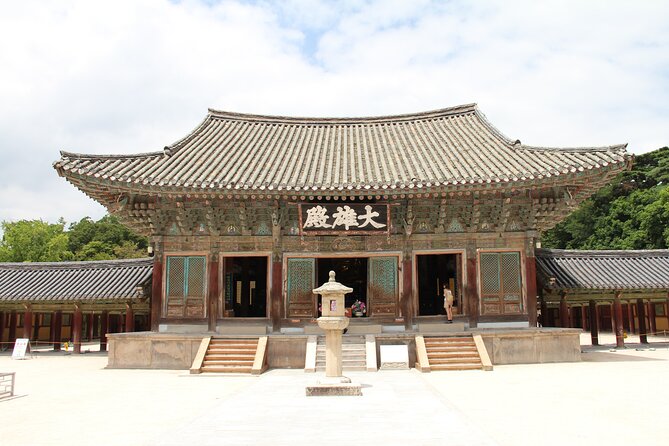
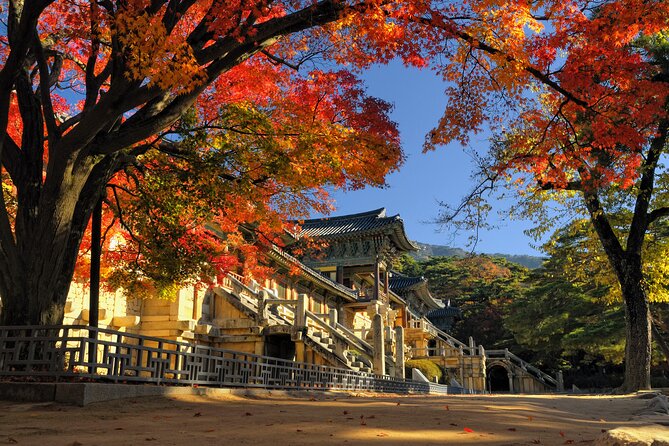
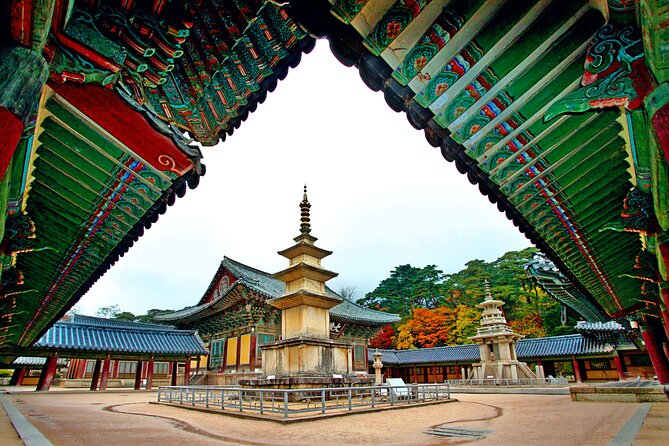
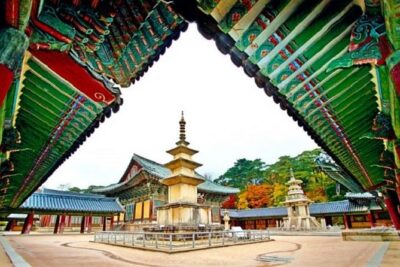
Bulguksa is usually the grand opening to the day. Built in the eighth century during the Silla period, the temple brings together wooden halls, stone stairways, and finely made pagodas in a setting that feels calm even when the site is busy.
Your guide can explain how the stone elements and Buddhist halls fit into Silla-era design. That context matters here. Without it, you may simply see a handsome temple complex. With a guide, the stairs, platforms, pagodas, and ceremonial layout become part of a larger story about Buddhist belief and royal power.
The planned visit is about an hour, which is enough for a focused look but not an exhaustive study of every corner. If temple architecture is your main interest, tell your guide early. A private tour gives you a better chance to linger at the areas that matter most to you.
Bulguksa requires walking over uneven surfaces and through open temple grounds. It is not a difficult hike, but comfortable shoes are a wise choice. The tour information lists admission as free for this stop, though you should still confirm current arrangements when booking.
Seokguram Grotto and the mountain road
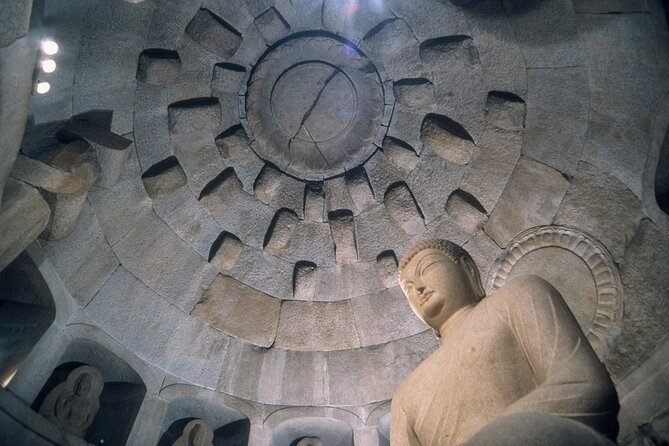
Seokguram Grotto is a shorter stop, planned at about 40 minutes, but it carries unusual weight. The eighth-century Buddhist site houses a serene granite Buddha and is set in the mountains above Bulguksa.
The visit is less about wandering through a large complex and more about reaching a carefully designed sacred space, seeing the sculpture, and understanding its place in Silla art. Your guide can fill in the background during the drive, which is one reason private transport works well here. The mountain setting also gives this stop a different mood from the open grounds at Bulguksa.
The tour lists admission as free. The visit does involve walking, and the allotted time is fairly brief. If you have mobility limits, mention them before the day begins. Guides including Jino and William have adjusted walking plans for older adults and people who needed a gentler pace, but the physical demands should not be ignored.
Daereungwon Tomb Complex and the Heavenly Horse Tomb
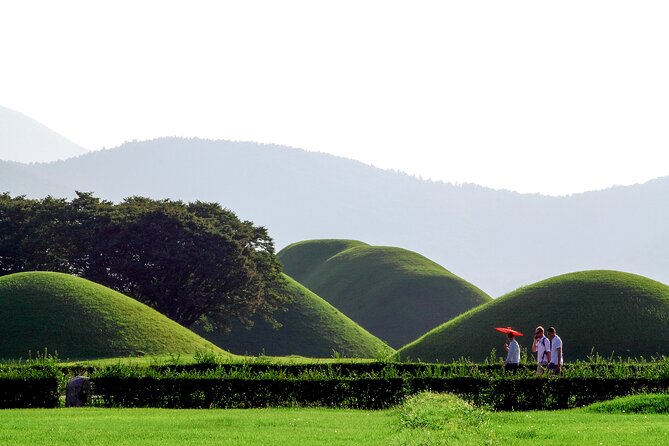
Back in central Gyeongju, Daereungwon changes the mood again. Instead of temple buildings, you see broad grassy burial mounds linked to Silla royalty and aristocracy.
The highlight is Cheonmachong, or Heavenly Horse Tomb, which was excavated and opened to show how a royal burial worked. The artifacts found in these tombs include the gold crowns that later appear at the museum. This connection makes Daereungwon more rewarding when you visit the museum afterward.
The planned stop lasts about 40 minutes. That gives you time to walk among the mounds and enter Cheonmachong, but it may feel short if you want to study every display or take a slow stroll through the grounds. Admission is not included here, unlike several other stops, so budget for that separately. People aged over 65 may receive free admission according to the tour information.
This is one of the best places to appreciate Gyeongju’s unusual character. The tombs are not hidden behind walls or isolated far from town. They are part of the city, making the old Silla capital feel present rather than sealed away in a distant museum.
A different way to spend a day from here:
- Gyeongju: UNESCO Heritage Tour Including Bulguksa Temple
★ 4.8 · 104 reviews - Gyeongju: Private Car Tour with a Licensed Tour Guide
★ 5.0 · 85 reviews - Full day Private Gyeongju UNESCO Heritage Tour : a glimpse into Silla
★ 5.0 · 60 reviews - Guided Car Tour in Geyongju with a Local Guide
★ 5.0 · 38 reviews
Gyeongju National Museum, the day’s essential indoor stop
The National Museum gives you the evidence behind the monuments. Its collection includes more than 100,000 objects from the Silla Kingdom, which lasted from 57 BC to 935 AD.
The displays include royal gold crowns, objects from excavated tombs, Buddhist sculpture, and the famous 20-ton bell. If you have just visited Daereungwon, the museum helps you understand what was placed inside those burial mounds and why those discoveries matter.
The visit is scheduled for about 40 minutes. That is enough for the main galleries, but not enough for a slow museum study. I would tell your guide what interests you most: royal objects, Buddhist art, metalwork, or the broader story of Silla. A good guide can keep the museum from becoming a blur of dates and display cases.
Admission is listed as free. The museum also provides a useful break from the sun, rain, or heat. Since much of the day takes place outdoors, this stop gives your feet and attention a chance to recover.
Cheomseongdae and the science of ancient Silla
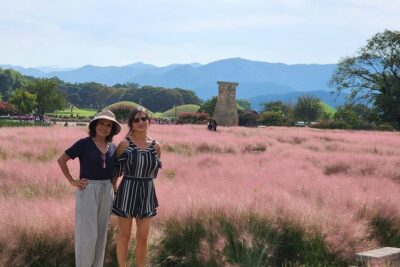
Cheomseongdae Observatory is a compact stop with a big claim. Built during Queen Seondeok’s reign, from 632 to 647 CE, it is described as the oldest surviving astronomical observatory in Asia.
The stone tower rises 9.17 meters and has a cylindrical form made from 36 layers of stone. Even if you are not an astronomy enthusiast, it is worth seeing because it shows another side of Silla society. Gyeongju was not only a center of temples and royal burials. Its rulers also supported observation of the sky, calendars, and the practical use of science.
The stop is not given a clear duration in the supplied schedule, so your guide will fit it into the day. The site itself is easy to combine with the nearby central attractions. It is also a good photo stop, especially if you want a short pause between larger visits.
Do not expect a museum-style observatory with a long interior visit. The value is in seeing the stone structure in its setting and hearing how it fits into the period’s political and scientific life.
Gyochon Village and the House of the Choi Clan
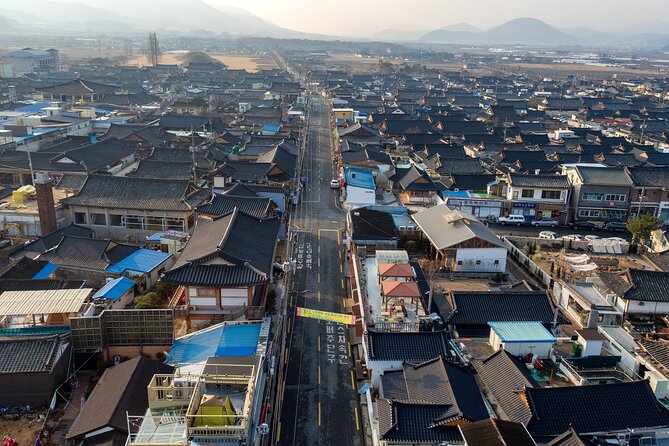
Gyochon Traditional Village offers a more domestic view of Korean heritage. The area is associated with the Gyeongju Choi Clan, known for a 12-generation legacy, and includes the historic clan house.
This stop helps balance the royal and religious sites. You are not only looking at monuments built by kings or temples supported by the state. You also get a glimpse of a traditional community and the social world of an established local family.
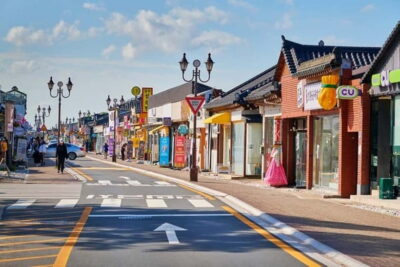
The visit lasts about 40 minutes and admission is listed as free. It can also be a useful place to discuss food. Several guides, including Sang and Jake, have recommended local restaurants, and one group enjoyed a traditional meal in the area around the House of Choi.
Keep your expectations in check. Gyochon is not presented as a large open-air museum with hours of activities. It is a modest historic area, best appreciated as part of the wider story of Gyeongju.
Woljeonggyo Bridge at the end of the route
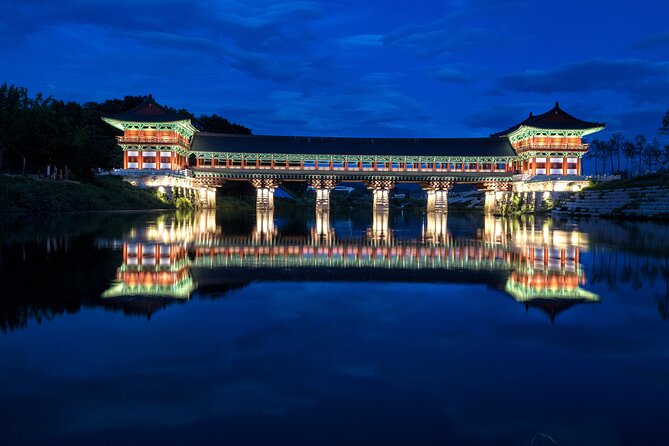
Woljeonggyo Bridge is a reconstructed wooden bridge first built in 760 during the Unified Silla period. It was destroyed during the Joseon dynasty and rebuilt between 2008 and 2018.
The planned visit is only about 20 minutes, making it an easy final stop. The bridge gives you a different visual experience from Bulguksa’s stonework and Daereungwon’s earth mounds. Its timber structure and span across the water create one of the tour’s strongest photo settings.
Because it is a reconstruction, your guide can explain the difference between surviving ancient fabric and a modern rebuild based on historical evidence. That is useful context. You can appreciate the design while understanding what you are actually seeing.
The bridge is a short stop, not a long riverside outing. If you want more time there, ask about the schedule before departure. On a nine-hour tour, the guide may have room to adjust. On a four-hour version, the day will need a tighter focus.
What the guides add to the experience
The guide makes the largest difference on this tour. The places are impressive on their own, but they cover centuries of Korean history and sit in separate parts of Gyeongju. Dates and names can quickly run together.
The guides named in the supplied experiences include Jino, Joy, Sang, Cynthia, Jake, William, Lily, CK, Finn, Soo-Hyeon Kim, and others. The assigned guide may vary, but the service includes an English or Chinese speaking licensed guide.
The strongest practical pattern is flexibility. Jino adjusted the pace for mobility concerns and offered lunch suggestions. Joy handled a group of eight, arranged a larger vehicle, helped with photos, and later dropped the group at an Airbnb. Sang has helped families with young children, including stroller assistance, snack breaks, bathroom stops, and car seats for small children.
That family support is not a minor detail. A private group can stop when a child needs a break instead of holding up strangers or being forced to follow a rigid schedule. The same applies to older adults. William adjusted the day for a group with two elderly family members.
Guides also bring local advice beyond the formal sights. Jake recommended restaurants and other things to do in Busan. Sang helped groups find traditional meals and good cafes. Several guides took family photos, which is useful when you are traveling without a spare photographer.
Choosing four hours or a full nine-hour day
The tour duration ranges from about four to nine hours, so your choice should depend on your base and priorities.
A four-hour visit suits you if you are already staying in Gyeongju and want a focused look at two temples or a smaller selection of central sites. One four-hour plan included hotel pickup and two Buddhist temples, with time left for restaurant suggestions and local advice.
A longer day makes more sense from Busan. The drive already takes about an hour, and the major sites are spread out. A full plan can include Bulguksa, Seokguram, Daereungwon, the National Museum, Cheomseongdae, Gyochon Village, and Woljeonggyo Bridge.
Do not treat the nine-hour version as a promise that every stop will receive equal attention. It is a broad program. You will see more, but some visits are intentionally short. Tell the guide your priorities: temples, tombs, museums, photography, food, children, or a hotel transfer.
The private format is also useful for cruise passengers and people with tight connections. One group visited Gyeongju from a port and still made time for Jagalchi Market in Busan afterward. That kind of plan requires clear communication about timing, but a private vehicle offers far more control than a shared excursion.
Price, inclusions, and the real value
The listed price is $186.50 per person. That is not a budget sightseeing bus, especially for a solo visitor, but the value improves as your group grows because the vehicle, driver, guide, parking, and tolls serve the whole party. Group discounts are offered.
Your price includes private transportation in an air-conditioned vehicle, a licensed English or Chinese speaking guide, parking fees, and tolls. It does not include meals or entrance fees when applicable. Daereungwon is specifically marked as not included, while Bulguksa, Seokguram, the National Museum, Gyochon Village, and Woljeonggyo Bridge are listed with free admission.
I would compare the price with the cost of arranging a car, navigating transfers, paying tolls, and hiring separate interpretation. The tour is most worthwhile if you are coming from Busan, traveling with family, carrying luggage, or want a one-way drop-off.
It is less compelling if you already know Gyeongju well, prefer slow independent museum visits, or plan to spend several days in town. In that case, public transport and walking may give you more time at fewer sites.
Walking, families, and the pace of the day
A moderate level of physical fitness is recommended. You will walk at temples, around burial mounds, through museum areas, in the village, and near the bridge. The tour is not described as a hiking trip, but neither is it a drive-by sightseeing loop.
Wear shoes you can use comfortably for several stops. If someone in your group has mobility limits, tell the provider in advance. Jino and William adjusted routes for older adults, and private vehicles can reduce the distance between sights, but stairs and uneven areas remain part of places such as Bulguksa and Seokguram.
Families may find this format easier than a shared tour. Sang assisted with a stroller, arranged a rest stop from Busan, and had infant and child car seats available for one group. You should confirm any car-seat needs before booking rather than assume they are automatic.
Service animals are allowed. Meals are not included, but guides can suggest restaurants, and the private schedule may allow time for a local lunch if you ask.
Who should book this Gyeongju tour?
I would choose this tour if you have one day for Gyeongju and want the broad picture: Buddhist art, royal tombs, museum treasures, science, traditional housing, and Silla-era architecture.
It is especially useful for:
- First-time visitors staying in Busan
- Families with children who need flexible breaks
- Groups carrying luggage between Busan and Gyeongju
- Older adults who benefit from short drives between sites
- Visitors who want historical explanation in English or Chinese
- Small groups that prefer a private vehicle to a shared bus
I would hesitate if your main goal is an unhurried museum visit or a long temple retreat. The full route covers a lot of ground, and the shorter stops may leave you wanting more time. A private guide can adjust the plan, but you should agree on priorities before setting off.
Free cancellation is available up to 24 hours before the start time. Changes or cancellations within 24 hours are not accepted for a refund, so keep the local cut-off time in mind.
Should you book it?
Book this tour if you want to understand how Gyeongju’s separate sights fit together and you value comfort, interpretation, and control over the day. The private car solves the city’s spread-out layout, while the guide adds the historical links that make the temples, tombs, museum, and observatory more than a string of photo stops.
For the best result, choose the longest version you can manage, name your top priorities, and tell the guide about mobility, children, luggage, and food needs before the pickup. If you prefer fewer sights at a slower pace, book the four-hour option or ask for a tailored plan. Either way, this is a strong choice for seeing ancient Silla sites without spending your day on transport logistics.
FAQ
Where does the tour begin?
Pickup is offered from Busan or Gyeongju. The tour can be arranged as a round-trip or one-way experience.
How long does the tour last?
The experience lasts approximately four to nine hours, depending on the option and schedule you choose.
What languages does the guide speak?
The tour includes a licensed English or Chinese speaking guide.
Is transportation private?
Yes. You travel in a private air-conditioned vehicle, and only your group participates.
Are entrance fees included?
Entrance fees are not included when applicable. Bulguksa Temple, Seokguram, the Gyeongju National Museum, Gyochon Village, and Woljeonggyo Bridge are listed with free admission. Daereungwon admission is not included.
Is lunch included?
No. Meals are not included, though guides can provide restaurant recommendations and may help fit lunch into the private schedule.
Is the tour suitable for people with limited mobility?
The tour requires a moderate level of physical fitness and includes walking at several stops. Guides can adjust the pace and route, so you should share mobility concerns before the tour.
Recently added around Gyeongju
- From Daegu: Gyeongju UNESCO Tour 7 Highlights with Bulguksa★ 4.6 · 5 reviews
- From Busan: Busan & Gyeongju One Day Tour★ 5.0 · 5 reviews
- UNESCO Listed Historic Sites in Gyeongju National Park★ 5.0 · 5 reviews
- Gyeongju Best Customized Private Tour with Tourguide★ 5.0 · 6 reviews
- Busan: 7 Highlights Gyeongju City One Day Tour★ 4.9 · 10 reviews
- Private World Heritage Gyeongju Taxi Tour★ 5.0 · 12 reviews
- Gyeongju: Private Car Charter Taxi Tour★ 5.0 · 37 reviews
- Guided Car Tour in Geyongju with a Local Guide★ 5.0 · 38 reviews
Gyeongju Tours, compared.
Private Gyeongju Tour – Explore Gyeongju UNESCO Sites
Read the review →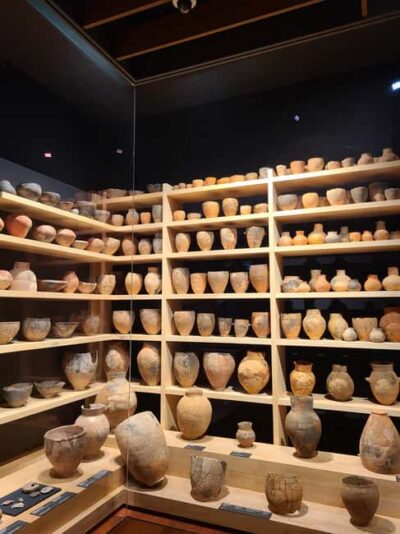
Gyeongju UNESCO Legacy Tour with National Museum
Read the review →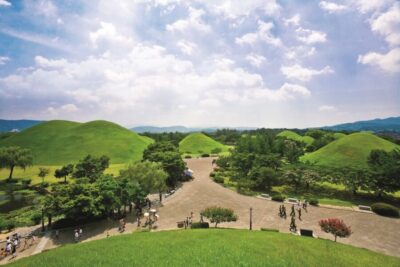
UNESCO Heritage Tour Including Bulguksa Temple
Read the review →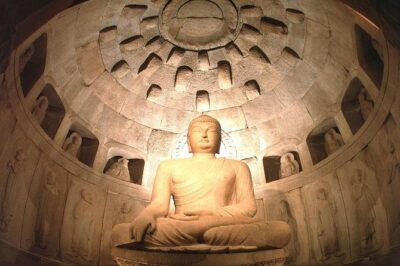
Gyeongju UNESCO World Heritage Sites and History Full-Day Tour with Lunch
Read the review →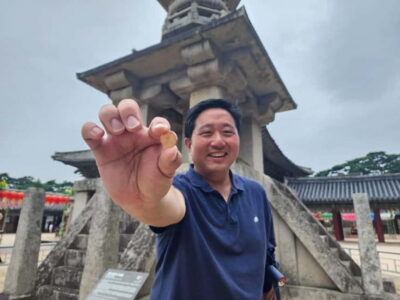
Full day Private Gyeongju UNESCO Heritage Tour : a glimpse into Silla
Read the review →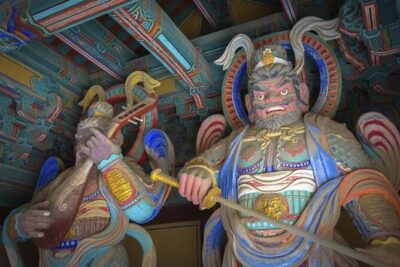
Browse the lists this tour appears in