
Reviewed · GYEONGJU TOURS
Full day Private Gyeongju UNESCO Heritage Tour : a glimpse into Silla
Gyeongju is South Korea’s ancient capital, and this tour gives you a well-planned route through the best-known Silla-era sights in one long day. You’ll move from a mountain temple and stone Buddha grotto to royal tombs, a traditional village, museum galleries, and a palace pond lit for evening.
I like the private vehicle and guide, since Gyeongju’s sights are spread across town and beyond. I also like the chance to shape the day around your interests. Guides such as Mimi, Wookie, John, and Mr. Tom Kim have been praised for clear English, safe driving, patience, and adjusting the schedule for families or history-focused groups.
The main drawback is the price: $256.42 per person is a serious outlay, especially because lunch is not included in the formal inclusions. The 11-hour schedule is also full, with walking and steps at several stops.
Key Points Before You Book
- Bulguksa and Seokguram lead the day: These are the tour’s most important Buddhist sites and require some walking and steps.
- A private guide makes the difference: Your guide can explain Silla history, answer questions, and adjust the pace or order of stops.
- The route covers Gyeongju’s main sights: You’ll see temples, tombs, a village, a museum, an observatory, and a palace pond.
- Lunch is Korean, but budget extra: Tteokgalbi, grilled short-rib patties, is the suggested meal, but lunch is excluded from the price.
- Seoul visitors can add KTX travel: The Seoul option includes a ride on Korea’s bullet train and pickup arrangements.
- Book early for popular dates: This experience is booked an average of 49 days ahead, a useful clue for spring and autumn trips.
Why Gyeongju Works Best With a Full Day
Gyeongju is not a single compact old town. Its historic places are spread over a broad area, and the most important sights sit in different settings. Bulguksa and Seokguram are southeast of the central area, while the tombs, observatory, village, museum, and Wolji Pond sit closer together in town.
That geography makes a private tour useful. You are not spending your day figuring out bus connections, checking which stop comes next, or trying to fit distant sights into a fixed public transport schedule. Your guide handles the driving while you concentrate on the story connecting the sites.
I also like the way this route follows the Silla era through different types of evidence. At Bulguksa, you see Buddhist architecture. At Seokguram, you see religious sculpture. At Daereungwon, you see royal burial mounds. The museum then gives you the objects and explanations that help tie everything together.
This is not a relaxed day with long café breaks. It is a history-heavy outing. You’ll get the most from it if temples, royal dynasties, archaeology, and Korean culture interest you.
More Historical Tours in Gyeongju:
- Gyeongju: UNESCO Heritage Tour Including Bulguksa Temple
★ 4.8 · 104 reviews - Gyeongju UNESCO World Heritage Sites and History Full-Day Tour with Lunch
★ 5.0 · 104 reviews - Private World Heritage Gyeongju Taxi Tour
★ 5.0 · 12 reviews
Bulguksa Temple: Silla Architecture in Stone
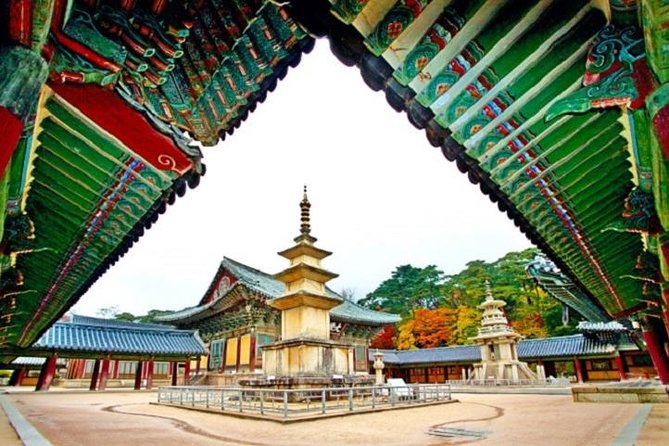
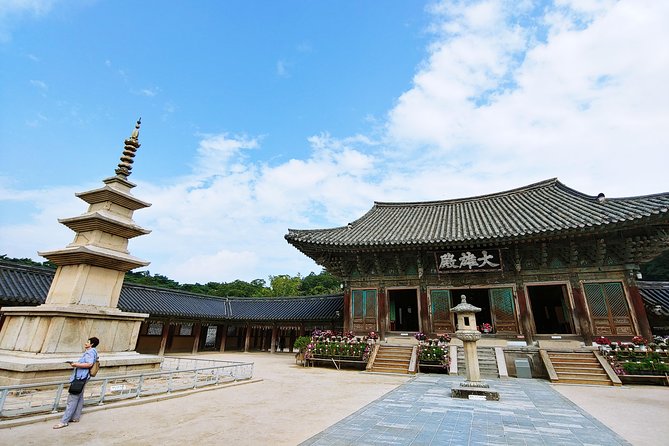
The first major stop is Bulguksa Temple, a UNESCO World Heritage Site described for its importance as a masterpiece of Buddhist art in the Far East. Plan on about an hour here.
The temple is especially appealing because it combines religious purpose with careful stonework and formal courtyards. Your guide can help you look past the broad impression of painted buildings and point out why the site matters within Silla culture.
The setting changes with the season. Cherry blossoms add color in spring, while autumn foliage frames the temple grounds later in the year. Those seasonal details make the visit feel different depending on your travel dates, though the tour does not promise any particular bloom or leaf display.
Bulguksa is one of the stops where a guide earns their keep. Without context, you can admire the buildings and move on quickly. With explanation, the site becomes part of a larger story about Buddhism, royal power, and Silla craftsmanship.
Wear comfortable shoes. The day includes a moderate amount of walking and steps, and the temple visit is only the beginning.
Seokguram Grotto and the Mountain Road
From Bulguksa, the tour continues to Seokguram Grotto. The grotto contains a central Buddha surrounded by carved devas, bodhisattvas, and disciples on the walls.
This stop has a different mood from Bulguksa. Instead of open temple courtyards, you are viewing a carefully arranged stone sanctuary with sculpture as its main focus. The setting makes the visit feel more spiritual and contained.
You have about an hour here, including the approach and viewing time. The walk and steps are worth keeping in mind if anyone in your group has mobility concerns. The tour data says most people can participate, but it also notes a moderate amount of walking and stairs.
One useful point comes from the feedback about the route: some people have apparently been uncertain about entering the tomb or seeing the Buddha in the grotto. If this is important to you, confirm the exact access details with the operator before departure. The grotto is clearly part of the planned visit, but conditions at historic sites can affect how closely you can view certain areas.
Tteokgalbi Lunch in Gyeongju
After Seokguram, you stop for tteokgalbi, grilled short-rib patties. This is a good choice for a first taste of a traditional Korean meal, particularly if you want something more substantial than a quick snack between monuments.
The meal is not included in the formal price, despite the tour description presenting lunch as one of the day’s highlights. Budget for it separately. Vegetarian food is available if you request it when booking.
Several guide experiences point to lunch as more than a necessary pause. Guides have helped groups choose traditional dishes, explain flavors, and adapt the meal to their preferences. One guide also added a coffee stop, and another recommended a bakery near the lunch area. Those extras are not guaranteed, but they show why it helps to tell your guide what you enjoy.
Food is also where a private tour can feel more personal. You can explain dietary needs, ask for advice, or spend a little longer eating if the schedule allows. Still, the day has many stops, so do not expect an unhurried restaurant afternoon.
A few more Gyeongju half-days to weigh up
- Full Day Tour In The Soop BTS Ver in PyeongChang Filming Location
★ 5.0 · 1,709 reviews - Small Group Full Day Busan Tour (Max 6 Pax)
★ 5.0 · 1,464 reviews - Seoul City Private Full-Day Tour Including Lunch
★ 5.0 · 469 reviews - Jeju Southern UNESCO Full Day Tour with Mt.Halla
★ 5.0 · 400 reviews
Silla Arts and Science Museum: A Visual Introduction
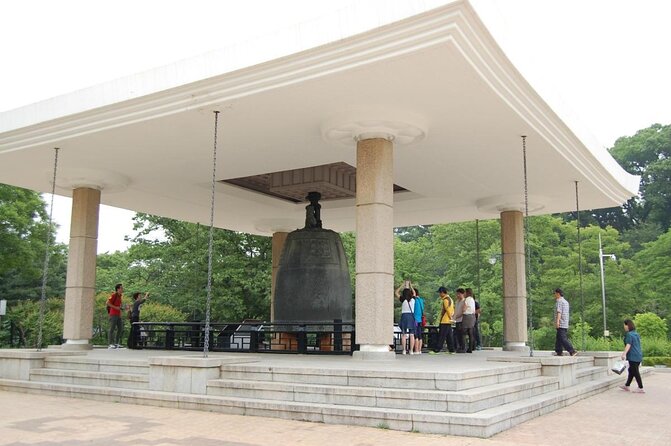
The Silla Arts and Science Museum offers an animated film about the thousand-year Silla Kingdom. You’ll spend about an hour here.
This stop may appeal most to families and to anyone who wants a visual break after the temple and grotto. A film can put names, dates, and events into a clear sequence, especially if Silla history is new to you.
The museum is described as presenting the Silla era through both art and science. Your guide can add context and answer questions after the film, which matters because an animation alone may simplify a complicated period.
For adults who already know the main story, this could feel less essential than the temple, grotto, or museum. For children and teenagers, though, the moving images may hold attention better than a long set of display cases. One family-focused guide, John, was especially praised for trying to connect historical material with younger interests and for adding stories about battles and unusual sites.
Daereungwon and the Royal Tombs
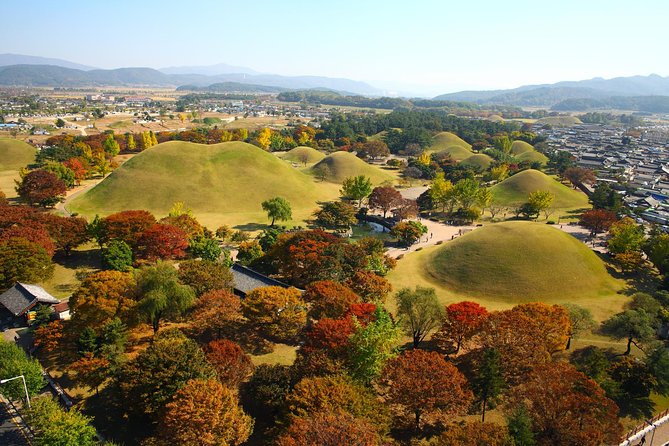
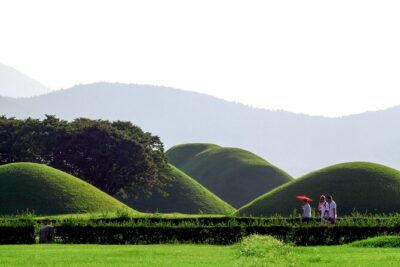
At Daereungwon Tomb Complex, you’ll see the large grass-covered burial mounds of Silla kings and nobles. The planned visit lasts about 30 minutes.
The tombs are visually simple but historically important. Their rounded shapes dominate the area, and they give you a clear sense of the scale and status of Silla’s rulers. This is a useful contrast with Bulguksa, where the eye goes to architecture and sculpture.
The short stop works well in a tightly scheduled day, but it may leave you wanting more time. If tomb construction or archaeology interests you, ask your guide for extra explanation. Some guides have adjusted the pace and added context around the main schedule, but the final timing depends on your group and the day’s conditions.
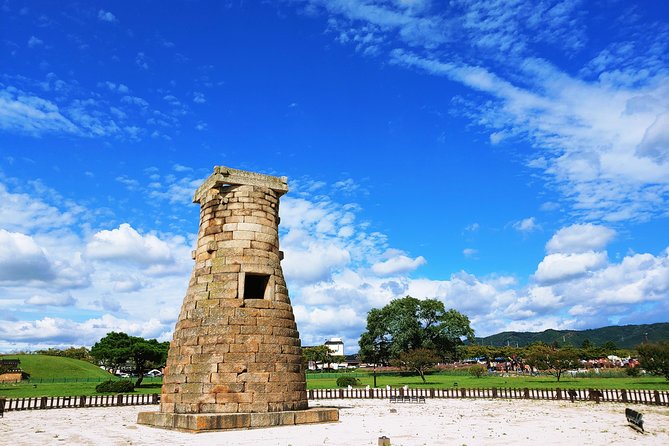
Nearby is Cheomseongdae Observatory, whose name means star-gazing tower. It is regarded as the oldest surviving astronomical observatory in Asia. The tour information lists it as a nearby stop rather than assigning a separate duration, so expect to see it as part of your walk around the central historic area.
Gyochon Village and Cheomseongdae
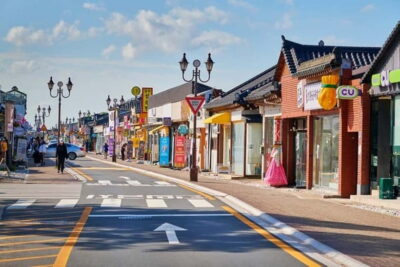
Gyeongju Gyochon Traditional Village brings a different kind of history. Around the observatory, you’ll find older buildings alongside newly built hanok, or traditional Korean-style houses.
This is a helpful place to think about how historic districts are presented today. Not every building is an untouched relic. Some structures are restored or newly built in a traditional style, and your guide can help you understand that mix rather than treating the whole area as a frozen museum.
You’ll have about an hour here. It is a good point to slow down, look at the house forms, and ask how people used these spaces in earlier periods. The village adds everyday life to a route otherwise dominated by temples, rulers, and royal objects.
The central location also makes it a practical walking stop near the tombs and observatory. If your group prefers more time for photographs or a short break, this is one of the places where a private guide may be able to make a small adjustment.
Gyeongju National Museum: Putting the Pieces Together
The National Museum is one of the most useful stops for understanding what you have seen. Its collections include relics from the Silla Kingdom, covering roughly a thousand years of material.
I would pay close attention here, even if you are not usually a museum person. After visiting the sites in person, objects in the galleries have more meaning. You can connect sculpture, Buddhist practice, royal life, and burial customs with actual artifacts rather than relying only on an outdoor visit.
The scheduled museum time is one hour, which gives you a solid introduction but not enough for every gallery. Ask your guide which objects best match your interests. If you care about Buddhism, dynastic power, art, or warfare, say so early in the day. Guides have adjusted the theme for groups who wanted a stronger focus on Korean unification, religion, or military history.
The museum admission is listed as free. That helps soften the overall tour cost, though it does not change the fact that transportation and private guiding make this a premium experience.
Donggung Palace and Wolji Pond at Day’s End
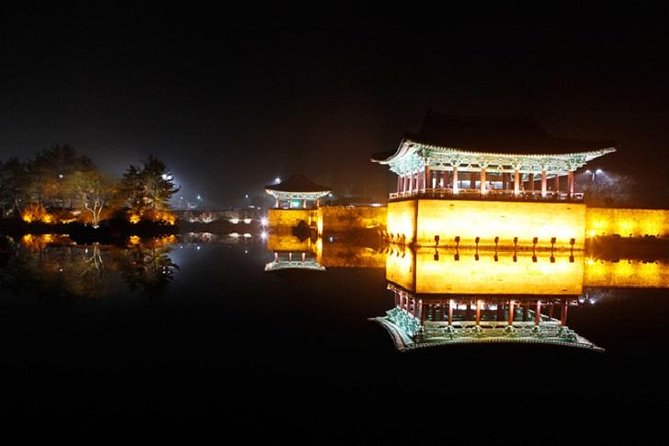
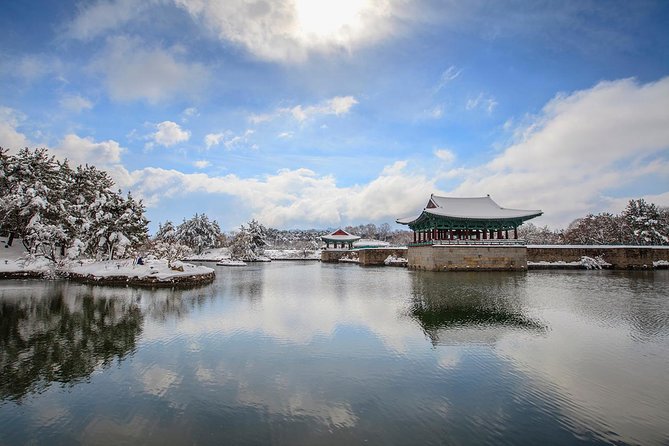
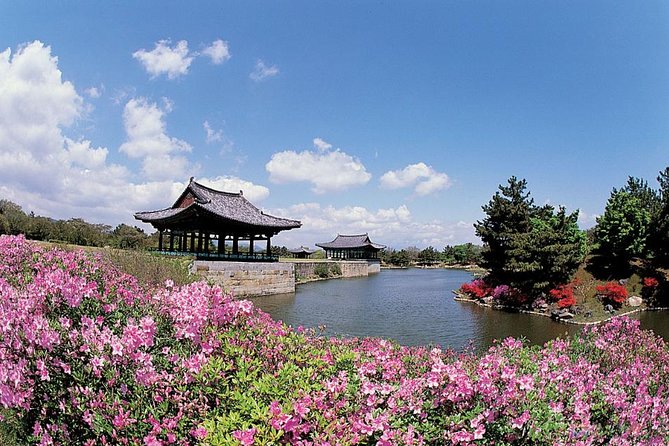
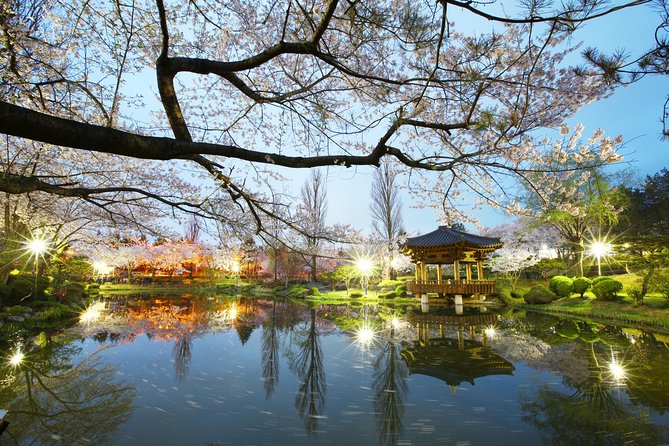
The final listed stop is Donggung Palace and Wolji Pond, also known as Anapji. You’ll spend about an hour here.
This site is especially attractive as the light fades. The pond and palace grounds are known for their night view, and the timing gives the day a strong finish if the schedule reaches Gyeongju in the evening. The tour description presents this as a place with a more dramatic atmosphere than the daytime monuments.
Do not assume the exact sunset or lighting conditions will match your plans. The tour lasts about 11 hours, and traffic, meal timing, and earlier visits can shift the arrival time. Still, your guide can advise you on the best order for the day and point out why the pond mattered to the Silla court.
After temples, tombs, villages, and museum displays, Wolji Pond offers a quieter visual ending. It is also one of the reasons this tour feels longer than a simple morning sightseeing trip.
What the Private Format Really Adds
The strongest feature is not just having a car. It is having one person responsible for linking the day together.
Guides named in the feedback include Mimi, Wookie, William, Kevin, Min, Larry, Jones, Erick, Paul, Tom Kim, Bonita, John, Solomon, Willow, Mrs. Han, Carrie, Luke, Gilwon, and Dongmin Goh. Guide assignments vary, so you cannot assume you will receive a particular person, but the repeated strengths are clear: friendly service, strong English, safe driving, local knowledge, and flexibility.
A private guide can also adjust the route when weather or family energy becomes an issue. One family found that their guide was happy to skip places they did not want and add others. Another guide took a group to Yangdong Historical Village after the planned tour, though that kind of addition is not part of the advertised schedule and should never be assumed.
Tell the operator your interests before the day. If you want temples and Buddhism, say so. If you prefer royal history, archaeology, battles, food, or family-friendly explanations, that information helps with guide matching and time management.
Price, Transport, and Who Gets Good Value
At $256.42 per person, this tour is expensive for a day of sightseeing. The price makes more sense for a small private group that values door-to-door transport, an English-speaking guide, and the ability to adjust the route.
Hotel pickup and drop-off are available in Gyeongju and Busan. The Seoul option includes KTX, Korea’s bullet train, which can turn the experience into a long but efficient day trip from the capital. The listed duration is about 11 hours, so Seoul-based groups should be ready for a very full schedule.
Entrance fees listed in the route are included, as are bottled water and an air-conditioned vehicle. Lunch, tips, and activities outside the plan are extra. Group discounts may improve the per-person value for families or friends traveling together.
I would not book this simply to save money. I would book it to save planning time and gain historical context. If you are comfortable using public transport and prefer to explore slowly, you may find the price hard to justify. If you have one day for Gyeongju and want the main sites without transport puzzles, the cost becomes easier to defend.
Practical Details for a Smoother Day
Confirmation arrives at booking, and the experience is near public transportation. Most people can take part, but plan for walking and stairs at the temple and grotto.
Give your full phone number with country code, and request a vegetarian meal when booking if needed. Since lunch is excluded, ask in advance how much time is planned for the meal and what payment arrangements are expected.
The cancellation policy allows a full refund when you cancel at least 24 hours before the local start time. Changes or cancellations inside that window are not accepted for a refund. The tour requires good weather, and if poor conditions cause cancellation, you’ll be offered another date or a full refund.
Should You Book This Gyeongju Tour?
I would book this tour if you have one day for Gyeongju, want to see the major Silla sites, and prefer a guide-led experience over public transport. It is particularly well suited to families, first-time visitors to Korea, older groups who value door-to-door driving, and anyone who wants the history explained in clear English.
I would pause if your budget is tight, if you dislike packed sightseeing days, or if you want to linger at one or two sites. Ask about guide interests and the lunch plan before paying. For the right group, this is an efficient and personal introduction to Gyeongju, with enough variety to show why the old Silla capital deserves more than a quick photo stop.
FAQ
How long does the Gyeongju tour last?
The tour lasts approximately 11 hours.
Is hotel pickup included?
Hotel pickup and drop-off are included for hotels in Gyeongju and Busan. A Seoul option is also available with KTX bullet train travel.
Does the tour include travel from Seoul?
The Seoul option includes the Korean KTX bullet train. The tour information also describes pickup arrangements connected with the Seoul option.
Is lunch included in the price?
No. Lunch is not included. The suggested meal is tteokgalbi, grilled short-rib patties.
Is a vegetarian meal available?
Yes. A vegetarian option is available, but you need to request it when booking.
Is this a private tour?
Yes. Only your group participates in the private activity.
Are entrance fees included?
Entrance fees for the listed itinerary stops are included. Activities outside the tour plan are not included.
Can I cancel for a full refund?
Yes, if you cancel at least 24 hours before the experience start time. Cancellations or changes made less than 24 hours in advance are not refundable.
Recently added around Gyeongju
- From Daegu: Gyeongju UNESCO Tour 7 Highlights with Bulguksa★ 4.6 · 5 reviews
- From Busan: Busan & Gyeongju One Day Tour★ 5.0 · 5 reviews
- UNESCO Listed Historic Sites in Gyeongju National Park★ 5.0 · 5 reviews
- Gyeongju Best Customized Private Tour with Tourguide★ 5.0 · 6 reviews
- Busan: 7 Highlights Gyeongju City One Day Tour★ 4.9 · 10 reviews
- Private World Heritage Gyeongju Taxi Tour★ 5.0 · 12 reviews
- Gyeongju: Private Car Charter Taxi Tour★ 5.0 · 37 reviews
- Guided Car Tour in Geyongju with a Local Guide★ 5.0 · 38 reviews
Gyeongju Tours, compared.
Gyeongju UNESCO sites Private tour with licensed tour guide
Read the review →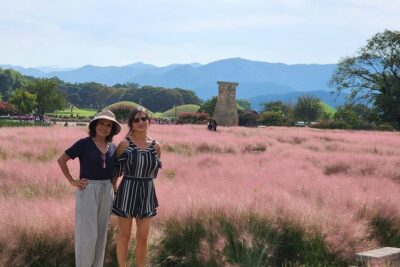
Private Gyeongju Tour – Explore Gyeongju UNESCO Sites
Read the review →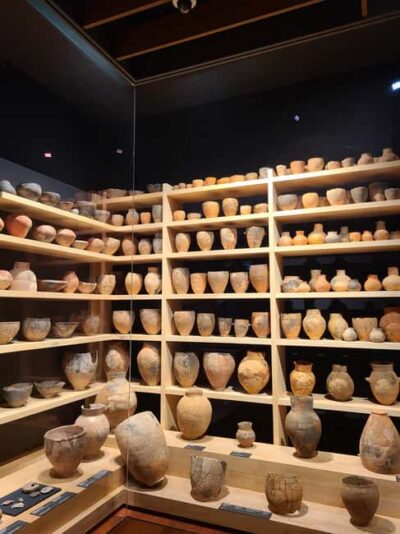
Gyeongju UNESCO Legacy Tour with National Museum
Read the review →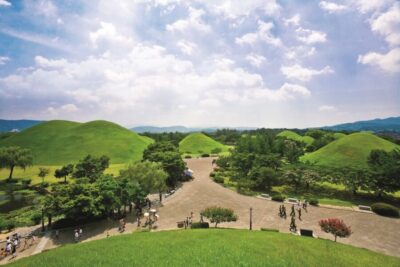
UNESCO Heritage Tour Including Bulguksa Temple
Read the review →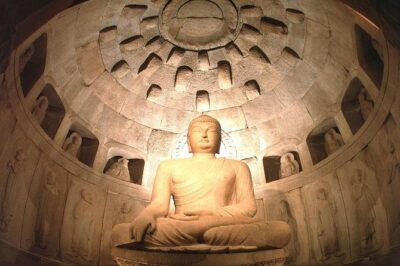
Gyeongju UNESCO World Heritage Sites and History Full-Day Tour with Lunch
Read the review →
Browse the lists this tour appears in