
Reviewed · GYEONGJU TOURS
Guided Car Tour in Geyongju with a Local Guide
Gyeongju is spread out, and this four-hour electric-car tour links several major sights that are awkward to reach on foot. You will see Bulguksa Temple, the Seokguram grotto, Bomun Lake, Woljeonggyo Bridge, and the Gyeongju National Museum, with a local guide adding personal stories and practical help along the way. I especially like the small group size, capped at three people, and the freedom to adjust the pace or swap a stop when sensible.
The main thing to consider is communication. Some guides, including guides identified by past customers as Sang Jong and Mr. Lee, have used Google Translate or Papago rather than spoken English. It generally works, but explanations take a little longer and you should download a translation app before pickup.
Key points to know before booking
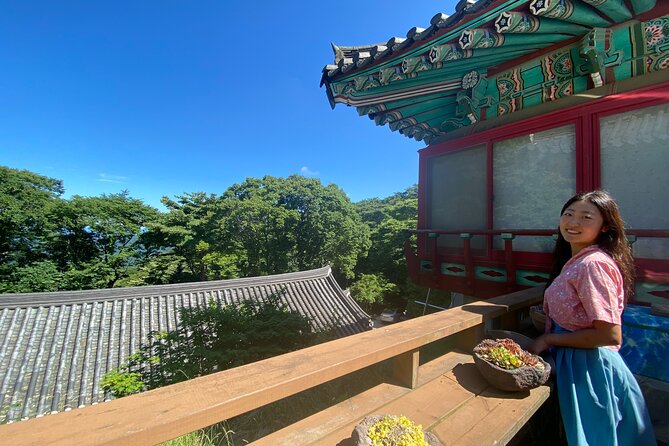
- A compact route through Gyeongju: Five important sights fit into roughly four hours, making this a useful first look at the ancient capital.
- A maximum of three people: You get a small, flexible outing rather than a large coach group.
- An electric car with air conditioning: The vehicle helps connect distant temple, museum, lake, and bridge stops in comfort.
- Local guidance from a Gyeongju native: Expect regional stories, food suggestions, photo help, and ideas for places to visit afterward.
- Translation apps are part of the experience: Communication can work well, but this is not the best choice if you require fluent spoken English.
- Pickup and drop-off can be practical: Pickup is offered, and past arrangements have included hotels, eateries, and Gyeongju Station.
Why a car makes sense in Gyeongju
Gyeongju was the capital of the Silla Kingdom from 57 BC to AD 935. Its important sites are not gathered in one compact old town. Bulguksa and Seokguram sit in the southeast, Bomun Lake lies in the resort area, and the museum and Woljeonggyo Bridge are closer to the city center.
That spread is the reason I find this tour useful. In four hours, you can cover a lot of ground without working out several bus connections or paying for separate taxis. The electric car is air-conditioned, which matters during Korea’s hot or humid months, and the small group limit gives the guide room to respond to your interests.
The tour begins at 10:00 am, with pickup offered from the Noseo-dong area and other agreed locations. The end point is flexible within Gyeongju, and past arrangements have included a train station drop-off. Confirm your exact pickup and return details in advance, especially if you are catching a train.
This is not a formal lecture delivered from a microphone. It is closer to a local drive with planned stops. The guide can explain the sites, take photos, suggest food, and point out additional places you can visit later on foot.
A few more Gyeongju half-days to weigh up
- Gyeongju UNESCO sites Private tour with licensed tour guide
★ 5.0 · 275 reviews - Private Gyeongju Tour – Explore Gyeongju UNESCO Sites
★ 5.0 · 272 reviews - Busan: Gyeongju UNESCO Legacy Tour with National Museum
★ 5.0 · 172 reviews
Bulguksa Temple: the best opening stop
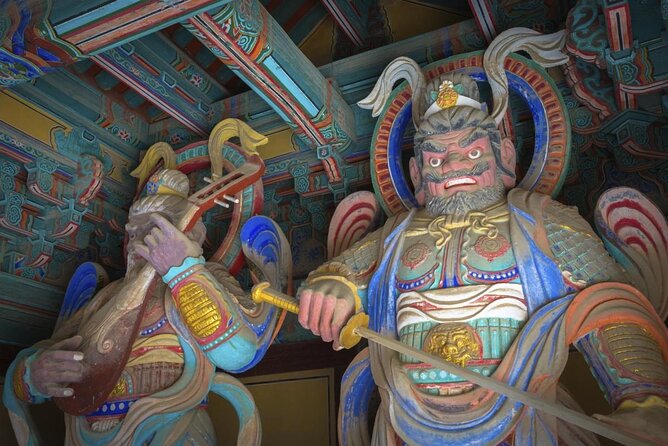
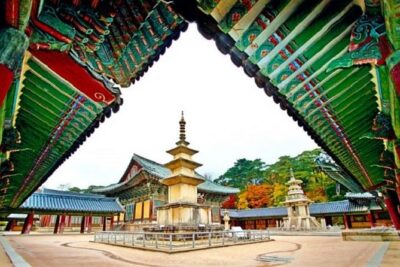
Bulguksa is the tour’s strongest introduction to Gyeongju. This Buddhist temple is one of Korea’s most important historic buildings and is protected as a UNESCO World Heritage Site. Its courtyards, stone structures, stairs, and carefully arranged buildings show the skill and religious ambition of the Silla period.
You have about an hour here. That is enough to see the main areas and get a useful explanation, but not enough for a slow, detailed study of every architectural feature. If temples are a major reason for your visit, you may want to return on your own later.
The guide’s role is especially helpful at Bulguksa because the site can initially feel like a series of beautiful buildings without an obvious story. A local explanation helps connect the layout, Buddhist purpose, and Silla setting. The guide may also help with photos, a small service that comes up often in the tour feedback.
Admission is listed as free. Wear shoes that are easy to walk in, since the temple grounds include stairs and uneven sections. The tour does not promise a long rest period at each stop, so tell the guide if you need a slower pace.
Seokguram: the high point for many visitors
From Bulguksa, the route continues to Seokguram, an eighth-century Buddhist cave temple and another UNESCO World Heritage Site. The grotto is known for its central Buddha and its carefully planned stone setting in the hills above Bulguksa.
You get about one hour here. Seokguram is not simply another temple courtyard. Its appeal comes from the sense of entering a focused, protected sacred space, with the Buddha at the center and carved figures arranged around it.
The stop requires a trip away from the city, which is exactly where the car earns its keep. Reaching it independently takes more planning than visiting central Gyeongju sights. The drive also means that traffic and weather can affect the amount of time available, particularly during major Korean holidays such as Chuseok.
Several customers have treated Seokguram as the highlight of the day. I can see why. Bulguksa gives you the broad architectural setting, while Seokguram offers a more concentrated encounter with Silla Buddhist art.
Keep your expectations realistic. The itinerary allows an hour, not an entire morning, and the grotto experience is shaped by the site’s rules and layout. Your guide can provide context before or after the visit, when conversation is easier.
Bomun Lake: a change of pace
After two major Buddhist sites, Bomun Lake gives the tour a visual and emotional pause. Also called the Bomun Tourist Complex, it is an artificial lake created by damming the Bomunho River. The scheduled stop lasts about 30 minutes.
This is not the tour’s main cultural stop. It is a scenic break and a chance to see the resort side of Gyeongju. You can stretch your legs, take photographs, and enjoy a quieter interval before the bridge and museum.
The short visit works well if you want variety. It works less well if you are focused only on ancient buildings. One useful feature is the route’s flexibility. A customer staying at Bomun Lake asked to replace the lake stop with Woljeonggyo Bridge, and the guide accepted the change. You should ask in advance rather than assume every alteration is possible, but the small group format makes reasonable requests easier.
If you already plan to spend time at Bomun Lake, tell the guide. That may help you use the half-hour for a stop you would otherwise miss.
A different way to spend a day from here:
- Gyeongju: UNESCO Heritage Tour Including Bulguksa Temple
★ 4.8 · 104 reviews - Gyeongju UNESCO World Heritage Sites and History Full-Day Tour with Lunch
★ 5.0 · 104 reviews - Gyeongju: Private Car Tour with a Licensed Tour Guide
★ 5.0 · 85 reviews - Full day Private Gyeongju UNESCO Heritage Tour : a glimpse into Silla
★ 5.0 · 60 reviews
Woljeonggyo Bridge: a quick architectural stop
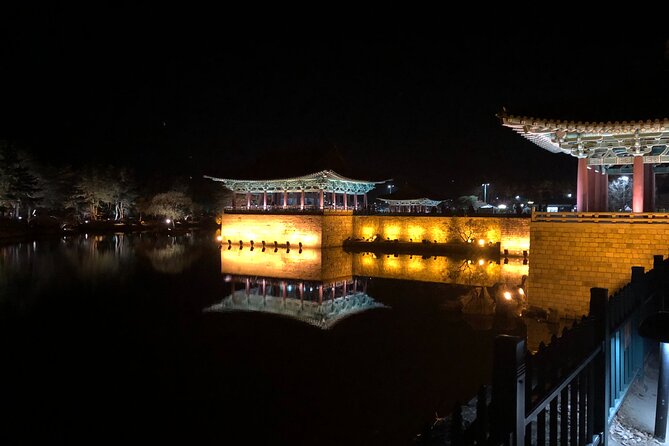
Woljeonggyo, also called Woljeong Bridge, is a historic bridge associated with Gyeongju’s Silla past. The tour gives it about 30 minutes, enough for a look, photographs, and a short explanation.
This stop adds a different kind of sight to the day. After temples and a lake, the bridge brings you back toward Gyeongju’s urban and historic center. Its structure and setting make it particularly appealing for photographs.
Thirty minutes is brief, so think of Woljeonggyo as an introduction rather than a full visit. If you want to linger, return independently later. The tour is trying to connect five places in half a day, and every short stop helps make that possible.
The bridge can also be a good replacement for Bomun Lake if your priority is historic Gyeongju. Tell the guide what interests you most at the start of the tour. With no more than three people in the car, the conversation can be direct and decisions can be made quickly.
Gyeongju National Museum: finish with the objects
The final scheduled stop is the Gyeongju National Museum, with about one hour set aside. The museum holds more than 160,000 artifacts connected to Gyeongju and the Silla Kingdom.
This is where the earlier sites can begin to make more sense. Instead of seeing only temples, bridges, and old structures, you get objects that show the art, beliefs, and craftsmanship of the people who made them. The museum is a good finish because it gives you a place to organize what you have seen.
One hour is enough for a selective visit, not every gallery. Ask the guide which displays best match the morning’s route. If you like museums and archaeology, you may find the schedule too tight. If you need a clear introduction before exploring independently, the timing is useful.
The museum also helps balance the outdoor portions of the tour. On a warm day, an indoor hour is welcome. On a rainy day, though, poor weather may affect the overall experience because the tour requires suitable conditions and can be canceled with a choice of another date or a full refund.
The local guide makes the difference
The strongest part of this experience is not simply the car. It is the guide’s personal connection to Gyeongju. The guide is from the area and can share local stories, recommend food, and suggest additional places for the rest of your stay.
Past customers have described guides who adjusted the speed to match the group, took commemorative photos, and provided a list of additional sights after the tour. One guide even brought rice porridge and abalone to a sick husband who could not join. That is a small but telling example of the personal care you may receive.
Food advice is another practical benefit. If you want to try local dishes, ask directly. The guide can suggest places based on your preferences, though the supplied information does not specify particular restaurants or guarantee a meal during the tour.
The communication issue deserves an honest explanation. The guide may not speak English, but Google Translate or Papago can support a lively exchange. Several people found this arrangement workable, and one particularly useful tip is to download Papago before the tour. Still, translation apps can slow down complex explanations, and text-based conversation is not identical to fluent guiding.
If you need detailed architectural commentary in polished English, choose a different tour. If you are comfortable with a patient, flexible exchange and value a local connection, the language gap may be manageable.
What $70.70 buys you
At $70.70 per person, the price needs to be judged against the group size and transport. You are paying for roughly four hours in an air-conditioned electric car, a planned route across a spread-out city, pickup service, and a guide for a maximum of three people.
That can be good value for a couple or a small family, especially if taxis between Bulguksa, Seokguram, Bomun, the bridge, and the museum would add up. You also avoid spending part of your day studying routes and waiting for connections.
The value is less clear for a solo visitor who is comfortable using public transportation and wants to spend a long time at one or two sites. This tour favors convenience and range over deep time at each attraction.
The listed stops show free admission, but the supplied details do not spell out every possible cost. Check the booking terms for anything not specifically included. Food is not presented as part of the tour, though the guide can offer recommendations.
Who should book this half-day tour?
I would choose this experience for a first day in Gyeongju, particularly if you have limited time or want an overview before exploring alone. The route introduces temples, a grotto, a lake, a bridge, and a museum in one manageable outing.
It is also a strong fit for:
- Couples or small families who want a private-style car experience
- People who cannot comfortably handle long public transportation connections
- Visitors interested in Silla-era sites but unsure how to arrange them
- Anyone who wants local food suggestions and follow-up ideas
- Photographers who appreciate help finding viewpoints and taking group pictures
I would think twice if you want a formal English-speaking guide, a large amount of time inside the museum, or a slow visit at every site. The schedule is full, and traffic can reduce flexibility. Bad weather and holiday congestion have affected past outings, so keep some margin in your plans.
The tour is limited to three people, and most people can participate. Service animals are allowed, and the meeting area is near public transportation. Confirm the pickup location directly, since the start can be arranged from an agreed location in Gyeongju.
Booking, weather, and timing details
Confirmation is provided when you book. You can cancel for a full refund up to 24 hours before the 10:00 am start time. Changes made inside that 24-hour window are not accepted, and payment is not refunded for a late cancellation.
The experience requires good weather. If the operator cancels because conditions are poor, you can choose another date or receive a full refund. A minimum number of participants is also required, and a cancellation for that reason brings the choice of another date or experience, or a full refund.
Because the route covers several distant places, avoid placing an important train departure immediately after the scheduled end. The flexible drop-off is useful, but traffic can be unpredictable, particularly during Chuseok and other busy periods.
Should you book the Gyeongju car tour?
Book it if you want to see Gyeongju’s major sights in one half-day without wrestling with transport. The car, small group size, local stories, flexible pace, and practical pickup make the $70.70 price reasonable for people who value time and convenience.
Go in prepared for translation-app conversations rather than fluent English guiding. Download Papago or Google Translate, tell the guide which sights matter most, and ask about food and later walking routes. With those expectations, this is a friendly, efficient introduction to Gyeongju, especially for a first morning in town.
FAQ
How long is the guided car tour in Gyeongju?
The tour lasts approximately four hours.
What time does the tour start?
The scheduled start time is 10:00 am.
How many people can join the tour?
The tour has a maximum of three participants.
What places does the tour visit?
The route includes Bulguksa Temple, Seokguram, Bomun Lake, Woljeonggyo Bridge, and the Gyeongju National Museum.
Is pickup available?
Yes. Pickup is offered, and the start location can be arranged in Gyeongju. The listed starting area is Noseo-dong.
Does the guide speak English?
Some guides use Google Translate or Papago to communicate with English-speaking customers. Spoken English ability may vary, so a translation app is recommended.
Are admission tickets included?
Admission is listed as free for each of the five scheduled stops.
Can I cancel for a full refund?
Yes. You must cancel at least 24 hours before the experience start time for a full refund. Cancellations inside 24 hours are not refunded.
Recently added around Gyeongju
- From Daegu: Gyeongju UNESCO Tour 7 Highlights with Bulguksa★ 4.6 · 5 reviews
- From Busan: Busan & Gyeongju One Day Tour★ 5.0 · 5 reviews
- UNESCO Listed Historic Sites in Gyeongju National Park★ 5.0 · 5 reviews
- Gyeongju Best Customized Private Tour with Tourguide★ 5.0 · 6 reviews
- Busan: 7 Highlights Gyeongju City One Day Tour★ 4.9 · 10 reviews
- Private World Heritage Gyeongju Taxi Tour★ 5.0 · 12 reviews
- Gyeongju: Private Car Charter Taxi Tour★ 5.0 · 37 reviews
- Gyeongju UNESCO sites Private tour with licensed tour guide★ 5.0 · 275 reviews
Gyeongju Tours, compared.
Gyeongju UNESCO sites Private tour with licensed tour guide
Read the review →
Private Gyeongju Tour – Explore Gyeongju UNESCO Sites
Read the review →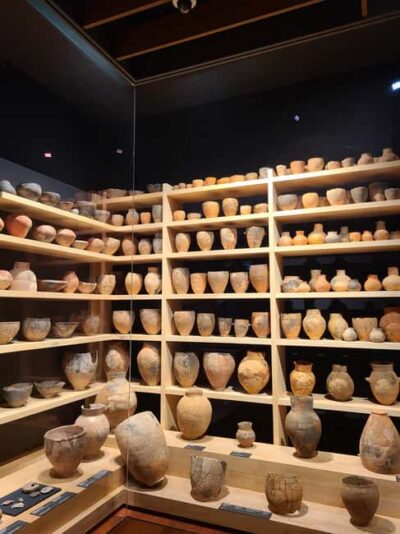
Gyeongju UNESCO Legacy Tour with National Museum
Read the review →
UNESCO Heritage Tour Including Bulguksa Temple
Read the review →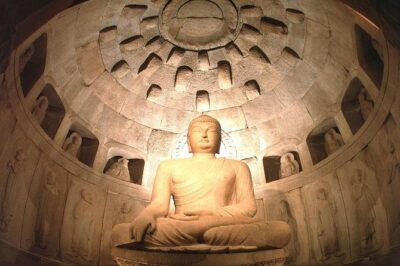
Gyeongju UNESCO World Heritage Sites and History Full-Day Tour with Lunch
Read the review →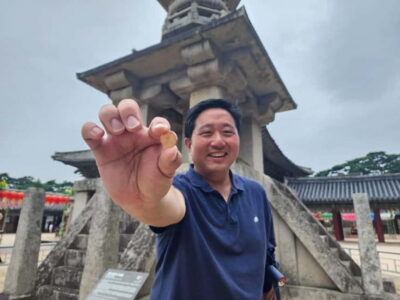
Full day Private Gyeongju UNESCO Heritage Tour : a glimpse into Silla
Read the review →
Browse the lists this tour appears in