
Reviewed · HANOK VILLAGE TOURS
Jeonju Hanok Stay & Mt. Jiri Hiking from Seoul
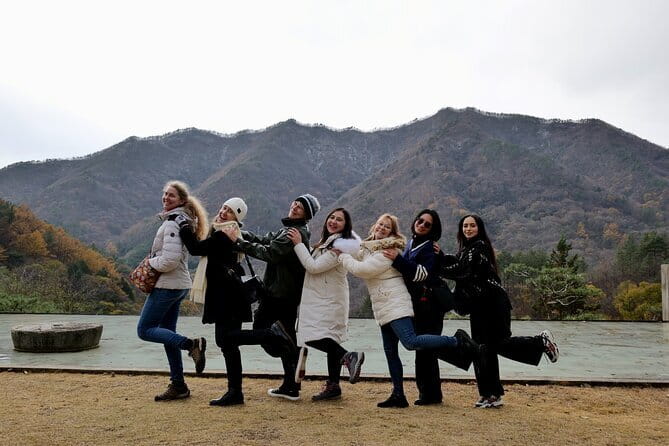
The best thing about this two-day escape is the sharp change of pace. By leaving Seoul at 8:00 a.m., you trade high-rise streets for old tiled roofs, mountain air, seasonal food, and a night in a traditional Korean house. The route also reaches places that are awkward to connect by public transport in one short trip.
I like the small group size, capped at seven, and the mix of culture and outdoor time. I also like that the price covers the big pieces: transport from Seoul, a hanok stay, meals, entrance fees, an English-speaking guide, and travel insurance.
The main drawback is time on the road. You cover a lot in two days, and the three-hour Jirisan outing requires moderate fitness. This is not a slow village holiday, and the minimum of four participants means the trip needs enough bookings to run.
Key Points at a Glance
- BTS connection: Oseong Hanok Village is where BTS stayed for a week while filming their 2019 Summer Package.
- Jeonju overnight: Around 700 preserved hanok houses give Jeonju Hanok Village its traditional feel.
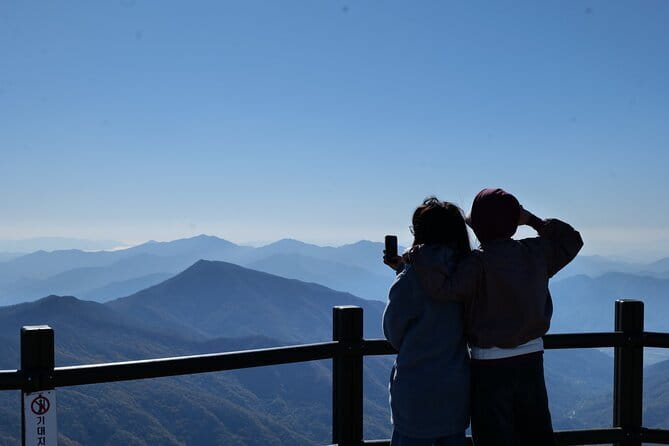
- Jirisan morning: The second day includes a three-hour mountain visit with a sunrise meditation setting among misty peaks.
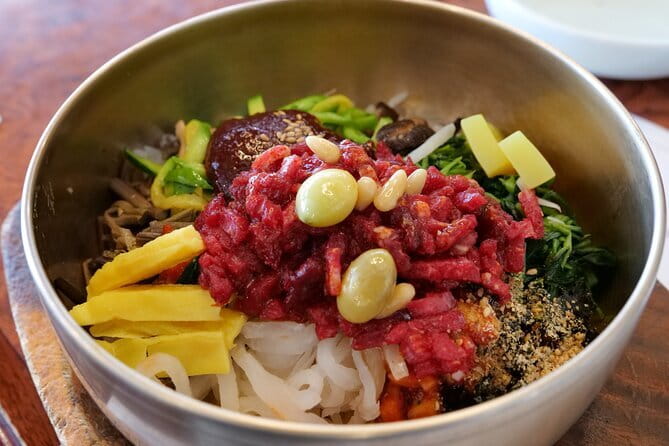
- Food is part of the experience: Bibimbap, seasonal dishes, grilled short ribs, breakfast, dinner, and two lunches are included.
- Small-group travel: The vehicle carries no more than seven people, with a minimum of four required.
- Good for solo visitors: The route links rural Korea, food, culture, and hiking without requiring you to plan several difficult connections.
Why This Seoul Escape Works
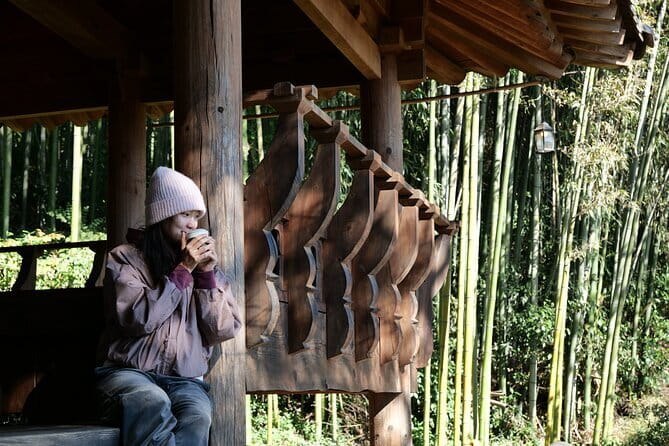
Seoul is easy to love, but it can also fill every hour with traffic, crowds, shopping, and noise. This trip gives you a compact look at a different Korea. You spend time in two traditional villages, sleep in a hanok, eat local-style meals, and walk in Jirisan National Park.
I especially like the balance. Many short trips outside Seoul focus only on photographs and sightseeing. This one gives you a night away from the capital and puts a real outdoor activity into the schedule. You are not simply looking at old houses. You are also stepping into the countryside and making time for the mountains.
The route is carefully packed, though. Each main stop lasts two or three hours, so you will get a clear introduction rather than unlimited time to wander. If you prefer to sit in one village café for an entire afternoon, the schedule may feel brisk. If you want several different parts of southern Korea in a short break, it makes good sense.
More Hiking Tours in Seoul
- Seoul: Guided City Wall Sunset Hike with Korean Dinner
★ 4.9 · 227 reviews - Private Hiking tour to Bukhansan Peak(Baegundae: 836.5m) with Mountain Expert
★ 5.0 · 113 reviews - Fortress Night Hike & Snack at a Local Market
★ 5.0 · 112 reviews
Leaving Seoul for Oseong Hanok Village
The meeting point is the Namsan Yejang Public Parking Lot in Yejang-dong, central Seoul. Departure is at 8:00 a.m., so plan to arrive early. The tour ends back at this same meeting point on the second day.
The first stop is Oseong Hanok Village in Wanju, where old-style Korean buildings meet open natural surroundings. Its connection with BTS gives the place extra appeal for fans, since the group stayed there for a week during filming for the 2019 Summer Package. You can enjoy that connection without letting it take over the visit. The village is also presented as a traditional setting with attractive scenery, which gives the stop value even if you are not following Korean pop culture.
You have about three hours here. That is enough time to see the village at an unhurried walking pace, take in the houses, and enjoy the setting. Since admission is included, you do not need to worry about a separate ticket.
The practical advantage of arriving with a guide is simple: you do not need to work out the rural transport links yourself. The tour handles the transfer from Seoul, and the small vehicle makes the long ride more comfortable than a crowded coach. One useful detail from the experience is the availability of reclining seats, legroom, and onboard Wi-Fi, though travel time remains part of the day.
Three Hours Among Jeonju’s Hanok Roofs
From Oseong, the route continues to Jeonju Hanok Village. With around 700 preserved hanok houses, this is the largest traditional village in Korea according to the tour information. The streets give you a concentrated look at traditional rooflines, courtyards, and older Korean architectural forms.
You get three hours here, which is enough for a walk and a meal-focused visit. Jeonju is especially well known for bibimbap, and the food program includes seasonal dishes and grilled short ribs. This is an important part of the trip’s appeal. The meals are not merely fuel between stops. They help connect the place with what you are seeing.
You should still set reasonable expectations. Three hours cannot cover every lane or cultural site in Jeonju Hanok Village. You will have to choose between lingering over food, browsing the streets, and taking photographs. The guide can help you use the time well, but you should not expect a full independent day in Jeonju.
The village is also more developed for sightseeing than Oseong. That can be useful if you want a clear introduction to Korean traditional culture, but it may feel less quiet. The contrast between the two villages is one of the better features of the route: Oseong offers a more rural setting, while Jeonju gives you a larger, more established historic area.
What a Hanok Stay Adds
The overnight stay is what changes this from a long day trip into a proper short break. Sleeping in a hanok lets you experience traditional Korean architecture beyond a quick walk and a photograph. You get to notice the atmosphere at night and in the morning, when the village takes on a different mood.
The exact accommodation details are not supplied, so you should confirm the room arrangement and sleeping setup before booking if those points matter to you. The listing confirms that accommodation is included, but it does not specify private rooms, bedding style, or bathroom arrangements.
I would treat the hanok stay as part of the cultural experience rather than expect hotel-style facilities. Traditional accommodation can be more basic than a modern Seoul hotel. That is not a flaw, but it is worth knowing before you pay for the trip.
Dinner, breakfast, and two lunches are included. Drinks and personal purchases are not included, along with laundry, telephone, fax, pay TV, tips, and other extra costs. If you have dietary requirements, add that information when booking. This is especially important on a food-centered trip.
More Hanok Village Tours in Seoul:
- Seoul City Sightseeing Tour Including Gyeongbokgung Palace, N Seoul Tower, and Namsangol Hanok Village
★ 5.0 · 1,423 reviews - Seoul: Gyeongbok Palace and Bukchon Hanok Walking Tour
★ 4.8 · 157 reviews - Best Walking Tour to Gyeongbok Palace Bukchon Hanok Village
★ 5.0 · 138 reviews - Experience Korean Cooking in Modern Hanok Kitchen
★ 5.0 · 118 reviews
A Mountain Morning in Jirisan National Park
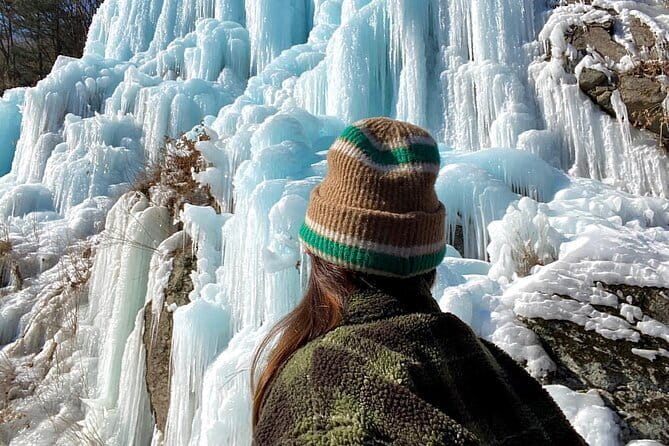
Day two moves from tiled roofs to Jirisan, Korea’s first national park. The mountain is known locally as Mother Mountain, a name that hints at the place it holds in Korean culture. The visit is built around fresh air, misty peaks, and a three-hour outdoor program.
The itinerary describes a sunrise meditation in the mountains. That wording suggests a quiet start with attention on the surroundings rather than a demanding summit push. Still, the trip specifically calls for moderate physical fitness, so bring shoes and clothing suited to walking on mountain paths. The information does not state the trail distance, elevation gain, or difficulty rating, so ask the operator for those details if you have knee, balance, or stamina concerns.
Weather will shape this part of the day. Mist can make the setting atmospheric, but poor conditions can also affect safety and visibility. The tour may be canceled in bad weather, with a different date or a full refund offered.
Jirisan is the part of the trip that gives the itinerary its breathing room. After the structured village visits and meals, the mountain offers a chance to walk, listen, and look outward. You may find the views are the strongest memory of the whole trip, especially if the morning is clear.
The operator also provides travel insurance, and a small-group guide can keep the group together more easily on an outdoor outing. Wear your seatbelt during every vehicle transfer, and follow the guide’s safety instructions on the trail.
Gurye and the More Modest Side of Hanok Culture
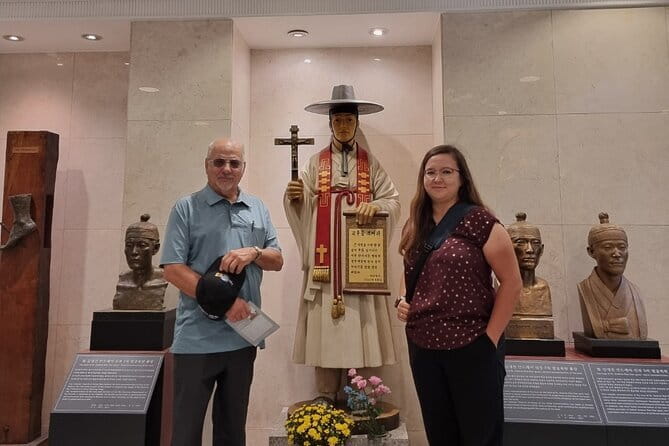
The final stop is Gurye Sansuyu Village, where you visit Ssangsanje. The setting was used as the backdrop for the television program Youn’s Stay. Unlike the more polished Awon Old House mentioned in the description, Ssangsanje is presented as a more modest hanok experience.
That difference matters. Not every worthwhile traditional building needs to feel grand or formal. A simpler hanok can give you a better sense of how Korean traditional spaces work as lived environments. You have two hours here, enough to slow down after the mountain visit and take in the buildings and surroundings.
The stop also broadens the tour beyond Jeonju. You see more than one version of traditional Korean architecture, from the rural character of Oseong to the large village in Jeonju and the quieter setting in Gurye. The route has a clear theme without repeating the same experience three times.
The itinerary does not provide a detailed list of activities at Ssangsanje, so do not book this stop expecting a specific workshop or performance. Think of it as time to see the hanok setting and enjoy the atmosphere.
Meals, Transport, and the Value of $690
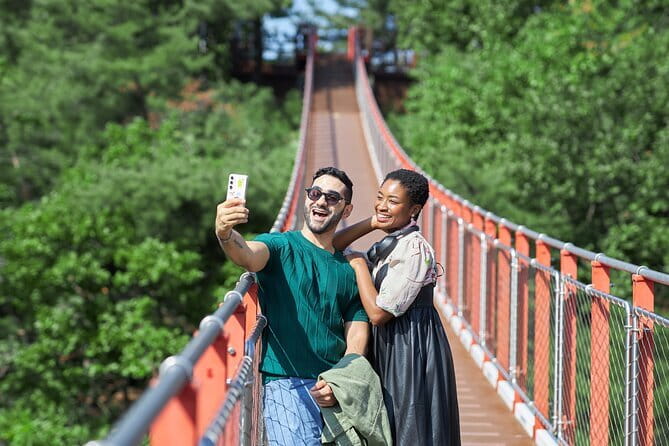
At $690 per person, this is an expensive two-day tour. The value depends on how much planning you would otherwise do yourself. The fee includes round-trip transport from Seoul, accommodation, dinner, breakfast, two lunches, entrance fees, a licensed English-speaking guide, and travel insurance.
That is a substantial bundle. You do not have to arrange intercity transport, find a rural stay, build a route through Wanju, Jeonju, Jirisan, and Gurye, or work out how to return to Seoul. For a solo visitor, that convenience can be worth more than it first appears.
The small group also changes the calculation. With a maximum of seven people, the trip should feel more personal than a large bus tour, and the guide can give clearer instructions during the village walks and mountain visit. The minimum is four, so the tour is not guaranteed to operate with only one or two bookings.
The vehicle is described as comfortable, with plenty of legroom, reclining seats, Wi-Fi, and good views. Even so, southern Korea is not close to Seoul, and you should expect meaningful driving time. If you dislike sitting in a vehicle, a two-day trip with four major stops may test your patience.
There are also small personal costs. Drinks, tips, and other extras are excluded. Carry some Korean won for anything you want along the way, but the supplied information does not state how much free time you will have for shopping.
Who Will Get the Most From This Trip
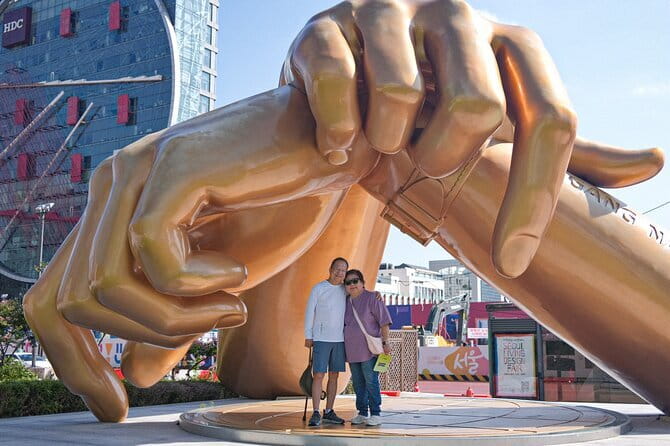
I would recommend this experience to a solo visitor who wants to see rural Korea without handling every connection alone. It also fits couples and friends who want food, architecture, and an outdoor activity in one short package.
BTS fans have a clear reason to choose it, thanks to Oseong’s Summer Package connection. But you do not need to follow BTS to enjoy the village. The trip works just as well for anyone interested in traditional houses, Korean food, and mountain scenery.
You should be comfortable with a full schedule and moderate walking. The tour does not suit someone looking for a resort-style break or a completely flexible itinerary. The sunrise meditation and Jirisan visit also mean you need to accept an early start and variable mountain weather.
The route can be especially useful during a longer Korea trip. Seoul provides the modern city experience, while this journey gives you a quick look at regional food, older architecture, and protected mountain country.
Booking Details Worth Checking Before You Go
Your mobile ticket provides the booking confirmation, normally at the time of purchase. If you book within two days of departure, confirmation may arrive within 48 hours and depends on availability.
The tour starts and finishes at the Namsan Yejang Public Parking Lot. It lasts about two days, and the start time is 8:00 a.m. The activity is near public transportation, but you should still allow extra time to reach the meeting point.
Free cancellation is available until 24 hours before the local start time. Cancellations or changes made inside that window are not refundable. The operator can also offer another date or a full refund if poor weather prevents the trip or the minimum number of four participants is not reached.
Should You Book the Jeonju and Jirisan Escape?
Book it if you want a tightly organized break that combines hanok culture, Korean food, and mountain time. The best reasons are the small group, included meals and lodging, the BTS-linked Oseong visit, and the chance to reach Jirisan without arranging several difficult transfers.
Think twice if you need a slow pace, exact trail details, or modern hotel comforts. The $690 price is not a bargain in simple day-count terms, but it becomes more reasonable when you add transport, accommodation, food, entrance fees, a guide, and insurance. For a solo visitor or first-time visitor to Korea who wants a well-planned regional escape from Seoul, I would consider it a strong choice.
FAQ
Where does the tour start?
It starts at the Namsan Yejang Public Parking Lot in Yejang-dong, Jung District, Seoul.
What time does the tour begin?
The start time is 8:00 a.m.
Where does the tour end?
The activity ends back at the Namsan Yejang Public Parking Lot.
How long does the experience last?
The tour lasts approximately two days.
How many people can join the tour?
The tour requires at least four participants and accepts a maximum of seven travelers.
Is transportation from Seoul included?
Yes. Round-trip transfer from Seoul is included.
Is accommodation included?
Yes. Accommodation during the two-day trip is included.
Which meals are included?
Dinner, breakfast, and two lunches are included. Drinks and other personal expenses are not included.
Is hiking part of the tour?
Yes. The second day includes a three-hour visit to Jirisan National Park, and the activity requires moderate physical fitness.
Can the tour be canceled because of weather?
Yes. If poor weather causes cancellation, you will be offered a different date or a full refund. Free cancellation is also available when you cancel at least 24 hours before the start time.
More day trips out of Seoul
- Best DMZ Tour Korea from Seoul (Red Suspension Bridge Optional)
★ 5.0 · 41,422 reviews - DMZ Tour: 3rd Tunnel, Option(Suspension Bridge, Boat) from Seoul
★ 5.0 · 21,373 reviews - DMZ tour south Korea from Seoul (NK experience hall, defector)
★ 5.0 · 20,599 reviews - Thrilling Korean DMZ 3rd Tunnel Tour from Seoul + Red Bridge Rush
★ 5.0 · 3,097 reviews
Recently added around Seoul
- Nami & Maple Road & Theatre des Lumieres Day Tour from Seoul★ 4.8 · 4 reviews
- Gyeongbokgung Palace Photo Session with your own phone★ 5.0 · 4 reviews
- Private Tour around Suwon UNESCO Fortress and Korea Folks Village★ 4.5 · 4 reviews
- Seoul: Deoksugung Palace Night Tour★ 4.5 · 4 reviews
- Jisan Forest Resort: Ski Full-Day Tour or Shuttle from Seoul★ 5.0 · 4 reviews
- N Seoul Tower + Namsan Cable Car Ticket (Collect in Myeongdong)★ 3.5 · 4 reviews
- Private Jeonju Hanok Village – Culinary tour★ 5.0 · 4 reviews
- Seoul Private Walking Tour with a Local★ 5.0 · 4 reviews
Hanok Village Tours, compared.
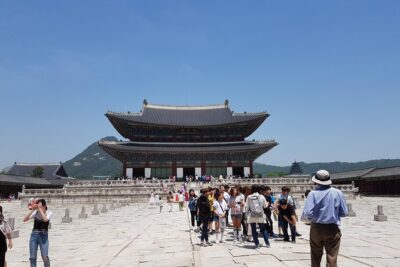
Seoul City Sightseeing Tour Including Gyeongbokgung Palace, N Seoul Tower, and Namsangol Hanok Village
Read the review →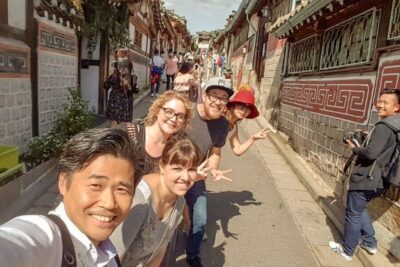
Gyeongbok Palace and Bukchon Hanok Walking Tour
Read the review →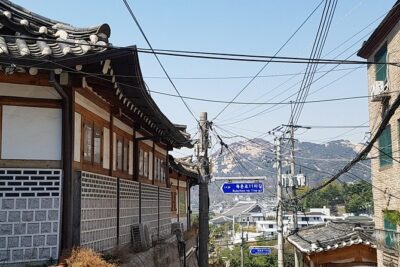
Best Walking Tour to Gyeongbok Palace Bukchon Hanok Village
Read the review →Experience Korean Cooking in Modern Hanok Kitchen
Read the review →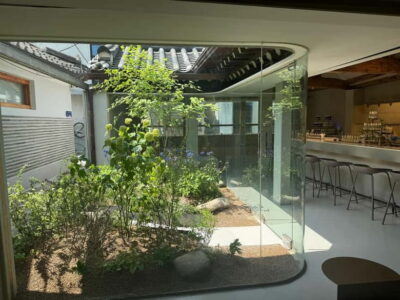
Royal Seoul Cooking Class in a 100-Year-Old Hanok
Read the review →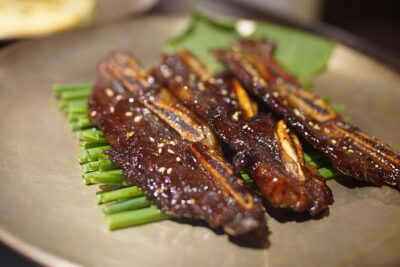
Royal Seoul Cooking Class in a 100-Year-Old Hanok
Read the review →
Jeonju Hanok Village Full-Day Tour:Jangtaesan Autumn Foliage
Read the review →Browse the lists this tour appears in