
Reviewed · DMZ TOURS
Best DMZ Tour Korea from Seoul (Red Suspension Bridge Optional)
The most striking part of this Seoul day trip is the shift from city life to the tense, carefully controlled border zone between North and South Korea. You will walk through the Third Tunnel, built for a possible North Korean attack, then look across the frontier toward Kijong-dong and Kaesong from Dora Observatory.
I like the strong historical focus and the fact that admission to the museums and main DMZ sights is included. I also like the comfortable round-trip transport and the no-forced-shopping policy. Guides such as Emily, Lina, Alex, Jenny, Ray, and Diane are repeatedly praised for clear explanations and personal stories.
The main thing to consider is the physical effort. The Third Tunnel includes a steep walk, and the tour may change timing or stops because of military restrictions. Lunch is not included, and the base option does not include the Red Suspension Bridge or other optional stops.
Key points to know before booking
- The Third Tunnel is the physical highlight: Expect a steep walk underground and a low ceiling in places.
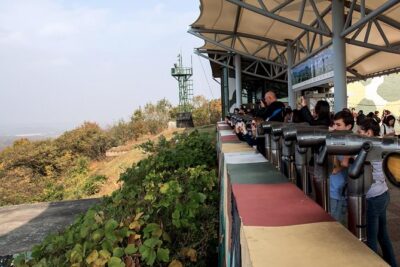
- Dora Observatory gives you a view into North Korea: Binoculars let you see Kijong-dong, Kaesong City, and nearby countryside.
- The guide makes a major difference: English and Chinese guides explain the Korean War, division, and border rules throughout the day.
- The Red Suspension Bridge is optional: Select the Gamaksan Red Suspension Bridge package if you want an outdoor finale.
- This is a no-shopping tour: Your day is devoted to history, memorials, museums, and border views.
- Bring your passport: A passport, military ID card, or Korean ARC card is required on the tour day.
Why the DMZ is worth a day from Seoul
The DMZ is not a theme park or a simple photo stop. It is a living border shaped by war, political division, family separation, and decades of military tension. You do not see every part of the zone, and access can change, but the permitted sights give you a useful picture of how the division affects Korea.
I find this tour especially valuable because it combines large historical ideas with physical places. The Bridge of Freedom is not just a name in a textbook. The Third Tunnel is not just a museum display. Dora Observatory lets you look directly toward North Korea, where villages, roads, and fields appear close enough to touch, though the border itself remains firmly out of reach.
The journey takes about seven and a half hours. That gives you enough time for the main stops without turning the day into a rushed bus ride. Most of the organized sightseeing is built around the DMZ, so this is a serious history outing rather than a general excursion into northern Gyeonggi Province.
The price, listed at $29.75 per person, is strong value for a full-day outing with transport, a professional guide, and admission to the included museums and DMZ attractions. You still need to budget for lunch and remember that hotel drop-off is not included.
More DMZ Tours in Seoul:
- DMZ Tour: 3rd Tunnel, Option(Suspension Bridge, Boat) from Seoul
★ 5.0 · 21,373 reviews - DMZ tour south Korea from Seoul (NK experience hall, defector)
★ 5.0 · 20,599 reviews - Seoul: DMZ Tour with Optional Suspension Bridge
★ 4.8 · 5,277 reviews
Imjingak Pyeonghwa-Nuri Park sets the mood
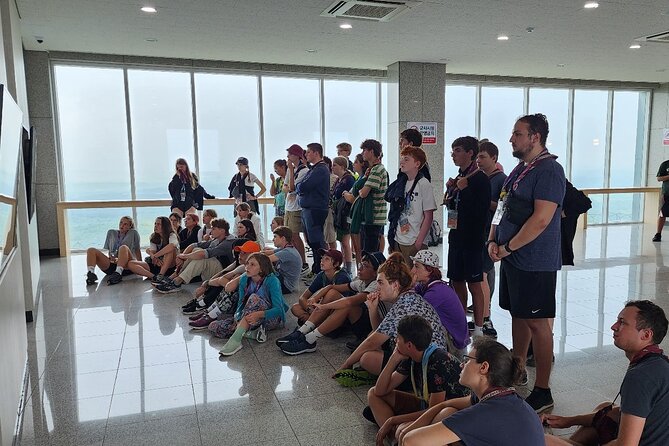
Imjingak Pyeonghwa-Nuri Park is often the first stop, though military conditions can affect the exact order. The park was created as a place of comfort for people displaced by the Korean War. It gives you a human starting point before the tour moves into military history.
Look for the old Iron Horse train, presented as a symbol of the railway line cut between North and South. The image is simple but effective: a train once meant connection, movement, and ordinary life. Here, it represents a country split in two.
You have about 30 minutes at the park. That is enough to see the main memorial features and take photographs, but not enough for a long, quiet visit to every corner. Listen carefully to the guide during this stop, since the historical meaning is more important than the number of things you can photograph.
The park also helps you understand that Korean division is not only about soldiers and fences. It is tied to refugees, separated families, interrupted journeys, and the hope of reunification. That context makes the later military sights more meaningful.
The Bridge of Freedom makes history tangible
The Bridge of Freedom crosses the Imjin River and was used by 12,773 prisoners of war returning to South Korea in 1953. Walking across or near this historic crossing gives you a direct connection to the end of the fighting in the Korean War.
You get about 20 minutes here. It is a short stop, but the site does not need a long lecture to make an impression. The river, the bridge, and the knowledge of how many people crossed it give the place an emotional weight that photographs cannot fully convey.
This is one of the tour’s quieter moments. The Third Tunnel is dramatic and Dora Observatory is visually unusual, but the Bridge of Freedom asks you to pause and think about people returning home after years of conflict.
Bring a jacket in colder months. The northern part of South Korea can feel much colder than central Seoul, especially at open-air memorial sites. One winter visitor found the day very cold but still considered the experience well worth doing, so dress for time outside rather than relying on the temperature in the capital.
The DMZ Theater and Exhibition Hall explain the conflict
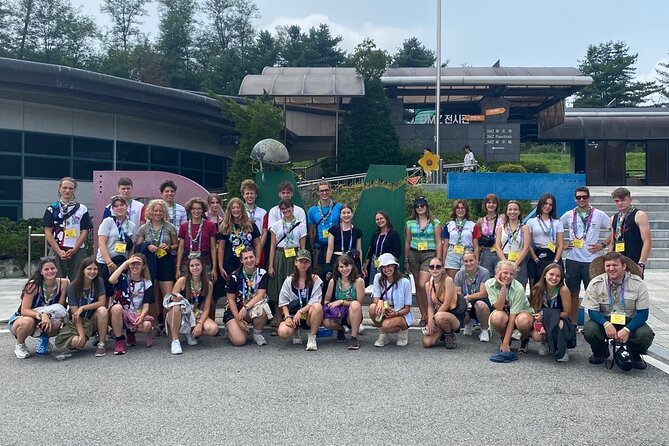
Before or around the tunnel visit, you will spend time at the DMZ Theater and Exhibition Hall. These indoor stops present a South Korean view of the Korean War, the division of the peninsula, and the continuing importance of the border.
This part of the tour is useful because the DMZ can be confusing without background. A guide can explain why the zone exists, how the Korean War shaped the current border, and what you are seeing at each later stop.
The guide commentary is one of the strongest reasons to choose an organized tour rather than trying to reach the area alone. Guides including Ray, Emily, Alex, Lina, Jenny, and GoGo have been praised for clear English, good pacing, and the ability to answer questions without making the subject feel like a dry classroom lesson.
Some guides add family connections to the history. Jenny, for example, has shared her family’s connection to the Korean War, while Lina has used personal stories to explain how the DMZ still affects South Korean life. Those details can give the subject a more personal scale, but the quality of the day depends partly on which guide leads your departure.
More Suspension Bridge Tours in Seoul:
- Seoul: DMZ The 3rd Tunnel and Suspension Bridge Tour
★ 5.0 · 4,656 reviews - Signature DMZ Tour: Exclusive Defector Talk & Suspension Bridge
★ 5.0 · 4,459 reviews - Ultimate Korea DMZ Tour from Seoul (Gondola & Suspension Bridge)
★ 5.0 · 2,396 reviews - DMZ; NK Defector, 3rd Tunnel, Suspension Bridge,Hotel pickup
★ 4.9 · 2,055 reviews
The Third Tunnel is the day’s most physical stop
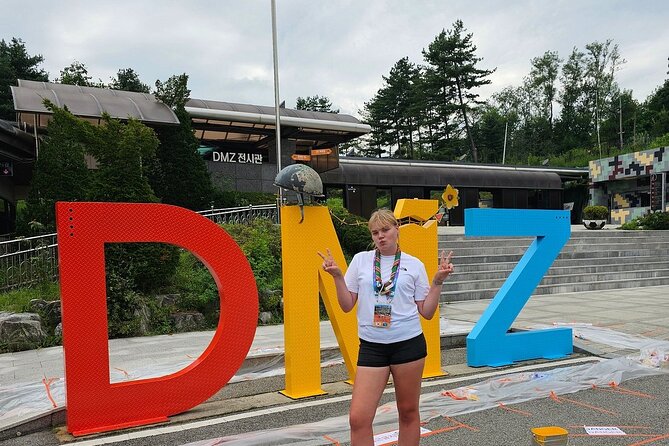
The Third Infiltration Tunnel was found in 1978. It was built by North Korea as part of a plan to move forces south, according to the South Korean presentation of the site. The tunnel is about 12 kilometers from Munsan and 52 kilometers from Seoul.
You will spend about an hour here, including the explanatory material and the walk underground. The route is steep, and the return climb can be tiring. One visitor described it as a good workout, while another gave a clear warning that the tunnel can be physically demanding.
The tunnel ceiling is low in places, so you may need to stoop. That makes the visit feel more real than a standard museum display, but it can also be uncomfortable if you have trouble with steep paths, enclosed spaces, or prolonged walking.
You cannot simply wander at your own pace. This is a controlled site with a set route, and the guide keeps the group moving. Wear comfortable shoes, carry water, and do not treat this as a quick photo stop. The tunnel is the part of the tour where practical clothing matters most.
Still, the effort pays off. You are walking through a structure intended for military infiltration, not a reconstructed attraction. The physical setting helps you understand the scale and seriousness of the plans behind it.
Dora Observatory brings North Korea into view
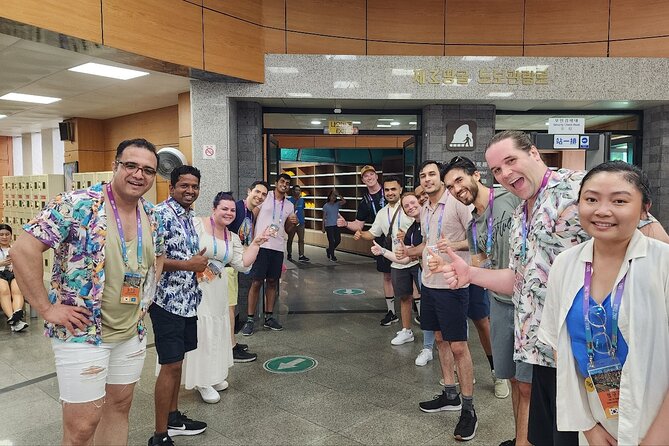
Dora Observatory is usually the most memorable stop for first-time visitors. From the viewing area, you can use high-powered binoculars to look across the border toward North Korea.
The rebuilt observatory opened in 2018 and offers views toward Kijong-dong, often called a propaganda village, as well as Kaesong City and the surrounding countryside. Visibility depends on weather and conditions, so do not expect a perfectly clear view every time.
The most interesting detail is the contrast between distance and closeness. North Korea may appear only a short way across the horizon, yet the political border makes it inaccessible. You may see buildings, roads, fields, and flags, but you are looking at them from a secure observation point rather than entering a normal neighboring town.
Allow about an hour here. That gives you time to listen, use the binoculars, take photographs where permitted, and ask questions. One family with children aged 10 and 12 found this stop especially effective because the chance to watch daily activity from afar held their attention.
Do not assume that every person or movement you see is easy to identify. The guide can help you locate the main features, but binocular views are still distant. The value lies in the setting and the act of looking across a closed border, not in expecting a perfect close-up.
The Red Suspension Bridge adds an outdoor finale
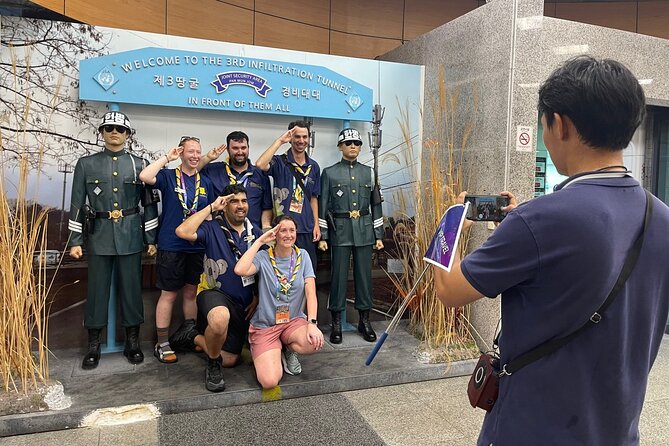
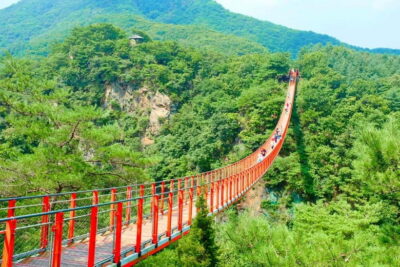
The Gamaksan Red Suspension Bridge is an optional stop, not part of the base-only DMZ package. It is also known as the Gloucester Heroes Bridge and honors Korean War service and sacrifice.
The bridge is described as South Korea’s wobbliest towerless suspension bridge. That makes it a very different experience from the sober memorials and museums earlier in the day. You get about an hour for the visit, giving you time to cross the bridge and enjoy the surrounding views.
I like this option for people who want the tour to end with movement and scenery rather than more indoor displays. It adds a lighter, more active finish after the emotionally heavy border sites.
The tradeoff is time. Adding the bridge creates a longer day, and you should not choose it simply because the name sounds exciting. If your main aim is the DMZ itself, the base option covers the essential historical stops. If you want a fuller day in the border region and enjoy heights, select the Red Suspension Bridge option during checkout.
Majang Lake and other optional additions
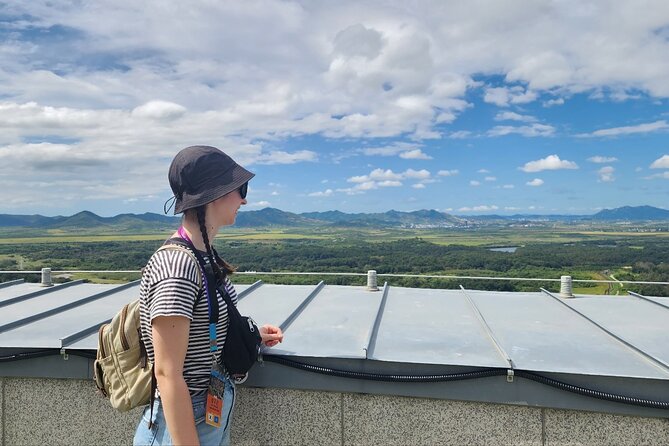
The Majang Lake Suspension Bridge is another optional add-on. It stretches 220 meters across Majang Reservoir and provides a scenic break from the military and political focus of the DMZ.
This choice suits you if you want a bridge walk with an outdoor setting. It is not a replacement for the Third Tunnel or Dora Observatory, so check your selected package carefully. The base-only DMZ option does not include it.
Some packages also offer the JSA Museum at Tongilchon-gil. The museum covers Panmunjom, the Korean War, and relations between North and South Korea through exhibits and displays. It can add useful context, but the exact package matters.
Strawberry picking may also be available as a selected option. Since the supplied details do not specify the season or farm arrangements, treat it as an add-on rather than a guaranteed feature of the basic tour.
Transport, timing, and group size
Pickup is offered from a main subway station near your hotel or from a downtown area location. The exact meeting point and time can change depending on where you are staying, so read the pickup message carefully and keep your phone available.
Round-trip transport saves you the trouble of arranging a separate northern excursion. It also matters because access to the DMZ is controlled, and military conditions can alter the day’s schedule or stop order.
The advertised maximum is 200 people. That is a very large possible group, though the actual vehicle and departure may be smaller. If you want a private, quiet outing, this is not that kind of product. The guide’s ability to manage the group is important, and the strongest comments about Ray, Emily, Alex, Lina, Jenny, GoGo, Diane, Gabby, Kelly, and Hana focus on their organization as much as their historical explanations.
There is no hotel drop-off. Plan your evening around returning to a central meeting area rather than expecting to step off at your accommodation. The tour lasts approximately seven hours and 30 minutes, leaving time to enjoy Seoul afterward, but delays are possible when the military changes access.
What to bring and how to prepare
Your passport is required. A military ID card or Korean ARC card can be used instead, but do not arrive without one of these accepted documents.
Wear sturdy, comfortable shoes for the Third Tunnel. Bring layers for the outdoor stops, especially in winter, when the DMZ area can feel very cold. A small bottle of water is sensible because lunch is not included and the tunnel involves physical effort.
Keep your expectations flexible. The DMZ is an active security area, not a normal sightseeing district. Tour times and access can change because of military issues, and no guide can guarantee that every stop will operate exactly as planned.
The free cancellation policy allows a full refund if you cancel at least 24 hours before the start time. Changes or cancellations inside that window are not accepted for a refund.
Who should book this DMZ tour?
I would choose this tour if you want the main DMZ sights in one organized day from Seoul, especially the Third Tunnel and Dora Observatory. It suits first-time visitors who want historical explanation rather than simply a border photograph.
Families can also do well here, provided everyone can manage the tunnel. The museum and observatory help younger visitors follow the story, while the bridge options add variety for people who need a more active stop.
This is less suitable if you dislike group tours, enclosed spaces, steep walks, or fixed schedules. It is also not ideal if you want a slow, private examination of each memorial. The possible 200-person maximum means the experience is designed for efficient sightseeing, not solitude.
Should you book it?
At $29.75, the base tour offers very good value for transport, a professional English or Chinese guide, museum admission, and the key DMZ sights. The repeated praise for guides such as Emily, Lina, Alex, Jenny, Ray, and Diane suggests that the human side of the tour is a major strength.
Book the base option if the tunnel, observatory, Freedom Bridge, and Korean War history are your priorities. Add the Gamaksan Red Suspension Bridge if you want an active finish, or consider Majang Lake for a more scenic bridge stop.
Bring your passport, wear good shoes, prepare for cold weather, and accept that military rules may change the schedule. If you can handle those conditions, this is a practical and unusually meaningful way to understand Korea’s divided present.
FAQ
How long does the DMZ tour from Seoul last?
The tour lasts approximately seven hours and 30 minutes, including transportation and sightseeing stops.
Is hotel pickup included?
Pickup is offered from a main subway station near your hotel or from a downtown area location. Hotel drop-off is not included.
Do I need to bring my passport?
Yes. A passport is required on the tour day. A military ID card or Korean ARC card can be used instead.
Is the Gamaksan Red Suspension Bridge included?
It is included only if you select the Red Suspension Bridge option during checkout. The base-only DMZ tour does not include it.
Is lunch included?
No. Lunch is not included in the tour price.
Can the tour schedule change?
Yes. The tour time or access to DMZ sites can change because of military issues in the area.
More day trips out of Seoul
- Thrilling Korean DMZ 3rd Tunnel Tour from Seoul + Red Bridge Rush
★ 5.0 · 3,097 reviews - DMZ Past and Present: Korean Demilitarized Zone Tour from Seoul
★ 5.0 · 2,481 reviews - DMZ Tour from Seoul – Optional Suspension Bridge Experience
★ 5.0 · 1,918 reviews - Half-Day DMZ Tour Led by a Retired Military Officer from Seoul
★ 5.0 · 1,774 reviews
Recently added around Seoul
- Private Tour around Suwon UNESCO Fortress and Korea Folks Village★ 4.5 · 4 reviews
- Nami & Maple Road & Theatre des Lumieres Day Tour from Seoul★ 4.8 · 4 reviews
- Gyeongbokgung Palace Photo Session with your own phone★ 5.0 · 4 reviews
- Seoul: Deoksugung Palace Night Tour★ 4.5 · 4 reviews
- Jisan Forest Resort: Ski Full-Day Tour or Shuttle from Seoul★ 5.0 · 4 reviews
- N Seoul Tower + Namsan Cable Car Ticket (Collect in Myeongdong)★ 3.5 · 4 reviews
- Private Jeonju Hanok Village – Culinary tour★ 5.0 · 4 reviews
- Seoul Private Walking Tour with a Local★ 5.0 · 4 reviews
DMZ Tours, compared.
DMZ Tour: 3rd Tunnel, Option(Suspension Bridge, Boat) from Seoul
Read the review →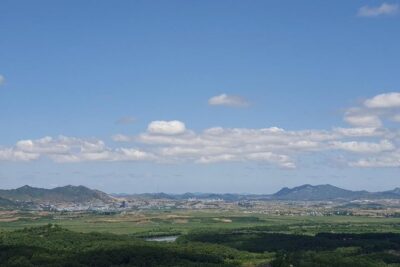
DMZ tour south Korea from Seoul (NK experience hall, defector)
Read the review →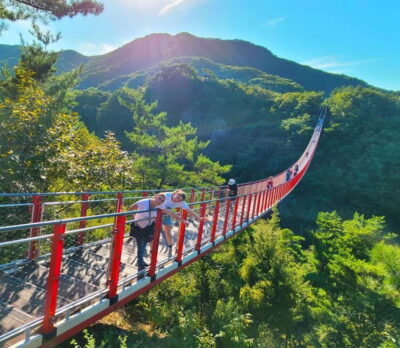
DMZ Insider Tour: 3rd Tunnel, NK Defector Meet & Red Bridge
Read the review →
DMZ The 3rd Tunnel and Suspension Bridge Tour
Read the review →
Signature DMZ Tour: Exclusive Defector Talk & Suspension Bridge
Read the review →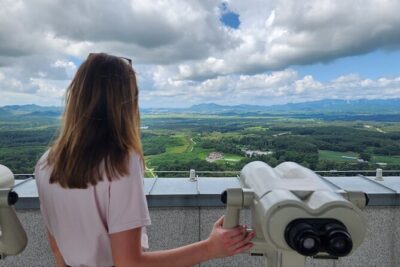
Thrilling Korean DMZ 3rd Tunnel Tour from Seoul + Red Bridge Rush
Read the review →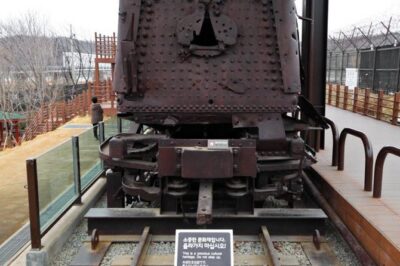
DMZ Past and Present: Korean Demilitarized Zone Tour from Seoul
Read the review →Browse the lists this tour appears in