
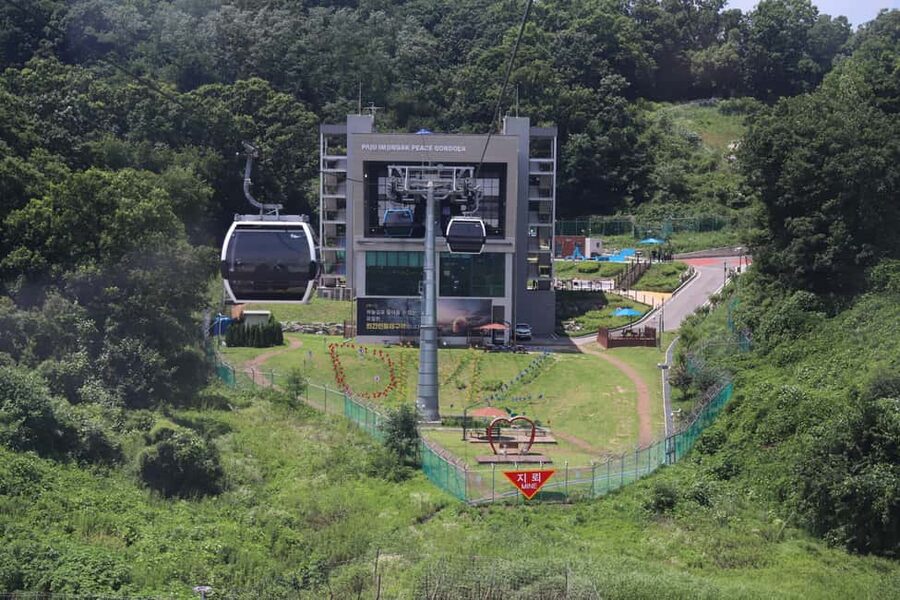
Reviewed · DMZ TOURS
Seoul: DMZ Tour with Optional Suspension Bridge
The most striking part of this day trip is the chance to look across the 4-kilometer-wide DMZ toward North Korea, then walk through a tunnel built for a possible invasion. It is history you can see under your feet, not just read on a museum wall.
I like the clear explanations from guides such as Winnie, Kenny, Sophie, Henry, and Grace, and I like that the tour includes both solemn places and open-air views. The main drawback is the exercise: the 3rd Tunnel has a steep return climb, and the Gamaksan Suspension Bridge requires about a 40-minute hike.
Key points at a glance
- Walk through the 3rd Infiltration Tunnel: Expect a steep, active outing that takes about 30 to 40 minutes round trip.
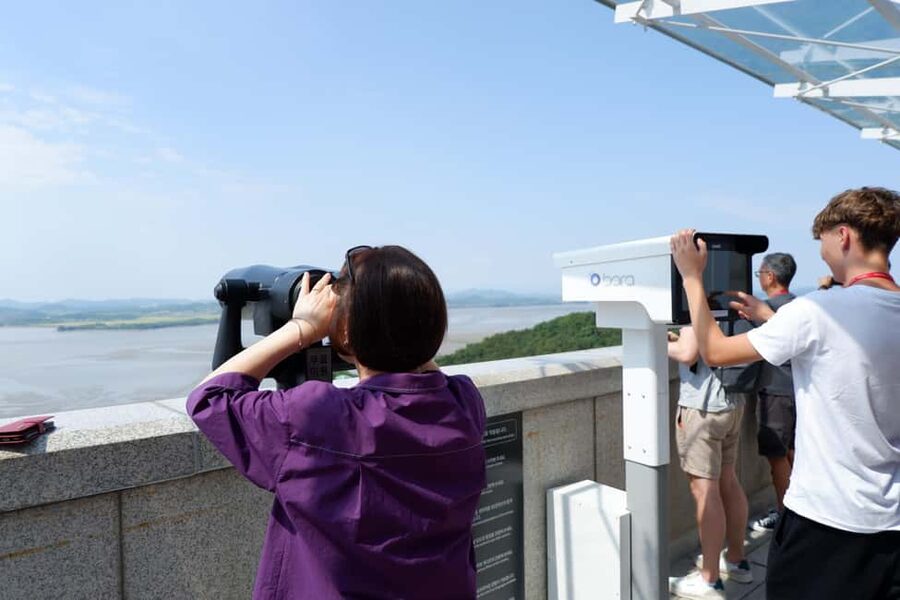
- See North Korea from Dora Observatory: Binocular views depend on weather, but the border villages and buffer zone make the visit memorable.
- Hear personal Korean stories: Guides including Winnie, Kenny, and Sophie add family experiences and current context to the basic facts.
- Choose your add-on carefully: Gamaksan brings a bridge and Korean War history, while Aegibong combines displacement history with a Starbucks stop.
- Plan for a full day: The trip lasts 7 to 9 hours, with roughly an hour of road travel each way.
- Bring your passport and walking shoes: Military access requires identification, and flip-flops, slippers, and heels are poor choices.
Why the DMZ makes such a powerful day trip
The Korean Demilitarized Zone is not an ordinary sightseeing stop. It is a controlled border area created after the 1953 armistice, and it still reflects the uneasy division between North and South Korea.
You are not visiting the Joint Security Area or crossing into North Korea. Instead, you visit approved sites on the South Korean side, pass through military-controlled areas, and learn how the Korean War continues to shape life on the peninsula.
I like this format because it gives you several ways to understand the DMZ. The museums explain the conflict. The tunnel shows its military reality. Dora Observatory gives you a physical view of the division. Imjingak and the Bridge of Freedom bring the story back to families separated by the border.
The English commentary is a major part of the value. Guides such as Kenny are praised for explaining the political background in plain language, while Winnie is especially good at keeping the day organized and helping solo visitors with photographs. Sophie’s personal and family stories add a more human angle than a standard list of dates and battles.
The trip costs about $45 per person and runs for 7 to 9 hours. That is strong value if you want transportation, entry fees, an English-speaking guide, and several major DMZ sites in one day. Food and drinks are not included, and hotel drop-off is not part of the standard arrangement.
More DMZ Tours in Seoul:
- Best DMZ Tour Korea from Seoul (Red Suspension Bridge Optional)
★ 5.0 · 41,422 reviews - DMZ Tour: 3rd Tunnel, Option(Suspension Bridge, Boat) from Seoul
★ 5.0 · 21,373 reviews - DMZ tour south Korea from Seoul (NK experience hall, defector)
★ 5.0 · 20,599 reviews
Getting from Seoul to Imjingak
Your day begins at a selected meeting point or with optional pickup from a centrally located Seoul hotel. Pickup areas can include Gangnam, Myeongdong, Gwanghwamun, Itaewon, and Dongdaemun. If your lodging is outside the easy-access zone, you may be directed to a central hotel or subway station instead.
Allow about an hour for the bus ride to Imjingak. Traffic can change the schedule, particularly on the return to Seoul, so I would not book a tight evening reservation after this tour.
The vehicle is an air-conditioned bus or minivan. Charging ports and a comfortable interior have been especially useful on this long day. If the group is small, government policy may require a transfer into a DMZ shuttle bus. That extra change is not glamorous, but it is part of visiting a military-run zone.
Your pickup time is confirmed by email. Check it the day before, since meeting details can change.
Imjingak and the Bridge of Freedom
Imjingak is the emotional starting point. The area is connected with the families who were separated by the Korean War and still hope for contact, return, or reunification.
The Bridge of Freedom is the key stop here. Its name carries real weight: the bridge represents the hope of people who were separated from relatives and homes north of the border. Your guide will explain why this location matters before giving you time to look around and take photographs.
This is also where the day’s themes become clear. The DMZ is not simply a military line. It is tied to displacement, memory, and the long wait for peace.
Imjingak has a public-park feel, but the subject is serious. I appreciate that the tour does not rush straight to the most dramatic military attraction. Starting with families and reunification gives the rest of the day a human frame.
The DMZ Theater and Exhibition Hall
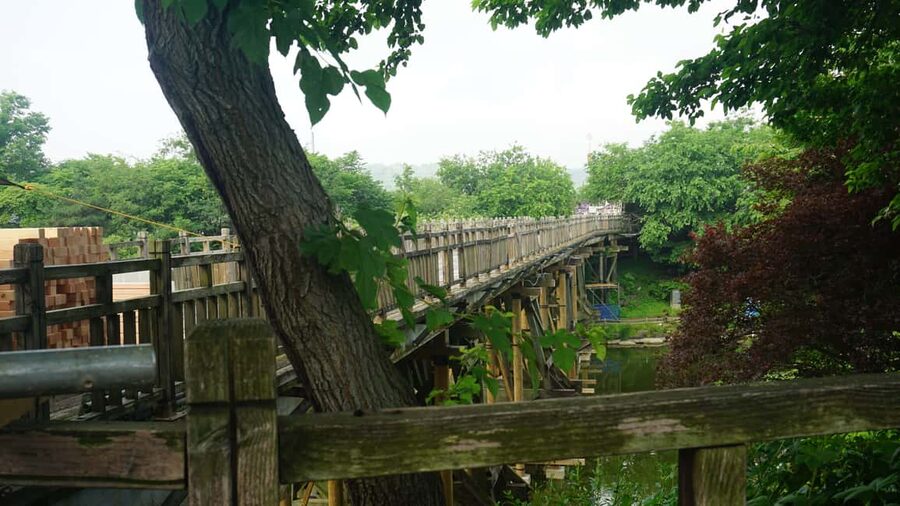
A short video presentation at the DMZ Theater gives you a basic introduction to the Korean conflict. The Exhibition Hall adds more background about the division of Korea, the armistice, and the continuing tension around the border.
These stops are useful if you arrive without much prior knowledge. You will get enough information to understand what you are seeing later, and the guide can fill in details during the bus rides and site visits.
The presentation format is not the most personal part of the day. If you already know the Korean War well, it may feel familiar. Still, it prevents the tunnel and observatory from becoming disconnected photo stops.
More Suspension Bridge Tours in Seoul:
- Seoul: DMZ The 3rd Tunnel and Suspension Bridge Tour
★ 5.0 · 4,656 reviews - Signature DMZ Tour: Exclusive Defector Talk & Suspension Bridge
★ 5.0 · 4,459 reviews - Ultimate Korea DMZ Tour from Seoul (Gondola & Suspension Bridge)
★ 5.0 · 2,396 reviews - DMZ; NK Defector, 3rd Tunnel, Suspension Bridge,Hotel pickup
★ 4.9 · 2,055 reviews
Walking into the 3rd Infiltration Tunnel
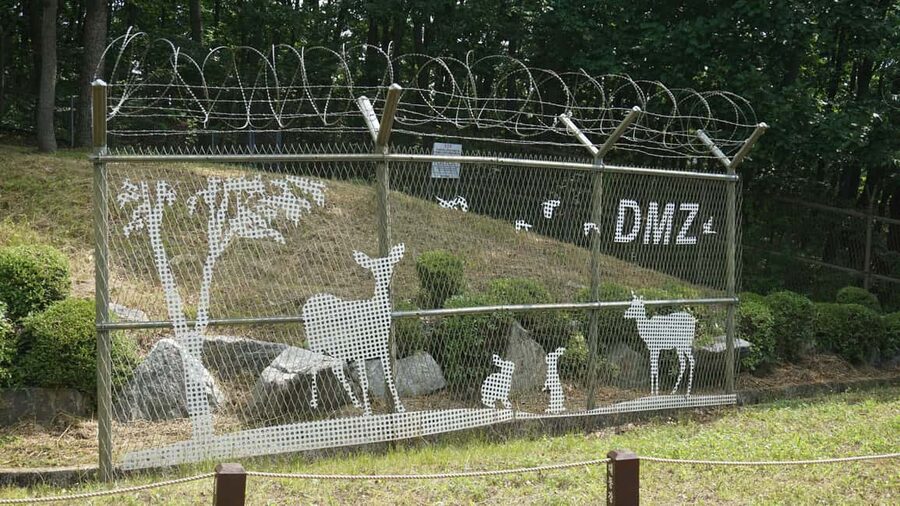
For many people, the 3rd Infiltration Tunnel is the day’s strongest physical experience. North Korea dug the tunnel beneath the border, and it was later discovered and opened for public viewing.
You walk underground for roughly 30 to 40 minutes round trip. The route includes a steep slope, and the return climb is the part that catches people out. The tunnel can be challenging for children, older people, and anyone unused to hills. If you prefer not to make the walk, you can wait near the entrance.
The tour guidance is important here. You need to follow instructions, stay with the group, and remember that this is a military-sensitive area rather than an ordinary attraction.
Wear proper walking shoes. Flip-flops, slippers, and high heels are specifically discouraged, and for good reason. The tunnel visit is not a gentle stroll. Comfortable clothes, water, and a modest level of fitness will make a noticeable difference.
I find the tunnel valuable because it turns an abstract fear into something concrete. You can see the scale of the passage and understand why underground routes were such a serious concern. It is also the stop most likely to leave your calves complaining later.
Looking north from Dora Observatory
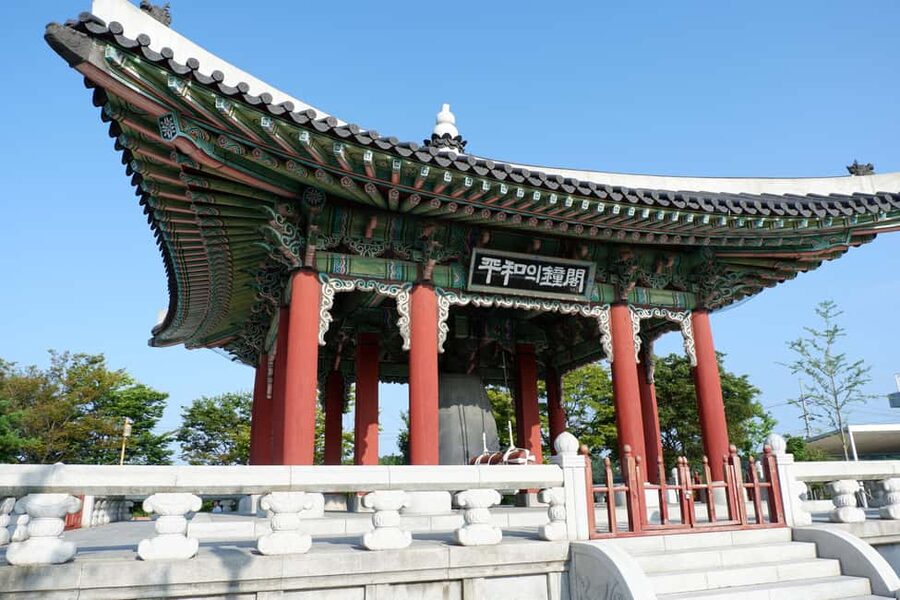
After coming back above ground, the group travels to Mount Dora and the Dora Observatory. From here, you can look across the DMZ toward North Korean territory and, when visibility allows, see border villages and the broad buffer zone.
This is the moment many people picture when they book a DMZ tour. You are close enough to understand the geography, yet the border remains firmly controlled. The sight can feel surprisingly quiet, especially when you think about the military tension behind the scenery.
Weather matters greatly. Fog, haze, or cloud can limit the view, so you should treat the observatory as an opportunity rather than a guaranteed clear panorama. Even with poor visibility, the guide’s explanation helps you understand what lies beyond the viewing area.
Bring a camera, but do not expect every photograph to show clear details. The value is partly visual and partly geographical: you are seeing the space that separates two countries with no peace treaty formally ending the war.
Unification Village and locally made goods
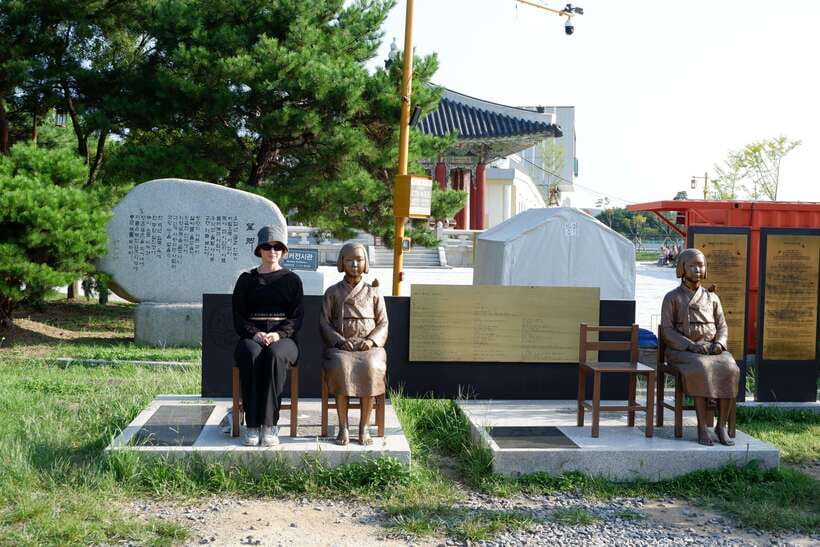
The tour continues to Unification Village, a farming community near the border. This stop offers a different view of life beside the DMZ. Instead of military hardware or memorials, you see a working rural community operating close to one of the world’s most sensitive borders.
You may have time to buy local products, symbolic souvenirs, and occasionally goods associated with North Korea. Shopping is not the main reason to take the tour, but these items can help you think about how peace and reconciliation are presented in the area.
I would keep your expectations modest. This is a short stop of about 30 minutes, not a full market visit. It works best as a quiet pause after the tunnel and observatory.
Choosing the Gamaksan Suspension Bridge option
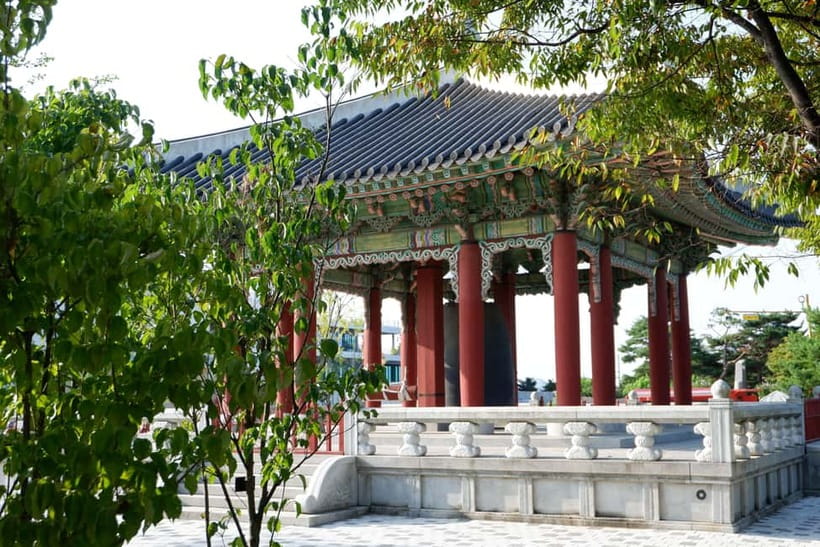
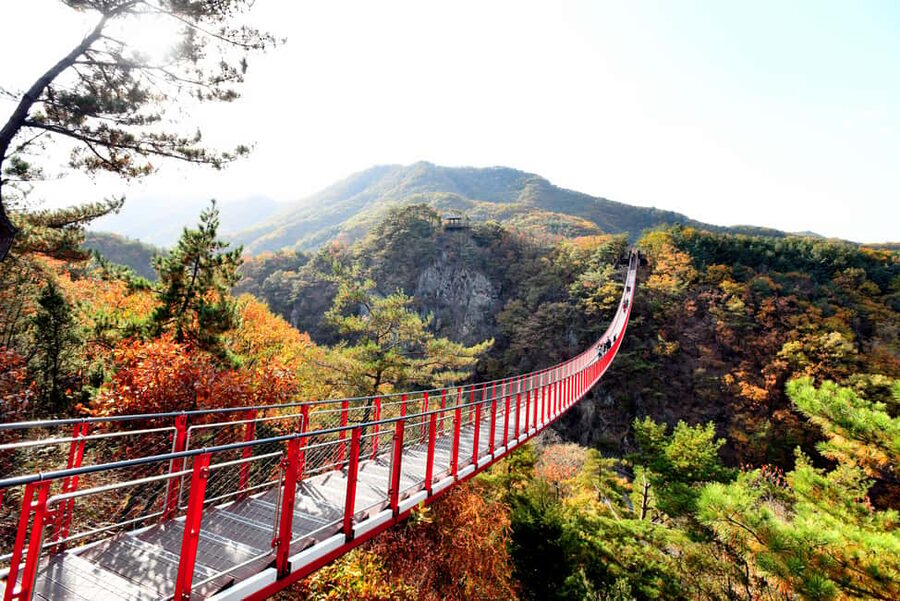
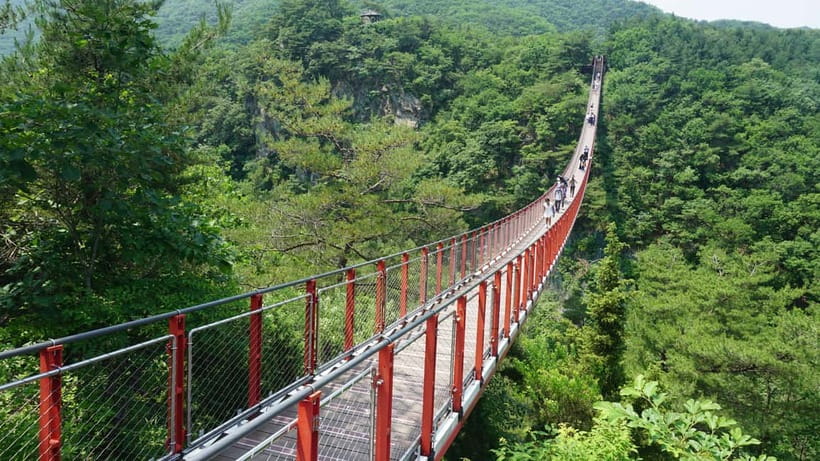
The Gamaksan option adds a scenic and historical extension to the main DMZ visit. The suspension bridge is linked with a Korean War battle involving British troops, so the stop connects a modern outdoor attraction with the conflict you have been studying all day.
The walk to the bridge takes about 40 minutes. That makes this option better for people who want extra activity, fresh air, and photographs, rather than anyone hoping to spend the entire day in museums and observation areas.
The supplied schedule also includes a brief photo stop at Ungye Falls. It lasts about 10 minutes, so think of it as a quick scenic break rather than a waterfall hike.
I like this add-on for active visitors. It gives the day a change of pace and adds another perspective on the war. The trade-off is obvious: the whole trip can approach nine hours, and your legs will have already worked hard at the 3rd Tunnel.
Choosing Aegibong Observatory and Starbucks
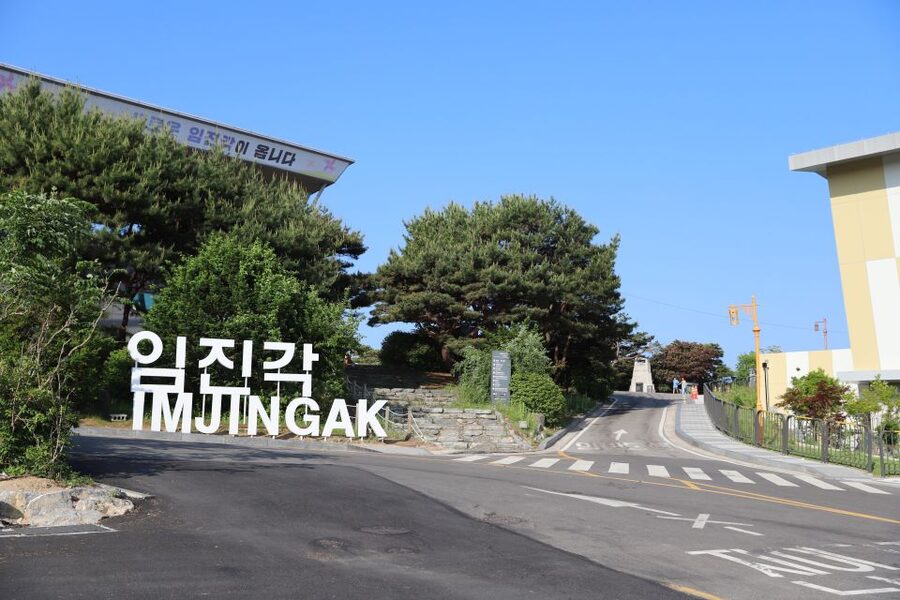
The Aegibong option follows a different theme and is available from Monday through Sunday. Aegibong is associated with displaced people who came to look toward their former hometowns after the Korean War.
That gives the stop a strong personal connection. The focus is not only on military separation, but also on the ordinary people who lost access to their homes and communities.
The observatory is now also known for its Starbucks café. This makes the option less physically demanding than adding Gamaksan, while still giving you a border view and a place connected with modern Korean life.
Because the options differ, check exactly what your selected booking includes. The regular DMZ route operates Tuesday through Sunday, while the Aegibong choice runs every day. Military orders, government rules, and weather can also change the planned route.
Guides, group size, and the day’s rhythm
The strongest part of this experience is the guide. Names attached to the tour include Winnie, Kenny, Sophie, Henry, Grace, Stella, Sue, Anna, and Shim. The tone can vary by guide, but the focus is English explanation, clear meeting instructions, and keeping the group together at security checkpoints.
Winnie uses images and videos on the bus to make the history easier to follow. Kenny is praised for mixing jokes with detailed explanations and for watching out for group safety. Sophie brings personal family stories that help connect national events with individual lives.
The tour is available as a private or small-group experience, though the exact format depends on the option you select. Shared transport is included, and the bus time gives you a chance to rest between stops.
Expect a fairly structured day. Military sites run on rules, and late arrivals can affect the whole group. Listen carefully when the guide gives a return time, especially at Dora Observatory and the tunnel.
What the $45 price really covers
At about $45, the tour offers good value for a full day outside Seoul. You receive round-trip shared transportation, entrance fees, a licensed professional guide, and an air-conditioned vehicle. Central hotel pickup is included only when that option is selected.
The cost becomes especially reasonable if you would otherwise need to organize several separate transfers to the border area. The DMZ is not a place where casual independent wandering is simple, so having transport and interpretation together removes much of the hassle.
You still need to budget for food and drinks. There is no hotel drop-off, and travel insurance is not included. The Joint Security Area at Panmunjom is also not part of this experience, so do not book it expecting access to the famous blue conference buildings.
Cancellation is free up to 24 hours before the tour, and you can reserve now and pay later. Infants under 24 months are free but do not receive a seat.
When the military changes the plan
The DMZ is operated by the military, so a change or cancellation can happen without prior notice. Weather, military activity, and government regulations may also force the operator to alter the route.
If the planned DMZ access is unavailable, the replacement visits may include Imjingak, Art Space BEAT 131, Odusan Unification Observatory, or the War Memorial of Korea. The provided conditions state that a refund will not be offered for these changes.
That policy matters. I would not book this tour on the same day as an important flight, train, or fixed evening event. The return to Seoul can vary with traffic and group size even when everything goes to plan.
Who should book this DMZ tour?
I would recommend it to first-time visitors who want a structured introduction to Korea’s division. It also suits families with older children, solo visitors who appreciate help with photographs, and anyone who prefers history explained in clear English rather than left to museum signs.
The tour is less suitable if you have heart problems, use a wheelchair, or strongly dislike walking. The 3rd Tunnel can be skipped by waiting at the entrance, but the wider day still involves moving between sites and keeping to a group schedule.
For the smoothest experience, bring your passport, wear supportive shoes, and pack water and a small snack. Alcohol, drugs, smoking in the vehicle, intoxication, and unaccompanied minors are not allowed.
Should you book it?
Book this tour if you want the classic DMZ experience with the 3rd Tunnel, Dora Observatory, Freedom Bridge, and an English-speaking guide in one long day. At about $45, the combination of transport, entry fees, and personal explanation is hard to beat.
Choose Gamaksan if you want more walking and a suspension bridge. Choose Aegibong if displaced-family history and a café stop appeal more than another hike.
Skip it only if you need a relaxed day, cannot manage steep walking, or require a guaranteed schedule. For everyone else, this is a serious but accessible way to understand Korea’s divided past, with enough scenery and human stories to keep the day from feeling like a string of military checkpoints.
FAQ
How long does the Seoul DMZ tour take?
The experience lasts about 7 to 9 hours, depending on the selected option, traffic, group size, and conditions at the military-operated sites.
What sites are included in the standard DMZ tour?
The standard route includes Imjingak, the Bridge of Freedom, the DMZ Theater, the DMZ Exhibition Hall, the 3rd Infiltration Tunnel, Dora Observatory, and Unification Village.
Can I see North Korea on this tour?
Dora Observatory provides views toward North Korean territory, including border villages when visibility is good. Weather can limit what you see.
Is the Joint Security Area included?
No. The Joint Security Area, also called Panmunjom, is not included in this experience.
Do I need to bring my passport?
Yes. You must bring your passport because the tour enters a military-controlled border area.
Is the tour suitable for children or people with limited mobility?
The tour is described as family-friendly, but the 3rd Tunnel has a steep slope and takes about 30 to 40 minutes round trip on foot. The Gamaksan bridge requires a roughly 40-minute hike. The experience is not suitable for wheelchair users, people with heart problems, or unaccompanied minors.
Recently added around Seoul
- Nami & Maple Road & Theatre des Lumieres Day Tour from Seoul★ 4.8 · 4 reviews
- Gyeongbokgung Palace Photo Session with your own phone★ 5.0 · 4 reviews
- Private Tour around Suwon UNESCO Fortress and Korea Folks Village★ 4.5 · 4 reviews
- Jisan Forest Resort: Ski Full-Day Tour or Shuttle from Seoul★ 5.0 · 4 reviews
- N Seoul Tower + Namsan Cable Car Ticket (Collect in Myeongdong)★ 3.5 · 4 reviews
- Seoul: Deoksugung Palace Night Tour★ 4.5 · 4 reviews
- Private Jeonju Hanok Village – Culinary tour★ 5.0 · 4 reviews
- Seoul Private Walking Tour with a Local★ 5.0 · 4 reviews
DMZ Tours, compared.
Best DMZ Tour Korea from Seoul (Red Suspension Bridge Optional)
Read the review →
DMZ Tour: 3rd Tunnel, Option(Suspension Bridge, Boat) from Seoul
Read the review →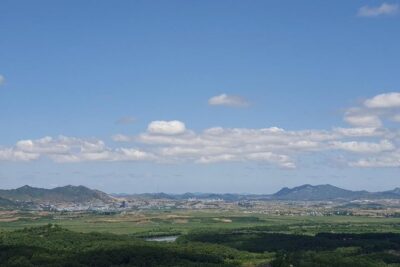
DMZ tour south Korea from Seoul (NK experience hall, defector)
Read the review →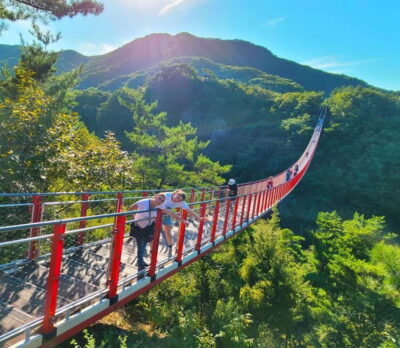
DMZ Insider Tour: 3rd Tunnel, NK Defector Meet & Red Bridge
Read the review →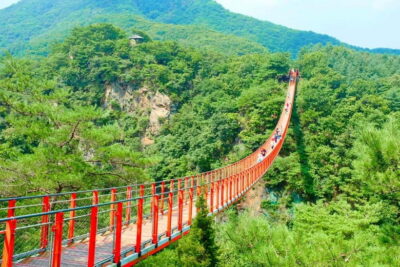
DMZ The 3rd Tunnel and Suspension Bridge Tour
Read the review →
Signature DMZ Tour: Exclusive Defector Talk & Suspension Bridge
Read the review →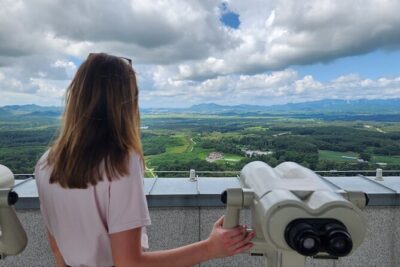
Thrilling Korean DMZ 3rd Tunnel Tour from Seoul + Red Bridge Rush
Read the review →
DMZ Past and Present: Korean Demilitarized Zone Tour from Seoul
Read the review →Browse the lists this tour appears in