
Reviewed · HANOK VILLAGE TOURS
Royal Seoul Cooking Class in a 100-Year-Old Hanok
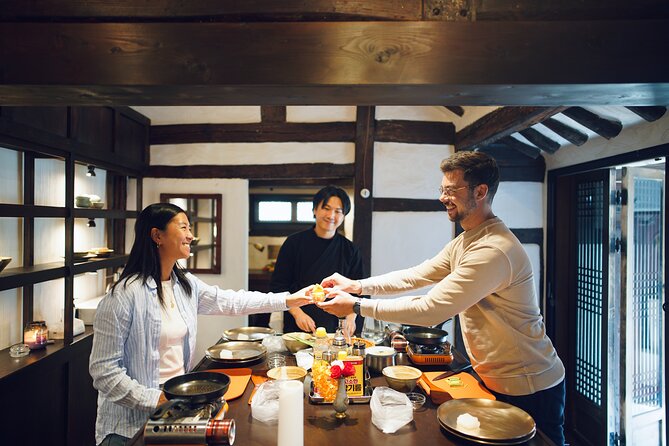
The best part of this Seoul experience is the setting: you cook inside a lovingly restored 100-year-old hanok, not a plain studio kitchen. Chef Park, also called Ricky, guides a group of no more than six through royal-style dishes, Korean food customs, and the stories behind what lands on your plate.
I like the small class size and the fact that the meal is served on handmade bangjja bronzeware in a traditional dining space. The food is prepared so beginners can keep up, and the class works well for solo visitors, couples, families, and mixed-age groups. The main drawback is the price, $98.98 per person, and the unusual itinerary listing, which names several Seoul sights but does not explain that you will visit them during the 2-hour-15-minute cooking session.
Key points to know before booking
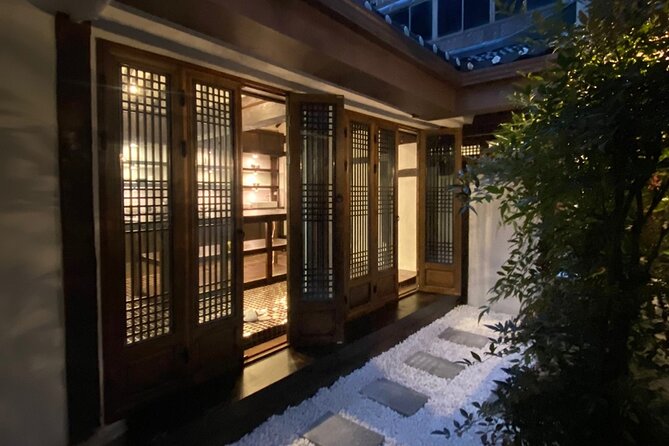
- A real hanok setting: Cook and dine in a restored residential home near Ikseon-dong Hanok Street.
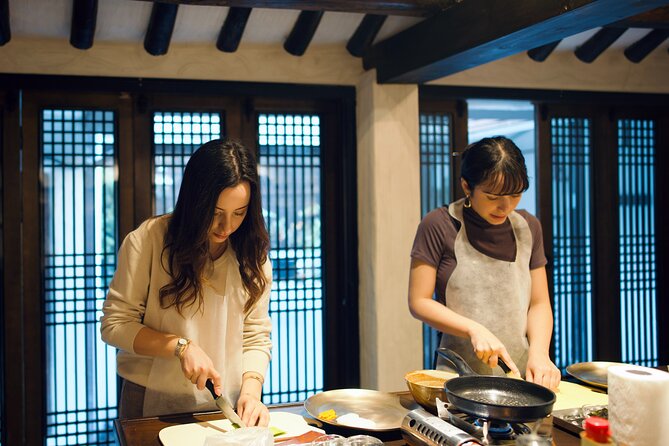
- Six people maximum: The small group allows Chef Park to help with knife work, batter, seasoning, and cooking.
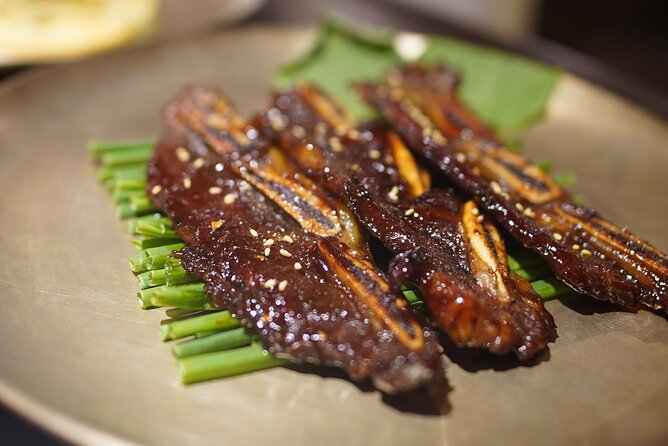
- Four Korean dishes: Prepare LA galbi, fresh kimchi, haemul pajeon, and tangpyeongchae.
- More than a recipe lesson: The class covers food customs, Korean history, and the difference between older and modern Korean cooking.
- A complete meal afterward: Eat your finished dishes with makgeolli and traditional Korean sweets.
- Easy for beginners: You do not need prior cooking experience, and a stool can be arranged if standing for long periods is difficult.
Cooking Korean food inside a century-old home
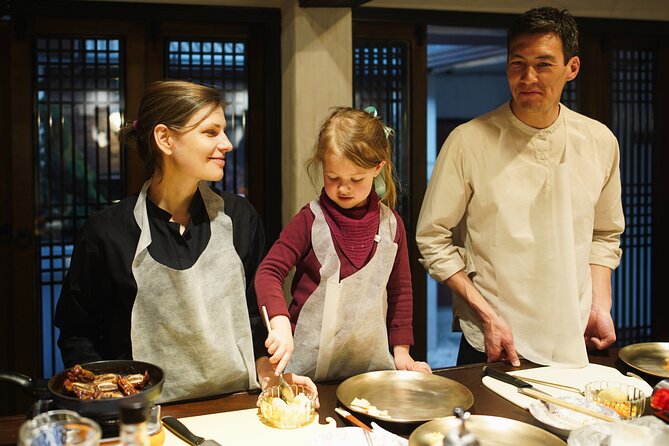
Many cooking classes take place in bright commercial kitchens. This one begins at 25 Samil-daero 32ga-gil in Jongno District, where the hanok itself is part of the lesson.
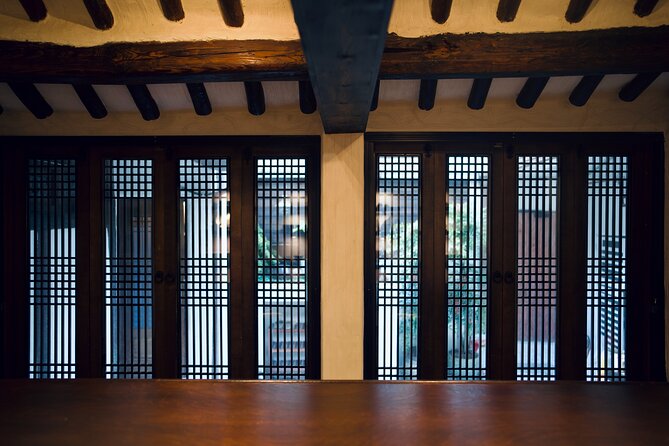
A hanok is a traditional Korean house, known for its timber structure, tiled roof, inward-looking layout, and connection between rooms and courtyards. You are not simply learning how to make kimchi in Seoul. You are doing it in a space designed around Korean home life.
The house has been carefully restored, and the atmosphere is warm and domestic rather than formal. A few people describe it as a former geisha residence, while the tour description presents it as a local residential home. Either way, the useful point is clear: this is an old Korean house adapted for cooking and dining, with plenty of character.
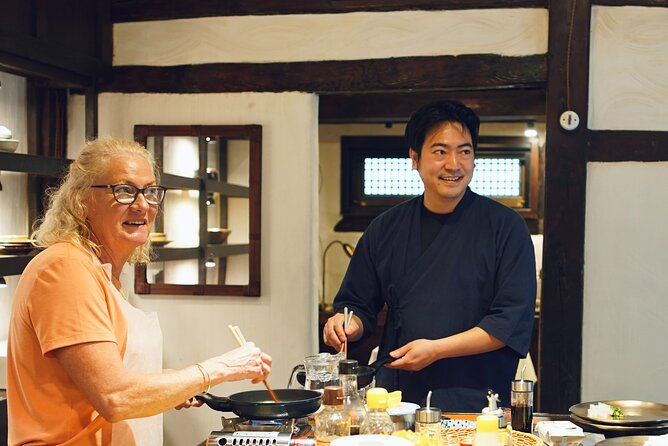
Chef Park has earned especially strong praise for his teaching style. He explains the steps clearly, keeps the mood relaxed, and uses humor to help the group settle in. He also talks about the food’s background, including Korean history and the way dishes developed over time.
That extra context matters. You learn why certain foods appear at celebrations, how regional cooking differs, and how traditional dishes connect with modern Seoul. The class is not just a race to chop, stir, and eat.
More Hanok Village Tours in Seoul:
- Seoul City Sightseeing Tour Including Gyeongbokgung Palace, N Seoul Tower, and Namsangol Hanok Village
★ 5.0 · 1,423 reviews - Seoul: Gyeongbok Palace and Bukchon Hanok Walking Tour
★ 4.8 · 157 reviews - Best Walking Tour to Gyeongbok Palace Bukchon Hanok Village
★ 5.0 · 138 reviews
What you actually cook in 2 hours and 15 minutes
The menu brings together meat, vegetables, seafood, pancakes, and fermented food. It gives you a useful introduction to several sides of Korean cooking without asking you to master a dozen complicated recipes.
LA galbi
LA galbi is marinated beef short rib cut across the bone. The thin slices cook quickly and carry the sweet, savory flavor that many people associate with Korean barbecue.
You will learn how the meat is seasoned and prepared before cooking it. The dish feels festive but remains approachable, which makes it a good choice for beginners who want something they can try at home.
Fresh kimchi
Fresh kimchi gives you a look at Korean fermentation without requiring a long wait. Instead of only tasting kimchi that has been aging for days or weeks, you make and eat a fresh version during the class.
This is one of the most useful lessons because it shows how seasoning, texture, and spice can change from one kimchi to another. It also gives you a recipe that can be adjusted more easily at home than a highly specialized fermented preparation.
More Cooking Classes in Seoul:
- Local Home Korean Cooking Class & Market Adventure in Seoul
★ 5.0 · 1,024 reviews - Master Korean traditional cooking with a Kimchi chef
★ 5.0 · 385 reviews - Seoul: Korean Cooking Class at a Local Home and Market Tour
★ 5.0 · 348 reviews - Seoul: Korean Cooking at Seoul Cooking Club!
★ 5.0 · 311 reviews
Haemul pajeon
Haemul pajeon is a savory seafood and green onion pancake. The batter, heat, and timing all affect the final texture, so this dish gives you a hands-on cooking task rather than a recipe where everything is already decided.
Pajeon is also a familiar Korean comfort food, often paired with drinks and shared at the table. Making it yourself helps you understand why the pancake works as both a snack and part of a larger meal.
Tangpyeongchae
Tangpyeongchae is a traditional Korean dish made with mung bean jelly, vegetables, and other seasoned ingredients. It is less familiar to many first-time visitors than galbi or pajeon, which makes it an important part of the menu.
This dish points toward the class’s royal-cuisine theme. Korean court food often values balance, careful preparation, color, and presentation rather than relying on one strong flavor. Tangpyeongchae gives you a taste of that more measured style.
The menu may sound ambitious, but the cooking is organized for people with basic or no kitchen skills. Ingredients are thoughtfully prepared before the class, allowing you to focus on technique and flavor instead of spending the whole session peeling and measuring.
That also explains one limitation. If you want a full professional kitchen apprenticeship, this is not it. Some preparation is done ahead of time so you can complete the menu within two hours and still sit down for a proper meal.
Dining on bangjja bronzeware
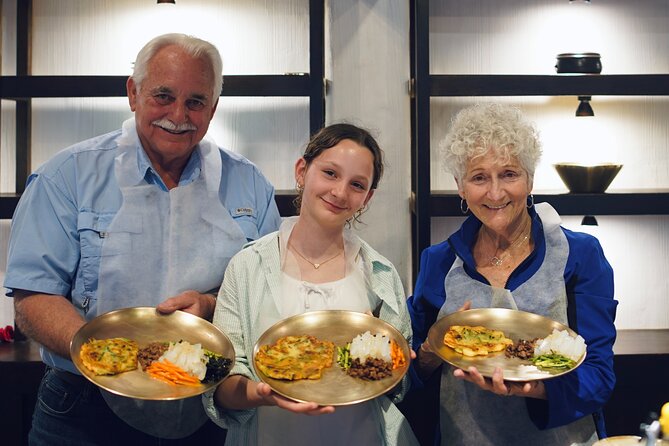
After cooking, you eat what you have made in the hanok dining room. The meal is served on bangjja, traditional Korean bronze tableware made by hand.
The metalware is not a minor decoration. Korean dining culture places real importance on the way food is arranged and served, and the weight and appearance of bangjja make the meal feel different from a casual restaurant lunch.
You also receive a glass of freshly brewed makgeolli, Korea’s cloudy rice wine. Traditional desserts finish the meal. The drink and sweets give the class a clear beginning, middle, and end: prepare the dishes, share them at the table, then try a few tastes that you might otherwise overlook during a standard Seoul food tour.
The dining area is described as warm and cozy, with an atmosphere that encourages conversation. That makes this a good solo activity. You can come alone, cook with people from other countries, and still have a shared meal at the end.
It also suits families. An 11-year-old and a 13-year-old have taken part with adults, and the instruction was adapted for different speeds. Three generations have also used the class as a shared Seoul activity. Children still need to follow the host’s directions around knives and heat, but the format is not restricted to experienced cooks.
Understanding the five Seoul sights in the itinerary
The itinerary lists Gyeongbokgung Palace, Changdeokgung Palace, Kwangjang Market, Ikseon-dong Hanok Street, and Gwanghwamun Square. These are excellent places to connect with Korean palaces, food, old neighborhoods, and public life.
Still, you should read the timing carefully. The activity lasts about 2 hours and 15 minutes, begins and ends at 25 Samil-daero 32ga-gil, and the description focuses on the cooking class. Nothing in the supplied details gives separate visit times or transport between all five places. I would treat the sights as nearby Seoul context, not assume that a guide will escort you to each one during the class.
Gyeongbokgung Palace
Gyeongbokgung was the main royal palace of the Joseon dynasty. It is the obvious place to connect the class’s royal-food theme with Korea’s court culture.
The palace is not presented as the cooking-class meeting point, so plan it as a separate visit unless your booking confirmation says otherwise. Pairing a palace visit with this class makes sense, but you will need enough time in your Seoul schedule to do both.
Changdeokgung Palace
Changdeokgung is another major royal palace and a useful companion to Gyeongbokgung. Its inclusion reinforces the focus on court traditions and historic Seoul.
Again, do not expect the 2-hour-15-minute class itself to cover both palace grounds unless you receive specific instructions. The cooking experience is based at the hanok address in Jongno.
Kwangjang Market
Kwangjang Market is one of Seoul’s best-known food markets. It offers a lively contrast to the careful preparation and seated meal in the hanok.
A market visit is a good place to try ready-to-eat Korean specialties. The class gives you the slower version: you handle ingredients, hear explanations, and learn how dishes are assembled. I would visit the market separately, preferably before or after the class when you can browse without watching the clock.
Ikseon-dong Hanok Street
This is the most directly relevant stop. The class is near Ikseon-dong Hanok Village, an area known for traditional houses adapted for modern shops, cafés, and restaurants.
That location makes the class easy to combine with an afternoon or evening walk. You can see how old Korean architecture is being used in present-day Seoul, then spend two hours in a hanok focused on home cooking. Keep in mind that the area is popular, so the streets may feel much busier than the quiet interior of the cooking house.
Gwanghwamun Square
Gwanghwamun Square is a major public space in central Seoul, near important civic and historic sights. It gives you a broader sense of the city beyond the enclosed palace compounds and narrow hanok lanes.
It is best planned as a separate stop. The class does not end there. You return to the original meeting point.
Is $98.98 a fair price?
At $98.98 per person, this is not a bargain food lesson. You are paying for more than ingredients and a recipe sheet.
The price includes a private-feeling class capped at six people, a certified culinary instructor, a restored historic setting, the meal you prepare, bangjja tableware, makgeolli, and traditional desserts. The host also spends time explaining Korean food culture and history, not just calling out the next step.
That is good value if you care about setting, conversation, and cultural background. It is less compelling if you only want to learn one cheap dish or eat a large restaurant meal. Seoul has many inexpensive food options, and a market visit will cost far less.
I would also consider the value of the group size. A class of six or fewer allows you to ask questions and get help with your own cooking. Several classes have had only three participants, which creates an almost private lesson. That personal attention is a major reason to choose this over a larger cooking school.
The session is also a sensible first or second-night activity. Chef Park has offered restaurant suggestions, and the class gives you a useful introduction to Korean ingredients and dining customs before you start ordering on your own.
Practical details that affect your choice
The meeting point is near public transportation, and the activity returns to the same address. You receive booking confirmation at the time of purchase, so save the exact location and any directions sent by the host.
Wear clothes you can cook in comfortably. No special skill is required, but you will be working with food, heat, and kitchen tools. If standing for a long time is difficult, request a stool ahead of time. A stool has been accommodated before, but you should not wait until the class begins to ask.
The class is mobile-ticket friendly. Free cancellation is available up to 24 hours before the start time for a full refund. Cancellations or changes made inside that 24-hour window are not accepted, and the cutoff uses Seoul local time.
English instruction is available. The host has been described as easy to understand and comfortable discussing subjects beyond food. That matters because the cultural explanations are a central part of the experience.
Who will enjoy this hanok cooking class?
I would choose this for you if you want an activity that combines food, architecture, and conversation. It is especially well suited to:
- Solo visitors who want a social evening without joining a large group
- Couples looking for a shared activity with a meal included
- Families with older children and several generations
- Beginners who want recipes they can attempt at home
- Visitors interested in Korean customs, palace culture, and traditional dining
- Anyone staying near Jongno, Ikseon-dong, or central Seoul
You may want another option if you dislike group cooking, cannot comfortably work in a kitchen, or want a market-focused food tour. The class is intimate, but it is still a class. You take part in preparation rather than simply sitting down to a finished meal.
The menu also includes beef, seafood, and makgeolli. If you have dietary restrictions, ask before booking. The supplied details do not promise substitutions.
Should you book it?
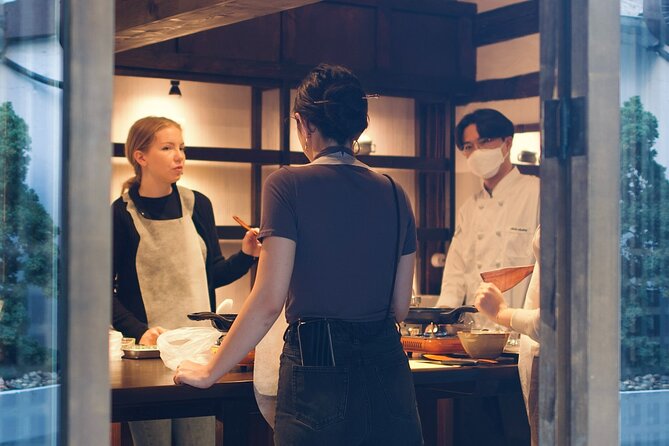
Yes, if the $98.98 price fits your budget and you want a polished cultural activity rather than a quick cooking demonstration. The restored hanok, small group, friendly instruction from Ricky or Chef Park, and meal on bangjja bronzeware give the experience a clear sense of place.
I would book it early if your Seoul dates are fixed. With only six places, availability can be limited. Just keep your expectations precise: this is a cooking class based near Ikseon-dong, not a guided tour of all five listed Seoul sights.
For an authentic, hands-on introduction to Korean food, it is a strong choice. You leave with new dishes to try at home, a better feel for Korean dining customs, and a memorable evening in one of Seoul’s traditional houses.
FAQ
Where does the Royal Seoul Cooking Class begin?
It begins at 25 Samil-daero 32ga-gil in Jongno District, Seoul, South Korea.
Where does the activity end?
The class ends back at the meeting point.
How long does the cooking class last?
The experience lasts approximately 2 hours and 15 minutes.
How many people can join the class?
The maximum group size is six people.
Do I need cooking experience?
No. The class is designed for beginners as well as people with more cooking experience.
Which dishes will I prepare?
The menu includes LA galbi, fresh kimchi, haemul pajeon, and tangpyeongchae.
Is food and drink included after cooking?
Yes. You eat the dishes you prepare, with makgeolli and traditional Korean desserts.
Is the class near public transportation?
Yes. The meeting point is near public transportation.
Can I cancel for a full refund?
Yes, if you cancel at least 24 hours before the experience start time. Cancellations made less than 24 hours in advance are not refunded.
More hands-on workshops in Seoul
- Yongpyong Ski Resort from Seoul with Optional Lesson and Packages
★ 5.0 · 217 reviews - Seoul: Kpop Dance Class Including Video Shooting & Editing
★ 4.8 · 185 reviews - Seoul: Taste of Korea, Authentic Home Style Cooking Class
★ 4.9 · 166 reviews - Seoul: Perfume-Making Workshop in a Hanok
★ 4.9 · 110 reviews
Recently added around Seoul
- Nami & Maple Road & Theatre des Lumieres Day Tour from Seoul★ 4.8 · 4 reviews
- Gyeongbokgung Palace Photo Session with your own phone★ 5.0 · 4 reviews
- Private Tour around Suwon UNESCO Fortress and Korea Folks Village★ 4.5 · 4 reviews
- Jisan Forest Resort: Ski Full-Day Tour or Shuttle from Seoul★ 5.0 · 4 reviews
- N Seoul Tower + Namsan Cable Car Ticket (Collect in Myeongdong)★ 3.5 · 4 reviews
- Seoul: Deoksugung Palace Night Tour★ 4.5 · 4 reviews
- Seoul Private Walking Tour with a Local★ 5.0 · 4 reviews
- Private Jeonju Hanok Village – Culinary tour★ 5.0 · 4 reviews
Hanok Village Tours, compared.
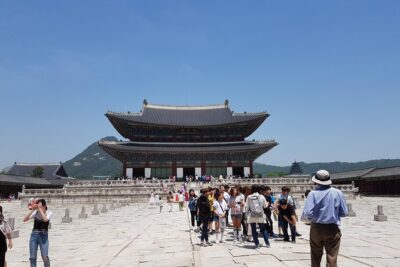
Seoul City Sightseeing Tour Including Gyeongbokgung Palace, N Seoul Tower, and Namsangol Hanok Village
Read the review →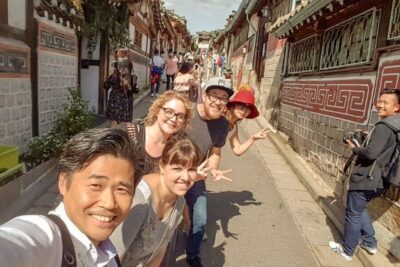
Gyeongbok Palace and Bukchon Hanok Walking Tour
Read the review →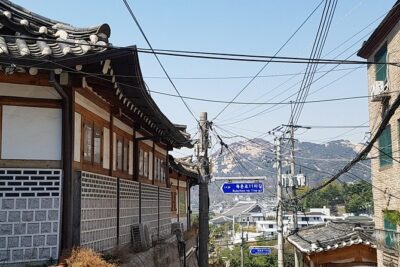
Best Walking Tour to Gyeongbok Palace Bukchon Hanok Village
Read the review →Experience Korean Cooking in Modern Hanok Kitchen
Read the review →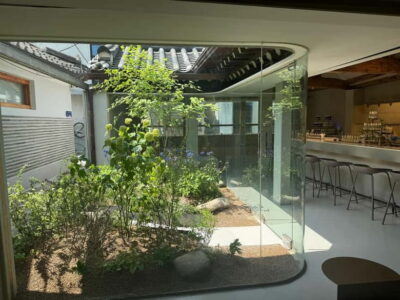
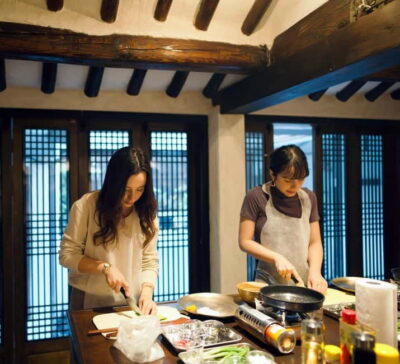
Royal Seoul Cooking Class in a 100-Year-Old Hanok
Read the review →
Jeonju Hanok Village Full-Day Tour:Jangtaesan Autumn Foliage
Read the review →
Afternoon Seoul: Hanok Vibes, Netflix Street Food & N Seoul Tower
Read the review →Browse the lists this tour appears in