
Reviewed · HANOK VILLAGE TOURS
Seoul: Perfume-Making Workshop in a Hanok
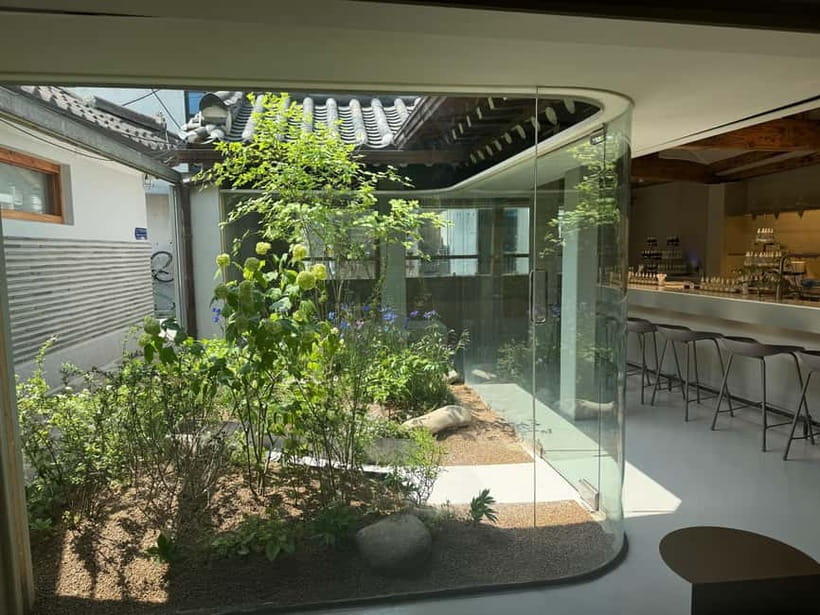
Creating perfume from more than 500 fragrance materials is the main event here, but the setting gives it extra charm. You work inside a traditional hanok near Daehakro, away from the noise of Seoul’s streets, and leave with a 50ml bottle made to your own taste.
I like the calm, patient teaching and the chance to build a scent instead of simply buying one off a shelf. I also like the practical touch of keeping your recipe on file, which means you may be able to order the same blend again when your bottle runs dry.
The one thing to consider is the location. The shop can be tricky to find in the alley beside a tuna restaurant called Eunhaenggol, and one person found navigation apps unhelpful. Give yourself extra time and use Naver Map if possible.
Key points before you book
- 500 fragrance materials: Compare niche, natural, and more familiar perfume ingredients before choosing your blend.
- A quiet hanok setting: The peaceful room makes this a slower, more restful Seoul activity.
- A guided creative process: You choose a fragrance family, select a core note, and adjust the balance twice.
- A personal Korean souvenir: Take home a 50ml bottle in attractive packaging rather than a standard shop-bought scent.
- English and Korean instruction: Guides such as Helen, Dongyeon, and Yunvin have helped participants through the process.
- Good value at $49: Ninety minutes of instruction plus a finished bottle makes the price reasonable for a hands-on Seoul activity.
Why this Seoul perfume workshop feels different
Many city souvenirs are easy to buy and quickly forgotten. This one asks you to make something. Your finished perfume may remind you of Seoul long after the trip, not only because of its bottle, but because you chose each part of the scent yourself.
The workshop is operated by perfume specialists who have developed scents for brands and businesses including Hanwha Life, Coffee Bean, Bodyfriend, and Chosun Hotel. That background matters because perfume blending is not simply a matter of pouring pleasant smells together. A trained guide can help you avoid a muddy mixture and steer the final result toward something you will actually want to wear.
You do not need to arrive as a perfume expert. Several people who normally use only one fragrance found the process interesting because they could hear and smell how separate notes change when combined. If you already enjoy perfume, the range of materials gives you much more room to experiment.
The format is intimate and hands-on. You smell, compare, decide, blend, and smell again. It is a useful break from Seoul sightseeing, especially if you want an activity that is creative rather than hurried.
More Hanok Village Tours in Seoul:
- Seoul City Sightseeing Tour Including Gyeongbokgung Palace, N Seoul Tower, and Namsangol Hanok Village
★ 5.0 · 1,423 reviews - Seoul: Gyeongbok Palace and Bukchon Hanok Walking Tour
★ 4.8 · 157 reviews - Best Walking Tour to Gyeongbok Palace Bukchon Hanok Village
★ 5.0 · 138 reviews
Finding the hanok near Daehakro
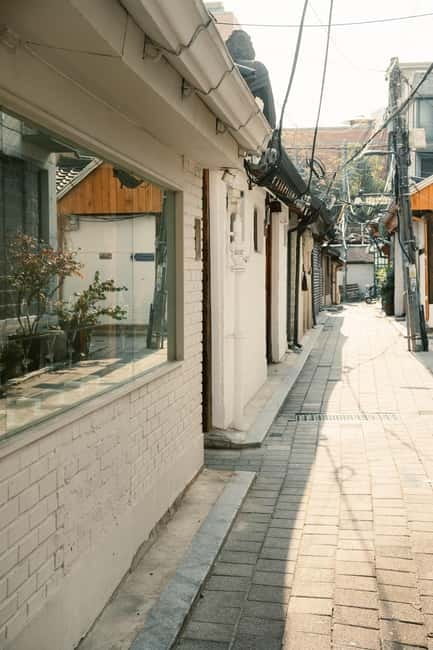
The workshop is near Daehakro, an area known for theaters, restaurants, and lively city streets. The exact meeting point takes a little care: look for the first shop in the alley inside the tuna restaurant called Eunhaenggol.
That description is important. This is not the kind of venue you should expect to spot immediately from a wide main road. Directions through Waze caused trouble for at least one participant, while nearby businesses and a taxi driver were able to identify the place. I would use Naver Map, allow a few spare minutes, and keep the written meeting-point description handy.
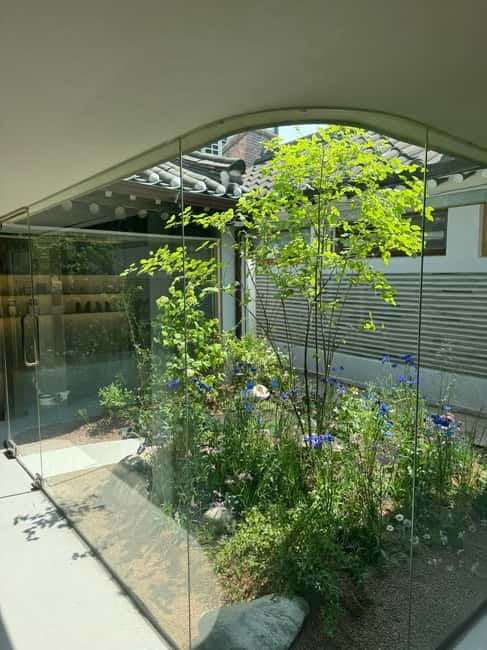
Once inside, the atmosphere changes. The traditional hanok gives the class a quieter character than a bright commercial studio. You are still in central Seoul, but the room feels removed from the traffic and crowds outside.
The setting is part of the value, not just a pretty backdrop. Perfume requires concentration, and a peaceful room gives you time to notice small differences between ingredients. It also makes the workshop a comfortable choice for a rainy afternoon or a slower morning.
The first 15 minutes: finding your scent direction
The process begins with a short questionnaire about the scents you already wear and the kind of perfume you want to create. This gives the instructor a starting point, but it does not lock you into one formula.
You then choose among seven representative fragrance types. The categories help you get your bearings before you face the full collection of materials. With 500 ingredients in front of you, having a broad scent direction first is useful. Otherwise, the choice can feel less like creative freedom and more like standing in front of a very large menu with no idea what to order.
The guide compares your perfume keywords with suitable ingredients. You may be asked to consider the mood, character, or general style you want. The supplied information does not specify the exact seven categories or list every ingredient, so the available choices may vary by workshop setup.
This early discussion is where the guide’s skill becomes most helpful. Helen has been singled out for helping people find a scent that suits them, while Dongyeon has been praised for guiding participants toward combinations that worked. Yunvin has also received warm praise for providing a personal, attentive session.
English and Korean instruction is available. The English guidance has been described as clear, and the instructors are prepared to answer questions as you work through the choices.
Comparing 500 materials without losing your nose
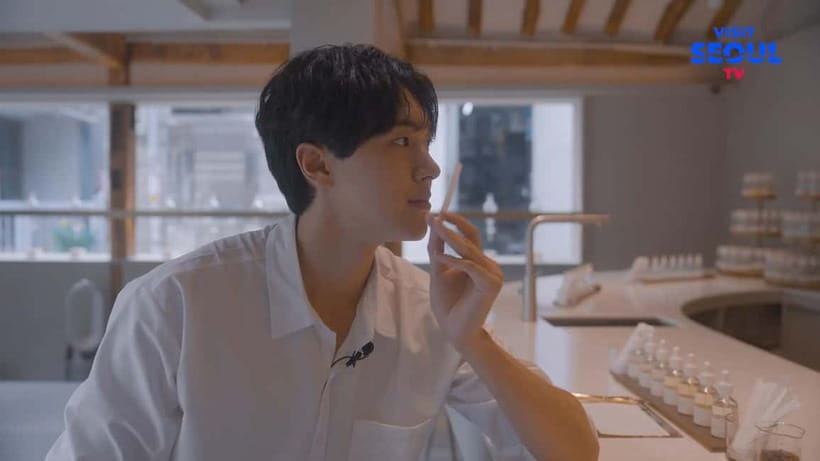
The heart of the workshop is the ingredient selection. You smell individual fragrance materials and compare them against the direction you chose at the start. The collection includes niche-perfume ingredients and natural scents, so you are likely to encounter options beyond the familiar department-store fragrance menu.
This stage rewards patience. Smelling too many materials in quick succession can make everything seem similar, and some ingredients may surprise you when they are isolated. A scent that seems sharp on its own can add lift to a blend, while a soft note may give the finished perfume more body.
The instructors do not simply leave you alone with hundreds of bottles. Their advice helps when you are unsure if two materials will work together or when you feel overwhelmed by the options. You still make the decisions, but you have a professional sounding board.
I would not rush this part. One participant worried about taking too long to decide on measurements, but the guide remained patient. The workshop is designed to let you test and adjust rather than force a quick choice.
If you are attending with a friend or partner, compare your reactions as you go. It can be fun to make very different perfumes side by side. If you come alone, the instructor becomes your main partner in the decision-making process, and the format still works well.
More hands-on workshops in Seoul:
- Local Home Korean Cooking Class & Market Adventure in Seoul
★ 5.0 · 1,024 reviews - Seoul: Korean Cooking Class at a Local Home and Market Tour
★ 5.0 · 348 reviews - Yongpyong Ski Resort from Seoul with Optional Lesson and Packages
★ 5.0 · 217 reviews - Seoul: Kpop Dance Class Including Video Shooting & Editing
★ 4.8 · 185 reviews
Choosing the core material and building the blend
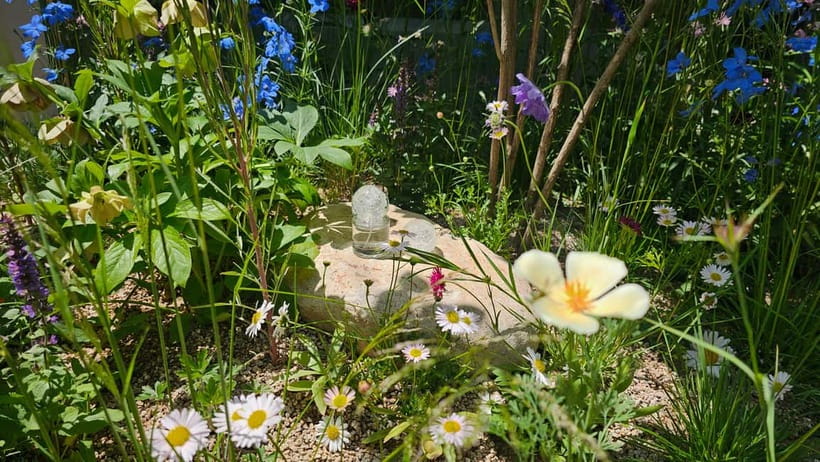
After exploring the ingredients, you select a core material. This becomes the main voice of your perfume, with other notes added to support or change its character.
The next step is the actual blending. You combine several ingredients, then assess the balance. The workshop includes two rounds of adjustment before the final blend. That detail is important because your first mixture is not necessarily your final answer.
You might find that one note is too strong, another disappears, or the balance feels different once several materials are together. Adjusting twice gives you a chance to bring the perfume closer to your own taste. The guide can suggest changes, but the final choice remains yours.
This is also where the class feels most like a small laboratory. You measure ingredients carefully and work step by step, rather than simply mixing at random. One person compared the experience to being a chemist, which is a fair description of the hands-on concentration involved.
The finished scent can be personal in a way a ready-made bottle rarely is. You are not choosing a label designed for a broad market. You are making decisions based on what you like, what you wear, and what you want this particular Seoul memory to smell like.
Bottling your 50ml Seoul souvenir
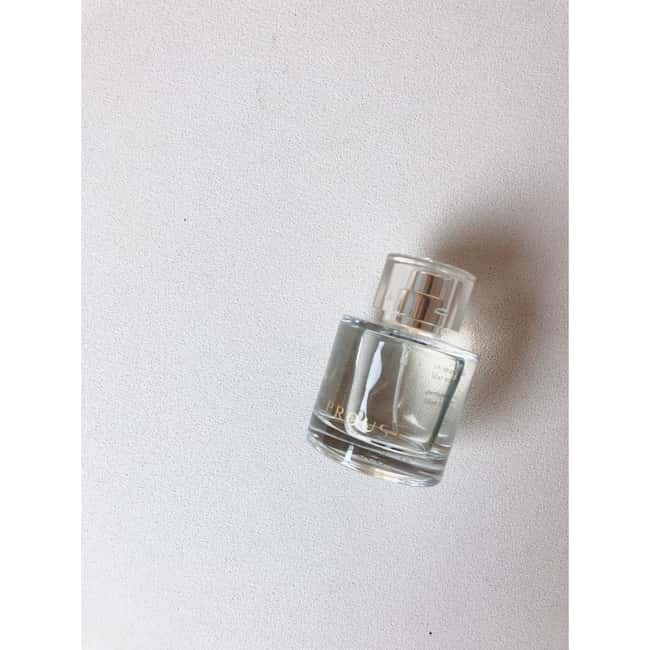
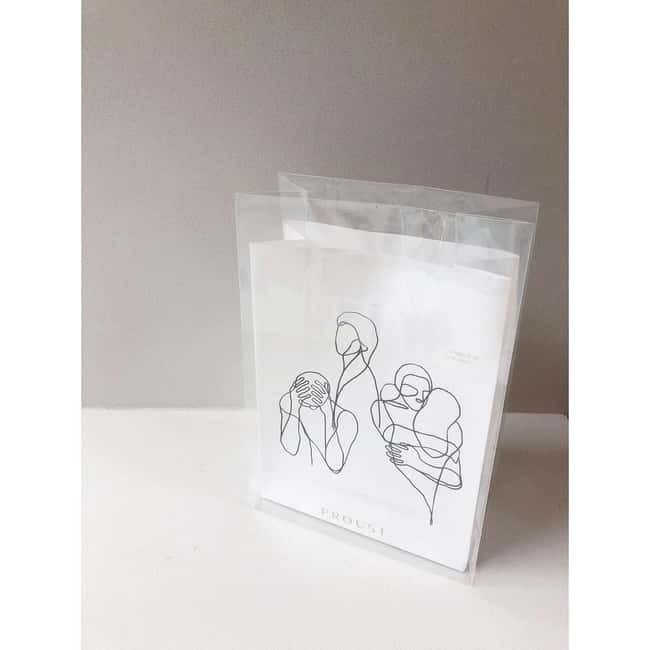
Once the formula is ready, you receive a 50ml bottle of your perfume. The bottle and packaging have been praised for their attractive presentation, and one participant specifically noted a cool bottle design and box.
The 50ml size is useful. It is large enough to wear regularly but still practical to pack in luggage, subject to your airline’s rules for liquids. The included perfume is the main item in the package, so check current airline requirements before placing it in your hand luggage.
The workshop also keeps your recipe information on hand. This gives you a useful option after the trip: if you finish the bottle, you may be able to order more of the same formula. That turns the class from a one-time souvenir into the start of a scent you can keep using.
Do not expect every blend to smell exactly as it did on the first test. Fragrance develops over time, and your impression may change as the ingredients settle. The important point is that you have a record of the formula and a bottle made during your visit.
How much value do you get for $49?
At $49 per person, the price is fair for a 90-minute activity that includes instruction, access to a large ingredient collection, the blending process, and a 50ml perfume to take home.
You are paying for more than the liquid in the bottle. The price also covers the guided testing, the use of professional materials, the hanok setting, and the chance to make a scent that is not available from a standard shop shelf. If you were only comparing bottle size with a commercial perfume, the value would be harder to judge. As a creative activity and souvenir combined, it makes better sense.
The workshop can also replace a conventional shopping stop. Instead of spending time searching for a perfume that almost suits you, you spend that time shaping your own version. For someone interested in fragrance, that is a strong deal.
Extra perfumes may be possible, as one person stayed longer and made an additional set, but the supplied details do not state the extra cost or exact availability. Ask the staff before adding anything beyond the included 50ml bottle.
Who will enjoy the 90-minute format?
I would recommend this workshop to:
- People who enjoy fragrance, cosmetics, or small craft activities
- Couples looking for a relaxed date in Seoul
- Parents and adult children seeking a shared activity
- Solo visitors who like guided creative work
- Anyone wanting a personal Korean souvenir
- Visitors who need a calm indoor break from sightseeing
You do not have to know perfume terminology. The guides lead you through the stages, and the questionnaire gives you a simple place to begin.
Couples may enjoy the social side most because you can compare choices and make two very different scents. A solo participant can still have a rewarding time, though one person felt the session might be more fun with a friend to discuss the options. If several people are working at once, the guide may need to divide attention between them.
The workshop is wheelchair accessible. English and Korean are offered, and the duration is 90 minutes, which makes it easy to fit before dinner, after a nearby theater show, or between other Daehakro plans.
What could disappoint you?
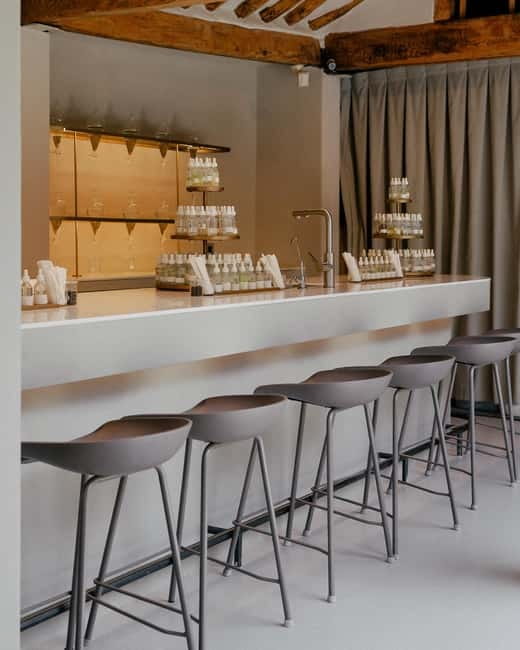
The biggest practical issue is finding the entrance. The hanok location is appealing once you arrive, but the alley and tuna-restaurant landmark may be confusing if you rely on the wrong navigation app. Plan ahead rather than assuming you can locate it quickly from a taxi drop-off.
The second issue is decision fatigue. Five hundred materials sound exciting, and they are, but the choice can become tiring if you want a quick activity with no decisions. The patient staff help, yet you should expect to smell, compare, rethink, and adjust.
The workshop also produces a personal scent, not a guaranteed luxury-brand match. Your result depends on your preferences and the choices you make. That is the point, but it means you should approach the class as a creative process rather than a formal perfume consultation.
Finally, the included item is one 50ml perfume. If you want multiple bottles or later refills, ask about additional charges and ordering arrangements during the session.
My practical advice for a better session
Arrive with a rough idea of the scent you want, but do not arrive with a rigid formula in mind. Words such as clean, warm, woody, fresh, sweet, or floral can help the instructor understand your direction.
Use the questionnaire honestly. If you normally wear only one perfume, say so. The guide can still help you explore unfamiliar materials without assuming you already know the language of perfumery.
Take your time during the first comparisons, then be decisive during the final adjustments. You do not need to test every one of the 500 materials. A smaller group of scents that fit your taste will produce a more manageable blending process.
If you have a sensitive nose, tell the instructor early. The provided details do not list specific health or scent-sensitivity arrangements, but clear communication is sensible during any fragrance activity.
For navigation, save Eunhaenggol and the meeting-point description before setting out. Naver Map is the safest choice based on the directions available for this experience. A short buffer before the booking time will make the arrival much less stressful.
Should you book PROUST?
Book it if you want a personal, hands-on Seoul souvenir and enjoy activities that reward curiosity. The hanok setting, expert guidance, wide choice of materials, and recipe record give this more substance than a quick fragrance-sampling stop.
It is especially good for couples, families, solo visitors who like creative projects, and anyone who wants an indoor activity with a calm pace. At $49, the finished 50ml bottle makes the 90-minute session a solid value.
Skip it if you dislike strong scents, find too many choices tiring, or only want to buy a ready-made perfume. Also allow extra time to find the alley. For everyone else, this is a thoughtful way to spend part of a Seoul day and take home something that belongs to you alone.
FAQ
Where does the perfume workshop take place?
It takes place in a traditional hanok near Daehakro in Seoul. The meeting point is the first shop in the alley inside the tuna restaurant called Eunhaenggol.
How long does the activity last?
The workshop lasts 90 minutes.
How much does the workshop cost?
The listed price is $49 per person.
What do I take home?
You receive your own 50ml bottle of perfume.
How many fragrance materials can I choose from?
The workshop offers more than 500 fragrance materials, including niche-perfume ingredients and natural scents.
Do I need previous perfume-making experience?
No previous experience is stated as necessary. The instructor guides you through the scent categories, ingredient comparisons, core-material selection, blending, and adjustments.
Is the workshop available in English?
Yes. Instruction is available in English and Korean.
Can I change my perfume after the first blend?
Yes. The process includes two rounds of ingredient-balance adjustments before the final blend.
Is the activity wheelchair accessible?
Yes, the activity is listed as wheelchair accessible.
Recently added around Seoul
- Nami & Maple Road & Theatre des Lumieres Day Tour from Seoul★ 4.8 · 4 reviews
- Gyeongbokgung Palace Photo Session with your own phone★ 5.0 · 4 reviews
- Private Tour around Suwon UNESCO Fortress and Korea Folks Village★ 4.5 · 4 reviews
- N Seoul Tower + Namsan Cable Car Ticket (Collect in Myeongdong)★ 3.5 · 4 reviews
- Jisan Forest Resort: Ski Full-Day Tour or Shuttle from Seoul★ 5.0 · 4 reviews
- Seoul: Deoksugung Palace Night Tour★ 4.5 · 4 reviews
- Private Jeonju Hanok Village – Culinary tour★ 5.0 · 4 reviews
- Seoul Private Walking Tour with a Local★ 5.0 · 4 reviews
Hanok Village Tours, compared.

Seoul City Sightseeing Tour Including Gyeongbokgung Palace, N Seoul Tower, and Namsangol Hanok Village
Read the review →
Gyeongbok Palace and Bukchon Hanok Walking Tour
Read the review →
Best Walking Tour to Gyeongbok Palace Bukchon Hanok Village
Read the review →Experience Korean Cooking in Modern Hanok Kitchen
Read the review →
Royal Seoul Cooking Class in a 100-Year-Old Hanok
Read the review →
Royal Seoul Cooking Class in a 100-Year-Old Hanok
Read the review →
Jeonju Hanok Village Full-Day Tour:Jangtaesan Autumn Foliage
Read the review →
Afternoon Seoul: Hanok Vibes, Netflix Street Food & N Seoul Tower
Read the review →Browse the lists this tour appears in