
Reviewed · HANOK VILLAGE TOURS
Experience Korean Cooking in Modern Hanok Kitchen
Korean food becomes much easier to understand when you make it yourself. At O’ngo Food Communications, you work in a modern kitchen near Bukchon Hanok Village, learn from English-speaking chefs, and prepare a beginner-friendly Korean meal before sitting down to eat it.
I like the genuine hands-on format: you chop, mix, season, and cook at your own workstation rather than simply watching a demonstration. I also like the chance to connect ingredients with Korean food customs, including a possible market visit before class. The main drawback is practical: the school can be difficult to find, and the studio is on the third floor without an elevator.
Key points at a glance
- Beginner-friendly recipes: Menus may include japchae, bibimbap, bulgogi, kimchi, chicken stew, or other Korean favorites.
- Real cooking, not just watching: You handle the preparation and cooking at your own clean workstation.
- Market insight may be available: Arriving early can give you time for a look around a nearby local market.
- Small groups can mean close help: The maximum group size is 22, but some classes are much smaller.
- Lunch is part of the class: Eat what you prepare with rice and one beverage.
- Good for families with older children: The minimum age to participate is 11, though younger children may attend without cooking.
What the two-hour Korean cooking class is really like
This is a compact Seoul food experience built for beginners. You meet at 10:30 am at O’ngo Food Communications, located at 137-11 Bukchon-ro in Jongno District. The class lasts about two hours and finishes at the same place.
The setting matters. Bukchon is known for its traditional hanok houses, but this school gives you a practical modern kitchen rather than a staged old-world display. You get air conditioning, modern tools, prepared ingredients, and a proper workstation. That makes the class comfortable and keeps the focus on cooking.
Before you begin, the chef gives basic safety instructions and introduces the flavors used in Korean food. You also receive guidance on choosing ingredients, which is useful if you hope to recreate the dishes at home. The instruction is designed for people with little or no cooking experience, so you do not need to arrive with special skills.
The exact menu depends on the session you choose. Examples from the classes include japchae, bibimbap, bulgogi, kimchi, kimchi pancakes, and chicken stew. One class may focus on two recipes, such as japchae and chicken stew, while another may pair kimchi with bulgogi. Check the selected date and menu carefully when booking.
More Hanok Village Tours in Seoul:
- Seoul City Sightseeing Tour Including Gyeongbokgung Palace, N Seoul Tower, and Namsangol Hanok Village
★ 5.0 · 1,423 reviews - Seoul: Gyeongbok Palace and Bukchon Hanok Walking Tour
★ 4.8 · 157 reviews - Best Walking Tour to Gyeongbok Palace Bukchon Hanok Village
★ 5.0 · 138 reviews
A possible market visit before the 10:30 am start
Some participants have enjoyed a short walk through a nearby market before the cooking begins. This is not listed as a formal included feature for every class, so you should treat it as a possible extra rather than a guarantee.
If you want to try it, arrive about 30 minutes early and ask the staff. The market visit can add useful local context. You may see the kinds of vegetables, noodles, sauces, and other staples used in Korean homes, while a local guide explains how people shop and choose ingredients.
The market portion appears to be brief, and its appeal depends on what you have already seen in Seoul. If you have visited large traditional markets, this stop may feel less substantial. Still, for a first look at Korean food shopping, it helps connect the class to everyday life instead of keeping everything inside the school.
The address can be tricky to spot. One participant described getting lost and said a staff member came out to help find the building. Another found the location difficult enough that even a taxi driver needed GPS. Give yourself extra time, keep the address handy, and do not arrive at the last second.
Your own workstation makes the difference
The best part of this experience is the amount of work you actually do. The staff may handle some less interesting preparation before class, but you still take part in the important steps. Depending on the menu, that can include slicing, dicing, grinding, mixing, seasoning, and cooking.
The kitchen is set up so you can work at your own station. The chef demonstrates a step, then lets you repeat it. Staff members move around the room to check progress and help before a small mistake becomes a large one. This is especially helpful when you are unsure about knife work, timing, or how much seasoning to add.
The classes are aimed at beginners, and the instruction sounds particularly suited to first-time cooks. One participant with no cooking experience found the explanations clear and manageable. An 11-year-old also took part successfully with patient help from the teachers.
That said, this is still a cooking class, not a catered lunch demonstration. You will be expected to participate. If you prefer to sit back and take photographs, you will miss the main point. Come ready to work with your hands.
English-speaking chefs with a practical teaching style
The class is led by professional chefs who have trained in Korea and internationally. English is used throughout the experience, and the staff can explain ingredients, methods, and food customs in a way that beginners can follow.
Several instructors are named in the feedback, including Ran and Yibben. Ran was praised for taking time with each step and keeping the class lively, while Yibben was credited with teaching a great deal about Korean cooking. The overall teaching style appears warm and patient rather than formal or rushed.
The chefs also explain why ingredients matter in Korean cooking. That can mean more than learning a recipe by memory. You begin to understand how Korean dishes balance sweet, salty, savory, spicy, and fresh flavors.
Food allergies deserve a special note. The staff have helped participants adjust dishes when possible and have advised on ingredients to avoid. You should still tell the school about any allergy before cooking begins. The supplied information does not promise that every allergy can be accommodated, so ask specific questions before booking if your restriction is serious.
More Cooking Classes in Seoul:
- Local Home Korean Cooking Class & Market Adventure in Seoul
★ 5.0 · 1,024 reviews - Master Korean traditional cooking with a Kimchi chef
★ 5.0 · 385 reviews - Seoul: Korean Cooking Class at a Local Home and Market Tour
★ 5.0 · 348 reviews - Seoul: Korean Cooking at Seoul Cooking Club!
★ 5.0 · 311 reviews
The menu gives you a useful taste of Korean home cooking
The recipes are popular rather than obscure. That is a strength for a short class because you leave with dishes you are likely to recognize and want to make again.
Japchae is a good beginner recipe. The glass noodles are familiar to many people, and the dish shows how vegetables, seasoning, and texture work together. Bulgogi offers a direct lesson in Korean marinade and the balance between sweet and savory flavors.
Bibimbap lets you see how separate ingredients come together in one bowl. Kimchi takes you closer to one of Korea’s defining foods, while chicken stew offers a warmer, more substantial dish. A kimchi pancake may also be prepared by the chef as part of the meal.
The recipes are described as simple enough to repeat at home. That matters. A cooking class has limited value if the method depends on equipment or ingredients you cannot find again. Here, the emphasis is on clear steps and useful flavor tips.
Still, the class menu is not fully fixed in the information provided. If you have your heart set on kimchi, japchae, or bulgogi, confirm which session includes it before paying.
Sitting down to eat what you made
After the cooking is finished, you eat the meal at the school with rice and one beverage. This shared lunch is more than a convenient ending. It gives you a chance to taste the finished dish, compare results, and adjust your understanding of the recipe.
You can notice how the seasoning works once the food is on the plate. If you prepared a sauce or filling yourself, the meal also feels more connected to the work that came before it. The class is not simply a recipe lesson followed by a separate restaurant meal.
The portions sound generous enough that you should arrive hungry. A class built around chopping and cooking can take more energy than expected, and the included lunch makes the $87 price easier to assess.
The social side is another plus. You eat with the other participants and have time to chat after cooking. Solo visitors can meet people without needing to arrange a separate food tour, while couples and families have an activity that gives everyone something to do.
Is $87 a fair price in Seoul?
At $87 per person, this is not a budget lunch. But the fee covers a two-hour beginner class, all ingredients, cooking equipment, a fully air-conditioned kitchen, professional English-speaking chefs, lunch, and one beverage.
The value is strongest if you want an experience you can take home. You are paying for instruction, not only food. The chance to learn recipes, understand ingredients, and practice each step adds more lasting value than a standard meal.
The price also makes sense for visitors who want a structured activity in central Seoul. You do not need to shop for ingredients, bring equipment, or arrange transportation between separate stops. The class begins and ends at the school, which keeps the schedule simple.
It may feel expensive if you are mainly looking for a cheap lunch or if you already cook Korean food confidently. In that case, a market visit and restaurant meal could cost less. For a first introduction to Korean cooking, the hands-on format gives the fee a reasonable purpose.
Group size, timing, and family considerations
The maximum group size is 22 people. That is large enough to create a social class, but the actual experience can be much smaller. Some sessions have had only one or two participants, while others have included around four people. Small groups allow more direct help from the chefs.
Saturday classes require a minimum of five participants. The activity also has minimum numbers in general, so a confirmed booking can still be canceled if too few people sign up. In that case, you should receive an alternative date or a full refund.
You must arrive at least 10 minutes before the 10:30 am start. Late arrivals are responsible for any missed participation, so allow extra time for the hard-to-find entrance. Public transportation is nearby, but hotel pickup and drop-off are not included.
The minimum participation age is 11. Children younger than 11 may be present, but they cannot take part in the cooking. For families, this means the class works best when every participating child is old enough to follow kitchen instructions.
The third-floor location has no elevator. That is not a major issue for most people, but it is worth knowing before you arrive, especially if stairs are difficult for you.
Who should book this experience?
I would choose this class if you want to do more than eat Korean food in Seoul. It suits first-time visitors, solo participants, couples, families with children aged 11 and above, and anyone who wants recipes that can be used at home.
It is also a good fit for people who like a clear schedule. You arrive in the morning, cook for about two hours, eat lunch, and finish back at the meeting point. There is no long coach ride or complicated day plan.
You may want a different experience if you are looking for an advanced culinary workshop, a full market tour, or a large sightseeing program connected to the cooking. The market visit may be short, and the class is explicitly for beginners.
The class also suits you if food culture interests you as much as food itself. The chefs explain ingredients and Korean cooking customs, so the experience gives context without turning into a long lecture.
Booking and cancellation details to keep in mind
The experience comes with a mobile ticket, and confirmation is provided when you book. Free cancellation is available if you cancel at least 24 hours before the local start time.
Cancellations or changes made less than 24 hours before the class are not refunded. Since the class depends on minimum numbers, the provider may also cancel after confirmation if too few people are booked. You would then be offered another date or a full refund.
Check the menu, meeting address, and class date before finalizing your plans. Arrive early, particularly if you hope to ask about the market visit or need help locating the building.
Should you book O’ngo Food Communications?
Book it if you want a friendly, practical introduction to Korean cooking and like the idea of eating a meal you prepared yourself. The clean modern kitchen, patient English-speaking chefs, personal workstations, and included lunch make this a strong choice for beginners.
I would especially recommend it for solo visitors and families with older children. Small classes can provide a surprising amount of personal help, and the shared meal gives the morning an easy social finish.
Think twice if $87 feels high for a two-hour activity, if you need step-free access, or if you want a guaranteed full market tour. For most visitors who want an authentic food activity with useful recipes and real participation, this class earns its excellent reputation.
FAQ
Where does the Korean cooking class take place?
The class takes place at O’ngo Food Communications, 137-11 Bukchon-ro, Jongno District, Seoul, South Korea.
What time does the class start?
The class starts at 10:30 am. You should arrive at least 10 minutes early.
How long does the experience last?
The cooking experience lasts about two hours.
Is lunch included?
Yes. Lunch includes the food you prepare, rice, and one beverage.
Are ingredients and cooking equipment provided?
Yes. All ingredients and equipment are included in the class price.
Is the class taught in English?
Yes. Professional English-speaking chefs lead the class.
What dishes will I make?
Menus vary by session. Possible dishes include japchae, bibimbap, bulgogi, kimchi, kimchi pancakes, and chicken stew. Confirm the menu for your chosen class before booking.
Can children participate?
Participants must be at least 11 years old. Children younger than 11 may attend but cannot take part in the cooking.
Is hotel pickup included?
No. Hotel pickup and drop-off are not included. The class begins and ends at the meeting point, which is near public transportation.
Recently added around Seoul
- Nami & Maple Road & Theatre des Lumieres Day Tour from Seoul★ 4.8 · 4 reviews
- Gyeongbokgung Palace Photo Session with your own phone★ 5.0 · 4 reviews
- Private Tour around Suwon UNESCO Fortress and Korea Folks Village★ 4.5 · 4 reviews
- N Seoul Tower + Namsan Cable Car Ticket (Collect in Myeongdong)★ 3.5 · 4 reviews
- Jisan Forest Resort: Ski Full-Day Tour or Shuttle from Seoul★ 5.0 · 4 reviews
- Seoul: Deoksugung Palace Night Tour★ 4.5 · 4 reviews
- Private Jeonju Hanok Village – Culinary tour★ 5.0 · 4 reviews
- Seoul Private Walking Tour with a Local★ 5.0 · 4 reviews
Hanok Village Tours, compared.

Seoul City Sightseeing Tour Including Gyeongbokgung Palace, N Seoul Tower, and Namsangol Hanok Village
Read the review →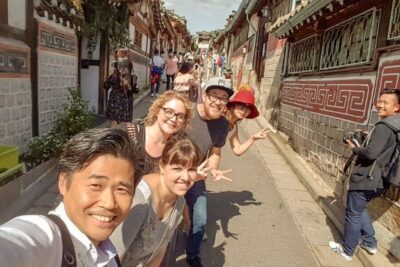
Gyeongbok Palace and Bukchon Hanok Walking Tour
Read the review →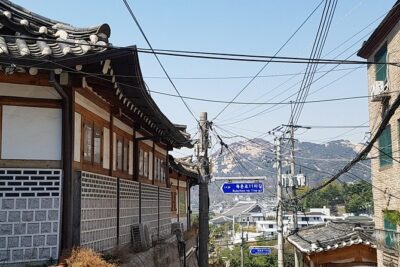
Best Walking Tour to Gyeongbok Palace Bukchon Hanok Village
Read the review →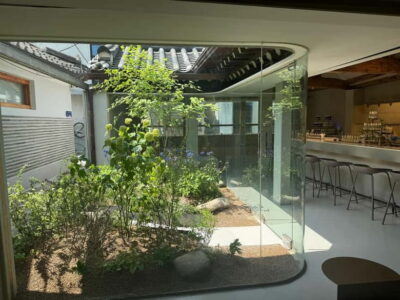
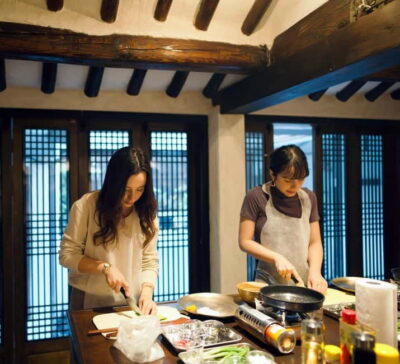
Royal Seoul Cooking Class in a 100-Year-Old Hanok
Read the review →
Royal Seoul Cooking Class in a 100-Year-Old Hanok
Read the review →
Jeonju Hanok Village Full-Day Tour:Jangtaesan Autumn Foliage
Read the review →
Afternoon Seoul: Hanok Vibes, Netflix Street Food & N Seoul Tower
Read the review →Browse the lists this tour appears in