
Reviewed · SEOUL TOURS
Seoul: Korean Cooking Class at a Local Home and Market Tour
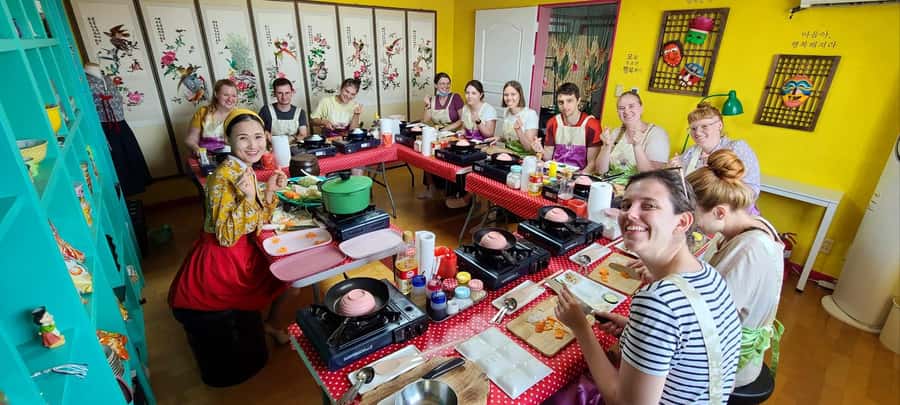
Korean food makes the most sense when you see the ingredients before they reach the table. This 3.5-hour experience starts at Mangwon Station, takes you through a less touristy local market, then brings you into a Korean home to cook four dishes and share a proper Hanjeongsik meal. The market-to-kitchen format gives the food a useful context.
I like the friendly, hands-on setup and the chance to cook in your own space rather than simply watch a demonstration. I also like the cultural extras: basic Korean phrases, a Tal mask, and a table filled with more than 10 side dishes. The main consideration is practical: you must reach the meeting point yourself, and the local home has no elevator.
Key points at a glance
- Mangwon market first: Shop for class ingredients while tasting local street food in a market that feels part of everyday Seoul.
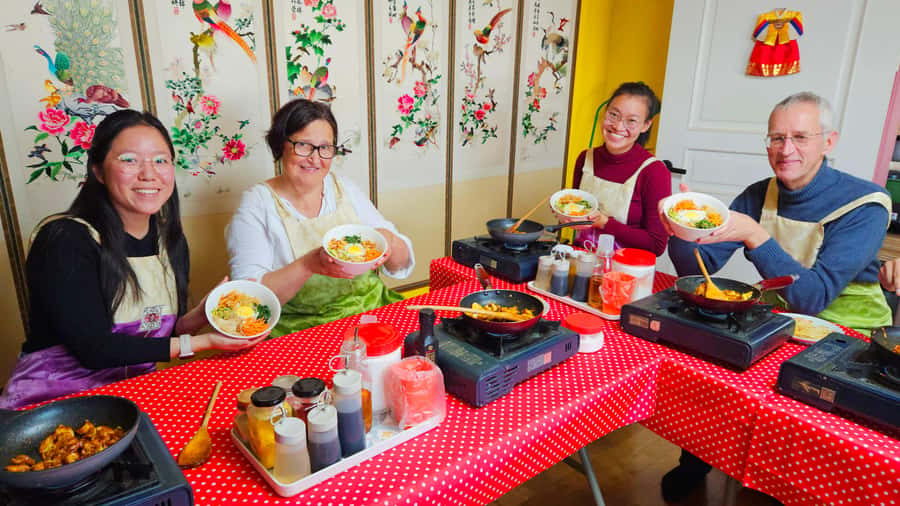
- Four Korean dishes: Prepare bibimbap, dakgalbi, haemul-pajeon, and doenjang-jjigae with guidance from an English-speaking Korean host.
- A real home setting: The class takes place in a local home, adding a personal touch that a restaurant kitchen cannot provide.
- Hanjeongsik finale: Sit down to a traditional Korean meal with more than 10 side dishes, rice, seasonal fruit, and rice wine.
- Small group size: The class is limited to 10 people, so you can expect a more personal session.
- Recipes to take home: Recipes are provided, reportedly sent through WhatsApp, so you can try the dishes again after Seoul.
Starting at Mangwon Station and entering the market
You meet your guide outside exit 2 of Mangwon Station. There is no hotel pickup, so plan your route before leaving your hotel and allow enough time to find the meeting point. The activity ends back there, making the subway your simplest way to arrive and leave.
From the station, the experience moves into a traditional local market. This is not just a quick stop to point at vegetables before rushing to the kitchen. You help identify the ingredients needed for the class and get a look at how Korean food shopping works at street level.
That matters because many Korean dishes depend on ingredients that may be unfamiliar if you have only eaten them in restaurants. Your guide helps explain what you are seeing, and the market walk gives you a chance to ask questions before cooking. It is also a good place to practice a few Korean phrases in a natural setting.
The market is described as popular but less touristy than Seoul’s best-known food streets. You should expect a local shopping area rather than a polished attraction. That makes the experience more useful for understanding daily food culture, though it may also feel less orderly and less predictable than a purpose-built cooking-school visit.
More Cooking Classes in Seoul:
- Local Home Korean Cooking Class & Market Adventure in Seoul
★ 5.0 · 1,024 reviews - Master Korean traditional cooking with a Kimchi chef
★ 5.0 · 385 reviews - Seoul: Korean Cooking at Seoul Cooking Club!
★ 5.0 · 311 reviews
Street-food samples before the cooking begins
The market portion includes samples of local street food. This is a small detail, but it improves the flow of the tour. You are not only hearing about ingredients. You get to taste them in the setting where people buy and eat them.
Come hungry, but not starving. The samples are followed by a welcome drink and a full meal, so the food adds up quickly over three and a half hours. The provided drinks include water and welcome tea, while rice wine is served with the meal.
The market walk also gives the guide a chance to explain Korean food terms and customs before the class starts. Some sessions have included tasting makgeolli, a Korean rice drink. The listed inclusions specifically promise rice wine, so you can expect alcohol as part of the meal, but anyone who does not drink should tell the host.
Cooking in a local Korean home
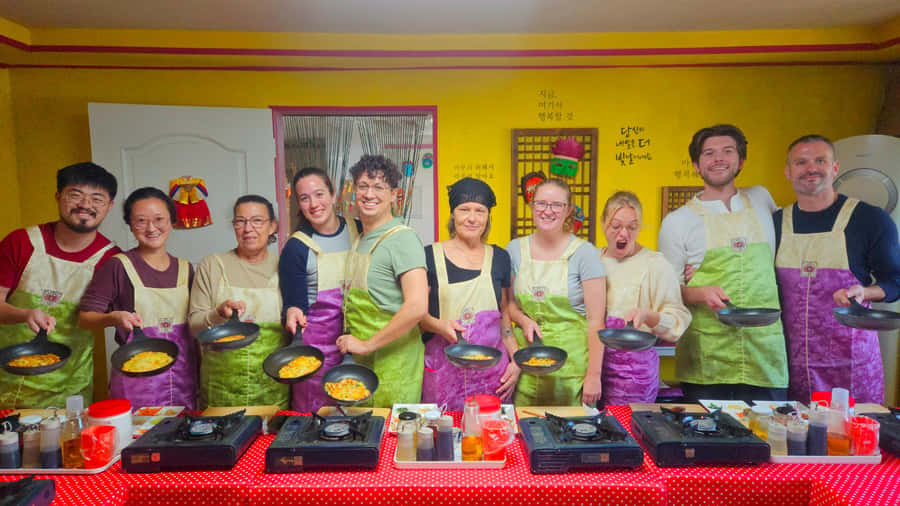
After the market, you go to the host’s local home. The home setting is the heart of the experience. You are not in a large commercial studio with a dozen stations and a guide working at the front. The class is limited to 10 participants, and each person can have a cooking space.
Hosts identified as Sarah, Sara, and Junghee lead different sessions. The most praised qualities are consistent: warm welcomes, clear explanations, lively humor, and a strong effort to include everyone in the group. Sarah is also described as speaking excellent English and keeping the timing on track. Junghee is known for a friendly, funny approach.
The teaching style suits beginners. You do not need advanced cooking skills, and the class is designed so the host can explain each step in detail. You should still expect to work. This is not a show where you sit back while someone else prepares everything.
Before cooking, you learn a few Korean phrases while having a welcome tea. The class also includes a Tal mask, an artful mask worn at many Korean heritage festivals. It is a short cultural element rather than the main focus, but it gives the food lesson a little more connection to Korean traditions.
One practical warning deserves attention: there is no elevator to the local home. If stairs are difficult for you, contact the provider before booking. The supplied information does not give further accessibility details, so it is best to ask directly rather than guess.
Four dishes, four different Korean cooking lessons
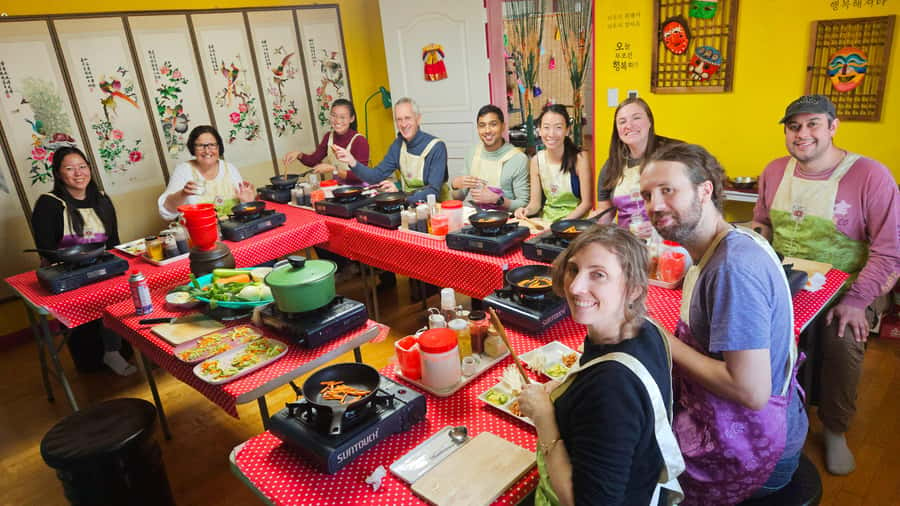
The menu includes three main dishes and one stew. That is a good range because each dish teaches a different part of Korean cooking.
More Market Tours in Seoul:
- Seoul Street Food Market Tour
★ 5.0 · 1,226 reviews - Seoul: Night Market Food Tour with Local Guide
★ 4.9 · 943 reviews - Downtown Seoul Guided Food & Market Tour with 8+ Local Tastings
★ 5.0 · 580 reviews - Seoul: Guided Food & Market Tour with 8+ Tastings
★ 4.9 · 342 reviews
Bibimbap with meat and vegetables
Bibimbap is mixed rice topped with meat and vegetables. It introduces the balance of rice, seasoned toppings, color, and sauce that makes the dish so recognizable.
The useful part is learning how the separate ingredients come together rather than treating bibimbap as a single recipe. Once you know the method, you can adjust the toppings at home based on what you have available.
Dakgalbi, spicy stir-fried chicken
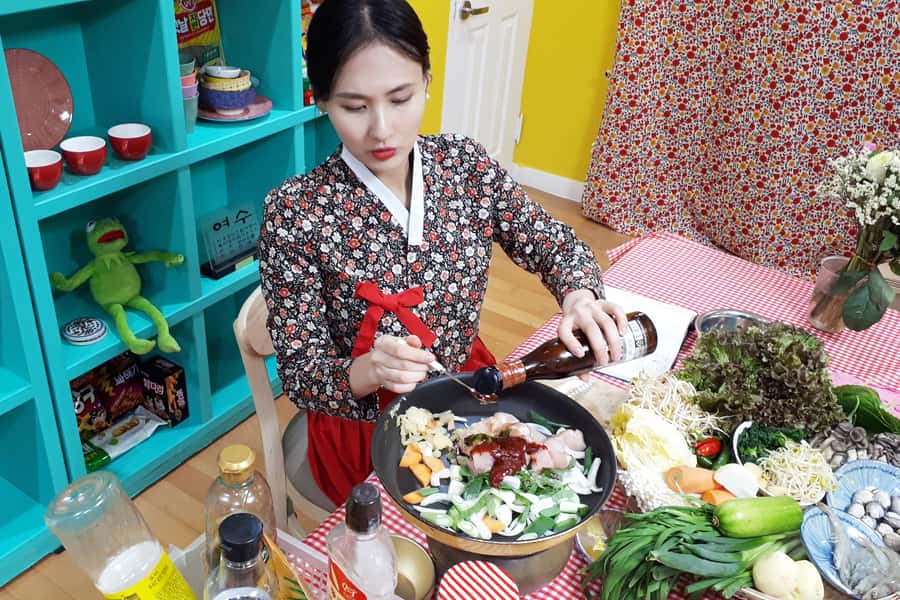
Dakgalbi is stir-fried chicken. It gives you a lesson in cooking a main dish in a hot pan while building the strong seasoning associated with Korean food.
This is one of the dishes where the host’s guidance matters. Korean sauces and seasonings can be new to home cooks, and the class provides the chance to see how they are used in a proper dish. If you have a low tolerance for spice, contact the host about adjustments before the class.
Haemul-pajeon, seafood and green onion pancake
Haemul-pajeon is a seafood and green onion pancake. The fun detail here is the hands-on work, including flipping the pancake. It is a simple skill, but it is also the sort of moment that makes a cooking class feel active rather than instructional only.
The pancake adds a different texture and cooking method to the menu. You work with batter, seafood, and green onions, then see how the dish is cooked and served.
Doenjang-jjigae, fermented soybean paste stew
Doenjang-jjigae is a stew made with fermented soybean paste. Its flavor comes from the paste and the way it forms the base of the broth.
For someone learning Korean cooking, this is an important dish because it introduces a foundational Korean ingredient. The class covers both the ingredients and the process, so you leave with more than a restaurant description of doenjang.
Together, these four dishes make a sensible menu. You get rice, meat, seafood, a pancake, and soup, with several cooking methods in one session. The drawback is that the class covers a lot in a short time, so you may not get a long, slow lesson on every technique.
Sitting down to a Hanjeongsik meal
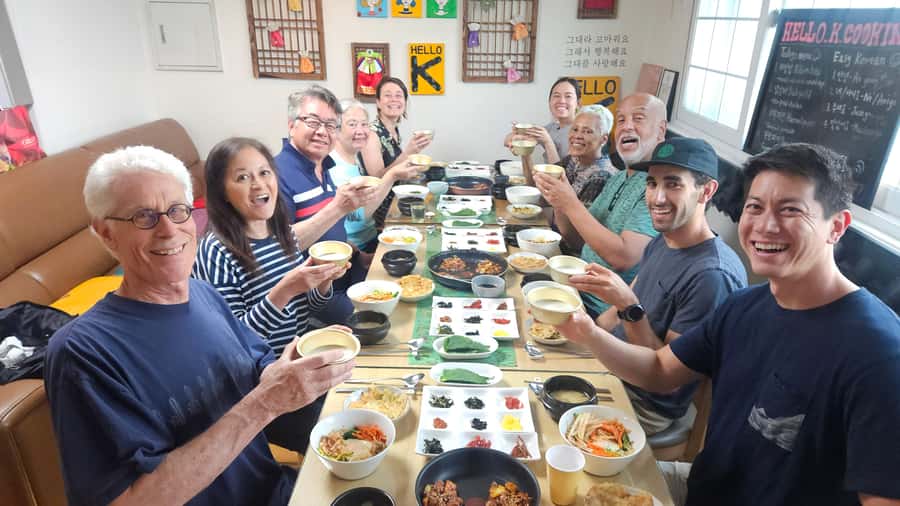
Once the cooking is finished, you sit down to eat. The host provides a Hanjeongsik meal, a traditional Korean course-style spread with more than 10 side dishes, along with rice, seasonal fruit, and rice wine.
This is where the class becomes more than a recipe lesson. Korean meals are built around sharing, variety, and many small accompaniments. The side dishes show how a meal can offer several flavors and textures around one central table.
I like this part because you eat what you made, but you also get food prepared by the local host. That gives you a chance to compare your work with the host’s broader spread and to ask questions while everyone is seated.
Do not expect the four dishes to be served as separate restaurant courses. The point is the table as a whole. The Hanjeongsik presentation helps explain why Korean meals often feel generous even when each side dish is small.
The meal is also a social finish. The group has been shopping, cooking, tasting, and learning together, so conversation comes naturally. If you prefer a quiet, private meal, this may feel more outgoing than you want. If you enjoy meeting people around food, the small group works in your favor.
Why the small group matters
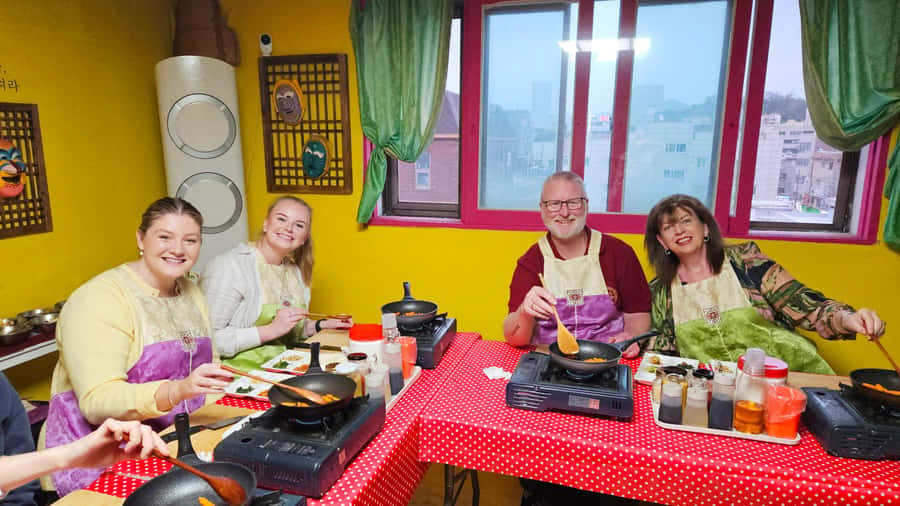
With no more than 10 participants, the class has room for personal interaction. Several sessions have been praised for making every person feel included, even when the group contains complete beginners and people with different levels of cooking experience.
That is important in a home kitchen. In a large class, you might miss a demonstration or wait for help. Here, the host can move among the participants and explain steps more closely.
The social tone also depends on your guide. Sarah, Sara, and Junghee are described as energetic, humorous, and welcoming. Their English instruction makes the class accessible to English-speaking visitors, while Korean is also available.
The experience is not designed around a formal lecture. Expect a relaxed class with conversation, jokes, practical cooking, and cultural explanation mixed together. That informal style is part of its appeal, though people seeking a highly technical chef-training course may find it too casual.
The value of $98 per person
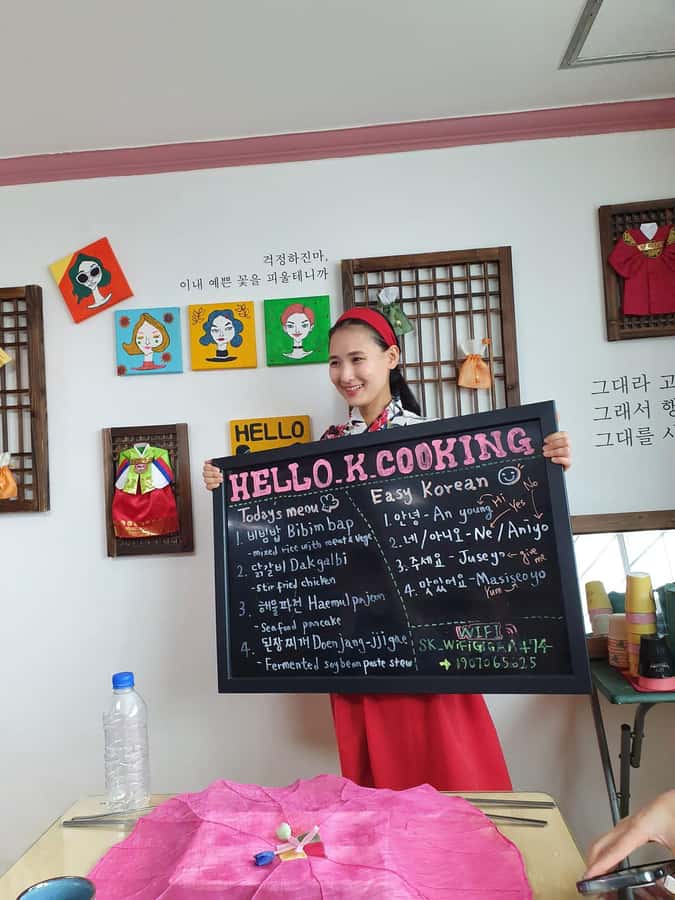
At $98, this is not the cheapest food activity in Seoul. You are paying for more than a recipe sheet, though. The fee includes the market tour, street-food samples, welcome tea, ingredients, equipment, the cooking lesson, the full meal with side dishes, rice wine, water, recipes, and photo and video service.
The meal alone is only one part of the value. You also receive a guided look at a local market and an English-language explanation of ingredients that could otherwise be hard to identify. The local-home setting adds a personal element that a standard restaurant visit cannot offer.
For me, the price makes the most sense if you want one activity that combines food, culture, and conversation. It is less compelling if you only want to learn one recipe or are mainly looking for a cheap meal.
Recipes are provided after the class. They have been sent through WhatsApp in at least some sessions, which is handy for keeping them on your phone. A small printed cookbook is not listed, so do not expect a paper souvenir.
Who should book this class?
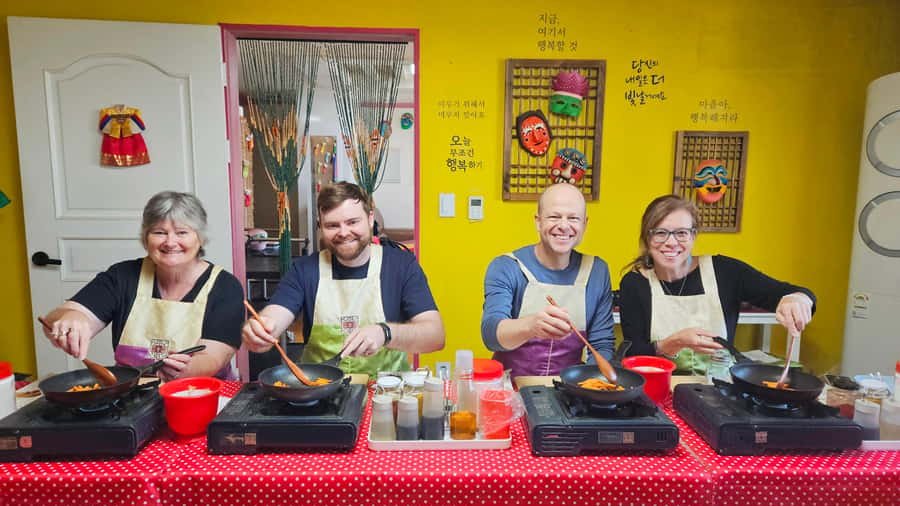
I would choose this for first-time visitors who want a practical introduction to Korean food. It also suits couples, families, solo participants, and small groups who like meeting people while doing something with their hands.
Novice cooks should feel comfortable booking. The host explains the dishes clearly, and the format gives each participant a chance to cook. You do not need to arrive with Korean food experience.
This is also a good choice if you have already eaten plenty of Korean barbecue and want a broader view of Korean cuisine. Bibimbap, dakgalbi, haemul-pajeon, and doenjang-jjigae cover more ground than a single restaurant meal.
I would be more cautious if you have serious allergies, strict dietary rules, or limited mobility. Contact the local host about dietary restrictions and allergies before booking. The activity also requires you to manage your own transportation and climb stairs to the home.
Practical details to know before booking
The experience lasts 3.5 hours, with starting times based on availability. It begins and ends at Mangwon Station, exit 2, outside. Since there is no hotel pickup or drop-off, check the subway route and meeting point in advance.
The instructors speak English and Korean. Ingredients and equipment are included, so you do not need to bring cooking supplies. You receive water, tea, food, rice wine, and recipes.
The activity offers free cancellation up to 24 hours before the start for a full refund. You can also reserve now and pay later, which helps if your Seoul schedule is still shifting.
Should you book the Seoul Korean cooking class?
Book it if you want to understand Korean food through shopping, cooking, and eating rather than through a short demonstration. The strongest parts are the local market visit, the welcoming hosts, the beginner-friendly instruction, and the Hanjeongsik meal with its long row of side dishes.
At $98, it is a considered purchase, but the inclusions are substantial and the class fills an afternoon with several connected experiences. Skip it if you dislike group activities, cannot manage stairs, or want a quiet restaurant meal instead.
For most food-focused visitors, this is a strong choice. You leave with four recipes, a better sense of Korean ingredients, a full meal, and a practical memory of how food brings people together in a Korean home.
FAQ
Where does the cooking class begin?
Meet your guide outside exit 2 of Mangwon Station.
Where does the activity end?
The activity ends back at the Mangwon Station meeting point.
How long does the experience last?
The experience lasts 3.5 hours. Starting times depend on availability.
What dishes will I cook?
You will prepare bibimbap, dakgalbi, haemul-pajeon, and doenjang-jjigae.
Is the market tour included?
Yes. The experience includes a traditional market tour, ingredient shopping for the class, and local street-food samples.
Is food included after the cooking class?
Yes. You will eat the dishes you prepare and receive a Hanjeongsik meal with more than 10 side dishes, rice, seasonal fruit, and rice wine.
What languages are available?
The instructor speaks English and Korean.
Is hotel pickup included?
No. You are responsible for getting to and from Mangwon Station because hotel pickup and drop-off are not provided.
More hands-on workshops in Seoul
- Yongpyong Ski Resort from Seoul with Optional Lesson and Packages
★ 5.0 · 217 reviews - Seoul: Kpop Dance Class Including Video Shooting & Editing
★ 4.8 · 185 reviews - Seoul: Taste of Korea, Authentic Home Style Cooking Class
★ 4.9 · 166 reviews - Seoul: Perfume-Making Workshop in a Hanok
★ 4.9 · 110 reviews
More shopping trips in Seoul
- Private DMZ Tour (No Shopping): 3rd Tunnel & Suspension Bridge
★ 5.0 · 607 reviews - Seoul Night Palace & Market Food Tour with Vehicle
★ 5.0 · 275 reviews - Cook 3 Authentic Korean Dishes with Local Market Tour
★ 5.0 · 231 reviews - Korean Palace and Market Tour in Seoul Including Insadong and Gyeongbokgung Palace
★ 4.0 · 174 reviews
Recently added around Seoul
- Gyeongbokgung Palace Photo Session with your own phone★ 5.0 · 4 reviews
- Private Tour around Suwon UNESCO Fortress and Korea Folks Village★ 4.5 · 4 reviews
- Nami & Maple Road & Theatre des Lumieres Day Tour from Seoul★ 4.8 · 4 reviews
- N Seoul Tower + Namsan Cable Car Ticket (Collect in Myeongdong)★ 3.5 · 4 reviews
- Jisan Forest Resort: Ski Full-Day Tour or Shuttle from Seoul★ 5.0 · 4 reviews
- Seoul: Deoksugung Palace Night Tour★ 4.5 · 4 reviews
- Private Jeonju Hanok Village – Culinary tour★ 5.0 · 4 reviews
- Seoul Private Walking Tour with a Local★ 5.0 · 4 reviews
Seoul Tours, compared.
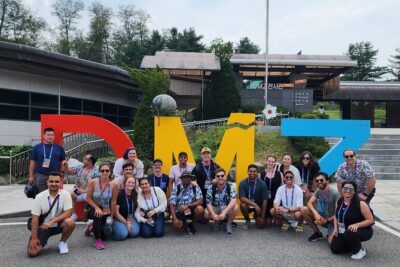
Best DMZ Tour Korea from Seoul (Red Suspension Bridge Optional)
Read the review →
DMZ Tour: 3rd Tunnel, Option(Suspension Bridge, Boat) from Seoul
Read the review →
DMZ tour south Korea from Seoul (NK experience hall, defector)
Read the review →
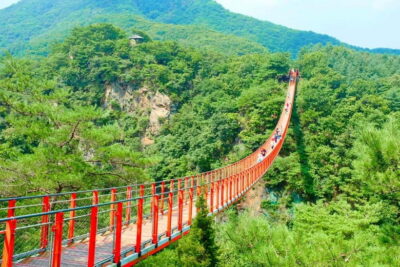
DMZ The 3rd Tunnel and Suspension Bridge Tour
Read the review →
Signature DMZ Tour: Exclusive Defector Talk & Suspension Bridge
Read the review →
Thrilling Korean DMZ 3rd Tunnel Tour from Seoul + Red Bridge Rush
Read the review →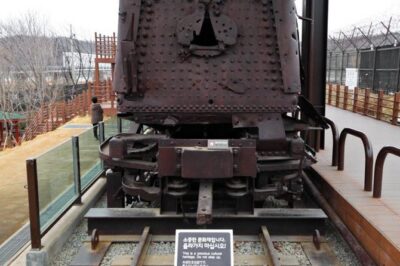
DMZ Past and Present: Korean Demilitarized Zone Tour from Seoul
Read the review →Browse the lists this tour appears in