
Reviewed · SEOUL TOURS
Seoul: Authentic Korean Cooking Class and Market Tour
The best part of this Seoul experience is the way the market visit leads straight into a local home kitchen. You shop for seasonal produce and Korean seasonings with Ann, then use those ingredients to prepare dishes you choose, rather than following a fixed cooking script.
I like the small group, limited to four people, and the chance to meet Ann’s mother at the house. I also like the unhurried finish: a handmade Korean dessert and tea in a room filled with traditional embroidery. The main consideration is that the class is based at a private home, so you should be comfortable with a personal, intimate setting rather than a polished cooking school.
Key points
- Shop before you cook: Walk through a local traditional market and learn how Korean ingredients fit into everyday dishes.
- Choose your own menu: Cook dishes such as bulgogi, bibimbap, or kimchi pancakes with guidance from Ann.
- Meet the family: The class takes place in a Korean home, where Ann’s mother may welcome you and share more about local culture.
- Keep it personal: The group is capped at four participants, allowing room for questions and menu input.
- Finish with dessert and tea: Make a traditional sweet, then enjoy it in a beautiful room decorated with hand-embroidered works.
- Allow three and a half hours: The 210-minute schedule gives time for shopping, cooking, lunch, dessert, and conversation without a rushed finish.
From Sillim Station to a Local Korean Market
Your morning begins at 10:30am inside Sillim Station, station number 230 on Seoul Subway Line 2. After passing through the ticket turnstiles, do not head toward an exit yet. Look for Cafe Mignon, a take-out cafe inside the station, and meet in front of it.
Ann will be holding a Sobaan cooking sign. This is a useful meeting setup, since Sillim is a busy station and the instructions avoid the usual confusion over which street exit to use. Arriving a little early is still wise, particularly if you are unfamiliar with Seoul’s large subway stations.
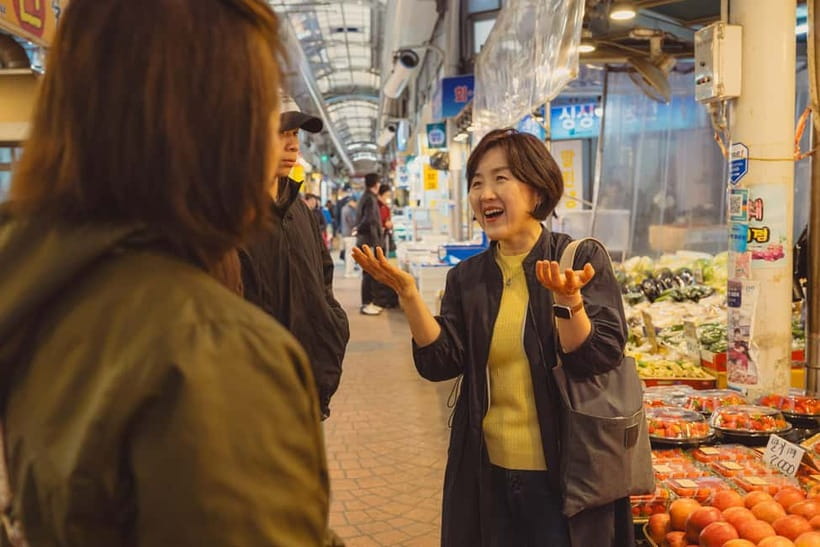
From the station, you head to a local traditional market. The market is not simply a place to collect ingredients for lunch. Ann uses the walk to explain Korean food customs, seasonal products, and the role of key seasonings in home cooking.
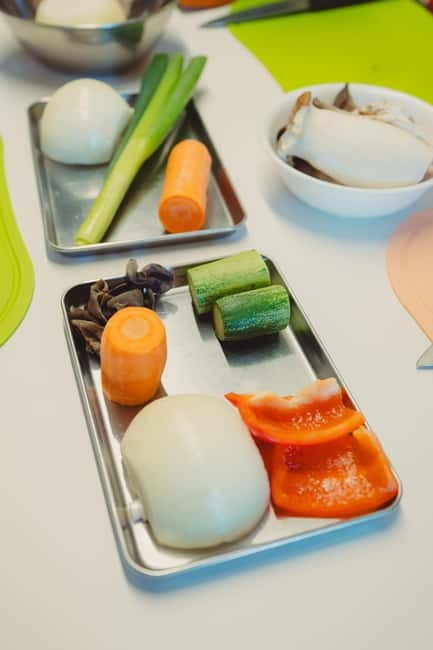
You may stop at different vendors to look at typical foods and ingredients. The exact shopping list depends on the dishes selected for the class, but the point is to see and handle the ingredients before they reach the cutting board. That small change in order makes the cooking lesson more useful. You learn not only what an ingredient looks like, but also why it belongs in a particular dish.
I especially like this part for visitors who have wandered through Seoul markets without knowing what to buy. Korean food shops can present a lot of unfamiliar choices, and a local guide can explain what is worth noticing. You can also pick up practical ideas for later meals or grocery shopping during your stay.
The market portion does require some walking and attention. It is an active public market, not a quiet classroom, and the pace may feel less predictable than a scheduled food tour. Still, the market gives the experience a sense of daily Seoul life that a cooking class held entirely indoors would miss.
More Cooking Classes in Seoul:
- Local Home Korean Cooking Class & Market Adventure in Seoul
★ 5.0 · 1,024 reviews - Master Korean traditional cooking with a Kimchi chef
★ 5.0 · 385 reviews - Seoul: Korean Cooking Class at a Local Home and Market Tour
★ 5.0 · 348 reviews
Cooking in a Korean Home With Ann
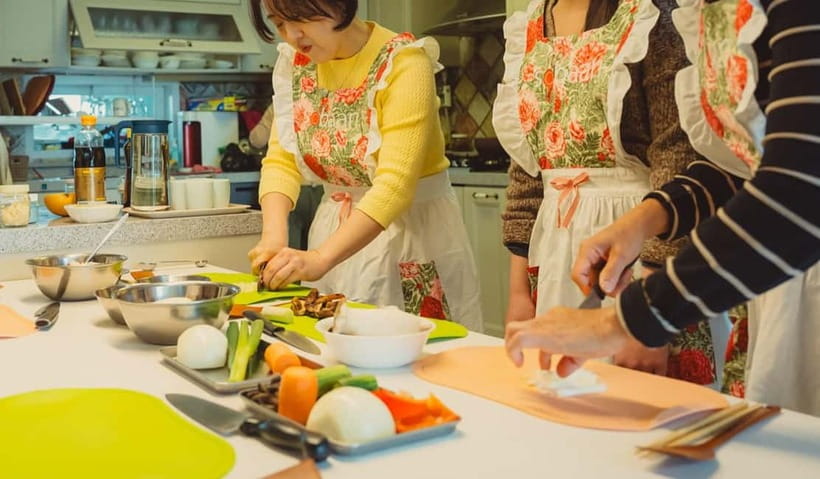
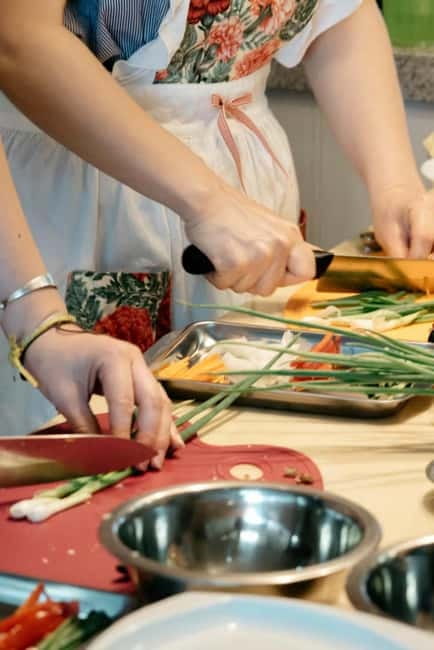
After shopping, you go to a beautiful Korean house for the cooking class. The home contains traditional hand-embroidered works, giving the setting a strong connection to Korean craft and family life.
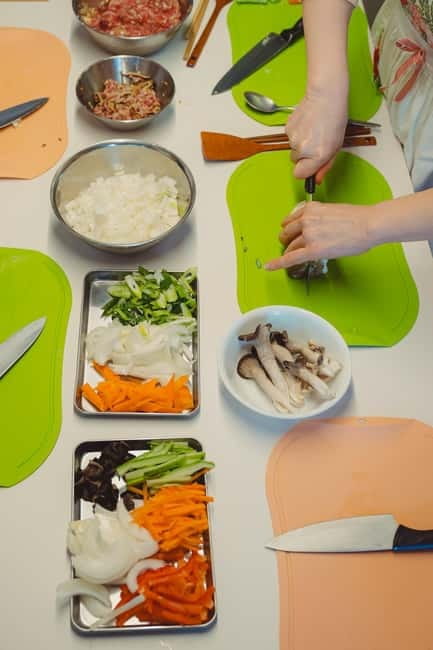
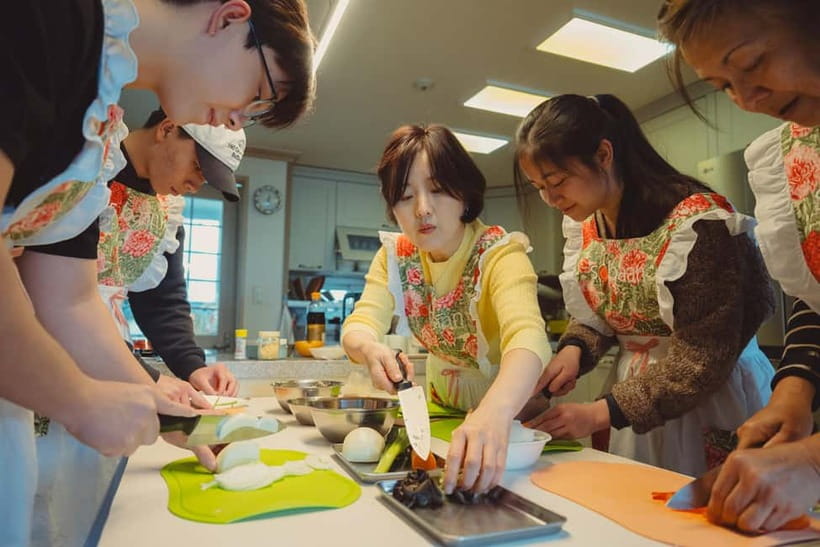
This is where the tour becomes more personal. You are not merely watching an instructor prepare a demonstration meal. You help cook dishes chosen with your input, and the class takes place in a home where Korean food is tied to family routines and hospitality.
Possible dishes include bulgogi, bibimbap, and kimchi pancakes. The supplied information does not promise that every dish will be prepared on every visit, so you should think of these as examples of the menu choices rather than a fixed three-course lineup. Patricia’s session included three dishes, while other participants selected recipes with Ann’s help.
That flexibility is a real advantage. If you already know Korean food, you can focus on a dish you want to understand better. If you are new to the cuisine, Ann can help guide the choice. The class is likely to work best when you arrive with a few dishes in mind but remain open to what fits the available ingredients.
Bulgogi offers a familiar entry point for many people: seasoned meat prepared with Korean flavors. Bibimbap shows how rice, vegetables, and toppings come together in one bowl. Kimchi pancakes provide a more casual option, with a crisp texture and the sharp flavor of kimchi. The class gives you a chance to see how these dishes are built, not just taste the finished food.
The small group matters here. With no more than four participants, you should have more opportunity to ask questions and take part in the preparation. A larger class might offer more social energy, but it would be harder to keep the menu responsive to each person. This format favors conversation and hands-on time.
Ann has been described as warm and easy to spend time with, and the class is designed to proceed without pressure. That unhurried pace suits anyone who wants to understand the process rather than rush through a list of recipes. It also leaves space for the cultural details that often disappear in a tightly timed demonstration.
A Homemade Lunch With Family Context
Once the cooking is complete, you sit down to eat the meal you helped prepare. This is more satisfying than receiving a restaurant plate because you know the ingredients, choices, and steps behind it.
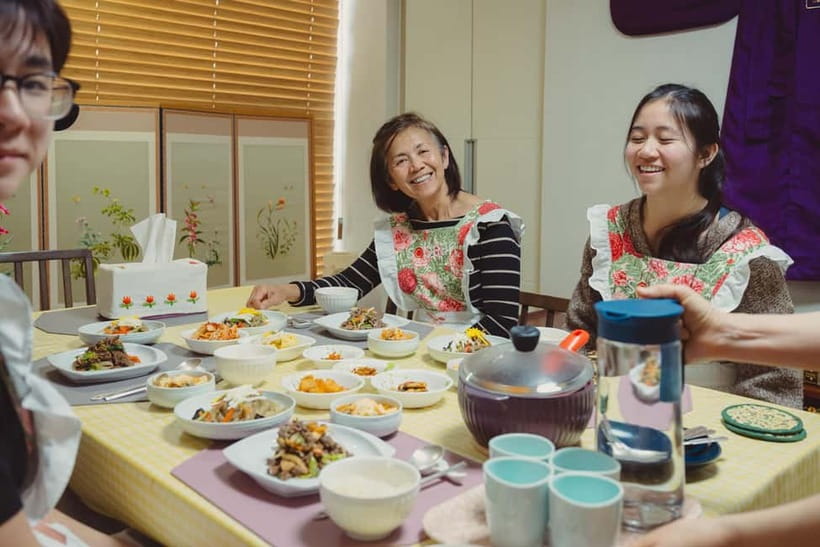
The meal is served at the house, and Ann’s mother welcomes participants on at least some sessions. Her presence adds another layer to the visit. You get a glimpse of Korean family hospitality and a setting where food is part of home life, not just a product prepared for visitors.
The room itself is part of the appeal. Traditional embroidery fills the space, giving tea and lunch a calm, decorative setting. The experience does not present Korean culture as a museum display. Instead, the craft appears within a living home, alongside cooking and conversation.
I would value this pause in the middle of a Seoul itinerary. Sightseeing in the city can mean a steady run of palaces, shopping streets, viewpoints, and busy restaurants. Sitting down to eat food prepared with your own hands offers a slower change of pace.
There is also a practical benefit. You can ask questions while eating, when the dishes are in front of you and the flavors are easy to discuss. You might find it easier to remember a seasoning or cooking method after tasting the finished result than after hearing a short explanation in a market.
The tradeoff is simple: you are sharing a meal in someone’s home, not choosing from a restaurant menu. The experience is strongest for people who appreciate a personal setting and a flexible meal. It may be less suitable if you want a formal culinary lesson with exact recipes, professional equipment, or a tightly controlled menu.
Traditional Dessert and Tea in the Embroidery Room
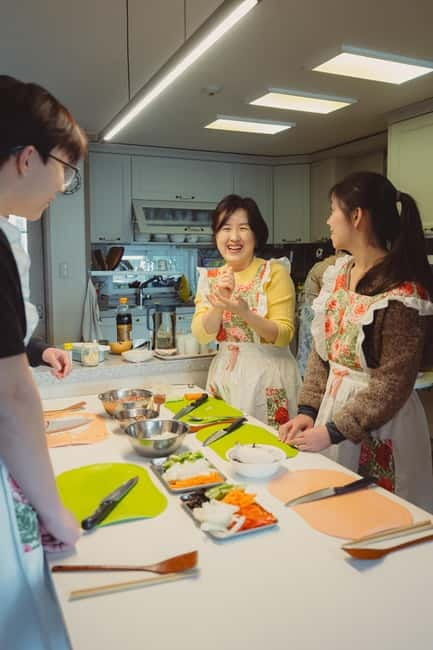
The final section turns from savory food to a Korean dessert made together. The specific dessert is not named, but it is described as traditional and prepared as part of the class.
This closing activity is more than an extra sweet after lunch. It gives the cooking session a clear finish and lets you continue working with Korean food traditions after the main meal is over. You then enjoy the dessert with tea in the embroidery-filled room.
I like this ending because it slows the experience down. Many food tours finish as soon as the last dish is served, leaving you to find your way back to the subway. Here, the tea-time creates room for conversation and reflection, with the handmade dessert as a final shared task.
The room’s embroidery also makes this portion feel distinct from the market and kitchen. You move from public Seoul, to ingredient preparation, to a quiet domestic setting connected with Korean handwork. That sequence gives the three-and-a-half-hour experience a rounded shape.
Do not expect a major dessert workshop with a long list of pastry techniques. The information points to one traditional dessert and tea-time, so the emphasis is on cultural contact and shared preparation rather than advanced baking instruction.
More Market Tours in Seoul:
- Seoul Street Food Market Tour
★ 5.0 · 1,226 reviews - Seoul: Night Market Food Tour with Local Guide
★ 4.9 · 943 reviews - Downtown Seoul Guided Food & Market Tour with 8+ Local Tastings
★ 5.0 · 580 reviews - Seoul: Guided Food & Market Tour with 8+ Tastings
★ 4.9 · 342 reviews
What the $69 Price Includes
At $69 per person, this is priced above a basic Korean cooking demonstration but includes much more than a single lesson. Your fee covers the market tour, ingredient shopping, cooking instruction, homemade lunch, dessert making, and tea-time.
The value depends on how you use the format. If you only want to learn one recipe, you may find a shorter cooking class more efficient. If you want a meal, a local market visit, and a personal introduction to Korean home life in one booking, the price is easier to justify.
The group size improves the value. A four-person limit gives the class a private feel without the cost of booking a fully private tour. Your menu input also means the session can respond to your interests instead of treating every participant exactly the same.
The price includes food and the guided activities described above. It does not indicate that transportation to or from Sillim Station is included, so you should plan to reach the meeting point using Seoul’s subway or another form of transport.
Another part of the value is time. The class lasts 210 minutes, or three hours and 30 minutes. That is enough time for the market, cooking, lunch, dessert, and tea without forcing every stage into a quick stop.
Who Will Get the Most From This Class
I would recommend this class to you if you want to connect Korean food with ordinary home life. It suits people who enjoy asking questions, trying unfamiliar ingredients, and taking part in preparation rather than simply watching a chef work.
It is also a good pick for visitors who have already seen Seoul’s headline sights and want a quieter activity with local contact. The market and home setting offer a different view of the city than a palace visit or a restaurant meal.
The class works well for:
- Food-focused visitors who want to learn several Korean dishes in one session.
- Small groups and couples who prefer personal attention over a large demonstration.
- First-time Korean food explorers who want help understanding ingredients and seasonings.
- Repeat visitors to Seoul looking for a local activity away from standard sightseeing routes.
- Cultural travelers who value the family setting, embroidery, tea, and stories alongside the cooking.
You should think twice if you prefer a professional culinary studio, a set menu with guaranteed dishes, or a very quick activity. The personal-home format is the reason to book, but it also means the experience is less standardized than a commercial class.
The activity is listed as wheelchair accessible. Since the route includes a market and a private Korean house, you should still communicate any specific access needs when booking so the host can clarify the arrangements.
Timing, Language, and Cancellation Details
The host or greeter speaks English, and English is the listed activity language. That makes the class suitable for visitors who want to discuss ingredients and cooking methods without relying on translation.
The meeting time is fixed at 10:30am, with the experience lasting 210 minutes. Since the activity begins at Sillim Station and includes a market visit before lunch, plan your morning around arriving at the station on time.
The group is limited to four participants. That limit is especially helpful during ingredient shopping and kitchen preparation, when a crowded group can make it difficult to see or participate.
You can cancel up to 24 hours in advance for a full refund. The reserve-now-and-pay-later option also lets you hold a place without paying immediately, useful if your Seoul schedule is still changing.
Should You Book the Sillim Market Cooking Experience?
Book it if you want more than a recipe lesson. The strongest reasons are the market-to-home sequence, the ability to choose dishes with Ann, the small group, and the chance to share lunch and dessert with a Korean family setting around you.
The experience is particularly good value for anyone who would otherwise book a market tour and a cooking class separately. You get both in one 210-minute visit, plus tea and a traditional dessert.
Skip it if your priority is a formal cooking-school setting, a guaranteed menu, or a short activity close to Seoul’s main sightseeing districts. Sillim Station is the meeting point, and the class depends on enjoying a personal home environment.
For most food-minded visitors, I would make the booking. Come ready to walk through a market, choose a dish, cook with your hands, and sit down for a proper meal. That is the appeal here: Korean food is presented not only as something to eat, but as something bought, prepared, shared, and connected to home.
FAQ
Where does the Seoul cooking class meet?
Meet inside Sillim Station, station number 230 on Subway Line 2, at 10:30am. After passing through the ticket turnstiles, look for Cafe Mignon before going to an exit. The host will be holding a Sobaan cooking sign.
How long does the experience last?
The experience lasts 210 minutes, or three hours and 30 minutes.
What is included in the price?
The $69 price includes a guided traditional market tour, ingredient shopping, a cooking class in a Korean house, homemade Korean lunch, traditional dessert making, and tea-time in an embroidery-filled room.
Which Korean dishes can I cook?
Possible dishes include bulgogi, bibimbap, and kimchi pancakes. You choose dishes with input from the host, but the exact menu is not fixed in the provided information.
How many people are in the group?
The class is limited to four participants, making it a small-group experience.
What language is used during the activity?
The listed language is English, and the host or greeter speaks English.
Can I cancel the booking?
Yes. You can cancel up to 24 hours in advance for a full refund. You can also reserve now and pay later.
More hands-on workshops in Seoul
- Yongpyong Ski Resort from Seoul with Optional Lesson and Packages
★ 5.0 · 217 reviews - Seoul: Kpop Dance Class Including Video Shooting & Editing
★ 4.8 · 185 reviews - Seoul: Taste of Korea, Authentic Home Style Cooking Class
★ 4.9 · 166 reviews - Seoul: Perfume-Making Workshop in a Hanok
★ 4.9 · 110 reviews
More shopping trips in Seoul
- Private DMZ Tour (No Shopping): 3rd Tunnel & Suspension Bridge
★ 5.0 · 607 reviews - Seoul Night Palace & Market Food Tour with Vehicle
★ 5.0 · 275 reviews - Cook 3 Authentic Korean Dishes with Local Market Tour
★ 5.0 · 231 reviews - Korean Palace and Market Tour in Seoul Including Insadong and Gyeongbokgung Palace
★ 4.0 · 174 reviews
Recently added around Seoul
- Nami & Maple Road & Theatre des Lumieres Day Tour from Seoul★ 4.8 · 4 reviews
- Gyeongbokgung Palace Photo Session with your own phone★ 5.0 · 4 reviews
- Private Tour around Suwon UNESCO Fortress and Korea Folks Village★ 4.5 · 4 reviews
- Seoul: Deoksugung Palace Night Tour★ 4.5 · 4 reviews
- Jisan Forest Resort: Ski Full-Day Tour or Shuttle from Seoul★ 5.0 · 4 reviews
- N Seoul Tower + Namsan Cable Car Ticket (Collect in Myeongdong)★ 3.5 · 4 reviews
- Seoul Private Walking Tour with a Local★ 5.0 · 4 reviews
- Private Jeonju Hanok Village – Culinary tour★ 5.0 · 4 reviews
Seoul Tours, compared.
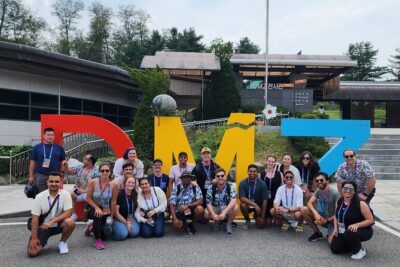
Best DMZ Tour Korea from Seoul (Red Suspension Bridge Optional)
Read the review →
DMZ Tour: 3rd Tunnel, Option(Suspension Bridge, Boat) from Seoul
Read the review →
DMZ tour south Korea from Seoul (NK experience hall, defector)
Read the review →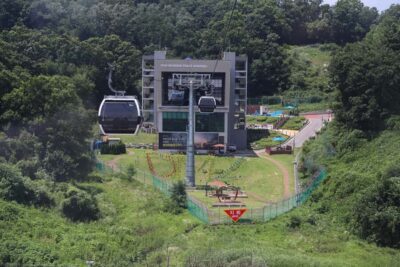

DMZ The 3rd Tunnel and Suspension Bridge Tour
Read the review →
Signature DMZ Tour: Exclusive Defector Talk & Suspension Bridge
Read the review →
Thrilling Korean DMZ 3rd Tunnel Tour from Seoul + Red Bridge Rush
Read the review →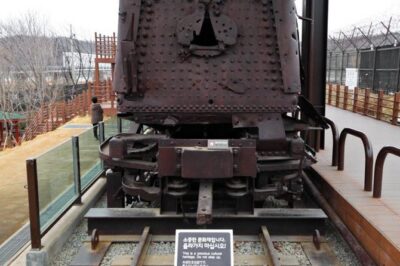
DMZ Past and Present: Korean Demilitarized Zone Tour from Seoul
Read the review →Browse the lists this tour appears in