
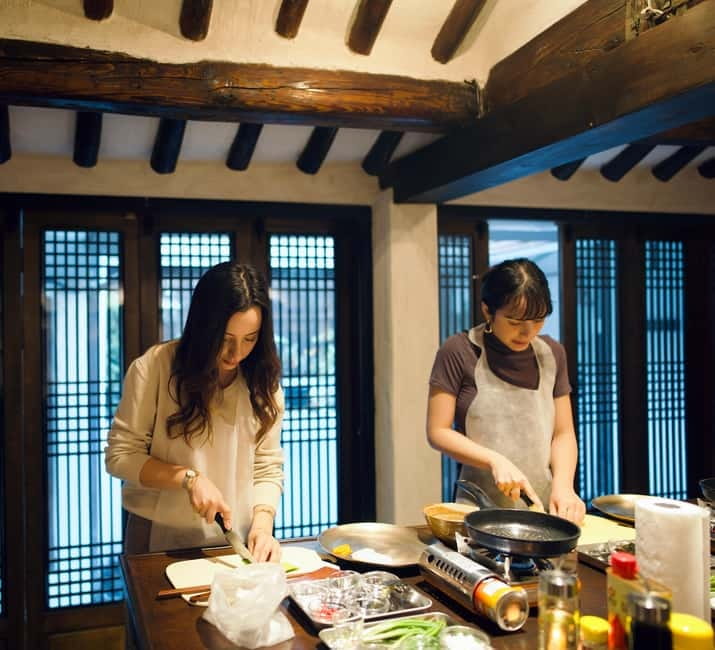
Reviewed · HANOK VILLAGE TOURS
Seoul: Royal Seoul Cooking Class in a 100-Year-Old Hanok
A 100-year-old hanok tucked behind a modern hotel is an excellent place to meet Korean food. In two hours, you cook dishes such as LA galbi, fresh kimchi, haemul pajeon, and tangpyeongchae, then sit down to eat them in a traditional home setting.
I like the six-person limit, which gives the chef time to help each cook, and I like that the recipes are simple enough for a beginner but still interesting for an experienced home cook. The main consideration is timing: the class is advertised as two hours, but it can run longer, so do not schedule a tight appointment afterward.
Key points to know before booking
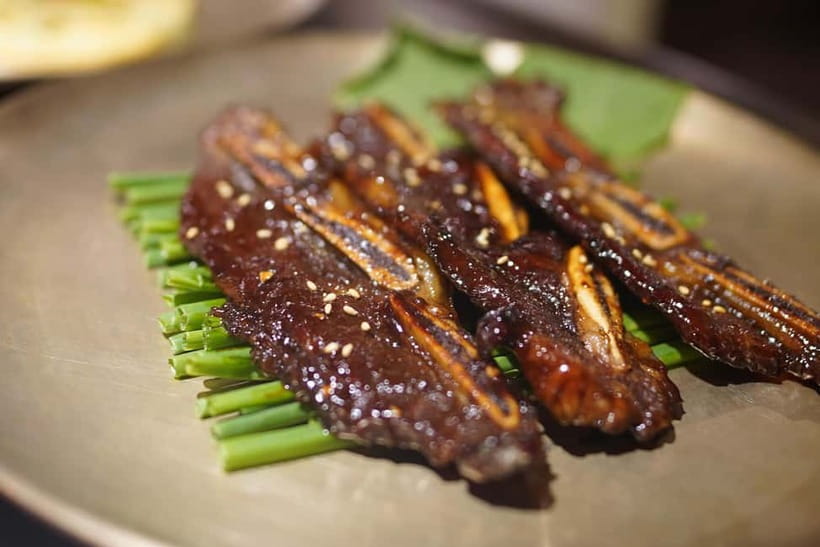
- A restored hanok near Insadong: You cook and eat in a traditional home at 25 Samil-daero 32ga-gil, close to the Insadong IBIS Ambassador Hotel.
- A small class with personal help: No more than six participants take part, making it easier to ask questions and follow each step.
- Four Korean dishes: The standard menu includes beef LA galbi, fresh kimchi, haemul pajeon, and tangpyeongchae.
- A traditional table setting: Your meal is served on handcrafted bangjja bronzeware, adding a strong sense of place to the meal.
- Food and culture together: Chef Park, also called Ricky in several accounts, explains the dishes, Korean customs, and the story of the hanok in English.
- A full meal, not just a lesson: Makgeolli and traditional Korean desserts are included, and the portions leave you well fed.
Entering a 100-year-old hanok in central Seoul
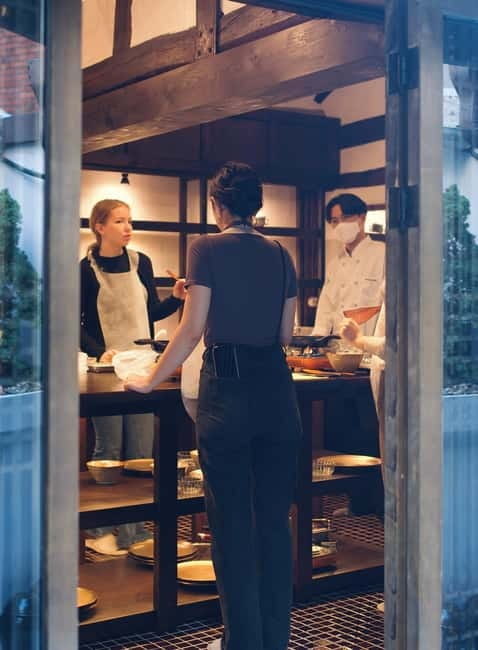
The setting does much of the work here. Seoul can feel all glass, signs, traffic, and packed streets. Then you turn behind the Insadong IBIS Ambassador Hotel and reach a traditional hanok, a Korean house built around courtyards and timber-framed rooms.
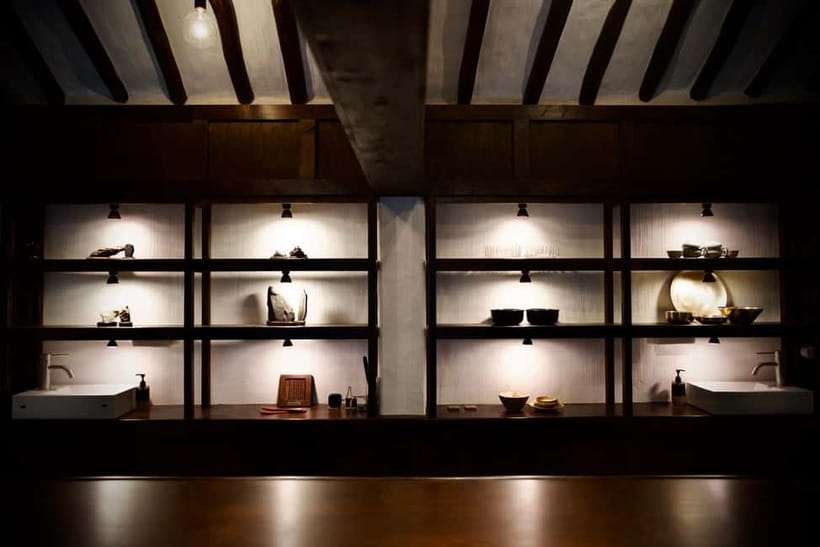
This is not a cooking school in a plain commercial room. It is a restored home with historic character and updated comforts. The contrast is part of the pleasure. You remain close to central Seoul and the palace area, yet the cooking takes place in a quieter, more intimate space.
The address is 25 Samil-daero 32ga-gil, Jongno-gu. Pay close attention to the hotel name when finding the meeting point. Seoul has several IBIS hotels, and the correct one is the Insadong IBIS Ambassador Hotel. The cooking space is directly behind it.
The class works best as part of a Jongno day. You can pair it with Insadong, nearby palace sightseeing, or a walk through the surrounding traditional streets. The precise starting time varies, so check availability when booking rather than planning around a fixed schedule.
More Hanok Village Tours in Seoul:
- Seoul City Sightseeing Tour Including Gyeongbokgung Palace, N Seoul Tower, and Namsangol Hanok Village
★ 5.0 · 1,423 reviews - Seoul: Gyeongbok Palace and Bukchon Hanok Walking Tour
★ 4.8 · 157 reviews - Best Walking Tour to Gyeongbok Palace Bukchon Hanok Village
★ 5.0 · 138 reviews
A small class where beginners can keep up
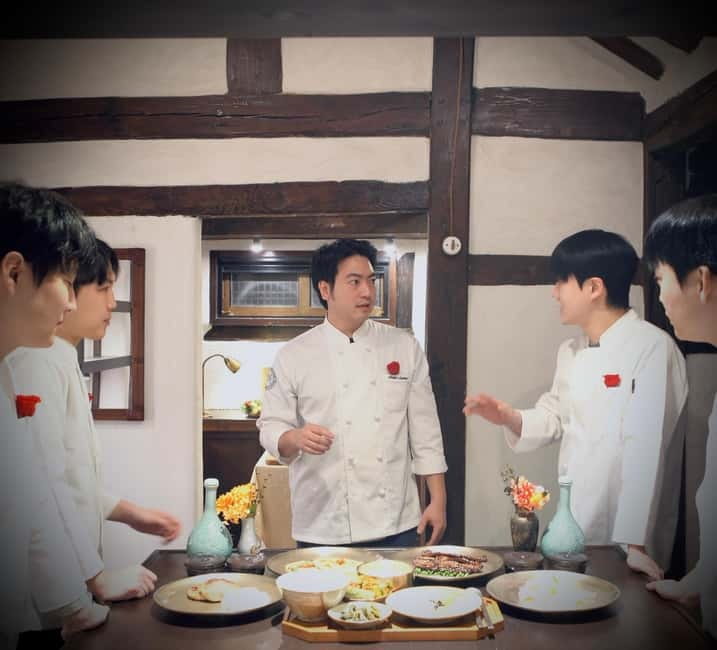
The maximum group size is six. That detail matters more than it may seem. Korean cooking often includes several small tasks, from seasoning and mixing to managing a hot pan. In a large class, you may spend too much time watching someone else cook. Here, Chef Park can move around the table, check your work, and explain a technique again if needed.
The instruction is in English. The class suits people who cook often, but the recipes are designed to be manageable for someone who rarely picks up a knife. Several of the dishes can be made at home without advanced equipment or restaurant-level skill.
I would especially recommend the class to solo visitors. A six-person format gives you a natural way to meet people without the forced feeling of a large group activity. It also suits couples and families with older children, though children under 10 are not accepted.
The tone appears to be warm and relaxed rather than formal. Chef Park is described as patient, funny, clear, and easy to talk with. The strongest praise centers on his teaching style. He gives direct instructions, explains the reason behind each step, and keeps conversation moving while everyone works.
What you cook: LA galbi and fresh kimchi
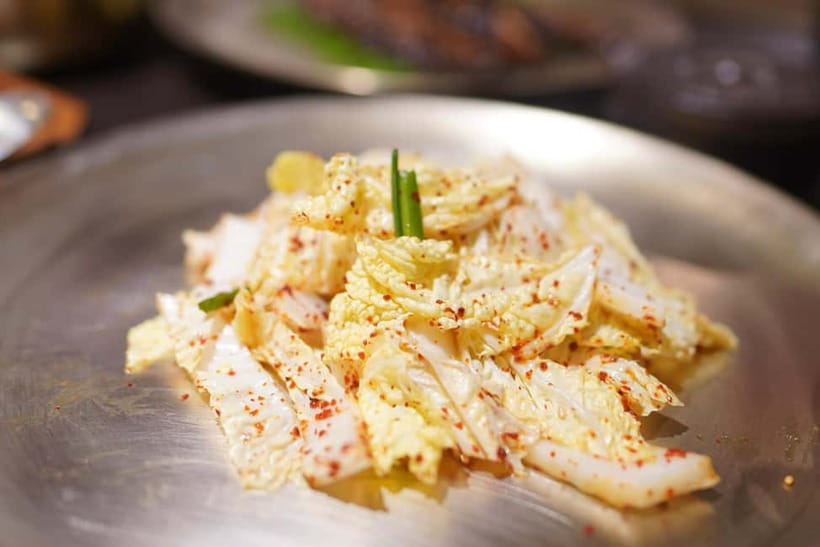
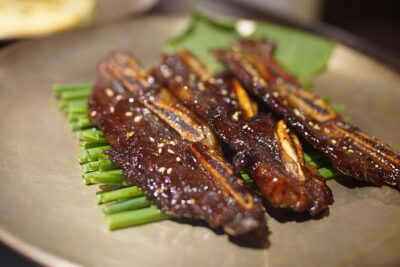
The standard main dish is LA galbi, Korean-style beef short ribs. This is the default menu, so check the ingredients before booking if you do not eat beef. You can request dak galbi, made with chicken, or a vegetarian option in advance.
LA galbi gives the class a satisfying centerpiece. You learn how Korean seasoning turns a familiar cut of meat into a dish with a strong sweet, savory, and aromatic profile. The activity information does not specify every ingredient or cooking method, so you should think of the class as a guided introduction rather than a full technical course in Korean barbecue.
Fresh kimchi offers a different lesson. Instead of waiting through a long fermentation process, you prepare a version that can be eaten during the same meal. This helps you understand the balance of chili, salt, freshness, and seasoning without needing to plan days ahead.
The fresh kimchi is also practical for home cooks. You can repeat the method soon after returning home, and the dish gives you a useful starting point for exploring other kimchi styles.
Haemul pajeon and tangpyeongchae add range
Haemul pajeon is a seafood and green onion pancake. It brings pan work into the class and gives you a chance to learn how a few straightforward ingredients can become a crisp, shareable dish. The recipe is not presented as difficult, but it still offers useful practice with texture and heat.
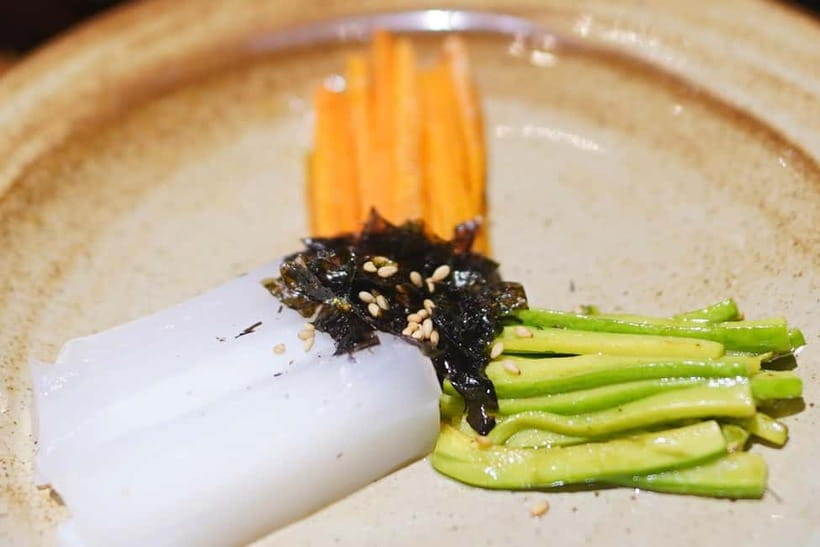
Tangpyeongchae is a traditional Korean dish made with mung bean jelly, vegetables, and seasoning. It is less familiar to many first-time visitors than galbi or pajeon, which makes it one of the more interesting parts of the menu. It shows that Korean cooking is not only about grilled meat and spicy side dishes.
Together, the four dishes create a fairly broad meal. You have a hearty beef main, a fresh fermented-style side, a cooked pancake, and a lighter jelly-based dish. That range is valuable because it shows different textures and ways of seasoning Korean food in one sitting.
The recipes are also meant to be repeated at home. You receive enough guidance to understand the basic process, and the preparation is pitched at a level that does not punish beginners. If you are already an accomplished cook, you may not find every technique advanced, but the cultural background and unusual dishes add interest.
More Cooking Classes in Seoul:
- Local Home Korean Cooking Class & Market Adventure in Seoul
★ 5.0 · 1,024 reviews - Master Korean traditional cooking with a Kimchi chef
★ 5.0 · 385 reviews - Seoul: Korean Cooking Class at a Local Home and Market Tour
★ 5.0 · 348 reviews - Seoul: Korean Cooking at Seoul Cooking Club!
★ 5.0 · 311 reviews
Dining from handcrafted bangjja bronzeware
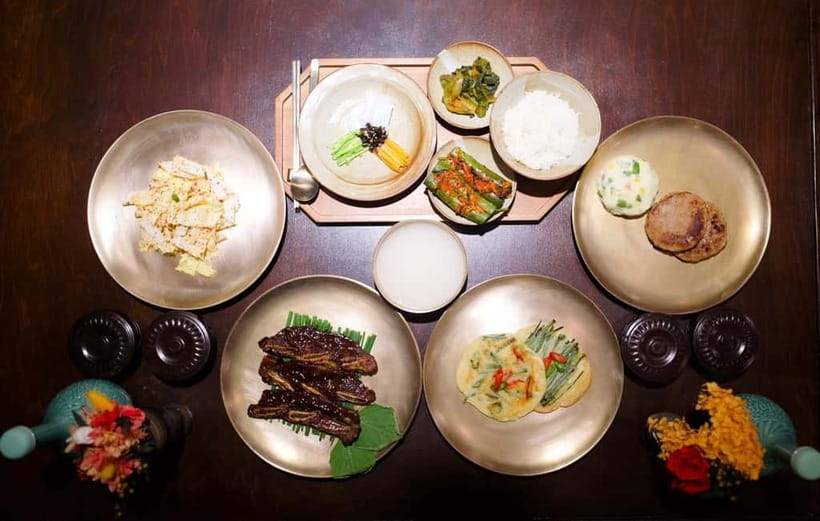
After the cooking, you sit down to eat what you made. The meal is served on bangjja, traditional Korean hand-forged bronze tableware. This is more than a decorative touch. The metal plates and bowls change the look and feel of the meal, linking your food to Korean dining customs.
The setting also changes how the class feels. You are not simply carrying a plate away from a demonstration counter. You prepare food together, then share it around a traditional table. That final stage gives the activity a social rhythm and makes the cooking feel like part of a Korean home meal.
A glass of freshly brewed makgeolli is included. Makgeolli is a milky Korean rice drink with a gentle sweetness and light fermentation. It pairs naturally with dishes such as haemul pajeon, though you should tell the host about any dietary restrictions or alcohol concerns before the class.
Traditional Korean desserts finish the meal. The exact assortment is not specified, so do not book this expecting a particular sweet. Think of dessert as a small cultural closing note rather than a separate pastry course.
The cultural stories behind the recipes
The cooking is only half of the experience. Chef Park also explains where the dishes come from, how Korean food connects with custom, and what makes the hanok important. The class is presented around royal cuisine, though you should not expect a formal palace banquet or a long lecture on court cooking.
The value is in the connections. You learn why a particular dish matters, how ingredients are combined, and how food fits into Korean life. A recipe makes more sense when you understand its place at the table.
Several elements help this feel more personal than a standard food demonstration. The host has time to talk with each participant, the group can share questions as it cooks, and the hanok gives the discussion a physical setting. You are learning about Korean culture while sitting inside one of its traditional house forms.
The English instruction is another practical strength. Clear explanations matter when you are handling unfamiliar ingredients or trying to judge texture. The class is not dependent on watching from a distance. You are expected to take part.
Is $96 a fair price for two hours?
At $96 per person, this is not a budget meal or a cheap way to fill an afternoon. You are paying for more than ingredients. The price includes an English-language cooking lesson, a certified chef, a very small class, the restored hanok setting, the prepared meal, bangjja bronzeware, makgeolli, and traditional desserts.
The six-person limit is the main value point. If you want individual help and a calm pace, the cost is easier to justify. A larger, cheaper class may offer more time for watching and less time for doing. Here, the personal attention is part of what you are buying.
It is also good value for visitors who want one activity that combines food, culture, and conversation. You do not need to arrange a separate Korean meal afterward. The food you prepare becomes the meal, and the drinks and sweets are included.
Still, I would compare it with your priorities. If your main goal is to learn advanced Korean cooking techniques, two hours is brief. If your main goal is simply to eat as much Korean food as possible, a restaurant crawl may give you more variety for less money. This class is best for the person who values the setting, the instruction, and the chance to make the food personally.
Allow extra time for a relaxed finish
The stated duration is two hours, but the class may last longer. Cooking four dishes, eating together, and talking about Korean food and culture can stretch beyond the advertised time. One participant specifically found it longer than expected, so I would allow a free afternoon or evening around it.
That extra time is not necessarily a problem. A rushed class would work against the whole point of the hanok setting. Still, book carefully if you have palace tickets, a show, or a dinner reservation immediately afterward.
The activity offers free cancellation up to 24 hours before the start time for a full refund. It also allows you to reserve now and pay later, which helps if your Seoul schedule is still changing.
Tell the provider about allergies or food restrictions in advance. Dietary changes have been accommodated, including a modified menu that still allowed a participant to take part fully. The default menu is beef LA galbi, so request chicken or vegetarian food before arrival rather than assuming it will be available on the day.
Who will enjoy this Seoul cooking class most?
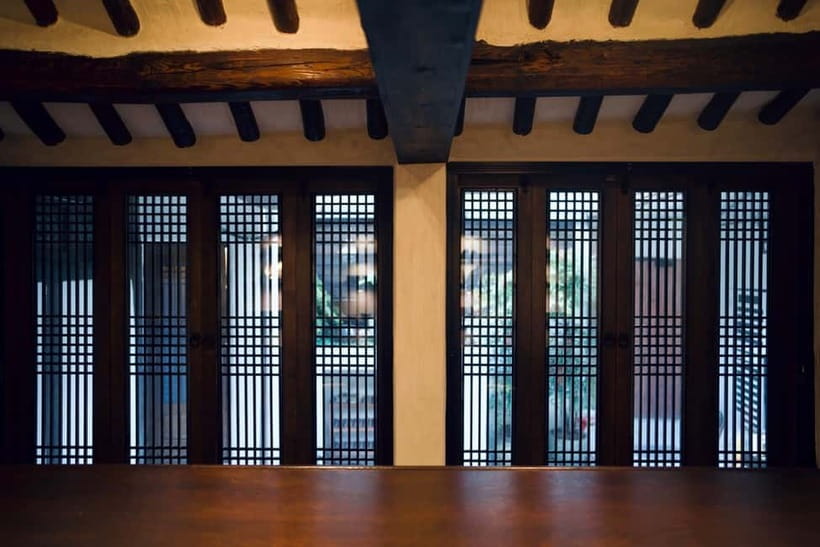
I would choose this class for you if you want:
- A personal introduction to Korean food rather than a large demonstration
- A peaceful traditional setting near Insadong and the palace district
- Recipes you can attempt again at home
- A cultural activity that suits a couple or solo visitor
- A full meal built around dishes you helped prepare
- English-language instruction with room for questions
It is particularly good for people who feel nervous about cooking. The recipes are clear, the chef can adjust his pace, and the small group makes it easier to ask for help without holding up a crowd.
It also works for experienced cooks who want to meet less familiar Korean dishes. Tangpyeongchae and fresh kimchi add more than the usual introduction to Korean barbecue. You may not learn restaurant secrets, but you will gain a better sense of balance, texture, and presentation.
I would think twice if you dislike group dining, cannot eat the standard ingredients, or need the experience to finish exactly at the two-hour mark. The group is small, but it is still a shared class. Also, the traditional menu may not suit every diet unless you arrange changes ahead of time.
Finding the meeting point without confusion
The meeting point is just behind the Insadong IBIS Ambassador Hotel. Use the full address in both English and Korean:
25 Samil-daero 32ga-gil, Jongno-gu, Seoul
서울시 종로구 삼일대로 32가길 25
Do not simply type IBIS Hotel into a map and start walking. There are several IBIS properties in Seoul. Confirm that your route leads to the Insadong location before setting out.
Because the class takes place in a traditional residential-style lane, allow a little time to find the final turn. The supplied directions identify the hotel as the landmark, not a major subway exit or large public square.
Should you book the hanok cooking class?
Yes, if you want a small, friendly food lesson with a strong sense of place. The combination of a restored hanok, four approachable dishes, bangjja tableware, makgeolli, and a full shared meal gives you more than a basic recipe workshop.
The best reason to book is the format. Six people is small enough for Chef Park, or Ricky, to give real help, while the English explanations make the process easy to follow. You leave with dishes you can try again, a better feel for Korean dining customs, and a memorable meal in an unusual Seoul setting.
Book with three points in mind: the standard dish is beef LA galbi, dietary needs must be shared in advance, and the evening may run past two hours. If those details suit your plans, this is a strong choice for couples, solo visitors, older families, and anyone who wants to meet Seoul through its food.
FAQ
How long is the Seoul hanok cooking class?
The activity is advertised as two hours. It may run longer because the class includes cooking, dining, drinks, dessert, and cultural explanations.
Where does the cooking class meet?
The address is 25 Samil-daero 32ga-gil, Jongno-gu, Seoul. It is directly behind the Insadong IBIS Ambassador Hotel, not another IBIS hotel in Seoul.
What language is the class taught in?
The class is taught in English.
What dishes are included?
The standard menu includes LA galbi, fresh kimchi, haemul pajeon, and tangpyeongchae. A glass of makgeolli and traditional Korean desserts are also included.
Can I request a vegetarian or chicken menu?
Yes. The default menu is LA galbi made with beef ribs, but you can request dak galbi made with chicken or a vegetarian option when booking.
Is the class suitable for children?
Children under 10 are not permitted to take part. The activity is suitable for older children, couples, solo visitors, and small groups.
More hands-on workshops in Seoul
- Yongpyong Ski Resort from Seoul with Optional Lesson and Packages
★ 5.0 · 217 reviews - Seoul: Kpop Dance Class Including Video Shooting & Editing
★ 4.8 · 185 reviews - Seoul: Taste of Korea, Authentic Home Style Cooking Class
★ 4.9 · 166 reviews - Seoul: Perfume-Making Workshop in a Hanok
★ 4.9 · 110 reviews
Recently added around Seoul
- Gyeongbokgung Palace Photo Session with your own phone★ 5.0 · 4 reviews
- Private Tour around Suwon UNESCO Fortress and Korea Folks Village★ 4.5 · 4 reviews
- Nami & Maple Road & Theatre des Lumieres Day Tour from Seoul★ 4.8 · 4 reviews
- Jisan Forest Resort: Ski Full-Day Tour or Shuttle from Seoul★ 5.0 · 4 reviews
- N Seoul Tower + Namsan Cable Car Ticket (Collect in Myeongdong)★ 3.5 · 4 reviews
- Seoul: Deoksugung Palace Night Tour★ 4.5 · 4 reviews
- Private Jeonju Hanok Village – Culinary tour★ 5.0 · 4 reviews
- Seoul Private Walking Tour with a Local★ 5.0 · 4 reviews
Hanok Village Tours, compared.
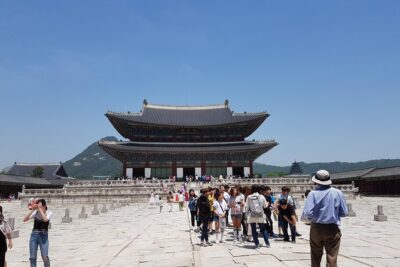
Seoul City Sightseeing Tour Including Gyeongbokgung Palace, N Seoul Tower, and Namsangol Hanok Village
Read the review →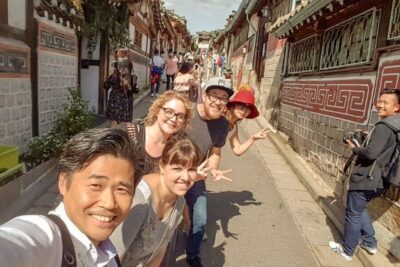
Gyeongbok Palace and Bukchon Hanok Walking Tour
Read the review →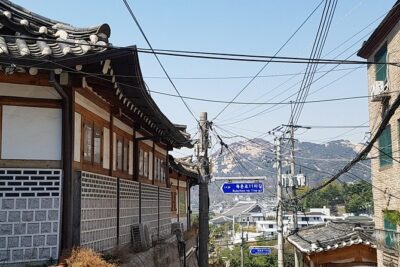
Best Walking Tour to Gyeongbok Palace Bukchon Hanok Village
Read the review →Experience Korean Cooking in Modern Hanok Kitchen
Read the review →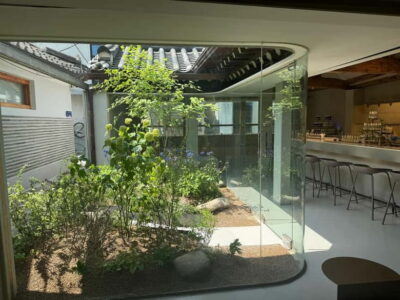
Royal Seoul Cooking Class in a 100-Year-Old Hanok
Read the review →
Jeonju Hanok Village Full-Day Tour:Jangtaesan Autumn Foliage
Read the review →
Afternoon Seoul: Hanok Vibes, Netflix Street Food & N Seoul Tower
Read the review →Browse the lists this tour appears in