
Reviewed · SEOUL TOURS
Yun Korean Cooking Class in Seoul
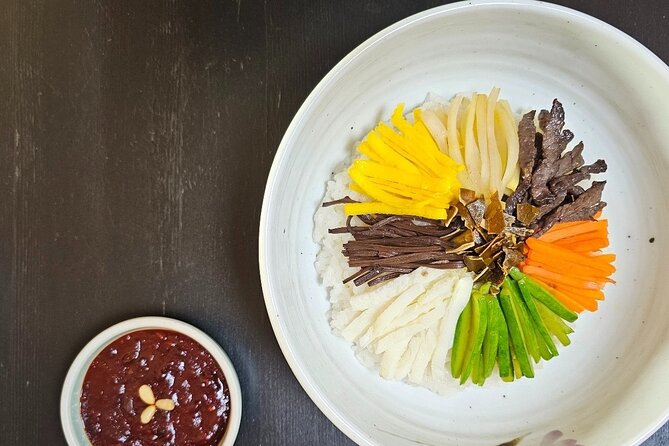
The best part of this Seoul experience is that you do not simply sit at a restaurant and order Korean food. Chef Yun teaches you to make it, then gives you time to enjoy the meal in a warm home setting. You also learn why the dishes matter, how Korean cooking connects food and health, and how to repeat the recipes at home.
I like the private format, since your group gets the instructor’s attention rather than sharing a crowded demonstration. I also like the Hanbok element and the extra dishes served with the meal. The main drawback is the fixed late-afternoon schedule and the out-of-central-Seoul meeting point in Magok-dong, so check your route before booking.
Key points at a glance
- Chef-led instruction: Chef Yun guides you step by step through traditional Korean dishes and shares cooking tips learned from master chefs.
- Private group setting: Only your group participates, making the class a good fit for families, couples, or friends who want a personal pace.
- Hanbok included: You have the chance to wear traditional Korean clothing and take photos during the experience.
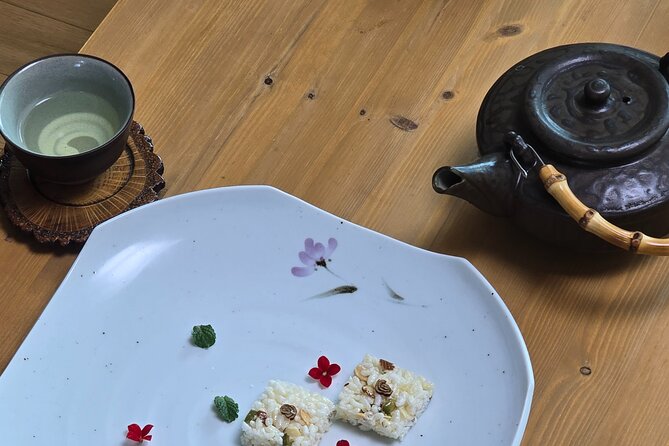
- Eat what you make: The class ends with a shared meal featuring your own cooking plus additional dishes from the hosts.
- Practical recipes: The recipes are designed to be simple enough to try again at home.
- Two-and-a-half-hour evening activity: Classes run Tuesday through Sunday, from 4:30 PM to 7:00 PM.
What makes this Korean cooking class different
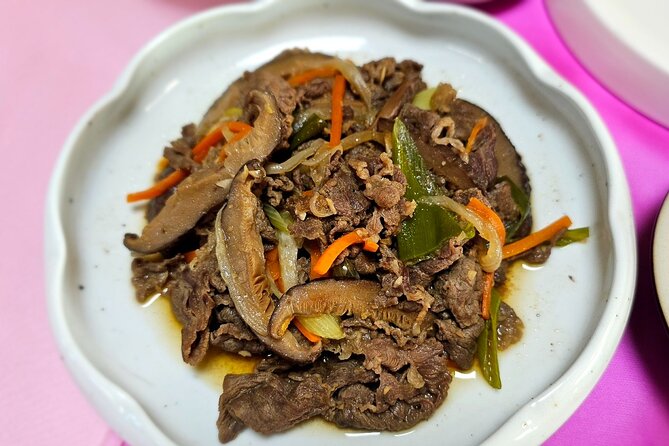
Many food activities in Seoul focus on eating. This one puts you at the worktable first. You learn how traditional dishes come together, hear about Korean food customs and health benefits, and then taste the results.
That order matters. When you prepare a dish yourself, you pay attention to texture, seasoning, and the balance between separate side dishes. Korean meals are rarely just one large plate. They often combine rice, vegetables, sauces, and small shared dishes, so a cooking class gives you a better feel for how the meal works as a whole.
Chef Yun presents the class as a way to share food, stories, and traditions. The teaching is meant to be practical, not just a cooking show. You are guided through the recipes step by step, and the recipes are simple enough to repeat at home. That is a useful distinction if you want more than a pleasant evening and a few food photos.
The class also includes a cultural layer through Hanbok, Korea’s traditional clothing. This gives the experience a visual element without turning the cooking lesson into a costume-only activity. You can enjoy the clothing, take photos, and still spend most of the visit focused on food.
More Cooking Classes in Seoul:
- Local Home Korean Cooking Class & Market Adventure in Seoul
★ 5.0 · 1,024 reviews - Master Korean traditional cooking with a Kimchi chef
★ 5.0 · 385 reviews - Seoul: Korean Cooking Class at a Local Home and Market Tour
★ 5.0 · 348 reviews
Arriving at 771-3 Magok-dong
The class begins at 771-3 Magok-dong, Gangseo-gu, Seoul, and ends at the same meeting point. The address is near public transportation, which helps, but Magok-dong is not the kind of central location you should approach casually after a long day of sightseeing.
Give yourself time to find the exact address. A cooking class is not a good place to arrive flustered, especially when the session has a set start and end time. Check the route from your hotel before you reserve, and confirm how any offered pickup works. The details say pickup is available, but the published start point remains the Magok-dong address, so you should clarify the arrangement rather than assume a hotel pickup is automatic.
The schedule is Tuesday through Sunday, from 4:30 PM to 7:00 PM. This timing can work nicely after a morning of sightseeing. You can spend the afternoon visiting another part of Seoul, then make your way to the class and finish with dinner. The tradeoff is that Monday is not available, and the fixed time may not suit a packed itinerary.
Cooking with Chef Yun
The main lesson is led by Chef Yun, who has learned from master chefs in Korea. The format is hands-on and guided. You are not expected to know Korean cooking techniques before you arrive, and the class is designed to take you through each step.
The exact dishes can vary, so you should not book this expecting a guaranteed menu unless you confirm it in advance. What is clear is that you will make traditional Korean food and receive instruction on the methods, cultural background, and small tips that help the dishes work.
That practical teaching is one of the strongest reasons to choose this class. Korean food can look simple on the table, yet the details matter. The way ingredients are prepared, seasoned, and combined affects the final meal. A step-by-step lesson helps you understand those details better than a restaurant meal can.
You will also hear about the health benefits associated with Korean cuisine. This should not be treated as medical advice, but it adds useful context. Korean meals often bring several flavors and ingredients together, and learning the purpose behind them gives you a better sense of the food beyond its appearance.
The class is private, meaning only your group participates. That can make a real difference. If you need a recipe step repeated, want to ask about an ingredient, or prefer to work at a slower pace, you do not have to worry about holding up a large group. Private also means the price needs to be considered for the group size, since the listed cost is $86 per person.
Wearing Hanbok during the class
Hanbok gives the session a cultural and photographic touch. Traditional Korean clothing can make the occasion feel more special, especially if this is your first visit to Seoul or you are marking a birthday, anniversary, or family trip.
The clothing is not presented as a replacement for the food lesson. You still come to cook, learn, and eat. That balance is helpful. Some cultural activities offer a costume photo and little else, while this class connects the clothing to a broader introduction to Korean customs and cuisine.
You should expect Hanbok to be one part of the experience rather than the entire focus. The available information does not specify how long you wear it, which styles are offered, or whether every participant must dress. If those details matter to you, ask before booking. The clear point is that you will have the chance to wear traditional Korean clothing and take photos.
More hands-on workshops in Seoul:
- Yongpyong Ski Resort from Seoul with Optional Lesson and Packages
★ 5.0 · 217 reviews - Seoul: Kpop Dance Class Including Video Shooting & Editing
★ 4.8 · 185 reviews - Seoul: Taste of Korea, Authentic Home Style Cooking Class
★ 4.9 · 166 reviews - Seoul: Perfume-Making Workshop in a Hanok
★ 4.9 · 110 reviews
Sitting down to eat your own cooking
After the preparation, you eat the dishes you made. This is where the class becomes more than a lesson. You can taste the results while the process is still fresh in your mind, and you have a better chance of remembering how each dish was prepared.
The meal also includes additional dishes from the hosts. That is a generous part of the experience because it lets you compare your own work with other food prepared by Yun’s K-food Lab. It also gives you a wider sense of a Korean meal instead of limiting you to the items you cooked.
The home setting adds warmth, though it may not suit someone looking for a polished restaurant atmosphere. You are choosing personal contact and a lived-in food experience over formal dining. I see that as a plus for people who want a friendly cultural exchange, but it is worth knowing before you book.
The class is especially appealing if you enjoy meals that come with a story. You are not only tasting a finished dish. You are hearing about tradition, preparing food with your own hands, and sharing the table with the people who taught you.
Why the simple recipes matter
A cooking class has lasting value when you can use what you learned later. The recipes here are described as simple enough to prepare at home, which makes the $86 price easier to justify than it would be for a one-time tasting alone.
You may not have every Korean ingredient in your kitchen, and the class cannot remove that issue entirely. Still, simple recipes give you a sensible starting point. You can try the dishes again, adapt your shopping list, and introduce friends or family to food you first encountered in Seoul.
The useful tips from Chef Yun are likely to matter as much as the recipes themselves. Small choices in preparation can change the result, and direct instruction helps you see what a written recipe often leaves out. If you take notes, pay close attention to those small habits and explanations.
I would bring a phone for photos and notes, but keep it out of the way while cooking. The Hanbok portion is made for pictures, while the food lesson deserves your full attention.
Is $86 per person good value?
At $86 per person, this is not the cheapest way to eat Korean food in Seoul. You can find an inexpensive meal for far less. The value comes from the combination of instruction, ingredients, private access, cultural explanation, Hanbok, and a shared meal.
You are paying for about two and a half hours, not just a plate of food. You also receive recipes that you can use again, and the experience takes place in a private setting rather than a large class. For a couple or small group that values personal attention, the price is reasonable.
The calculation changes if you are only interested in tasting Korean dishes. In that case, a market or restaurant will offer more food for less money. Choose this class because you want to understand the cooking and take part in it, not simply because you are hungry.
The extra dishes served by the hosts improve the value. You get more flavors to try and a fuller meal after the cooking. The home atmosphere is another part of what you are buying, although some people will prefer a formal culinary studio.
Who will enjoy this experience most?
I would recommend this class to several kinds of visitors:
- First-time visitors to Seoul who want food and culture in one activity.
- Couples and families who prefer a private class to a large group demonstration.
- Home cooks who want recipes they can repeat after returning home.
- Food-focused visitors who care about how Korean dishes are prepared, not only how they taste.
- Photographers and social media users who will enjoy the Hanbok portion and the visual side of the meal.
- People with a free Seoul evening who can comfortably reach Magok-dong by 4:30 PM.
It may not be the best match if you want a central Seoul location, a flexible start time, or a confirmed menu of specific dishes. It is also less suitable if you dislike hands-on activities or would rather spend the evening at a restaurant.
The private format is particularly useful for families. Children can receive direct help, though the available details do not state a minimum age or specific child policy. Ask the provider if you are booking for young children.
Practical planning for your Seoul evening
The activity runs Tuesday through Sunday and lasts from 4:30 PM to 7:00 PM. Plan the rest of your day around that fixed window. Do not schedule a distant attraction that ends close to the start time, since crossing Seoul can take longer than expected.
The meeting point is near public transportation, and a mobile ticket is offered. Confirmation arrives when you book. Service animals are allowed. These details make the booking straightforward, but they do not replace checking the route to the specific address.
The experience requires a minimum number of participants. If that minimum is not met and the class is canceled, you will be offered another date or experience, or receive a full refund. For your own plans, avoid placing an important evening reservation immediately afterward.
You can cancel for a full refund up to 24 hours before the start time. Cancellations or changes made less than 24 hours ahead are not accepted for a refund, and the cut-off follows Seoul local time. That policy is fair for a small private class, but remember it when you are arranging transport and other bookings.
The activity is often booked well ahead, with an average booking point of about 37 days before the date. That suggests you should reserve early if your Seoul dates are fixed, especially since the class is private and only runs six days a week.
The good and the less convenient
The strongest feature is the connection between cooking and sharing. You make food, hear about Korean culture, wear Hanbok, and sit down with additional dishes from the hosts. That gives the evening a personal shape that a standard restaurant visit cannot provide.
The recipes are another clear advantage. If you can take home techniques that feel manageable, the memory lasts longer than a single meal. The five-star score from six ratings also gives the experience a strong early record, though that is still a small sample and should not be treated as proof that every visitor will have the same experience.
The main concern is location. Magok-dong may be convenient by public transportation, but it is not automatically convenient from every hotel or sightseeing area. Confirm the route and any pickup details before paying.
The other limitation is the lack of a published dish-by-dish menu. If you have allergies, strong dislikes, or a specific Korean dish in mind, contact Yun’s K-food Lab first. The activity promises traditional dishes and guided cooking, but the supplied details do not identify the exact recipes or ingredient substitutions.
Should you book Yun Korean Cooking Class in Seoul?
Book it if you want a private, personal food experience with cooking instruction, cultural stories, Hanbok, and a meal at the end. It is a good choice for visitors who enjoy learning by doing and want recipes simple enough to try at home.
Skip it if your priority is a central location, a low-cost meal, or a guaranteed list of dishes. The $86 price makes sense for the time, private format, teaching, clothing, and extra food, but only if you value those parts.
Before booking, confirm the menu, Hanbok details, and pickup arrangement. If those fit your plans, this is a thoughtful way to spend a Seoul evening and leave with more than a full stomach.
FAQ
Where does the Korean cooking class begin?
The class begins at 771-3 Magok-dong, Gangseo-gu, Seoul, South Korea.
Where does the experience end?
The activity ends back at the meeting point in Magok-dong.
How long does the class last?
The experience lasts approximately 2 hours and 30 minutes, from 4:30 PM to 7:00 PM.
Which days is the class available?
The class runs Tuesday through Sunday. It is not listed as available on Monday.
Is this a private activity?
Yes. Only your group participates in the activity.
Can I wear Hanbok during the experience?
Yes. You will have the chance to wear Hanbok, traditional Korean clothing, and take photos.
Can I cancel for a full refund?
Yes. You can cancel at least 24 hours before the start time for a full refund. Cancellations or changes made less than 24 hours before the start time are not accepted for a refund.
Recently added around Seoul
- Private Tour around Suwon UNESCO Fortress and Korea Folks Village★ 4.5 · 4 reviews
- Nami & Maple Road & Theatre des Lumieres Day Tour from Seoul★ 4.8 · 4 reviews
- Gyeongbokgung Palace Photo Session with your own phone★ 5.0 · 4 reviews
- Seoul: Deoksugung Palace Night Tour★ 4.5 · 4 reviews
- N Seoul Tower + Namsan Cable Car Ticket (Collect in Myeongdong)★ 3.5 · 4 reviews
- Jisan Forest Resort: Ski Full-Day Tour or Shuttle from Seoul★ 5.0 · 4 reviews
- Private Jeonju Hanok Village – Culinary tour★ 5.0 · 4 reviews
- Seoul Private Walking Tour with a Local★ 5.0 · 4 reviews
Seoul Tours, compared.
Best DMZ Tour Korea from Seoul (Red Suspension Bridge Optional)
Read the review →
DMZ Tour: 3rd Tunnel, Option(Suspension Bridge, Boat) from Seoul
Read the review →
DMZ tour south Korea from Seoul (NK experience hall, defector)
Read the review →

DMZ The 3rd Tunnel and Suspension Bridge Tour
Read the review →
Signature DMZ Tour: Exclusive Defector Talk & Suspension Bridge
Read the review →
Thrilling Korean DMZ 3rd Tunnel Tour from Seoul + Red Bridge Rush
Read the review →
DMZ Past and Present: Korean Demilitarized Zone Tour from Seoul
Read the review →Browse the lists this tour appears in