
Reviewed · SEOUL TOURS
Seoul: The Biggest Sea-food Noryangjin Market Tour
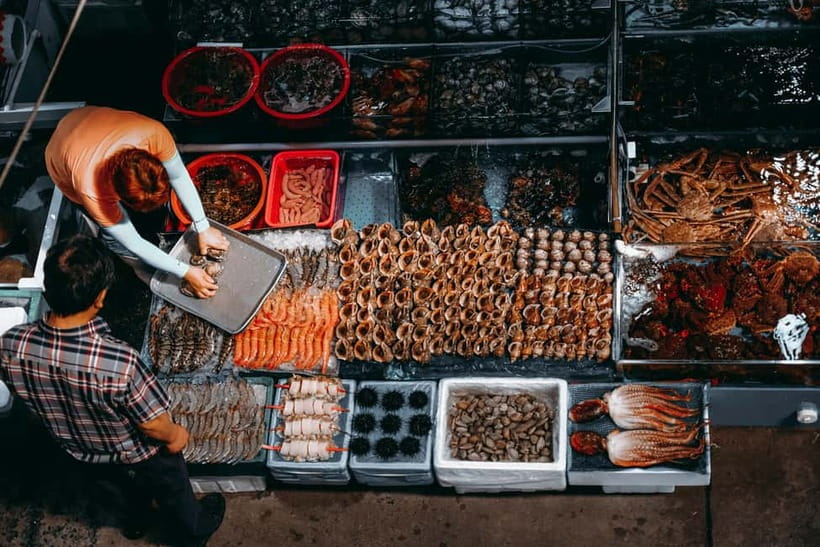
Noryangjin Fish Market is not just a place to buy dinner. It is a working food center that moves roughly 250 to 300 tons of seafood each day, from live fish and shellfish to dried products and unfamiliar Korean ingredients. This two-hour tour gives you a local guide to the maze, then puts the market’s catch on your plate.
I like the clear cultural explanation, especially the reasons behind Korean seafood habits. I also like the meal: seasonal assorted sashimi and spicy fish stew, served after you watch a vendor fillet and prepare the fish. Guides such as Joy, Sally, Sophie, and Steve have earned praise for making the experience friendly and easy for non-Korean speakers.
The main drawback is the price. At $110 per person, this is not a cheap market walk, and two hours passes quickly. It makes the most sense if you want help ordering, cultural context, and a prepared meal rather than only a look around the stalls.
Key points to know before you go
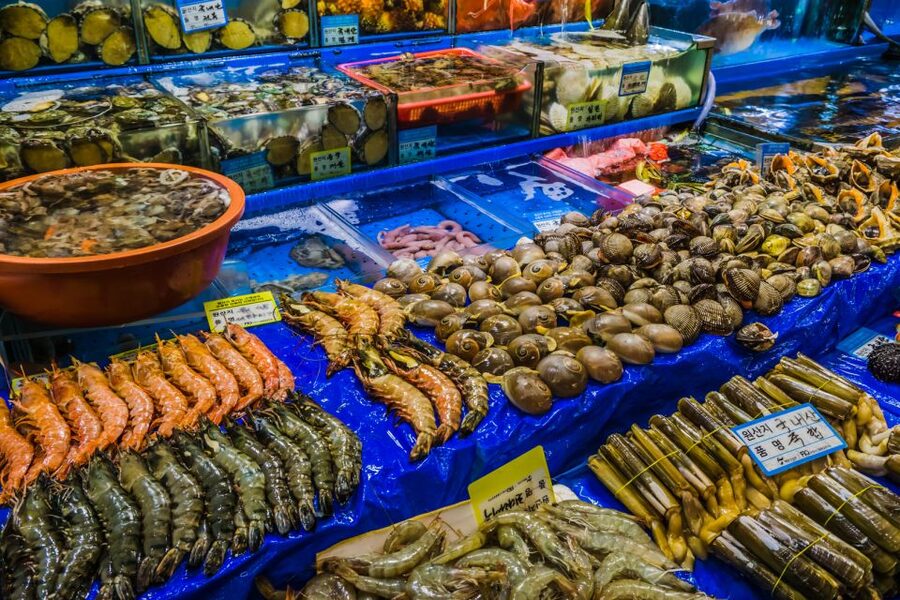
- See a real working market: Noryangjin handles about 250 to 300 tons of seafood every day.
- Learn what Koreans eat: Your guide explains unusual fish and shellfish, preparation methods, and the customs behind them.
- Watch your meal take shape: A trusted vendor fillets and prepares fresh fish before you eat.
- Eat seasonal seafood: The included meal features assorted sashimi and spicy fish stew.
- Keep the group small: The tour is limited to 10 people and led in English.
- Wear careful footwear: Market floors can be wet, so waterproof shoes are a sensible choice.
Why Noryangjin is worth your time
Seoul has plenty of polished food streets and stylish restaurants. Noryangjin offers something different: the chance to see seafood treated as a daily staple, a trade, and a social meal all at once.
The market is famous in Seoul, but it can be hard to understand on your own. Signs may not explain every fish, sellers may work quickly, and the buying process can feel unclear if you do not speak Korean. A guide changes the experience from a visual spectacle into a lesson in food and daily life.
The scale matters. This is not a small collection of tourist stalls. The market handles hundreds of tons of product each day, which helps explain the constant movement of fish, shellfish, vendors, restaurant workers, and shoppers. You get a look at the supply chain before the seafood reaches a restaurant table.
I especially like that the tour does not treat the market as a backdrop for a quick tasting. The guide explains what you are seeing, why some seafood is commonly eaten in Korea, and how local cooking habits developed. That context is the part you would struggle to find by walking around alone.
More Food Tours in Seoul:
- Seoul Street Food Market Tour
★ 5.0 · 1,226 reviews - Seoul: Night Market Food Tour with Local Guide
★ 4.9 · 943 reviews - Downtown Seoul Guided Food & Market Tour with 8+ Local Tastings
★ 5.0 · 580 reviews
Meeting at Noryangjin Station Exit 7
Your meeting point is Exit 7 of Noryangjin Station. The station is an important practical detail because Noryangjin is large, and meeting directly outside the correct exit keeps the start simple.
After meeting your English-speaking guide, you head into the market together. The tour is designed for international visitors, so you can ask basic questions without worrying about language barriers at every stall.
The group size is capped at 10 people. That is small enough for a guide to explain fish at close range and keep the group together, though it is not a private tour. If you want plenty of personal attention, a smaller group is always better, but this limit should still allow a more personal experience than a large coach outing.
The operator sends information about the meeting place and time by email or WhatsApp. Check those messages before you leave for the station, especially because the final details may be sent separately from the original booking information.
Walking through 250 to 300 tons of seafood
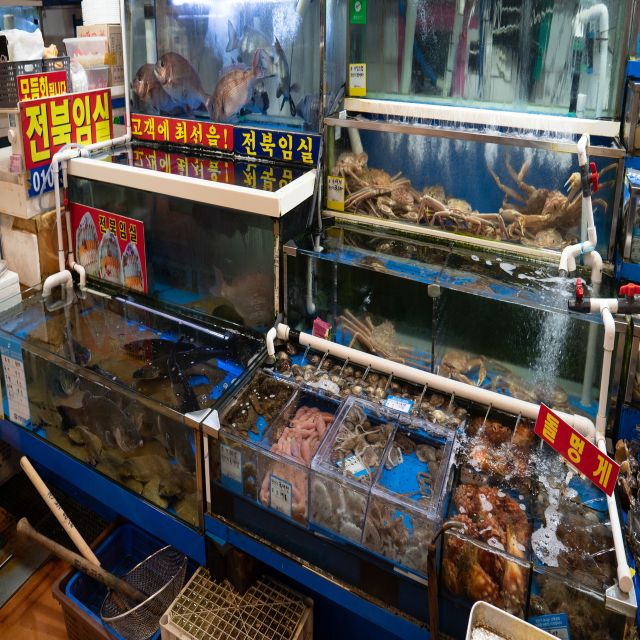
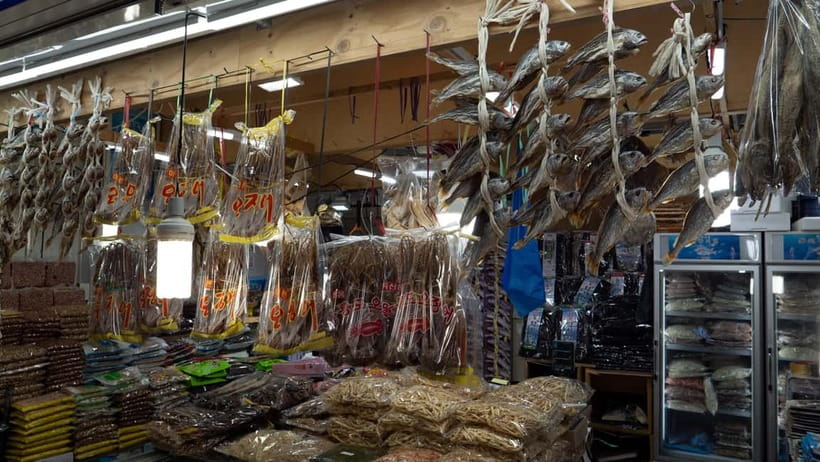
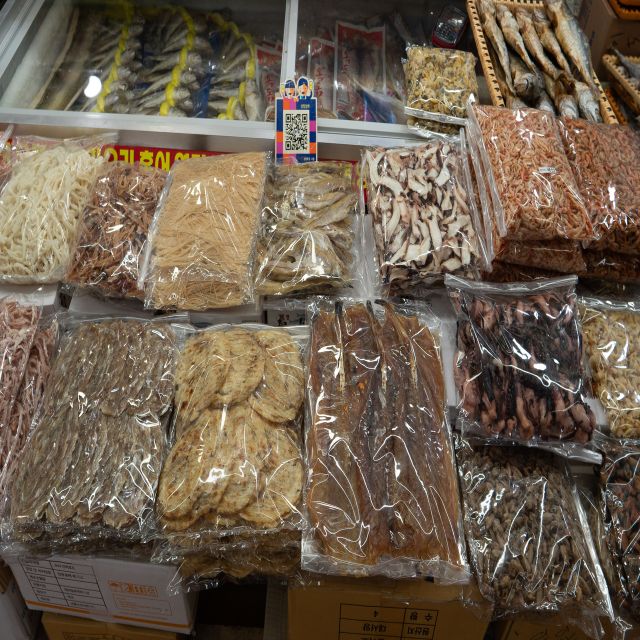
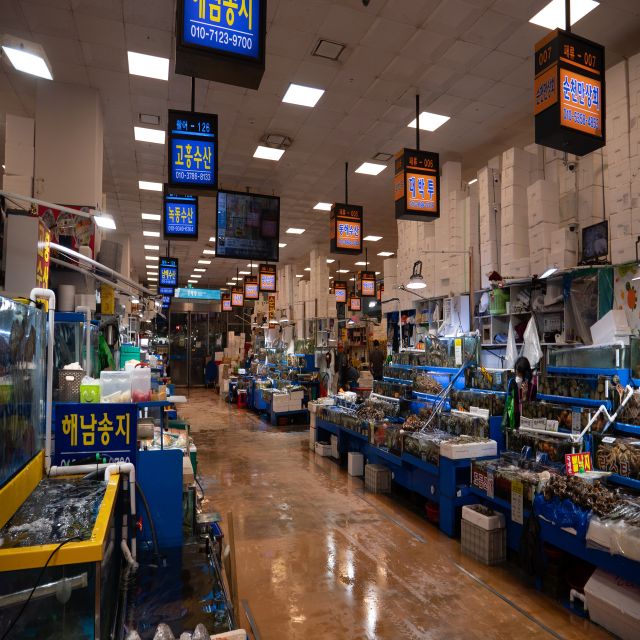
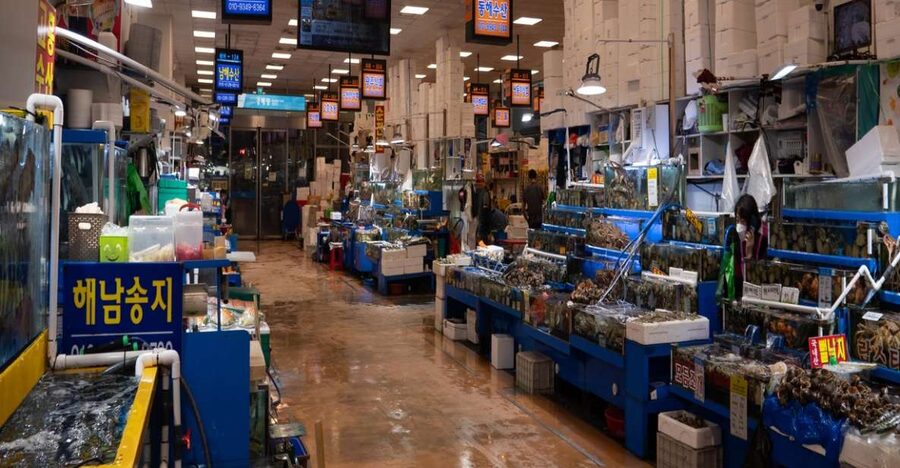
The market portion introduces the layout and working rhythm of Noryangjin. You may see live seafood, freshly killed fish, dried products, and a wide range of fish and shellfish sold for home cooking or restaurant use.
The guide’s job here is not just to point at tanks and name species. You learn which ingredients are familiar to Korean diners, which may be new to you, and how each is usually prepared. That can include explanations of raw fish, soups, sauces, and other ways Korean households and restaurants serve seafood.
The historical and cultural background gives the walk purpose. Korean seafood traditions are linked to the country’s geography, eating habits, and long relationship with coastal food. The tour explains those links in plain terms, so the market becomes easier to read.
You may also learn how Koreans eat sashimi and how it differs from the raw fish customs you know at home. One especially memorable possibility is live octopus, which has been part of the meal on some tours. It can still move when served, so this is not an experience for anyone who prefers seafood to arrive looking completely still and familiar.
The market is likely to be wet underfoot. One useful tip is to wear waterproof shoes or walk carefully. This is a working fish market, not a dry museum with polished floors.
Watching fish become lunch
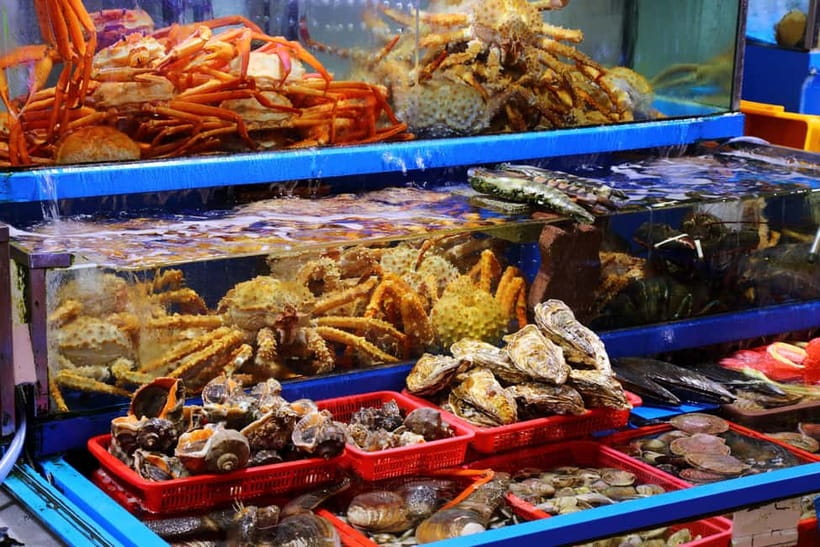
A key part of the tour is a visit to a trusted seafood vendor. You can watch the vendor fillet and prepare fresh fish, seeing the steps between the market stall and the dining table.
That behind-the-scenes moment gives the tour its strongest practical value. You are not simply told that the seafood is fresh. You see how it is selected, cut, and prepared. For anyone interested in Korean food, the process makes the final meal more meaningful.
The exact seafood depends on the season and the market supply. That is a benefit, but it also means you should not book this expecting one fixed fish or a particular shellfish. The meal is seasonal, and the market’s selection changes.
The guide can also help you understand what you are seeing before it reaches the table. This is useful if you are unsure about textures, sauces, raw seafood, or dishes you have never tried. You can ask questions at the moment they matter, rather than trying to identify everything later from memory.
A few more Seoul half-days to weigh up
- Seoul: Guided Food & Market Tour with 8+ Tastings
★ 4.9 · 342 reviews - Small-Group Night Food Tour in Seoul with Korean BBQ
★ 5.0 · 304 reviews - Seoul Night Palace & Market Food Tour with Vehicle
★ 5.0 · 275 reviews - Seoul Fun Food Tour: 12 different food tastings
★ 5.0 · 266 reviews
Seasonal sashimi and spicy fish stew
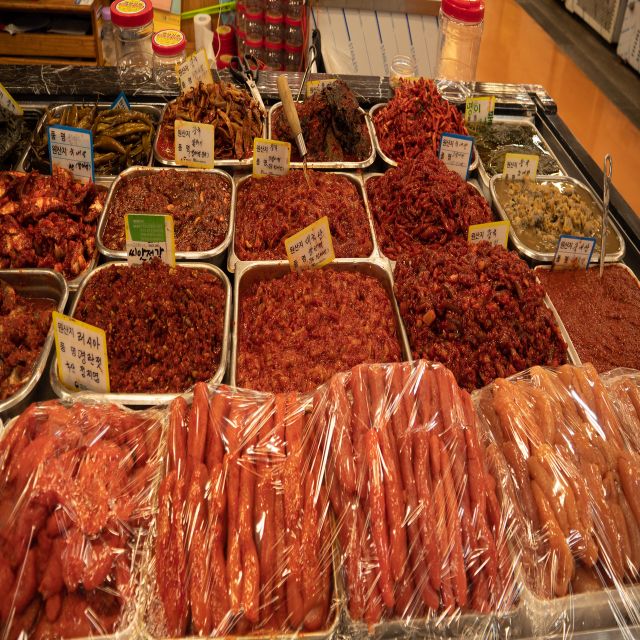
Lunch is included in the $110 price. The stated meal is seasonal assorted sashimi and spicy fish stew, giving you two different sides of Korean seafood dining.
The sashimi lets you taste the market’s fresh catch in a simple form. The spicy fish stew provides warmth and stronger seasoning, showing how the same broad food culture can range from clean raw flavors to a hearty cooked dish.
The meal is served at a seafood restaurant connected to the market experience. You eat what has just been selected and prepared, rather than receiving a generic lunch brought in from elsewhere. That direct connection is one of the best reasons to choose this tour over a standard market visit.
Some participants have also tried live octopus during the meal. Treat that as a possible part of the experience, not a guaranteed menu item. If you have concerns about raw seafood, unusual textures, or moving food, tell the guide clearly.
The food has received the strongest praise from the people who enjoyed this experience, with repeated approval for the sashimi and fish soup. Guides have also helped with sauces and Korean eating customs. One guide even helped a participant find a preferred sauce at a convenience store afterward, which shows the kind of everyday food advice this tour can provide.
What the guides add
A market guide earns the fee by helping you understand and manage the setting. The most frequently praised guides include Joy, Sally, Sophie, and Steve, each described as friendly, clear, and attentive.
Joy has been praised for combining food explanations with Korean history and for teaching how to eat sashimi in the Korean style. Sally has guided visitors through the fish stalls, explained the products, and handled the meal afterward. Sophie has been noted for making the group feel like locals while identifying different fish. Steve has been praised for his communication and personality.
Guides can also make the tour more comfortable for non-Korean speakers. Ann specifically found the experience suitable for people who do not speak Korean, and that is an important point. You can visit Noryangjin independently, but asking about a fish, choosing a vendor, and arranging a restaurant meal may be harder than expected.
The quality of a small-group tour depends partly on the individual guide and group dynamic. The named guides have made a strong impression, but your exact guide is assigned by the operator. You should expect English commentary, practical help, and cultural explanation, not a private food class.
Is $110 a fair price?
At $110 per person, the tour costs more than entering the market and eating on your own. If your only goal is to see the stalls, you can spend less by visiting independently.
The value comes from several pieces working together:
- An English-speaking local guide
- A structured walk through a confusing market
- Explanations of seafood and Korean eating customs
- A look at fish preparation
- Seasonal sashimi and spicy fish stew
- Help ordering and understanding the meal
- A small group of no more than 10 people
For a first visit to Seoul, I think the price can be fair if you want a guided food experience and would otherwise feel unsure about the market. The meal alone is not enough to justify the full cost for everyone, especially if you are already comfortable eating at Korean markets.
The two-hour length keeps the commitment manageable. It works well early in a Seoul itinerary, when you want an introduction to Korean seafood before trying similar dishes on your own. It is less suitable if you want a long, relaxed market photography session or a full afternoon of eating.
Lunch is included, but travel insurance is not. That is ordinary for a food tour, yet it matters if you have medical concerns or food allergies. Tell the operator about allergies in advance.
Who should book this market tour?
I would recommend it to first-time visitors who want to understand Korean seafood rather than simply take pictures of it. It is also a good match for solo visitors and couples who want a social meal without having to negotiate a large market alone.
Food-focused visitors will get the most from the ingredient explanations and preparation demonstration. People curious about Korean customs will appreciate learning why certain seafood dishes are eaten and how sashimi is served locally.
The tour can also suit cautious eaters, provided you communicate clearly with the guide. You can ask what you are being served and how it is eaten before trying it. At the same time, anyone uncomfortable with raw seafood, spicy soup, or possible live octopus should think carefully before booking.
Families may find the market fascinating, but the experience is not described as a children’s program. Wet floors, raw ingredients, strong smells, and unusual textures may not suit every child.
Timing, cancellations, and practical limits
The experience lasts two hours, with starting times depending on availability. Reservations cannot be confirmed on weekends and holidays, so check dates carefully before building your schedule around it.
You can cancel up to 24 hours in advance for a full refund. There is no refund for a no-show or same-day cancellation.
The tour may be canceled if fewer than four participants book. In that case, the operator sends notice through WhatsApp. Keep the contact information active during your Seoul stay so you do not miss an update.
The tour is wheelchair accessible, though a wet market with active stalls may still require care and patience. Ask the operator about your specific needs before booking if you use a larger wheelchair or need extra space.
A realistic two-hour flow
The experience begins at Noryangjin Station Exit 7, where you meet your guide and fellow participants. From there, the guide leads you through the market, explains the layout, and introduces seafood that may be unfamiliar outside Korea.
You then stop at a trusted vendor to watch fish being filleted and prepared. This is the moment to ask about freshness, preparation, sauces, and Korean ways of eating seafood.
The final part is the meal, with seasonal assorted sashimi and spicy fish stew. Depending on the menu and the day, you may encounter additional seafood such as live octopus. After the meal, the formal tour ends, though you may have a little extra time to finish eating and talk with the group.
The schedule is compact. It gives you a focused introduction, not an exhaustive tour of every corner of Noryangjin. That is a strength if you have limited time, but a limitation if the market itself is your main Seoul attraction.
Should you book the Noryangjin Fish Market Tour?
Book it if you want a guided introduction to Korean seafood, need English help in a large market, and value a meal tied directly to what you have just seen. The strongest features are the cultural explanation, the fish preparation demonstration, and the included sashimi and stew.
Skip it if you only want a cheap market visit, dislike raw seafood, or prefer to choose every dish yourself. At $110, the tour is best judged as a small-group cultural food experience, not as simple admission to Noryangjin Market.
For most first-time visitors with an interest in Korean food, I think it is a worthwhile way to meet Seoul through its seafood trade. Wear shoes that can handle water, keep an open mind about the menu, and tell the guide about allergies before the tour begins.
FAQ
Where does the Noryangjin Fish Market Tour meet?
Meet your English-speaking guide at Exit 7 of Noryangjin Station. The operator also sends meeting details and timing by email or WhatsApp.
How long does the tour last?
The tour lasts two hours. Starting times depend on availability.
What food is included?
Lunch includes seasonal assorted sashimi and spicy fish stew. Live octopus may also be included depending on the meal, but it is not listed as a guaranteed dish.
Is the tour offered in English?
Yes. The tour has a live English-speaking guide.
How many people are in the group?
The group is limited to 10 participants. The tour may be canceled if fewer than four people participate.
Is the tour wheelchair accessible?
Yes, the activity is listed as wheelchair accessible.
What happens if I need to cancel?
You can cancel up to 24 hours before the tour for a full refund. No refund is provided for a no-show or cancellation on the day of the tour.
More shopping trips in Seoul
- Private DMZ Tour (No Shopping): 3rd Tunnel & Suspension Bridge
★ 5.0 · 607 reviews - Seoul: Nighttime Tour of Palace, Market, Naksan Park & More
★ 4.9 · 143 reviews - Fortress Night Hike & Snack at a Local Market
★ 5.0 · 112 reviews - Korean Cooking Class with Grocery Shopping at Seoul Local Market
★ 5.0 · 107 reviews
More Market Tours in Seoul
- Local Home Korean Cooking Class & Market Adventure in Seoul
★ 5.0 · 1,024 reviews - Seoul: Korean Cooking Class at a Local Home and Market Tour
★ 5.0 · 348 reviews - Cook 3 Authentic Korean Dishes with Local Market Tour
★ 5.0 · 231 reviews - Korean Palace and Market Tour in Seoul Including Insadong and Gyeongbokgung Palace
★ 4.0 · 174 reviews
Recently added around Seoul
- Nami & Maple Road & Theatre des Lumieres Day Tour from Seoul★ 4.8 · 4 reviews
- Gyeongbokgung Palace Photo Session with your own phone★ 5.0 · 4 reviews
- Private Tour around Suwon UNESCO Fortress and Korea Folks Village★ 4.5 · 4 reviews
- N Seoul Tower + Namsan Cable Car Ticket (Collect in Myeongdong)★ 3.5 · 4 reviews
- Jisan Forest Resort: Ski Full-Day Tour or Shuttle from Seoul★ 5.0 · 4 reviews
- Seoul: Deoksugung Palace Night Tour★ 4.5 · 4 reviews
- Seoul Private Walking Tour with a Local★ 5.0 · 4 reviews
- Private Jeonju Hanok Village – Culinary tour★ 5.0 · 4 reviews
Seoul Tours, compared.
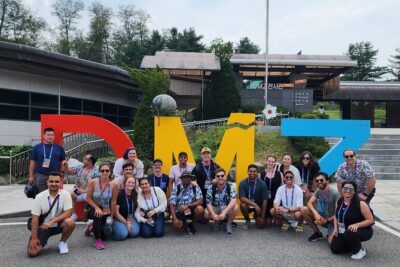
Best DMZ Tour Korea from Seoul (Red Suspension Bridge Optional)
Read the review →
DMZ Tour: 3rd Tunnel, Option(Suspension Bridge, Boat) from Seoul
Read the review →
DMZ tour south Korea from Seoul (NK experience hall, defector)
Read the review →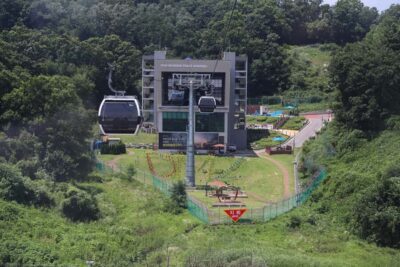
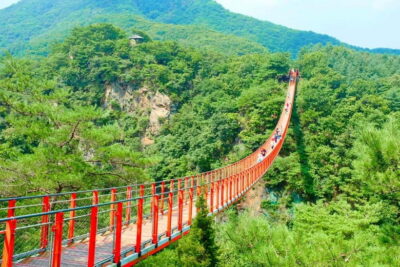
DMZ The 3rd Tunnel and Suspension Bridge Tour
Read the review →
Signature DMZ Tour: Exclusive Defector Talk & Suspension Bridge
Read the review →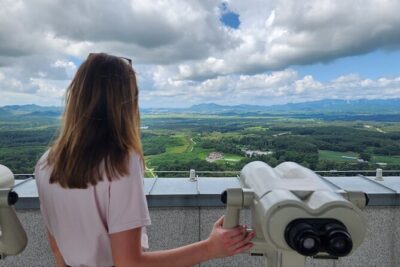
Thrilling Korean DMZ 3rd Tunnel Tour from Seoul + Red Bridge Rush
Read the review →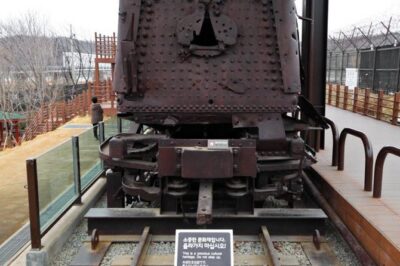
DMZ Past and Present: Korean Demilitarized Zone Tour from Seoul
Read the review →Browse the lists this tour appears in