
Reviewed · BUKCHON AND INSADONG WALKS
Seoul Royal Palace,Bukchon Hanok Village & Gwangjang Market Feast
Seoul’s past and present come together neatly on this three-and-a-half-hour tour: old hanok lanes, royal gates, presidential views, a ginseng stop, and a final plate of market food. It gives you a quick first look at several major sights without asking you to solve Seoul’s transport puzzle on your own.
I especially like the excellent price of $29 and the finish at Gwangjang Market, where you can try bindaetteok and mayak gimbap instead of ending at a monument. The main consideration is pace: Bukchon and the palace each receive about an hour, while the ginseng center takes 30 minutes and may feel like a sales stop to some people.
Key points to know before booking
- Bukchon comes first: Walk among traditional hanok houses in a 600-year-old neighborhood before the day gets too far along.
- The royal ceremony is included: On every day except Tuesday, you visit Gyeongbokgung Palace and see the Changing of the Guard at Gwanghwamun Gate.
- Tuesday follows another route: The tour visits Changdeokgung Palace and Insadong instead of Gyeongbokgung and the guard ceremony.
- Gwangjang Market is your food finale: The one-hour stop gives you time for Korean street food, browsing, and extra shopping.
- Guides shape the experience: Eva, Kelly, Sunny, and Gabby receive especially warm praise for storytelling, clear explanations, and personal care.
- The ginseng visit needs a clear head: You learn about Korean ginseng, but you are not required to buy anything.
A smart first morning in Seoul
At $29 per person, this tour offers a lot of coverage for a modest price. Admission to Gyeongbokgung is included, and an air-conditioned vehicle connects sights that are spread across central Seoul. You also get an English-speaking guide, which matters when palace buildings and rituals can otherwise blur together.
The tradeoff is that this is an overview, not a slow study of any one place. You will see the main sights, hear useful background, and get a taste of local food, but you will not have hours for every lane, hall, shop, or market stall.
The group limit is listed as 100 people, so the experience can potentially be large. At the same time, some departures have been much smaller. One couple on a layover ended up with a private tour, while another outing had only a handful of people. Do not count on that luck, but the possibility helps explain why guide quality matters so much.
You meet at either Myeongdong Subway Station Exit 8 or Seoul City Hall Subway Station Exit 6, depending on your booking instructions. The tour finishes either at Gwangjang Market or in Myeongdong. Confirm your assigned meeting point carefully, since the two stations are not the same.
More Bukchon and Insadong walks:
- Seoul: Gyeongbok Palace, Bukchon Village, and Gwangjang Tour
★ 4.9 · 2,321 reviews - Best Seoul City Tour (Gyeongbokgung Palace,Insadong,Namsan Tower)
★ 5.0 · 1,647 reviews - Seoul: Gyeongbok Palace, Bukchon Village, and Gwangjang Tour
★ 5.0 · 1,044 reviews
Bukchon Hanok Village and its sloping lanes
Bukchon Hanok Village is the most atmospheric stop at the beginning. Its name refers to the area north of the old city center, and the neighborhood is known for hundreds of traditional hanok houses connected by winding alleys. The buildings recall Seoul during the Joseon period, even though this is still a lived-in urban district.
You receive about an hour here. That is enough to walk through the main lanes, take photographs, and listen to your guide explain what makes hanok design different from ordinary modern housing. The neighborhood’s appeal is visual: tiled roofs, timber details, narrow streets, and views that change as you climb.
You should wear comfortable shoes. The route through Bukchon includes alleys and can involve slopes, so the stop is more active than a quick bus photo stop. The tour description says most people can participate, but anyone who dislikes walking should keep the pace in mind.
Bukchon is also a place where good manners matter. It is a residential neighborhood, not an open-air museum. Keep your voice down near homes, stay with the guide, and take photographs without blocking narrow passageways.
I like placing Bukchon near the start because it gives you a useful visual key for the rest of the day. After seeing traditional houses up close, the palace architecture and market streets make more sense. You begin with ordinary city life, not just grand monuments.
Gyeongbokgung, Gwanghwamun, and the Changing of the Guard
On days other than Tuesday, the tour continues toward Gwanghwa Square and Gwanghwamun Gate. Gwanghwa Square is a broad public space in central Seoul, used for rest, photographs, festivals, and other public events. It gives you a sense of how the capital frames its historic center with modern city life.
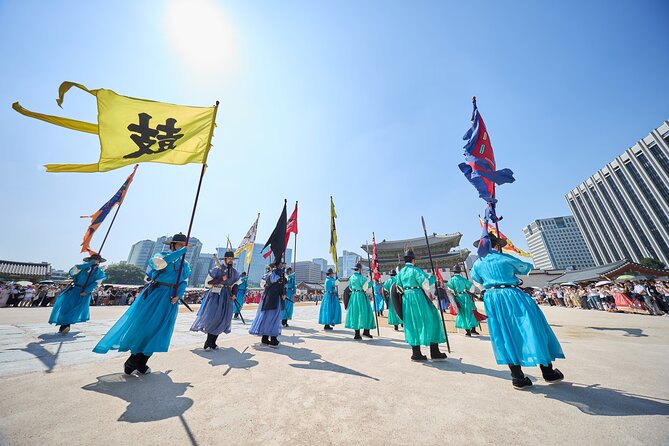
At Gwanghwamun Gate, you watch the Changing of the Guard ceremony. This is a reenactment rather than a working royal guard shift, but it remains a colorful way to see traditional uniforms, formal movement, and palace ceremony brought back into public view.
Timing matters here. The ceremony is one of the tour’s most anticipated moments, yet the exact experience depends on the day’s schedule and crowd conditions. The supplied tour details specifically promise the ceremony on the regular route, so this is one reason to avoid assuming Tuesday is interchangeable with other days.
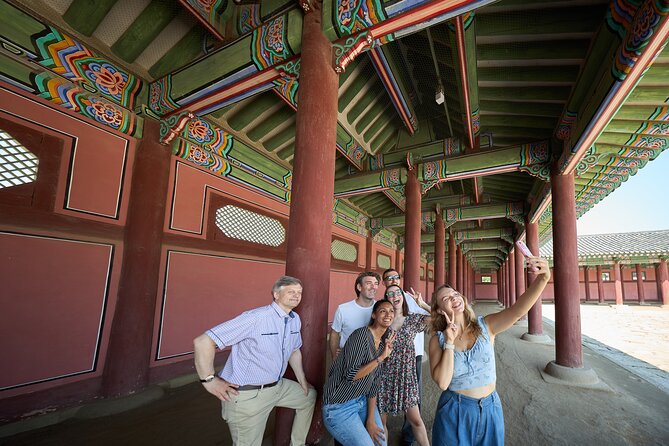
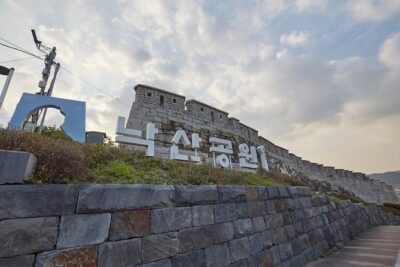
Gyeongbokgung Palace receives about an hour, with admission included. Built more than 600 years ago, it was the grandest royal palace of the Joseon Dynasty. The grounds include large courtyards, formal gates, halls, and rooflines that make the palace easy to remember even after a short visit.
An hour gives you a strong introduction, not a full palace study. Your guide can point out the major spaces and explain how the complex functioned, while you focus on the broad views and architectural details. If you are especially interested in Korean royal history, you may want to return independently for a longer visit after the tour.
Several of the strongest guide comments center on this part of the route. Eva is praised for warmth and clear explanations, while Kelly receives repeated praise for storytelling, communication, and remembering people in her group. Those qualities are practical, not merely pleasant: a guide who keeps everyone together and explains what you are seeing makes a short palace visit far more useful.
The Blue House and a view of modern Korea
The vehicle passes by the Blue House, Korea’s former Presidential residence. It sits against Bugaksan Mountain and offers a good photo view from the route, but this is a pass-by rather than a full interior visit.
That distinction matters. You should expect a glimpse from the vehicle and a chance for scenic photographs, not a tour of the building. Still, the stop adds a modern political chapter to a route otherwise centered on royal Korea and traditional neighborhoods.
The sequence works well. Bukchon shows historic residential Seoul, Gyeongbokgung shows royal Seoul, and the Blue House connects the city’s older identity with its recent government past. You get this context without spending extra time changing vehicles or navigating between districts.
More Hanok Village Tours in Seoul:
- Seoul City Sightseeing Tour Including Gyeongbokgung Palace, N Seoul Tower, and Namsangol Hanok Village
★ 5.0 · 1,423 reviews - Seoul: Gyeongbok Palace and Bukchon Hanok Walking Tour
★ 4.8 · 157 reviews - Best Walking Tour to Gyeongbok Palace Bukchon Hanok Village
★ 5.0 · 138 reviews - Experience Korean Cooking in Modern Hanok Kitchen
★ 5.0 · 118 reviews
The Tuesday alternative: Changdeokgung and Insadong
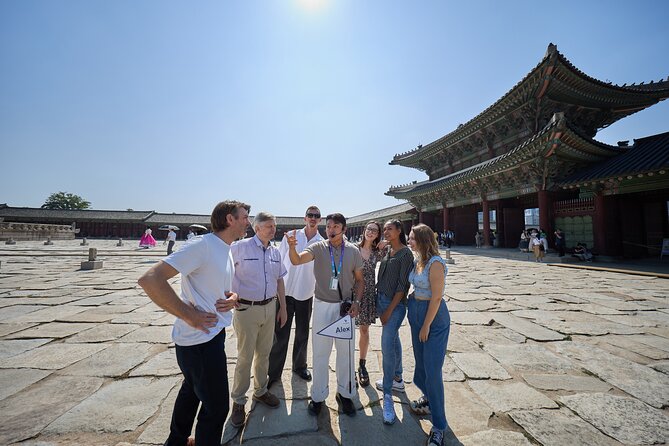
Tuesday is not simply a reduced version of the regular tour. The route changes to Changdeokgung Palace and Insadong, replacing Gyeongbokgung Palace, Gwanghwa Square, Gwanghwamun Gate, and the guard ceremony.
Changdeokgung is a UNESCO World Heritage site and was built in 1405 during the Joseon period. Its design is known for working with the natural setting rather than forcing every building into a rigid formal plan. You receive the palace stop as part of the same overall schedule, though the exact amount of free time remains about an hour for the main palace visit.
Insadong brings you to a traditional arts and shopping district with antique shops, handmade crafts, tea houses, art galleries, and street food. It is a better fit if you want crafts and old-style commercial Seoul, while the regular route is the better choice if the guard ceremony is a priority.
Check the day before booking. If you have only one day in Seoul and specifically want Gyeongbokgung, do not select Tuesday by accident. On the other hand, Changdeokgung and Insadong are not a poor substitute. They offer a different look at Korean architecture and traditional culture.
The Cheongha Korean Ginseng Center
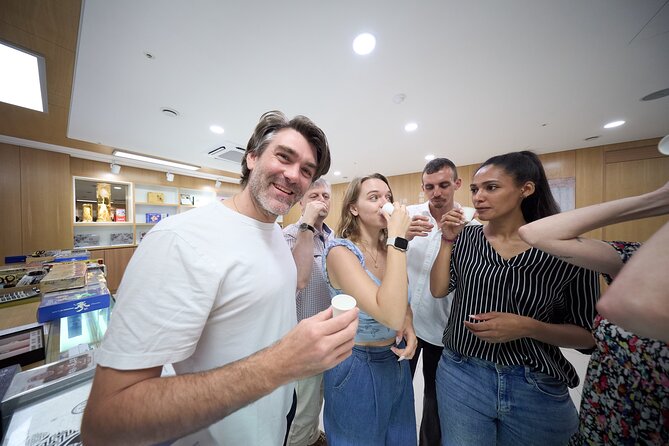
The 30-minute visit to the Cheongha Korean Ginseng Center explains the place of Korean ginseng, called insam, and its claimed health benefits. Ginseng is a major Korean product, and this stop gives you context for its cultural and commercial importance.
It is also the least universally appealing part of the tour. One strong negative assessment called the ginseng visit a tourist trap and warned against buying products there. I would treat the stop as an educational presentation, not as a shopping obligation.
You can listen, ask questions, and decide for yourself. If you are considering a purchase, take your time and remember that the tour’s value does not depend on buying anything. The short duration limits how much it can interrupt the day, but people who prefer a strictly sightseeing-focused route may still find it unnecessary.
The guide can make a difference here. Sunny is praised for adjusting the experience to a group and giving extra personal attention, while Gabby is described as friendly and careful with explanations. A guide who makes clear what is optional helps keep a commercial stop from taking over the tour.
Gwangjang Market, where the day gets delicious
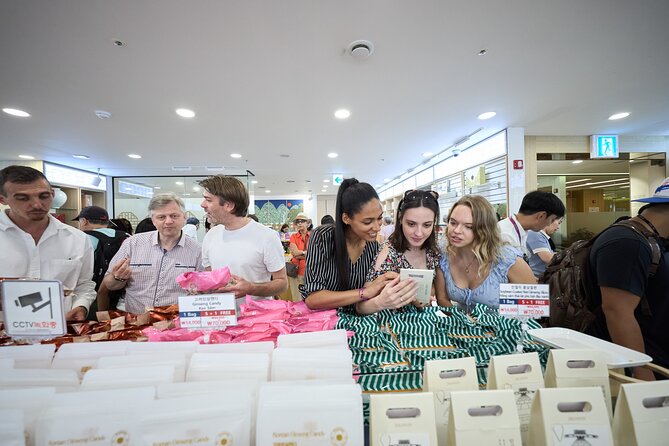
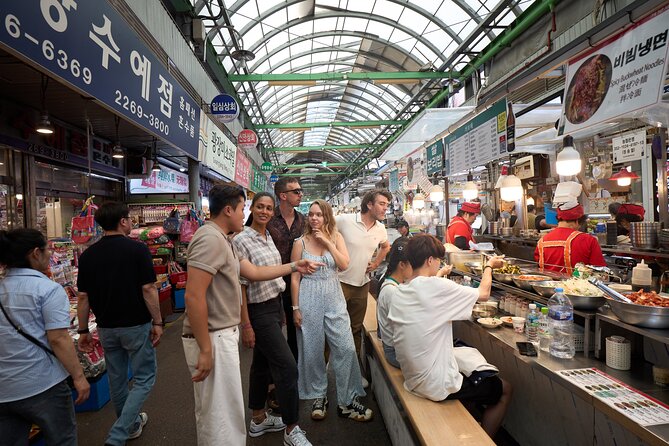
The tour ends at Gwangjang Market, Seoul’s oldest traditional market, established in 1905. This is the most hands-on part of the route. Instead of looking at history from behind a rope, you choose what to eat, watch food being prepared, and decide how long to linger.
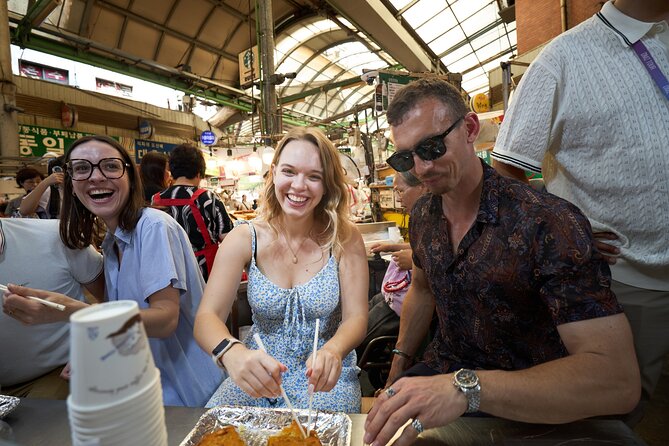
You receive about an hour here. The food cost is not included, so bring money for your own meal and snacks. The tour specifically points you toward bindaetteok, a crisp mung bean pancake, and mayak gimbap, small seaweed rice rolls. You can also look for tteokbokki and other familiar Korean market foods mentioned in the tour material.
The market is an excellent ending because you are not rushed straight back to a hotel. The listed drop-off options allow you to finish at Gwangjang Market, giving you extra time for food, souvenirs, local clothing, and browsing. If you prefer, you can continue to Myeongdong, where you will find shopping, beauty products, Korean street food, and Myeongdong Cathedral.
I would choose the market drop-off if food is your main reason for booking. Use the final hour to split dishes with your group, since that lets you sample more than one item. If you are tired, crowded markets can feel intense, but the freedom to leave the tour at the market gives you useful flexibility.
Guides are the tour’s strongest asset
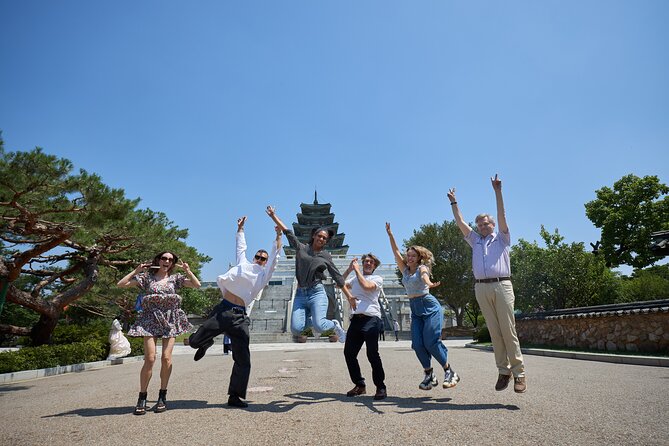
The guide roster changes, so you cannot select Eva, Kelly, Sunny, or Gabby unless the company confirms that in advance. Still, these names point to the style of service you may receive: personal, clear, and story-led rather than a simple march from stop to stop.
Eva receives especially strong praise for warmth, cultural explanations, and handling an early mix-up. Kelly is repeatedly singled out for storytelling and for keeping everyone engaged. Sunny is praised for going beyond the basic schedule for a group of six women, and Gabby is described as friendly, welcoming, and detailed.
Moon receives a more mixed overall assessment, but the useful point is that the guide was still described as informative about Korean culture. The tour’s current score is 4.7 out of 5, with 94 percent recommending it, though that rating is based on only 16 posted assessments. I would see it as encouraging, not a guarantee.
There was also a small booking problem on one departure that the company resolved with an accommodation. Arrive at the correct subway exit, keep your confirmation available on your phone, and ask for help promptly if the group is not obvious.
Value, pace, and who should book
At $29, this is strong value if you want a guided introduction to central Seoul. Palace admission is included, transportation is by air-conditioned vehicle, and the route covers four very different experiences: traditional housing, royal architecture, Korean ginseng, and market food.
The value drops if you already know Bukchon and Gyeongbokgung well, or if you want a long, quiet palace visit. You are paying for coverage and convenience, not depth. The 3-hour-30-minute schedule is best for first-time visitors, short stays, and people with a layover who want a guided snapshot of Seoul.
I would also recommend it to you if food is part of your sightseeing plan but you do not yet know what to order at Gwangjang Market. The guide can give the market context, and you still have time to make your own choices.
Families and most people who can manage ordinary city walking should be able to participate. The group may be large, and the day includes time on foot in Bukchon and around the palace. A mobile ticket makes entry and confirmation simple, but you should still check whether your departure begins at Myeongdong Exit 8 or City Hall Exit 6.
Free cancellation is available if you cancel at least 24 hours before the start time. Changes or cancellations inside that window are not accepted for a refund.
Should you book this Seoul tour?
Book it if you want an affordable, well-packed first look at Seoul and you value a guide who can explain what you are seeing. The palace, guard ceremony, Bukchon lanes, and Gwangjang Market make a satisfying combination, and the food finale gives the day a local finish.
Think twice if you dislike commercial stops or want complete control over your time. The ginseng center is the one part I would approach cautiously, and the schedule leaves limited room for lingering.
Before paying, check the weekday. Choose the regular route for Gyeongbokgung and the Changing of the Guard. Choose Tuesday if Changdeokgung and Insadong sound more appealing. For most first visits, the $29 price makes this a sensible orientation tour, especially when a good guide such as Eva, Kelly, Sunny, or Gabby is leading the group.
FAQ
How long does the tour last?
The tour lasts approximately 3 hours and 30 minutes.
How much does the tour cost?
The listed price is $29 per person.
Where does the tour begin?
You meet at either Myeongdong Subway Station Exit 8 or Seoul City Hall Subway Station Exit 6, according to your booking instructions.
Where does the tour finish?
The tour can finish at Gwangjang Market or in Myeongdong.
Is transportation included?
Yes. Transportation is provided in an air-conditioned vehicle.
Is the palace admission fee included?
Yes. Admission is included for the palace visit on the route.
What happens on Tuesdays?
On Tuesdays, the tour visits Changdeokgung Palace and Insadong instead of Gyeongbokgung Palace and the Changing of the Guard ceremony.
Is the food at Gwangjang Market included?
No. Meals are not included, so you pay separately for food and drinks at the market.
What food can I try at Gwangjang Market?
The tour highlights bindaetteok and mayak gimbap, and it also mentions tteokbokki and other Korean street foods.
Can I cancel for a full refund?
Yes, if you cancel at least 24 hours before the experience start time. Cancellations or changes made less than 24 hours in advance are not refundable.
More shopping trips in Seoul
- Private DMZ Tour (No Shopping): 3rd Tunnel & Suspension Bridge
★ 5.0 · 607 reviews - Seoul: Korean Cooking Class at a Local Home and Market Tour
★ 5.0 · 348 reviews - Seoul: Guided Food & Market Tour with 8+ Tastings
★ 4.9 · 342 reviews - Seoul Night Palace & Market Food Tour with Vehicle
★ 5.0 · 275 reviews
More Market Tours in Seoul
- Seoul Street Food Market Tour
★ 5.0 · 1,226 reviews - Local Home Korean Cooking Class & Market Adventure in Seoul
★ 5.0 · 1,024 reviews - Seoul: Night Market Food Tour with Local Guide
★ 4.9 · 943 reviews - Downtown Seoul Guided Food & Market Tour with 8+ Local Tastings
★ 5.0 · 580 reviews
Recently added around Seoul
- Nami & Maple Road & Theatre des Lumieres Day Tour from Seoul★ 4.8 · 4 reviews
- Gyeongbokgung Palace Photo Session with your own phone★ 5.0 · 4 reviews
- Private Tour around Suwon UNESCO Fortress and Korea Folks Village★ 4.5 · 4 reviews
- Jisan Forest Resort: Ski Full-Day Tour or Shuttle from Seoul★ 5.0 · 4 reviews
- N Seoul Tower + Namsan Cable Car Ticket (Collect in Myeongdong)★ 3.5 · 4 reviews
- Seoul: Deoksugung Palace Night Tour★ 4.5 · 4 reviews
- Seoul Private Walking Tour with a Local★ 5.0 · 4 reviews
- Private Jeonju Hanok Village – Culinary tour★ 5.0 · 4 reviews
Bukchon and Insadong Walks, compared.
Gyeongbok Palace, Bukchon Village, and Gwangjang Tour
Read the review →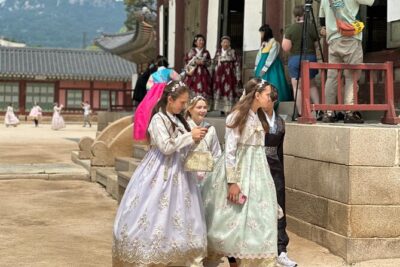
Best Seoul City Tour (Gyeongbokgung Palace,Insadong,Namsan Tower)
Read the review →Gyeongbok Palace, Bukchon Village, and Gwangjang Tour
Read the review →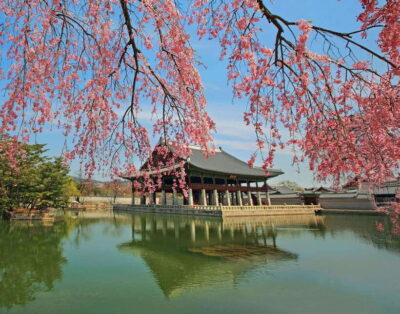
Seoul Highlights: Gyeongbok Palace, Insadong & N Seoul Tower
Read the review →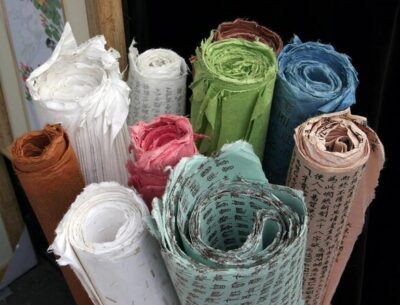
Korean Palace and Market Tour in Seoul Including Insadong and Gyeongbokgung Palace
Read the review →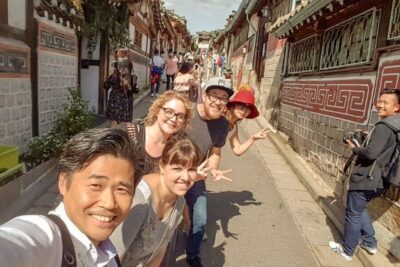
Gyeongbok Palace and Bukchon Hanok Walking Tour
Read the review →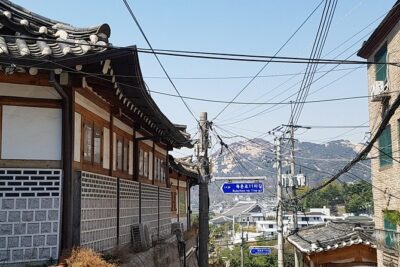
Best Walking Tour to Gyeongbok Palace Bukchon Hanok Village
Read the review →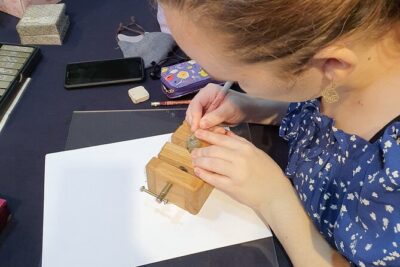
Carve Your Personal Korean Stone Seal with Jeongju in Insadong
Read the review →Browse the lists this tour appears in