
Reviewed · SEOUL TOURS
Seoul Food: Banchan, Bibimbap, and Beyond
Seoul’s food story is really a story of adaptation. On this five-hour walk, you connect Korean flavors with the outside influences that helped shape them, then see how Seoul made those ideas its own. You may eat at family-run spots, visit markets, and finish with a drink at a tent bar, all while moving through Dongdaemun and Jongno.
I like the way food and history are tied together, rather than treated as separate sightseeing subjects. I also like the personal feel: Eunice is the guide named in the tour’s guest feedback, and her style includes stories about cooks, food traditions, and everyday Seoul. The main consideration is that this is a walking tour with no private transportation, so comfortable shoes and an appetite matter.
Key points to know before booking
- Five hours of eating and walking: This is a full afternoon and evening outing, not a quick tasting stop.
- Eunice brings the history to the table: Her explanations connect Korean cuisine with culture, trade, outside influences, and family traditions.
- Backstreet food is the main event: Expect traditional restaurants, markets, snacks, and local eating places rather than a polished restaurant crawl.
- The route mixes major sights with local flavor: You see Dongdaemun Gate, DDP, Cheonggyecheon Stream, Gyeongbokgung Palace, and Bukchon Hanok Village.
- Dinner, snacks, drinks, and water are included: The $195 price is easier to justify if you want a substantial food experience, not just a few samples.
- It is private for your group: You are not placed with a large general tour, which gives the day a more flexible and conversational feel.
Why this Seoul food walk feels different
Many food tours keep you inside restaurants. This one uses Seoul itself as the dining room. The route passes historic gates, a futuristic design center, a restored stream, a royal palace, and traditional homes. Food gives those places a reason to connect.
That approach is useful when you are new to Seoul. Instead of tasting an unfamiliar dish with no context, you hear how Korea has borrowed ideas from Chinese, Japanese, and Western traditions, then reshaped them through local ingredients, customs, and pride. The subject is not only what is on the plate. It is why the plate looks and tastes that way.
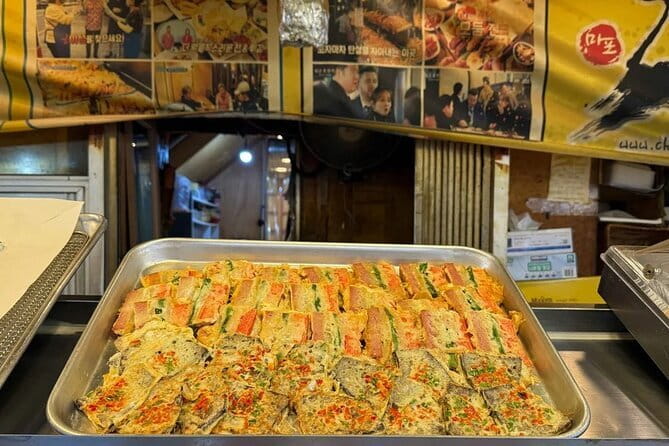
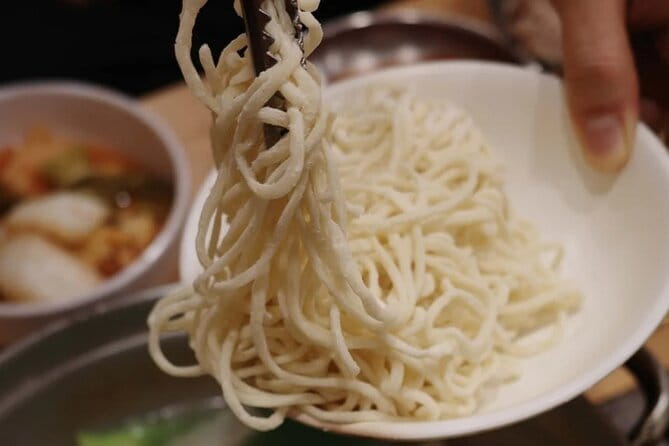
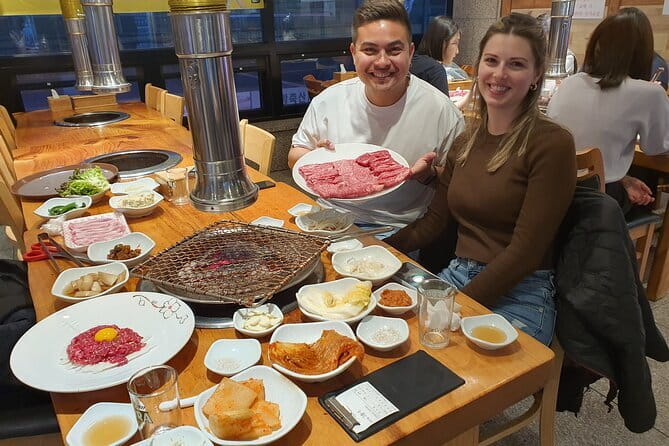
The food can be plentiful. Past descriptions of the experience include hearty chicken noodle soup, Korean beef served in several ways, steak tartare, banchan, snacks, and a special sauce that made a strong impression. The exact dishes can vary, so you should not book this expecting a fixed menu. Book it for range, local settings, and the chance to understand what you are eating.
More Food Tours in Seoul:
- Seoul Street Food Market Tour
★ 5.0 · 1,226 reviews - Seoul: Night Market Food Tour with Local Guide
★ 4.9 · 943 reviews - Downtown Seoul Guided Food & Market Tour with 8+ Local Tastings
★ 5.0 · 580 reviews
Starting at Dongdaemun Gate
The meeting point is outside JW Marriott Dongdaemun Square Seoul at 1:00 pm. From there, the walk begins near Heunginjimun, better known as Dongdaemun Gate.
This is one of Seoul’s Eight Gates. Built in the late fourteenth century, it once marked a major entrance through the city’s defensive wall system. It gives the tour an early dose of Seoul’s older identity, before you move into the city’s modern shopping, design, and food districts.
I like beginning here because it gives you a useful visual contrast. Seoul is often presented through skyscrapers, neon, cafés, and technology, but Dongdaemun Gate reminds you that this has long been a strategic and important capital city. Your guide can use the site to explain how the city grew around its gates and major routes.
The planned time here is about one hour, although the overall pace may depend on food stops and walking conditions. There is no admission charge for the gate. You should expect an outdoor visit, with some time spent walking and listening rather than entering a paid attraction.
From old stonework to Zaha Hadid’s DDP
A short distance away, Dongdaemun Design Plaza changes the visual mood completely. Designed by Zaha Hadid, DDP is a sweeping modern structure used for exhibitions, fashion events, and cultural programs.
You get about 30 minutes here. That is enough for a look at the unusual curves, broad open areas, and photo-friendly architecture, but not enough for a detailed museum visit or a full exhibition program. Admission to the stop is free, though special events at the center are not part of the tour information.
This stop fits the tour’s main idea. Korea does not simply preserve its past or copy outside trends. It often mixes old and new, then turns the result into something recognizably Korean. DDP gives you that idea in concrete and steel before the food portion makes the same point through flavor.
If you are hoping for a long design tour, this will feel brief. If you enjoy having a striking landmark folded into a food walk, the half-hour stop is well judged.
Walking beside Cheonggyecheon Stream
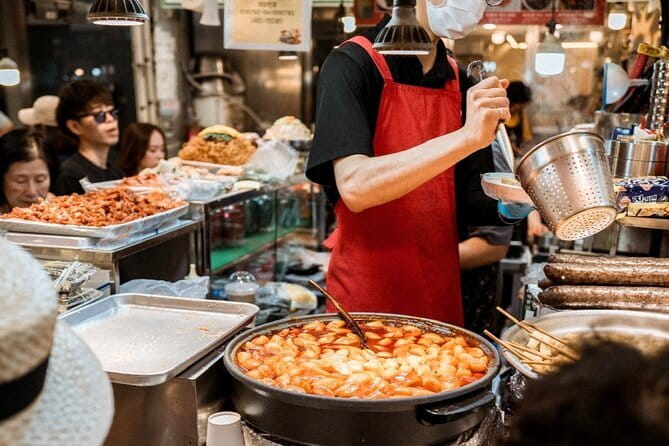
The route then follows Cheonggyecheon Stream, which runs through both Dongdaemun and Jongno. The planned visit lasts about one hour.
This is the quieter part of the outing. The water, paths, and city lights give you a break between stops and a chance to let the meal settle. The stream is especially appealing later in the day, when lighting reflects on the water. Since the tour begins in the afternoon, the exact atmosphere will depend on the season and the pace of the group.
This stop also helps you understand Seoul as a city of layers. You are still surrounded by the capital, but the stream creates a calmer corridor through it. That change of pace matters on a five-hour food experience. Without pauses, a long tasting tour can become a blur of dishes and explanations.
The stream is not a food stop, and that is part of its value. You are given room to talk with your guide, ask questions, and prepare for the next meal rather than being rushed from one bite to another.
A few more Seoul half-days to weigh up
- Seoul: Guided Food & Market Tour with 8+ Tastings
★ 4.9 · 342 reviews - Small-Group Night Food Tour in Seoul with Korean BBQ
★ 5.0 · 304 reviews - Seoul Night Palace & Market Food Tour with Vehicle
★ 5.0 · 275 reviews - Seoul Fun Food Tour: 12 different food tastings
★ 5.0 · 266 reviews
Royal Seoul at Gyeongbokgung Palace
Gyeongbokgung Palace is the grand historical stop on the route. It was the main royal palace of the Joseon Dynasty and remains one of the city’s best-known landmarks.
The planned visit is one hour, with no admission ticket listed as part of the tour. The palace grounds include formal architecture and gardens, giving you a strong sense of the scale and order of the royal center.
Here, the food discussion gains context. Korean cuisine did not develop in isolation from politics, class, agriculture, or court life. The palace helps you picture the institutions and traditions that shaped the country’s food customs, even though this experience is not presented as a specialist palace tour.
The practical catch is time. Gyeongbokgung is large, and one hour will give you a worthwhile introduction rather than a complete visit. If the palace is a major priority for you, plan a separate return visit. On this tour, it works best as part of a larger story.
A brief look at Bukchon Hanok Village
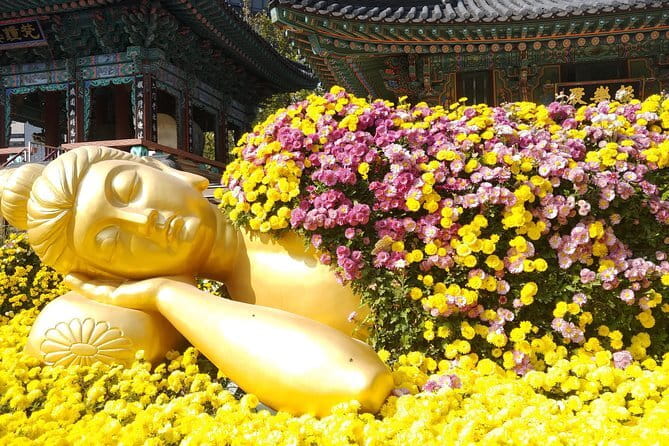
The final listed sightseeing stop is Bukchon Hanok Village, a traditional neighborhood in central Seoul. Its narrow lanes and preserved hanok houses offer a look at the city before modern construction reshaped much of the center.
The planned time is about 30 minutes. That makes this a quick orientation, not a full neighborhood exploration. You may get a few attractive views and a sense of the residential character, but you should not expect to cover every lane.
Bukchon is also a place where good manners matter. It is a living neighborhood, not an outdoor stage. Keep your voice down, follow your guide’s lead, and avoid treating private doorways as photo props.
Ending the sightseeing route here makes sense. You have moved from an old city gate, through futuristic design and a restored stream, to the royal center and traditional homes. The sequence gives the food stories a physical setting. Seoul’s past is not locked away in one district. It keeps appearing beside the city’s newest ideas.
What you may eat along the way
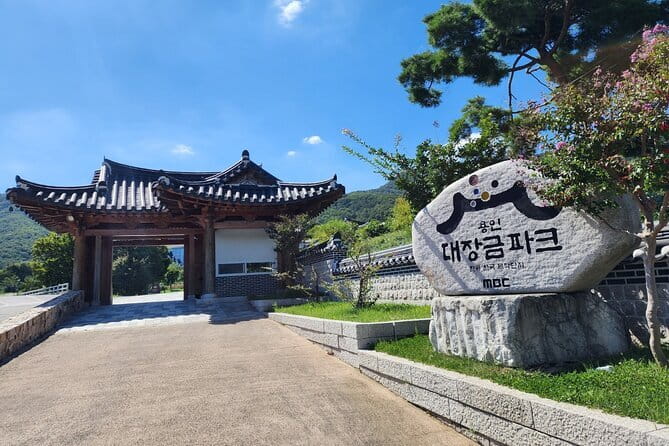
The title points to banchan and bibimbap, but the experience goes beyond those familiar dishes. Banchan are the small side dishes served with Korean meals, and they are central to understanding how a Korean table works. Instead of one large plate doing all the work, a meal can offer many tastes and textures at once.
Bibimbap is another useful entry point. Its mixture of rice, vegetables, sauce, and other toppings shows how a simple base can become a full meal through balance and seasoning. Your guide can help you see the difference between knowing a dish by name and understanding how it fits into Korean dining.
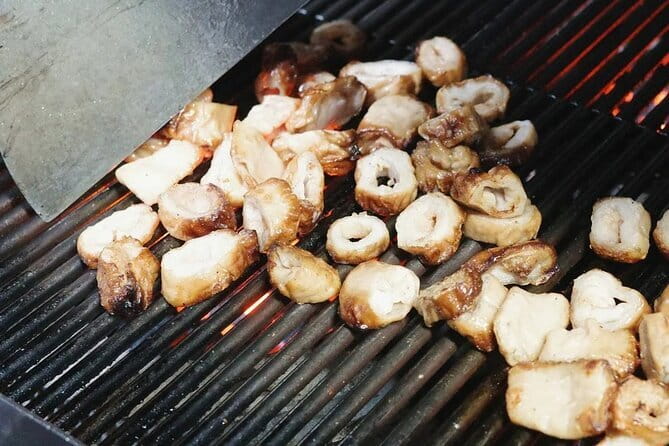
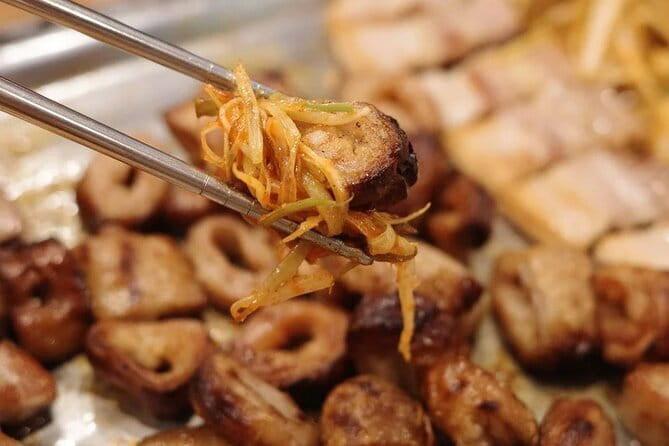
The included food is broader than those two examples. You may encounter traditional sit-down meals, family-run backstreet restaurants, Korean beef, chicken noodle soup, steak tartare, snacks, and alcoholic drinks. One particularly praised pairing involved steak tartare and a special sauce. The food is described as tasty and generous, though not every dish is expected to be visually dramatic.
That last point is worth taking seriously. This is not a glossy food photography tour. Some of the best stops may look plain from the outside or serve food in a simple setting. The reward is flavor, familiarity, and a closer look at how people actually eat.
The tour also has a social side. You may meet the people who cook the food and hear something about their stories. That can make a simple bowl of soup or plate of beef feel more connected to Seoul’s working neighborhoods.
Why the guide matters
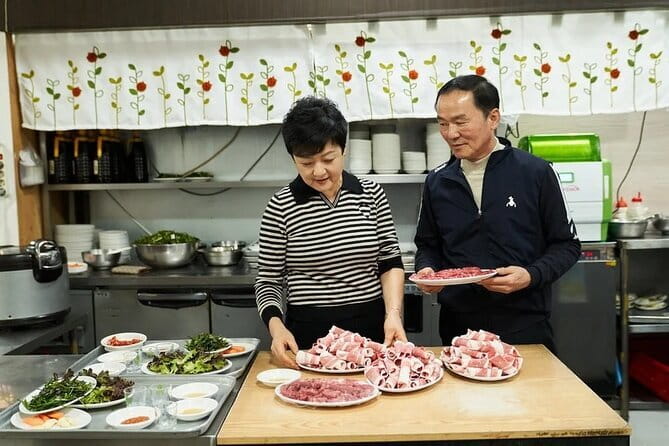
Eunice is the named guide associated with the experience, and the strongest praise centers on her warmth, wit, and ability to link food with Korean culture. That is important here because the route covers a lot of ground and the food list is not fixed.
A good guide makes unfamiliar dishes easier to approach. Eunice’s role is not only to point out ingredients. She explains how history affected Korean culture and cuisine, describes the role of traditional restaurants, and helps you understand what makes a place special.
The tone appears more like spending time with a well-informed local than following a rigid lecture. The small private format helps. Your own group takes part, so questions and conversation should feel more natural than they would on a large coach tour.
The guide can also adapt the day’s feel. Past outings have included a record store and a tent bar alongside markets and restaurants. Those extras show that the experience is built around local culture, not only a checklist of dishes. Still, you should treat those details as possible features rather than guaranteed stops, since only the five main sightseeing locations are formally listed.
Is $195 a fair price?
At $195 per person, this is not a budget food walk. The value depends on how you use it.
You are paying for about five hours, a private guide, dinner, snacks, alcoholic beverages, bottled water, and a food program that can include several substantial meals. You also get a guided introduction to major parts of Seoul, including Dongdaemun, Jongno, the palace area, and Bukchon.
If you only want a few bites and a quick explanation, the price will feel high. You could eat more cheaply on your own. But doing so would not give you the same connected route, personal guidance, or access to the stories behind family-run places.
I see the strongest value for a first visit, a solo trip, or anyone who feels unsure about ordering Korean food independently. It can help you learn what you like early in your stay, then return to restaurants and markets with more confidence.
The inclusion of alcohol also matters. If you do not drink, part of the package may have less value to you. The tour does include bottled water, and you can still focus on the food and cultural material.
Walking, timing, and practical comfort
The tour starts at 1:00 pm and ends back at the meeting point. Since there is no private transportation, you should expect walking between the sights and eating locations. The itinerary adds up to several hours on foot, with outdoor stops and intervals between meals.
Wear shoes you can trust. Seoul’s streets and paths are easy to navigate in many areas, but five hours is a long time to spend standing and walking while eating. Bring a light layer if the weather may change, especially because the experience begins in the afternoon and can continue into the evening.
The meeting point near public transportation is useful, particularly if you are coming from another part of Seoul. Mobile tickets make arrival simple. Confirmation is provided when you book.
Most people can take part, but the information does not give a detailed accessibility assessment. If you have specific mobility or dietary needs, ask the provider before booking rather than assuming every restaurant and route section will suit you.
Free cancellation is available up to 24 hours before the start time. Changes or cancellations inside that window are not accepted for a refund. The tour also requires a minimum number of participants, although it is private once confirmed for your group.
Who should book this experience?
I would choose this tour if you want Seoul explained through food instead of through a standard sightseeing circuit. It is particularly suitable for first-time visitors, curious eaters, couples, families, and solo visitors who want a friendly introduction to the city.
The family feedback suggests it can work for an 11-year-old, though appetites and tolerance for unfamiliar flavors vary. The generous amount of food may also suit people who prefer a full meal experience to tiny tasting portions.
You may want another tour if you dislike walking, want a strict menu, or care more about high-end restaurants than traditional backstreet dining. You should also avoid booking it as your only visit to Gyeongbokgung or Bukchon, since both receive limited time.
Should you book Seoul Food: Banchan, Bibimbap, and Beyond?
Book it if you want food, history, and neighborhood life tied together in one afternoon. The best parts are the private format, Eunice’s engaging approach, the variety of dishes, and the chance to eat in traditional places rather than only polished restaurants.
Skip it if you are looking for a cheap tasting tour, a detailed palace visit, or guaranteed access to a particular dish. At $195, the experience earns its price through time, dinner, drinks, guidance, and context.
For a first taste of Seoul, I think it is a strong choice. Come hungry, wear good shoes, and leave room for food you may not recognize at first glance.
FAQ
How long does the Seoul food tour last?
The experience lasts approximately five hours.
What time does the tour begin?
The tour starts at 1:00 pm local time.
Where does the tour meet?
It begins at JW Marriott Dongdaemun Square Seoul, 279 Cheonggyecheon-ro, Jongno District, Seoul, South Korea.
Where does the tour end?
The activity ends back at the meeting point.
Is transportation included?
No. Private transportation is not included, so you should expect to walk between the stops.
What is included in the price?
The price includes a licensed guide, alcoholic beverages, bottled water, dinner, and snacks.
Is this a private tour?
Yes. Only your group participates in the activity.
Can I cancel for a full refund?
Yes, if you cancel at least 24 hours before the experience starts. Cancellations or changes made less than 24 hours before the start time are not accepted for a refund.
Recently added around Seoul
- Nami & Maple Road & Theatre des Lumieres Day Tour from Seoul★ 4.8 · 4 reviews
- Gyeongbokgung Palace Photo Session with your own phone★ 5.0 · 4 reviews
- Private Tour around Suwon UNESCO Fortress and Korea Folks Village★ 4.5 · 4 reviews
- Jisan Forest Resort: Ski Full-Day Tour or Shuttle from Seoul★ 5.0 · 4 reviews
- N Seoul Tower + Namsan Cable Car Ticket (Collect in Myeongdong)★ 3.5 · 4 reviews
- Seoul: Deoksugung Palace Night Tour★ 4.5 · 4 reviews
- Seoul Private Walking Tour with a Local★ 5.0 · 4 reviews
- Private Jeonju Hanok Village – Culinary tour★ 5.0 · 4 reviews
Seoul Tours, compared.
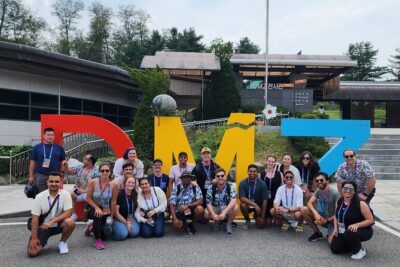
Best DMZ Tour Korea from Seoul (Red Suspension Bridge Optional)
Read the review →
DMZ Tour: 3rd Tunnel, Option(Suspension Bridge, Boat) from Seoul
Read the review →
DMZ tour south Korea from Seoul (NK experience hall, defector)
Read the review →
DMZ The 3rd Tunnel and Suspension Bridge Tour
Read the review →
Signature DMZ Tour: Exclusive Defector Talk & Suspension Bridge
Read the review →
Thrilling Korean DMZ 3rd Tunnel Tour from Seoul + Red Bridge Rush
Read the review →
DMZ Past and Present: Korean Demilitarized Zone Tour from Seoul
Read the review →Browse the lists this tour appears in