
Reviewed · SEOUL TOURS
Korean Grandma Cooking Class l Gimbap & Kimchi Pancake l Seoul
The best part of this Seoul cooking class is the setting: Grandma Sharon’s actual home, not a polished cooking studio built for tourists. You’ll drink welcome tea, see how a Korean home is arranged, and learn to make gimbap and kimchi pancakes with the person who knows these dishes best.
I like the personal scale and the chance to make your own food from start to finish. I also like that children can take part. Grandma Sharon is patient, speaks good English, and helped make the class a favorite experience for two children, ages 9 and 11.
The main consideration is the meeting point. You must reach Meritz Fire Insurance Training Center in Ui-dong, Gangbuk-gu, for the 11:00 am start, and the class ends back there. Check your route carefully before booking, especially if your Seoul plans are based in the central tourist districts.
Key points to know before booking
- Grandma Sharon teaches in her own Seoul home, giving the class a personal setting rather than a commercial school.
- You make two Korean dishes yourself: gimbap and kimchi pancakes using Grandma’s kimchi.
- The 2.5-hour schedule includes welcome tea, a home tour, cooking, food, stories, and a photo with Grandma.
- The private format suits families and small groups, since only your party participates.
- Children are welcome, with ages 9 and 11 specifically enjoying the class.
- The price is $52 per person, with free cancellation up to 24 hours before the 11:00 am start.
Entering a Korean home in Ui-dong
This class begins at 11:00 am at Meritz Fire Insurance Training Center, 92 Ui-dong, Gangbuk-gu, Seoul. The activity is near public transportation, but the supplied details do not give a specific subway exit or walking route, so I would check the map before the morning of your booking.
That meeting point matters because this is not simply a cooking lesson held in a rented room. You go to a local home and get a small look at everyday Seoul life. The home itself is part of the lesson, and the setting gives the food a human context.
You will not be touring a museum or a grand traditional residence. Instead, Grandma guides you through an ordinary Korean living space, showing how the home is arranged and explaining traditional kitchen features and family items. The appeal is its simplicity. You get a glimpse of how people live, rather than a staged display designed only for photographs.
The experience is private, so only your group takes part. That makes it easier to ask questions, work at your own pace, and talk with Grandma Sharon without trying to keep up with a large class. It also makes the class a good fit for families who want a shared activity instead of another stop where children are expected to look quietly and listen.
More Cooking Classes in Seoul:
- Local Home Korean Cooking Class & Market Adventure in Seoul
★ 5.0 · 1,024 reviews - Master Korean traditional cooking with a Kimchi chef
★ 5.0 · 385 reviews - Seoul: Korean Cooking Class at a Local Home and Market Tour
★ 5.0 · 348 reviews
Welcome tea before the cooking begins
Once you settle in, Grandma serves welcome tea. This first pause is useful. You have time to meet the people in your group, adjust to the home, and begin talking before the practical work starts.
The tea is not a separate sightseeing stop. It is a gentle introduction to the host and to the rhythm of the afternoon. Grandma can share stories about her family and Korean life, while you can explain where you come from and what brought you to Seoul.
That personal exchange is one of the strongest reasons to choose this class over a standard cooking lesson. A commercial school may offer more equipment or a larger menu, but this setting gives you direct contact with one host and her family recipes.
The language question is also less worrying than it may first seem. Grandma Sharon’s English was described as good, and her teaching style was patient and skilled. You should still expect a personal class rather than a formal culinary lecture, but basic communication is not presented as a major barrier.
A short home tour with everyday details
Before cooking, Grandma shows you around her home. She shares details about Korean living spaces, kitchen arrangements, and family heirlooms. The tour is brief, but it gives you a useful frame for the meal that follows.
Food in Korea is closely tied to home life. Seeing the kitchen and living areas first helps you understand that gimbap and kimchi pancakes are not just menu items. They are familiar foods prepared in domestic settings, often shared with family or made for practical meals.
You might find this part more interesting than a formal cultural talk because it stays close to ordinary life. The tour does not promise a large collection of antiques or a full history lesson. Its value is the chance to ask about what you can actually see around you.
For children, this short tour provides a change of pace before the cooking starts. For adults, it adds context without taking over the class. The focus remains on meeting Grandma and preparing lunch.
Making gimbap one roll at a time
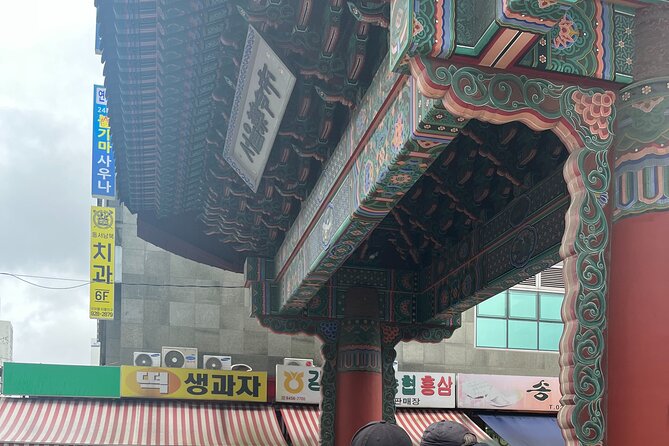
The first cooking task is gimbap. Grandma teaches you how to prepare it in a Korean home style, and you make your own roll rather than simply watching her demonstrate.
Gimbap is especially well suited to a hands-on class. The finished roll looks tidy and simple, but getting the shape right takes coordination. You have to place the ingredients, manage the seaweed and rice, and roll everything firmly enough to hold together.
That process gives you a clear sense of accomplishment. You can see the dish change from separate ingredients into something ready to slice and share. The lesson is practical, and you leave with a method you can remember rather than only a photograph of a finished plate.
The supplied details do not list every filling or ingredient, so you should not expect a fixed menu beyond gimbap itself. The important point is that Grandma teaches the technique and lets you do the work. If you have children in your group, this is likely to be one of the most engaging parts because each person can take an active role.
The class is not presented as advanced chef training. You are learning a familiar Korean dish through Grandma’s approach, with guidance as you go. That makes it suitable for beginners and for families who want cooking to be part of their Seoul sightseeing.
More hands-on workshops in Seoul:
- Yongpyong Ski Resort from Seoul with Optional Lesson and Packages
★ 5.0 · 217 reviews - Seoul: Kpop Dance Class Including Video Shooting & Editing
★ 4.8 · 185 reviews - Seoul: Taste of Korea, Authentic Home Style Cooking Class
★ 4.9 · 166 reviews - Seoul: Perfume-Making Workshop in a Hanok
★ 4.9 · 110 reviews
Turning Grandma’s kimchi into a pancake

Next comes the kimchi pancake. Grandma provides her kimchi, and you use it to make the pancake yourself.
This dish offers a different kind of cooking task from gimbap. Gimbap is about careful assembly and rolling. The pancake is about combining the ingredients and cooking the mixture into a finished dish. Preparing both gives the class a good balance of skills.
The kimchi also adds a direct link to Grandma’s own kitchen. You are not only following a generic recipe copied onto a class handout. You are using the kimchi she prepares and tasting the flavor in a dish you make with your own hands.
The information provided does not specify the cooking equipment, exact recipe, or spice level. If anyone in your group has a strong dislike of spicy food or food restrictions, ask the provider before booking. The class description specifically includes kimchi and kimchi pancakes, so it is best suited to people who are comfortable trying those flavors.
When the cooking is finished, you sit down and eat what you have prepared. That shared meal is an important part of the experience. It gives you time to compare the two dishes, talk with Grandma, and enjoy the results without rushing off to the next attraction.
Stories, photographs, and a slower kind of Seoul
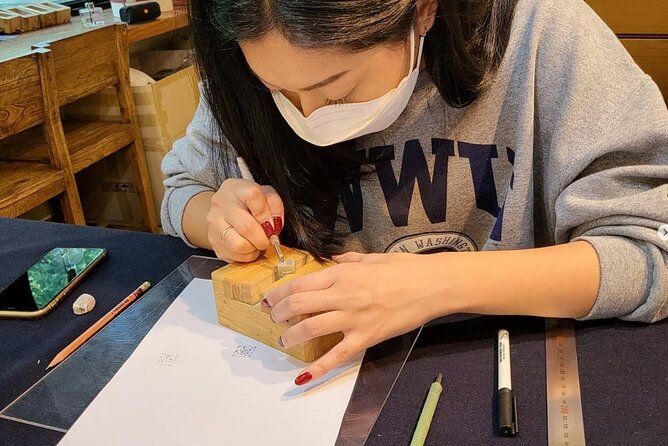
The class includes time to share stories and take a picture with Grandma. These moments may sound small, but they are what separates this activity from a recipe demonstration.
You are meeting a local host in her own home and hearing about family life as part of the visit. The stories are personal rather than a broad lecture about Korea. That makes the exchange more informal and direct.
The photograph with Grandma gives you a keepsake of the meeting, while the shared meal gives the class a natural finish. You are not only carrying away instructions for gimbap and kimchi pancakes. You also have a memory linked to a person, a home, and a particular morning in Seoul.
I would choose this activity on a day when you want a break from major sights. Seoul can be fast and crowded, with long subway rides and busy shopping streets. A home cooking class offers a quieter two and a half hours and lets you see a side of the city that is easy to miss when you stay on the usual sightseeing route.
Why the private format matters
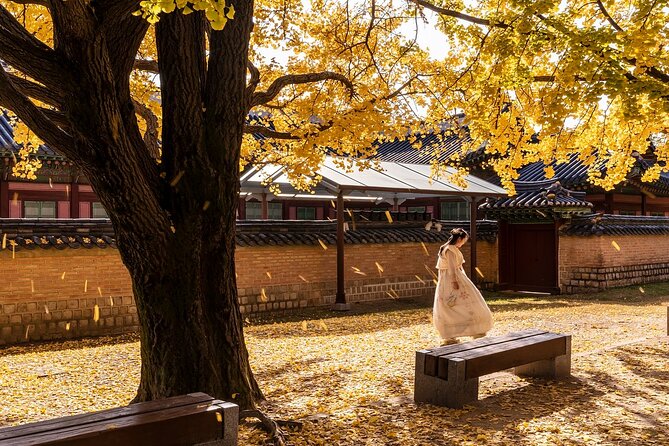
Only your group participates, which is a major practical advantage. A private class lets Grandma adjust her explanations to your group and gives everyone more room to handle the food.
For a family, this means parents do not have to worry about children being lost in a large class. The positive family fit is supported by the experience of children ages 9 and 11, who found the class particularly memorable. Grandma’s patience also matters when young cooks need extra help with rolling gimbap or following the pancake steps.
For couples or friends, the private format makes the meal feel more like a visit than a scheduled group lesson. You can ask more personal questions and spend time talking with Grandma. The tradeoff is that a private activity can feel less social if you hoped to meet a wide mix of people from around the world.
The class is also a good choice for anyone who prefers doing rather than watching. You prepare both dishes yourself, instead of sitting through a demonstration and receiving a sample at the end. That active format gives you a better chance of remembering the techniques when you return home.
Is $52 a fair price?
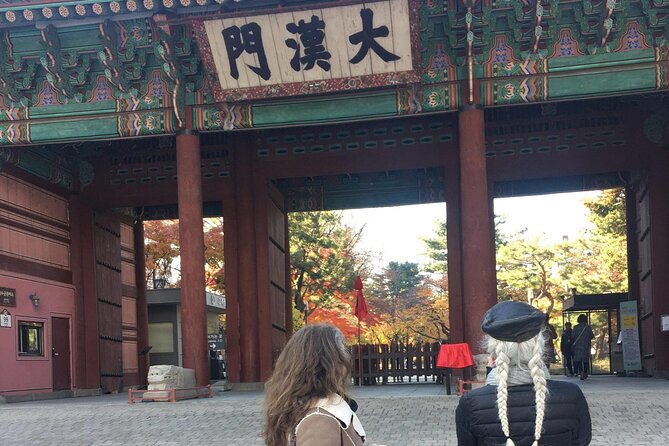
At $52 per person, this is not the cheapest way to eat lunch in Seoul. You can find a much less expensive meal at a restaurant or market stall. The price makes more sense when you count what is included: about two and a half hours in a private home, welcome tea, a home tour, personal instruction, ingredients for two dishes, the meal you prepare, conversation, and a photograph with Grandma.
You are also paying for a small-scale local experience. The setting is part of the value. If you only want to taste gimbap and kimchi pancakes, a restaurant is the better bargain. If you want to learn how to make them and understand a little more about Korean home life, the class offers more for the money.
The private format adds value for families and small groups. One booking gives your party a dedicated session rather than placing you among strangers. That can make the cost easier to justify when you are looking for one shared activity during a Seoul trip.
The price does not include a broader city tour or a long list of dishes. Keep your expectations focused. This is a personal cooking visit centered on gimbap and kimchi pancakes, not a full Korean food course.
Timing, transport, and cancellation
The activity starts at 11:00 am and ends back at the meeting point after roughly 2 hours and 30 minutes. Plan enough time to reach Ui-dong without cutting it close. The meeting point is near public transportation, but you should confirm the route and allow for Seoul’s large distances.
Confirmation is sent within 48 hours of booking, subject to availability. The experience requires a minimum number of participants, so a cancellation for that reason can lead to a different date or activity, or a full refund.
You can cancel free of charge up to 24 hours before the local start time for a full refund. Cancellations or changes made less than 24 hours ahead are not refunded or accepted, so keep the deadline in mind when arranging your Seoul schedule.
Who should book this cooking class?
I would recommend it most strongly to families, couples, and small private groups who want direct contact with a local host. The patient teaching style and good English make it approachable, while the two dishes keep the class active without making it feel like professional training.
It also suits first-time visitors who want to understand daily Korean life through food. The home tour, tea, stories, and meal add useful local texture to the cooking.
You may want to skip it if your schedule is packed with central Seoul sights and you do not want to travel to Gangbuk-gu for a midmorning activity. It is also not the right choice if you are looking for a large menu, advanced techniques, or a restaurant-style food tour.
Should you book Grandma Sharon’s class?
Book this class if you value a personal meeting over a polished production. Grandma Sharon’s home, patient instruction, good English, and family recipes give the activity its appeal, while the private format makes it especially practical for parents with children.
At $52, the value comes from the full visit rather than the meal alone. You make gimbap, prepare a kimchi pancake, see a Korean home, share stories, and eat together. Check the route to Ui-dong before committing, then reserve early, since this experience is commonly booked well ahead of time.
FAQ
Where does the cooking class meet?
It begins at Meritz Fire Insurance Training Center, 92 Ui-dong, Gangbuk-gu, Seoul, South Korea.
What time does the class start?
The class starts at 11:00 am.
How long does the experience last?
The activity lasts approximately 2 hours and 30 minutes.
What dishes will I make?
You will make gimbap and a kimchi pancake using Grandma’s kimchi.
Do I cook the dishes myself?
Yes. Grandma teaches you how to make the gimbap and kimchi pancake, and you prepare the dishes yourself.
Does the activity take place in a private home?
Yes. The experience takes place in Grandma’s home, where she also gives you a short tour of the living spaces and kitchen areas.
Is this a private activity?
Yes. Only your group participates.
Is the class suitable for children?
Yes. Most people can participate, and the experience has been suitable for children ages 9 and 11. Grandma Sharon is described as patient and skilled, with good English.
What is the cancellation policy?
You can cancel up to 24 hours before the local start time for a full refund. Cancellations or changes made less than 24 hours before the start are not accepted or refunded.
Recently added around Seoul
- Seoul: Private Car Tour with Licensed Professional Guide★ 5.0 · 3 reviews
- Imjingak DMZ Private Tour for Incheon Airport and Cruise Guests★ 5.0 · 3 reviews
- Unique Native Experience : Han River Picnic, Board game, BBQ★ 5.0 · 3 reviews
- Seoul: Nami and K-Garden with Optional Alpaca Winter Tour★ 5.0 · 3 reviews
- BTS In The Soop Version: One Day Private VIP Tour★ 5.0 · 3 reviews
- DMZTour from Seoul:3rd Tunnel,North Korea View&UNESCO Valley★ 5.0 · 3 reviews
- Bukhansan mountain hiking tour – 6 hours★ 4.7 · 3 reviews
- Seoul’s Hidden Dark History Guided Tour of Seodaemun Prison★ 5.0 · 3 reviews
Seoul Tours, compared.
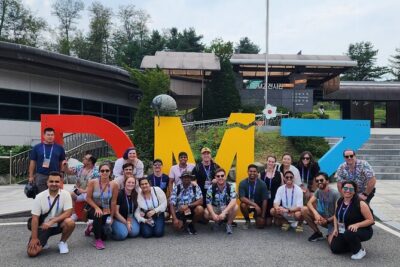
Best DMZ Tour Korea from Seoul (Red Suspension Bridge Optional)
Read the review →
DMZ Tour: 3rd Tunnel, Option(Suspension Bridge, Boat) from Seoul
Read the review →
DMZ tour south Korea from Seoul (NK experience hall, defector)
Read the review →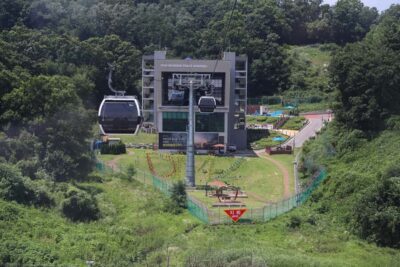

DMZ The 3rd Tunnel and Suspension Bridge Tour
Read the review →
Signature DMZ Tour: Exclusive Defector Talk & Suspension Bridge
Read the review →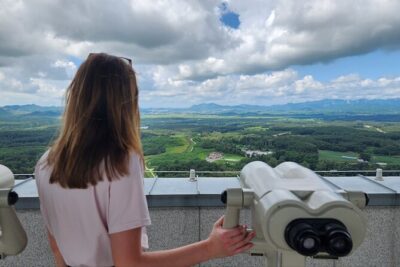
Thrilling Korean DMZ 3rd Tunnel Tour from Seoul + Red Bridge Rush
Read the review →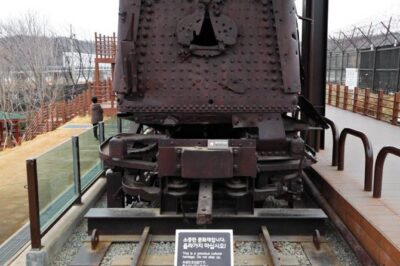
DMZ Past and Present: Korean Demilitarized Zone Tour from Seoul
Read the review →Browse the lists this tour appears in