
Reviewed · SEOUL TOURS
Korean Cooking Class Full Meal with BBQ on an All in One Table
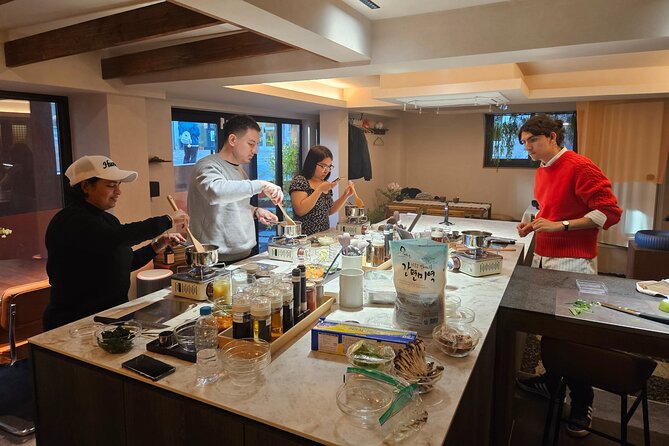
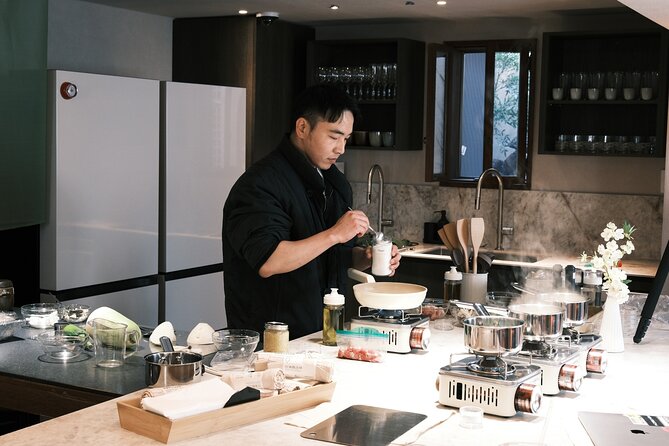
The best part of this three-hour Korean cooking class is that you make a whole table of food, not just one dish. At Soop Table in Seoul’s Mapo district, host Woody guides you through four side dishes, bibimbap, soup or stew, and dessert in a calm studio inspired by traditional Hanok design. I like the full-meal format and the chance to work with seasonal vegetables, doenjang, and gochujang. I also like that the meal is served all at once, as Korean dining culture intends.
The main consideration is focus. This is not a market tour or a casual food walk. You spend your time indoors cooking, plating, and eating, and the class requires a minimum number of participants. At $89 per person, it makes the most sense if you want practical cooking skills and a cultural meal, not just a quick tasting.
Key points to know before booking
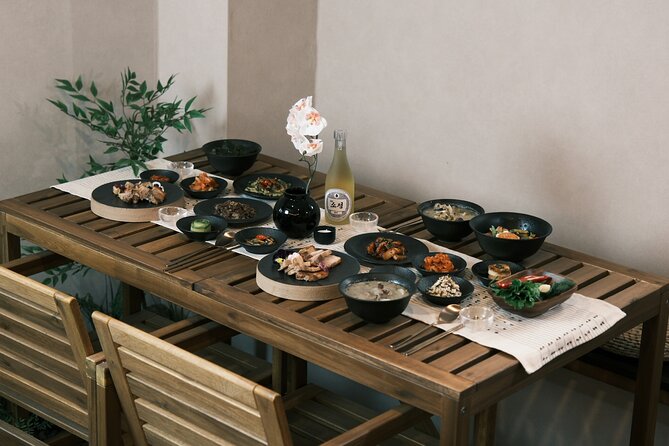
- A full Korean table: Prepare four banchan, bibimbap, soup or stew, and a dessert.
- Woody leads the class: The host contacts you after booking to confirm your meal choices and timing.
- Traditional setting: The studio takes its design cues from Hanok architecture and includes a lava and slate walkway.
- Hands-on from start to finish: You cook every dish except the pork belly BBQ, which the chef serves.
- Small-group format: The class accepts a maximum of eight people, keeping the kitchen more personal.
- Three hours in Mapo: The experience starts and ends at Soop Table on Donggyo-ro 46-gil and is near public transportation.
A Korean meal built around one shared table
Many Western cooking classes focus on one main recipe. This class takes a different path. Korean meals are set out together, with rice, side dishes, soup, and a main dish sharing the table. The class follows that pattern, so you learn not only how to cook Korean food, but also how the parts fit together.
I like this approach because banchan are easy to overlook when you eat at a restaurant. They may arrive in small portions, but they give a Korean meal its variety. Here, you prepare four kinds of side dishes with fresh seasonal vegetables. That gives you a better feel for the work behind a table that can look effortless when it arrives at a restaurant.
The experience also introduces essential Korean sauces and ingredients. Doenjang brings a fermented soybean flavor, while gochujang adds heat, sweetness, and depth. The class uses pastes and ingredients connected to the chef’s hometown, which gives the cooking a more personal touch than a generic restaurant demonstration.
You are not simply watching a chef work. You handle the ingredients and make the dishes yourself. That matters if you want recipes and techniques you can remember after returning home.
More Cooking Classes in Seoul:
- Local Home Korean Cooking Class & Market Adventure in Seoul
★ 5.0 · 1,024 reviews - Master Korean traditional cooking with a Kimchi chef
★ 5.0 · 385 reviews - Seoul: Korean Cooking Class at a Local Home and Market Tour
★ 5.0 · 348 reviews
Entering Soop Table in Seoul’s Mapo district
The meeting point is Soop Table: The Hansik Atelier, at 34 Donggyo-ro 46-gil, Mapo-gu, Seoul. The class begins and ends at this same address, and the location is near public transportation.
The studio is part of the experience. It is inspired by traditional Hanok architecture, with a calm design that includes a lava and slate walkway. One useful detail from the class reports is that the building itself feels unusual, so allow a little attention for the setting instead of treating it as a plain kitchen.
The small maximum of eight people is another plus. A compact group should give you more room to follow the cooking steps and ask questions than a large demonstration class. Still, the available information does not promise a private class, so you should expect to share the space and meal with other people if the session fills.
After booking, Woody reaches out to confirm your dinner choices and timing. Respond promptly, since the class includes a choice of main dish and soup or stew. The exact choices are not listed, so ask for the available options when Woody contacts you.
Starting with seasonal tea and Korean ingredients
The class begins with a seasonal Korean welcome tea. This is a gentle start, but it also sets the tone: the focus is on food, season, and the way people gather around a meal.
You then learn about the key ingredients used in Korean home cooking. The emphasis on seasonal vegetables is useful because Korean cooking often depends on balance rather than a long list of expensive items. Fermented pastes, fresh produce, soup, side dishes, and rice each play a role.
I would pay close attention during this part, especially if you cook at home. Doenjang and gochujang can be used in many ways, but their flavor is strong. Understanding how they fit into sauces and cooked dishes is more helpful than simply being handed a recipe card.
Some of the fermented pastes come from the chef’s hometown. That detail gives the lesson a sense of place without turning it into a formal history lecture. You get a practical explanation of ingredients tied to a family or regional food tradition.
Making four kinds of banchan
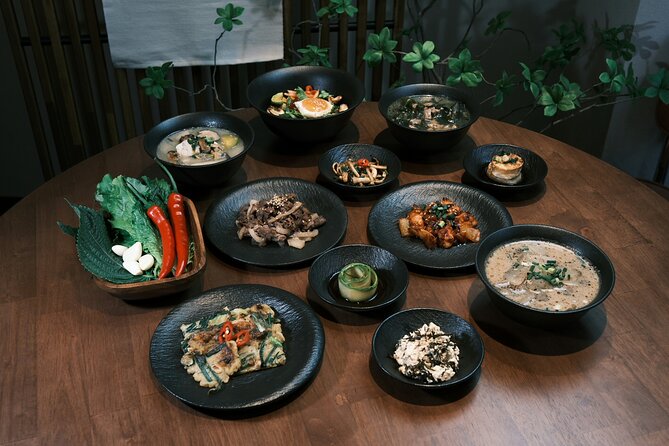
The first major cooking section covers four Korean side dishes. You use fresh vegetables and prepare each one yourself.
This is likely the most useful part of the class for anyone who wants to recreate Korean meals at home. Banchan can be served in small portions, and several different dishes make a table feel generous without requiring one huge main course. Learning four versions in one session gives you a working set of ideas rather than a single recipe.
The side dishes also teach contrast. Korean meals often bring together different textures, colors, and levels of seasoning. The information provided does not name the four banchan, so you should not book expecting a particular vegetable or recipe. The dishes are seasonal, which means the menu may reflect what is available at the time of your visit.
That seasonal approach is a strength, but it can be a drawback if you have your heart set on one exact dish. Ask Woody about the current menu before the class if a certain ingredient matters to you.
A few more Seoul half-days to weigh up
- Small-Group Night Food Tour in Seoul with Korean BBQ
★ 5.0 · 304 reviews - Seoul: Anthony Bourdain-Inspired BBQ and Pub Experience
★ 5.0 · 186 reviews - Seoul: Korean BBQ Place of the Month Curated by the Host
★ 4.8 · 111 reviews - Seoul Night “Private Tour”(Korean BBQ, N-Tower, Seoul Fortress, Local Market)
★ 4.5 · 86 reviews
Choosing a main dish and soup or stew
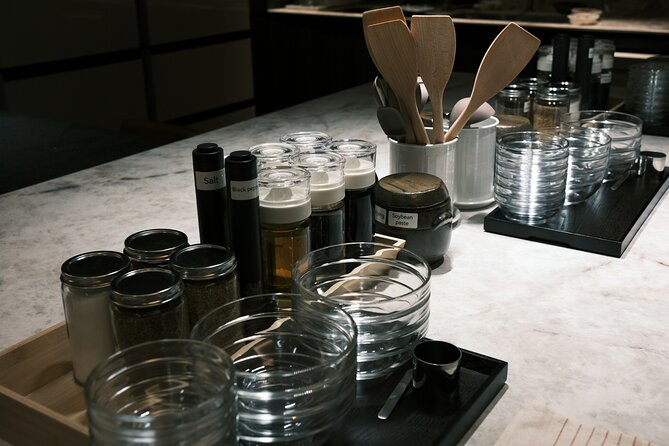
You choose one main dish and one soup or stew based on your taste. This choice makes the experience more flexible than a fixed menu, especially if you prefer milder flavors or want to try something more traditional.
The exact main-dish and soup options are not specified, so confirmation with the host is important. The class is designed around a complete table, and your choices become part of the meal you plate and eat.
Soup or stew is more than an extra bowl on the side. It adds warmth and liquid seasoning to a Korean table, while the banchan bring smaller, sharper flavors. Making both gives you a clearer idea of how the meal is balanced.
I also like that the class does not make you spend time outside on a market visit. That might disappoint someone who wants a combined market and cooking tour, but it is a benefit if you want more time at the stove. The stated goal is real cooking, not a quick stop followed by a rushed kitchen lesson.
Plating bibimbap your way
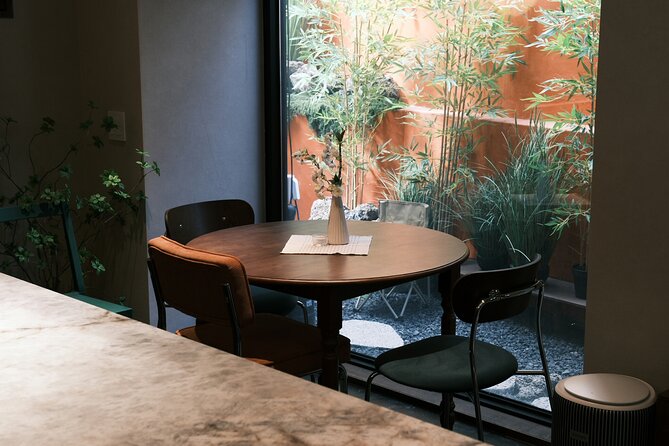
Bibimbap is the class’s most visual dish. You plate your own bowl, arranging the ingredients in your preferred style.
This is where cooking turns into presentation. The point is not only to make food taste good, but to make a balanced bowl that looks inviting before you mix it. You get to decide how your bibimbap comes together, so the result is personal rather than identical to everyone else’s.
I would treat the plating lesson as practical rather than decorative. A Korean meal is shared, but each bowl can still show care. The class connects the appearance of the food with the pleasure of eating it, which is one reason it suits people interested in both recipes and presentation.
The class reports describe the instructions as easy to follow, a helpful sign for first-time Korean cooks. Still, hands-on cooking always requires attention. If you prefer to sit back and take photographs, this may feel busy. You are expected to participate.
Chef-served pork belly BBQ and traditional liquor
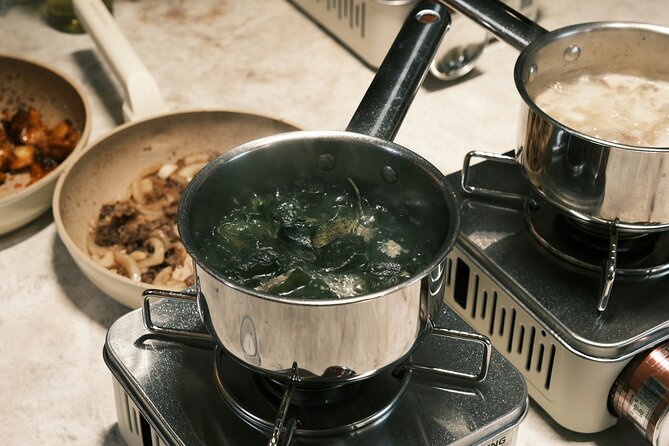
During the meal, the chef serves grilled pork belly BBQ. This is the one major food element you do not cook yourself.
That division works well. Pork belly BBQ adds a center-of-the-table cooking tradition without taking time away from the dishes you are making. You prepare the banchan, soup or stew, main dish, and bibimbap, then enjoy pork belly as part of the completed meal.
You also taste a traditional Korean liquor. The information does not name the drink or specify the amount, so consider it a small cultural tasting rather than a full drinks program.
The meal is served all at once, reflecting the Korean table style the class explains. This makes the final stage feel like a shared reward for the work in the kitchen. It also lets you compare your own dishes with the BBQ and see how different flavors sit together.
Finishing with a popular Korean dessert
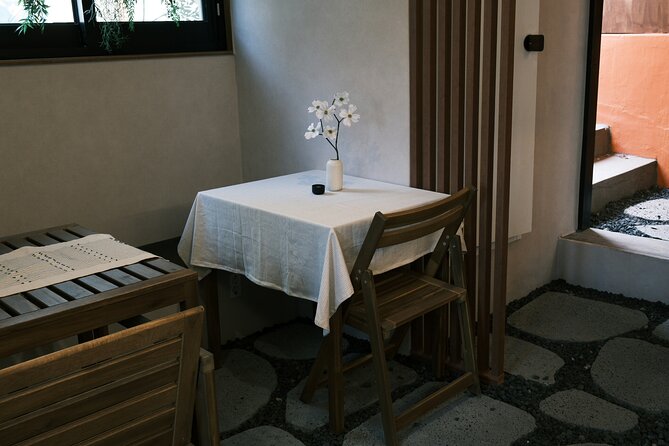
After the meal, you make a popular Korean dessert together. The dessert is not named, so the precise recipe may vary or is simply not stated in the available details.
This final activity keeps the class from ending as soon as the main meal is finished. It also gives you a sweet finish and one more chance to work alongside the group.
The dessert section is likely less central for people focused on savory cooking, but it rounds out the table. You leave having worked through the structure of a Korean meal from welcome tea to dessert, rather than stopping after the main dishes.
What the $89 price includes in practical terms
At $89 per person, this is not the cheapest way to eat Korean food in Seoul. You can find a meal for much less. The value comes from the amount of cooking and instruction packed into roughly three hours.
You are paying for a small-group kitchen session, ingredients, guidance from Woody and the chef, four banchan, a chosen main dish, soup or stew, bibimbap, dessert, grilled pork belly BBQ, traditional liquor, and the cultural explanation around the meal. Since you cook nearly everything yourself, the price is easier to justify for anyone who wants skills to take home.
The value is weaker if you only want to sample Korean dishes. A restaurant or food market would suit that goal better. This class asks you to work for the meal, though the work is part of the point.
The maximum of eight people helps the price. A small class generally gives you more access to instruction and makes it easier to see what is happening. The available information does not state whether ingredients, printed recipes, or dietary substitutions are included, so ask before booking if those details affect your decision.
Who will enjoy this class most
I would recommend Soop Table to you if you want a focused food experience with real participation. It suits first-time cooks because the instructions are described as easy to follow, and it also suits experienced home cooks who want to understand Korean meal structure and seasoning.
It is especially good for:
- Couples who want to cook and eat a full meal together
- People interested in Korean sauces, fermentation, and seasonal vegetables
- Visitors who care about presentation as much as flavor
- Small groups that prefer a calm indoor activity
- Anyone who wants more than a restaurant meal but less than a full culinary course
It may not suit you if your main goal is a market visit, sightseeing, or a fast tasting. There is no commercial market tour, and the whole experience stays at the cooking studio.
The class is also worth considering for lunch or dinner planning. The duration is about three hours, and the activity ends back at the meeting point. Leave enough room in your day for the cooking and meal rather than trying to squeeze in a tightly timed attraction afterward.
Booking, cancellation, and weather notes
Confirmation is provided when you book, and the ticket is mobile, so you do not need a printed voucher. The experience requires a minimum number of participants. If that minimum is not reached, you will be offered another date or experience, or a full refund.
Free cancellation is available up to 24 hours before the start time. Cancel earlier than that cutoff for a full refund. Changes or cancellations made less than 24 hours before the start time are not accepted for a refund, and the cutoff uses Seoul local time.
The policy also says the experience requires good weather. If poor weather causes a cancellation, you can choose a different date or receive a full refund. That condition is worth noting even though the class takes place indoors.
Should you book this Korean cooking class?
Book it if you want to understand how a Korean meal is built, not just eat one. The strongest reasons are the full table of food, hands-on preparation, small maximum group size, and the chance to learn from Woody in a Hanok-inspired studio.
The main question is simple: do you want to cook? If yes, $89 buys a substantial three-hour food and culture session with a meal at the end. If you want a market stroll, a short demonstration, or a list of restaurant recommendations, choose another activity.
For a couple or a food-focused visitor with an open half-day, I think this is a strong Seoul pick. Ask about the current main dish and soup choices when Woody contacts you, then arrive ready to chop, season, plate, and share a Korean table.
FAQ
Where does the Korean cooking class take place?
The class takes place at Soop Table: The Hansik Atelier, 34 Donggyo-ro 46-gil, Mapo-gu, Seoul, South Korea.
How long does the experience last?
The class lasts approximately three hours.
How much does the class cost?
The listed price is $89 per person.
What dishes will I prepare?
You will prepare four Korean side dishes, one main dish, one soup or stew, bibimbap, and a popular Korean dessert.
Do I cook the pork belly BBQ?
No. The chef serves the grilled pork belly BBQ during the meal. You cook the other dishes yourself.
Is the class hands-on?
Yes. You prepare every dish yourself except for the BBQ, which is served by the chef.
Is there a choice of dishes?
Yes. You choose one main dish and one soup or stew based on your taste. Woody contacts you after booking to confirm your choices and timing.
Is the class suitable for a small group?
Yes. The activity has a maximum of eight participants.
Does the experience include a market tour?
No. This is a cooking class, not a food tour or commercial market tour. The host can share suggestions for trusted local markets if you are interested.
Can I cancel for a full refund?
Yes. You can cancel at least 24 hours before the start time for a full refund. Cancellations or changes made less than 24 hours before the start time are not refunded or accepted.
More hands-on workshops in Seoul
- Yongpyong Ski Resort from Seoul with Optional Lesson and Packages
★ 5.0 · 217 reviews - Seoul: Kpop Dance Class Including Video Shooting & Editing
★ 4.8 · 185 reviews - Seoul: Taste of Korea, Authentic Home Style Cooking Class
★ 4.9 · 166 reviews - Seoul: Perfume-Making Workshop in a Hanok
★ 4.9 · 110 reviews
Recently added around Seoul
- Private Tour around Suwon UNESCO Fortress and Korea Folks Village★ 4.5 · 4 reviews
- Nami & Maple Road & Theatre des Lumieres Day Tour from Seoul★ 4.8 · 4 reviews
- Gyeongbokgung Palace Photo Session with your own phone★ 5.0 · 4 reviews
- Seoul: Deoksugung Palace Night Tour★ 4.5 · 4 reviews
- N Seoul Tower + Namsan Cable Car Ticket (Collect in Myeongdong)★ 3.5 · 4 reviews
- Jisan Forest Resort: Ski Full-Day Tour or Shuttle from Seoul★ 5.0 · 4 reviews
- Private Jeonju Hanok Village – Culinary tour★ 5.0 · 4 reviews
- Seoul Private Walking Tour with a Local★ 5.0 · 4 reviews
Seoul Tours, compared.
Best DMZ Tour Korea from Seoul (Red Suspension Bridge Optional)
Read the review →
DMZ Tour: 3rd Tunnel, Option(Suspension Bridge, Boat) from Seoul
Read the review →
DMZ tour south Korea from Seoul (NK experience hall, defector)
Read the review →

DMZ The 3rd Tunnel and Suspension Bridge Tour
Read the review →
Signature DMZ Tour: Exclusive Defector Talk & Suspension Bridge
Read the review →
Thrilling Korean DMZ 3rd Tunnel Tour from Seoul + Red Bridge Rush
Read the review →
DMZ Past and Present: Korean Demilitarized Zone Tour from Seoul
Read the review →Browse the lists this tour appears in