
Reviewed · SEOUL TOURS
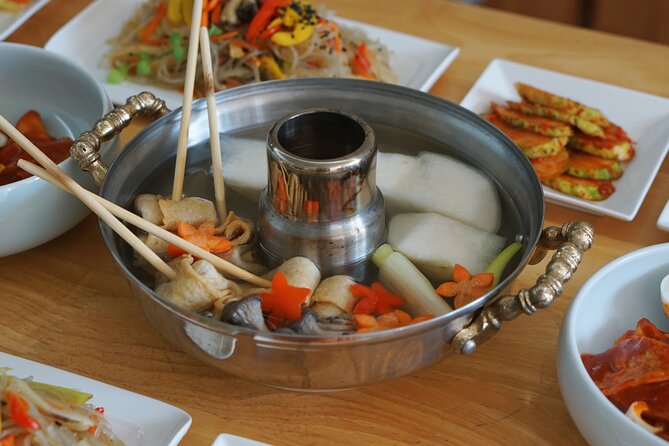
K-food cooking Japchae Mandu Tteokbokki & Fishcake
The best part of this Seoul experience is its useful mix of cooking and shopping. You prepare four Korean dishes in one sitting, then cross the street to see where locals buy kimchi, snacks, sauces, and other ingredients. I like the ready-to-use format, with every tool and ingredient supplied, and I like the small maximum of six people. The main drawback is the 5:30 pm start, which may not fit every sightseeing plan.
I also like that this is not just a cooking demonstration. You actually make japchae, mandu, tteokbokki, and fishcake, then arrange the food for photos and eat it with seasonal Korean sweets. If Jenny leads your class, you can expect a calm, personal teaching style. The class is best for visitors aged 10 and up who want practical food skills rather than a long cultural lecture.
Key points at a glance
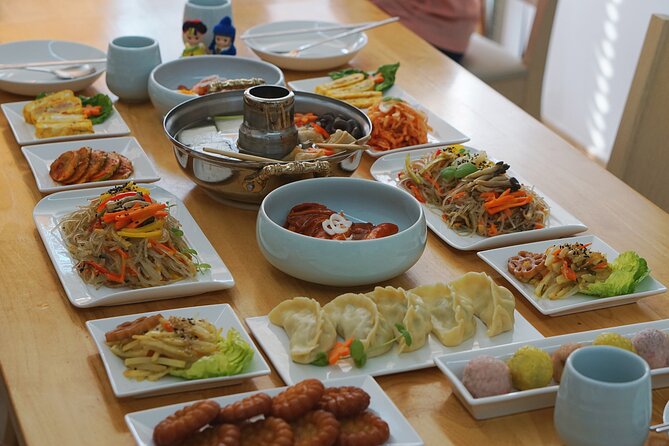
- Four dishes in two hours: Make japchae, tteokbokki, fishcake, and mandu in one compact class.
- Small group size: The experience accepts a maximum of six people, allowing for close help at the cooking table.
- A real supermarket visit: Spend about 30 minutes exploring four floors of Korean groceries and snacks across from the studio.
- Seasonal Korean sweets: Try treats such as yakgwa, wind rice cake, and sesame rice cake, with the selection changing through the year.
- Useful buying advice: Learn which sauces, seasonings, snacks, and ingredients to choose before shopping.
- Simple logistics: Meet at 5:30 pm at 199 Baekbeom-ro in Mapo-gu, with public transportation nearby.
Four Korean favorites on one cooking table
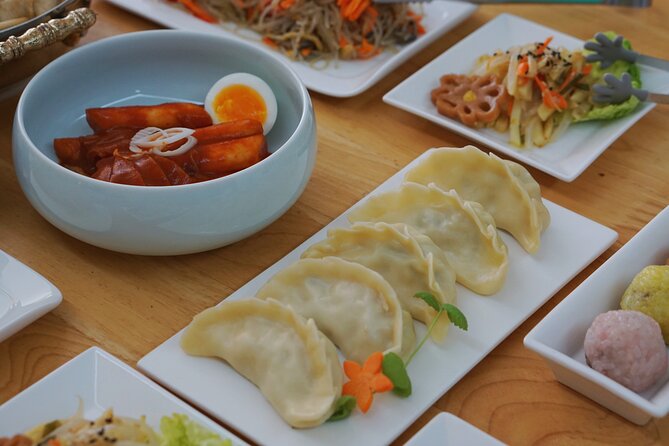
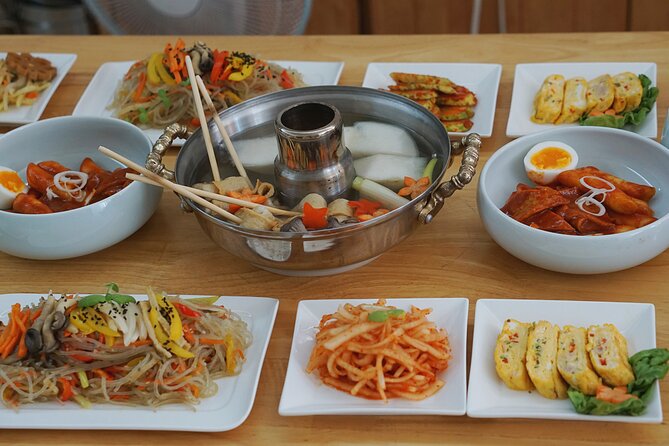
This class gives you a quick tour of Korean comfort food through four dishes. Each one brings a different texture and cooking task, so the session feels more varied than a class focused on a single recipe.
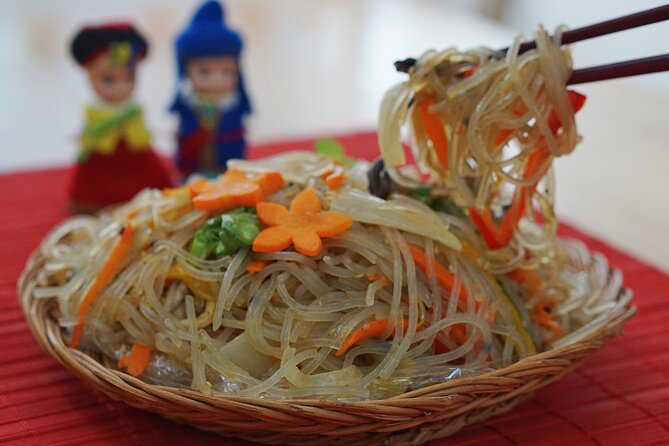
Japchae is the noodle dish, usually known for its springy glass noodles and mixture of vegetables. Here, you get the chance to learn the basic preparation rather than simply eating a finished plate. It is a useful dish to take home because it works as a main meal or a side dish.
Tteokbokki brings the chewy rice cakes and the bold, spicy-sweet sauce many visitors first associate with Korean street food. It gives the class a strong flavor point, but you should keep in mind that spice levels can matter. The supplied information does not specify whether the sauce can be adjusted, so ask your guide if you prefer mild food.
The fishcake is paired with the tteokbokki portion, adding a softer, savory contrast. This combination helps you understand why Korean street food often mixes chewy, soft, and crisp elements in one serving.
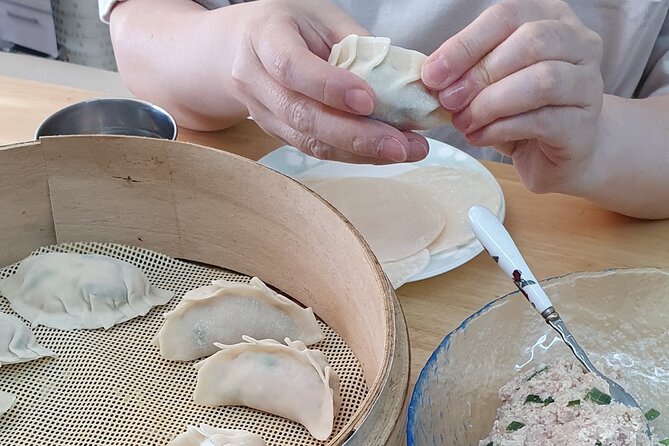
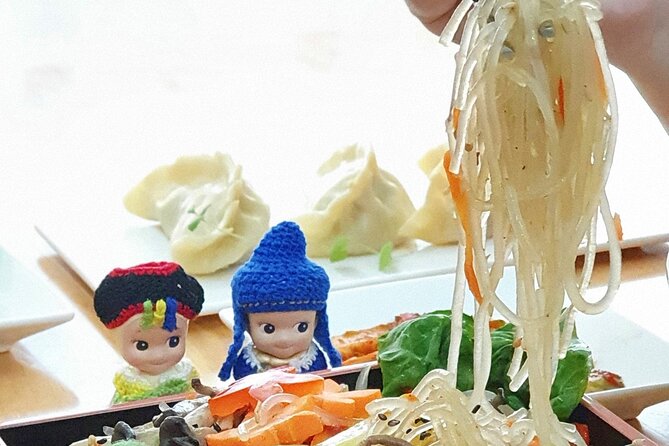
Mandu, Korean dumplings, adds the hands-on work. You shape or prepare the dumplings as part of the class, giving you a skill you can try again at home. One useful benefit is that you leave with several recipes rather than one signature dish. That makes the $81 price easier to assess if you plan to cook Korean food after your trip.
More Cooking Classes in Seoul:
- Local Home Korean Cooking Class & Market Adventure in Seoul
★ 5.0 · 1,024 reviews - Master Korean traditional cooking with a Kimchi chef
★ 5.0 · 385 reviews - Seoul: Korean Cooking Class at a Local Home and Market Tour
★ 5.0 · 348 reviews
A class built for doing, not watching
The format is practical. All materials, tools, and packaging are included, so you do not need to carry ingredients to the meeting point or worry about buying the wrong equipment in advance.
The small group cap of six is important. You are not lost at the back of a large demonstration, and the guide has more time to show you how to handle each dish. One especially positive account described a solo participant working closely with Jenny and leaving confident enough to make all four dishes at home. That is the kind of result you should look for in a cooking class: not just a pleasant meal, but a clear method you can repeat.
The class lasts about two hours, beginning at 5:30 pm. The timing works well if you spend the afternoon sightseeing and want an evening activity with dinner included. It is less convenient if you have a night tour, a fixed restaurant reservation, or a long journey across Seoul afterward.
The meeting point is 199 Baekbeom-ro, Mapo-gu, near public transportation. Since the experience ends back at the same meeting point, your return trip is simple. Still, check the route before you book. Seoul is large, and a short cooking class can become a tiring evening if you underestimate the time needed to reach Mapo-gu.
Plating, photos, and a proper meal
After cooking, you arrange the dishes as a Korean table rather than eating straight from the preparation area. This small step gives the experience a sense of occasion. It also creates a natural pause for photographs.
You are given time to take careful pictures for social media, which is useful if you want more than a quick snapshot. The class is designed around the idea that presentation matters. You can show the finished japchae, mandu, tteokbokki, and fishcake together, then sit down for a hearty meal.
The meal is part of the price, as are the materials and packaging. Alcoholic drinks are not included, so do not expect a beverage pairing. The supplied details do not specify other drinks, so you may want to ask the provider if that matters to you.
I like the balance here. You spend the first part learning and working, then enjoy the results without rushing straight into the next activity. Since the whole experience is only about two hours, the meal should be satisfying without taking over your evening.
Korean sweets that change with the season
The dessert portion adds a useful bit of cultural context. Seasonal Korean sweets can include yakgwa, wind rice cake, and sesame rice cake. The exact selection changes through the year, so you should treat the dessert as a seasonal tasting rather than a fixed menu.
Yakgwa is a traditional honey pastry with a dense, sweet character. Rice cakes bring a different texture, and sesame adds a nutty note. The guide explains the sweets and their history while you taste them, giving you a little background beyond the better-known savory dishes.
This section may appeal to you if you want to understand how Korean food extends beyond barbecue, fried chicken, and noodles. It is also a pleasant way to finish the meal without adding another full course.
The changing dessert menu is both a strength and a small uncertainty. You cannot book this class expecting one exact sweet every time. If you have a food allergy or a strict diet, ask about the ingredients before participating. No allergy policy or dietary substitution is provided in the available details.
More Food Tours in Seoul:
- Seoul Street Food Market Tour
★ 5.0 · 1,226 reviews - Seoul: Night Market Food Tour with Local Guide
★ 4.9 · 943 reviews - Downtown Seoul Guided Food & Market Tour with 8+ Local Tastings
★ 5.0 · 580 reviews - Seoul: Guided Food & Market Tour with 8+ Tastings
★ 4.9 · 342 reviews
Across the street to a four-floor indoor market
After cooking and eating, the group visits a large indoor supermarket directly across the street from the studio. The market portion lasts about 30 minutes and takes you through four floors.
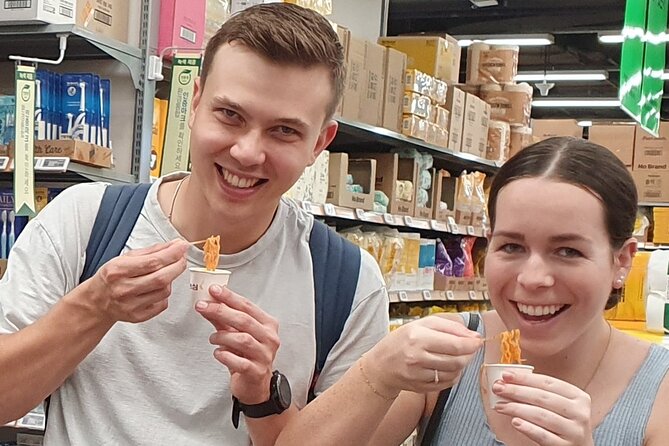
This is not simply extra shopping time. It shows you the ingredients used in the class in a real retail setting. You can see Korean groceries, snacks, sauces, seasonings, and large kimchi refrigerators used in Korean homes. For a first visit to Korea, those refrigerators are a memorable detail because they show how seriously many households treat kimchi storage.
The market is particularly useful if you want to bring Korean food culture home. Instead of guessing which gochujang, noodles, seasoning mix, or snack to buy, you can ask for help choosing. The guide can explain the items and support your buying decisions.
Purchases over 30,000 won, including VAT, qualify for an immediate tax refund when you bring your passport and follow the purchase process. Bring the passport if you hope to use this benefit. The supplied information does not promise that every item qualifies, so keep your receipt and ask the market staff or guide to confirm the details before paying.
The 30-minute limit keeps the visit focused, but it also means you will not have time to study every shelf. If you enjoy food shopping, you may want to return independently later. The tour gives you a useful first look and helps you identify products, rather than serving as a full supermarket expedition.
The market portion is not held on the second and fourth Sunday of each month, when the market is closed. The information also says there is no tour on those dates, so confirm availability carefully before choosing a Sunday booking.
What the $81 price really covers
At $81 per person, this is not the cheapest way to eat dinner in Seoul. You can find a meal for far less. The value comes from combining instruction, a prepared meal, dessert, ingredients, cooking tools, packaging, and the market visit.
The price makes the most sense if you want to learn recipes you can repeat. One strong benefit is variety: japchae, mandu, tteokbokki, and fishcake cover noodles, dumplings, rice cakes, and a street-food pairing. A class that teaches four approachable dishes may be more useful than a cheaper session centered on one recipe.
The maximum of six also affects the value. A small class gives you more access to the guide and makes it easier to ask questions. If the class has only one or two participants, the experience may feel almost private. One account described exactly that situation, with Jenny giving one-on-one attention throughout the evening.
The packaging is another practical touch. You can take prepared portions or ingredients with you as provided, though the available information does not specify how much food is packaged or how long it keeps. If you are leaving Seoul soon, ask about storage before carrying anything far.
Who will enjoy this Seoul cooking class
This experience is a strong match for food-focused visitors, couples, solo participants, and families with older children. Children aged 10 and up can attend. Children under 10 are allowed only when accompanied by a guardian, so families should confirm the arrangement before booking.
You will get the most from it if you enjoy learning by doing. The class suits someone who wants to fold, stir, arrange, taste, and ask questions. It is less suited to you if you want a formal culinary qualification, a long restaurant-style dinner, or a broad tour of Seoul’s food neighborhoods.
Solo visitors may find the small group especially appealing. The class can remain personal even if few people book that date. Couples can split tasks and compare results, while families can turn the cooking into a shared evening activity.
The class also works well for visitors who want to shop for Korean ingredients but feel unsure where to begin. The supermarket visit gives you context that a standard cooking lesson often lacks. You see the finished dishes, learn the basic methods, and then see related products on store shelves.
Practical details before you reserve
The experience uses a mobile ticket, so keep your booking accessible on your phone. Confirmation is normally sent at booking, though reservations made within two days of the activity may take up to 48 hours to confirm and remain subject to availability.
The meeting time is 5:30 pm, and the activity returns to the original meeting point. Public transportation is nearby. No separate hotel pickup is listed, so plan to reach 199 Baekbeom-ro on your own.
Free cancellation is available until 24 hours before the start time for a full refund. Cancellations or changes made within 24 hours are not accepted for a refund. The experience also requires a minimum number of participants. If the provider cancels because that minimum is not met, you are offered another date or experience, or a full refund.
Because the class includes food preparation, tell the provider about dietary concerns before you arrive. The available information does not list vegetarian, vegan, halal, gluten-free, or allergy-specific options.
Should you book the Japchae, Mandu, Tteokbokki, and Fishcake class?
Book it if you want a compact, hands-on Seoul food experience with a real shopping stop afterward. The four recipes give you good variety, the small group size should allow useful help, and the market visit turns the class into something you can continue after returning home.
Think twice if you are mainly looking for a cheap dinner, dislike spicy food, need fixed dietary substitutions, or have a packed evening schedule. Also avoid the second and fourth Sundays if the market visit matters to you.
For most food-curious visitors, the strongest reason to book is the connection between cooking and shopping. You do not just taste Korean dishes. You learn how they are put together, see seasonal sweets, and get help identifying ingredients in a Korean supermarket. At $81, that combination makes the experience worthwhile for anyone who values skills and context as much as the meal itself.
FAQ
Where does the cooking class meet?
The meeting point is 199 Baekbeom-ro, Mapo-gu, Seoul, South Korea. The location is near public transportation.
What time does the experience start?
The class starts at 5:30 pm and lasts about two hours.
Which Korean dishes will I make?
You will make japchae, tteokbokki, fishcake, and mandu.
Is the supermarket visit included?
Yes. After cooking and eating, you take a 30-minute tour of a four-floor indoor supermarket across the street from the studio.
Can children join the experience?
Children aged 10 and older can attend. Children under 10 are allowed when accompanied by a guardian.
What happens if I need to cancel?
You can cancel at least 24 hours before the start time for a full refund. Cancellations or changes made within 24 hours are not refunded or accepted.
More Food in Seoul
- Small-Group Night Food Tour in Seoul with Korean BBQ
★ 5.0 · 304 reviews - Seoul Night Palace & Market Food Tour with Vehicle
★ 5.0 · 275 reviews - Seoul Fun Food Tour: 12 different food tastings
★ 5.0 · 266 reviews - The Award-Winning PRIVATE Food Tour of Seoul: The 10 Tastings
★ 4.5 · 128 reviews
Recently added around Seoul
- Nami & Maple Road & Theatre des Lumieres Day Tour from Seoul★ 4.8 · 4 reviews
- Gyeongbokgung Palace Photo Session with your own phone★ 5.0 · 4 reviews
- Private Tour around Suwon UNESCO Fortress and Korea Folks Village★ 4.5 · 4 reviews
- N Seoul Tower + Namsan Cable Car Ticket (Collect in Myeongdong)★ 3.5 · 4 reviews
- Jisan Forest Resort: Ski Full-Day Tour or Shuttle from Seoul★ 5.0 · 4 reviews
- Seoul: Deoksugung Palace Night Tour★ 4.5 · 4 reviews
- Private Jeonju Hanok Village – Culinary tour★ 5.0 · 4 reviews
- Seoul Private Walking Tour with a Local★ 5.0 · 4 reviews
Seoul Tours, compared.
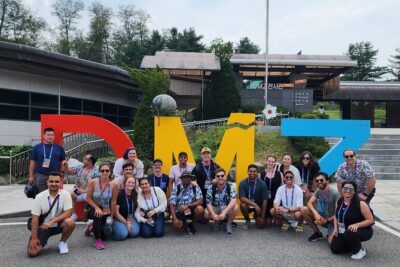
Best DMZ Tour Korea from Seoul (Red Suspension Bridge Optional)
Read the review →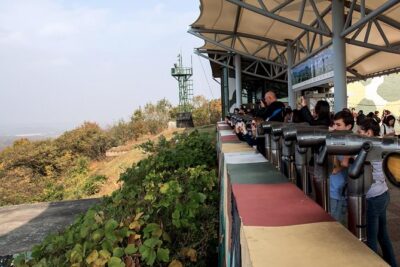
DMZ Tour: 3rd Tunnel, Option(Suspension Bridge, Boat) from Seoul
Read the review →
DMZ tour south Korea from Seoul (NK experience hall, defector)
Read the review →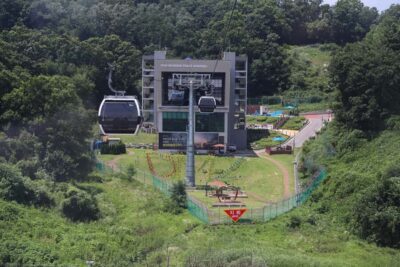
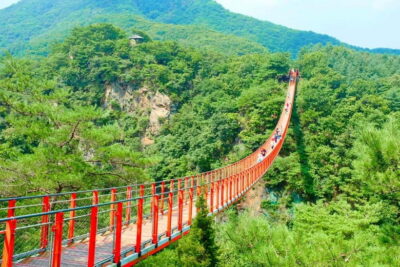
DMZ The 3rd Tunnel and Suspension Bridge Tour
Read the review →
Signature DMZ Tour: Exclusive Defector Talk & Suspension Bridge
Read the review →
Thrilling Korean DMZ 3rd Tunnel Tour from Seoul + Red Bridge Rush
Read the review →
DMZ Past and Present: Korean Demilitarized Zone Tour from Seoul
Read the review →Browse the lists this tour appears in