
Reviewed · BUKCHON AND INSADONG WALKS
Gwangjang market Netflix Food Walking Tour with Insadong
Seoul’s best introduction may come on foot, with a snack in one hand and a neighborhood story in the other. This three-hour walk links Insadong’s traditional arts, Ikseon-dong’s hanok lanes, and Gwangjang Market, where you taste Korean street food without paying extra for the included samples.
I like the clear cultural arc from old crafts to revived alleyways to a market founded in 1905. I also like the small maximum of 10 people, which gives you room to ask questions. The main caution is weather: the tour requires good conditions, and much of the experience takes place outdoors.
The pace is friendly rather than frantic. Guides such as Alan Han are praised for taking time with questions and explaining Seoul’s past in plain terms. Still, expect walking, crowds, narrow lanes, and changing weather. If you want a polished food crawl with a long list of dishes, this may feel modest. If you want context with your snacks, it makes good sense.
Key points to know before booking
- Three Seoul neighborhoods in three hours: Move from Insadong’s galleries and crafts to Ikseon-dong’s hanok lanes, then finish at Gwangjang Market.
- Food is included: Taste 3 to 5 kinds of Korean street food, including mung-bean pancake, fish cake, honey dessert, and Korean rice wine.
- A small group helps: The maximum is 10 people, useful in crowded market aisles and narrow streets.
- The tour starts at 3 pm: Meet at Anguk Station and finish at Gwangjang Market, with no return transport included.
- The cultural explanation matters: You hear about Insadong as a center of Korean culture, Ikseon-dong’s revival, and local life in Gwangjang Market during the 1990s.
- Weather can change the plan: Rain or poor conditions may lead to a new date or a full refund.
Starting at Anguk Station and entering Insadong
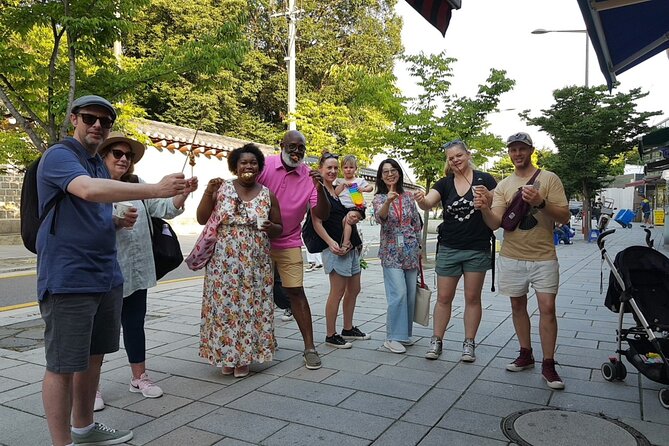
The walk begins at Anguk Station at 3 pm, a practical meeting point for reaching central Seoul by subway. From there, the first hour and a half focuses on Insadong, a district known for art galleries, handicraft shops, tea houses, traditional restaurants, and older Korean design.
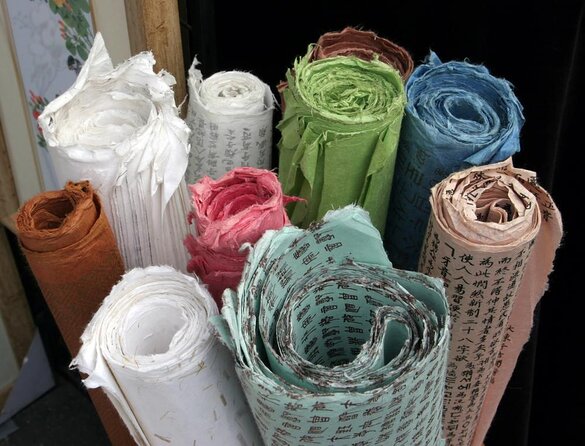
Insadong gives you a useful first look at how Seoul handles its past. Traditional objects sit beside contemporary art, and shops sell items such as pottery, calligraphy brushes, and Korean paper. You may find the commercial side a little polished, but that is part of the point. Insadong is not a museum frozen in time. It is a working cultural quarter where old forms are presented for modern use.
A guide can make the difference here. Without context, you might simply see a series of shops and galleries. With an explanation of Insadong’s role in Korean culture, the objects become easier to read. You learn why this area attracts artists, craftspeople, locals, and people looking for gifts with a Korean connection.
The free admission is helpful. You are not paying for entry to a formal attraction, so the tour’s value rests in the guiding, neighborhood stories, and food that follow. The guide’s role is to point out what deserves your attention and explain how the district fits into Seoul’s cultural life.
Give yourself comfortable shoes. The tour does not list strenuous walking, and most people can participate, but three hours on city streets can feel long in hot weather. One departure took place on a scorching day, yet the guide continued with the history and answered questions. That is a useful clue: the walk is manageable, but the weather can shape your comfort.
More Bukchon and Insadong walks:
- Seoul: Gyeongbok Palace, Bukchon Village, and Gwangjang Tour
★ 4.9 · 2,321 reviews - Best Seoul City Tour (Gyeongbokgung Palace,Insadong,Namsan Tower)
★ 5.0 · 1,647 reviews - Seoul: Gyeongbok Palace, Bukchon Village, and Gwangjang Tour
★ 5.0 · 1,044 reviews
Insadong’s art shops, tea houses, and older craft traditions
Insadong works best when you slow down. Look at the shop windows, compare the handmade goods, and notice the mix of traditional Korean forms with newer designs. You may see pottery, brushes, paper goods, and other craft items, although the exact stops can vary.
The district is also known for tea houses and traditional Korean restaurants. The tour does not promise a sit-down meal here, so do not arrive expecting a restaurant course. The food focus comes later at Gwangjang Market. In Insadong, the emphasis is on place, craft, and cultural meaning.
This makes the first section valuable for first-time visitors who want more than a checklist of sights. You get a neighborhood orientation before the food begins. It also helps you understand that Korean food is only one part of the country’s cultural identity.
The tradeoff is that shoppers may want more free time. A guided walk has to keep moving, and one and a half hours passes quickly when galleries and shops compete for your attention. If you want to buy ceramics or browse every antique store, plan to return on your own.
Ikseon-dong, where hanok lanes meet modern Seoul
The route includes Ikseon-dong Alley, an area where traditional hanok houses share narrow lanes with trendy cafes and newer businesses. The appeal is the contrast. Old rooflines and compact alleys meet a more recent Seoul style, creating a neighborhood that feels both historic and current.
The guide explains the area’s past and its return as a popular cultural destination. That background is important because Ikseon-dong is easy to admire without understanding. You see the attractive facades, but the story explains how the neighborhood changed and why its older buildings matter.
Narrow lanes also affect the experience. You will not have the same open walking space found on a broad avenue. Groups need to stay close, and the area can feel tight when people stop for photos or move between cafes. A maximum of 10 participants is an advantage here.
Do not expect a long cafe stop unless the guide’s timing allows it. The tour presents Ikseon-dong as part of the neighborhood walk, not as a dedicated cafe visit. If you enjoy seeing how older city blocks gain a new purpose, this section should be one of the most interesting parts. If you prefer major monuments, it may feel less essential.
Gwangjang Market and the food finale
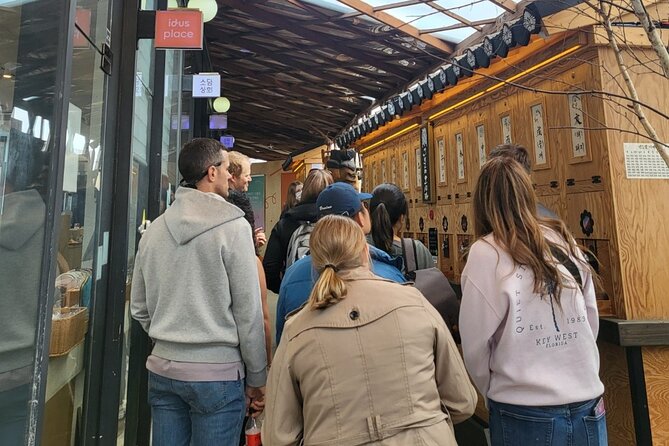
After Insadong and Ikseon-dong, the walk ends at Gwangjang Market, at 88 Changgyeonggung-ro in Jongno District. The market has operated since 1905 and is known for food, textiles, and handmade goods. It is a fitting final stop because it brings daily commerce and local eating into the cultural story.
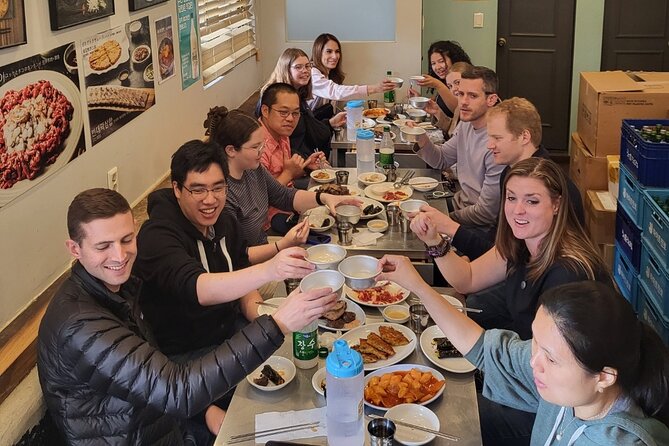
The food tasting includes 3 to 5 kinds of street food. The listed tastings include fish cake, mung-bean pancake, honey dessert, and Korean rice wine. The selection may vary, but these examples give you a good sense of the experience: small, recognizable Korean bites rather than a formal meal.
Mung-bean pancake, often called bindaetteok, is one of the market’s best-known foods. It is made from ground mung beans and cooked as a savory pancake. Fish cake is another familiar Korean street food, usually served in a simple form. The honey dessert provides a sweet finish, while Korean rice wine adds a traditional drink to the tasting.
The inclusion of rice wine is worth noting. It gives the food walk a little more range than a sequence of fried snacks. If you do not drink alcohol, ask the guide about the tasting before accepting it. The provided details do not specify an alternative.
The food comes without extra charge, which strengthens the value of the $48.60 price. You are not left guessing how much a tasting will add to the bill. Personal purchases and other consumption are not included, so budget separately if you want more food, drinks, textiles, or souvenirs.
Gwangjang Market can be crowded and noisy. That is part of its character, but it also means the guide has to manage the group carefully. Stay close, especially when moving between stalls. The small group size helps, though it cannot remove the market’s natural congestion.
More Food Tours in Seoul:
- Seoul Street Food Market Tour
★ 5.0 · 1,226 reviews - Seoul: Night Market Food Tour with Local Guide
★ 4.9 · 943 reviews - Downtown Seoul Guided Food & Market Tour with 8+ Local Tastings
★ 5.0 · 580 reviews - Seoul: Guided Food & Market Tour with 8+ Tastings
★ 4.9 · 342 reviews
Why the 1990s market story adds value
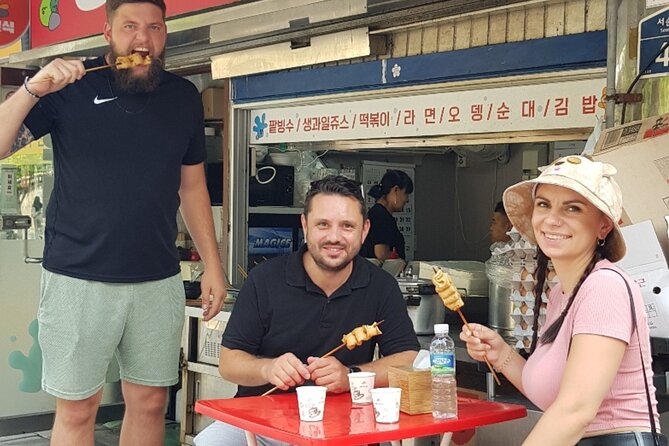
The market section is not only about what you eat. The tour also covers local life and history in Gwangjang Market during the 1990s. That detail gives the final stop a time frame and a human scale.
A market can look timeless at first glance, but it changes with the city around it. Hearing about 1990s Seoul helps you consider how people shopped, ate, and used the market in a more recent period. That makes the food feel connected to everyday life instead of being presented only as a tourist sample.
This is where a good guide matters most. Alan Han is described as personable and patient, allowing plenty of questions during the walk. If he leads your departure, you can expect an interactive style rather than a speech delivered while the group hurries along. Guide assignments can vary, so do not assume he will lead every date.
The market stop lasts about one and a half hours. That is enough time for several tastings and an explanation of the setting, but it may not satisfy a serious food fan who wants to sample every famous dish. Think of it as an introduction with a built-in guide, not an all-you-can-eat evening.
What $48.60 buys you
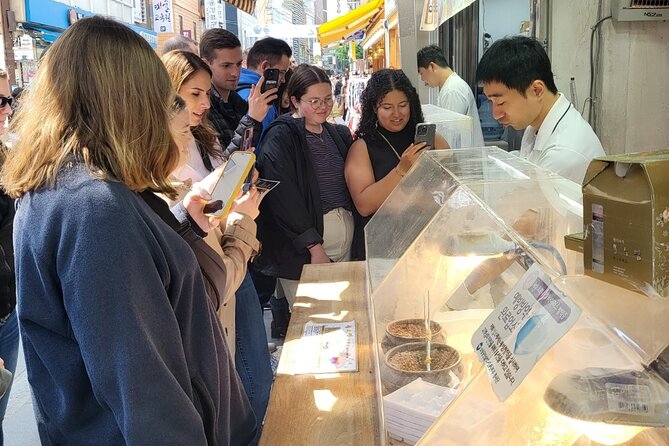
At $48.60 per person, this experience is priced above a self-guided market visit but includes more than simple food samples. You are paying for an English-speaking guide, about three hours of walking, neighborhood context, and 3 to 5 tastings.
The value is strongest if you are new to Seoul. A guide connects three areas that you might otherwise visit separately, and the start-to-finish route gives your afternoon structure. The included food also lets you try several items without stopping to negotiate every purchase.
The price is less compelling if you already know Insadong and Gwangjang Market well. You could visit both areas independently and spend only what you choose on food. The tour earns its cost through interpretation and convenience, not through the amount of food alone.
The current score is 4.8 from 12 ratings, with 92 percent recommending the experience. That is a strong early signal, but the sample is small. I would treat the score as encouraging rather than conclusive.
The tour is often booked about 62 days ahead. That suggests planning is wise, especially if your Seoul dates are fixed. Confirmation arrives within 48 hours, subject to availability, so do not assume a booking is final until you receive confirmation.
Timing, group size, and practical comfort
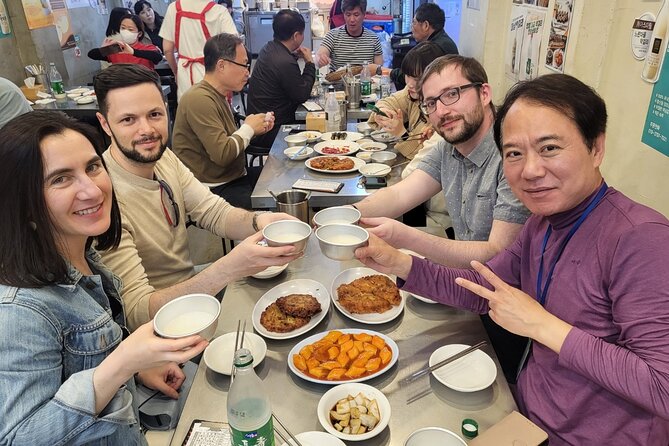
The 3 pm start gives you a useful afternoon-to-evening shape. You can spend the morning at another Seoul sight, eat a light lunch, then meet at Anguk Station. Since the walk finishes at Gwangjang Market, you can continue eating or exploring afterward.
The end point is not the starting point. That is convenient if you want to remain near the market, but you should plan your next move from Gwangjang Market rather than Anguk Station. The provided details do not include return transportation.
A mobile ticket keeps the booking simple. The tour is near public transportation, and most people can participate. No special fitness requirement is stated, but you should still expect three hours on foot through streets, alleys, and a market.
Weather deserves real attention. One rainy departure continued successfully, but the policy says the experience requires good weather. If poor weather causes cancellation, you are offered another date or a full refund. Bring suitable clothing, but do not count on the tour operating in every condition.
Cancellation is free up to 24 hours before the 3 pm start for a full refund. Changes or cancellations inside that window are not accepted for a refund. The operator also requires a minimum number of participants, so a cancellation for low demand may result in another date, another experience, or a full refund.
Who will enjoy this Seoul walk most
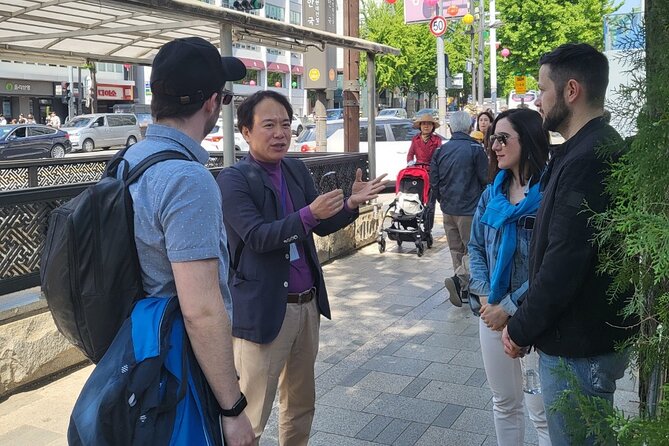
I would recommend this experience to first-time visitors who want a gentle cultural introduction with food built in. It suits couples, solo visitors, and small groups who prefer conversation over a large coach tour.
It is also a good match if you are unsure what to order at Gwangjang Market. The guide gives you a starting point, and the included tastings remove some of the uncertainty. You can then decide if you want to buy more on your own.
Families and older visitors should consider the walking time, outdoor setting, and crowded market aisles. Most people can participate, but the experience does not promise seating, elevators, or a slow private pace.
Serious food explorers may want a longer food-focused tour. This walk gives food about half the total time, while Insadong and Ikseon-dong receive equal attention. The balance is its strength for culture-minded visitors and its limitation for anyone focused mainly on eating.
Should you book the Insadong and Gwangjang Market walk?
Book it if you want context with your street food. The route links crafts, hanok architecture, changing neighborhoods, and market eating in a compact afternoon. The small group, included tastings, and thoughtful guide style make the $48.60 fee reasonable for a first Seoul visit.
Skip it if you already know these districts, want a full meal, or prefer to explore at your own speed. Also think twice if hot weather, rain, crowded lanes, or three hours of walking would make the afternoon uncomfortable.
For most first-time visitors, I see this as a useful orientation rather than a once-in-a-lifetime attraction. It gives you enough history to understand the neighborhoods, enough food to get started, and a convenient finish at one of Seoul’s best-known traditional markets.
FAQ
Where does the tour start?
The tour starts at Anguk Station in Seoul, South Korea.
What time does the tour begin?
The start time is 3 pm.
Where does the tour finish?
The tour ends at Gwangjang Market, at 88 Changgyeonggung-ro in Seoul’s Jongno District.
How long does the experience last?
The tour lasts approximately three hours, with about one and a half hours in Insadong and one and a half hours at Gwangjang Market.
What food is included?
The experience includes 3 to 5 kinds of street food, including honey dessert, fish cake, mung-bean pancake, and Korean rice wine.
Is a guide included?
Yes. A professional English-speaking guide is included. Alan Han is one guide associated with the experience.
How many people can join the tour?
The maximum group size is 10 people.
Can I cancel for a refund?
Yes. You can cancel at least 24 hours before the local start time for a full refund. Cancellations or changes made less than 24 hours before the start are not accepted for a refund.
More Market Tours in Seoul
- Local Home Korean Cooking Class & Market Adventure in Seoul
★ 5.0 · 1,024 reviews - Seoul: Korean Cooking Class at a Local Home and Market Tour
★ 5.0 · 348 reviews - Cook 3 Authentic Korean Dishes with Local Market Tour
★ 5.0 · 231 reviews - Korean Palace and Market Tour in Seoul Including Insadong and Gyeongbokgung Palace
★ 4.0 · 174 reviews
More Food in Seoul
- Small-Group Night Food Tour in Seoul with Korean BBQ
★ 5.0 · 304 reviews - Seoul Night Palace & Market Food Tour with Vehicle
★ 5.0 · 275 reviews - Seoul Fun Food Tour: 12 different food tastings
★ 5.0 · 266 reviews - The Award-Winning PRIVATE Food Tour of Seoul: The 10 Tastings
★ 4.5 · 128 reviews
Recently added around Seoul
- Nami & Maple Road & Theatre des Lumieres Day Tour from Seoul★ 4.8 · 4 reviews
- Gyeongbokgung Palace Photo Session with your own phone★ 5.0 · 4 reviews
- Private Tour around Suwon UNESCO Fortress and Korea Folks Village★ 4.5 · 4 reviews
- N Seoul Tower + Namsan Cable Car Ticket (Collect in Myeongdong)★ 3.5 · 4 reviews
- Jisan Forest Resort: Ski Full-Day Tour or Shuttle from Seoul★ 5.0 · 4 reviews
- Seoul: Deoksugung Palace Night Tour★ 4.5 · 4 reviews
- Seoul Private Walking Tour with a Local★ 5.0 · 4 reviews
- Private Jeonju Hanok Village – Culinary tour★ 5.0 · 4 reviews
Bukchon and Insadong Walks, compared.
Gyeongbok Palace, Bukchon Village, and Gwangjang Tour
Read the review →
Best Seoul City Tour (Gyeongbokgung Palace,Insadong,Namsan Tower)
Read the review →Gyeongbok Palace, Bukchon Village, and Gwangjang Tour
Read the review →
Seoul Highlights: Gyeongbok Palace, Insadong & N Seoul Tower
Read the review →
Korean Palace and Market Tour in Seoul Including Insadong and Gyeongbokgung Palace
Read the review →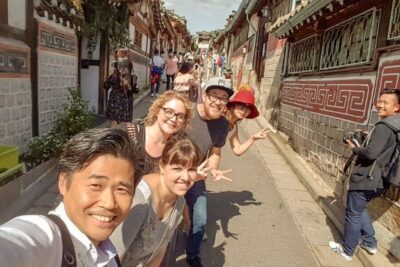
Gyeongbok Palace and Bukchon Hanok Walking Tour
Read the review →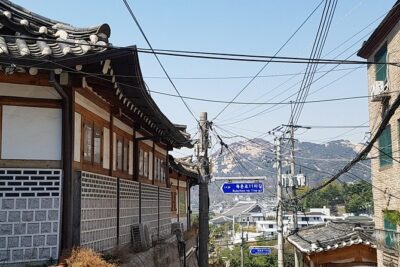
Best Walking Tour to Gyeongbok Palace Bukchon Hanok Village
Read the review →
Carve Your Personal Korean Stone Seal with Jeongju in Insadong
Read the review →Browse the lists this tour appears in