
Reviewed · SEOUL TOURS
Seoul : Taste of Korea, Authentic Home-Style Cooking Class
Four dishes, one generous meal, and a chance to cook instead of simply watching: this three-hour Hansik class gives you a practical introduction to Korean home cooking. Jennifer leads you through gimbap, tteokbokki, haemulpajeon, and budae jjigae, with help from Ms Lee and the rest of the small teaching team.
I like the hands-on format, since you prepare the food yourself from start to finish. I also like the family-friendly welcome, digital recipes, history and language notes, and willingness to adjust recipes for dietary needs. The main consideration is the sheer amount of food. Arrive hungry, because this is closer to a full Korean meal than a light cooking lesson.
Key points at a glance
- Four classic dishes: Prepare gimbap, spicy tteokbokki, seafood scallion pancake, and budae jjigae.
- Jennifer leads the class: Expect patient instruction, practical cooking help, and stories about Korean food and culture.
- Small group setting: The class accepts a maximum of 10 people, with a dedicated station for cooking.
- A full meal afterward: Tea, snacks, side dishes, sikhye, makgeolli, and dessert are included.
- Good for families: Children aged 10 and 12 have taken part successfully, with help adjusted to their skill levels.
- Easy planning: Morning and evening sessions are available, and the class begins and ends at 31-5 Jahamun-ro in Jongno.
What this Seoul cooking class actually offers
Many food activities in Seoul are built around eating. This one asks you to pick up a knife, handle the ingredients, follow the method, and make the meal yourself. That difference matters.
Hansik simply means Korean food, but Korean home cooking is about more than a list of dishes. It is the balance of rice, vegetables, seafood, meat, chili paste, broth, fermented flavors, side dishes, and shared plates. In this class, you get a useful look at how those pieces work together.
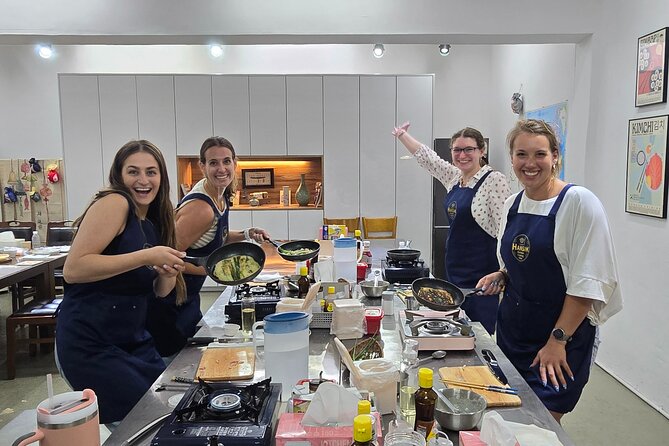
The class is held in a clean teaching kitchen with individual cooking stations. You are not expected to stand behind a chef and watch from a distance. Jennifer demonstrates each stage, then lets you work through it while she and her team step in when you need help.
That setup is especially useful if you want recipes you can repeat at home. The dishes are traditional, but the class is presented in a practical way. You learn techniques and proportions rather than simply sampling finished food.
More Cooking Classes in Seoul:
- Local Home Korean Cooking Class & Market Adventure in Seoul
★ 5.0 · 1,024 reviews - Master Korean traditional cooking with a Kimchi chef
★ 5.0 · 385 reviews - Seoul: Korean Cooking Class at a Local Home and Market Tour
★ 5.0 · 348 reviews
Four dishes that show different sides of Hansik
The menu covers a good range of Korean cooking styles. You make gimbap, the familiar Korean rice roll, by arranging rice and fillings before rolling and slicing it. It is a hands-on dish that rewards neat preparation, though your first roll may not look as tidy as the instructor’s. That is part of the fun.
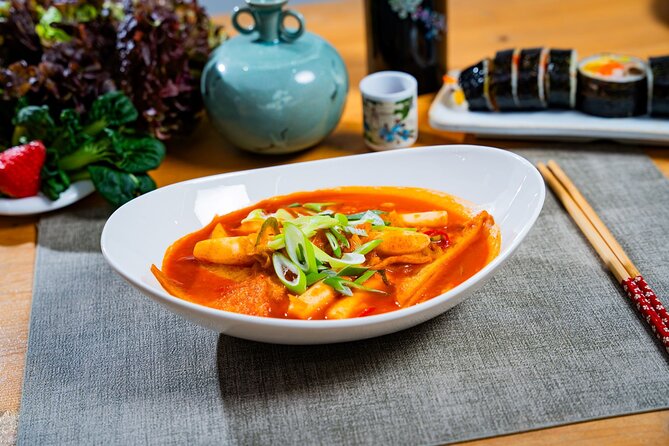
Next comes tteokbokki, soft rice cakes coated in a gochujang-based sauce. This is one of Korea’s best-known comfort foods, with a spicy, slightly sweet flavor. If you are sensitive to heat, the ability to adjust dishes to personal preference is useful. The class can also offer alternative recipes for dietary restrictions.
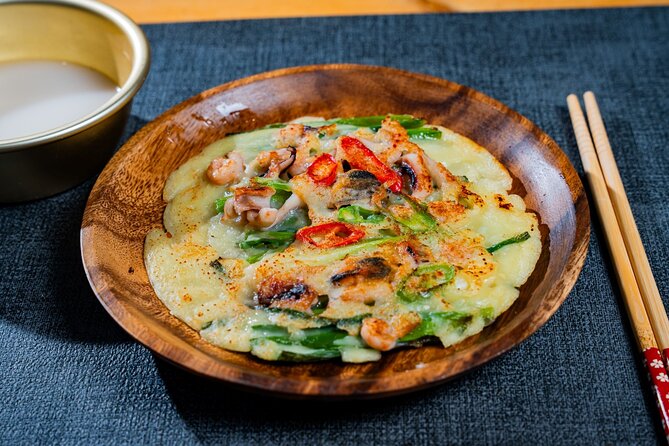
Haemulpajeon is a seafood and green onion pancake. The cooking method gives you a feel for Korean pan-frying, including how to spread the batter and manage the texture. It is a different task from rolling gimbap or stirring rice cakes, so the menu does not feel repetitive.
The final main dish is budae jjigae, often called Korean army stew. It is a hearty, strongly flavored stew with an unusual modern backstory and a place in everyday Korean food culture. Together, these four recipes introduce you to rolling, saucing, pan-frying, and making a shared pot of stew.
You also receive explanations of the dishes and their background. Jennifer adds some history and Korean language along the way, which gives the food more context without turning the class into a lecture.
Jennifer’s teaching style makes the class approachable
Jennifer is the main reason this experience works well for first-time cooks. Her approach is friendly and patient, with plenty of step-by-step guidance. You get room to do the work yourself, but help is close by when a technique feels unfamiliar.
That balance is important. A cooking class can fail in two ways: the instructor can take over everything, or you can be left guessing. Here, Jennifer demonstrates, watches your progress, and assists when needed. You still get the satisfaction of making the dish rather than being handed a preassembled plate.
Ms Lee also helps host the class. The overall tone is relaxed and social, making it suitable for couples, families, and small groups of friends. Children can take part, too. The class has worked well for children aged 10 and 12, with support matched to their abilities.
You should not expect a formal culinary-school lesson. This is home-style Korean cooking, taught for curious visitors who want to eat well and learn enough to try the recipes again. That is a strength if you prefer a warm, useful class over a technical chef demonstration.
The meal afterward is part of the value
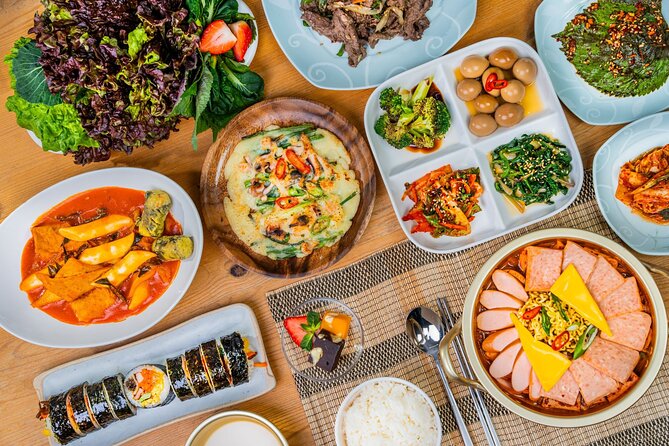
The class does not end when the last dish is prepared. You sit down to eat what you have made as a full Korean-style meal, along with side dishes, Korean tea, snacks, sikhye, makgeolli, and dessert.
Sikhye is a sweet Korean rice punch, often served chilled, while makgeolli is a milky Korean rice wine. Alcohol is served only to people aged 21 and over. Younger participants receive non-alcoholic drinks instead.
The portions are generous. You may have enough food to feel completely full, and leftovers may be available to take with you. That is worth noting when comparing this $89 experience with shorter classes that provide only a small tasting plate.
The generous meal is also the main reason to avoid eating shortly beforehand. This is not a quick snack between sightseeing stops. Plan it as a proper meal in your day, especially if you choose an evening session.
More hands-on workshops in Seoul:
- Yongpyong Ski Resort from Seoul with Optional Lesson and Packages
★ 5.0 · 217 reviews - Seoul: Kpop Dance Class Including Video Shooting & Editing
★ 4.8 · 185 reviews - Seoul: Taste of Korea, Authentic Home Style Cooking Class
★ 4.9 · 166 reviews - Seoul: Perfume-Making Workshop in a Hanok
★ 4.9 · 110 reviews
Why the menu works for first-time visitors
The four recipes give you a broad introduction without requiring a long course. Gimbap is familiar and tactile. Tteokbokki introduces gochujang and Korean spice. Haemulpajeon shows how seafood and green onions work in a savory pancake. Budae jjigae brings everything together in a warm communal stew.
You also see how Korean food moves between individual preparation and shared eating. Some tasks happen at your station, while the finished meal becomes a table of dishes to enjoy together. That change from cooking to sitting down helps the class feel like a social meal in a Korean home.
For someone who already eats Korean food, the value is in learning the methods and proportions. For a first-time visitor, the class offers a useful vocabulary for dishes you will see elsewhere in Seoul. You leave with more confidence when ordering, shopping for ingredients, or reading a Korean menu.
Dietary needs and spice preferences
The class can adapt recipes for dietary restrictions and preferences, which is a real advantage. You should communicate your needs clearly when booking or before the session, since the cooking plan may need to change.
The supplied information does not list every possible substitution, so do not assume every request can be accommodated automatically. Still, the teaching team has shown flexibility with alternative recipes and food preferences.
Spice is another point to discuss. Tteokbokki normally uses a red chili paste sauce, but Korean heat levels can surprise you. Ask about adjusting the seasoning if you are unsure. The ability to tailor the food makes this class more approachable for mixed groups, where one person loves chili and another does not.
Location, timing, and group size
The meeting point is 31-5 Jahamun-ro in Seoul’s Jongno District, near public transportation. The class ends at the same location, so you do not need to arrange a separate return transfer.
Morning and evening sessions are available. A morning class works well if you want a substantial lunch and a free afternoon. An evening session can replace dinner, though you should leave enough time afterward because the meal is large.
The maximum group size is 10 people. That is small enough for direct help, but it is still a shared class rather than a private lesson. If you want one-on-one instruction throughout, this may feel less personal than a private cooking session.
Confirmation is provided at booking, and the experience uses a mobile ticket. Since it is commonly booked about 34 days ahead, reserve early if your Seoul dates are fixed, especially if you need a particular session time.
Is $89 a fair price?
At $89 per person, this is not the cheapest food activity in Seoul. The price makes more sense when you count what is included: three hours of instruction, four dishes, a full meal, snacks, drinks, tea, dessert, and recipes sent digitally afterward.
The portions are a major part of the value. You are not paying for one small dish and a quick demonstration. You may eat enough for a full meal and take leftovers with you, which makes the cost easier to justify.
You also save time compared with trying to shop for unfamiliar ingredients and recreate four dishes alone in a rental kitchen. The class gives you a structured introduction and practical guidance, particularly helpful if Korean cooking is new to you.
Still, budget-minded visitors may find the price high if their main goal is simply to taste Korean food. Seoul has many less expensive ways to eat gimbap, tteokbokki, and stew. Book this class for the cooking, cultural context, and generous meal, not just for the food itself.
What could be less ideal
The class is food-heavy. If you prefer a small tasting experience or have a light appetite, the amount served may feel excessive. The upside is that leftovers can be taken away, but you still need to manage a substantial meal during the session.
The format also depends on participating. You will get more from it if you are willing to chop, roll, stir, and try the techniques yourself. Anyone hoping to sit back and watch may find the active structure tiring.
The class is in one kitchen location, not a market tour or neighborhood food walk. You learn about ingredients and dishes during the lesson, but the activity does not include separate sightseeing stops. That makes it focused, though less suitable if you want a cooking class combined with a broader tour of Seoul.
Finally, poor weather or an insufficient number of bookings can lead to cancellation, with another date or a full refund offered. Free cancellation is available up to 24 hours before the start time. Changes or cancellations inside that window are not accepted for a refund.
Who should book the Hansik class?
I would choose this for you if food is one of the main reasons you came to Seoul and you want more than restaurant photos. It suits curious beginners, couples, families, and small groups who enjoy learning by doing.
It is also a good pick if you want recipes to use at home. The digital recipes give the experience a life beyond the afternoon or evening, and the four dishes are varied enough to teach several basic Korean cooking methods.
Families should find the format especially appealing. Children can take part, and the class offers a clear activity with a satisfying meal at the end. Adults should still be ready to help younger children with hot pans and sharp tools, since the class is genuinely hands-on.
I would think twice if you have very limited time, dislike group activities, or want a small portion. You will spend about three hours at the kitchen, and the experience is designed around cooking and eating, not quick sightseeing.
Should you book it?
Book it if you want a friendly, practical introduction to Korean home cooking with enough food to replace a full meal. Jennifer’s patient teaching, the small group limit, recipe follow-up, flexible food approach, and cultural notes make the $89 price reasonable for an active class.
Skip it if you only want to sample Korean dishes or would rather spend your Seoul evening at several restaurants. For everyone else, this is a useful way to turn familiar Korean foods into skills you can carry home. Just arrive hungry, tell the team about dietary needs in advance, and leave room for leftovers.
FAQ
How long is the Korean cooking class?
The class lasts approximately three hours.
Where does the activity begin and end?
It begins at 31-5 Jahamun-ro in Seoul’s Jongno District and ends back at the same meeting point.
Which dishes will I prepare?
You will prepare gimbap, tteokbokki, haemulpajeon, and budae jjigae.
Is food and drink included?
Yes. You are served the food prepared during the class, along with a full-course home meal, Korean tea, snacks, side dishes, sikhye, makgeolli, and dessert.
Can children join the class?
Yes. Children can participate, and children aged 10 and 12 have taken part in the class.
Are alcoholic drinks available for minors?
No. Alcoholic drinks are served only to people aged 21 and over. Minor participants receive non-alcoholic drinks.
Can I cancel for a full refund?
Yes. You can cancel at least 24 hours before the experience start time for a full refund. Cancellations made less than 24 hours before the start time are not refunded.
Recently added around Seoul
- Nami & Maple Road & Theatre des Lumieres Day Tour from Seoul★ 4.8 · 4 reviews
- Gyeongbokgung Palace Photo Session with your own phone★ 5.0 · 4 reviews
- Private Tour around Suwon UNESCO Fortress and Korea Folks Village★ 4.5 · 4 reviews
- Seoul: Deoksugung Palace Night Tour★ 4.5 · 4 reviews
- Jisan Forest Resort: Ski Full-Day Tour or Shuttle from Seoul★ 5.0 · 4 reviews
- N Seoul Tower + Namsan Cable Car Ticket (Collect in Myeongdong)★ 3.5 · 4 reviews
- Private Jeonju Hanok Village – Culinary tour★ 5.0 · 4 reviews
- Seoul Private Walking Tour with a Local★ 5.0 · 4 reviews
Seoul Tours, compared.
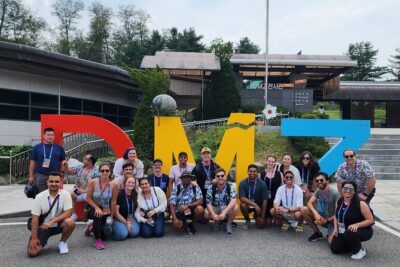
Best DMZ Tour Korea from Seoul (Red Suspension Bridge Optional)
Read the review →
DMZ Tour: 3rd Tunnel, Option(Suspension Bridge, Boat) from Seoul
Read the review →
DMZ tour south Korea from Seoul (NK experience hall, defector)
Read the review →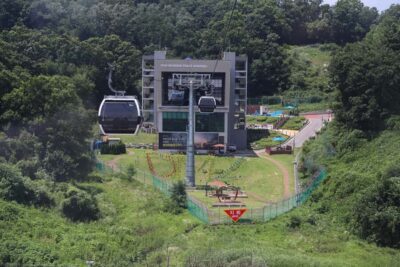

DMZ The 3rd Tunnel and Suspension Bridge Tour
Read the review →
Signature DMZ Tour: Exclusive Defector Talk & Suspension Bridge
Read the review →
Thrilling Korean DMZ 3rd Tunnel Tour from Seoul + Red Bridge Rush
Read the review →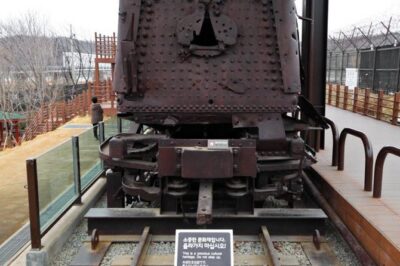
DMZ Past and Present: Korean Demilitarized Zone Tour from Seoul
Read the review →Browse the lists this tour appears in