
Reviewed · BUKCHON AND INSADONG WALKS
Tour Seoul’s oldest district with a storyteller from Bukchon
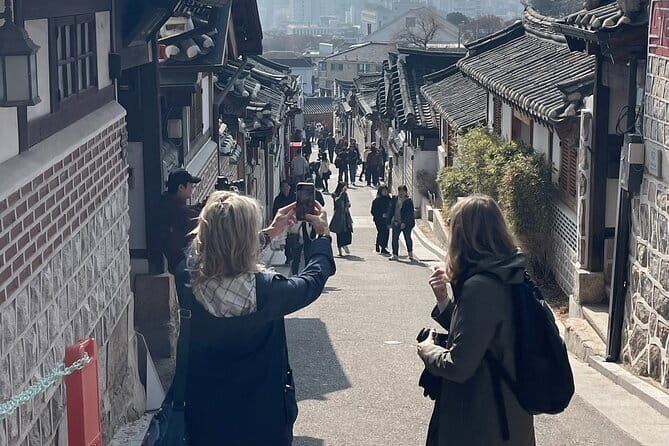
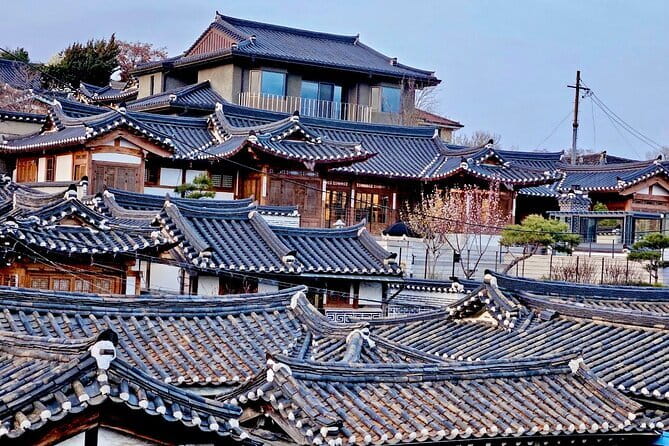
Bukchon is more than a photogenic cluster of tiled roofs. It was the center of Korean power, culture, and commerce for centuries, and guide Dong, who grew up in the neighborhood, connects that large story to streets, wells, schools, and homes you could easily pass without noticing.
I like the personal angle, especially Dong’s memories of Bukchon before tourism changed its streets. I also like the calm pace and the way the tour links royal history, Japanese colonial-era Korea, feng shui, film locations, and modern Seoul. The main drawback is that this is a walking tour through sloping lanes and narrow alleys, so it may be tiring for some people and is not recommended for children aged 12 and under.
Key points to know before you book
- A guide who grew up in Bukchon: Dong brings first-hand memories to a neighborhood that has changed quickly.
- Seven stops with a broad story: The route moves from Joseon royalty to hanoks, independence-era history, politics, business, and Korean popular culture.
- A relaxed 2 to 3 hour walk: The pace is designed for listening and questions, rather than rushing from one photo stop to another.
- Feng shui has a real role: You learn why Bukchon was chosen as a capital district and why powerful people wanted land here.
- Private group format: Only your group participates, which makes it easier to ask questions and follow your own interests.
- Traditional craft is a Plus Tour feature: The standard experience includes the guide, while the handicraft activity is available only with the Plus option.
Why Bukchon makes such a good history walk
Bukchon sits between major royal and government sites in central Seoul. Its location helped make it a home for the yangban, the ruling class of Joseon, and later for politicians, business leaders, artists, and institutions that shaped Korea.
That gives the walk more substance than a simple hanok photo outing. You see traditional homes, but you also hear why they were built here, who lived nearby, and how the district changed from a center of power into a residential area, then into one of Seoul’s best-known cultural quarters.
I especially like that the tour covers a long stretch of time without treating history as a list of dates. The guide’s stories connect a royal succession crisis to a former school, a neighborhood well to childhood tales, and old political fortunes to the shape of the hills.
Dong’s background adds another useful layer. He is described as a filmmaker and university screenwriting professor, so his approach is built around characters, setting, and cause and effect. That matters in Bukchon, where the most interesting details are often easy to miss unless someone explains the people behind them.
More Bukchon and Insadong walks:
- Seoul: Gyeongbok Palace, Bukchon Village, and Gwangjang Tour
★ 4.9 · 2,321 reviews - Best Seoul City Tour (Gyeongbokgung Palace,Insadong,Namsan Tower)
★ 5.0 · 1,647 reviews - Seoul: Gyeongbok Palace, Bukchon Village, and Gwangjang Tour
★ 5.0 · 1,044 reviews
Starting at Unhyeongung and a surprising royal succession
Meet at Anguk Station Exit 4 at 10:00 a.m. The first stop is Unhyeongung, a royal residence with a dramatic story at its center.
When a king died without a crown prince, an 11-year-old royal boy who had been born and raised here became the 26th king of Joseon. For the next decade, his father governed the country from this place. That is a strong opening because it immediately shows how Bukchon was tied to national power, not simply palace life.
You spend about 20 minutes here, and admission is free. The site gives you a clear starting point before the route moves into ordinary streets. Pay attention to the contrast: royal decisions were made close to lanes where families, craftspeople, students, and workers lived their daily lives.
The meeting point is convenient for public transportation, but you should arrive ready to walk. The tour may last longer than the listed stop times because time is needed to move between places and hear the stories along the way.
Cafe Onion Anguk and architecture from three eras
The next pause is near Cafe Onion Anguk, where the focus shifts to buildings from roughly 600, 100, and 50 years ago.
The café itself is a popular modern stop, but the useful part of this visit is the architectural comparison. Bukchon puts very different periods close together. Traditional forms, later urban buildings, and newer uses share the same streets, making the area a good place to see how Seoul has changed without leaving one neighborhood.
This is a short 10-minute stop, so do not expect a long café break. Coffee and tea are not included, and the tour is not designed around food or drink. If you want to buy something, treat it as a personal expense rather than part of the experience.
The location also helps you notice a point that can get lost in photographs: Bukchon is still a living district. Its old buildings are not museum pieces in every case. People live, work, study, and run businesses here, so you should keep your voice low and avoid blocking narrow lanes.
Hanoks and the world of the yangban
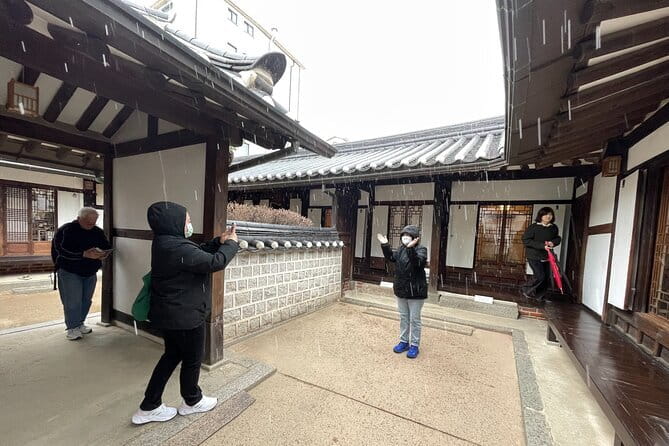
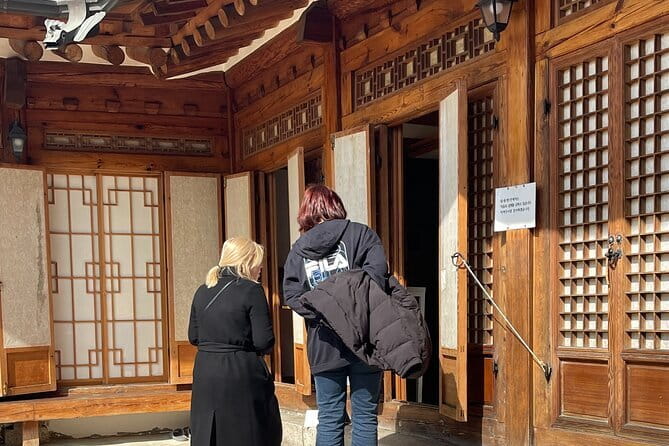
At the Bukchon Traditional Culture Center, Dong explains the hanoks associated with the yangban, the ruling class that generally lived in Seoul.
This stop is valuable for anyone who wants more than a quick look at rooflines and wooden doors. You learn how the homes reflect social position and how the neighborhood’s location relates to the people who controlled the country.
The stop lasts about 10 minutes and is free. It is a good place to ask questions about how traditional houses worked and how their meaning has shifted over time. Bukchon’s hanoks are now closely linked with tourism and Korean design, but their original role was tied to family structure, status, and city life.
The tour does not present every traditional house as untouched. That is a strength. Bukchon has changed, and understanding that change helps you see the neighborhood with more care. Some streets can feel crowded, especially around well-known photo areas, while quieter lanes offer a better setting for Dong’s local stories.
A few more Seoul half-days to weigh up
- Best DMZ Tour Korea from Seoul (Red Suspension Bridge Optional)
★ 5.0 · 41,422 reviews - DMZ Tour: 3rd Tunnel, Option(Suspension Bridge, Boat) from Seoul
★ 5.0 · 21,373 reviews - DMZ tour south Korea from Seoul (NK experience hall, defector)
★ 5.0 · 20,599 reviews - Seoul: DMZ Tour with Optional Suspension Bridge
★ 4.8 · 5,277 reviews
Seokjeong Boreum Well and the stories beneath the street
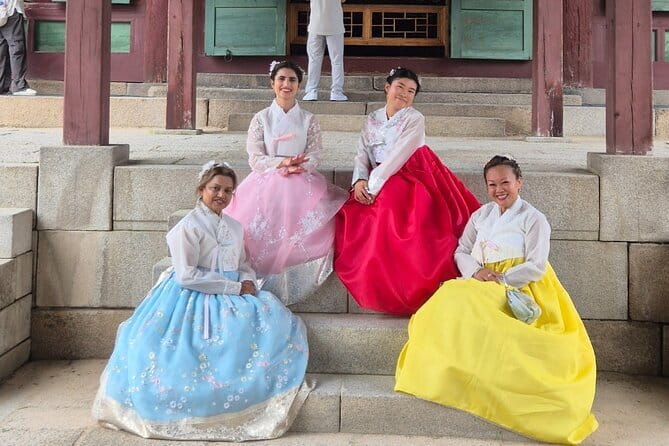
The Seokjeong Boreum Well adds a smaller, more intimate stop to the route.
Here, Dong tells stories about wells that many Koreans heard as children, then considers what history has revealed about them. A well may sound like a modest feature, but it points to how a neighborhood functioned before modern water systems and how shared places gathered stories over time.
You spend about 10 minutes here. This is the kind of stop you might walk past alone. It gives the tour a human scale and breaks up the larger subjects of kings, politicians, and national history.
I also like the change of mood. After hearing about royal authority and elite housing, a neighborhood well brings attention back to daily life. It reminds you that history is not only found in palaces. It can sit beside an alley and survive in local memory.
Choong Ang High School, film fame, and Korea’s modern story
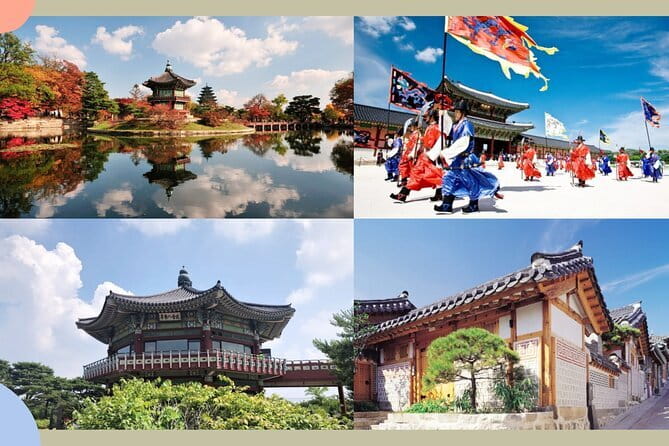
Choong Ang High School is known as a filming location for Winter Sonata, along with many other dramas and music videos. The tour uses that popular-culture connection as a doorway into the school’s older and more serious role.
The stop lasts about 10 minutes and costs nothing to visit. The school is not treated only as a backdrop for romance scenes. Dong explains the secret history of this place and how it helped shape Korea into the country it is today.
This is one of the route’s most useful contrasts. Many visitors recognize the setting from television, but the site also connects to education, national identity, and the political changes that shaped modern Korea. You get a chance to see how a familiar entertainment location can carry a much longer story.
Please keep in mind that this is a working school environment, not simply an attraction. The tour can explain its importance from the outside or designated areas, but you should follow the guide’s instructions and respect students and staff.
Samcheongdong, feng shui, and the rise and fall of power
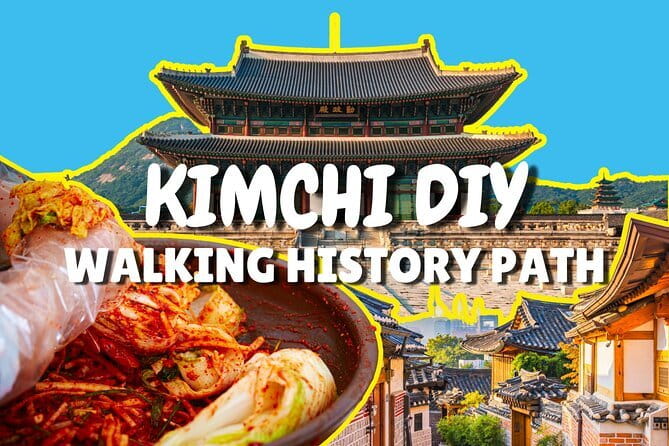
The route then reaches Samcheongdong and Bukchon, where the focus turns to land, power, and feng shui.
Bukchon was chosen as the capital area according to principles of feng shui, and the district was regarded as an auspicious place. Dong traces the rise and fall of politicians and business tycoons who held land here, showing how geography, belief, wealth, and authority overlapped.
This is the stop that gives the tour its broadest political reach. Feng shui is not presented as a decorative idea. It affected how people understood success, danger, prosperity, and the fate of a nation. If you are interested in how belief can shape decisions made by powerful people, listen closely here.
The walk through Samcheongdong also helps explain why Bukchon remains so desirable. Its position between royal sites and central Seoul gave it practical value, while its hills and traditional setting gave it symbolic weight. The route does not reduce the district to one simple explanation. It shows how location and social status reinforced one another.
Bukchon Hanok Village and the person who reshaped it
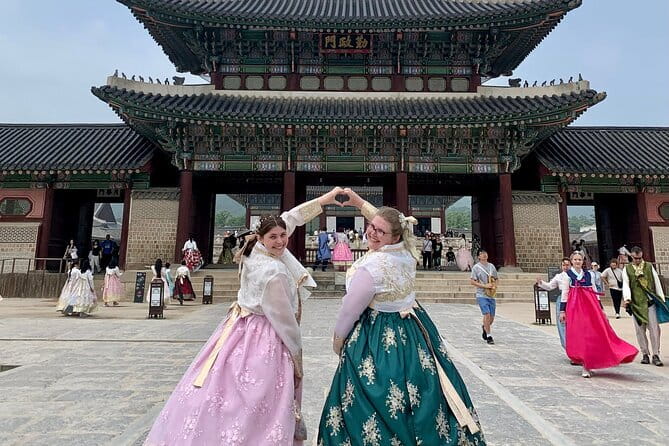
The final stop is Bukchon Hanok Village, where Dong tells the story of the man who changed the face of Bukchon during the 1920s and 1930s.
This period is important because the village you see today is not simply a preserved Joseon neighborhood. Bukchon’s appearance developed through later changes, including the growth of urban housing and the pressures of a changing city. The tour helps you separate old forms from the modern decisions that made the district look the way it does now.
The stop lasts about 15 minutes, but you may spend more time walking through nearby lanes as the tour finishes. The activity ends at a different location from the starting point, so do not plan to return automatically to Anguk Station without checking your route.
This is also a good place for photographs, though the best value is still the explanation. Without context, Bukchon can become a line of pretty walls. With Dong’s account, you can see the neighborhood as a place shaped by class, politics, redevelopment, memory, and the demands of modern Seoul.
What the local guide adds
The strongest reason to choose this walk is Dong himself. He grew up in Bukchon, and that gives him a perspective that a guide relying only on written dates cannot easily reproduce.
His stories include what the neighborhood was like before it became so popular, how its streets have changed, and how old buildings relate to present-day Seoul. He also answers questions and has offered practical city advice, including help confirming an appointment for one participant. That suggests a flexible, personal style rather than a rigid speech delivered at every stop.
The tour is also shaped by his work as a filmmaker and screenwriting professor. You can expect attention to characters and turning points. A king, a father ruling in his son’s name, a powerful landowner, a school, and a child’s story about a well become parts of a larger narrative.
The private format helps. Only your group takes part, so you can ask about architecture, Korean politics, television locations, or everyday life without worrying about a large crowd. The activity also offers group discounts, which may improve the value for families with older children or small groups of friends.
Pace, price, and who gets the best value
At $39.20 per person, this is fairly priced if you want interpretation rather than a quick walk through the village. You are paying for roughly two to three hours with a local guide, a planned route, and the chance to understand places that are free to enter.
The free admission at each stop keeps the cost straightforward. You are not paying extra for palace tickets or a major attraction. On the other hand, coffee, tea, insurance, hotel pickup, and personal purchases are not included.
The value is strongest for first-time visitors who want a clear introduction to old Seoul. It also suits repeat visitors who have already photographed Bukchon and now want to understand how the neighborhood fits into Korea’s political and social story.
The tour is not the best choice if you want a food walk, a shopping outing, or a fast list of famous sights. It is also not ideal for anyone who has difficulty with moderate walking. The route uses alleys and district streets, and the activity recommends a moderate level of physical fitness.
Children aged 12 and under may find the storytelling and walking demanding. For older children, the royal succession story, television locations, and craft option may help hold their attention, but the pace and content are still aimed at participants who can follow a sustained historical discussion.
The Plus Tour and traditional Korean handicraft
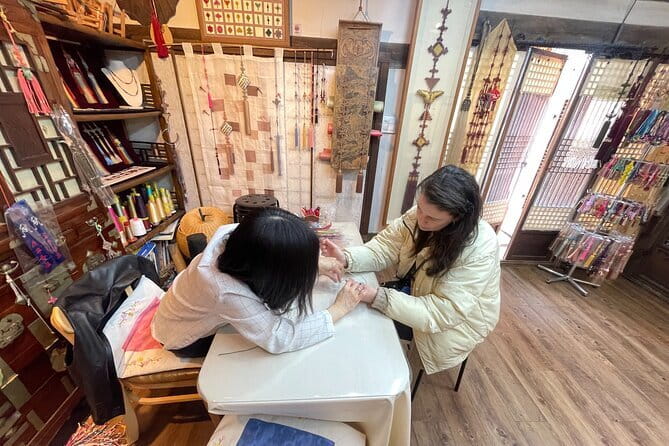
The standard experience includes a professional guide from Bukchon. A traditional Korean handicraft activity is available only with the Plus Tour.
The exact craft details are not specified in the tour information, though one participant described making traditional Hopae tags. If that activity matters to you, confirm that the Plus option includes it when booking rather than assuming it comes with the basic tour.
The craft option could be a useful addition for families and anyone who wants something hands-on. Still, the main experience is the storytelling walk. Choose the Plus Tour for the activity itself, not because you need it to understand Bukchon.
Weather, timing, and simple practical advice
The tour begins at 10:00 a.m., a useful time for seeing the neighborhood before a full day of sightseeing. You should wear comfortable shoes and bring weather protection, since the experience takes place outdoors and includes moderate walking.
The guide has led walks in hot summer weather, cold conditions, and rain. Rain can make an umbrella awkward in narrow lanes, so check the forecast and dress accordingly. Autumn and spring can be especially pleasant in Seoul, but the tour operates across different seasons.
The activity may be canceled if fewer than two people join. Keep that condition in mind when building a tight itinerary around the walk. Confirmation is provided at booking, and cancellation is allowed up to 24 hours before the experience for a full refund.
Should you book the Bukchon Storytelling Tour?
Book it if you want Bukchon explained by someone who actually grew up there. The strongest parts are the personal memories, the links between royal and modern Korea, the feng shui discussion, and the quieter details that are easy to miss on your own.
I would choose this over a standard photo-focused walk if you care about how Seoul changed from a Joseon capital into a modern city. The relaxed pace also suits you if you prefer questions and conversation over a tightly timed procession.
Skip it if your priority is food, shopping, palace interiors, or a fully accessible route with little walking. But if you have two to three hours, moderate fitness, and an interest in the stories behind Bukchon’s lanes, the $39.20 price buys a thoughtful introduction to one of Seoul’s most meaningful districts.
FAQ
How long does the Bukchon Storytelling Tour last?
The tour lasts approximately two to three hours.
Where does the tour begin?
It begins at Anguk Station Exit 4 in Unni-dong, Jongno District, Seoul.
What time does the tour start?
The listed start time is 10:00 a.m.
Who leads the tour?
The guide is Dong, also referred to as Donghwan. He was born and raised in Bukchon and is now a filmmaker and university screenwriting professor.
Is this a private or group tour?
It is a private activity for your group only. Group discounts are also available.
Is the traditional handicraft activity included?
A traditional Korean handicraft experience is available with the Plus Tour only. It is not included in the standard tour.
Is the tour suitable for young children?
The tour is strongly recommended for participants aged 12 and above. Children aged 12 and under may find the walking and storytelling challenging.
What is included in the price?
The experience includes a professional guide from Bukchon. Travel insurance, hotel pickup, coffee, tea, and personal expenses are not included.
Can I cancel for a refund?
You can cancel up to 24 hours before the experience for a full refund. The tour may also be canceled if fewer than two guests join.
Recently added around Seoul
- Gyeongbokgung Palace Photo Session with your own phone★ 5.0 · 4 reviews
- Private Tour around Suwon UNESCO Fortress and Korea Folks Village★ 4.5 · 4 reviews
- Nami & Maple Road & Theatre des Lumieres Day Tour from Seoul★ 4.8 · 4 reviews
- N Seoul Tower + Namsan Cable Car Ticket (Collect in Myeongdong)★ 3.5 · 4 reviews
- Jisan Forest Resort: Ski Full-Day Tour or Shuttle from Seoul★ 5.0 · 4 reviews
- Seoul: Deoksugung Palace Night Tour★ 4.5 · 4 reviews
- Private Jeonju Hanok Village – Culinary tour★ 5.0 · 4 reviews
- Seoul Private Walking Tour with a Local★ 5.0 · 4 reviews
Bukchon and Insadong Walks, compared.
Gyeongbok Palace, Bukchon Village, and Gwangjang Tour
Read the review →
Best Seoul City Tour (Gyeongbokgung Palace,Insadong,Namsan Tower)
Read the review →Gyeongbok Palace, Bukchon Village, and Gwangjang Tour
Read the review →
Seoul Highlights: Gyeongbok Palace, Insadong & N Seoul Tower
Read the review →
Korean Palace and Market Tour in Seoul Including Insadong and Gyeongbokgung Palace
Read the review →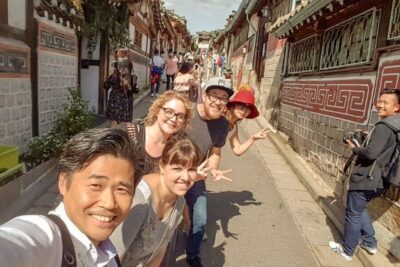
Gyeongbok Palace and Bukchon Hanok Walking Tour
Read the review →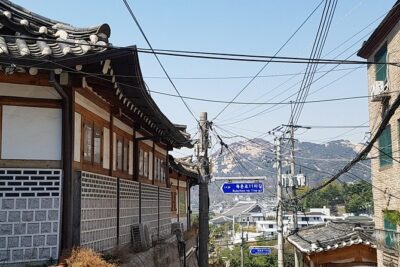
Best Walking Tour to Gyeongbok Palace Bukchon Hanok Village
Read the review →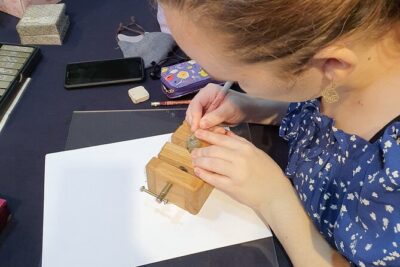
Carve Your Personal Korean Stone Seal with Jeongju in Insadong
Read the review →Browse the lists this tour appears in