
Reviewed · SEOUL TOURS
10day Small Group Discover Korea Tour : History, Food and Culture
South Korea packs an astonishing range of experiences into ten days, and this private tour covers the country’s big contrasts: Jeju’s volcanic coast, Busan’s seafood stalls, Gyeongju’s Silla-era monuments, Jeonju’s traditional homes, Seoul’s palaces, and the tense border zone near North Korea. You move quickly, but you see far more than you could manage by public transport alone.
I like the way the tour mixes major sights with hands-on moments, especially the Golgulsa Temple stay and the Seoul cooking class. I also like the food trail, from Jeju’s Dongmun Market and Busan’s Jagalchi Market to Jeonju bibimbap, makgeolli supper, Suwon fried chicken, and Seoul street snacks.
The main drawback is pace. Flights, long drives, early starts, and many stops make this a demanding trip. The cancellation terms are also strict, since the $3,800 payment is non-refundable and changes are not allowed.
Key points to know before booking
- Two domestic flights save long hours: You fly from Gimpo to Jeju, then Jeju to Busan, instead of spending much of the trip on lengthy overland routes.
- One night at Golgulsa changes the rhythm: This is not only a sightseeing stop but a temple-stay experience included in the price.
- The food program is unusually strong: Markets, local restaurants, a makgeolli table, a cooking class, and food streets give the tour a tasty local focus.
- The DMZ needs an early start: Entry is first come, first served, and access follows military-zone rules.
- This is private, despite the small-group name: Only your own group participates, with an English-speaking guide and an air-conditioned vehicle.
- The schedule favors coverage over slow mornings: You visit many of Korea’s headline sights, but free time is limited on several days.
What $3,800 covers, and what it asks of you
At $3,800 per person, this tour is not a budget trip. Its value comes from combining transport, hotels, guiding, entrance fees, two domestic flights, meals, and a temple stay in one package.
You receive nine nights of 3.5 to 4-star accommodation, an air-conditioned vehicle, an English-speaking guide, entrance fees for the planned sites, and flights from Gimpo to Jeju and Jeju to Busan. The package also includes seven breakfasts, seven lunches, two dinners, and one night at Golgulsa Temple.
The price makes more sense if you want a single organizer to handle a complicated route. Jeju, Busan, Gyeongju, Jeonju, Suwon, Seoul, and the DMZ are spread across the country. Arranging flights, drivers, hotels, timed attractions, and border-area transportation yourself would take work.
Still, you should read the meal count carefully. Some meals are on your own, particularly on the first day, and the package does not cover every meal. You will want extra money for snacks, drinks, optional activities such as the Busan Ocean Cable Car, shopping, and meals outside the included seven breakfasts, seven lunches, and two dinners.
The private format is useful for families and mixed-age groups. You can discuss adjustments with your guide, and the original route is described as open to changes. That flexibility is valuable, though it should not be confused with unlimited free time. The route contains many fixed attractions and long transfers.
More Historical Tours in Seoul
- Seoul: Evening Dark History, Folklore & Ghost Story Walking Tour
★ 5.0 · 593 reviews - Hanbok Photoshoot and History Tour at Gyeongbokgung Palace
★ 5.0 · 276 reviews - From Seoul: Dae Jang Geum Park Historic K-Drama Set Tour
★ 4.9 · 143 reviews
Days 1 and 2: Jeju’s lava tubes, beaches, and folk traditions
The tour begins with a flight from Gimpo Domestic Airport to Jeju, about one hour in the air. Weather can delay or cancel the flight, so the first day needs some breathing room. After arrival, a driver takes you to the hotel, but check-in, meals, and rest time are handled independently.
The first sightseeing stop is Mysterious Road, also called Dokkaebi Road. Cars appear to roll uphill when the engine is off, an optical illusion caused by the surrounding slope. It is a short, amusing stop, best treated as a curiosity rather than a major attraction.
At ARTE MUSEUM JEJU, projected video and light art fill large indoor spaces. This gives you a welcome change from outdoor sightseeing and works well if the weather turns wet. You receive admission, and the visit lasts about an hour.
Spirited Garden offers carefully arranged bonsai and living art. The setting provides a slower hour after the visual intensity of the museum. You then head to Hyeopjae Beach, where you can walk, relax, visit a cafe, or bring swimwear if you want time near the water.
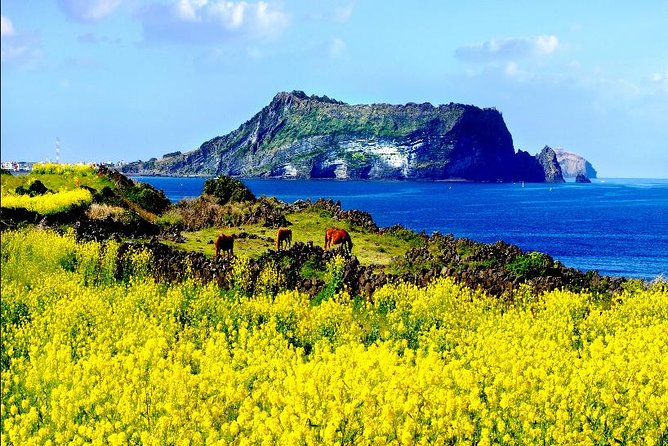
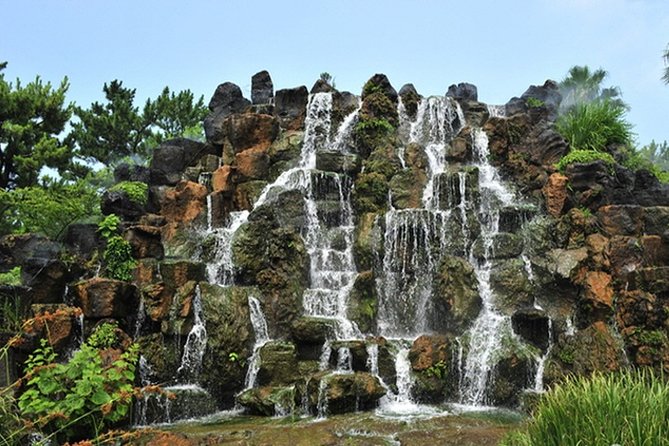
The volcanic theme returns at Jusangjeollidae, where waves meet tall columnar basalt formations. Cheonjiyeon Falls is a smaller natural stop, with about forty minutes for a walk and the waterfall. Together, these visits show why Jeju feels different from mainland Korea: its scenery was shaped by volcanic activity, and the rock formations are part of the island’s identity.
Day two begins at Manjanggul Cave, one of the world’s notable lava tubes. The visit adds geological context to the previous day’s coastal formations, though cave access and walking conditions can make this a less comfortable stop for anyone who dislikes uneven or enclosed spaces.
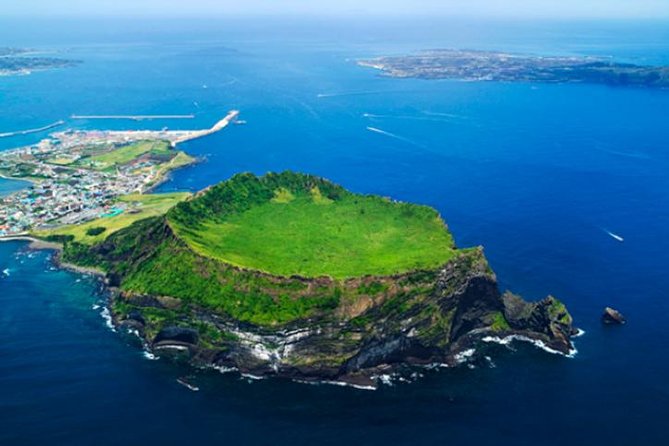
Sangumburi Crater is a broad, fairly flat volcanic crater with a circumference of more than two kilometers. From above, its shape can look almost like a stadium. You then visit Gwangchigi Beach, known for dark sand formed from weathered basalt.
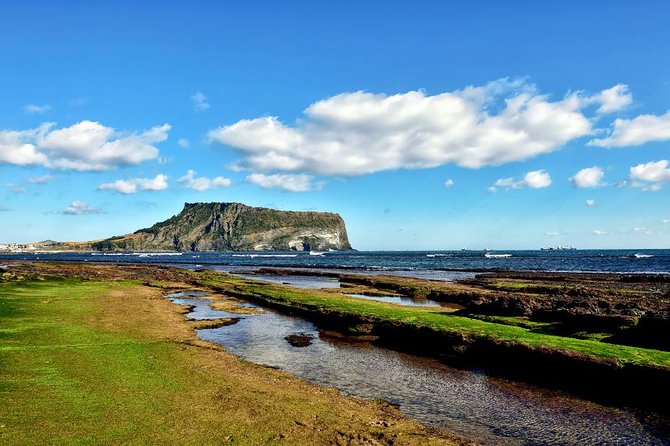
Seongsan Ilchulbong, or Sunrise Peak, is one of Jeju’s signature sights. The volcanic tuff cone rises from the sea, and the climb gives you a view into its grass-filled crater. The one-hour slot is enough for a brisk visit, but not for a leisurely climb if you move slowly.
Seongeup Folk Village brings the focus back to human culture. Traditional properties and local customs have been passed down here for generations, giving you a look at indigenous Jeju life. Finish at Dongmun Market, where you can browse produce, prepared foods, and inexpensive local goods. It is also a good place to notice what people actually eat, rather than only sampling restaurant versions of Korean cuisine.
Day 3: Busan seafood, hillside homes, and a seaside temple
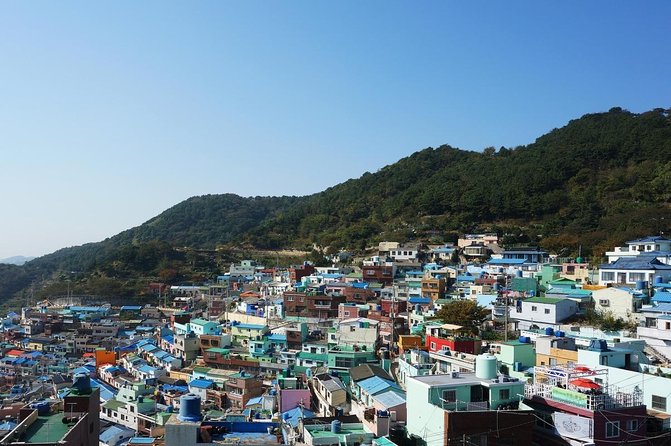
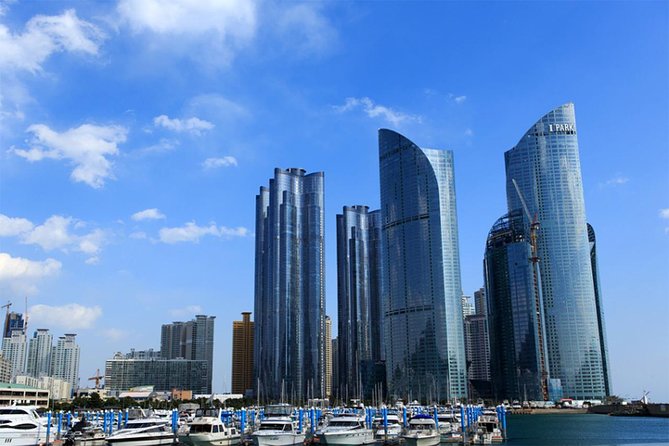
You fly from Jeju to Busan, then begin with Gamcheon Culture Village. Homes climb the coastal hillside in a staircase pattern, creating one of Busan’s most recognizable views. The area is photogenic, but you should expect slopes, steps, and narrow passages.
Songdo combines a beach setting with a skywalk, seafood restaurants, and an optional ocean cable car. The cable car costs extra, so decide on the day whether the view is worth adding to your budget. The basic stop still gives you time by the water.
BIFF Square is both a film-festival district and a food street. Try the sweet pancakes sold by street vendors, then leave room for Jagalchi Market nearby. Jagalchi is Busan’s major fish market, with live and prepared seafood on display. The stop is brief, so anyone especially interested in markets may prefer to ask for more time here and less time elsewhere.
Busan’s long double-decker bridge is included as a view stop, with the possibility of evening light festivals, fireworks, or drone events depending on the date. These events are not guaranteed, so treat them as a bonus rather than part of the core program.
Haedong Yonggungsa is the day’s spiritual highlight. Built beside the sea, the temple has a memorable relationship with the coastline. It is a good example of how Korean religious sites often connect architecture with mountains, rocks, or water.
Days 4 and 5: Gyeongju’s Silla treasures and a night at Golgulsa
Golgulsa Temple is more than a quick photo stop. The temple runs year-round temple-stay programs, and this tour includes one night there. That overnight changes the trip from a string of monuments into a chance to experience a more reflective side of Korea.
The temple sits near Hamwolsan Mountain outside Gyeongju. You should ask in advance about the daily pattern and sleeping arrangements, since a temple stay is different from a standard hotel night. It may be the least familiar accommodation of the trip, but also one of its most distinctive parts.
Bulguksa Temple brings you into the world of the Silla Kingdom, with a history reaching back about a thousand years. Nearby Seokguram contains a celebrated Buddhist statue in a mountain setting. The visits are short, so your guide’s explanations matter here. Without context, carved stone, gates, and terraces can blur together.
Day five focuses on central Gyeongju. Daereungwon Tomb Complex contains large grass-covered burial mounds connected with Silla royalty and aristocracy. The scale is striking, especially when you realize that these rounded hills are ancient tombs rather than natural rises.
Cheomseongdae Observatory is a quick stop, but its importance is greater than its ten-minute visit suggests. It is regarded as the oldest surviving astronomical observatory in Asia. The Gyeongju National Museum gives you the time needed to make sense of the Silla period through objects, art, and archaeological finds.
Donggung Palace and Wolji Pond is best seen after dark. Reflections on the water and the illuminated palace ruins create one of Gyeongju’s most atmospheric scenes. Woljeonggyo Bridge provides another evening photo stop near Kyochon Village.
The practical point is simple: Gyeongju deserves night hours. This tour uses them well, but the schedule also makes day five full. Wear comfortable shoes and save some energy for the evening.
More Small Group Tours in Seoul
- Small Group Tour to DMZ & Suspension Bridge with Hotel Pickup
★ 5.0 · 1,568 reviews - Small-Group Royal Palace and Seoul City Tour (hotel pick-up)
★ 5.0 · 1,474 reviews - Seoul: Small-Group DMZ Tour with North Korea Experience Hall
★ 4.7 · 1,399 reviews - Small-Group DMZ Tour w/ North Korea Experience Hall & Susp.Bridge
★ 5.0 · 1,192 reviews
Day 6: Maisan Mountain and Jeonju’s serious food culture
After breakfast, you drive from Gyeongju toward Jinan, a journey of roughly two and a half to three hours. That is a long transfer, but it takes you to a very different part of the country.
Maisan Mountain is named for its horse-ear shape. You stop at an observatory before visiting Tapsa Temple, which is famous for more than eighty stone pagodas built by Lee Gap-yong, a retired scholar. The uneven towers give Tapsa a strange, memorable appearance and make this one of the tour’s more unusual temple visits.
The route then continues to Jeonju, a city known for food and traditional architecture. Jeonju Hanok Village gives you about two hours to walk among traditional Korean houses. Gyeonggijeon Shrine, built in 1410, holds a portrait of King Tae-jo, founder of the Joseon dynasty.
Jeondong Catholic Church adds another layer to Jeonju’s past. It was built to honor Catholic martyrs and occupies the site where some lost their lives during the Joseon period. At Omokdae and Imokdae, you can look over the hanok district from above.
The evening meal at an old-style makgeolli restaurant is one of the tour’s strongest food experiences. Korean rice wine is served with a table filled with side dishes, and ordering more makgeolli brings additional food. This is a social, generous style of dining, but alcohol is central to it, so tell your guide if you prefer a non-alcoholic alternative.
Day 7: Suwon Fortress and the road to Seoul
The drive from Jeonju to Seoul takes about three hours, with a stop at Suwon Hwaseong Fortress. Built during the Joseon dynasty to protect Suwon, the fortress is now a UNESCO World Heritage Site.
The large defensive walls and gates help explain how a Joseon city was organized. The stop lasts about an hour, so you will see the key sections rather than walk the entire fortification.
Suwon’s fried chicken street provides a fun food break. Numerous chicken restaurants line the area, and the local style includes chicken marinated in a Korean barbecue-based sauce. This is a good example of the tour’s approach: major heritage sites are paired with ordinary modern food culture.
Day 8: Seoul palaces, markets, and city views
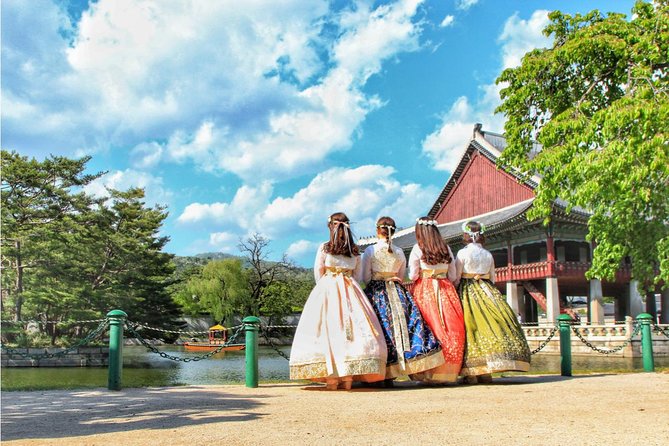
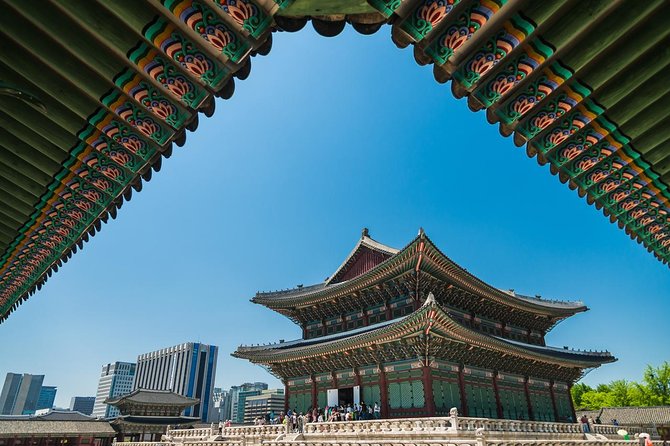
Gyeongbokgung Palace is the centerpiece of the Seoul sightseeing day. Built in 1395 as the first and largest palace of the Joseon dynasty, it gives you a strong introduction to royal architecture and the city’s central axis.
Insadong follows with galleries, craft shops, and souvenir stores. It is useful for browsing, but prices and quality can vary, so compare before buying. Bukchon Hanok Village is a living residential district of traditional homes. Walk quietly and follow local signs, since this is not simply an open-air museum.
At Gwangjang Market, food takes center stage. You can find mung bean pancakes, Korean doughnuts, gimbap, tteokbokki, fruit juice, and many other quick dishes. The market was Korea’s first permanent market and remains a practical place to sample several foods in small portions.
N Seoul Tower gives you a broad view across the capital from Namsan Mountain. The top reaches nearly 480 meters above sea level, counting the mountain and tower together. Jogyesa Temple closes the cultural circuit with a Buddhist site in central Seoul, where seasonal festivals may add color to the visit.
This day covers a lot. I would use the market stops for lunch-sized portions rather than a single large meal, since the pleasure is in sampling.
Day 9: The DMZ and a sobering look at the Korean War
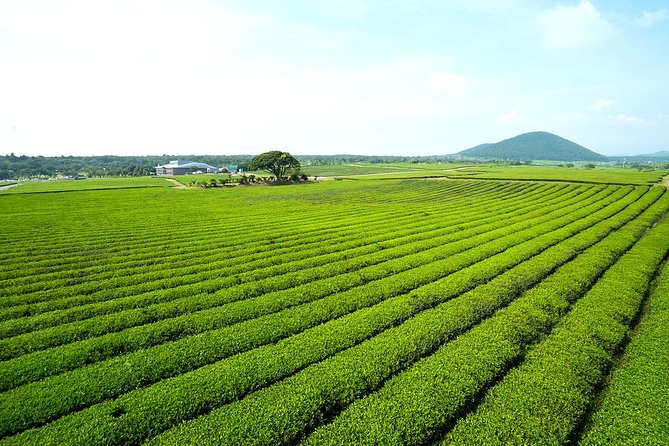
The DMZ requires an early start. Access is controlled, tickets are not reserved in advance, and entry is first come, first served. Military-zone policies can change, so follow your guide’s instructions and carry the identification required for the excursion.
The Third Tunnel takes you below ground into a passage dug by North Korea after the Korean War. You can walk down into the tunnel, but the return climb and enclosed setting may be tiring. Good shoes and a realistic view of your fitness will help.
Dora Observatory is the emotional center of the day. From here, you can use binoculars or your own eyes to look toward North Korea, including Gaeseong, the former industrial complex, and nearby villages. The view is not just scenic. It makes the division of the peninsula feel physical.
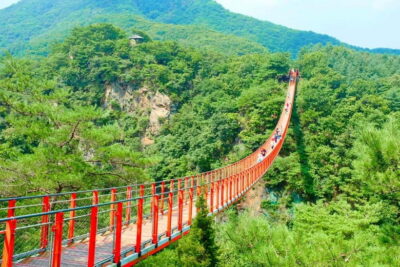
Tongil Park, or Unification Park, is a stop within the civilian control area where people live. It also has local goods and DMZ-related products. Gamaksan Chulleong Bridge adds about ten minutes of hiking before a suspension bridge over a mountain setting connected with Korean War history.
This is not a light sightseeing day. The DMZ combines strict procedures, military history, walking, and a serious subject. Its value comes from seeing a current political divide in a real place, not from entertainment.
Day 10: Cooking, NANTA, and a final Seoul food stop
The final day opens with NANTA in Myeongdong, a nonverbal comic performance built around Korean traditional rhythms and kitchen percussion. Since there is little spoken language, it is accessible across language barriers. The show lasts about ninety minutes.
A three-hour Korean cooking class follows. The menu changes each month and can include bulgogi, gimbap, kimchi, and Korean pancakes. This is one of the most useful activities on the route because you leave with a better sense of how dishes are assembled, not just how they taste in a restaurant.
Seonyudo is described as a Han River park with walking paths and broad river views. It offers a quieter pause before the final shopping stop. Myeongdong then brings you back to central Seoul, with cosmetics, shops, and street food vendors.
The day is an appealing finish, but it is still full. If you want a relaxed final afternoon for independent shopping, ask whether the schedule can be adjusted.
Who should book this Korea tour?
I would recommend it to a first-time visitor who wants broad coverage without managing domestic flights, hotel changes, driving, and entrance tickets alone. Families may also appreciate the private format, especially since one five-star account describes an elderly mother and daughter having a particularly successful trip with their guides.
You should be comfortable with frequent packing, long drives, early starts, stairs, uneven paths, and changing hotels. The schedule is not ideal if your priority is slow mornings, long cafe visits, or several unplanned afternoons in Seoul.
The tour is strongest for people who want Korea’s major sights plus food and cultural experiences that are easy to miss on a standard city break. Jeju’s geology, Golgulsa’s overnight stay, Jeonju’s makgeolli table, the cooking class, and the DMZ give it more range than a simple Seoul and Busan package.
Book it if you value coverage, private guiding, and practical transport more than a low price. Skip it if $3,800 feels high for a trip with some meals and optional activities extra, or if you prefer to set your own pace.
FAQ
How long is the Korea tour?
The tour lasts approximately 10 days and includes 9 nights of accommodation, including 1 night at Golgulsa Temple.
Is this a private tour or a shared small-group tour?
It is a private tour or activity. Only your group participates, even though the experience is described as a small-group tour.
Which domestic flights are included?
The package includes a flight from Gimpo Domestic Airport to Jeju Island and a flight from Jeju Island to Busan.
Are meals included?
The package includes 7 breakfasts, 7 lunches, and 2 dinners. Other meals are not planned and are paid for separately.
Are DMZ tickets reserved in advance?
No. DMZ tickets are not reserved in advance. Entry is first come, first served, so the meeting time is early and access follows military-zone procedures.
What accommodation is included?
You receive 9 nights in 3.5 to 4-star accommodation, including 1 night at Golgulsa Temple for a temple stay.
More Food in Seoul
- Small-Group Night Food Tour in Seoul with Korean BBQ
★ 5.0 · 304 reviews - Seoul Night Palace & Market Food Tour with Vehicle
★ 5.0 · 275 reviews - Seoul Fun Food Tour: 12 different food tastings
★ 5.0 · 266 reviews - The Award-Winning PRIVATE Food Tour of Seoul: The 10 Tastings
★ 4.5 · 128 reviews
More Food Tours in Seoul
- Seoul Street Food Market Tour
★ 5.0 · 1,226 reviews - Seoul: Night Market Food Tour with Local Guide
★ 4.9 · 943 reviews - Downtown Seoul Guided Food & Market Tour with 8+ Local Tastings
★ 5.0 · 580 reviews - Seoul: Guided Food & Market Tour with 8+ Tastings
★ 4.9 · 342 reviews
Recently added around Seoul
- Nami & Maple Road & Theatre des Lumieres Day Tour from Seoul★ 4.8 · 4 reviews
- Gyeongbokgung Palace Photo Session with your own phone★ 5.0 · 4 reviews
- Private Tour around Suwon UNESCO Fortress and Korea Folks Village★ 4.5 · 4 reviews
- N Seoul Tower + Namsan Cable Car Ticket (Collect in Myeongdong)★ 3.5 · 4 reviews
- Jisan Forest Resort: Ski Full-Day Tour or Shuttle from Seoul★ 5.0 · 4 reviews
- Seoul: Deoksugung Palace Night Tour★ 4.5 · 4 reviews
- Private Jeonju Hanok Village – Culinary tour★ 5.0 · 4 reviews
- Seoul Private Walking Tour with a Local★ 5.0 · 4 reviews
Seoul Tours, compared.
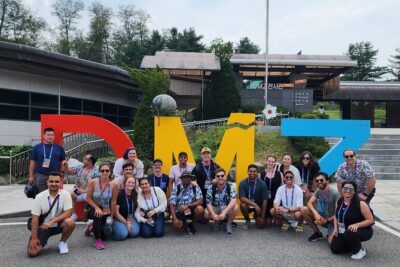
Best DMZ Tour Korea from Seoul (Red Suspension Bridge Optional)
Read the review →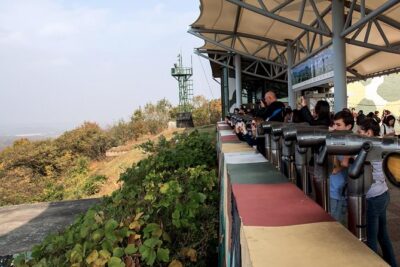
DMZ Tour: 3rd Tunnel, Option(Suspension Bridge, Boat) from Seoul
Read the review →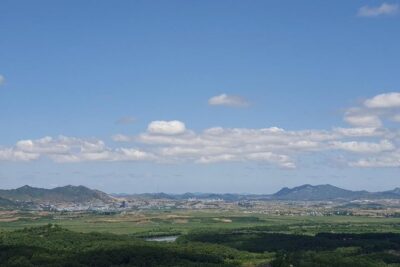
DMZ tour south Korea from Seoul (NK experience hall, defector)
Read the review →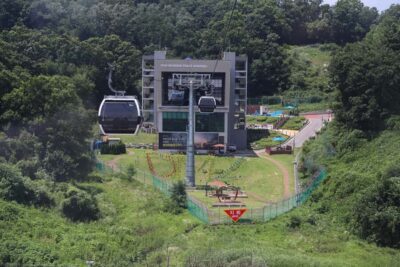
DMZ The 3rd Tunnel and Suspension Bridge Tour
Read the review →
Signature DMZ Tour: Exclusive Defector Talk & Suspension Bridge
Read the review →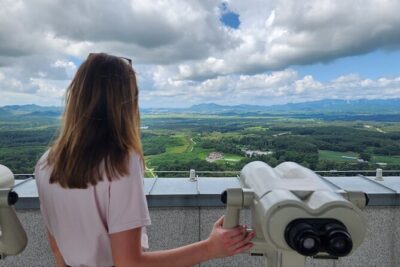
Thrilling Korean DMZ 3rd Tunnel Tour from Seoul + Red Bridge Rush
Read the review →
DMZ Past and Present: Korean Demilitarized Zone Tour from Seoul
Read the review →Browse the lists this tour appears in