Reviewed · SEOUL TOURS
Traditional Gourmet
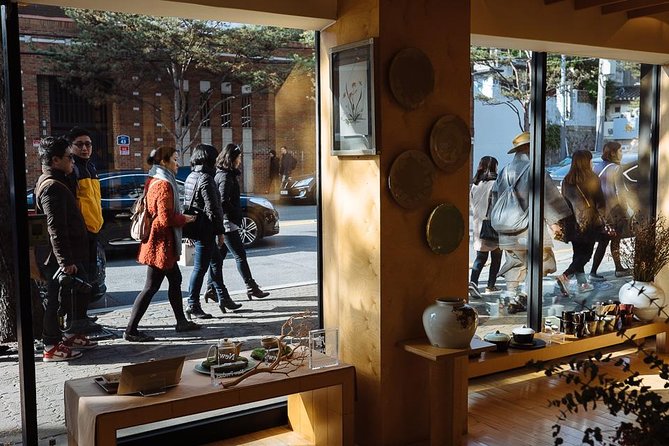
The most memorable part of this three-hour Seoul tour is the meal: traditional Korean dishes served in a Hanok, or traditional Korean house. On some departures, lunch has been held at a Michelin restaurant, followed by freshly made street-food dessert and tea.
I like the way the tour connects food with Bukchon Hanok Village, rather than treating lunch as a stand-alone restaurant stop. I also like the practical help from guides such as Veronica, who can explain Korean eating customs, recommend quality food products, and help you past the language barrier.
The main caution is the amount of walking. You will spend much of the afternoon on foot, and one part of the experience has received a fair criticism: if the group spreads out, you may miss some of the guide’s explanations. Comfortable shoes matter.
Key points at a glance
- Traditional lunch in a Hanok: Expect a multi-course Korean meal in a traditional house, with vegetarian food available if requested in advance.
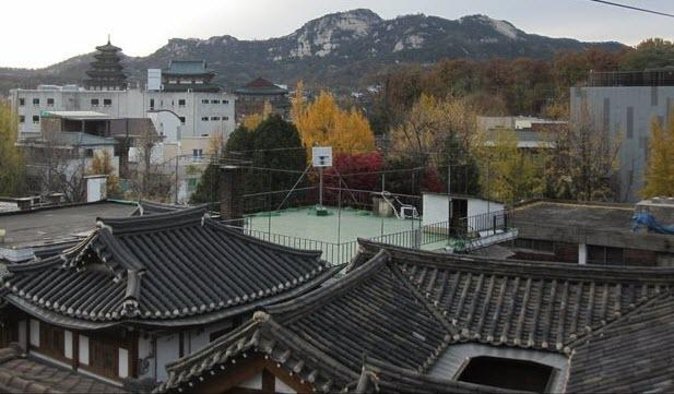
- Bukchon beyond the main photo stops: The walking route includes old houses, small workshops, shops, and historic residential lanes.
- Food and culture together: Your guide explains Korean food, fermentation, dining manners, history, and everyday customs.
- Tea and street-food dessert: The meal is followed by a tea stop, and some tours also include a freshly made street-food dessert.
- Small group format: Bookings are limited to 12 people, with at least two people required for the tour to operate.
- A useful first-day tour: The 1:00 pm start leaves your morning open and gives you food advice for the rest of your Seoul stay.
Why this Seoul food tour feels different
Many food tours focus on eating as many samples as possible. This one takes a slower, more traditional route through Jongno, one of Seoul’s best areas for connecting food, architecture, and old neighborhoods.
You begin near Anguk-dong and walk toward Bukchon Hanok Village. Along the way, the guide provides context for the houses and streets, then brings you to a sit-down meal in a Hanok. That format is valuable if you are new to Korean food. You have time to ask what you are eating, how it is served, and which dishes or ingredients are worth seeking out later.
The tour is especially useful for first-time visitors who feel unsure about Korean menus or dining customs. A guide can explain details that are easy to miss when you are ordering alone, from how shared dishes work to what kinds of food products are worth buying.
The experience has a strong cultural side, but it is not a formal museum tour. You will be walking through an active neighborhood, passing traditional buildings, shops, and workshops. That gives the afternoon a more everyday feel than a simple attraction-to-attraction schedule.
A few more Seoul half-days to weigh up
- Best DMZ Tour Korea from Seoul (Red Suspension Bridge Optional)
★ 5.0 · 41,422 reviews - DMZ Tour: 3rd Tunnel, Option(Suspension Bridge, Boat) from Seoul
★ 5.0 · 21,373 reviews - DMZ tour south Korea from Seoul (NK experience hall, defector)
★ 5.0 · 20,599 reviews
Bukchon Hanok Village, about 90 minutes on foot
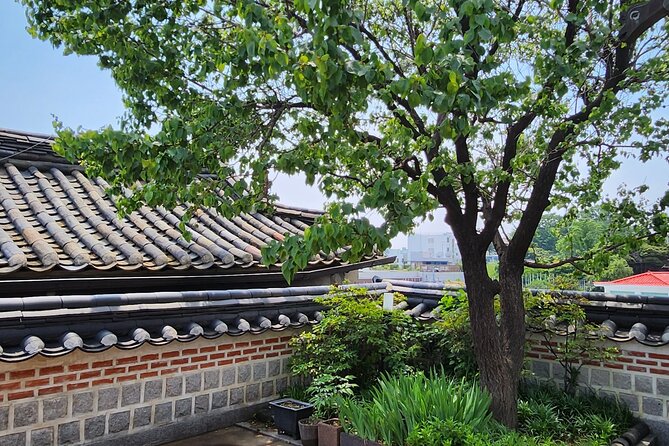
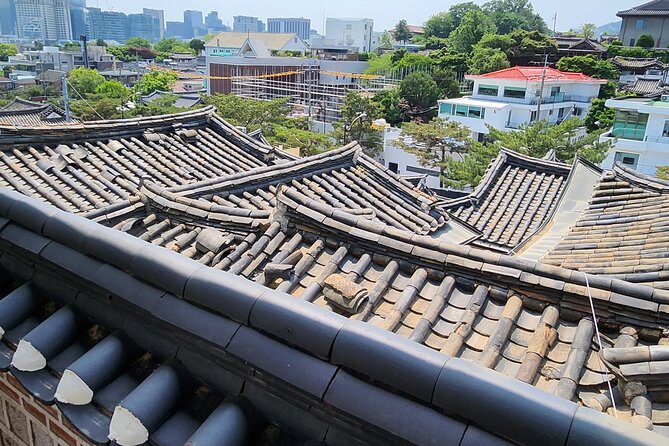
Bukchon is the longest stop, and it gives you time to see more than the famous viewpoints. The area is known for its traditional Korean houses, many of which line sloping lanes between larger Seoul attractions.
You can expect a walking tour through streets with old homes, workshops, and shops built in the traditional style. The appeal is partly visual, but the guide’s explanation is what gives the neighborhood meaning. You learn how these houses fit into Seoul’s older residential districts and why the area looks so different from the modern city nearby.
The route is not flat sightseeing. Bukchon has hills and narrow lanes, so your physical effort will be moderate rather than strenuous. The tour information recommends comfortable walking shoes and says the activity operates in all weather. Bring clothing suited to the forecast, since much of the afternoon takes place outdoors.
Bukchon is also a residential area. That means the experience is best approached quietly and respectfully. Your guide can help you focus on the architecture and local setting without turning the walk into a hurried photo hunt.
One practical point: groups can spread out on narrow streets. Stay close to the guide, especially when stopping for explanations. This is a small issue, but it affects how much history and food context you take away from the walk.
House of Baek Inje and Seoul’s preserved Hanok homes
The next stop is the House of Baek Inje, a Hanok built around 1900. It was made using the best building methods available at the time and was associated with a powerful family.
Today, the house is managed by the Seoul Metropolitan Government. Its value comes from its preserved structure and the chance to see how an important Korean home was arranged before modern apartment life reshaped the city.
The scheduled time here is about 30 minutes. That is enough for a focused look, but not a full museum afternoon. You should think of it as part of a wider story: the tour shows you the food, homes, and social setting of traditional Seoul in one continuous walk.
Another historic home on the route is connected with Yun Bo-seon, Korea’s second president. It is known for its carefully built Hanok mansion, unusual size, and preservation. The property has a personal connection as well, since Yun Bo-seon’s granddaughter-in-law currently lives there and maintains it.
The supplied details do not promise a full interior visit to every house, so access may vary. Still, these stops add depth to the food experience. You are not simply eating a traditional meal in a decorative setting. You are seeing the kind of architecture and domestic culture that helped shape Korean food traditions.
The Korean lunch is the heart of the afternoon
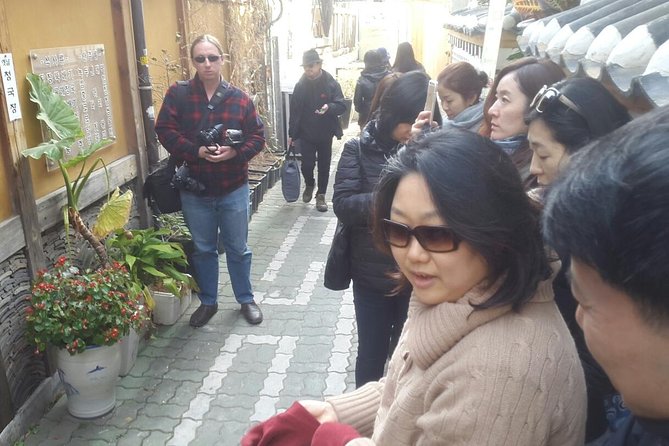
Lunch is included, and it is served as authentic traditional Korean food in a Hanok. The meal has been described as an impressive array of dishes with several courses, rather than one large plate delivered at the table.
That matters because Korean cooking is often experienced through several shared side dishes and contrasting flavors. A guide can explain how the meal is organized and what each part contributes. You get a better sense of Korean food as a style of eating, not just a list of famous dishes.
The setting also makes the meal more memorable. A traditional house gives you architectural context that a modern restaurant cannot provide. On at least some departures, the sit-down meal has taken place in a Michelin restaurant, so the quality can be higher than you might expect from a general sightseeing tour. Because restaurant arrangements can change, I would treat that as a possible feature rather than a guaranteed promise.
If you have dietary needs, request the vegetarian option when booking. The tour specifically lists vegetarian food as available, but it does not provide a full allergen policy or detailed menu. If you have serious allergies, ask the operator before confirming.
Alcohol is not included, though it can be purchased. Extra food and drinks are also separate, so the $120 price should be judged against the included lunch, tea or coffee, guide, and neighborhood touring, not against an unlimited tasting crawl.
A different way to spend a day from here:
- Seoul: DMZ Tour with Optional Suspension Bridge
★ 4.8 · 5,277 reviews - Seoul: DMZ The 3rd Tunnel and Suspension Bridge Tour
★ 5.0 · 4,656 reviews - Signature DMZ Tour: Exclusive Defector Talk & Suspension Bridge
★ 5.0 · 4,459 reviews - Incheon Airport: Traveler SIM & T-money Transportation Card
★ 4.7 · 3,332 reviews
Tea, dessert, and useful food advice
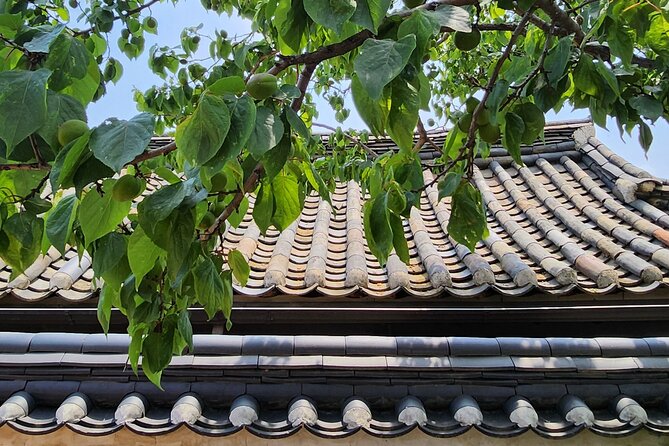
After lunch, the tour includes coffee and/or tea. The tea stop takes place in a traditional tea-house setting, and the afternoon may also include freshly made street-food dessert.
This is a smart ending for the food portion. You move from a formal meal to a smaller local treat, then have time to ask final questions while the guide explains more about Korean food culture. The dessert is not just filler. It gives you one more way to encounter Korean food outside a sit-down restaurant.
The most useful part for many people may be the shopping advice. Veronica has helped visitors identify quality food products and has discussed fermentation recipes. You should come prepared with questions about ingredients, markets, sauces, tea, or foods you want to take home, although the tour does not promise a shopping stop or specific purchases.
This kind of advice can save you from wandering through Seoul’s food shops without knowing what you are looking at. It also helps you continue the experience after the tour ends. If you enjoy cooking, Korean food, or fermentation, this is likely to be more valuable than simply adding another restaurant to your itinerary.
What the guide adds
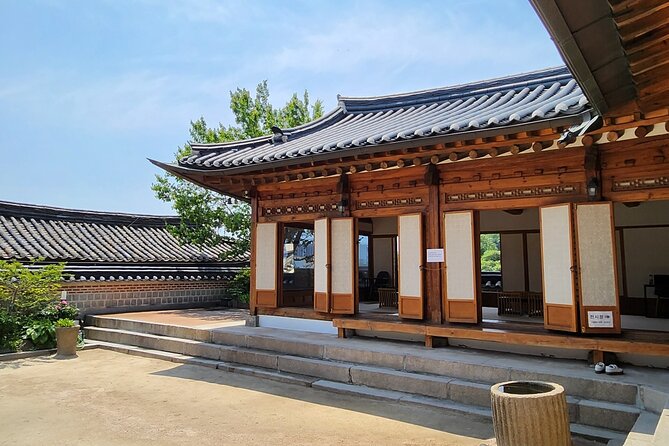
The guide is central to the experience. The tour may be operated by a multilingual guide, and Veronica is specifically associated with strong explanations of Korean food, culture, history, and eating etiquette.
You should expect interpretation rather than a scripted food delivery. The best use of the guide is to ask questions as you walk and eat. Ask about unfamiliar dishes, table manners, regional food, fermentation, and where to find good products later in your trip.
The tour was designed in part to help visitors overcome the language barrier. That does not mean every food-related question will be answered in exact detail, but it does give you a local point of contact during your first days in Seoul.
Keep your group position in mind. One account of the experience noted that some explanations were directed toward only the people standing closest to the guide. In a group of up to 12, this can happen on a busy street. Staying near the guide is the simplest fix.
Is $120 a fair price?
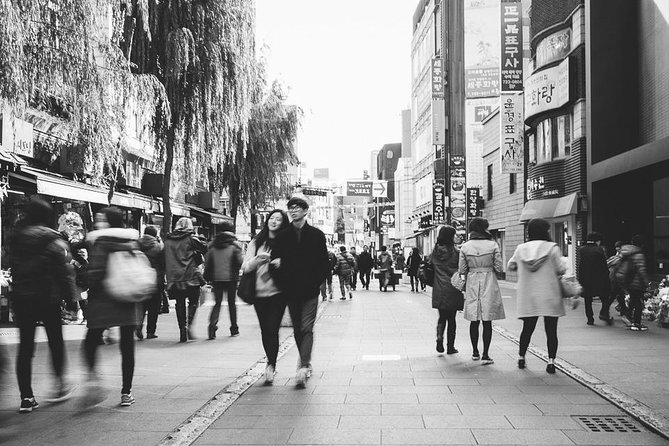
At $120 per person, this is not Seoul’s cheapest food outing. The value depends on what you want.
You are paying for a three-hour guided walk, a traditional Korean lunch, tea or coffee, historical interpretation, and help navigating Korean food and customs. Transportation to and from attractions is not included, nor is hotel pickup. You must reach the meeting point at 164-6 Anguk-dong yourself and return there at the end.
For someone who would otherwise book a meal, a neighborhood walk, and a separate cultural visit, the price can make sense. It combines those pieces in a compact afternoon and removes much of the uncertainty around ordering food.
It is less compelling if your main goal is a long list of tastings or a large amount of food. This is a culture-focused lunch tour with walking, not a market crawl built around constant samples.
The small group limit of 12 helps keep the experience personal, though the minimum of two people means a solo booking requires special contact with the operator. The tour is often booked well ahead, with an average booking lead time of 71 days, so plan early if the timing fits your Seoul schedule.
Timing, meeting point, and physical demands
The tour begins at 1:00 pm and ends back at the meeting point after about three hours. That timing works well after a free morning and avoids forcing you to rush through breakfast.
The meeting point is near public transportation in Anguk-dong, a practical base for exploring Jongno. Hotel pickup and drop-off are not included, so allow enough time to reach the start.
You should be comfortable walking for much of the afternoon. Bukchon’s lanes can involve slopes, and the tour operates in all weather. Wear shoes you can use on uneven or hilly streets, and dress for the conditions rather than relying on the meal stops for shelter.
The tour is capped at 12 people, but the exact group size may vary. A smaller group should make questions easier, while a full group requires you to stay attentive and close to the guide.
Who should book this experience?
I would recommend it most strongly to first-time visitors who want a clear introduction to Korean food and Seoul’s traditional neighborhoods. It is also a good match for people who enjoy history, architecture, and a proper sit-down meal more than a fast series of food samples.
Food enthusiasts should bring a notebook or use their phone to record dish names and shopping tips. The guide’s explanations about fermentation and food products can be useful long after the afternoon ends.
This is less suitable for anyone who dislikes walking, needs a highly structured indoor itinerary, or wants complete control over restaurant choice. It may also disappoint visitors expecting a late-night street-food tour, since the experience starts in the afternoon and centers on lunch.
The tour runs in rain or other weather, so check the forecast. Free cancellation is available until 24 hours before the start time. Cancellations or changes made inside that window are not accepted for a refund, and the tour can be canceled after confirmation if minimum numbers are not met. In that case, an alternative or full refund is offered.
Should you book Traditional Gourmet?
Book this tour if you want Korean food explained in context. The combination of Bukchon’s Hanok streets, preserved historic homes, a traditional lunch, tea, and practical food guidance gives you a useful first look at Seoul beyond the usual headline attractions.
I would especially choose it early in a Seoul visit. The advice about food, etiquette, and quality products can shape what you eat for the rest of your trip.
Skip it if you want a bargain meal, a short walk, or a high-volume tasting tour. At $120, the value rests on the guide and the cultural setting as much as the food itself. For the right traveler, that is precisely the point.
FAQ
Where does the tour start?
The tour starts at 164-6 Anguk-dong in Seoul’s Jongno District, near public transportation.
What time does the tour begin?
The start time is 1:00 pm.
How long does the experience last?
The tour lasts approximately three hours.
Where does the tour end?
The activity ends back at the meeting point.
Is lunch included?
Yes. Lunch consists of traditional Korean dishes prepared in a traditional Korean house, or Hanok.
Is tea or coffee included?
Yes. Coffee and/or tea are included.
Is a vegetarian meal available?
Yes. A vegetarian option is available, but you should advise the operator when booking.
Is transportation included?
No. Transportation to and from attractions is not included, and hotel pickup and drop-off are not provided.
How many people can join the tour?
The maximum is 12 people per booking and the activity. At least two people are required for the tour to operate.
What happens if I need to cancel?
You can receive a full refund if you cancel at least 24 hours before the local start time. Cancellations or changes made less than 24 hours before the start are not accepted for a refund.
Recently added around Seoul
- Nami & Maple Road & Theatre des Lumieres Day Tour from Seoul★ 4.8 · 4 reviews
- Gyeongbokgung Palace Photo Session with your own phone★ 5.0 · 4 reviews
- Private Tour around Suwon UNESCO Fortress and Korea Folks Village★ 4.5 · 4 reviews
- Jisan Forest Resort: Ski Full-Day Tour or Shuttle from Seoul★ 5.0 · 4 reviews
- N Seoul Tower + Namsan Cable Car Ticket (Collect in Myeongdong)★ 3.5 · 4 reviews
- Seoul: Deoksugung Palace Night Tour★ 4.5 · 4 reviews
- Seoul Private Walking Tour with a Local★ 5.0 · 4 reviews
- Private Jeonju Hanok Village – Culinary tour★ 5.0 · 4 reviews
Seoul Tours, compared.
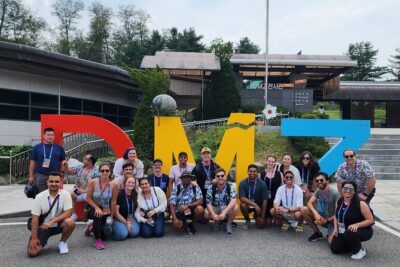
Best DMZ Tour Korea from Seoul (Red Suspension Bridge Optional)
Read the review →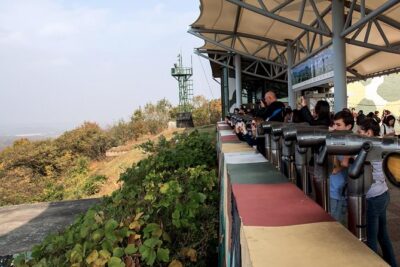
DMZ Tour: 3rd Tunnel, Option(Suspension Bridge, Boat) from Seoul
Read the review →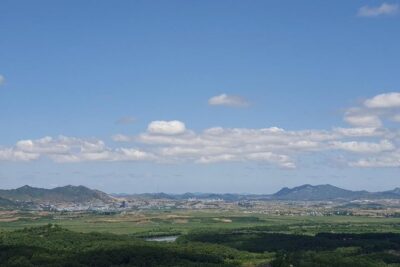
DMZ tour south Korea from Seoul (NK experience hall, defector)
Read the review →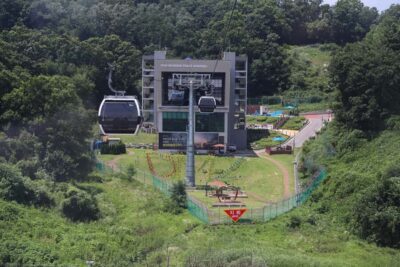
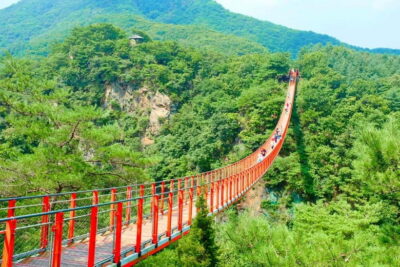
DMZ The 3rd Tunnel and Suspension Bridge Tour
Read the review →
Signature DMZ Tour: Exclusive Defector Talk & Suspension Bridge
Read the review →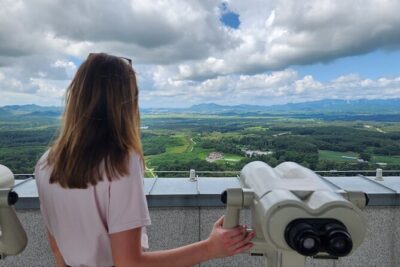
Thrilling Korean DMZ 3rd Tunnel Tour from Seoul + Red Bridge Rush
Read the review →