Reviewed · SEOUL TOURS
Spiritual Adventure: Into Inwangsan and Korean Shamanism
Inwangsan is where Seoul’s modern skyline meets an older spiritual world. On this small-group mountain walk, guide Ethan Kim explains why Korean shamanism still matters, then leads you to shrines, ritual sites, and Guksadang, one of the city’s best-known shamanic sanctuaries. The optional meeting with a shaman adds a rare personal look at a living tradition.
I like two things here. First, the setting gives the subject weight: you are not hearing about spirits in a classroom, but walking a sacred mountain where offerings, prayers, and old stories remain part of the scenery. Second, Ethan’s storytelling and patient interpretation make unfamiliar customs easier to understand, especially during the shaman session.
The main consideration is the walk. It involves an uphill forest path and can feel strenuous for some people, particularly at night or in poor weather. The shaman meeting and live ritual are also optional, so check exactly what your chosen package includes before paying the $27 price.
Key points to know before booking
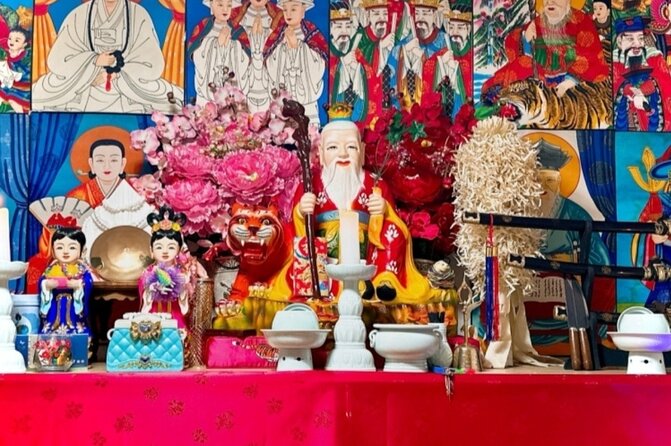
- Guksadang is the spiritual centerpiece: Visit Seoul’s best-known shamanic shrine and learn about gut ceremonies, mudang clothing, bells, fans, and ritual blades.
- Ethan Kim leads in English: He is praised for clear explanations, warm communication, and careful translation during the shaman consultation.
- The mountain walk is moderate but real: Plan for an uphill section of about an hour to an hour and a half, with comfortable shoes and weather-ready clothing.
- You can write a personal wish charm: Leave your prayer at a shrine or take it home as a small reminder of the experience.
- Shaman contact may be optional: Depending on the booking, you may witness a short ritual or receive a private fortune reading and consultation.
- You get more than folklore: The tour connects shamanism with Korean ideas about fate, health, family, work, nature, and daily life.
Why Inwangsan is the right place for Korean shamanism
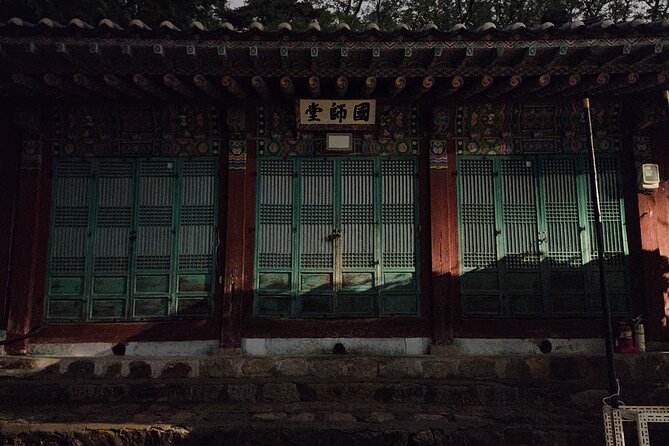
Inwangsan is not simply a pleasant hill above Seoul. It has long been linked with spiritual practice, mountain spirits, legends, and ritual sites. That makes it a useful place to learn about Korean shamanism, because the natural setting is part of the belief system.
The tour begins near the mountain, with meeting points listed around Dongnimmun Station and Muakjae Station. One listed starting point is Thunder Chicken at the Dongnimmun branch, though your exact meeting place depends on the option you book. Pay attention to the confirmation rather than assuming every departure uses the same spot.
Before you start climbing, Ethan sets out the basic idea of Korean shamanism. This tradition has changed through dynasties, colonization, and rapid modernization, yet it has not vanished. It continues through rituals, prayers, consultations, and respect for spiritual forces connected with nature and human fate.
That context matters. It keeps the tour from turning Korean shamanism into a spooky attraction. The emphasis is on how people seek help, protection, comfort, and direction. You learn why someone might ask a shaman about health, career, family, or an uncertain future.
I especially like this approach for visitors who already know Seoul as a city of palaces, cafés, palaces, shopping streets, and high-rise offices. Inwangsan shows another part of Korean life, one that is less visible but still meaningful to many people.
A few more Seoul half-days to weigh up
- Best DMZ Tour Korea from Seoul (Red Suspension Bridge Optional)
★ 5.0 · 41,422 reviews - DMZ Tour: 3rd Tunnel, Option(Suspension Bridge, Boat) from Seoul
★ 5.0 · 21,373 reviews - DMZ tour south Korea from Seoul (NK experience hall, defector)
★ 5.0 · 20,599 reviews
The uphill path, legends, and city views
The walking portion takes you along a forested route on Inwangsan. The exact length can vary, but the full experience is described as lasting about two and a half hours, while the general booking information gives a range of 30 to 150 minutes. That wide range likely reflects different options, group arrangements, and whether the shaman session is added.
Expect a moderate uphill climb, not a technical hike. The route includes walking, sightseeing, photo stops, and some off-road mountain paths. Comfortable shoes are essential. A light jacket or umbrella is sensible because weather can change quickly, and sunset or evening departures can feel cooler than expected.
As you go, Ethan tells stories about mountain spirits, ghosts, creation myths, and old rituals. The stories are not just decoration. They help explain why certain places carry spiritual meaning and why offerings appear in locations that might otherwise look like ordinary corners of the mountain.
You might see candles, rice, alcohol, and written prayers left by shamans or local people. The guide explains what these objects represent and how they relate to an animistic view of the world, where nature, spirits, human choices, and fate are closely connected.
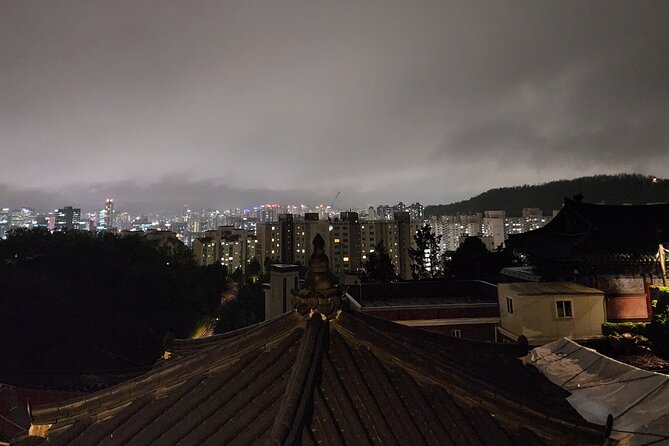
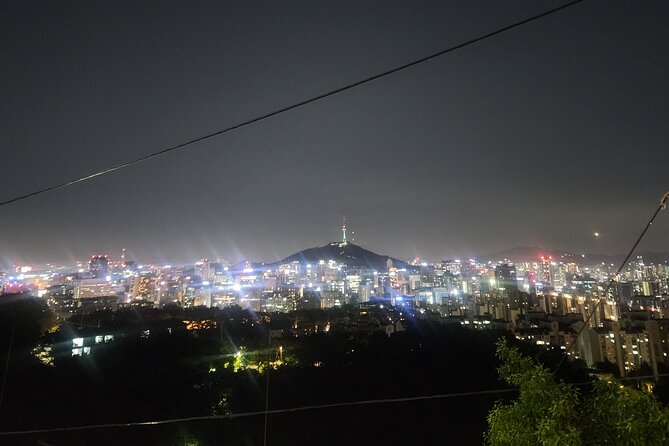
The route also offers some of the best photo opportunities of the experience. Inwangsan gives you trees, rock, shrine details, and broad views toward Seoul. The contrast is striking: a quiet sacred site can sit within sight of a dense modern city.
The mountain is most atmospheric around sunset or after dark, but that timing brings a practical tradeoff. The walk can be more mysterious and memorable, yet visibility is lower and the climb may feel harder. If you prefer easy footing and clear views, a daytime departure is the safer choice.
Hidden shrines and the meaning of offerings
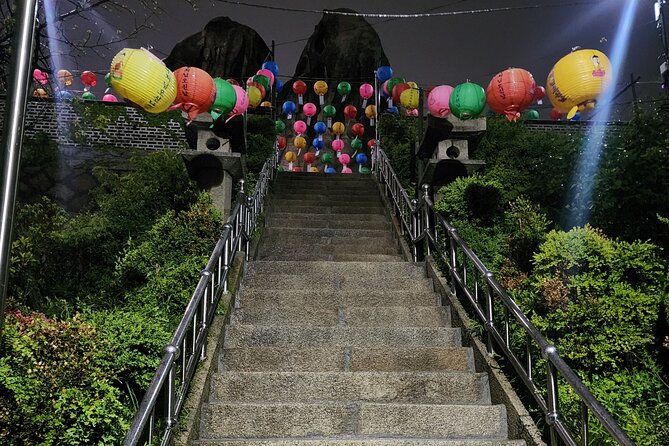
The small shrines and ritual points are the heart of the walking tour. They are easy to miss if you are walking alone, which is one reason a guide adds real value here. Ethan points out places connected with shamanic practice and explains what you are seeing without asking you to treat the sites as props.
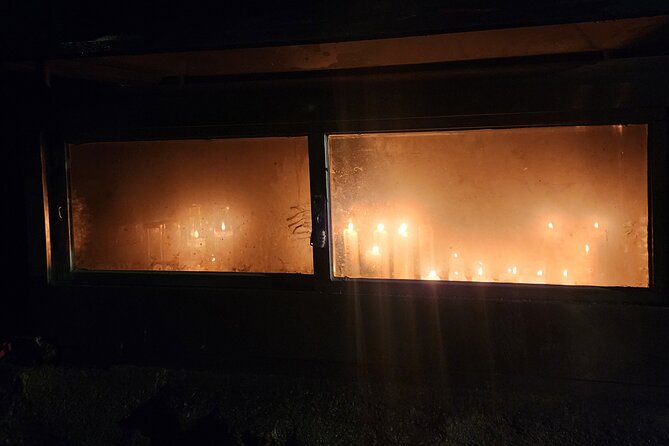
Offerings can include food, drink, candles, and written prayers. These acts show a practical side of Korean spirituality. People are not only asking for grand supernatural events. They may be seeking protection, good fortune, help with family matters, or reassurance during a difficult period.
For you, the value lies in learning how spiritual customs fit into ordinary life. The tour connects old beliefs with present-day concerns rather than presenting shamanism as something locked in the past.
You will also have the chance to write your own wish or prayer charm. You can take it home or leave it at a shrine, depending on the instructions given during the visit. This is a simple activity, but it gives the experience a personal finish. You are not only watching someone else’s ritual. You are pausing to consider your own hope or concern.
Show respect here. Keep voices low, do not touch ritual objects unless invited, and follow the guide’s instructions about photography. Smoking, alcohol, drugs, littering, and making fires are not allowed.
Guksadang, Seoul’s best-known shamanic shrine
The route’s main destination is Guksadang. The shrine has a turbulent past, and Ethan uses it to explain how Korean shamanism survived pressure from changing governments, religions, and social systems.
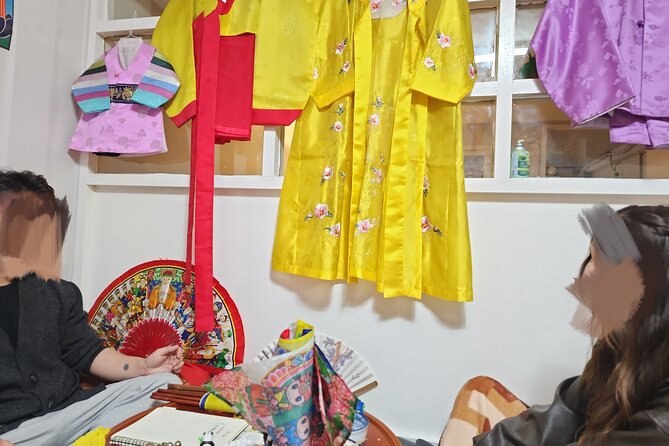
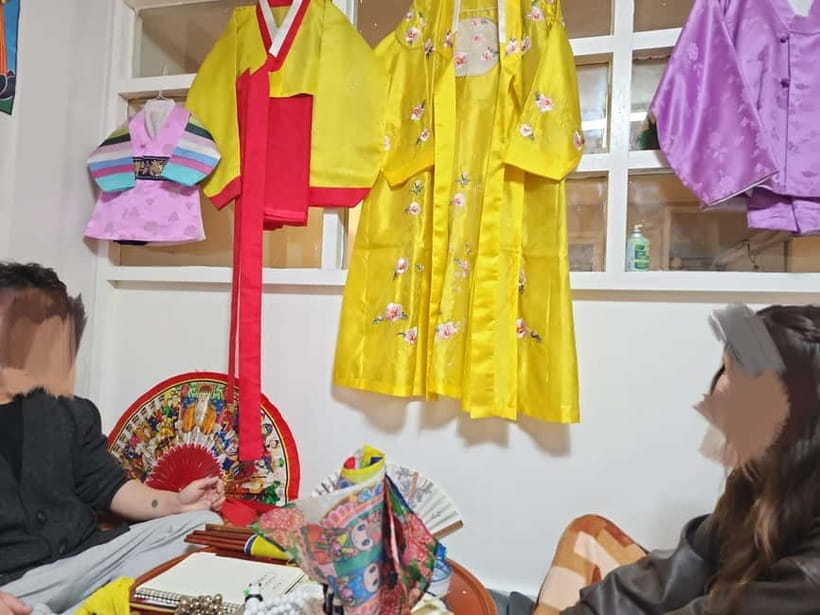
Here you learn about gut, the Korean term for a shamanic ceremony. You also hear how mudang, or Korean shamans, act as mediators between people and spiritual forces. Their work may involve prayer, music, movement, symbolic objects, and formal ritual clothing.
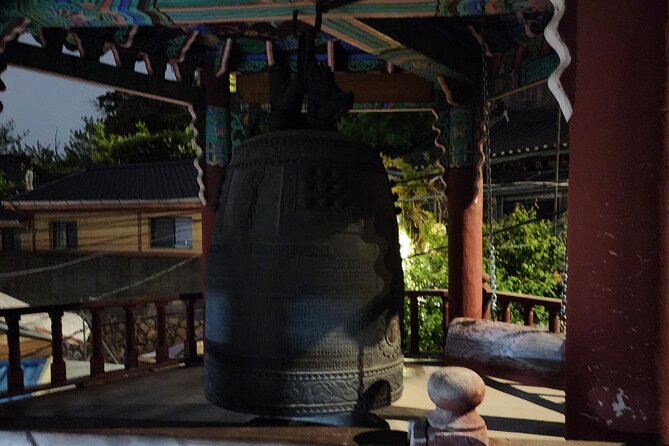
Ethan explains the purpose of items such as swords, bells, and fans. These are not random decorations. Each has a role within the ceremony, and seeing them in the setting where they are used makes the explanation easier to grasp.
The shrine also carries a sense of resistance. Korean shamanism has often existed at the edges of official power, yet it continued through major changes in Korean history. That story gives Guksadang more meaning than a quick photo stop.
Do not expect a large museum or a staged performance. The appeal is the place itself, the stories attached to it, and the chance to consider a tradition that remains active. Access and activity can depend on timing, weather, and the selected option, so the exact experience may vary.
A different way to spend a day from here:
- Seoul: DMZ Tour with Optional Suspension Bridge
★ 4.8 · 5,277 reviews - Seoul: DMZ The 3rd Tunnel and Suspension Bridge Tour
★ 5.0 · 4,656 reviews - Signature DMZ Tour: Exclusive Defector Talk & Suspension Bridge
★ 5.0 · 4,459 reviews - Incheon Airport: Traveler SIM & T-money Transportation Card
★ 4.7 · 3,332 reviews
Meeting a shaman and choosing a reading
The most personal part of the tour is the optional meeting with a Korean shaman. Depending on the package and arrangements, you may witness a short live ritual, a divination session, or a spiritual consultation with interpretation.
Ethan translates and explains what is happening. This matters because the consultation can involve ideas about energy, spirits, fate, and personal circumstances that do not map neatly onto familiar European or North American forms of fortune telling.
You may ask questions about subjects such as health, career, family, and fate. The session is not presented as a haunted-house show or a guaranteed prediction. It is a respectful look at how some Koreans seek guidance.
The strongest practical reason to add this option is access. Without Korean language skills or local contacts, it would be difficult to arrange a similar conversation while visiting Seoul. Ethan’s role helps you understand both the words and the cultural setting.
Still, you should decide how comfortable you are with a personal reading. Some people find the experience thoughtful and moving. Others may prefer to learn about the ritual without discussing private matters. The walking tour remains worthwhile even if you skip the consultation.
The live ritual option may also depend on the time of day. One afternoon participant specifically wished for a chance to witness more ritual activity, so do not assume every departure includes a full ceremony. Confirm the available format when booking.
What makes Ethan Kim an effective guide
The guide can make or break a tour about a subject this unfamiliar. Ethan Kim’s role is not just to lead the walk. He provides the cultural bridge between the physical sites, the stories, and the shaman session.
He is praised for making meeting instructions clear, responding to questions, and helping people feel prepared. That is useful when the start point can vary between Dongnimmun and Muakjae Station.
His style also suits a small group. The experience allows room for personal questions, and the guide can adjust explanations to the interests and needs of the people present. Several comments emphasize his patience, kindness, and ability to explain difficult or unusual topics in an approachable way.
I would choose the private or small-group format if you want to ask detailed questions or include a personal consultation. A larger group could still work for the mountain stories, but the intimate parts of the experience benefit from a quieter setting.
The tour is conducted in English. If you have strong interest in Korean myths, religion, or folk practice, bring questions. This is the sort of outing where curiosity improves the experience.
Is $27 good value?
At $27 per person, the tour is reasonably priced for a guided cultural walk that combines a mountain visit, interpretation, shrine access, and photo stops. You are paying for local guidance and context, not just transportation or a viewpoint.
The value is strongest if you want something beyond Seoul’s standard sightseeing circuit. A self-guided walk can give you views and exercise, but it will not explain why offerings are placed at certain spots or how Guksadang fits into Korean spiritual life.
Check the package details carefully. The meeting with a shaman, live ritual, fortune reading, and personal consultation are marked as optional. The $27 price may not represent every possible addition, so confirm what is included before booking.
Food and drinks are not included, and transportation to the meeting point is your responsibility. An air-conditioned vehicle is included after the hiking portion, according to the activity details, but you should not treat that as transport from your hotel to the start.
The tour has free cancellation up to 24 hours before departure, and reserve-now, pay-later booking is available. Those policies help if your Seoul schedule is still changing.
Who should book this Inwangsan experience?
I would recommend this tour to you if you enjoy cultural history, folklore, spiritual practice, or unusual walking routes. It is especially useful if you want to understand how older beliefs remain connected to modern Korean life.
It also suits people who like a little physical activity with their sightseeing. The walk is not described as extreme, but it is uphill and can last around an hour and a half in some versions. Wear proper shoes and do not schedule it immediately after a demanding day if you dislike tired legs.
You may enjoy it less if you want a fast, polished attraction with a fixed script. Weather, route choice, group size, and the availability of a ritual can shape the experience. The subject also asks for an open mind and respectful behavior.
The tour is not suitable for people with mobility impairments, wheelchair users, people with respiratory issues, babies under one year, or people with hearing impairments. Pets are not allowed, although assistance dogs are permitted. Strollers, mobility scooters, non-folding wheelchairs, bikes, oversize luggage, and handcarts are also excluded.
Practical planning for your visit
Wear comfortable clothing and shoes with good footing. Bring a light jacket or umbrella according to the forecast, especially for sunset or evening outings.
The listed drop-off choices include an area in Hongje-dong, the Thunder Chicken meeting point, and Muakjae Station. You may descend together or finish near the summit shrine area, depending on weather and participant preference. Ask the guide at the start what the return plan is for your booking.
Because the walk may take place in a quiet forest setting, arrive ready to listen and keep a respectful pace. The experience works best when you allow time for stories rather than treating the mountain as a quick route between photo stops.
If you want a reading, decide beforehand how much personal discussion feels right for you. You can still ask about the tradition itself without requesting advice about your own life.
Should you book it?
Book this tour if you want an unusual, thoughtful side of Seoul and are comfortable with a moderate uphill walk. The combination of Inwangsan views, shrine visits, Korean legends, and Ethan Kim’s interpretation gives you a cultural experience that is difficult to reproduce on your own.
Add the shaman session if you are genuinely curious about divination and personal consultation. Skip it if you would rather keep the outing focused on history and ritual. Either way, the tour offers good value at $27, provided you confirm the package details and arrive prepared for changing weather and uneven ground.
FAQ
How long does the Spiritual Adventure on Inwangsan last?
The activity information lists a duration of 30 to 150 minutes, depending on availability and the option booked. The full experience is described as lasting approximately two and a half hours.
Where does the tour start?
The starting point may vary by booking. Listed options include Thunder Chicken at Dongnimmun and Muakjae Station. Check your booking details for the exact meeting location.
Is the tour offered in English?
Yes. The tour includes a live English-speaking guide, and Ethan Kim provides interpretation during the shaman consultation.
Is meeting a shaman included?
Meeting a real Korean shaman is listed as optional. The same applies to the live ritual, fortune reading, and spiritual consultation, so confirm your selected option before booking.
What should I wear?
Wear comfortable shoes and clothes suitable for a slight uphill climb. A light jacket or umbrella is recommended depending on the weather.
Is the tour suitable for wheelchair users?
No. The experience is not suitable for wheelchair users or people with mobility impairments because it includes an uphill mountain walk and off-road sections.
Can I cancel the booking?
You can cancel up to 24 hours in advance for a full refund. Reserve-now, pay-later booking is also available.
Recently added around Seoul
- Nami & Maple Road & Theatre des Lumieres Day Tour from Seoul★ 4.8 · 4 reviews
- Gyeongbokgung Palace Photo Session with your own phone★ 5.0 · 4 reviews
- Private Tour around Suwon UNESCO Fortress and Korea Folks Village★ 4.5 · 4 reviews
- N Seoul Tower + Namsan Cable Car Ticket (Collect in Myeongdong)★ 3.5 · 4 reviews
- Jisan Forest Resort: Ski Full-Day Tour or Shuttle from Seoul★ 5.0 · 4 reviews
- Seoul: Deoksugung Palace Night Tour★ 4.5 · 4 reviews
- Private Jeonju Hanok Village – Culinary tour★ 5.0 · 4 reviews
- Seoul Private Walking Tour with a Local★ 5.0 · 4 reviews
Seoul Tours, compared.
Best DMZ Tour Korea from Seoul (Red Suspension Bridge Optional)
Read the review →
DMZ Tour: 3rd Tunnel, Option(Suspension Bridge, Boat) from Seoul
Read the review →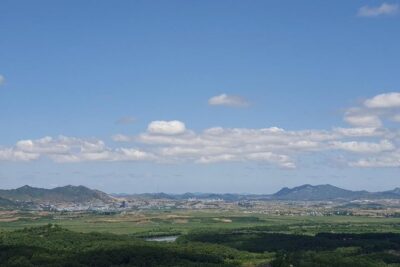
DMZ tour south Korea from Seoul (NK experience hall, defector)
Read the review →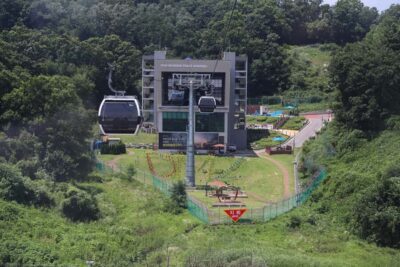
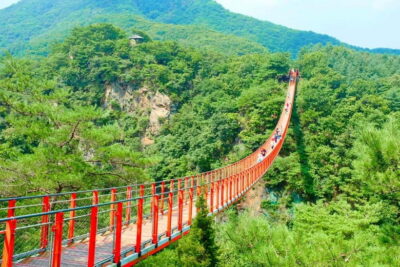
DMZ The 3rd Tunnel and Suspension Bridge Tour
Read the review →
Signature DMZ Tour: Exclusive Defector Talk & Suspension Bridge
Read the review →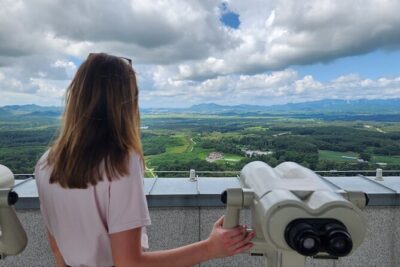
Thrilling Korean DMZ 3rd Tunnel Tour from Seoul + Red Bridge Rush
Read the review →