Reviewed · SEOUL TOURS
Seoul: War Memorial, Jogyesa Temple & Tapgol Park Tour
Seoul’s past comes at you from several directions on this tour: military conflict at the War Memorial of Korea, rapid national change at the modern history museum, Buddhist life at Jogyesa Temple, and the 1919 independence movement at Tapgol Park. The Tapgol stop also connects to the bread-and-lottery scene from Squid Game, a small pop-culture twist on a serious historical site.
I like the way the tour links places that are easy to visit separately but more meaningful together. I also like the air-conditioned minivan, especially on a cold or wet afternoon, and the chance to ask questions of an English-speaking local guide. The main drawback is that this is a history-heavy outing with a moderate amount of walking, and the afternoon version does not include Seoul’s palaces or Bukchon Hanok Village.
Key points to know before booking
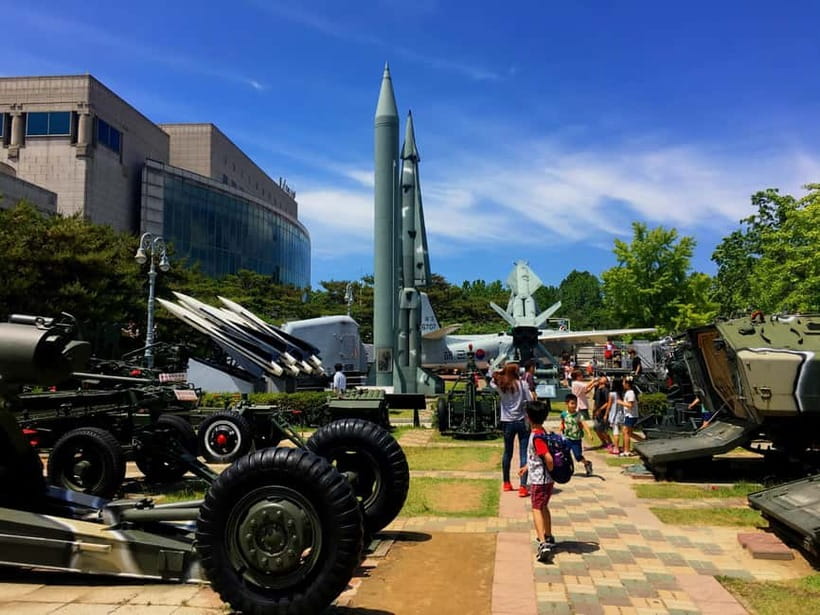
- The War Memorial uses tanks, aircraft, and United Nations displays to explain the Korean War and Korea’s continuing hope for reunification.
- Tapgol Park connects two very different stories: the March 1, 1919 independence movement and a lottery scene from Squid Game Season 2.
- Jogyesa Temple gives you a quieter Buddhist pause between museum visits and city streets.
- The afternoon tour is focused and practical, while the full-day option adds Gyeongbokgung Palace, Bukchon or Namsangol Hanok Village, Bugak Skyway, a Ginseng Museum, and Gwangjang Market.
- Guides such as Connie, Leo, Jang, Orota, Melvin, and Mrs. Park have been assigned on different departures, with strong praise for clear explanations, kindness, and help with photos.
- The $42 price includes admission, transport, a guide, and the lottery activity, but not food, drinks, or hotel pickup.
Why this afternoon route works
This is not a grand palace tour disguised as a history outing. It is a compact look at the forces that shaped modern South Korea: war, independence, political change, religion, and economic development. If you want pretty streets and royal architecture first, choose the full-day option. If you want a manageable afternoon with serious historical content, the shorter route makes sense.
The tour starts at the lobby of the Koreana Hotel’s office building for the afternoon option. The exact meeting point can vary by booking choice, so check your confirmation carefully rather than assuming every departure uses the same location. The tour ends at Myeongdong Cathedral, which is useful if you plan to continue exploring central Seoul afterward.
The vehicle is an air-conditioned minivan. That matters more than it may sound. Seoul’s weather can be sharply cold, hot, or rainy, and the tour operates in all conditions. You still need to walk between exhibits and sites, but you get a comfortable ride between stops instead of managing every transfer by subway.
The group size is not fixed in the information provided. Some departures may feel small, giving you more time for questions. That is worth using. Guides named Connie, Leo, Jang, Orota, Melvin, and Mrs. Park have been praised for clear explanations, patience, friendliness, and help with photographs. Your assigned guide may be different, but the strongest part of this experience is likely to be the human connection and storytelling.
A few more Seoul half-days to weigh up
- Best DMZ Tour Korea from Seoul (Red Suspension Bridge Optional)
★ 5.0 · 41,422 reviews - DMZ Tour: 3rd Tunnel, Option(Suspension Bridge, Boat) from Seoul
★ 5.0 · 21,373 reviews - DMZ tour south Korea from Seoul (NK experience hall, defector)
★ 5.0 · 20,599 reviews
The War Memorial of Korea: start with the hard questions
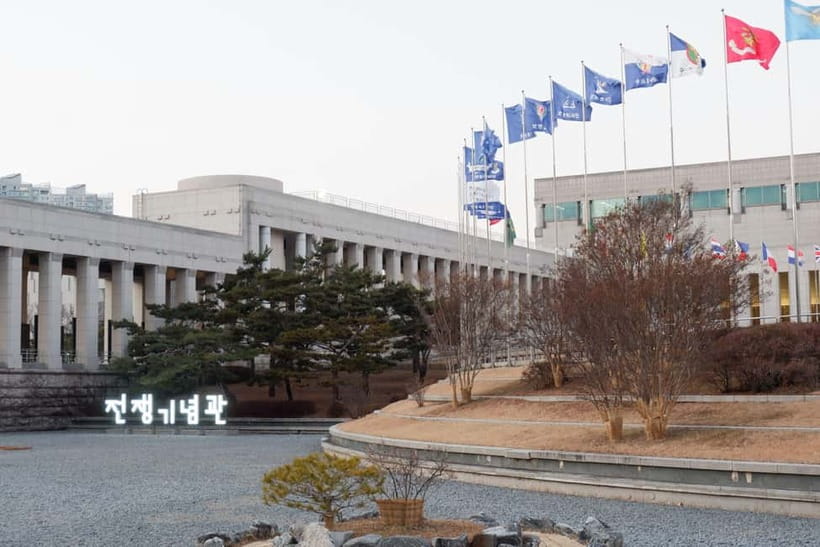
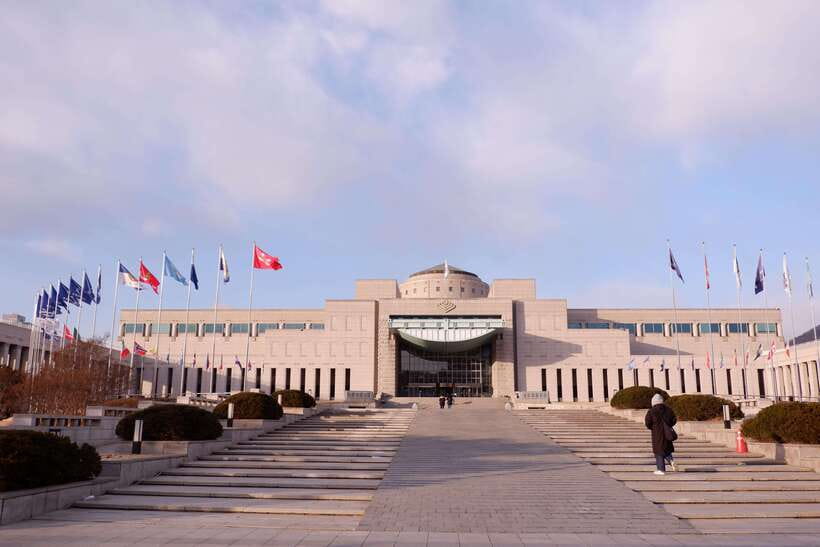
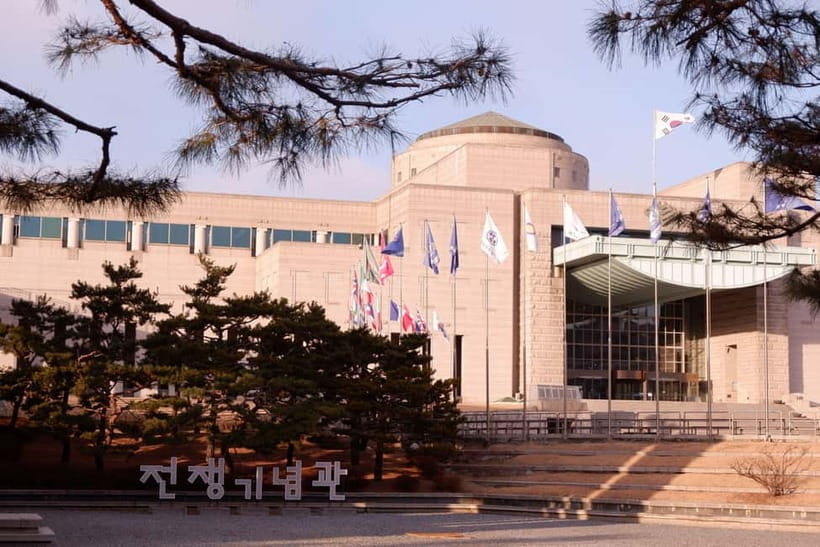
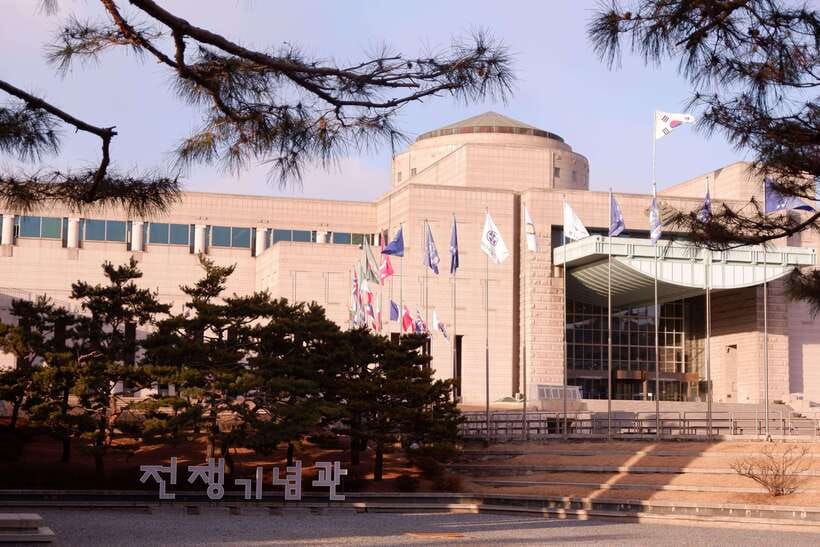
The War Memorial of Korea opened in 1994. Its purpose is not simply to display weapons. The museum asks you to think about how war begins, what it costs, and why peace remains difficult on the Korean Peninsula.
The tour focuses mainly on the third-floor United Nations Memorial Cemetery section. This gives the Korean War an international frame. You are not looking only at a national military story. You are also considering the many countries and service members connected to the conflict.
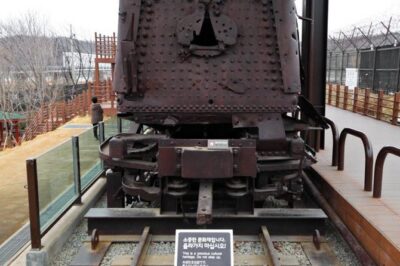
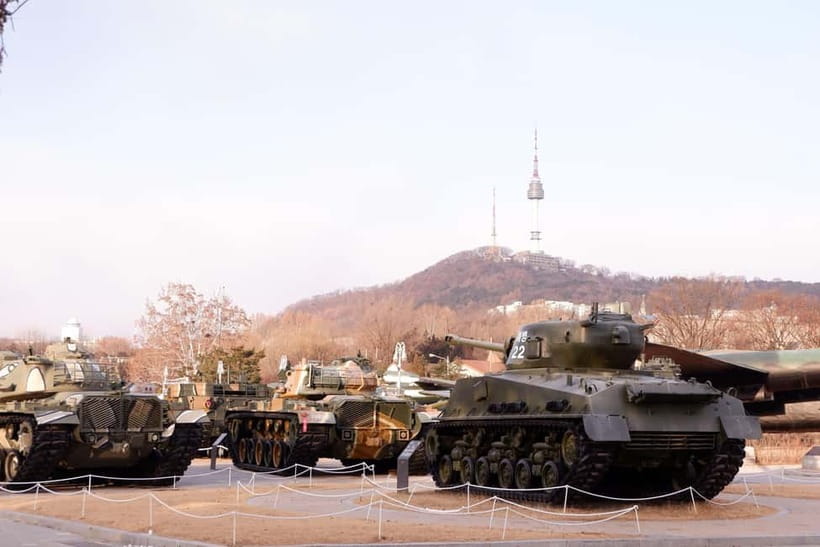
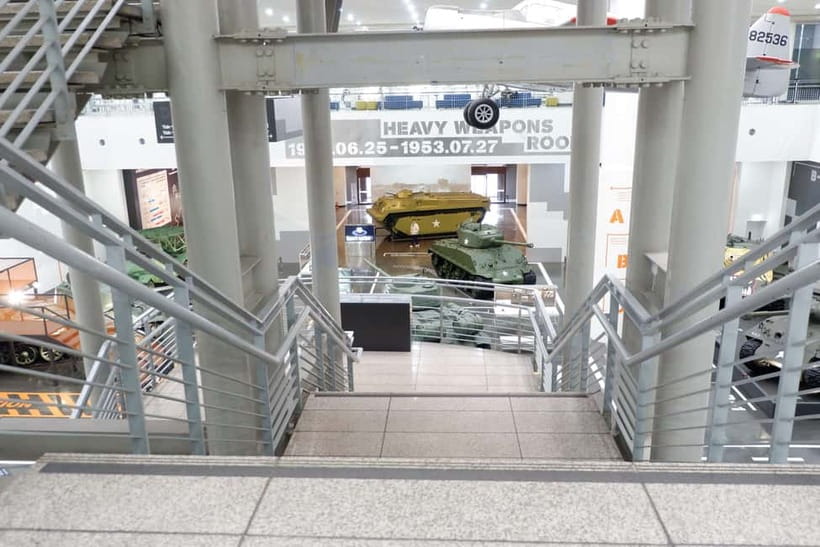
The outdoor and museum displays include tanks and aircraft, which give the visit a strong visual impact. These large objects help younger visitors engage with the subject, but the human cost is the reason to pay attention. Your guide can connect the machinery to the division of North and South Korea and the continuing hope for reunification.
Allow yourself to ask questions here. A short guide explanation can make the difference between seeing military equipment and understanding why it remains on display. The subject is solemn, so this is not the lightest first stop, but it gives the rest of the afternoon a useful frame.
The main caution is pace. The museum has more to see than a short city tour can cover. You will receive a selected visit rather than a complete museum study. If military history is your main interest, you may want to return independently with more time.
National Museum of Korean Contemporary History: from the late 19th century to today
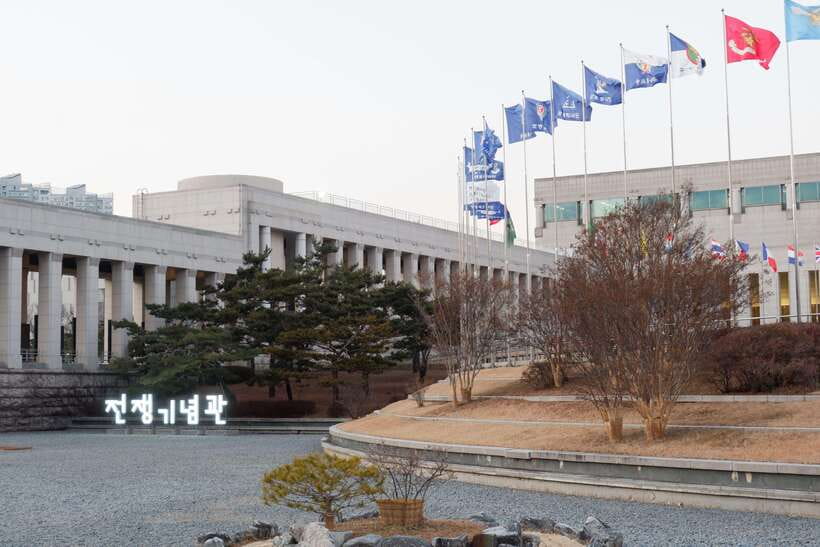
The National Museum of Korean Contemporary History opened on December 26, 2012. Its four permanent exhibition halls cover South Korea from the late 19th century to the present.
This stop helps explain the country you see outside the vehicle. Seoul’s modern identity did not appear overnight. The museum follows the changes that shaped the nation, including the difficult period of Japanese rule, the Korean War, reconstruction, and the growth of modern South Korea.
I like this part of the route because it supplies context rather than isolated facts. After the War Memorial, you can consider how conflict affected ordinary life and national development. The museum also keeps the tour from becoming only a military history lesson.
You should expect a selected introduction, not time for every display. Pay attention to the sequence of events and ask your guide to clarify anything that feels rushed. An informed explanation is especially useful here because political and historical subjects can be difficult to understand from labels alone.
Jogyesa Temple: a change of pace in central Seoul
Jogyesa Temple is the chief temple of the Jogye Order, a major tradition within Korean Buddhism. Its message centers on living together and expressing the spirit of the Bodhisattva, which gives the temple a social and spiritual role beyond its architecture.
The site has also lived through Korea’s turbulent modern history. That makes it a fitting stop after two museums. You move from formal displays into a living religious place, where the focus shifts from national events to personal practice and community.
You do not need to be Buddhist to appreciate the visit. Listen to the guide’s explanation, observe respectfully, and allow the temple to provide a quieter moment in the middle of the tour. The contrast is part of the appeal.
Keep in mind that this is a working temple, not only a sightseeing attraction. Dress and behave respectfully, and follow any instructions from your guide. The supplied information does not specify a dress code, so simple, modest clothing is the safest choice.
A different way to spend a day from here:
- Seoul: DMZ Tour with Optional Suspension Bridge
★ 4.8 · 5,277 reviews - Seoul: DMZ The 3rd Tunnel and Suspension Bridge Tour
★ 5.0 · 4,656 reviews - Signature DMZ Tour: Exclusive Defector Talk & Suspension Bridge
★ 5.0 · 4,459 reviews - Incheon Airport: Traveler SIM & T-money Transportation Card
★ 4.7 · 3,332 reviews
Tapgol Park and the March 1 movement
Tapgol Park sits in central Seoul near Insadong. In 1919, it became an important starting point for the March 1 Korean Independence Movement, which called for independence from Japanese rule.
This small urban park carries more historical weight than its size suggests. The movement marked a major public expression of Korean resistance, and your guide can help you understand why the park matters in the national story. It is one of those places where knowing the event changes what you see.
Tapgol Park also has a modern entertainment connection. In Squid Game Season 2, episode 1, the recruiter passes out bread and lottery tickets to homeless people there, then stamps down the remaining bread. The tour includes a lottery activity, allowing you to recognize the scene without turning the whole visit into a television photo stop.
That contrast is useful. Seoul often places serious history and current pop culture side by side. You can acknowledge the show, enjoy the playful part of the tour, and still give the independence movement the attention it deserves.
The full-day option adds Seoul’s royal and neighborhood classics
The full-day version begins at Myeongdong Station Exit 10, in front of Sejong Hotel. It includes the afternoon route, but adds several major stops before the War Memorial.
At Gyeongbokgung Palace, you can see the royal complex and the Royal Guard Changing Ceremony. This is a strong choice if you are visiting Seoul for the first time and want a clear introduction to the Joseon royal era.
The itinerary then visits Bukchon Hanok Village, a traditional neighborhood known for its Korean houses. On Sundays, the tour substitutes Namsangol Hanok Village. That change matters because you should not expect Bukchon on a Sunday departure.
The route also includes Bugak Skyway, a Ginseng Museum, and Gwangjang Market. Lunch at the market is at your own expense, so budget separately for food and drinks. Gwangjang Market gives you a chance to eat during the day, but the tour price does not cover the meal.
The full-day option covers much more ground, but it also asks more from you physically. You will have a longer day, more walking, and more transitions. It suits someone with limited time in Seoul who wants a broad first look. It is less suitable if you prefer slow museum visits or quiet neighborhood wandering.
Guides, pacing, and the value of local help
A good guide is important on this route because the sites are connected by ideas rather than by one simple story. You need someone who can explain why the War Memorial, a Buddhist temple, and an independence park belong in the same afternoon.
Connie has been described as friendly, considerate, and good at adding personal stories. Leo has been praised for punctuality, palace stories, photography help, and adjusting the pace for an 80-year-old family member. Jang has been noted for answering questions and making visitors feel welcome. Orota, Melvin, and Mrs. Park have also received praise for effort, kindness, and clear explanations.
These details point to the tour’s strongest quality: personal attention. A small group gives you more chances to ask about Korea’s division, Buddhist practice, modern development, or the March 1 movement. If photography matters to you, ask your guide for help. Leo, in particular, has been recognized for a strong eye for pictures.
The pace appears adaptable, but you should not count on a private tour. One departure may be small, while another may include more people. The full-day itinerary also has a fixed amount of ground to cover, so keep your questions focused if the schedule is tight.
What $42 includes, and what it does not
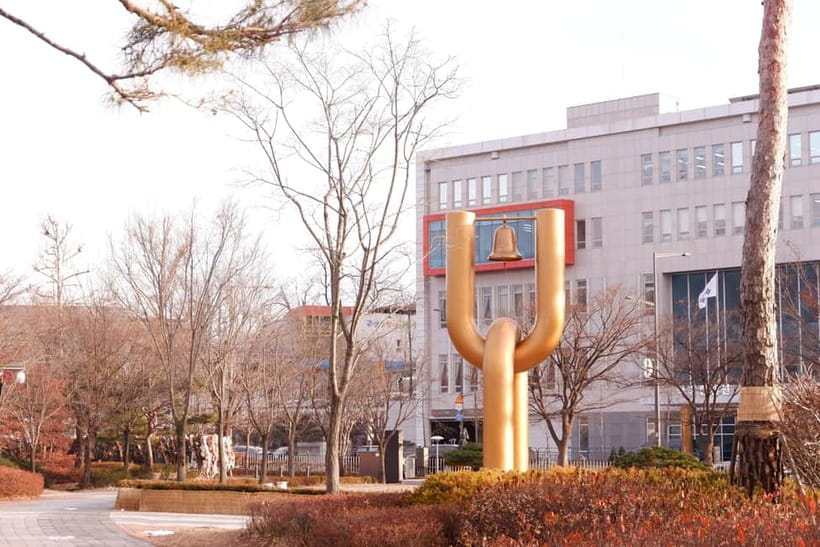
At $42 per person, the afternoon tour offers fair value if you want admission, transport, and interpretation bundled together. You are paying not only for entry tickets, but also for a guide who can join the facts across several sites.
The air-conditioned minivan adds value, especially in poor weather or if you are still learning Seoul’s transport system. The included lottery activity is a minor extra, but it gives Tapgol Park a memorable link to current television culture.
Food and drinks are not included. Hotel pickup and drop-off are also not included, so you need to reach the designated departure point on your own. The afternoon tour ends at Myeongdong Cathedral rather than returning you to your hotel.
The price is less attractive if you only want to see one museum and prefer independent visits. It becomes more useful if you value a clear route, guided context, and simple transport between central sites.
Walking, weather, and practical comfort
A moderate amount of walking is involved. Wear comfortable shoes, as requested, and expect to move through museum spaces, temple grounds, and the park. The tour is not suitable for wheelchair users, and unaccompanied minors are not allowed.
Children must be accompanied by an adult. The subject matter at the War Memorial and the contemporary history museum may suit older children better than very young ones, though the tanks, aircraft, and lottery activity can add visual interest.
The tour runs rain or shine. Bring weather-appropriate clothing, since the minivan protects you between stops but not while you are walking outside. Hanbok is not available, so arrange traditional clothing separately if that is important to you.
You can cancel up to 24 hours in advance for a full refund, and the reserve-and-pay-later option lets you hold a place without paying immediately. Check the meeting point tied to your selected option before the day of departure.
Who should book this Seoul tour?
Book the afternoon tour if you want a compact introduction to modern Korean history, prefer guided visits to museums, or have already seen Seoul’s royal palace district. It is also a good fit if you want a comfortable ride and a route that mixes serious history with a small Squid Game connection.
Choose the full-day version if this is your only organized day in Seoul and you want Gyeongbokgung Palace, Bukchon or Namsangol, Bugak Skyway, Gwangjang Market, and the afternoon sites in one outing. Expect a longer, fuller day rather than a relaxed one.
Skip it if you want a food-focused tour, extensive free time, or a palace-only experience. The route is built around explanation and context, not shopping or leisurely wandering.
FAQ
Where does the afternoon tour start?
The afternoon tour starts in the lobby of the Koreana Hotel’s office building.
Where does the full-day tour start?
The full-day option starts at Myeongdong Station Exit 10, in front of Sejong Hotel.
Where does the tour end?
The listed afternoon and full-day routes end with drop-off at Myeongdong Cathedral.
What sites are included in the afternoon tour?
The afternoon route includes the War Memorial of Korea, mainly the third-floor United Nations Memorial Cemetery section, the National Museum of Korean Contemporary History, Jogyesa Temple, and Tapgol Park.
What extra sites are included on the full-day tour?
The full-day option adds Gyeongbokgung Palace with the Royal Guard Changing Ceremony, Bukchon Hanok Village, Bugak Skyway, a Ginseng Museum, and Gwangjang Market.
Is Bukchon Hanok Village included on Sundays?
On Sundays, the itinerary substitutes Namsangol Hanok Village for Bukchon Hanok Village.
Is lunch included?
No. Lunch at Gwangjang Market is at your own expense, and food and drinks are not included.
Is transportation included?
Yes. Transport by air-conditioned minivan is included, but hotel pickup and drop-off are not included.
Is the tour available in English?
Yes. English is the listed tour language.
Is the tour suitable for wheelchair users?
No. The experience is listed as not suitable for wheelchair users. Moderate walking is involved, and comfortable shoes are recommended.
Should you book it?
At $42, I would book this tour if you want a guided afternoon that explains how war, independence, religion, and modern Korea fit together. Choose the full-day option if you also need Seoul’s palace and traditional neighborhood highlights. The best reason to go is not the lottery activity alone. It is the way a capable guide can turn four different central Seoul stops into one coherent story.
Recently added around Seoul
- Nami & Maple Road & Theatre des Lumieres Day Tour from Seoul★ 4.8 · 4 reviews
- Gyeongbokgung Palace Photo Session with your own phone★ 5.0 · 4 reviews
- Private Tour around Suwon UNESCO Fortress and Korea Folks Village★ 4.5 · 4 reviews
- N Seoul Tower + Namsan Cable Car Ticket (Collect in Myeongdong)★ 3.5 · 4 reviews
- Jisan Forest Resort: Ski Full-Day Tour or Shuttle from Seoul★ 5.0 · 4 reviews
- Seoul: Deoksugung Palace Night Tour★ 4.5 · 4 reviews
- Seoul Private Walking Tour with a Local★ 5.0 · 4 reviews
- Private Jeonju Hanok Village – Culinary tour★ 5.0 · 4 reviews
Seoul Tours, compared.
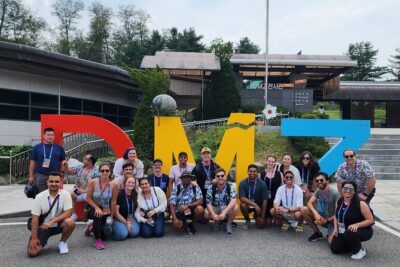
Best DMZ Tour Korea from Seoul (Red Suspension Bridge Optional)
Read the review →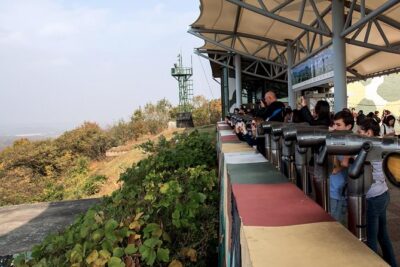
DMZ Tour: 3rd Tunnel, Option(Suspension Bridge, Boat) from Seoul
Read the review →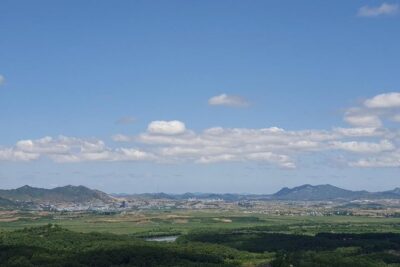
DMZ tour south Korea from Seoul (NK experience hall, defector)
Read the review →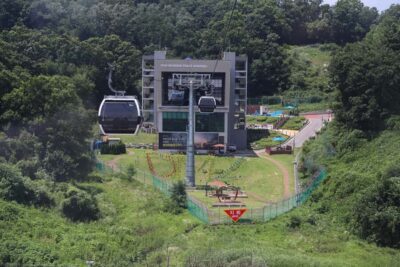
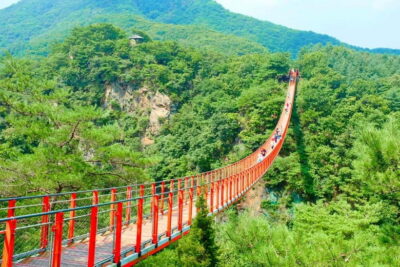
DMZ The 3rd Tunnel and Suspension Bridge Tour
Read the review →
Signature DMZ Tour: Exclusive Defector Talk & Suspension Bridge
Read the review →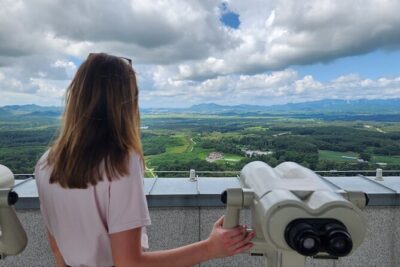
Thrilling Korean DMZ 3rd Tunnel Tour from Seoul + Red Bridge Rush
Read the review →