Reviewed · SEOUL TOURS
Seoul Private 4 Hour Tour with A Korean Buddy
Seoul can feel like several cities at once: royal courtyards beside polished towers, quiet lanes beside food markets, and subway lines that whisk you across town. This private four-hour tour lets you choose the mix instead of following a fixed sightseeing script. Guides such as JJ, Rose, June, Molly, and Hoony have helped visitors build routes around food, history, shopping, photography, and Korean daily life.
I like the personal planning. Your guide contacts you before the outing, asks what you have already seen, and helps shape a workable route. I also like the practical help: Sung has helped visitors learn the subway, Rose has assisted with ATMs and transport, and several guides have taken photos along the way. The main consideration is that this is not an all-inclusive sightseeing package. Transport, food, admissions, and personal purchases cost extra, and four hours passes quickly if you try to cross too much of Seoul.
Key points to know before booking
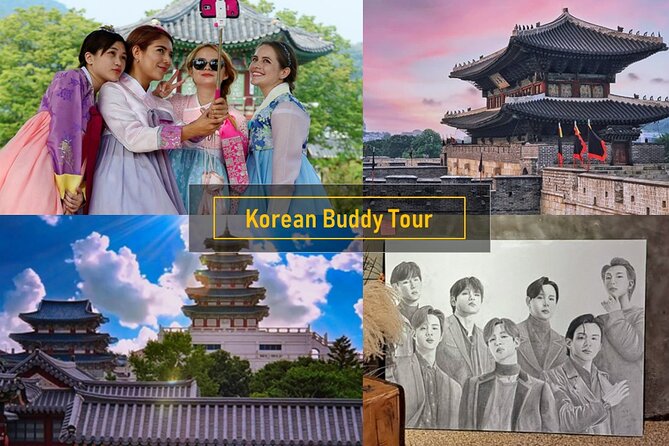
- Your route is built around your interests: Choose history, food, shopping, street art, museums, viewpoints, or a mix.
- You get a private guide: Only your group participates, with undivided attention and room to adjust the plan.
- Palaces and markets work especially well: Gyeongbokgung, Changdeokgung, Bukchon Hanok Village, and Gwangjang Market are frequent combinations.
- Local transport is part of the experience: Metro, subway, bus, or taxi may be used, with fares paid separately.
- The guides add practical help: Expect restaurant suggestions, shopping advice, translation for ordinary sightseeing needs, and help understanding Seoul’s routines.
- The timing suits a short stay: The tour runs about four hours, making it useful on a first morning, a spare afternoon, or the day before a flight.
A Seoul tour that begins with your wish list

The best feature here is freedom. You do not need to spend four hours at the same famous sights if your real interests are Korean food, skincare shopping, modern design, or street photography. You can name a few priorities, then let your Korean buddy fill the gaps with suggestions.
The planning usually begins before the meeting. Guides have contacted people the evening before to ask what they wanted to do, which Seoul sights they had already visited, and how much time they had. That small exchange matters. It prevents a repeat visit to a palace you saw yesterday and gives the guide a chance to spot problems in your wish list.
A private guide can also make a short schedule more realistic. Seoul is large, and a route that looks simple on a map may involve a long subway ride, a crowded transfer, or a line at a popular attraction. Your guide can help decide what fits and what should wait for another day.
This is sold as a tour with a Korean buddy, rather than a formal lecture with a rigid script. That tone suits people who want conversation and local advice. June has used illustrations to explain Korean history, Catherine has carried a book with pictures and diagrams, and other guides have focused on ordinary life as well as major sights.
A few more Seoul half-days to weigh up
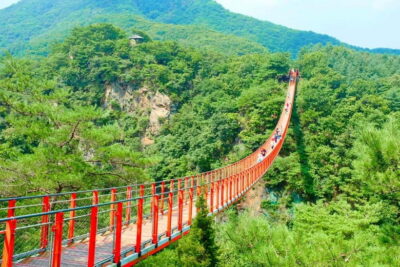
- Best DMZ Tour Korea from Seoul (Red Suspension Bridge Optional)
★ 5.0 · 41,422 reviews - DMZ Tour: 3rd Tunnel, Option(Suspension Bridge, Boat) from Seoul
★ 5.0 · 21,373 reviews - DMZ tour south Korea from Seoul (NK experience hall, defector)
★ 5.0 · 20,599 reviews
What four hours can realistically cover
Four hours is enough for a focused half-day, not a grand tour of every corner of Seoul. You might combine one palace with Bukchon Hanok Village and a market, or pair shopping with a food stop and a viewpoint. You should not expect to see every major district in one outing.
Your pace depends on transport and your interests. A history-focused route may spend more time in palace grounds and museums. A food route may include several stops at a market. A shopping plan may cover a few targeted areas rather than every retail street in the city.
The guides can use the metro, subway, bus, and taxi. Fares are not included, so keep money available for transport. A private vehicle can be arranged if you want one, but an extra fee applies. Public transport is often useful here because it shows you how Seoul works, but taxis may save time when your route is tight.
The operating window is 8:00 a.m. to 9:00 p.m. If your activity includes the meal periods of noon to 1:00 p.m. or 7:00 to 8:00 p.m., you pay the guide KRW 10,000 on site for a meal fee. That is worth noting when you choose your start time.
Palaces, old neighborhoods, and the story behind Seoul
For a first introduction, Gyeongbokgung Palace is a strong choice. Its broad grounds and royal buildings give you a clear entry point into Korea’s past. A guide can explain the royal family, architectural details, and the meaning behind features that are easy to overlook when you walk alone.
Changdeokgung Palace offers another historical option. One route with Jeannie paired the palace with a traditional tea stop and Bukchon Hanok Village. That combination works well because you move from royal architecture to a residential area of traditional Korean houses, then pause for a local-style break.
Bukchon is attractive, but it is not simply an open-air museum. It is also a neighborhood, so your guide can help you approach it with more care and context. You may hear about the families connected with the houses and how older parts of Seoul fit into modern city life. The lanes are also useful for photos, though steep streets and walking should be part of your planning.
A museum can add depth to a palace visit. One itinerary included a museum focused on Korean family culture. That kind of stop is useful if you want more than dates and royal names. It helps connect historical customs with the way Korean society developed.
The guides vary in presentation. June uses drawings, while Catherine has used visual material to explain history and architecture. English ability is praised repeatedly, and some guides can also help with basic Korean practice or ordinary translation of spoken and written language. Keep the scope clear: professional, medical, or business interpretation costs extra, starting at KRW 100,000.
Gwangjang Market and the value of a food guide
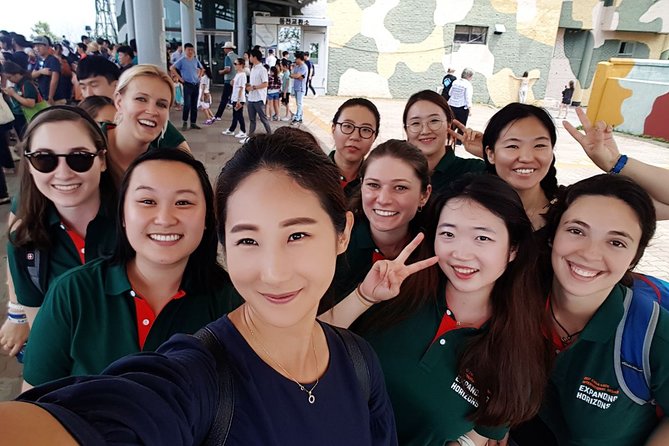
Gwangjang Market is one of the most useful places to choose if food is your main interest. A guide can help you approach unfamiliar stalls, explain what you are ordering, and point you toward foods that fit your appetite. Cathy has combined Korean history with a market visit, and Rose has guided people through mung bean pancakes paired with soju.
That sort of help is more valuable than it may sound. At a food market, you are making quick decisions among unfamiliar dishes, prices, seating arrangements, and busy stalls. A local buddy can reduce the guesswork and help turn a short visit into an actual meal rather than a fast walk past the counters.
Katie has also added an impromptu market food stop to a planned tour. The flexible format makes that possible when your schedule has room. Still, remember that meals are not included, so budget separately for anything you eat.
Food routes are best for people who want to taste several things without committing to a full food tour. The tradeoff is time. A market visit can easily absorb a large part of four hours, especially if you stop for photos, explanations, and a proper meal.
A different way to spend a day from here:
- Seoul: DMZ Tour with Optional Suspension Bridge
★ 4.8 · 5,277 reviews - Seoul: DMZ The 3rd Tunnel and Suspension Bridge Tour
★ 5.0 · 4,656 reviews - Signature DMZ Tour: Exclusive Defector Talk & Suspension Bridge
★ 5.0 · 4,459 reviews - Incheon Airport: Traveler SIM & T-money Transportation Card
★ 4.7 · 3,332 reviews
Shopping, street art, and modern Seoul
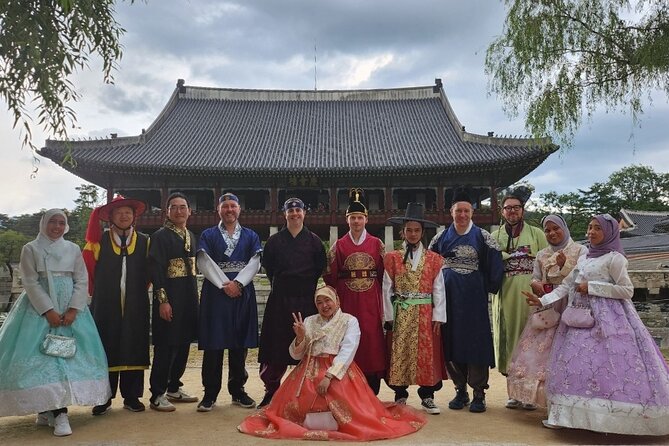
You can build the outing around shopping instead of palaces. The guide can suggest well-known shopping areas, help identify popular Korean products, and point you toward suitable restaurants or stores. One guide even helped a visitor search for a particular Korean candy requested by a family member.
This is especially handy if you have a short shopping list but do not know where to find the right items. You can ask for advice on shopping districts, products, discounts, and deals. The tour does not include purchases, and the guide is not a personal shopper in a formal sense, but the local perspective can save time.
For modern Seoul, Dongdaemun Design Plaza is an interesting choice. Its futuristic design gives the tour a sharp contrast with palaces and hanok houses. Rose used it as a final stop after Gyeongbokgung, Bukchon, and Gwangjang Market, creating a half-day that moved from royal Korea to traditional neighborhoods, street food, and contemporary design.
Street art and museums are also possible if that is what interests you. The key is to tell the guide what you want before the meeting. A broad request such as show me Seoul may lead to a general route. A clear request such as Korean design, food markets, and photo stops gives the guide something more useful to work with.
Views and night routes around Namsan
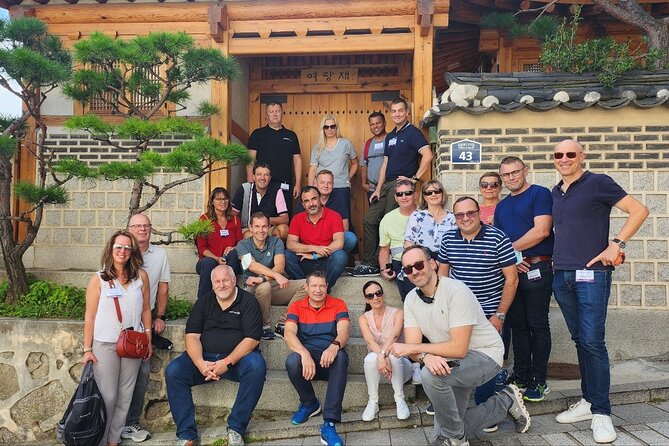
An evening departure can suit a different kind of Seoul experience. Hoony has taken people to night markets and cultural places by subway, finishing at the Namsan Tower viewpoint. The view is a strong payoff when the weather cooperates, and using the subway along the way gives you a look at everyday city movement rather than only tourist sites.
The evening schedule runs until 9:00 p.m. Normal operating hours apply within that window. Work outside the operating hours brings an overtime charge of KRW 15,000 per person per hour for groups of two or three, or KRW 10,000 per person per hour for groups of four or more.
A night route may be less useful for someone who wants detailed palace history, since opening hours and darkness limit some historic stops. It can be a good choice for food, markets, shopping, photography, and city views.
Why the private format matters
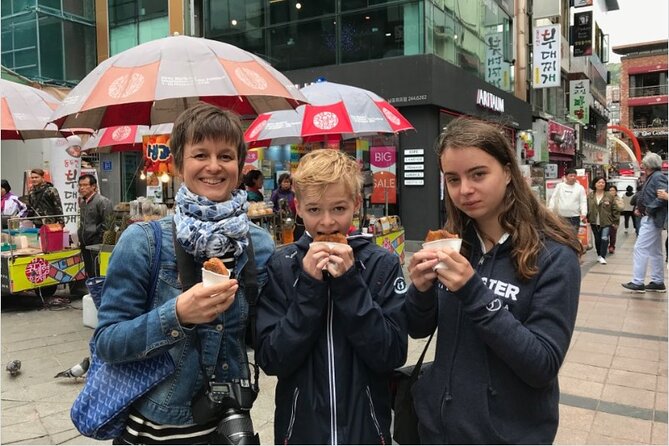
The private setup is the heart of the experience. You can ask questions without holding up a large group, change the pace, or pause when something catches your attention. Parents have also found the format useful: July helped a visitor with a nursing baby locate places to feed and change the baby at different stops.
That does not mean every request is included. The guide is provided for sightseeing. Business, medical, and professional translation or interpretation require an extra charge. The experience is also not a private car tour by default, so you pay for metro, bus, or taxi rides as you go.
Hotel pickup and drop-off are offered within Seoul. This can simplify the beginning and end of a short outing, particularly if you are using the tour before an airport departure. One person used the final morning in Seoul this way, arranging a route around the few hours available before leaving for the airport.
I would still allow a buffer after the tour if you have a flight. Seoul traffic and public transport connections can vary, and the tour itself lasts about four hours. Tell the provider about your departure time before you confirm the route.
Price and value at $87.75 per person
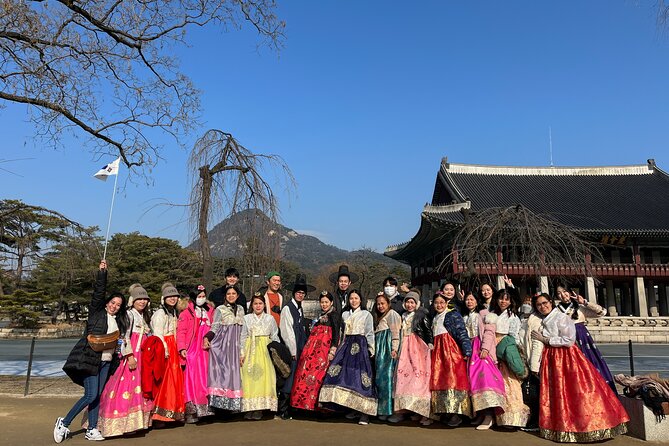
At $87.75 per person, this is not the cheapest way to walk around Seoul. Its value depends on how much you use the guide’s planning, local advice, language help, and transport know-how.
For a solo visitor, the price buys personal attention that is hard to get on a standard group tour. Cathy’s history-and-food route, for example, suited a solo itinerary built around specific interests. For a group, the price may make more sense because the guide fee is spread across several people, and group discounts are offered.
You should add the costs of admissions, transport, meals, and personal purchases. The basic tour includes a professional English-speaking guide, but not palace or museum tickets. If your plan is mostly a free walking route, the total can remain fairly controlled. If you add several paid attractions, taxis, and a meal, the final cost rises.
I see the strongest value for a first day in Seoul or a short stay. A good guide can help you understand the subway, choose areas for later visits, and avoid spending half a day on a poor route. If you already know Seoul well and only want a simple walk, the price may be harder to justify.
Which guide style might suit you
The guide assigned to you depends on availability, so you may not be able to select a particular person. Still, the range of praise gives you a sense of the service style.
JJ is associated with careful advance planning, strong English, history explanations, photos, and fitting many requested stops into a short schedule. Rose has combined royal sites, market food, design, ATM help, and transport advice. June is a good match for people who enjoy cultural explanation and visual storytelling.
Molly has been described as prompt, warm, and strong in English, with a habit of taking photos and sending them afterward. Hoony has created a friendly, informal feel and used night markets and public transport effectively. Sung has focused on history, local food, and helping people feel comfortable using the subway on their own.
Those details point to the main strength of the service: the human element. You are not simply being led from one photo stop to another. You can ask how to get somewhere later, what to eat next, or how a building fits into Korean history.
Who should book this Seoul buddy tour?
I would recommend it to first-time visitors who want a fast orientation without surrendering control of the itinerary. It is also a strong fit for solo visitors, couples, families, and small groups with different priorities.
It works particularly well for:
- A first morning in Seoul when you want practical advice for the rest of your stay
- A short stopover with only four hours available
- Food-focused outings at Gwangjang Market and nearby areas
- Visitors who want help with subway, bus, taxi, or shopping decisions
- Families who need a flexible pace and local help
- People who want palace history explained in clear English
- Visitors interested in photography, modern design, or night views
I would think twice if you want a fixed list of major attractions, prepaid admissions, or private vehicle transport included in the price. This experience asks you to participate in the planning. That is its strength, but it also means you should arrive with at least a rough idea of what you want.
The tour has a 5.0 rating from 65 reviews and a 100 percent recommendation rate, which fits the consistent themes of friendly guides, strong English, flexible routes, practical advice, and personal attention. The most praised feature is not one particular monument. It is the feeling that the guide adjusts the day to you.
Booking details worth keeping in mind
Confirmation is normally sent at booking. If you book within 16 hours of departure, confirmation comes as soon as possible and depends on availability.
Free cancellation is available up to 24 hours before the start time. Changes or cancellations inside that 24-hour window are not accepted for a refund. The local cut-off time applies.
If you want a particular style of tour, send clear interests before the meeting. Mention sights you have already visited, foods you want to try, mobility or family needs, and your preferred pace. That gives the guide a much better starting point than a general request for sightseeing.
Should you book the Korean Buddy tour?
Book it if you want a flexible half-day shaped around your own interests, especially on your first visit to Seoul. The best use of the four hours is a focused route such as palace plus Bukchon plus market, or shopping plus food plus a city view.
Skip it if you prefer a fixed group itinerary or want all tickets and transport covered upfront. For everyone else, the combination of a private English-speaking guide, local transport help, practical recommendations, and easy itinerary changes makes this a useful way to get oriented fast and turn a limited amount of time into a personal introduction to Seoul.
FAQ
How long is the Seoul Private Tour with a Korean Buddy?
The tour lasts approximately four hours.
How much does the tour cost?
The listed price is $87.75 per person. Group discounts are offered.
Is the tour private?
Yes. Only your group participates in the activity.
What does the tour include?
The tour includes a professional English-speaking guide.
Are transportation and meals included?
No. Metro, subway, bus, taxi fares, meals, admission fees, and personal expenses are paid separately. A private vehicle is possible for an additional fee.
Can I choose what to see?
Yes. You can plan a custom route around interests such as food, fashion, shopping, street art, history, museums, or city views.
Is hotel pickup available?
Pickup and drop-off are offered at hotels or starting points within Seoul.
Can the guide provide translation for business or medical needs?
The Korean buddy is provided for sightseeing. Business, medical, or professional translation and interpretation require an additional charge starting at KRW 100,000.
Recently added around Seoul
- Gyeongbokgung Palace Photo Session with your own phone★ 5.0 · 4 reviews
- Private Tour around Suwon UNESCO Fortress and Korea Folks Village★ 4.5 · 4 reviews
- Nami & Maple Road & Theatre des Lumieres Day Tour from Seoul★ 4.8 · 4 reviews
- Jisan Forest Resort: Ski Full-Day Tour or Shuttle from Seoul★ 5.0 · 4 reviews
- N Seoul Tower + Namsan Cable Car Ticket (Collect in Myeongdong)★ 3.5 · 4 reviews
- Seoul: Deoksugung Palace Night Tour★ 4.5 · 4 reviews
- Private Jeonju Hanok Village – Culinary tour★ 5.0 · 4 reviews
- Seoul Private Walking Tour with a Local★ 5.0 · 4 reviews
Seoul Tours, compared.
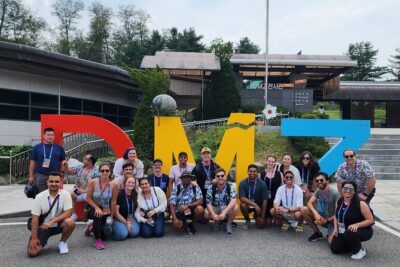
Best DMZ Tour Korea from Seoul (Red Suspension Bridge Optional)
Read the review →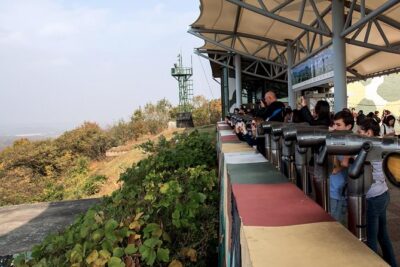
DMZ Tour: 3rd Tunnel, Option(Suspension Bridge, Boat) from Seoul
Read the review →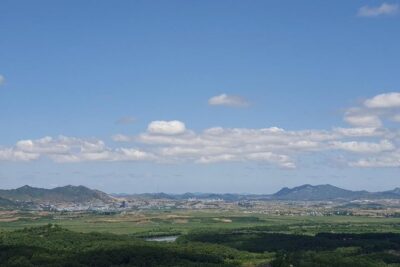
DMZ tour south Korea from Seoul (NK experience hall, defector)
Read the review →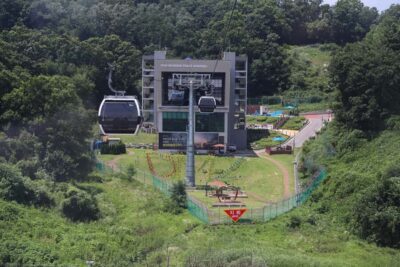
DMZ The 3rd Tunnel and Suspension Bridge Tour
Read the review →
Signature DMZ Tour: Exclusive Defector Talk & Suspension Bridge
Read the review →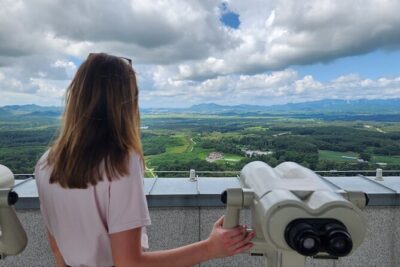
Thrilling Korean DMZ 3rd Tunnel Tour from Seoul + Red Bridge Rush
Read the review →