
Reviewed · SEOUL TOURS
Seoul History Tour: Dark Past & Market Street Flavors
Seoul’s past feels most immediate at Seodaemun Prison, where plain cells and execution facilities put Korea’s struggle under Japanese colonial rule into human terms. From there, this four-hour walk moves through Dilkusha, Deoksugung Palace, Sungnyemun Gate, and Namdaemun Market, connecting political change with ordinary food and daily life.
I like two things here. First, the route links places that many first-time visitors might miss, especially Dilkusha and the prison museum. Second, the price includes transportation, admission fees, and Namdaemun food tastings. The main drawback is the pace: you cover a lot of ground in four hours, and one person found the tour rushed. Come ready to walk.
Key points to know before you book
- Seodaemun Prison sets the tone: This is a serious, emotional visit focused on Korean independence fighters and the colonial period.
- Dilkusha adds an international angle: The home of American journalist Albert W. Taylor shows how foreign supporters helped share Korea’s independence story.
- Deoksugung mixes old and new: Traditional palace buildings sit beside Western-style architecture and Seoul’s modern city center.
- Namdaemun ends with local flavor: Food tastings and Kalguksu Alley bring the tour back to everyday Seoul.
- The route is active and time-conscious: Expect about four hours of walking, short visits, and transitions between several central sights.
- The value is strong at $65: Entry tickets, transport, a guide, and food are included, though tips are not.
Why this Seoul history tour works
Many Seoul sightseeing tours stay with royal palaces and polished avenues. This one takes a harder route. It begins with imprisonment, resistance, and sacrifice, then moves toward political change and the ordinary pleasures of a market meal.
That order matters. You first learn what Korea was fighting against, then see how the country handled modernization and outside pressure. By the time you reach Namdaemun Market, food is not just a snack. It becomes part of the story of how people carried on.
You should also know that this is not a slow museum tour. The schedule gives Seodaemun Prison about 50 minutes, Dilkusha 30 minutes, Deoksugung Palace 40 minutes, Sungnyemun Gate 20 minutes, and Namdaemun Market about an hour. Those times are enough to get a clear introduction, but not enough to read every display or linger at every corner.
The tour begins at 2:30 p.m. and lasts about four hours. That makes it a useful afternoon plan, especially if you want to leave your morning open for another part of Seoul. It finishes at Namdaemun Market, a practical place to continue eating or shopping on your own.
More Historical Tours in Seoul
- Seoul: Evening Dark History, Folklore & Ghost Story Walking Tour
★ 5.0 · 593 reviews - Hanbok Photoshoot and History Tour at Gyeongbokgung Palace
★ 5.0 · 276 reviews - From Seoul: Dae Jang Geum Park Historic K-Drama Set Tour
★ 4.9 · 143 reviews
Seodaemun Prison: the most powerful stop
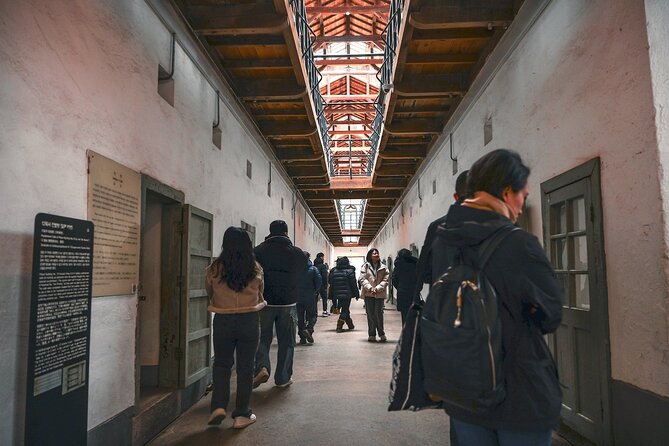
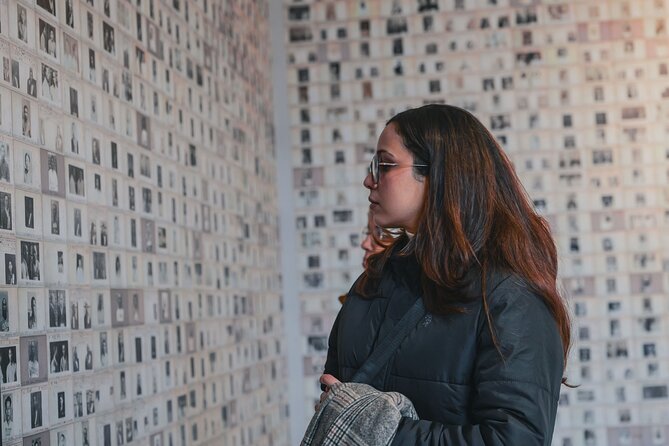
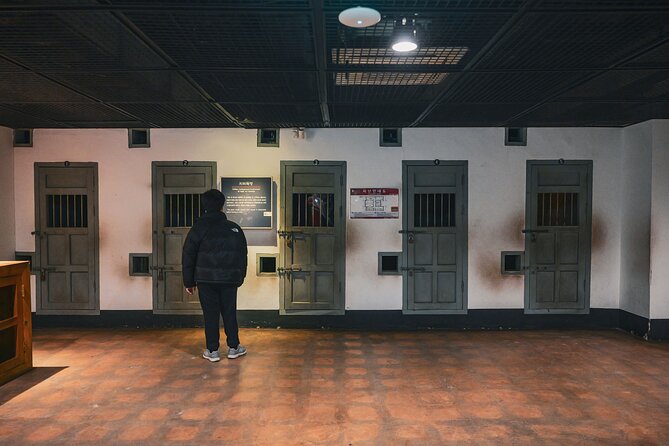
Seodaemun Prison History Hall is the emotional center of the route. The former Japanese colonial prison is presented as a place of detention for Korean independence activists, and the displays focus on the hardship endured by people who resisted colonial rule.
Expect a sober visit rather than a light sightseeing stop. The prison buildings, cells, and related displays make the period easier to understand than a simple timeline in a textbook. The setting itself does much of the work. You are not only reading about arrests and resistance. You are moving through the physical space where prisoners were held.
The guide’s role is important here. Strong explanations help connect the rooms to the wider independence movement and prevent the visit from becoming a collection of grim images without context. The guides are English-speaking, and the tour is built around interpretation rather than simply dropping you at the entrance.
Allow yourself to listen carefully. The 50-minute stop can pass quickly, especially if your group has questions. If this is your main reason for booking, keep your morning or another day free to return for a longer visit on your own.
The prison is also where the tour asks for the most emotional attention. Families with older children may find it meaningful, but the subject matter is not gentle. You should be comfortable with difficult material about imprisonment and colonial violence.
Dilkusha and Albert Taylor’s role
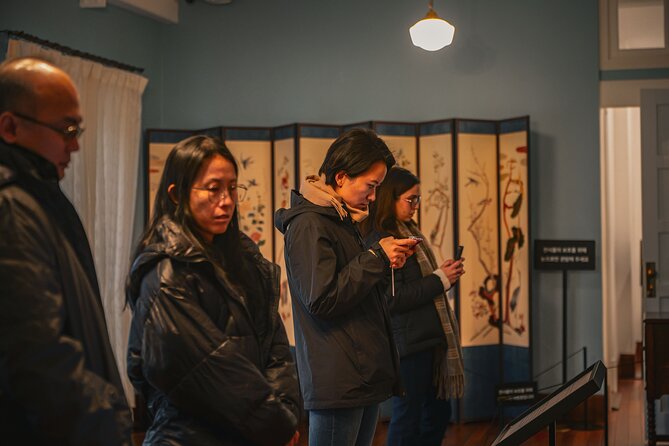
The next stop, Dilkusha, gives the tour a different point of view. This historic house belonged to Albert W. Taylor, an American journalist who supported Korea’s independence. The home is tied to the idea of international solidarity, showing that Korea’s struggle was not seen only by Koreans.
Dilkusha means Heart’s Delight. The name provides a striking contrast to the prison visit that comes before it. Here, the story shifts from confinement to communication, journalism, and outside support.
The stop lasts about 30 minutes, and admission is free. That short visit works best when the guide explains why the house matters. Without context, it could look like an attractive old residence. With context, it becomes part of the political story, a reminder that information and foreign witnesses had a role during a tense period.
I like this stop because it widens the tour beyond a simple Korea versus Japan narrative. It introduces the part played by an American reporter and the links between local resistance and international attention. If you have already spent time in Seoul’s major palaces, Dilkusha offers a less familiar story.
Do not expect a long house tour here. The value is in the explanation and the connection to the previous stop.
Deoksugung Palace beside modern Seoul
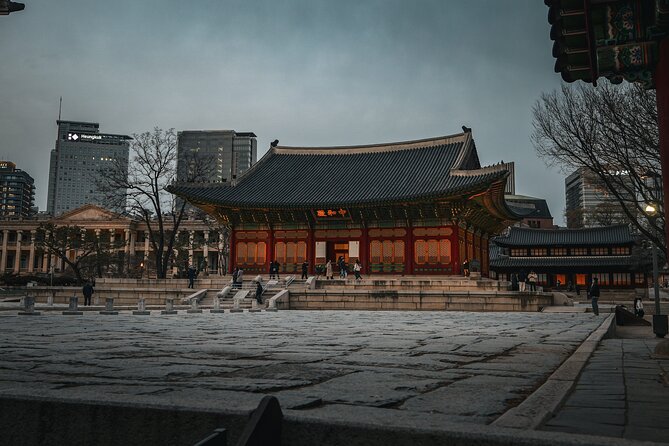
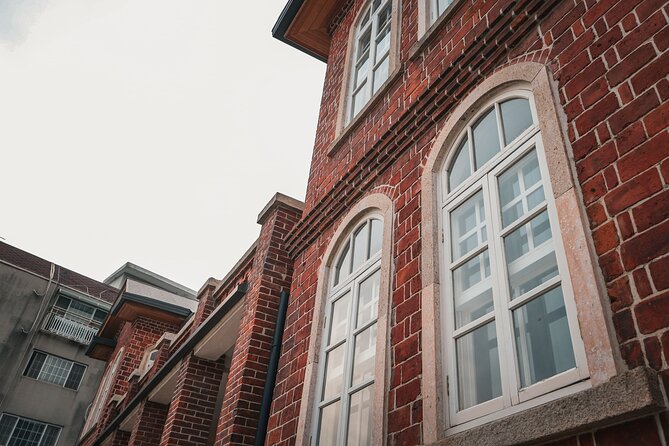
Deoksugung Palace brings you into a different chapter. This royal compound is known for its mix of Korean traditional architecture and Western-style buildings. The contrast helps explain how Korea was trying to adapt to modernization while political pressure was growing.
The palace is not presented as an isolated royal monument. Its location amid Seoul’s modern streets makes the point clear. You can see traditional forms in one direction and the capital’s newer civic buildings in another. The setting reflects a country trying to decide how to protect its identity while facing rapid change.
The 40-minute visit gives you time to appreciate the main character of the site, but the schedule remains tight. If you want a very detailed palace visit, a dedicated Deoksugung ticket and extra time would be better. On this tour, the palace works as one chapter in a larger story.
Several people who have visited other Seoul palaces have found Deoksugung especially appealing because of its unusual architectural mix. That is a useful clue for repeat visitors. You may not need another standard royal-palace overview, but this one offers a different angle.
The guide’s explanation also helps tie the buildings to Korea’s political transition. The palace is attractive, but its real value here comes from understanding why traditional and Western forms appear together.
More Market Tours in Seoul:
- Seoul Street Food Market Tour
★ 5.0 · 1,226 reviews - Local Home Korean Cooking Class & Market Adventure in Seoul
★ 5.0 · 1,024 reviews - Seoul: Night Market Food Tour with Local Guide
★ 4.9 · 943 reviews - Downtown Seoul Guided Food & Market Tour with 8+ Local Tastings
★ 5.0 · 580 reviews
City Hall and Sungnyemun Gate
The route then passes Seoul City Hall and Sungnyemun Gate, also known as Namdaemun. This section is shorter, about 20 minutes, and works mainly as a transition between palace history and the market.
City Hall represents Seoul’s move from a colonial past toward a modern democratic capital. Sungnyemun, one of the city’s historic gates, provides a physical link to the older fortified city. Together, the two sights show how Seoul has changed without erasing every trace of its earlier form.
You should think of this as a guided look rather than a full visit. The time is enough to understand why the locations matter and to take in the contrast between civic Seoul and the old gate. It is not enough for a long architectural study or an extended photo session.
The tour description also refers to ancient Korean defense systems. Sungnyemun helps make that subject concrete. A gate is more than a landmark for a photograph. It points to the walls, entrances, and protective systems that once shaped movement into the capital.
This is one reason the route feels well connected. The sights are not random stops. The prison shows oppression, the palace shows adaptation, the gate recalls defense, and the market shows ordinary life continuing through change.
Namdaemun Market and the taste of daily Seoul
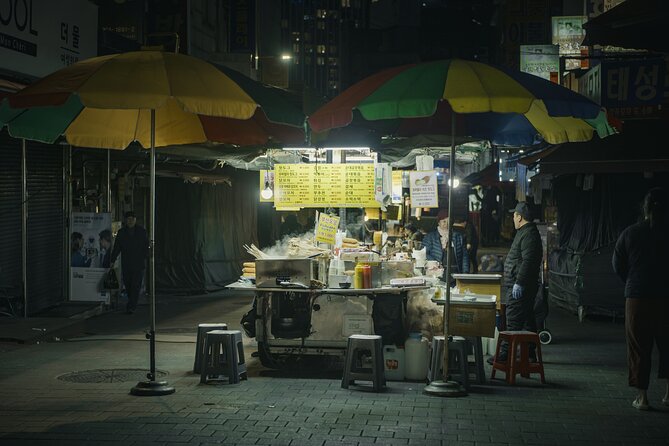
The final stop is Namdaemun Market, one of Seoul’s oldest and largest traditional markets. Vendors have traded here for more than 600 years, and the market gives the tour its most relaxed hour.
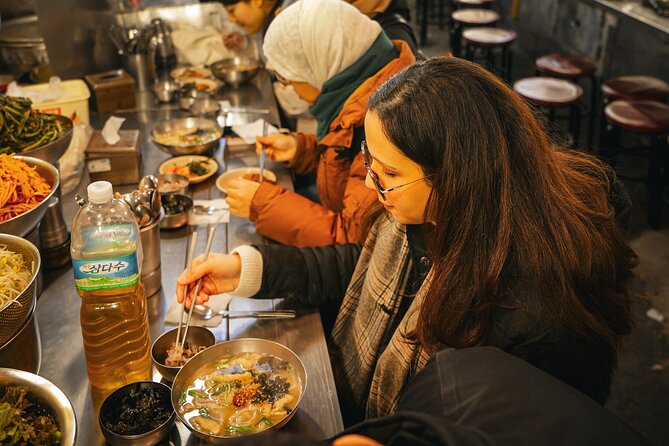
This is where the tour changes from political history to food and routine. You enter the market’s crowded lanes, see sellers at work, and sample local street food. Tastings are included, so you do not have to plan a separate meal before booking.
Kalguksu Alley is the food highlight. Kalguksu is hand-cut noodle soup, a simple dish with the warm, filling quality that suits a busy market. The tour presents it as comfort food rather than a formal restaurant experience. That is exactly the right setting for it.
Your included tastings make the $65 price easier to assess. You are paying for a guide, transportation, all entrance fees, and food, not just a walk through public streets. The market stop also leaves you at a useful location where you can continue shopping or eating after the official tour ends.
The one limitation is that food preferences and tasting details are not specified. If you have dietary restrictions, ask the operator before booking rather than assuming every item will suit you. The information provided confirms food tastings, but not a full list of dishes or substitutions.
Namdaemun can also feel crowded and fast-moving. Keep your belongings secure, stay close to the guide, and treat the market as part of the tour rather than a quiet dining room. The reward is a direct look at how Seoul eats and shops.
What the guides add
This experience depends heavily on the guide. The route covers sensitive history, and the best explanations will help you understand why each stop belongs in the same afternoon.
The guides are presented as certified specialists in Korean history, and the feedback points to clear explanations, patience, and a willingness to answer questions. Kim is specifically praised for being accommodating and for helping a participant through personal difficulties. That suggests a helpful attitude, though guide assignments can vary.
You should still ask questions. The route touches on Japanese occupation, independence movements, foreign support, royal modernization, defense systems, democracy, and market life. A good guide can turn those separate topics into one readable story.
Because the tour may allow as many as 99 people, group size deserves attention. A small group would make it easier to hear every explanation and ask follow-up questions. A large group could feel less personal, especially in the prison museum or narrow market lanes. The maximum is high, even if every departure does not reach it.
Walking, transport, and the afternoon schedule
The tour requires a moderate level of physical fitness. You will walk through several historic areas, move between stops, and spend time on your feet in a market. Comfortable shoes are more important than fashionable ones.
Transportation costs are included, which removes some of the friction from moving across central Seoul. The exact transport method is not specified, so you should rely on the guide’s instructions rather than plan around a particular subway or bus route.
Start at 95-10 Hyeonjeo-dong in Seodaemun-gu. The tour ends at Namdaemun Market, at 21 Namdaemunsijang 4-gil in Jung District. Both points are near public transportation, but check the exact meeting instructions sent before the tour.
The operator sends detailed information and the guide’s contact through WhatsApp one day before the tour. Give a phone number that works on WhatsApp. If you do not use it, the information is sent by email, but communication with the guide may be harder.
Weather usually does not stop the experience. The tour is scheduled to operate in rain or snow, with separate contact only if conditions make the route impossible. The cancellation terms also allow a different date or full refund if the provider cancels for poor weather.
Is $65 a fair price?
At $65 per person, this is a reasonable package if you want structure and historical explanation. Admission to Seodaemun Prison and Deoksugung Palace is included, as are transport costs and Namdaemun food tastings.
The value is strongest for first-time visitors who would otherwise need to research the independence movement, find Dilkusha, work out transport, and choose market food alone. You are paying for the connections between places, not just access to them.
The value is weaker if you prefer long, independent visits. The schedule gives each historic site a limited window, and you may leave wanting more time at Seodaemun Prison or Deoksugung Palace. In that case, consider the tour an introduction, then return to your favorite stop later.
Tips are not included. A gratuity is optional, but you should budget for it if the guide provides the attentive service promised by the experience.
Who should book this experience?
I would recommend this tour to you if you want Seoul history presented through real places rather than a lecture. It suits first-time visitors, repeat visitors seeking less familiar sites, and anyone interested in the Japanese colonial period and Korea’s independence movement.
It also works well for people who like a mix of serious history, architecture, walking, and food. The route is not built around a single palace or museum. Each stop changes the mood and adds another piece to the story.
You may want another option if you dislike emotionally heavy museums, need a slow pace, or want a highly focused food tour. The prison visit is central, and the schedule can feel hurried. You should also consider the possible group size if personal attention matters to you.
Free cancellation is available up to 24 hours before the start time for a full refund. Changes or cancellations inside that window are not accepted, so keep the local cut-off time in mind.
Should you book the Seoul History Tour?
Book it if you want one afternoon that links Korean resistance, international support, royal change, old city defenses, and market food. The route is unusually thoughtful, and the included admission, transport, and tastings make $65 good value.
Skip it if you want to linger at one site or prefer exploring alone. The strongest approach is to treat this as a well-guided introduction, wear comfortable shoes, arrive ready for serious subject matter, and leave extra time after the tour for Namdaemun Market.
FAQ
How long does the Seoul History Tour last?
The tour lasts approximately four hours. It begins at 2:30 p.m. and ends at Namdaemun Market.
Where does the tour begin?
The meeting point is 95-10 Hyeonjeo-dong, Seodaemun-gu, Seoul, South Korea.
Where does the tour finish?
The tour ends at Namdaemun Market, 21 Namdaemunsijang 4-gil, Jung District, Seoul, South Korea.
What does the $65 price include?
The price includes an English-speaking professional guide, transportation costs, entrance fees, and food tastings at Namdaemun Market. Tips are not included.
Which historic sites are visited?
The route includes Seodaemun Prison History Hall, Dilkusha, Deoksugung Palace, Seoul City Hall, Sungnyemun Gate, and Namdaemun Market.
Is food included?
Yes. Food tastings at Namdaemun Market are included, including a visit to the market’s famous Kalguksu Alley. Specific tasting items are not listed.
How will I receive the guide’s contact information?
Detailed tour information and the guide’s contact are sent through WhatsApp one day before the tour. If you do not use WhatsApp, the information is sent by email.
Can I cancel for a full refund?
Yes. You can cancel at least 24 hours before the experience start time for a full refund. Cancellations or changes made less than 24 hours before the start time are not accepted.
More shopping trips in Seoul
- Private DMZ Tour (No Shopping): 3rd Tunnel & Suspension Bridge
★ 5.0 · 607 reviews - Seoul: Korean Cooking Class at a Local Home and Market Tour
★ 5.0 · 348 reviews - Seoul: Guided Food & Market Tour with 8+ Tastings
★ 4.9 · 342 reviews - Seoul Night Palace & Market Food Tour with Vehicle
★ 5.0 · 275 reviews
Recently added around Seoul
- Private Tour around Suwon UNESCO Fortress and Korea Folks Village★ 4.5 · 4 reviews
- Nami & Maple Road & Theatre des Lumieres Day Tour from Seoul★ 4.8 · 4 reviews
- Gyeongbokgung Palace Photo Session with your own phone★ 5.0 · 4 reviews
- Seoul: Deoksugung Palace Night Tour★ 4.5 · 4 reviews
- Jisan Forest Resort: Ski Full-Day Tour or Shuttle from Seoul★ 5.0 · 4 reviews
- N Seoul Tower + Namsan Cable Car Ticket (Collect in Myeongdong)★ 3.5 · 4 reviews
- Private Jeonju Hanok Village – Culinary tour★ 5.0 · 4 reviews
- Seoul Private Walking Tour with a Local★ 5.0 · 4 reviews
Seoul Tours, compared.
Best DMZ Tour Korea from Seoul (Red Suspension Bridge Optional)
Read the review →
DMZ Tour: 3rd Tunnel, Option(Suspension Bridge, Boat) from Seoul
Read the review →
DMZ tour south Korea from Seoul (NK experience hall, defector)
Read the review →
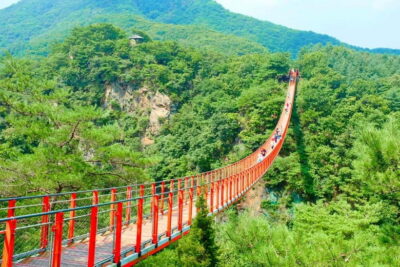
DMZ The 3rd Tunnel and Suspension Bridge Tour
Read the review →
Signature DMZ Tour: Exclusive Defector Talk & Suspension Bridge
Read the review →
Thrilling Korean DMZ 3rd Tunnel Tour from Seoul + Red Bridge Rush
Read the review →
DMZ Past and Present: Korean Demilitarized Zone Tour from Seoul
Read the review →Browse the lists this tour appears in