
Reviewed · DMZ TOURS
Seoul: DMZ Tour with Japanese-Speaking Guide
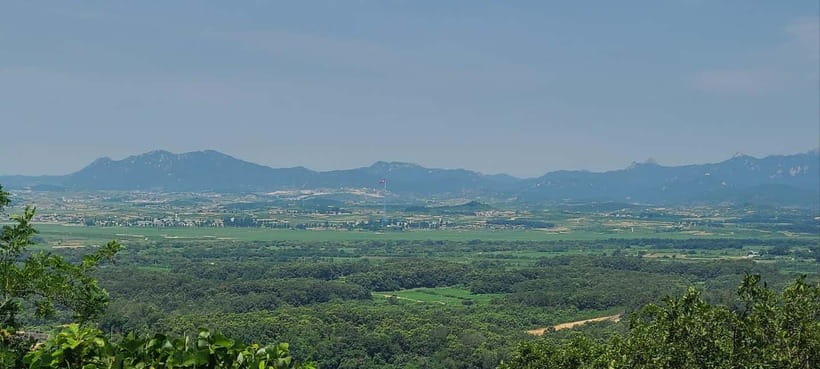
The most striking part of this day is the chance to look across the Korean Demilitarized Zone, one of the world’s most unusual borders. From Dora Observatory, you may see North Korea with your own eyes, while the Third Infiltration Tunnel brings the division below ground. I like the clear Japanese commentary and the chance to visit several important sites without arranging military-area transport yourself.
I also like the strong value at $50 per person, which includes the round-trip coach, entrance fees, and a licensed guide. The main drawback is that this is a military-controlled outing: weather, government rules, or security orders can change the route without notice, and the Third Tunnel is a steep walk that is not suited to everyone.
Key points to know before you go
- Japanese-speaking guides: Guides including Hong Yuseon, Park, and Yoon have been praised for clear, lively explanations of Korean history and the DMZ.
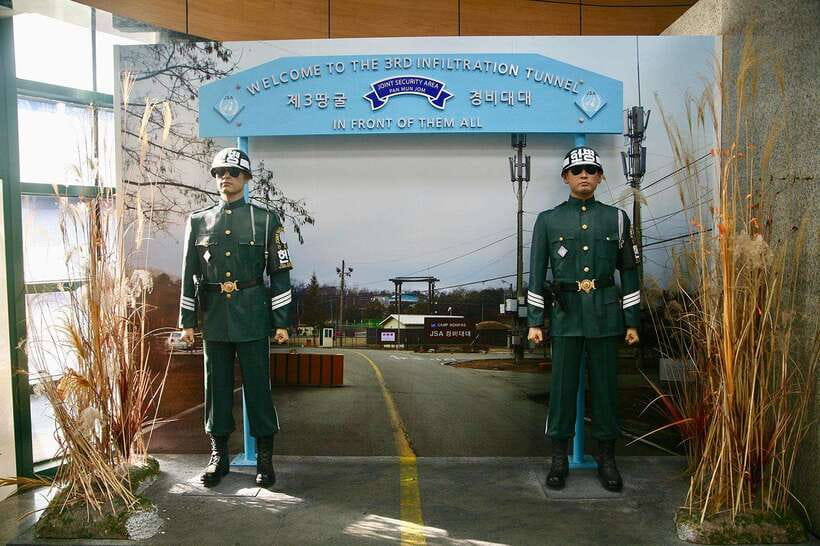
- The Third Tunnel is physical: The round trip takes about 30 to 40 minutes on foot and includes a steep slope.
- Dora Observatory gives the border view: In clear weather, you may see into North Korea without using the telescope.
- This is not a Panmunjom tour: The Joint Security Area is not included.
- The schedule can change: Military, weather, and government decisions can replace planned stops without a refund.
- Bring your passport: You need it for this controlled border-area excursion.
Why the DMZ makes such a powerful day trip from Seoul
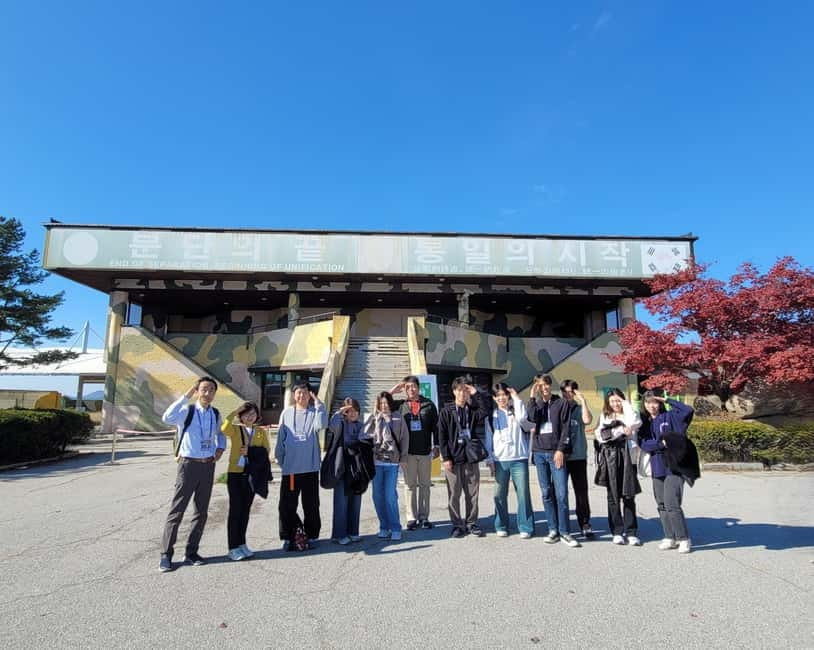
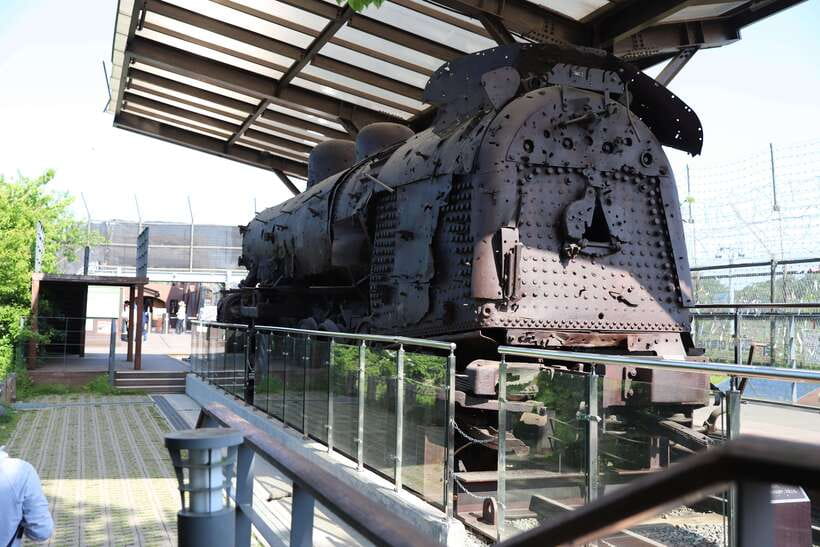
The DMZ is not a theme park or a staged military show. It is a controlled border zone created after the Korean War armistice in 1953, and the visit carries real political and human weight. You will see memorials, former prisoner-repatriation routes, military infrastructure, and a divided country viewed from the South Korean side.
That seriousness gives the day a different feel from ordinary Seoul sightseeing. The guide’s explanations matter here because the sites can seem abstract if you only take photographs. A good guide connects the checkpoints, bridges, tunnels, and observatories to the story of Korea’s division.
The Japanese-language format is especially useful if you want more than a quick look. Hong Yuseon has been praised for clear and detailed explanations, while Park and Yoon have also received strong approval for lively, easy-to-follow commentary. The trip is conducted in Japanese, so choose it for the language support rather than simply because it is the cheapest available DMZ outing.
More DMZ Tours in Seoul:
- Best DMZ Tour Korea from Seoul (Red Suspension Bridge Optional)
★ 5.0 · 41,422 reviews - DMZ Tour: 3rd Tunnel, Option(Suspension Bridge, Boat) from Seoul
★ 5.0 · 21,373 reviews - DMZ tour south Korea from Seoul (NK experience hall, defector)
★ 5.0 · 20,599 reviews
The bus ride sets the historical context
The outing begins at a designated Seoul meeting point, with one listed option near Myeongdong Station Exit 10. Depending on the booking choice, the exact meeting place may differ, so check your confirmation carefully and look at your email the day before for any change to the pickup time.
The ride toward the border takes about an hour. That may sound like dead time, but it is an important part of the experience. The guide can explain the Korean War, the armistice, the creation of the DMZ, and the continuing separation of North and South Korea before you arrive at the first site.
A shared, air-conditioned bus or minivan keeps the cost down and avoids the need to navigate the border area on your own. The trip may involve a transfer to a DMZ shuttle bus if the group has fewer than 30 people, following government policy. That extra step can make the day feel less direct, but it is part of visiting an area controlled by the military.
Imjingak Park: memorials at the edge of the border
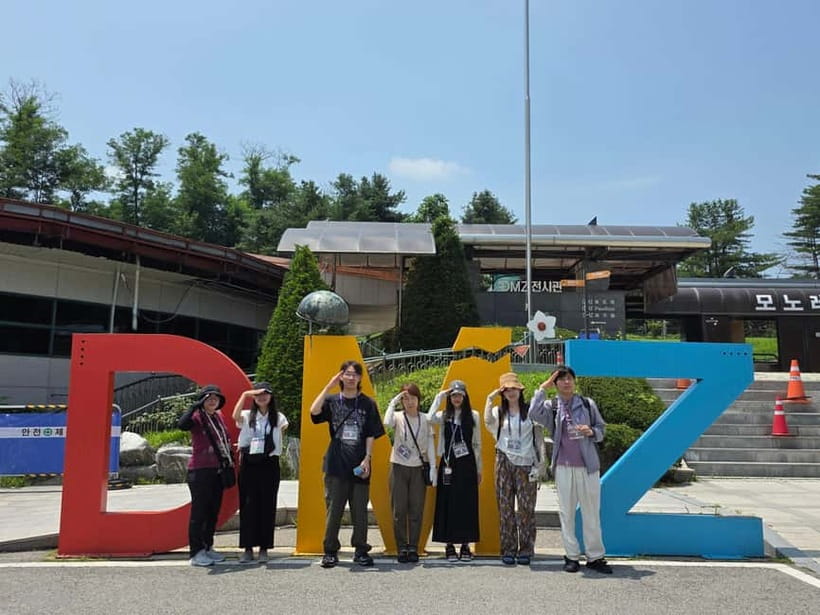
Your first substantial stop is Imjingak, where you have about an hour for a guided visit. The park is near the civilian access area and is built around the pain of separation, reunification, and families divided by the border.
This is a useful opening stop because it gives you room to absorb the subject before entering more restricted areas. You can expect memorial displays and places connected with hopes for peace and reunification. The guide’s explanation helps you understand why a public park near the DMZ has become such an important place for Koreans.
Imjingak is also a practical point in the day. You are not immediately asked to tackle the tunnel or rush to a viewpoint. Use the time to listen, take photographs where permitted, and settle into the pace of the tour.
Freedom Bridge and the human side of the division
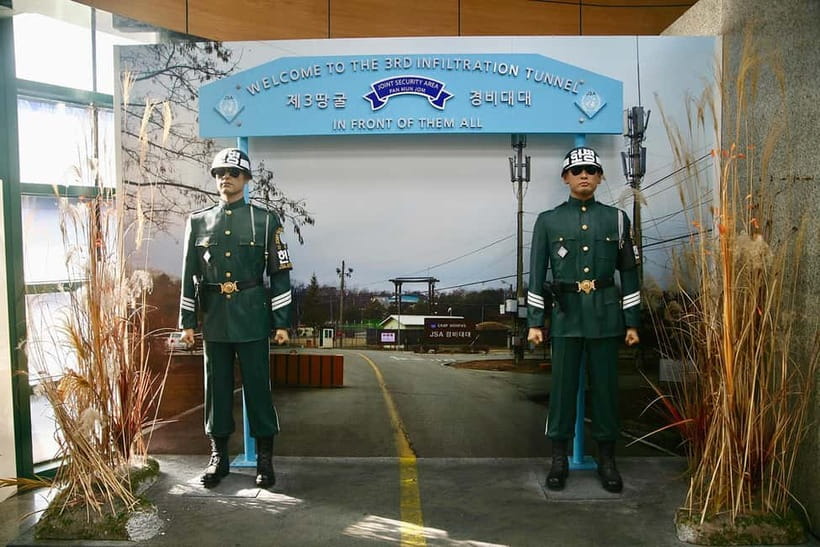
The Freedom Bridge receives about 30 minutes of guided attention. It was used by prisoners of war who were repatriated from North Korea, giving the structure a direct link to the aftermath of the Korean War.
This stop is less about grand scenery and more about people. A bridge can look ordinary until you understand who crossed it and what returning home meant after captivity and war. I find that this is one of the clearest places to connect the large political story with individual lives.
Keep your expectations measured. The visit is structured and time-limited, and you are not wandering freely through an open border region. The value comes from the setting and the explanation, not from a long list of attractions.
A few more Seoul half-days to weigh up
- Seoul: DMZ Tour with Optional Suspension Bridge
★ 4.8 · 5,277 reviews - Seoul: DMZ The 3rd Tunnel and Suspension Bridge Tour
★ 5.0 · 4,656 reviews - Signature DMZ Tour: Exclusive Defector Talk & Suspension Bridge
★ 5.0 · 4,459 reviews - Incheon Airport: Traveler SIM & T-money Transportation Card
★ 4.7 · 3,332 reviews
The Third Infiltration Tunnel requires sturdy shoes
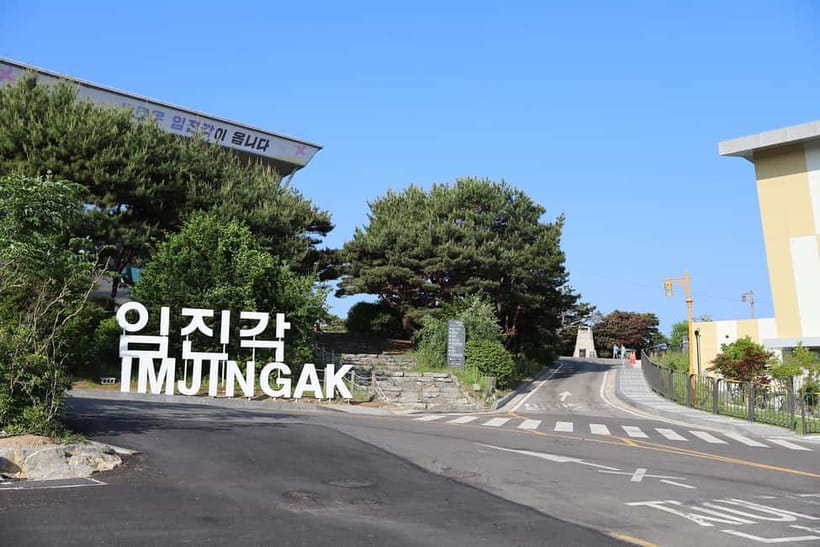
The Third Infiltration Tunnel is the most unusual physical part of the outing. It is an unfinished passage dug by North Korea beneath the DMZ, and you enter it on foot after a guided introduction.
Allow 30 to 40 minutes for the round trip. The tunnel has a steep slope, and the walk can be tiring, particularly on the return climb. Flip-flops, slippers, and high-heeled shoes are strongly discouraged. Wear secure, comfortable footwear, and think twice before bringing a small child, an older family member, or anyone with heart problems.
The tunnel itself is cooler than the surface, which can be welcome in summer. One August visitor noted that the underground section offered relief from the heat. Still, cool air does not remove the physical demands of the slope.
Wheelchair users cannot take part in this activity, and the tunnel may be difficult for children and older adults. If you decide not to walk it, waiting in front of the tunnel is possible. That makes the stop more flexible for a mixed group, but it also means one person may miss the central feature while others continue.
The tunnel carries a particular tension because it was built for military infiltration, yet it is now part of a public tour. That contrast makes it memorable, though the visit is not designed as a leisurely underground stroll.
Dora Observatory: the best chance to see North Korea
After returning to the surface, the coach takes you toward Mount Dora and Dora Observatory. You have about an hour here, which gives the guide time to explain the view and allows you to look across the border at your own pace.
On a clear day, you may see into North Korea without using the observatory telescope. The view takes in the roughly 4-kilometer-wide DMZ and the territory beyond it. Weather matters greatly, so do not treat a distant view of North Korea as guaranteed.
This is the emotional high point for many people because the border becomes visible rather than theoretical. You can look across a strip of land that has divided Korea since 1953. The scene may appear quiet, but that quietness is part of the experience. You are looking at a heavily controlled boundary, not simply a scenic overlook.
Fog, haze, or other weather conditions can reduce what you see. The stop remains worthwhile for the guide’s explanation and the physical setting, but you should keep your expectations realistic. Pack your patience along with your camera.
Unification Village offers a gentler final stop
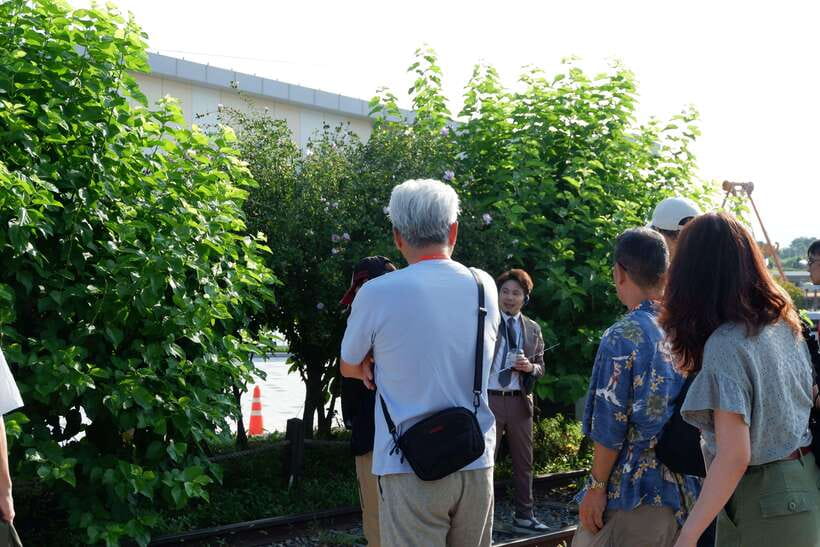
The final planned stop is Unification Village, near the DMZ, with about 30 minutes for a guided visit. Here you can browse souvenirs and snacks connected with peace and reconciliation. Items from North Korea are often available as well.
This stop changes the tone after the tunnel and observatory. Instead of focusing only on military separation, it points toward contact, memory, and hopes for a future without the border. It also gives you a chance to buy something small before the return to Seoul.
The shopping period is brief, so do not expect a large market visit. Think of it as a short stop for a peace-themed souvenir, local snack, or an unusual memento of the day. The products may be more meaningful because of where you are buying them, though you should not treat the stop as a major shopping destination.
What the $50 price really covers
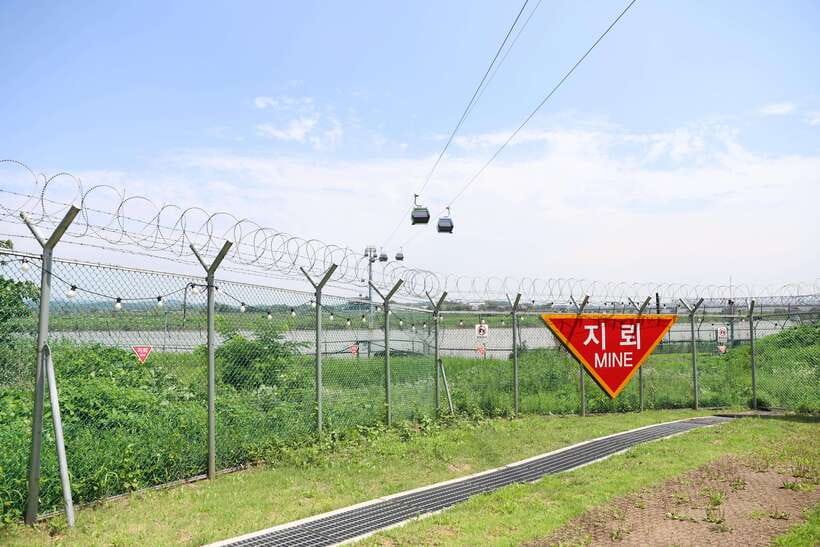
At $50, this is a good-value day trip if you want the main DMZ sights without planning several separate transport connections. The price includes round-trip shared transportation, entrance fees, and a licensed professional guide. It does not include food, drinks, hotel pickup, hotel drop-off, travel insurance, or a visit to the Joint Security Area at Panmunjom.
The included transport is important. The DMZ is not an area where casual independent wandering is practical, and military access rules can be confusing. Paying for a coordinated group trip gives you a guide, a vehicle, and an organized route for less than the cost and effort of trying to piece the day together.
The trade-off is control. You follow the group schedule, share the vehicle, and may face a transfer to a DMZ shuttle bus. The day lasts 7 to 8 hours, but the return time can vary with traffic, group size, and border-area operations.
Transportation has been particularly well rated, with 88 percent of ratings giving it a perfect score. That suggests the coach arrangement generally does its job, but it does not promise a private vehicle or a small, intimate group.
The guides make the difference
This tour depends heavily on the guide. The sites are powerful, but they need context, and the strongest guide feedback centers on explanations that are clear, interesting, and easy to follow in Japanese.
Hong Yuseon is known for explaining the history and background during the bus ride and at the stops. One Korean and Japanese couple also appreciated that Hong occasionally spoke Korean to include the Korean partner, while keeping the main tour in Japanese. Park has been praised for an entertaining style, and Yoon for calm, detailed guidance, including handling a crowded holiday schedule.
Guide assignments can vary, so you should not book on the assumption that one particular person will lead your group. Still, the repeated praise for Hong, Park, and Yoon gives you a useful sense of the standard to expect: practical explanations rather than a silent bus ride followed by rushed photographs.
The Japanese format also suits mixed-language groups better than an English-only outing if your main listener is Japanese-speaking. Provide your name in American English when booking, as requested by the operator.
The schedule can change for reasons beyond your control
The DMZ is operated by the military, so the route may be canceled or altered without prior notice. Weather, military decisions, and government regulations can affect access. If the planned route is unavailable, replacement stops may include Imjingak, Art Space BEAT 131, Odusan Unification Observatory, the War Memorial of Korea, City Hall, or Myeongdong.
The stated policy says a refund is not offered when the itinerary changes for these reasons. This is the most important condition to understand before paying. You are buying an organized attempt to visit the DMZ, not a guaranteed ticket to every site listed.
The same uncertainty can create odd benefits. On one particularly crowded holiday visit, delays allowed extra time for a ropeway and a North Korea museum. That is not a promised feature of the outing, but it shows how a disrupted schedule may still produce a worthwhile day.
Do not drink before the tour. Intoxicated passengers will not be allowed to join and will not receive a refund. Smoking in the vehicle, alcohol, and drugs are prohibited, and unaccompanied minors cannot participate.
Who should book this Japanese-language DMZ tour
I would choose this trip if you are staying in Seoul and want a serious, guided introduction to the border in one day. It suits first-time visitors who want the major accessible sites, people who prefer Japanese explanations, and anyone interested in Korean history, the Korean War, or the continuing division of the peninsula.
It is also a sensible choice if you value logistics. The group handles transport and admissions, while the guide explains what you are seeing. At $50, that combination offers solid value.
I would think carefully before booking if you have heart problems, use a wheelchair, dislike fixed schedules, or would be disappointed by a weather-related route change. Families should also discuss the Third Tunnel in advance. Infants under 24 months are free, but no seat is provided, which may make the long day harder.
The Joint Security Area is not included. If your main goal is Panmunjom rather than the tunnel, observatory, and memorial sites, this is not the right product.
Practical details that make the day easier
Bring your passport. It is required for the tour.
Wear walking shoes with a firm grip. Avoid flip-flops, slippers, and heels, especially because of the Third Tunnel’s steep slope.
Bring food or plan to buy something before departure, since meals and drinks are not included. The day can run 7 to 8 hours, and the return to Seoul may be delayed by traffic or military procedures.
Check your email the day before departure for a changed pickup time. Meeting points depend on the option booked, and the final drop-off may be at Myeongdong or City Hall station. Confirm the exact end point before making evening plans.
Free cancellation is available up to 24 hours before departure, and reserve-now, pay-later booking is offered. That flexibility is useful, but it does not override the no-refund rule for a military or weather-related itinerary change.
Should you book it?
Book this DMZ tour if you want the main border sights, clear Japanese guidance, and a reasonably priced shared transfer from Seoul. The combination of the Freedom Bridge, Third Infiltration Tunnel, Dora Observatory, and Unification Village gives you a fuller picture than a single overlook would.
Go in with the right attitude: this is a controlled historical site, not a carefree day excursion. Accept the possibility of route changes, prepare for the tunnel walk, bring your passport, and allow your Seoul schedule plenty of slack afterward. If those conditions suit you, this is a thoughtful and practical way to understand one of Korea’s most important divisions.
FAQ
Is this tour conducted in Japanese?
Yes. The live guide language is Japanese.
How long does the DMZ tour last?
The tour lasts about 7 to 8 hours, including the coach journeys between Seoul and the DMZ area.
What sites are included?
The planned route includes Imjingak, the Freedom Bridge, the Third Infiltration Tunnel, Dora Observatory, and Unification Village.
Can I see North Korea from Dora Observatory?
In good weather, you may see into North Korea without using the observatory telescope. Visibility depends on conditions.
Is the Joint Security Area included?
No. A visit to the JSA, also called Panmunjom, is not included.
Do I need my passport?
Yes. You must bring your passport.
Is the Third Infiltration Tunnel difficult to walk?
The round trip takes about 30 to 40 minutes and includes a steep slope. It may be challenging for children and older adults, and people who do not walk it can wait at the tunnel entrance.
What happens if the DMZ route is closed?
The itinerary may change because of military, weather, or government rules. Replacement stops can include Imjingak, Art Space BEAT 131, Odusan Unification Observatory, the War Memorial of Korea, City Hall, or Myeongdong. No refund is offered for these changes.
Recently added around Seoul
- Nami & Maple Road & Theatre des Lumieres Day Tour from Seoul★ 4.8 · 4 reviews
- Gyeongbokgung Palace Photo Session with your own phone★ 5.0 · 4 reviews
- Private Tour around Suwon UNESCO Fortress and Korea Folks Village★ 4.5 · 4 reviews
- Jisan Forest Resort: Ski Full-Day Tour or Shuttle from Seoul★ 5.0 · 4 reviews
- N Seoul Tower + Namsan Cable Car Ticket (Collect in Myeongdong)★ 3.5 · 4 reviews
- Seoul: Deoksugung Palace Night Tour★ 4.5 · 4 reviews
- Private Jeonju Hanok Village – Culinary tour★ 5.0 · 4 reviews
- Seoul Private Walking Tour with a Local★ 5.0 · 4 reviews
DMZ Tours, compared.
Best DMZ Tour Korea from Seoul (Red Suspension Bridge Optional)
Read the review →
DMZ Tour: 3rd Tunnel, Option(Suspension Bridge, Boat) from Seoul
Read the review →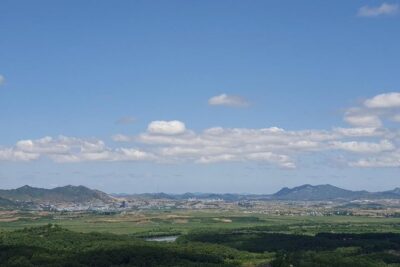
DMZ tour south Korea from Seoul (NK experience hall, defector)
Read the review →
DMZ Insider Tour: 3rd Tunnel, NK Defector Meet & Red Bridge
Read the review →
DMZ The 3rd Tunnel and Suspension Bridge Tour
Read the review →
Signature DMZ Tour: Exclusive Defector Talk & Suspension Bridge
Read the review →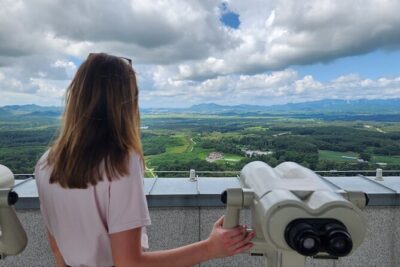
Thrilling Korean DMZ 3rd Tunnel Tour from Seoul + Red Bridge Rush
Read the review →Browse the lists this tour appears in