
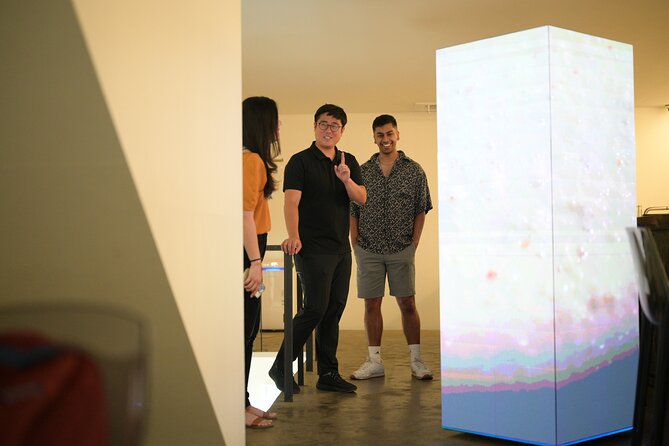
Reviewed · SEOUL TOURS
Rice Wine Tasting with Sommelier – Finest Makgeolli (& Soju)
Korean rice wine is far more varied than the familiar green bottle of soju. In a small backroom at Sool Society, Korean liquor sommelier Jay and certified brewer Sam guide you through makgeolli from small producers across the country, including bottles you are unlikely to find in an ordinary Seoul bar. The tasting is the main event, but the stories behind each bottle give it real purpose.
I like the small group limit of 10, which should leave room for questions and conversation. I also like the easy location inside the mall connected to Hapjeong Station, plus the chance to buy bottles or other goods after tasting them. The main consideration is the fixed, non-refundable booking policy, and the 5 p.m. start may not fit every Seoul itinerary.
Key points at a glance
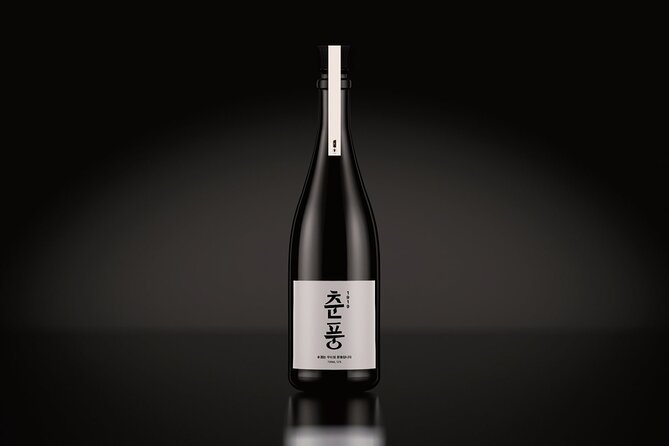
- Rare makgeolli from across Korea: Taste bottles from small local producers that usually have little reach beyond their home areas.
- Two specialist hosts: Jay brings sommelier training, while Sam is a certified Korean alcohol brewer.
- A useful introduction to Korean rice wine: Learn how makgeolli is made, why it is hazy, and how its styles differ.
- Small setting near Hapjeong Station: The tasting takes place in a specialty rice wine shop, not a large tourist venue.
- About 80 minutes: The session is compact enough to fit before dinner or an evening in Mapo.
- Adult-only experience: Only people born in 2005 or earlier may attend in 2024.
Why makgeolli deserves more attention than soju
Many first-time visitors meet Korean alcohol through soju. It is cheap, familiar, and served almost everywhere. Makgeolli offers a different experience. It is fermented rice wine, traditionally unfiltered, so it often has a milky or hazy appearance rather than the clear look of distilled spirits.
That cloudy appearance is part of the point, not a flaw. The drink can show grain, sweetness, tartness, acidity, and fermentation notes in ways that vary from bottle to bottle. The tasting is designed to show that makgeolli is not one fixed drink with one standard flavor.
This matters because casual restaurant servings can give you only a narrow idea of Korean rice wine. Here, Jay and Sam select bottles from different categories and producers. You get a chance to compare the results of different brewing choices instead of judging makgeolli from a single inexpensive bottle.
I especially like the focus on small makers. Local producers often make excellent drinks that do not travel far, even within South Korea. Tasting those bottles gives you a better sense of regional brewing than simply ordering the most common brand at a barbecue restaurant.
A few more Seoul half-days to weigh up
- Seoul: Kimchi Dishes Cooking Class with Wine Pairing
★ 4.7 · 38 reviews - Seoul: Wine & Korean BBQ, Perfect Pairing Dinner in Sinchon
★ 5.0 · 6 reviews - 4-Hours Hiking and Tasting Rice Wine in the Mountain of Busan
★ 5.0 · 79 reviews
Meeting Jay and Sam at Sool Society
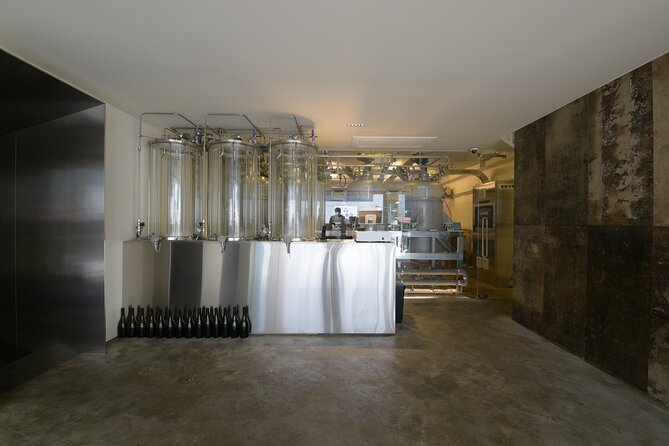
The meeting point is Sool Society, a small specialty rice wine shop at Mesena Polis, basement level 1, unit B139, on Yanghwa-ro in Seoul’s Mapo district. The mall is connected to Hapjeong Station, so you can reach the tasting by public transportation without setting aside time for a long journey across the city.
That location is practical in another way. Since the tasting ends where it begins, you do not need to arrange a second pickup point or find your way back to a distant neighborhood. You can continue with dinner or drinks in the Hapjeong area afterward.
The experience begins at 5 p.m. The scheduled length is about 1 hour and 20 minutes, making it a manageable evening activity rather than a half-day commitment. I would allow a little extra time to locate the shop inside the mall, especially if you are unfamiliar with Korean underground shopping areas.
Jay is introduced as a Korean liquor sommelier. Sam is a certified Korean alcohol brewer. That pairing gives the session two useful angles: one focused on tasting and judging the drink, and one focused on how Korean alcohol is produced.
The available information also indicates that Sam speaks fluent English. That is important for a tasting built around subtle differences in aroma, texture, production, and cultural meaning. You should be able to ask questions rather than simply receive a series of pours.
Inside the backroom tasting
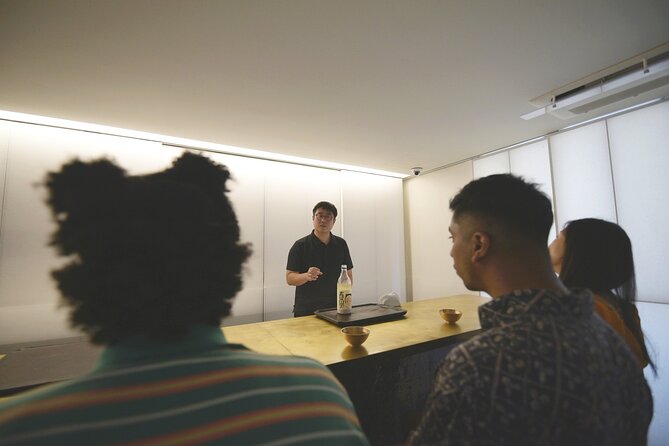
The tasting takes place in a private-feeling backroom within the shop. This is not described as a large bar or a formal restaurant, and that is part of its appeal. You are there to focus on the bottles and the people explaining them.
The exact number of pours is not specified, so I would not book this expecting a guaranteed count. The clear promise is a selection of the finest and rarest makgeollis available across Korea, with examples chosen to represent different categories.
You can expect the hosts to explain how makgeolli is made and why the finished drink looks cloudy. The educational side is not filler. It helps you understand why one bottle may taste very different from the next, even though both are made from rice.
The strongest part of the format is the direct connection between the drink and its maker. You are not tasting anonymous samples with only a label for guidance. The focus is on small breweries and local producers, many of whom rarely reach a broad market.
One useful result is that you may leave with a clearer idea of what to buy during the rest of your time in Korea. Goods are available for purchase at the shop, so if a bottle suits your taste, you can look for something to take home. Buying alcohol for international travel involves your own airline and customs rules, so check those before packing anything.
The cultural story behind the glass
Makgeolli is not simply a sweet rice drink to sample once and forget. It has a place in Korean food and drinking culture, and the hosts connect the tasting to that wider story.
That cultural context is one of the reasons I would choose this experience over an unstructured bar visit. At a bar, you can order makgeolli, but you may not learn what makes one style different from another or why the drink has remained important in Korea.
The tasting also helps correct a common assumption: Korean alcohol is not limited to soju. Soju is distilled, while makgeolli is fermented and generally unfiltered. Those are different production methods, and the results differ in strength, texture, and flavor.
The hosts have explored hundreds of makgeollis across Korea. That background matters because it suggests the selection is based on broad sampling rather than a single famous label. You are being shown bottles that fit different parts of the makgeolli world, including rare examples that are hard to encounter in ordinary Seoul drinking spots.
The session may be especially useful if you have already tried makgeolli and found it pleasant but unremarkable. A wider tasting can show you how much variation exists beyond the standard restaurant bottle.
More Food Tours in Seoul:
- Seoul Street Food Market Tour
★ 5.0 · 1,226 reviews - Seoul: Night Market Food Tour with Local Guide
★ 4.9 · 943 reviews - Downtown Seoul Guided Food & Market Tour with 8+ Local Tastings
★ 5.0 · 580 reviews - Seoul: Guided Food & Market Tour with 8+ Tastings
★ 4.9 · 342 reviews
What makes the small group useful
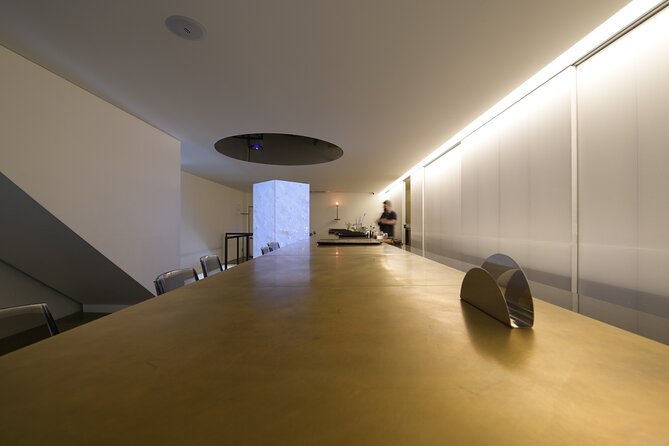
The maximum group size is 10 people. That is not a private tasting, but it is small enough to keep the setting personal. You should have a reasonable chance to hear the explanations and ask questions, though the exact feel will depend on how many people attend that day.
A larger group could make a tasting like this less effective. Makgeolli has details that are easy to miss if the host has to repeat every point across a crowded room. The small limit gives Jay and Sam more room to discuss individual reactions and explain unfamiliar terms.
It also suits people who enjoy meeting others around food and drink without committing to a long social evening. You can learn, taste, and then move on to your own plans.
Still, this is not the right pick if you want a loud, free-form night out. The point is guided tasting and education. You should come ready to listen, compare, and ask questions.
Is $40.85 a fair price?
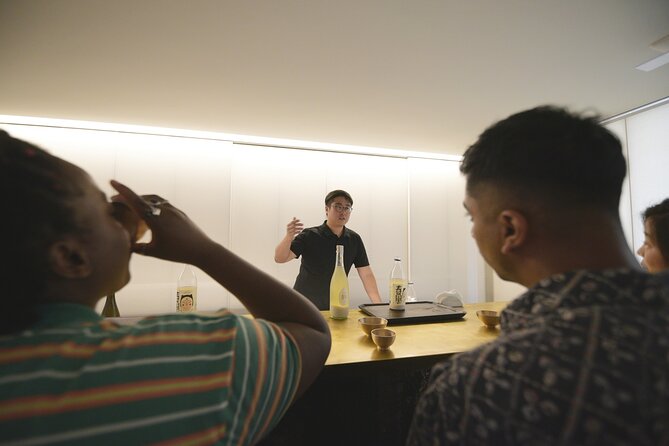
At $40.85 per person, this is not a cheap way to drink makgeolli. You can buy ordinary Korean rice wine for far less. The value comes from the specialist selection, the explanation, and the chance to taste bottles that may be difficult to find on your own.
I think the price makes sense if you care about food and drink, want to understand Korean alcohol, or prefer small local producers to mass-market brands. It is less convincing if you simply want a large amount of alcohol or a casual drink before dinner.
The 80-minute length also shapes the value. This is a focused tasting, not an all-evening meal or a full brewery tour. You are paying for access to rare examples and specialist guidance, not for several hours of entertainment.
The ability to buy products afterward adds practical value. You can use the tasting to decide what you actually like before spending money on bottles to take home. That is better than guessing from an unfamiliar label.
The experience is booked, on average, about nine days ahead. I would treat that as a useful planning signal and reserve before your Seoul schedule fills up, particularly if you are visiting during a busy period.
How to fit it into a Seoul evening
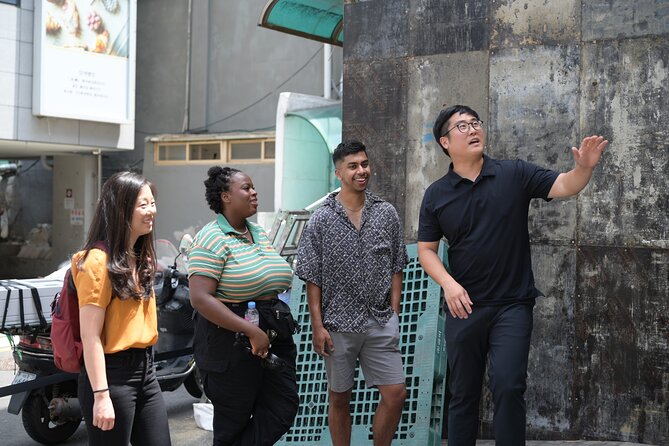
The 5 p.m. start works well as the first part of an evening in Mapo. Since the activity ends back at Sool Society, you can stay in the area for food afterward or continue elsewhere by subway.
Hapjeong is a convenient base for this kind of plan because the meeting point is tied directly to a station and the tasting is not isolated outside central Seoul. You should still check the mall entrance and underground layout before the start time. Korean station areas can have several connected exits and levels, and arriving early removes needless stress.
Because the tasting lasts only about 80 minutes, avoid placing a tightly timed reservation immediately afterward. A guided session can run at a relaxed pace, and you may want time to browse the shop or buy a bottle before leaving.
The mobile ticket makes entry simple. Confirmation is provided at booking, so keep the ticket accessible on your phone.
Who will enjoy this most
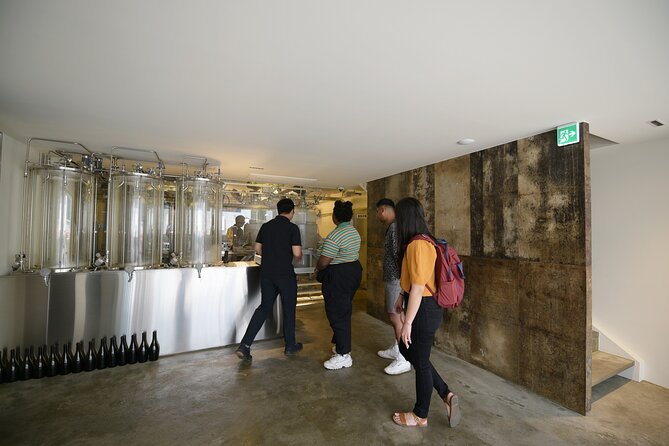
I would recommend this for anyone curious about Korean food culture, especially if you enjoy learning the story behind a drink rather than merely ordering it. It also suits repeat visitors who have already seen the usual Seoul attractions and want a more specific local subject.
The experience is a good fit for:
- People who have tried makgeolli and want to compare better or less common examples
- Visitors interested in fermentation and traditional Korean alcohol
- English-speaking drinkers who want detailed explanations
- Couples or small groups looking for a short evening activity
- Shoppers who may want to buy specialty rice wine afterward
It may not suit children or families with younger teenagers because the venue is adults only. In 2024, attendees must have been born in 2005 or earlier.
It is also not ideal for someone who dislikes hazy drinks, fermented flavors, or educational tastings. The point is to explore makgeolli in detail, not to provide a generic Seoul nightlife stop.
Practical limits to keep in mind
The cancellation policy is strict. The experience is non-refundable and cannot be changed for any reason after booking, so check your schedule carefully before paying.
Weather is another condition to note. The activity requires good weather, and if poor weather causes a cancellation, you are offered a different date or a full refund. The information does not explain why weather affects this specific session, so I would confirm any disruption directly with the provider.
This is a small, adult-only experience with a maximum of 10 people. It is near public transportation, but no specific accessibility details are provided. If you need step-free access or other assistance, ask before booking rather than assuming the mall connection guarantees it.
The meeting and ending point are the same: Sool Society, South Korea, Seoul, Mapo-gu, Yanghwa-ro 45, Mesena Polis basement 1, B139. Have the address ready in Korean if you need to show it to a taxi driver or ask for directions.
Should you book the makgeolli tasting?
I would book this if you want a focused, authentic introduction to Korean rice wine and value access to small-producer bottles. Jay’s sommelier perspective, Sam’s brewing background, the English-language guidance, and the small group make the experience more useful than simply ordering makgeolli at dinner.
The best reason to go is the range. You can taste bottles rarely seen outside local areas, learn how makgeolli is made, and use the shop afterward to choose something you genuinely like.
Skip it if your main goal is a cheap drink, a full meal, or a flexible booking. The price is higher than a casual bar stop, the session starts at a fixed 5 p.m., and the booking cannot be refunded or changed. For curious drinkers who want to understand an important part of Korean food culture, though, this is a well-focused use of 80 minutes in Seoul.
FAQ
Where does the makgeolli tasting take place?
It takes place at Sool Society, located at South Korea, Seoul, Mapo-gu, Yanghwa-ro 45, Mesena Polis, basement level 1, unit B139.
What time does the experience start?
The tasting starts at 5 p.m.
How long does the tasting last?
The experience lasts approximately 1 hour and 20 minutes.
Where does the activity end?
The activity ends back at the meeting point at Sool Society.
Who leads the tasting?
The tasting is led by Jay, a Korean liquor sommelier, and Sam, a certified Korean alcohol brewer.
What kind of alcohol will be tasted?
The main focus is makgeolli, a fermented and unfiltered Korean rice wine. The selection includes fine and rare examples from producers across Korea.
How many people can join?
The activity has a maximum of 10 travelers.
Are children allowed to attend?
No. Only adults are allowed at the venue. In 2024, attendees must have been born in 2005 or earlier.
What happens if bad weather cancels the experience?
If poor weather causes a cancellation, you are offered a different date or a full refund. The experience is otherwise non-refundable and cannot be changed for any reason.
Recently added around Seoul
- Gyeongbokgung Palace Photo Session with your own phone★ 5.0 · 4 reviews
- Private Tour around Suwon UNESCO Fortress and Korea Folks Village★ 4.5 · 4 reviews
- Nami & Maple Road & Theatre des Lumieres Day Tour from Seoul★ 4.8 · 4 reviews
- Seoul: Deoksugung Palace Night Tour★ 4.5 · 4 reviews
- Jisan Forest Resort: Ski Full-Day Tour or Shuttle from Seoul★ 5.0 · 4 reviews
- N Seoul Tower + Namsan Cable Car Ticket (Collect in Myeongdong)★ 3.5 · 4 reviews
- Private Jeonju Hanok Village – Culinary tour★ 5.0 · 4 reviews
- Seoul Private Walking Tour with a Local★ 5.0 · 4 reviews
Seoul Tours, compared.
Best DMZ Tour Korea from Seoul (Red Suspension Bridge Optional)
Read the review →
DMZ Tour: 3rd Tunnel, Option(Suspension Bridge, Boat) from Seoul
Read the review →
DMZ tour south Korea from Seoul (NK experience hall, defector)
Read the review →

DMZ The 3rd Tunnel and Suspension Bridge Tour
Read the review →
Signature DMZ Tour: Exclusive Defector Talk & Suspension Bridge
Read the review →
Thrilling Korean DMZ 3rd Tunnel Tour from Seoul + Red Bridge Rush
Read the review →
DMZ Past and Present: Korean Demilitarized Zone Tour from Seoul
Read the review →Browse the lists this tour appears in