
Reviewed · KOREAN FOLK VILLAGE TOURS
Gyeongbok Palace and Korean Folk Village Tour
Gyeongbok Palace and Korean Folk Village give you two very different views of Korea in one long day. At the palace, you see the formal world of the Joseon court; in Yongin, you get a more hands-on look at old village customs and daily life. The contrast is the tour’s best idea.
I like the hotel pickup and drop-off, which removes a fair amount of Seoul transit planning, and I like that lunch, palace admission, museum admission, and folk village entry are built into the $79 price. The full schedule also brings in Jogyesa Temple and the Blue House, so you cover several important sights without stitching together separate visits.
The main caution is the guide. One guide was praised for being friendly, informed, and generous with time, while another visitor found the explanations too light. The group may also reach as many as 99 people, so this is a practical sightseeing tour rather than a quiet, highly personal walk.
Key points to know before booking
- Gyeongbok Palace anchors the morning: Spend about an hour at Seoul’s main Joseon palace and the National Folk Museum.
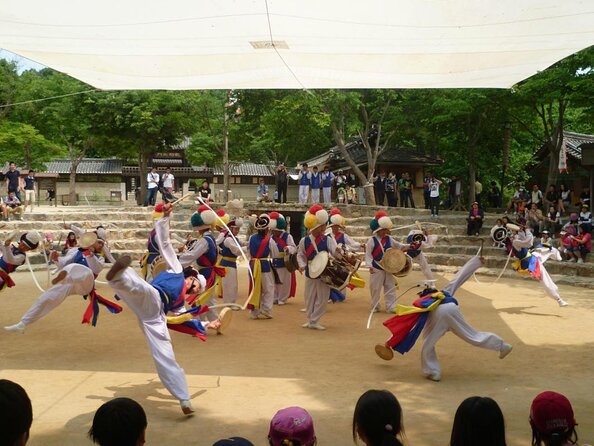
- Korean Folk Village gets the most time: The two-hour afternoon visit is the clearest look at traditional homes, customs, and activities.
- You see Seoul’s modern and spiritual sides: The Blue House and Jogyesa Temple add useful context beyond palace architecture.
- Lunch and transport are included: Pickup, drop-off, an air-conditioned vehicle, lunch, and admission fees are covered.
- Tuesday plans can change: Gyeongbokgung Palace and the National Folk Museum may close, with Deoksu Palace and the History Museum used instead.
- Expect a full day on your feet: Good walking shoes matter, especially at the palace and folk village.
Why this tour works as a first look at Korean culture
This is an efficient introduction to Seoul and nearby Yongin. You start with a major royal site, move through a Buddhist temple and a small commercial stop, then leave the city for a purpose-built traditional village. The range is useful because Korea’s past can otherwise feel divided into separate museum visits and neighborhood walks.
The tour runs about eight hours and begins with a 9:00 am hotel pickup. That timing gives you a full day without requiring an early-morning start. You will spend much of the day moving between locations, so the included vehicle matters. Seoul is spread out, and Yongin is outside the central city area. Having a guide manage the route is worth more here than it would be on a simple palace visit.
At $79, the value depends on how much structure you want. You are paying for round-trip hotel transportation, a professional guide, lunch, and entrance fees. If you prefer to use Seoul’s public transportation, eat cheaply, and explore at your own pace, an independent day will cost less. If you want the palace and Korean Folk Village in one booking, this price is reasonable, especially for a first visit.
More Korean Folk Village Tours in Seoul:
- Seoul: Suwon Hwaseong Fortress & Korean Folk Village Tour
★ 4.7 · 214 reviews - Korean Folk Village and Suwon Hwaseong Fortress Day Tour(EG Tour)
★ 4.5 · 80 reviews - Seoul: Suwon Hwaseong, Folk Village, & Starfield Library
★ 4.8 · 55 reviews
Passing the Blue House on the way to Gyeongbok Palace
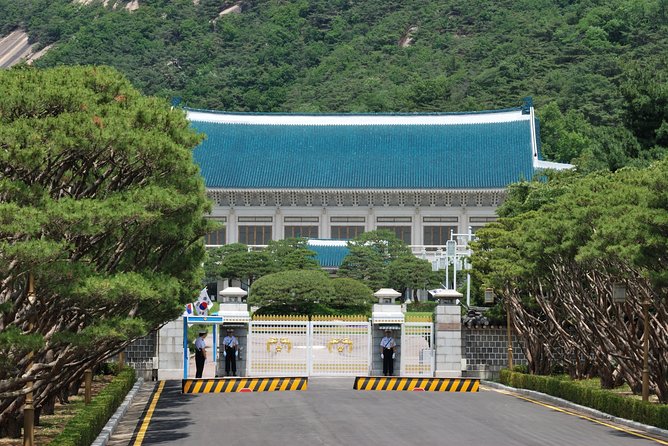
The day begins with a pass by the Blue House, the executive office and official residence of South Korea’s head of state. This is primarily a viewing point rather than a long stop, but it gives you a quick connection between the country’s modern government and the royal complex nearby.
That transition is one of the tour’s useful details. Gyeongbok Palace can seem like an isolated historical attraction when visited alone. Seeing the Blue House first helps place the palace in the wider story of Seoul as a political center, both in the Joseon period and today.
Do not expect a lengthy Blue House visit. The schedule describes it as passing by, so treat it as a brief orientation point rather than a major attraction. Your guide’s explanation will matter here because you will have limited time to take in the setting.
Gyeongbokgung Palace and the National Folk Museum
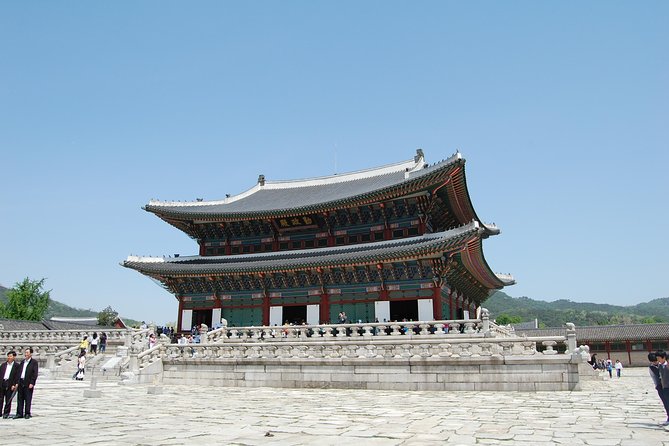
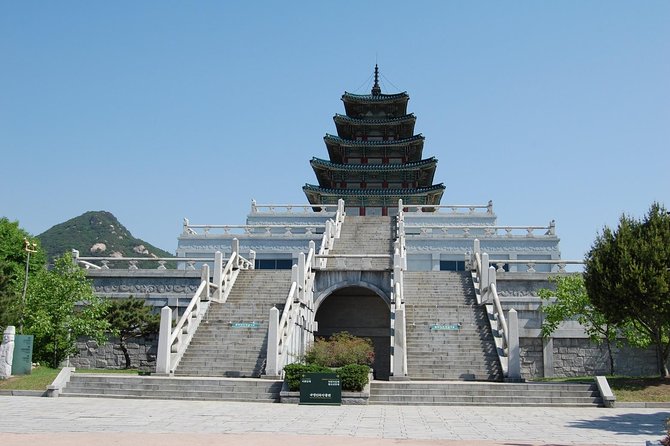
Gyeongbok Palace is the main palace of Seoul and the largest of the city’s royal palaces. Its origins reach back to the 14th-century Joseon Dynasty, making it the major historical stop of the morning.
You have about one hour at Gyeongbokgung Palace, with admission included. That is enough to get a clear sense of the complex and learn the basic story of Korea’s royal past, but it is not enough for an unhurried examination of every building. If palace architecture is your main interest, you may want a separate visit on another day.
The National Folk Museum of Korea is also part of this stop. It shifts the focus from court life to ordinary Korean traditions, customs, and material culture. That pairing is helpful: the palace shows the official world of kings and government, while the museum gives you a broader view of how Korean society worked.
I would pay close attention to the guide here. A strong explanation can turn rooflines, courtyards, and museum displays into a readable story. Without that context, the palace can become a quick sequence of buildings. Feedback about the guides has been mixed, with one morning guide praised for clear explanations and another guide described as less informative. That makes this the part of the day where guide quality has the greatest effect.
The walk is moderate rather than extreme, but you should wear comfortable shoes. Palace grounds and museum visits involve standing and walking, and the day continues for several more hours.
Jogyesa Temple brings a quieter pause
After the palace, you visit Jogyesa Temple for about 30 minutes. The temple is described as the largest in South Korea, and its setting gives the stop its appeal: a Buddhist place of worship in the middle of a modern capital.
Half an hour is short, but it can be enough to slow the pace after the palace. The temple adds a religious and living dimension to the day. You are not only looking at preserved royal buildings; you are also seeing a spiritual site that remains part of Seoul’s present-day city life.
The stop is free, and there is no separate admission fee. Since the visit is brief, listen for the guide’s explanation of the temple and Buddhist tradition, then use the remaining time to take in the atmosphere quietly. This is not the place for a long independent exploration, but it is a worthwhile change of rhythm.
One practical point: the itinerary names this stop as Jogyesa Temple, although one piece of visitor feedback referred to a different temple name. Use the confirmed tour stop, Jogyesa Temple, when planning your expectations.
A few more Seoul half-days to weigh up
- Best DMZ Tour Korea from Seoul (Red Suspension Bridge Optional)
★ 5.0 · 41,422 reviews - DMZ Tour: 3rd Tunnel, Option(Suspension Bridge, Boat) from Seoul
★ 5.0 · 21,373 reviews - DMZ tour south Korea from Seoul (NK experience hall, defector)
★ 5.0 · 20,599 reviews - Seoul: DMZ Tour with Optional Suspension Bridge
★ 4.8 · 5,277 reviews
The ginseng center is useful, but keep your guard up
The group spends about 30 minutes at a ginseng center. Korea has one of the world’s largest ginseng industries, and the stop explains its health benefits. You can buy products if you wish.
This is the most commercial part of the day. It may interest you if Korean ginseng is unfamiliar or if you are looking for a packaged gift. It is not an essential historical sight, and the tour does not require you to purchase anything.
The supplied feedback points to a specific concern: a visitor felt uncomfortable with pressure around the ginseng stop, and the operator apologized and said it would try to avoid that approach. I would treat the visit as optional shopping and feel free to listen without buying. That simple mindset keeps the stop from taking more importance than it deserves.
Thirty minutes is not a long time, but every extra stop affects the day’s pace. If you want a tour focused only on historic sites, this commercial visit may feel like a detour. If you appreciate a look at a well-known Korean product industry, it adds a small piece of contemporary culture.
Lunch gives you a taste of traditional Korean food
Lunch takes about one hour at a traditional Korean restaurant. Lunch is included, and vegan and plant-based Korean dishes are available.
That dietary option is important to confirm at the table with your guide or restaurant staff. The information specifically says vegan and plant-based dishes will be available, but it does not provide a sample menu, so you should not expect a detailed list of individual dishes before the tour.
The lunch stop also keeps the day practical. You do not have to search for a restaurant between scheduled visits, and you avoid losing sightseeing time to a long meal hunt. The trade-off is choice. A group meal is designed for convenience, not for selecting a particular neighborhood restaurant or ordering exactly what you want.
Food and drinks beyond what is specified are not included. Lunch is covered, but plan to pay for extra drinks or other items if you choose them.
Korean Folk Village in Yongin is the afternoon highlight
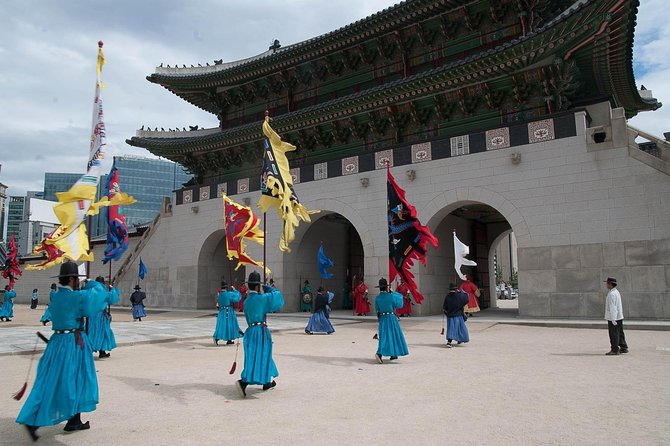
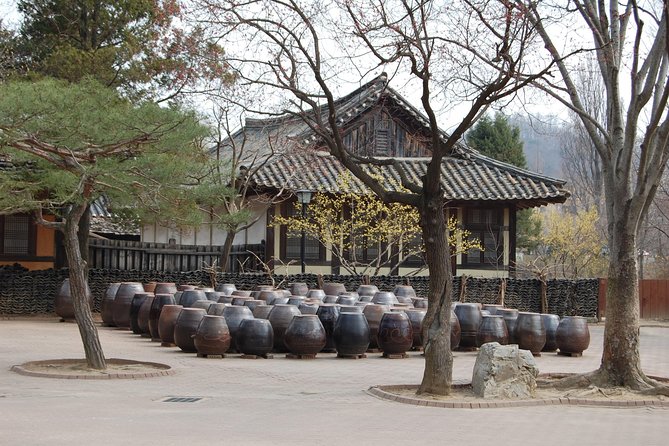
The tour leaves central Seoul for Yongin and spends about two hours at Korean Folk Village. This is the most substantial stop of the afternoon and, for many people, the most enjoyable part of the day.
The village presents Korean ancestral life and culture through traditional settings and activities. The appeal is different from Gyeongbok Palace. The palace focuses on the court and the state; Korean Folk Village brings attention to homes, customs, crafts, and everyday life. You get a more active sense of how older Korean society is presented to the public.
Two hours gives you enough time to experience the setting without turning the visit into a rushed photo stop. It is still worth keeping an eye on the schedule, since the village is large enough that you could easily spend longer if exploring independently.
This was the part most strongly praised in the visitor feedback. One person called the afternoon visit superb and described the folk village as the best part of the day. That assessment makes sense: the site offers more variety than a single monument, and the change from central Seoul to open air in Yongin helps the day feel less repetitive.
There is also a trade-off. Korean Folk Village is a managed cultural attraction rather than an untouched historic settlement. You are seeing Korean traditions presented through a visitor-friendly setting. That makes it accessible and easy to understand, but you should not mistake it for an ordinary village where people still live exactly as they did in the past.
The pace, vehicle, and group size
The air-conditioned vehicle is included, as are hotel pickup and drop-off. For this route, that is a real convenience. You will travel from Seoul to Yongin and back, and the vehicle protects you from the need to work out several connections during a long sightseeing day.
Pickup begins around 9:00 am, but the provided information does not give a precise pickup window for every hotel. Make sure your booking details clearly identify your Seoul hotel and be ready at the stated meeting time.
The tour can have a maximum of 99 people. That is a large possible group, and it changes the feel of the experience. You may get an efficient overview of the sights, but you should not expect the intimacy of a small walking tour. At major stops, stay aware of the guide’s meeting instructions and keep track of the group.
The day includes a moderate amount of walking. Wear shoes that can handle palace paths, museum floors, temple grounds, and the folk village. The schedule is full but not built around strenuous hiking.
How the guiding can shape your day
The tour promises a professional guide, but the experience may vary depending on who leads your group. Strong guiding is especially valuable at Gyeongbok Palace and the National Folk Museum, where a little historical context makes the displays much easier to follow.
One account described the guide as extremely friendly and well informed, with ample time at each location and answers to questions about Korean heritage. Another found the guide less informative, despite enjoying the places themselves. That contrast is useful when deciding how to book: choose this tour for its route and convenience, but do not rely on it as your only source of detailed historical study.
If you want to get the most from the guide, ask direct questions at the palace, temple, and folk village. The schedule allows time at each, and a good question can produce more useful information than simply following the group from one building to the next.
Who should book this Seoul day tour?
I would recommend it to first-time visitors who want a broad cultural introduction without arranging transport between Seoul and Yongin. Families may also appreciate the change of setting, especially the variety at Korean Folk Village. People who like a mixture of major monuments, food, religion, shopping, and traditional culture will find the route well balanced.
It is also a good fit if hotel pickup is important to you. Seoul is easy to explore independently in many areas, but a combined palace and Yongin outing takes more planning. The included vehicle and return transfer simplify the day.
I would hesitate if you prefer small groups, slow museum visits, or complete control over meals and timing. The possible group size is large, the ginseng center has a commercial angle, and the one-hour palace stop may feel brief to serious history fans.
Tuesday changes the historical stops
Gyeongbokgung Palace and the National Folk Museum may be closed on Tuesdays. When that happens, the tour visits Deoksu Palace and the History Museum instead.
This is an important booking detail. You still receive a palace and museum experience, but it will not be the same route or collection described for the regular schedule. If Gyeongbokgung is a personal priority, avoid Tuesday when possible or confirm the operating plan before booking.
Free cancellation is available if you cancel at least 24 hours before the local start time. Cancellations made within 24 hours are not refunded, and changes inside that period are not accepted.
Should you book Gyeongbok Palace and Korean Folk Village Tour?
Book this tour if you want one organized day covering Seoul’s royal past and Korean folk traditions, with lunch, admission fees, and transport handled for you. The strongest parts are the contrast between Gyeongbokgung and Korean Folk Village, the convenient route to Yongin, and the chance to see Jogyesa Temple and the Blue House along the way.
Skip it if you want a small, highly detailed history tour or prefer to avoid commercial stops. The guide can make a big difference, and the possible 99-person group means the experience may feel more like a broad orientation than a personal cultural lesson.
For most first-time visitors, the $79 price is fair for the amount of ground covered and the included services. Wear good shoes, keep the ginseng stop optional, and avoid Tuesday if Gyeongbokgung is essential to your Seoul plans.
FAQ
How long does the Gyeongbok Palace and Korean Folk Village Tour last?
The tour lasts approximately eight hours, beginning with hotel pickup at 9:00 am.
Is hotel pickup included?
Yes. Pickup and drop-off at your Seoul hotel are included.
Is lunch included in the tour price?
Yes. Lunch at a traditional Korean restaurant is included. Vegan and plant-based Korean dishes are available.
Are entrance fees included?
Yes. Admission to Gyeongbokgung Palace, the National Folk Museum, and Korean Folk Village is included.
Does the tour visit the Blue House?
Yes. You pass by the Blue House, the executive office and official residence of South Korea’s head of state.
How long do you spend at Gyeongbokgung Palace?
The scheduled visit lasts about one hour and includes the National Folk Museum of Korea.
How long is the visit to Jogyesa Temple?
The Jogyesa Temple stop lasts approximately 30 minutes, and admission is free.
Is the ginseng center visit required?
The tour includes a 30-minute stop where you can learn about Korean ginseng and purchase products if you wish. The provided information does not state that buying anything is required.
Is there much walking?
A moderate amount of walking is involved. Good walking shoes are recommended.
What happens if Gyeongbokgung Palace is closed on Tuesday?
The tour may visit Deoksu Palace and the History Museum instead if Gyeongbokgung Palace and the National Folk Museum are closed.
What is the cancellation policy?
You can receive a full refund by canceling at least 24 hours before the experience start time. Cancellations or changes made less than 24 hours before the start are not accepted for a refund.
Recently added around Seoul
- Gyeongbokgung Palace Photo Session with your own phone★ 5.0 · 4 reviews
- Private Tour around Suwon UNESCO Fortress and Korea Folks Village★ 4.5 · 4 reviews
- Nami & Maple Road & Theatre des Lumieres Day Tour from Seoul★ 4.8 · 4 reviews
- N Seoul Tower + Namsan Cable Car Ticket (Collect in Myeongdong)★ 3.5 · 4 reviews
- Jisan Forest Resort: Ski Full-Day Tour or Shuttle from Seoul★ 5.0 · 4 reviews
- Seoul: Deoksugung Palace Night Tour★ 4.5 · 4 reviews
- Private Jeonju Hanok Village – Culinary tour★ 5.0 · 4 reviews
- Seoul Private Walking Tour with a Local★ 5.0 · 4 reviews
Korean Folk Village Tours, compared.
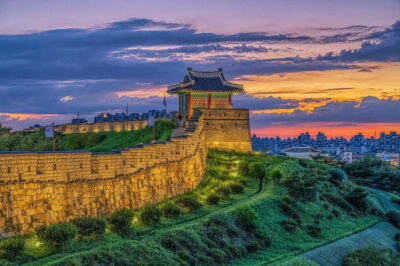
Suwon Hwaseong Fortress & Korean Folk Village Tour
Read the review →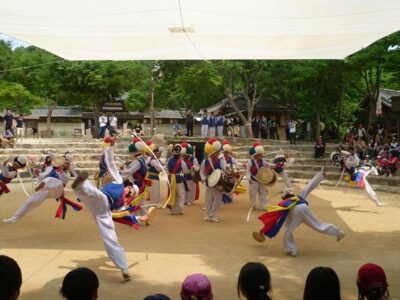
Korean Folk Village and Suwon Hwaseong Fortress Day Tour(EG Tour)
Read the review →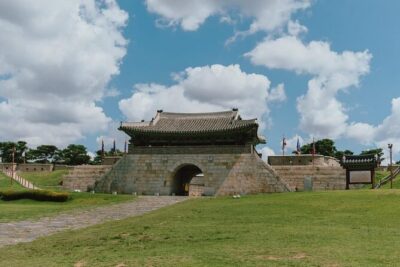
Hwaseong Fortress/Folk Village/Starfield Library Suwon
Read the review →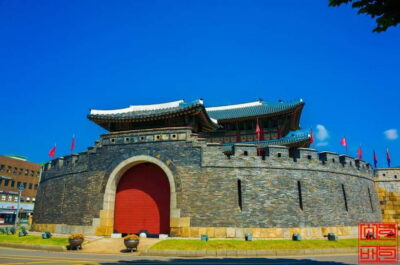
Suwon Hwaseong, Folk Village, & Starfield Library
Read the review →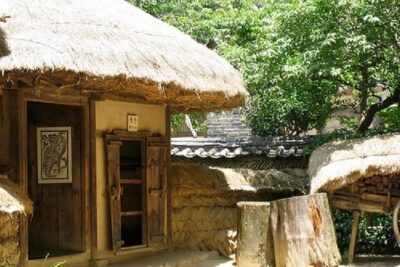
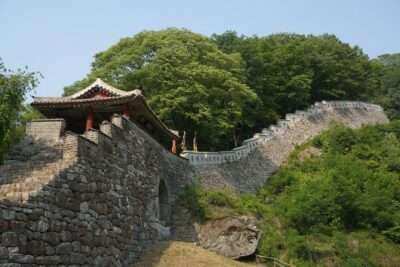
Namhansanseong UNESCO Historical Sites and Korean Folk Village-Private Tour
Read the review →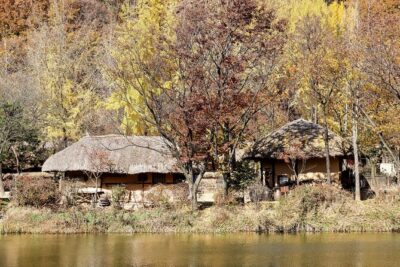
Private Day Trip to Korean Folk Village and Hwaseong Fortress
Read the review →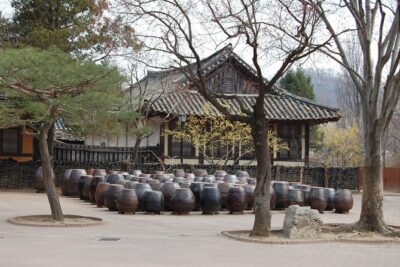
Browse the lists this tour appears in