
Reviewed · KOREAN FOLK VILLAGE TOURS
Korean Folk Village and Suwon Hwaseong Fortress Day Tour(EG Tour)
The Korean Folk Village gives you a lively introduction to old Korea, with reconstructed Joseon-era homes, live music, horseback martial arts, and even a traditional wedding ceremony. Then you walk part of the walls at Suwon Hwaseong Fortress, a UNESCO-listed site built under King Jeongjo.
I like the easy round-trip transport from Seoul, and I like the mix of guided history and free time. The final stop at Suwon Nammun Market adds a useful taste of everyday food, from hotteok to fishcake. The trade-off is a long day, and the schedule can feel tight, especially at the large folk village.
Key points at a glance
- Joseon-era life in a park setting: See traditional houses, customs, performances, and displays about daily life.
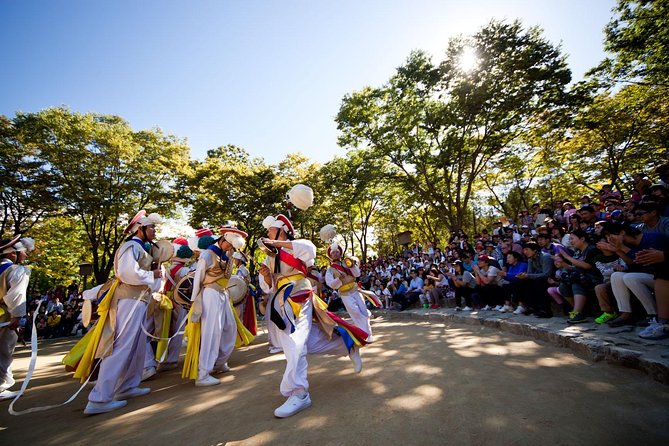
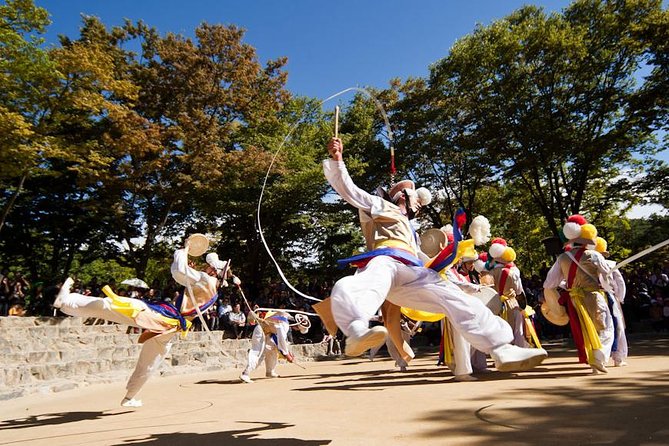
- Live cultural shows: Horseback martial arts and traditional music are major reasons to visit the folk village.
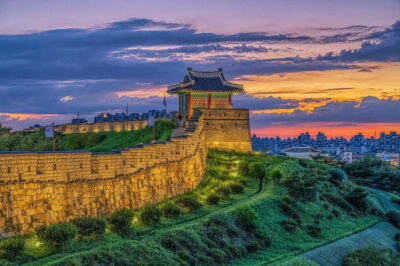
- UNESCO-listed fortress walls: Walk a section of Suwon Hwaseong and see its gates and watchtowers.
- A practical Seoul escape: Round-trip transport removes the need to plan your own route to Suwon.
- Market food at the finish: Use free time at Suwon Nammun Market to try Korean snacks and browse independently.
- A full, weather-sensitive day: The tour lasts about 10 to 11 hours, with traffic and weather able to affect the plan.
A full day from Seoul to Suwon
This is a culture-and-history outing rather than a quick sightseeing transfer. You leave the city for two substantial attractions, then finish with food and free time at one of Suwon’s traditional markets.
The price is $69.52 per person. That is a fair deal if you want transport, entrance fees, and a guide bundled together. You would otherwise need to arrange the journey to Suwon, pay admission at both main sites, and work out how to connect the folk village, fortress, and market in one day.
The main cost is your time. The advertised experience can run 10 to 11 hours, although the sightseeing portion is described in places as about 7 to 8 hours. The difference is best understood as transport, pickup arrangements, traffic, and time between stops. This is not a short half-day outing.
The group can reach up to 43 people. That keeps the price down, but it also means you should expect group movement rather than a private tour. Guides have included Joon Chang, Cecilia, Gina, Julie, Laura, Stella, Jonathan Kim, and Sally. The strongest part of the experience depends in part on how clearly your guide explains the sites and manages the clock.
More Korean Folk Village Tours in Seoul:
- Seoul: Suwon Hwaseong Fortress & Korean Folk Village Tour
★ 4.7 · 214 reviews - Seoul: Suwon Hwaseong, Folk Village, & Starfield Library
★ 4.8 · 55 reviews - Traditional Korean folk village Afternoon tour
★ 5.0 · 52 reviews
Korean Folk Village: old Korea with a theatrical side
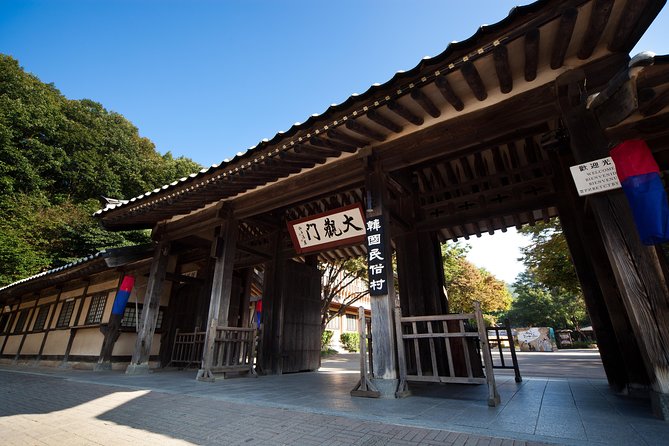
The Korean Folk Village is the first major stop, with about three hours and admission included. It presents traditional Korean culture, especially customs associated with the late Joseon period.
You will see traditional houses and buildings arranged as a visitor attraction. This is important: the folk village is not a normal residential community. It is a reconstructed cultural park with shops, restaurants, displays, and performances. If you arrive expecting an untouched village where local families still live, you may be disappointed.
That does not make it worthless. The setting gives you a simple way to understand how homes, work, clothing, ceremonies, and seasonal customs fit together. The museum displays showing everyday life have been a highlight for some visitors, especially if you want more than a quick walk past old buildings.
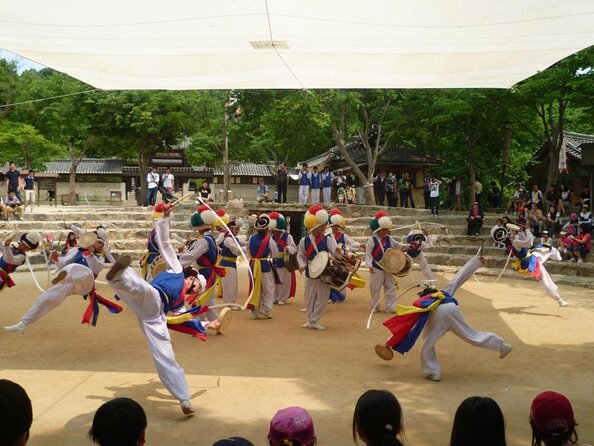
The live program is the real draw. You might watch traditional music, a wedding ceremony, or horseback martial arts. These performances turn abstract cultural details into something you can see and hear. The music performance and the riding show are particularly useful for families and first-time visitors who want an accessible introduction rather than a long museum lecture.
The grounds are larger than many people expect. Three hours sounds generous, but it can pass quickly if you stop for performances, browse the buildings, and take photographs. One useful tip is to listen carefully to the meeting time and performance schedule. A late departure or a delayed group can cost you time at the first show.
The tour may also include extras such as a traditional music presentation or hanbok dress-up at the cultural center, depending on the day’s program. Archery has also been available as an optional activity on some departures. Treat these as possible additions, not guaranteed features, since the schedule can change.
What the folk village is best for
I would choose this stop if you want several types of experience in one place. You can watch a show, examine architecture, learn about Joseon customs, and then wander on your own. That range helps explain why the tour works well for mixed groups who cannot agree on one narrow activity.
It is also a good place for a guide to add context. Guides such as Cecilia, Joon, Gina, Stella, Laura, and Julie have been praised for explaining Korean kings, customs, and daily life in clear English. Some use audio equipment or headphones, which helps when the group spreads out or the performance area is noisy.
The limitations are just as clear. This is a tourist attraction, not an untouched historical settlement. There are shops and restaurants, and some scenes are designed for education and entertainment. You may find the performances more memorable than the buildings themselves.
The stop can feel rushed for anyone who wants to explore every corner independently. If that sounds like you, make a quick plan before arriving: choose one or two performances, then use the remaining time for the houses and museum rather than trying to see everything.
Suwon Hwaseong Fortress and the story of King Jeongjo
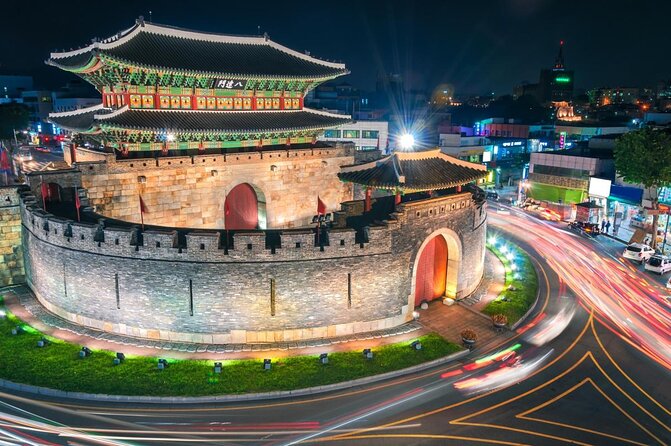
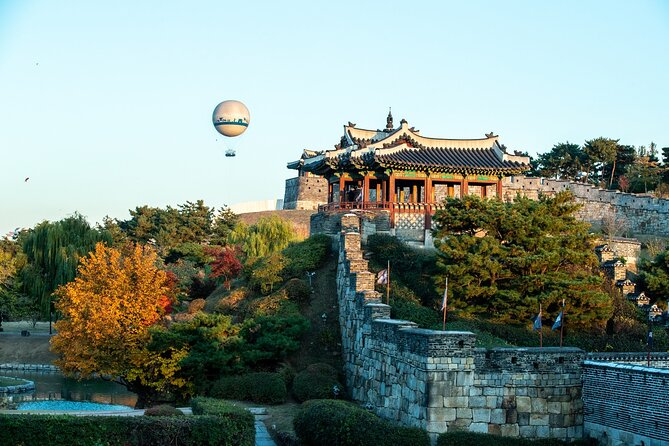
The second stop lasts about one hour and 30 minutes, with admission included. Suwon Hwaseong is a UNESCO World Heritage site built in the late 18th century by King Jeongjo as a fortress and palace complex.
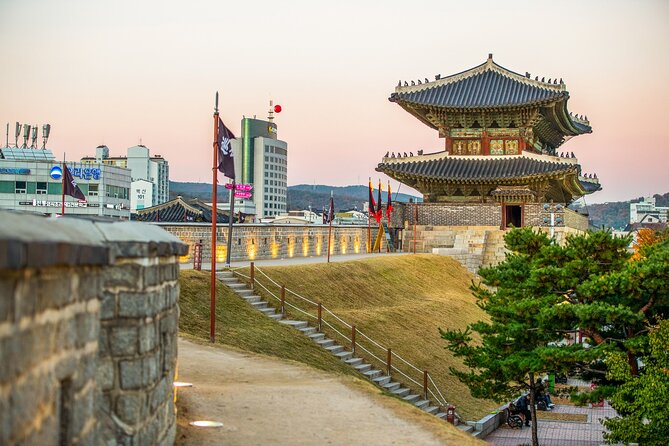
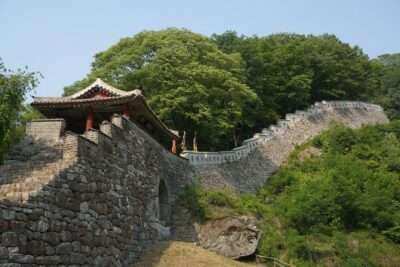
The walls extend for almost six kilometers. You will not cover the entire circuit during this tour. Instead, expect a guided walk along part of the walls, with visits to gates and watchtowers. The scale becomes clear even from a short section, and the elevated portions can give you broad views across Suwon.
This is the most striking architectural stop of the day. The fortress combines defensive walls, gates, towers, and royal purpose in one large site. A good guide can make the stonework easier to understand by explaining why King Jeongjo built the complex and how it related to the Joseon court.
Jonathan Kim and Joon have been praised for adding stories and personal anecdotes to the fortress visit. That kind of explanation matters here. Without context, you may simply see a wall and a few towers. With a guide, you can better understand the fortress as part of a royal project rather than a detached monument.
The walk is not a full fortress tour. If you want to study every gate or complete the entire wall route, you need a separate visit. On this schedule, the goal is to see the most useful section, hear the main story, and keep the day moving.
Weather matters a great deal. Rain can make the wall walk less comfortable, and heat can make the exposed sections tiring. One guide has been praised for finding a cooler place to rest during extreme heat, while another managed the outing through heavy rain. Still, bring weather protection and sensible shoes. The itinerary can change with conditions.
A few more Seoul half-days to weigh up
- Best DMZ Tour Korea from Seoul (Red Suspension Bridge Optional)
★ 5.0 · 41,422 reviews - DMZ Tour: 3rd Tunnel, Option(Suspension Bridge, Boat) from Seoul
★ 5.0 · 21,373 reviews - DMZ tour south Korea from Seoul (NK experience hall, defector)
★ 5.0 · 20,599 reviews - Seoul: DMZ Tour with Optional Suspension Bridge
★ 4.8 · 5,277 reviews
Suwon Nammun Market: the most flexible stop
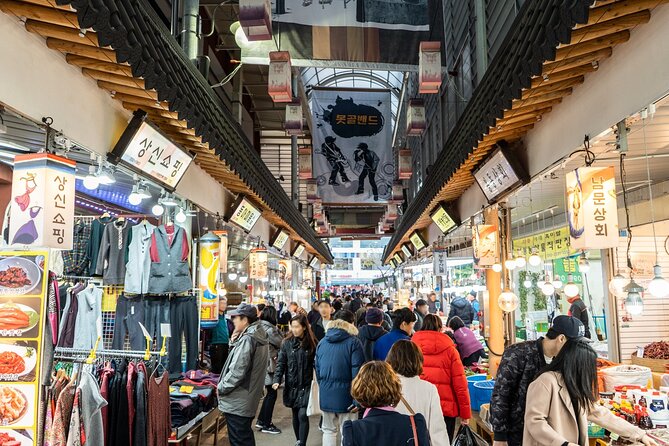
The final stop is Suwon Nammun Market, with about one hour and no separate admission fee. The market has roots reaching back to the Joseon period and is described as one of the oldest and largest traditional markets in the country.
This is the least structured part of the day. You can follow your guide’s food suggestions, browse stalls, or use the time to rest before returning to Seoul. That freedom is welcome after two guided cultural sites.
The market is a good place to try small portions instead of committing to a formal meal. Food sampled here has included hotteok, spicy fishcake, sausage, and sweet rice drink. Your guide may point you toward local specialties and help you decide what to order.
Some people will consider the market a pleasant finish, especially if Korean food is a major reason for visiting. Others who have already seen several Seoul markets may find it less essential and prefer to return to the city earlier. That is a fair criticism, particularly after a long day.
I would treat the market as a bonus rather than the main reason to book. The folk village and fortress justify the trip. The market gives you a relaxed chance to eat and explore without another formal explanation.
Guides, group size, and the pace of the day
The tour includes English and Chinese-speaking staff. The guides named for different departures include Joon Chang, Cecilia, Gina, Julie, Laura, Stella, Jonathan Kim, and Sally. Their styles may vary, but the useful qualities are clear: a steady pace, clear historical explanation, patience with questions, and help with food or photographs.
Audio headphones have been used on some departures. They are helpful when you are walking behind the guide or standing near a noisy performance. If you have trouble hearing in a larger group, stay near the guide during transitions and at the main explanations.
With a maximum of 43 people, the tour is not intimate. Large groups need firm meeting times, and waiting for late arrivals can reduce your time at the folk village. Arrive early at the pickup point, even though the exact meeting details are not listed here. That simple habit gives you the best chance of receiving the full sightseeing time.
The pace is moderate but full. You are not racing from one photo stop to another, yet you are also not free to linger for an hour at every gate or house. This suits you if you want an organized overview. It is less suitable if you prefer slow, solitary exploration.
Families can enjoy the performances and open spaces, but younger children may struggle with the long day, sitting on transport, or following a guide with audio earbuds. Older children and teenagers who like demonstrations, food, or dramatic architecture may get more from it.
Transport, value, and practical planning
Round-trip transportation from Seoul is included, along with entrance fees. That makes the $69.52 price easier to justify. Suwon is close enough for a day trip but far enough that a first-time visitor may prefer not to connect several buses or trains while keeping track of opening times and admissions.
The vehicle has been described as comfortable on some departures, including a VIP-style bus. Still, traffic can stretch the day. You should not schedule an important evening reservation immediately after the estimated return.
Meals are not included. Plan to buy food at the market or at your own expense during the day. The market stop is especially useful because you can sample snacks rather than pay for a fixed group meal.
Wear shoes suitable for walking and bring protection from sun or rain. The tour runs in all sorts of conditions unless weather forces a change, and the fortress walk has limited shelter. A hat, water, and a light rain layer can make the day much easier.
The mobile ticket is convenient. Confirmation arrives when you book, and the activity is near public transportation, though the experience itself uses organized transport from the city. Most people can take part, but anyone concerned about long walks, heat, or rain should consider the physical demands of the fortress section and the size of the folk village.
Free cancellation is available up to 24 hours before the start time for a full refund. Changes or cancellations inside that window are not accepted for a refund.
Who should book this Suwon day tour?
Book it if you want three different Korean experiences in one day: staged traditional culture, a major historic fortress, and local market food. The included transport and admissions remove much of the planning work, and the $69.52 cost is reasonable for a long guided outing.
It is especially useful during a first Seoul visit when you want to get beyond the central city. Guides such as Cecilia, Stella, Gina, Joon, and Jonathan Kim have been singled out for clear explanations, cultural context, and a friendly approach.
Think twice if you dislike reconstructed attractions, large groups, or fixed schedules. You may also prefer an independent Suwon visit if you want to complete more of the fortress wall or spend a whole afternoon at the folk village.
My practical verdict: book this tour for breadth and ease, not for slow discovery. Arrive early, watch the performance schedule, keep some energy for the wall walk, and leave room in your appetite for the market.
FAQ
How long does the tour last?
The experience lasts approximately 10 to 11 hours. The sightseeing portion is described as about 7 to 8 hours, with the remaining time affected by transport, pickup arrangements, traffic, and conditions.
What destinations are included?
The tour visits the Korean Folk Village, Suwon Hwaseong Fortress, and Suwon Nammun Market.
How much time is spent at the Korean Folk Village?
The planned visit lasts about three hours, and admission is included.
How much time is spent at Suwon Hwaseong Fortress?
The planned fortress visit lasts about one hour and 30 minutes, with admission included.
Is the market visit included?
Yes. The tour includes about one hour at Suwon Nammun Market, and there is no separate admission fee.
Are meals included?
No. Meals are not included, so you pay for food and drinks yourself.
What languages are supported?
English and Chinese-speaking staff are included.
How large can the group be?
The activity can have a maximum of 43 participants.
Can I cancel for a full refund?
Yes. You can cancel at least 24 hours before the experience start time for a full refund. Cancellations or changes made less than 24 hours before the start time are not accepted for a refund.
Recently added around Seoul
- Nami & Maple Road & Theatre des Lumieres Day Tour from Seoul★ 4.8 · 4 reviews
- Gyeongbokgung Palace Photo Session with your own phone★ 5.0 · 4 reviews
- Private Tour around Suwon UNESCO Fortress and Korea Folks Village★ 4.5 · 4 reviews
- Seoul: Deoksugung Palace Night Tour★ 4.5 · 4 reviews
- N Seoul Tower + Namsan Cable Car Ticket (Collect in Myeongdong)★ 3.5 · 4 reviews
- Jisan Forest Resort: Ski Full-Day Tour or Shuttle from Seoul★ 5.0 · 4 reviews
- Seoul Private Walking Tour with a Local★ 5.0 · 4 reviews
- Private Jeonju Hanok Village – Culinary tour★ 5.0 · 4 reviews
Korean Folk Village Tours, compared.
Suwon Hwaseong Fortress & Korean Folk Village Tour
Read the review →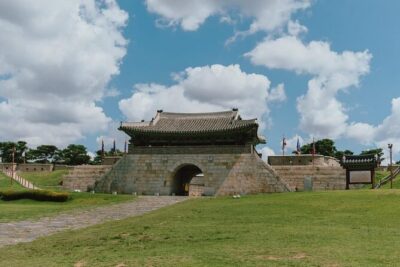
Hwaseong Fortress/Folk Village/Starfield Library Suwon
Read the review →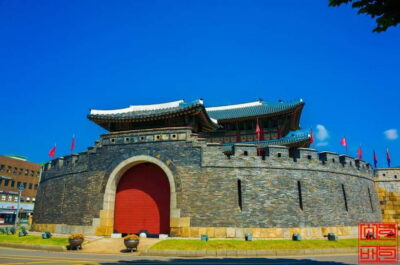
Suwon Hwaseong, Folk Village, & Starfield Library
Read the review →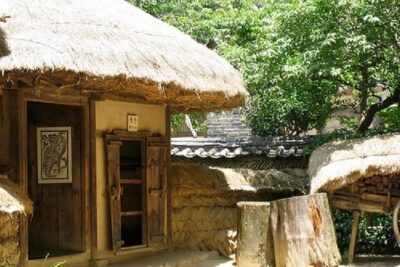
Namhansanseong UNESCO Historical Sites and Korean Folk Village-Private Tour
Read the review →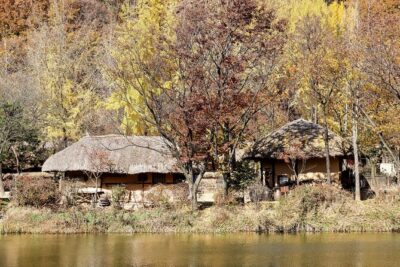
Private Day Trip to Korean Folk Village and Hwaseong Fortress
Read the review →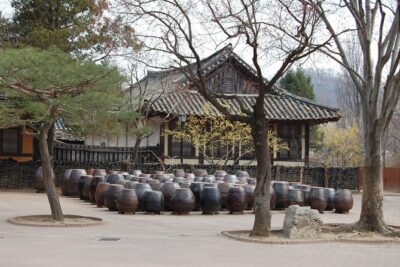
Suwon Hwaseong Fortress and Korean Folk Village Day Tour from Seoul
Read the review →Browse the lists this tour appears in