Reviewed · SEOUL TOURS
Ganghwa Island – Full day private tour
The most striking part of this day is the chance to look across a narrow stretch of water toward North Korea, only about two kilometers away. Ganghwa Island is not just a pretty escape from Seoul. It is a borderland, a former gateway to the capital, and a place where wars, religion, farming, and village life meet.
I like the way the tour combines military history with ordinary island life, from old fortifications to a traditional market. I also like having a private minivan and guide, since you can ask questions, adjust the pace, and avoid piecing together several buses. The main drawback is the price: at $220 per person, with a minimum of two people, this is a serious day-trip expense, and lunch is not included.
Key points at a glance
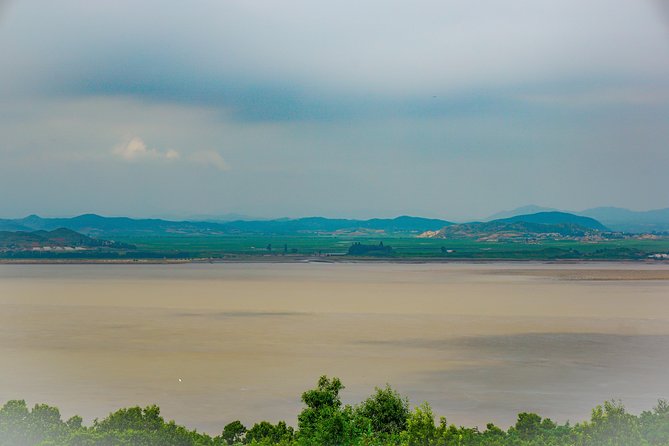
- Look toward North Korea at the Peace Observatory: Binoculars bring the nearby northern shore into view, making the peninsula’s division feel immediate rather than abstract.
- See where 19th-century battles took place: Gwangseongbo Fortress recalls conflict with the United States in 1871, while Jeondeungsa Temple is tied to fighting with France in 1866.
- Ride in a private air-conditioned minivan: Hotel pickup and drop-off in Seoul remove the hassle of reaching a distant island by public transport.
- Mix major sights with local life: The route includes a traditional market, rural views, and the option of a luge ride at Ganghwa Seaside Resort.
- Expect an active day: Walking around fortresses, temple grounds, and viewing areas calls for moderate physical fitness.
- Use the guide well: Guides such as Miae and Mr. Lee have been praised for adding context, enthusiasm, and practical help throughout the day.
Why Ganghwa Island makes a strong day trip from Seoul
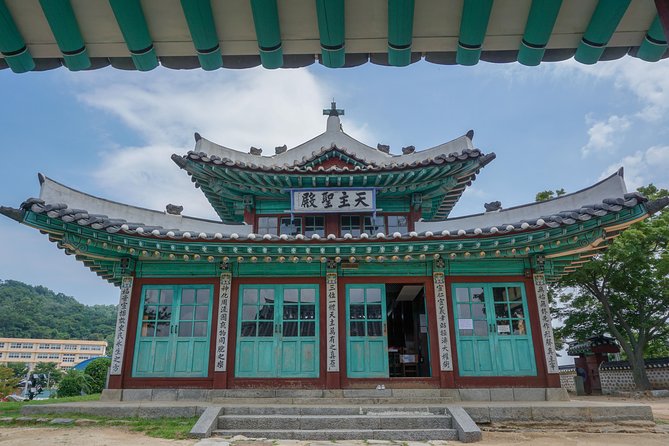
Seoul can fill several days with palaces, markets, museums, and modern neighborhoods. Ganghwa Island gives you a very different picture of South Korea. The pace slows, the roads pass farms and coastal areas, and the island’s location near the North Korean border gives the day a serious historical edge.
The island also mattered to the Joseon dynasty because it helped protect the approach to Seoul. Its forts and defensive sites were not placed here by accident. Foreign ships and armies approached Korea through the surrounding waterways, and Ganghwa became a frontline position during clashes with Western powers in the 19th century.
That combination makes this more than a scenic outing. You get rural Korea, but you also get a clear explanation of why this small island mattered to the country’s rulers. I find that useful because the historic sites make more sense when you see the island as a defensive shield rather than simply a quiet coastal destination.
The private format is important. Your Seoul hotel pickup begins around 8:30 a.m., and you travel with only your own group in an air-conditioned minivan. You do not need to work out island bus connections or keep checking the clock for a larger group. A driver-guide handles the route and can explain what you are seeing as the day unfolds.
A few more Seoul half-days to weigh up
- Full Day Tour In The Soop BTS Ver in PyeongChang Filming Location
★ 5.0 · 1,709 reviews - Seoul City Private Full-Day Tour Including Lunch
★ 5.0 · 469 reviews - Seoul: Highlights of Seoul Full-Day Tour
★ 5.0 · 378 reviews
Gwangseongbo Fortress and the 1871 American conflict
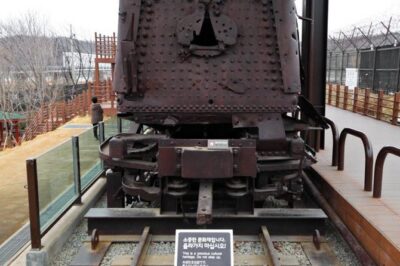
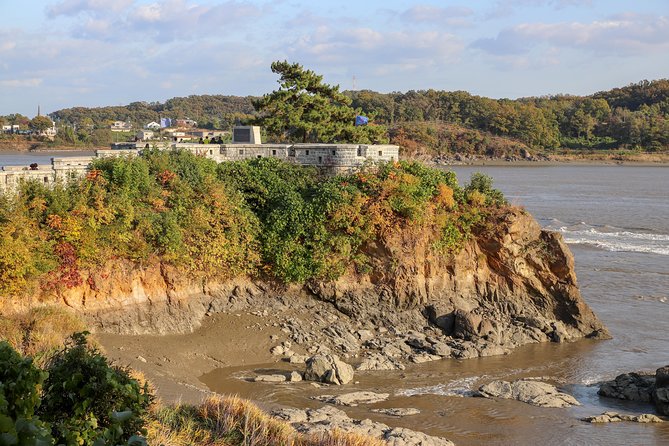
The first major stop is Gwangseongbo Fortress, with about 30 minutes set aside for the visit. This was a battlefield during the United States expedition to Korea in 1871, and the site helps explain how tense Korea’s relations with foreign powers had become at the time.
The visit is fairly short, so do not expect a long museum session or an extended walk through every defensive feature. Instead, use the stop to get your bearings. Look at the fort’s position, listen to the guide’s account of the fighting, and connect the setting to Ganghwa’s role in protecting the route toward Seoul.
This is one of the places where a private guide can make a real difference. A bare stone wall can be easy to overlook. With the right explanation, you begin to see why the fort was built here and why control of the waterways mattered.
The 30-minute timing also keeps the day moving. If military history is your main interest, you may wish the stop were longer. For most people, though, it works as a concise introduction before the tour turns to Buddhist culture and village life.
Jeondeungsa Temple inside Samrangseong Fortress
Jeondeungsa Temple brings a very different mood. The visit lasts about 40 minutes and takes you into a mountain setting within Samrangseong Fortress. This ancient Buddhist temple was also connected to the 1866 conflict with France, so religion and military history are present in the same place.
I like this stop because it gives the day some cultural balance. The fortress sites can feel stern and defensive. Jeondeungsa offers temple buildings, mountain surroundings, and a chance to think about Korean Buddhism beyond Seoul’s large urban sights.
Your guide can help explain the role of Buddhism in Korean culture and point out why the temple was built within a fortified area. The compact visit means you should focus on the atmosphere and the main features rather than trying to inspect every corner.
The ground may require some walking, and the tour asks for a moderate fitness level overall. Wear shoes you can walk in comfortably. The itinerary does not present this as a strenuous hike, but it is not a day spent entirely inside the minivan.
Ganghwa Seaside Resort and the optional luge ride
Ganghwa Seaside Resort is the most flexible stop. About 50 minutes are allowed, and the luge ride is optional. If you want a playful break from forts and religious sites, you can pay separately to ride a luge down the hill.
This stop will suit families and anyone who likes adding a little action to a history-focused day. It also gives you a chance to vary the pace. After two historic locations, a recreational stop can keep the outing from feeling like a long sequence of monuments.
The trade-off is that the luge costs extra, and it is not central to the cultural purpose of the tour. If you are mainly interested in Ganghwa’s history, you may prefer to use the time for a drink, a rest, or a slower look at the surrounding area. Since this activity is optional, you are not paying for a ride you do not want.
Ask your guide how the timing works on the day. The fixed stop is listed at 50 minutes, so a luge ride may leave limited time for anything else at the resort.
A different way to spend a day from here:
- Best DMZ Tour Korea from Seoul (Red Suspension Bridge Optional)
★ 5.0 · 41,422 reviews - DMZ Tour: 3rd Tunnel, Option(Suspension Bridge, Boat) from Seoul
★ 5.0 · 21,373 reviews - DMZ tour south Korea from Seoul (NK experience hall, defector)
★ 5.0 · 20,599 reviews - Seoul: DMZ Tour with Optional Suspension Bridge
★ 4.8 · 5,277 reviews
Ganghwa Pungmul Market and the taste of island life
The 30-minute visit to Ganghwa Pungmul Market is one of the most useful parts of the route for anyone who wants to see how the island lives beyond its famous sights. A traditional market gives you a look at local products and the agricultural character of Ganghwa.
This is not presented as a formal food tour, so you should not expect a long meal or a series of organized tastings. Instead, walk through the stalls, notice what the island produces, and ask your guide which items are distinctive to the area.
Lunch is not included in the tour price. That gives you some freedom, but it also means you should discuss the meal plan with your guide rather than assume food is covered. Past visitors have enjoyed fish barbecue, food, and coffee during the day, but the supplied details do not promise a particular restaurant or meal.
I would treat the market as a good moment to ask about lunch and local specialties. It is also a practical chance to buy something small if you want a food souvenir, though no specific products are guaranteed.
The Peace Observatory and a close view of North Korea
The emotional center of the tour is Ganghwa Peace Observatory. You spend about 40 minutes here, using binoculars to look toward North Korea. The northern shore is described as only two kilometers away, which makes the division of the peninsula unusually easy to grasp.
You may see signs of ordinary life across the water, including the rural setting and people going about their daily routines, though visibility will affect what you can make out. The point is not a dramatic skyline. It is the quiet realization that a national border can sit just beyond a narrow channel.
This stop benefits greatly from a guide who can explain the setting without turning it into a lecture. Mr. Lee has been praised for sharing facts with energy, while Miae has been noted for friendly explanations and a personal approach. Guide assignments can vary, but the private format gives you a better chance to ask about the Korean War, the border, and the island’s military role.
The observatory is also a reminder to keep expectations realistic. You are not crossing into North Korea, and this is not a political tour with access to restricted areas. You are viewing the northern side from South Korea through binoculars. Weather and visibility will shape the quality of the view.
Yeonmijeong Pavilion and another border view
Yeonmijeong Pavilion is a shorter 30-minute stop with broad views of Ganghwa Island and another chance to look toward North Korea. It complements the observatory rather than replacing it.
At the pavilion, the appeal is the setting. You get a different angle over the island and its waterways, and the guide can help place the surrounding geography. If the observatory feels focused and formal, Yeonmijeong is more open and scenic.
Because this is a brief stop, keep your camera ready and listen carefully to the explanation. The tour does not promise a long visit or a substantial walking route here. It is best understood as a useful pause that adds visual context to the border story.
Ganghwa Anglican Cathedral and Korea’s western doorway
The final listed stop is Ganghwa Anglican Cathedral, visited for about 30 minutes. Ganghwa’s position as an entrance toward Seoul brought Westerners to the island, and the cathedral reflects that contact.
This is a valuable closing stop because it broadens the story again. The day begins with foreign military pressure, moves through Buddhist tradition and rural commerce, and ends with evidence of Western religious influence. You see that Ganghwa was not isolated from outside forces, even though parts of the island feel quiet and agricultural today.
The cathedral is free to enter according to the tour details. Since the stop is short, your guide’s explanation will help you understand why this building matters within Ganghwa’s larger story.
What the $220 price gives you
At $220 per person, this tour is not a budget day trip. With a minimum of two people, the practical starting cost is $440 for a pair. For a solo visitor, the minimum booking rule is important because this is not priced as a one-person private outing.
The fee includes hotel pickup and drop-off at Seoul hotels, private transport in an air-conditioned minivan, a driver-guide, bottled water, and the entrance fees listed for the fortress, temple, and Peace Observatory. That package has real value if you place a high price on time and convenience.
Public transport could cost less, but reaching several scattered sites on Ganghwa Island would require more planning and would likely limit how much you can see in eight hours. The private vehicle also matters if you want to ask questions, stop for a practical break, or spend less time waiting between locations.
Still, the price does not cover lunch or the optional luge ride. Group discounts are offered, which may improve the value for a larger private party. I would book this tour for the access and personal attention, not because it is the cheapest way to see Ganghwa.
Who will get the most from this day
This tour is a good fit if you want to leave Seoul for one day but do not want to organize a complicated independent trip. It suits couples, families, and small groups who prefer a private vehicle and a guide rather than a large coach.
You will get the most from it if you enjoy history, Korean religion, border geography, and rural life. The Peace Observatory is especially useful for first-time visitors who want a direct sense of the Korean divide without committing to a longer border-area tour.
It may be less suitable if you want a slow temple retreat, a full food tour, or a day devoted only to nature. Seven stops in about eight hours create a full schedule. The luge option adds fun, but it also means the day can feel varied rather than deeply focused on one subject.
A moderate level of fitness is required. You should be comfortable walking around historic grounds, temple areas, markets, and viewing sites. The itinerary does not specify wheelchair access, so anyone with mobility concerns should confirm the conditions before booking.
Practical advice for a smoother outing
Wear comfortable walking shoes and bring a layer you can adjust. The tour includes outdoor fortresses, a temple area, a market, and open viewing points, so conditions may feel different from one stop to the next.
Use the private format actively. Ask your guide to explain the 1871 American conflict, the 1866 French conflict, the island’s role under the Joseon dynasty, and what you are seeing across the water. Guides such as Miae and Mr. Lee have been praised for making those connections clear and engaging.
Plan to discuss lunch early. Since it is not included, you can ask what makes sense near the market or along the route. Fish barbecue has been enjoyed during this day by past customers, but the exact meal is not guaranteed.
The tour begins at 8:30 a.m. and lasts about eight hours. Confirmation is sent within 48 hours of booking, subject to availability. Free cancellation is available if you cancel at least 24 hours before the start time. Changes or cancellations inside that window are not accepted for a refund.
Should you book the Ganghwa Island private tour?
Book it if you want a well-packed day that connects North Korea views, Korean history, and rural island life without handling the transport yourself. The private minivan, hotel pickup, included admissions, and guide explanations make the high price easier to justify for two or more people.
Skip it if your budget is tight, you want to choose every stop yourself, or you dislike a schedule with several 30 to 40-minute visits. For the right group, though, Ganghwa offers something Seoul cannot: a quiet countryside setting with the country’s military, religious, and international story close at hand.
FAQ
Where does the Ganghwa Island tour begin?
The tour offers pickup from hotels located in Seoul. The stated start time is 8:30 a.m.
How long does the tour last?
The experience lasts approximately eight hours.
Is this a private tour?
Yes. Only your own group participates, with transport by private air-conditioned minivan.
How many people are required to book?
A minimum of two people per booking is required.
Is lunch included?
No. Lunch is not included in the tour price.
Can I see North Korea during the tour?
Yes. At the Ganghwa Peace Observatory, you can use binoculars to look toward North Korea, which is described as about two kilometers away. Yeonmijeong Pavilion also offers a view toward North Korea.
Is the luge ride included?
No. The Ganghwa Seaside Resort stop is optional, and the luge ride has an additional admission cost.
What level of fitness is needed?
A moderate level of physical fitness is required. The day includes walking around a fortress, temple, market, pavilion, cathedral, and observatory.
Recently added around Seoul
- Nami & Maple Road & Theatre des Lumieres Day Tour from Seoul★ 4.8 · 4 reviews
- Gyeongbokgung Palace Photo Session with your own phone★ 5.0 · 4 reviews
- Private Tour around Suwon UNESCO Fortress and Korea Folks Village★ 4.5 · 4 reviews
- Seoul: Deoksugung Palace Night Tour★ 4.5 · 4 reviews
- N Seoul Tower + Namsan Cable Car Ticket (Collect in Myeongdong)★ 3.5 · 4 reviews
- Jisan Forest Resort: Ski Full-Day Tour or Shuttle from Seoul★ 5.0 · 4 reviews
- Seoul Private Walking Tour with a Local★ 5.0 · 4 reviews
- Private Jeonju Hanok Village – Culinary tour★ 5.0 · 4 reviews
Seoul Tours, compared.
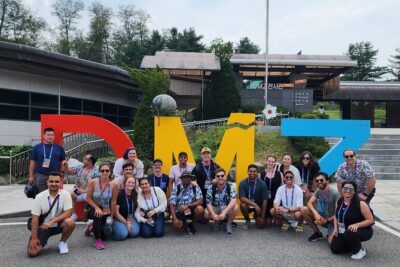
Best DMZ Tour Korea from Seoul (Red Suspension Bridge Optional)
Read the review →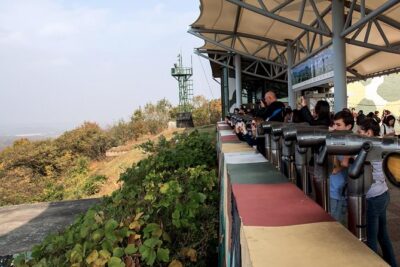
DMZ Tour: 3rd Tunnel, Option(Suspension Bridge, Boat) from Seoul
Read the review →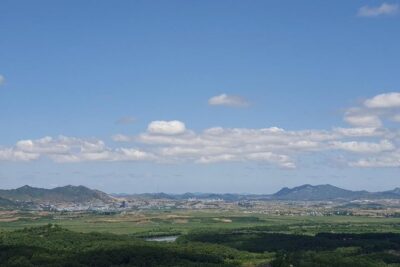
DMZ tour south Korea from Seoul (NK experience hall, defector)
Read the review →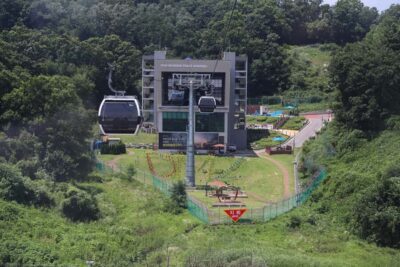
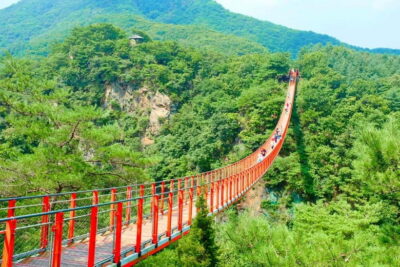
DMZ The 3rd Tunnel and Suspension Bridge Tour
Read the review →
Signature DMZ Tour: Exclusive Defector Talk & Suspension Bridge
Read the review →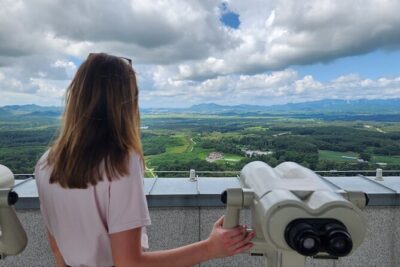
Thrilling Korean DMZ 3rd Tunnel Tour from Seoul + Red Bridge Rush
Read the review →