
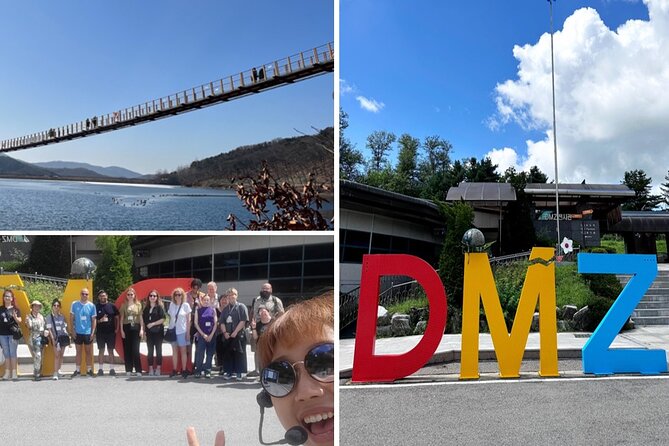
Reviewed · DMZ TOURS
DMZ Tour (Exclusive offer: NK Defector meet up & Experience Hall)
The most striking part of this tour is the chance to look across one of the world’s most heavily guarded borders, then hear directly from a North Korean defector about life before and after leaving. It turns a distant political story into something personal and human.
I like the clear mix of major sights and historical explanation. I also like the practical setup: round-trip coach transport, admission fees, and no compulsory shopping stop. The main drawback is the steep, narrow Third Infiltration Tunnel, which takes more effort than many people expect.
Key points to know
- Meet a North Korean defector: The personal question-and-answer session can be the emotional center of the day.
- Walk the Third Infiltration Tunnel: Expect a steep descent and an even harder climb back out.
- See the border from Dora Observatory: Binocular views point toward North Korea, though visibility depends on conditions.
- Visit Freedom Bridge: This former crossing carries a powerful link to the return of nearly 13,000 South Korean prisoners of war.
- Ride from central Seoul: The tour begins and ends at City Hall Station, with transport in an air-conditioned coach.
- Plan for military restrictions: Some locations can close or change without notice, and your passport is required.
Why this DMZ day trip matters
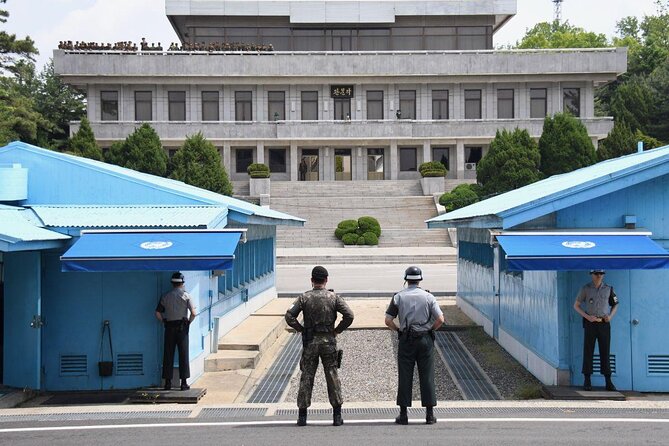
A visit to the Korean Demilitarized Zone is not a normal sightseeing outing. You are going to a live border area shaped by war, separation, military rules, and an unresolved political divide.
That is why a guide matters here. The sights themselves can look simple: a park, a bridge, a tunnel, a railway station, and an observation deck. With context, each place carries more weight. Guides including Felicity, Miel, Katie, Yeoni, Grace, and Erica have been especially effective at explaining the division of Korea in clear English and keeping the day moving.
The tour lasts about seven hours, long enough to cover the principal stops without turning the day into a single long bus ride. You leave Seoul’s dense city center for a quieter area along the Imjin River, where the setting feels open and subdued.
The mood shifts from curiosity to seriousness as the day goes on. You might laugh with your guide or enjoy a view through binoculars, but the subject remains a human tragedy. This is best approached with respect, not as a novelty border photo opportunity.
More DMZ Tours in Seoul:
- Best DMZ Tour Korea from Seoul (Red Suspension Bridge Optional)
★ 5.0 · 41,422 reviews - DMZ Tour: 3rd Tunnel, Option(Suspension Bridge, Boat) from Seoul
★ 5.0 · 21,373 reviews - DMZ tour south Korea from Seoul (NK experience hall, defector)
★ 5.0 · 20,599 reviews
Starting at City Hall Station
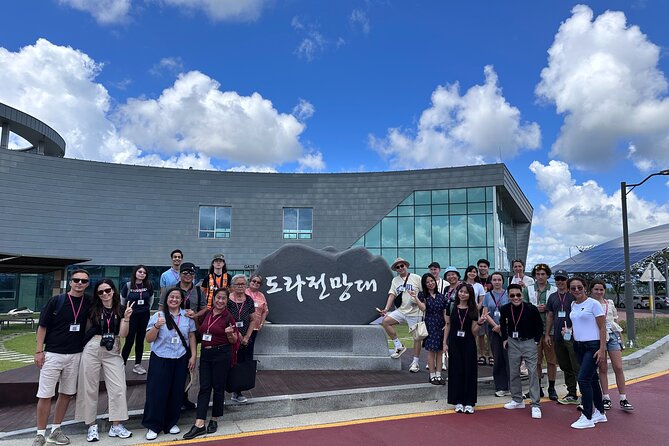
The stated meeting point is City Hall Station in central Seoul. The tour ends there as well, which makes the return simple if you are staying near the city center or planning an evening in Seoul.
The coach is air-conditioned, and round-trip transport is included. That matters because reaching the DMZ independently involves more planning, and access rules can make a self-guided visit difficult. You can use the ride to listen to the guide’s explanation of the line dividing North and South Korea.
The group can include up to 40 people. That is large enough to keep the price at $35 per person low, but it also means you need to stay alert for meeting instructions and departure times. One of the strongest practical qualities of guides such as Katie and Miel is their attention to timing. Good organization matters when military-controlled sites operate on fixed schedules.
The listed duration is approximate. Traffic, security checks, and local conditions can affect the pace. Wear comfortable clothes and shoes from the start, not just for the tunnel.
Imjingak Park and the Imjin River
Imjingak Park provides the first major setting for understanding the division of Korea. Along the Imjin River, you see artillery and other war artifacts connected to the Korean conflict.
This stop works because it places history in a physical setting. Instead of hearing only about the war in a classroom-style talk, you see reminders of the weapons, military tension, and families affected by the division.
The river itself is part of the story. It separates places that are geographically close yet politically divided. Your guide fills in the background while you look at the displays and take photographs where permitted.
Do not expect a quiet museum visit with unlimited time at each object. This is a group tour, and the schedule has several important stops ahead. The value here comes from the combination of place and explanation, not from spending hours examining every artifact.
Freedom Bridge and the cost of separation
Freedom Bridge is one of the most meaningful stops. Nearly 13,000 Korean prisoners of war crossed here on their return to South Korea.
The bridge gives the war a human scale. Numbers can feel abstract when you hear them in a history lesson. Standing at a crossing used by people returning home makes the idea of separation much easier to grasp.
You will likely have time for photographs and a short explanation before reboarding the coach. Follow your guide’s instructions carefully, since photography rules can vary in a military-sensitive area.
This is also a good moment to think about what the DMZ is not. It is not simply a dramatic line on a map. It is tied to families, military service, displacement, and hopes for reunification. Guides such as Sadie and Charles Park have been praised for presenting this difficult subject with warmth while keeping the facts clear.
A few more Seoul half-days to weigh up
- Seoul: DMZ Tour with Optional Suspension Bridge
★ 4.8 · 5,277 reviews - Seoul: DMZ The 3rd Tunnel and Suspension Bridge Tour
★ 5.0 · 4,656 reviews - Signature DMZ Tour: Exclusive Defector Talk & Suspension Bridge
★ 5.0 · 4,459 reviews - Incheon Airport: Traveler SIM & T-money Transportation Card
★ 4.7 · 3,332 reviews
The Third Infiltration Tunnel requires real effort
The Third Infiltration Tunnel is the most physical part of the tour. It was built beneath the border area and is connected to North Korean attempts to create a route into South Korea. The southern side has blocked the actual Military Demarcation Line.
The walk begins with a steep descent into the tunnel. The return climb is harder, especially after a full day of walking and sightseeing. The passage is also narrow, so anyone uncomfortable in tight spaces should think carefully before booking.
You do not need special equipment, but sturdy, comfortable shoes are a wise choice. Loose, practical clothing will make the walk easier. The tour information describes the walking as moderate, but the steep slope can feel strenuous. One account of the experience specifically noted that the tunnel was much more demanding than expected.
The tunnel is valuable because it shows the hidden, physical side of the conflict. This is not just a lookout point or a monument. You are walking through a military construction project connected to the continuing tension between the two Koreas.
The tram is not included. That means you should check the current arrangements with your guide if a tram option is available during your visit. Do not assume every transfer or convenience service is part of the $35 price.
Dora Observatory and the view toward North Korea
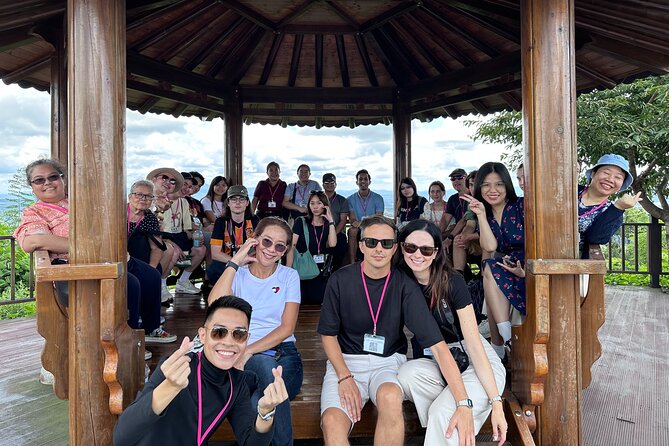
At Dora Observatory, you look toward North Korea with binoculars. On a clear day, this can be one of the most memorable parts of the tour because you are not merely hearing about the neighboring country. You are looking toward it.
The view is also a lesson in limits. Weather, haze, and official restrictions affect what you can see. Even with binoculars, the experience is not guaranteed to deliver a sharp, dramatic view. Go for the sense of proximity and the guide’s explanation, not a perfect photograph.
This stop often gives the group a few minutes to absorb the scale of the border. North and South Korea are physically close, yet the political distance remains enormous. The guide can explain what you are seeing and why certain areas cannot be photographed.
Keep your camera ready, but do not treat photography instructions as optional. The guide’s directions about when and where photos are allowed are part of staying within the rules of the area.
Dorasan Station and a railway that points north
Dorasan Station adds a different mood to the itinerary. A railway station suggests movement, connection, and an ordinary future. Here, it also reflects the long-standing hope that the Korean Peninsula could one day be linked again.
The station helps balance the military focus of the tunnel and observatory. You are not only looking at barriers and defense. You are also considering transportation, families, and the possibility of reconnection.
The visit is likely to be shorter than a standard city rail attraction, so listen closely to the guide. The meaning of Dorasan comes from its political and symbolic setting rather than from a long list of things to do inside.
The exact order of stops can change. Military conditions and local circumstances can cancel part of the route without a refund. That is an important condition to accept before booking. The DMZ is not a regular theme park with guaranteed operating hours.
The North Korean defector meeting
The exclusive offer centers on a meeting with a North Korean defector and an Experience Hall. This portion gives you the chance to hear a personal account and ask questions directly.
For many people, this is the strongest part of the day. A guide can explain dates, borders, and policies, but a personal story shows how those issues affect an individual life. It also gives you a chance to ask about subjects that are difficult to understand from books or photographs.
The session may not be included in every version of a DMZ outing, so confirm that your selected booking includes the defector meeting. One account specifically described taking the tour without that session, while other accounts treated it as a major highlight.
Approach the conversation thoughtfully. The person speaking is sharing an experience shaped by danger, displacement, and major personal change. Ask respectful questions, and let the guide manage the format and timing.
The Experience Hall adds another layer to the session. Based on the tour description, it is intended to help you understand the division and the lives shaped by it. This is less about collecting a dramatic story and more about seeing the Korean conflict through a human viewpoint.
How the guides shape the day
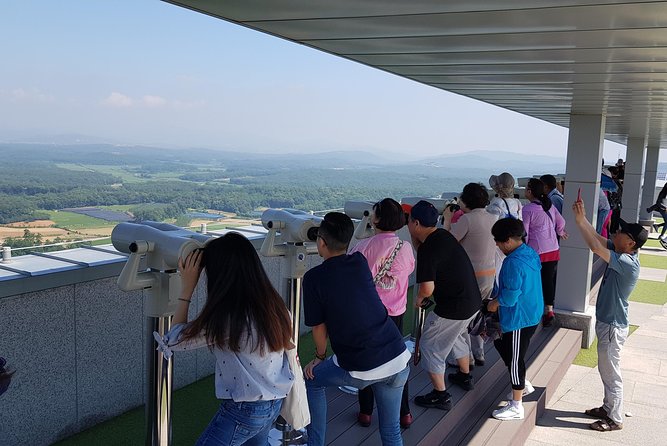
The strongest part of this experience is the guide’s ability to make a serious subject understandable during a busy schedule. Felicity has been praised for a comfortable pace and strong organization. Katie has been especially good at keeping families and children engaged while managing the group.
Miel is another guide to watch for. She has been described as energetic, patient, well organized, and skilled at explaining the history with maps and simple gestures. Yeoni has also been praised for balancing information, humor, and clear timing.
You cannot choose your guide in advance based on these names, and the staff will vary by departure. Still, the repeated pattern is useful: this tour depends heavily on the person leading it. Ask questions as you go, keep close to the group, and listen for instructions before moving between sites.
A good guide also makes the schedule feel less rushed. The day has many elements, but the best pacing gives you time for explanations, photographs, and short breaks. The group size means you should not expect a private experience.
Price, meals, and what you need to bring
At $35 per person, the tour offers strong value if you want the major DMZ sights in one day. The price includes an expert guide, air-conditioned coach transport, and admission fees. Those inclusions remove several costs and planning tasks.
Lunch is not included, so plan to handle your own meal arrangements according to the day’s schedule. The tour information does not specify a fixed lunch stop, so ask the guide early if you need to plan around dietary needs or medication.
The tram is also excluded. Hotel pickup and drop-off are not included in the stated package. You should make your way to City Hall Station and return there at the end.
Bring a current valid passport. You do not need to send a copy in advance, but you must have the passport with you on the day. This is not a place where an ordinary photo or a forgotten document is likely to be enough.
Before leaving Seoul, check that you have:
- A current passport
- Comfortable walking shoes
- Clothing suitable for a steep, narrow tunnel
- Water and any personal medication you need
- A phone with the mobile ticket available
Who will enjoy this tour most
I would choose this tour if you want a first introduction to the DMZ and prefer having the history explained as you move. It suits people interested in modern Korean history, international relations, military sites, and the human effects of division.
Families can enjoy it too, especially with an energetic guide such as Katie. Still, the tunnel may be tiring for young children or anyone who has trouble with steep walking. Most people can participate, but the physical note should be taken seriously.
The tour also suits visitors with limited time in Seoul. Seven hours is a large part of one day, but you see several major sites without arranging separate transport or permits.
I would hesitate if you want a relaxed day with long meals, flexible exploration, or guaranteed access to every border attraction. Conditions can change for military or local reasons, and the group must follow a fixed schedule.
Free cancellation is available if you cancel at least 24 hours before the start time. Cancellations or changes made later are not accepted for a refund. Also, missing the bus because of a late arrival or confusion about the date brings no refund, so double-check the meeting details.
Should you book this Seoul DMZ tour?
Book it if you want solid value, clear explanations, and a human connection through the North Korean defector session. The combination of Freedom Bridge, the tunnel, Dora Observatory, Dorasan Station, and Imjingak gives you a useful overview in one day.
The $35 price is appealing because transport and admission are included, but you must accept the group format, bring your passport, pay for your own lunch, and handle a fairly demanding tunnel walk.
My advice is simple: choose this tour when you want to understand the DMZ, not just photograph it. Confirm that your booking includes the defector meeting, arrive early at City Hall Station, wear good shoes, and keep an open mind. The border may look quiet, but the story behind it is anything but.
FAQ
How long does the DMZ tour last?
The tour lasts approximately seven hours.
Where does the tour begin?
The tour begins at City Hall Station in Seoul.
Where does the tour end?
The tour ends at City Hall Station.
Is transportation included?
Yes. Round-trip transportation by comfortable, air-conditioned coach is included.
Is admission included?
Yes. Admission fees are included in the tour price.
Is lunch included?
No. Lunch is not included.
Is the tram included?
No. The tram is not included.
Do I need my passport?
Yes. You must bring a current valid passport on the day of the tour. You do not need to send a copy in advance.
Can the itinerary change?
Yes. A portion of the tour can be cancelled because of unexpected military conditions or local circumstances. The provided conditions state that this does not qualify for a refund.
Can I cancel for a full refund?
Yes, if you cancel at least 24 hours before the experience starts. Cancellations or changes made less than 24 hours before the start time are not accepted for a refund.
Recently added around Seoul
- Nami & Maple Road & Theatre des Lumieres Day Tour from Seoul★ 4.8 · 4 reviews
- Gyeongbokgung Palace Photo Session with your own phone★ 5.0 · 4 reviews
- Private Tour around Suwon UNESCO Fortress and Korea Folks Village★ 4.5 · 4 reviews
- N Seoul Tower + Namsan Cable Car Ticket (Collect in Myeongdong)★ 3.5 · 4 reviews
- Jisan Forest Resort: Ski Full-Day Tour or Shuttle from Seoul★ 5.0 · 4 reviews
- Seoul: Deoksugung Palace Night Tour★ 4.5 · 4 reviews
- Seoul Private Walking Tour with a Local★ 5.0 · 4 reviews
- Private Jeonju Hanok Village – Culinary tour★ 5.0 · 4 reviews
DMZ Tours, compared.
Best DMZ Tour Korea from Seoul (Red Suspension Bridge Optional)
Read the review →
DMZ Tour: 3rd Tunnel, Option(Suspension Bridge, Boat) from Seoul
Read the review →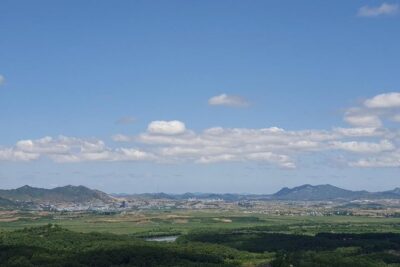
DMZ tour south Korea from Seoul (NK experience hall, defector)
Read the review →
DMZ Insider Tour: 3rd Tunnel, NK Defector Meet & Red Bridge
Read the review →
DMZ The 3rd Tunnel and Suspension Bridge Tour
Read the review →
Signature DMZ Tour: Exclusive Defector Talk & Suspension Bridge
Read the review →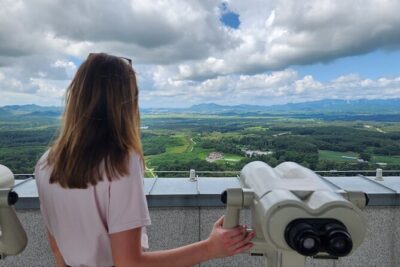
Thrilling Korean DMZ 3rd Tunnel Tour from Seoul + Red Bridge Rush
Read the review →Browse the lists this tour appears in