
Reviewed · DMZ TOURS
Best 2 Days Guided DMZ and Seoul City Tours from Seoul
The most striking part of this two-day Seoul experience is the sharp change in mood from one day to the next. Day one takes you to the DMZ, where the Korean War still feels close. Day two turns to temples, palace courtyards, markets, and handmade goods in the heart of Seoul.
I like the way the tour combines two very different sides of Korea, and I like that air-conditioned transport and admission fees are included. Guides such as Kelly and Wendy are praised for keeping the schedule on track and explaining Korean culture clearly. The main caution is the possible group size, up to 100 people, and the fact that the tour leaves little room for a slow, independent visit.
Key points to know before booking
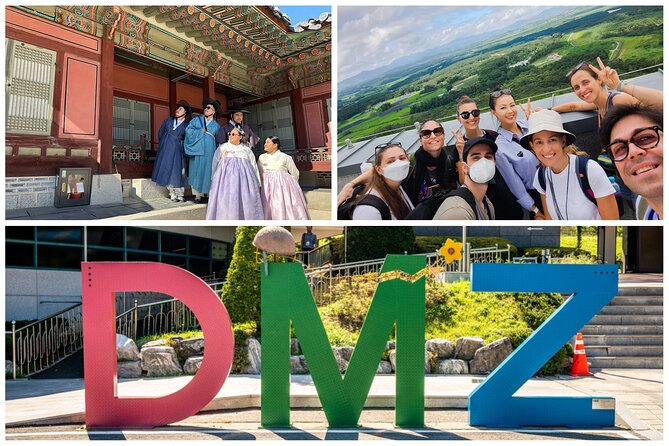
- The DMZ day includes the Third Infiltration Tunnel, a tight underground passage that requires a fair amount of walking.
- Dora Observatory offers views toward North Korea, including the propaganda village and, on a clear day, the statue of Kim Il-sung.
- Day two covers major Seoul sights, including Jogyesa Temple and Gyeongbokgung Palace.
- Insadong and Namdaemun add time for food and shopping, with handmade crafts, market goods, and Korean souvenirs.
- Lunch and accommodation are not included, so you need to plan for both.
- The price is $110 per person, with transportation, a guide, and entrance fees included.
Day one: meeting the Korean border at the DMZ
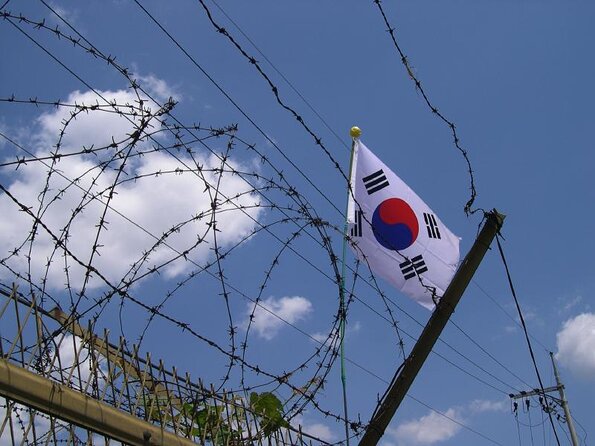
The Demilitarized Zone is not a normal sightseeing stop. It is a heavily guarded strip of land created after the Korean War armistice, and it remains one of the few places where you can look across an active political divide. The tour visits several sites around the DMZ, giving you history, personal stories, and border views in one half-day outing.
The day begins at 9:00 a.m. with pickup or meeting at the designated point in Seoul. You travel in an air-conditioned vehicle, which matters because the DMZ is outside the city and the day includes several stops. The exact pace is guided, so you will need to stay with the group and watch the time.
More City Tours in Seoul
- Best Seoul City Tour (Gyeongbokgung Palace,Insadong,Namsan Tower)
★ 5.0 · 1,647 reviews - Small-Group Royal Palace and Seoul City Tour (hotel pick-up)
★ 5.0 · 1,474 reviews - Seoul City Sightseeing Tour Including Gyeongbokgung Palace, N Seoul Tower, and Namsangol Hanok Village
★ 5.0 · 1,423 reviews
Imjingak Pyeonghoa-Nuri Park and the memory of separation
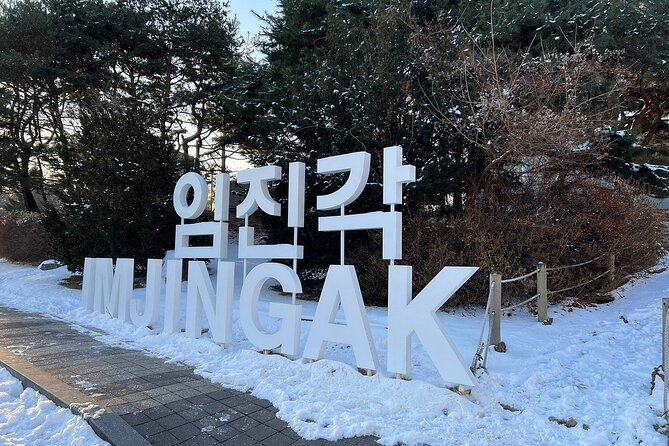
Imjingak Park was created as a place of comfort for people who fled North Korea during the Korean War. It is a useful first stop because it introduces the human cost of division before you reach the restricted border area.
Look for Mangbaedan Altar, where people from North Korea bow toward the graves of their ancestors. This ceremony is especially associated with Chuseok, the Korean harvest festival. It is a quiet reminder that the division of Korea split families, not just territory.
The park also has an iron railway train connected with the former route between North and South Korea. The railway was dismantled during the war, so the display carries more weight than an ordinary old train. You will also see Unification Pond, shaped like the Korean Peninsula, and the Peace Bell.
The scheduled visit is about 20 minutes. That is enough to see the main features and take photographs, but not enough for a long, unhurried visit. If you like reading every sign or sitting with the place, the pace may feel brisk.
The Bridge of Freedom and 12,773 returning prisoners
The Bridge of Freedom is another brief but powerful stop. It was used by 12,773 prisoners returning to South Korea in 1953 after the war. Walking across or near it gives you a physical connection to a moment when people were coming home after years of fighting and captivity.
The bridge is also a popular photo point, set against the surrounding countryside. You have about 20 minutes here, so listen carefully to the guide before wandering off. The historical meaning is more important than the view, but the two work well together.
The Third Infiltration Tunnel requires stamina
The Third Infiltration Tunnel is the most physical part of the DMZ visit. Discovered in 1978, the tunnel was built to allow North Korean forces to move south. It is about 1,635 meters long, roughly 2 meters high, and about 2 meters wide.
The tunnel was designed to move an entire division through in an hour. North Korea claimed after its discovery that South Korea had built it for an attack, but the evidence presented at the site points in the opposite direction.
You will walk through a section of the tunnel, and the experience can feel confined. If you dislike narrow spaces, you can wait near the exit instead. This is not a good stop for anyone who wants to avoid stairs, enclosed passages, or a little exertion.
The visit lasts about 30 minutes. Wear practical shoes and do not treat this as a quick photo stop. The tunnel is one of the places where the military story becomes physical and immediate.
More DMZ Tours in Seoul:
- Best DMZ Tour Korea from Seoul (Red Suspension Bridge Optional)
★ 5.0 · 41,422 reviews - DMZ Tour: 3rd Tunnel, Option(Suspension Bridge, Boat) from Seoul
★ 5.0 · 21,373 reviews - DMZ tour south Korea from Seoul (NK experience hall, defector)
★ 5.0 · 20,599 reviews - Seoul: DMZ Tour with Optional Suspension Bridge
★ 4.8 · 5,277 reviews
The DMZ Theater puts the conflict in context
After the tunnel, you watch a short film at the DMZ Theater. It lasts about seven or eight minutes and presents a South Korean account of the Korean War, the creation of the DMZ, and the infiltration tunnels.
The film is brief, but the timing helps. You have just walked through one of the tunnels, so the explanation gives you a clearer sense of why it was built and what it meant. Keep in mind that the presentation reflects a South Korean point of view. That does not make it useless, but it is worth understanding the perspective.
A visit to the theater takes about 20 minutes.
Dora Observatory: the clearest look north
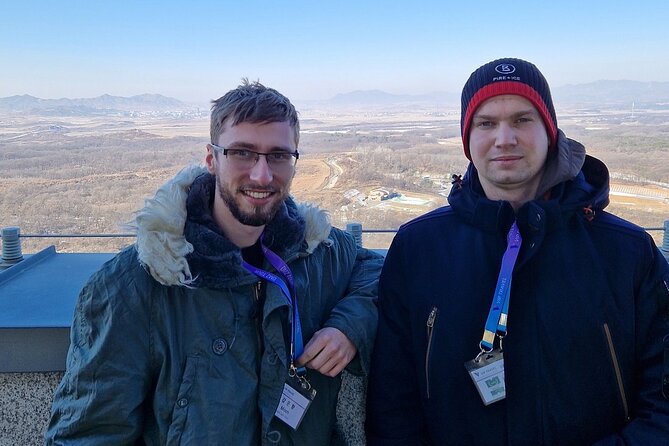
Dora Observatory is often the highlight of the DMZ day. From the viewing area, you look across the border toward North Korea. High-powered binoculars on the third floor let you inspect the distant view more closely.
You may be able to see North Korea’s propaganda village inside the DMZ and the city of Gaesong. On a clear day, the statue of Kim Il-sung may also be visible. Weather matters here, so do not expect a perfect view every time.
You have about 30 minutes at the observatory. Use the first few minutes to hear the guide’s explanation, then take your turn with the binoculars. The scene can feel strangely ordinary at first: hills, fields, and buildings in the distance. The significance comes from knowing that this is one of the most tightly controlled borders in the world.
Day two: temples, royal Seoul, and two markets
The second day changes the pace completely. Instead of military history, you get Buddhist worship, Joseon-era royal architecture, museums, crafts, street food, and shopping. This makes the package useful if you want a broad introduction to Seoul rather than a single subject.
The schedule is full, with six stops. You should expect guided sightseeing and short visits rather than long periods to explore each place alone.
Jogyesa Temple begins the city tour quietly
Jogyesa Temple is one of the key landmarks of Korean Buddhism. The temple was established in 1935 and sits in central Seoul, surrounded by modern buildings. That contrast is part of its appeal.
You enter through Iljumun, the one-pillar gate. The gate symbolizes the move from the ordinary world into the sacred Buddhist world. Inside, you can see golden statues and an old white pine tree.
The visit lasts about 40 minutes. That gives you time to look around without turning the stop into a long religious study. Dress and behave respectfully, since this remains an active place of worship, not only a historic attraction.
Gyeongbokgung Palace shows the scale of Joseon rule
Gyeongbokgung Palace was the principal palace of the Joseon Dynasty, built in 1395. The complex originally included about 7,700 rooms, so even a 90-minute visit can cover only a portion of it.
The palace was damaged during the Imjin War from 1592 to 1598, and much of it was later destroyed during Japanese imperial rule. Repeated restoration has brought many parts close to their former appearance. That mixture of original history, destruction, and reconstruction makes the palace more than a collection of pretty buildings.
You will walk through courtyards and royal spaces while the guide explains how the palace functioned. Give yourself time to notice the rooflines, painted details, gates, and open courtyards. The grounds are large, so comfortable shoes help.
The schedule notes that Gyeongbokgung Palace is closed on Tuesdays. The palace visit is also one of the places where the tour date matters most, since a Tuesday itinerary would need a different arrangement or could affect the stop.
The museum stop adds daily life to palace history
The museum visit is listed as the National Folk Museum of Korea, while the supplied description also refers to the National Palace Museum and its collection of royal objects. In practical terms, you should expect a museum stop connected with Korea’s royal and traditional past.
The description includes around 45,000 artifacts and royal treasures from Joseon palaces and the Korean Empire, along with 14 national treasures. The stated visit is only 20 minutes, so think of it as a short introduction rather than a complete museum visit.
This stop matters because the palace shows the setting of royal life, while the museum helps explain the objects, customs, and social structure behind it. If you enjoy museums, you may want to return on your own for more time.
The museum is closed on Tuesdays according to the schedule.
Insadong is the best stop for handmade Korean goods
Insadong Arts and Crafts Market gives you 90 minutes to browse shops, side streets, food stalls, and small craft stores. The main street has handmade goods, while the alleys offer ceramics and other local items.
You will find small treats such as matcha waffle bars and plum tea. There is also a playful poo-themed cafe near the top of the street. It is an amusing detail, but the real value of Insadong is the chance to see Korean craft traditions presented in a shopping district.
I would use this stop for gifts that feel connected to Korea rather than generic airport purchases. Take note of the meeting time before wandering into the alleys. The main street is easy to follow, but side trips can make you lose track of the group.
Namdaemun Market brings you into everyday shopping
Namdaemun is one of South Korea’s oldest and largest markets. The goods range from traditional crafts and clothing to electronics and current fashion. It is a good counterpoint to Insadong, which focuses more on art, crafts, and cultural souvenirs.
The visit lasts about 50 minutes. That is enough to get a taste of the market and buy a few items, but not enough to inspect every lane. Use the time to watch how the market works, compare prices, and look for Korean food or small practical souvenirs.
The market can feel crowded and fast-moving. Keep your belongings close and stay aware of the meeting point. The guide can help you decide where to eat, but lunch is not included.
The ginseng museum is a short commercial stop
The final stop is a ginseng museum, with admission included at no extra charge. The visit lasts about 30 minutes.
The schedule gives no detailed description of the displays, so I would treat this as a brief look at an important Korean product rather than a major museum visit. If you are interested in traditional health products or want to learn more about Korean ginseng, it may be useful. If shopping presentations are not your thing, keep your expectations modest.
What the $110 price really covers
At $110 per person, the value depends on how much independent planning you want to avoid. The price includes a guide, an air-conditioned vehicle, entrance fees, and both days of organized sightseeing. The DMZ alone involves restricted access, timed visits, and several outlying stops, so having transport and a guide is useful.
The Seoul day also includes several paid or organized attractions, though the schedule does not break down individual admission prices. You are paying for convenience and structure as much as for tickets.
Lunch is not included, and you must arrange your own accommodation. The guide will recommend restaurants and menu choices, which helps if you are unfamiliar with Korean food, but you should budget separately for meals.
The maximum group size is listed as 100 people. That is a serious consideration. Guides such as Kelly and Wendy are praised for keeping the group on schedule, but a group of that size can make palace walks, market visits, and meeting points less personal. If you prefer private attention or a slow pace, a smaller tour may suit you better.
Who will get the most from these two days?
I would recommend this tour if you want a first look at Seoul and the DMZ without arranging separate transport, tickets, and explanations. It suits first-time visitors who like a full schedule and want both major sights and a border experience.
It is also a good match for people interested in modern Korean politics, royal history, Buddhist culture, shopping, and traditional products. The two days cover a wide range of subjects.
You may want another option if you dislike narrow tunnels, large groups, or strict timing. The tour also may not suit you if you want long museum visits or several hours of unplanned time in markets. The DMZ is especially dependent on access rules and conditions, so the schedule should be treated as organized and practical rather than leisurely.
The experience is booked an average of 65 days ahead, which suggests planning early is sensible. Free cancellation is available until 24 hours before the start time, but changes or cancellations inside that window are not accepted for a refund.
Should you book the DMZ and Seoul combination?
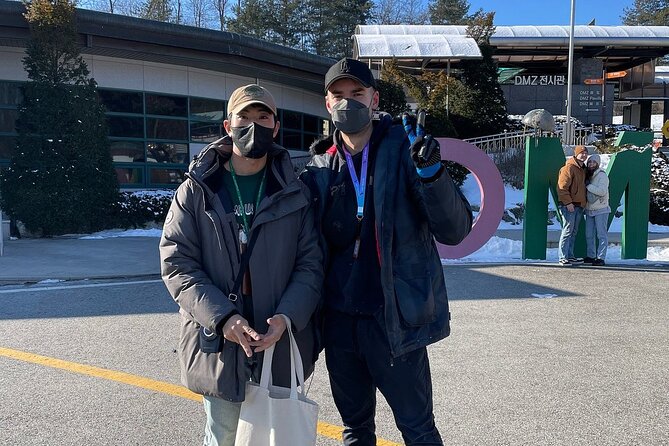
Book it if you want two very different days in one package and value a guide who keeps you moving. The Third Infiltration Tunnel and Dora Observatory give day one its edge, while Gyeongbokgung Palace, Insadong, and Namdaemun make day two a useful introduction to Seoul.
Skip it if your priority is a small group, independent wandering, or deep time inside museums and markets. At $110, the tour is a reasonable convenience buy, especially with transport and entrance fees included, but its value drops if you dislike fixed schedules. For most first visits, the combination gives you a strong sense of both Korea’s divided present and its older cultural traditions.
FAQ
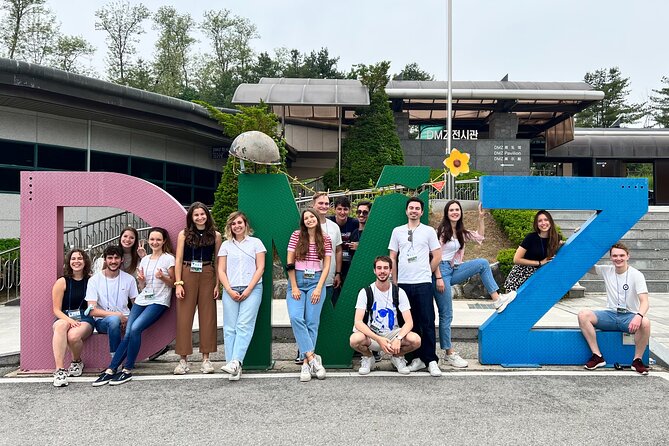
How long is the tour?
The experience lasts two days, with the first day focused on the DMZ and the second day covering Seoul sights, markets, and a ginseng museum.
What time does the tour start?
The stated start time is 9:00 a.m.
Is pickup available?
Yes. Pickup is offered, and the tour also has a designated meeting point. The activity ends back at the meeting point.
Is transportation included?
Yes. An air-conditioned vehicle is included.
Is lunch included?
No. Lunch is not included. The guide will recommend restaurants and menu choices.
Is accommodation provided?
No. You need to arrange your own accommodation.
Is the Third Infiltration Tunnel suitable for everyone?
The tunnel is narrow and requires walking through an enclosed space. If you are uncomfortable in closed areas, you can wait near the exit.
Is Gyeongbokgung Palace open every day on this tour?
The schedule notes that Gyeongbokgung Palace is closed on Tuesdays. The National Folk Museum is also listed as closed on Tuesdays.
How far in advance can I cancel for a full refund?
You can cancel at least 24 hours before the experience start time for a full refund. Cancellations or changes made less than 24 hours before the start time are not accepted for a refund.
More 2-Day Experiences in Seoul
- 2-Day Hike through the Scenic Valleys of Mt. Seoraksan from Seoul
★ 5.0 · 7 reviews - Jeju English Private Taxi Tour(1day, 2days, 3days & 1 to 12pax)
★ 5.0 · 118 reviews - 2 Days Jeju Island Private Taxi Tour (East/West of Jeju Island )
★ 5.0 · 22 reviews - 2Days Private tour in jeju island – East/West/South of Jeju
★ 5.0 · 16 reviews
More day trips out of Seoul
- Thrilling Korean DMZ 3rd Tunnel Tour from Seoul + Red Bridge Rush
★ 5.0 · 3,097 reviews - DMZ Past and Present: Korean Demilitarized Zone Tour from Seoul
★ 5.0 · 2,481 reviews - Ultimate Korea DMZ Tour from Seoul (Gondola & Suspension Bridge)
★ 5.0 · 2,396 reviews - DMZ Tour from Seoul – Optional Suspension Bridge Experience
★ 5.0 · 1,918 reviews
Recently added around Seoul
- Private Tour around Suwon UNESCO Fortress and Korea Folks Village★ 4.5 · 4 reviews
- Nami & Maple Road & Theatre des Lumieres Day Tour from Seoul★ 4.8 · 4 reviews
- Gyeongbokgung Palace Photo Session with your own phone★ 5.0 · 4 reviews
- Seoul: Deoksugung Palace Night Tour★ 4.5 · 4 reviews
- N Seoul Tower + Namsan Cable Car Ticket (Collect in Myeongdong)★ 3.5 · 4 reviews
- Jisan Forest Resort: Ski Full-Day Tour or Shuttle from Seoul★ 5.0 · 4 reviews
- Private Jeonju Hanok Village – Culinary tour★ 5.0 · 4 reviews
- Seoul Private Walking Tour with a Local★ 5.0 · 4 reviews
DMZ Tours, compared.
Best DMZ Tour Korea from Seoul (Red Suspension Bridge Optional)
Read the review →
DMZ Tour: 3rd Tunnel, Option(Suspension Bridge, Boat) from Seoul
Read the review →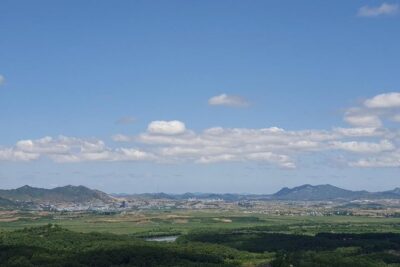
DMZ tour south Korea from Seoul (NK experience hall, defector)
Read the review →
DMZ Insider Tour: 3rd Tunnel, NK Defector Meet & Red Bridge
Read the review →
DMZ The 3rd Tunnel and Suspension Bridge Tour
Read the review →
Signature DMZ Tour: Exclusive Defector Talk & Suspension Bridge
Read the review →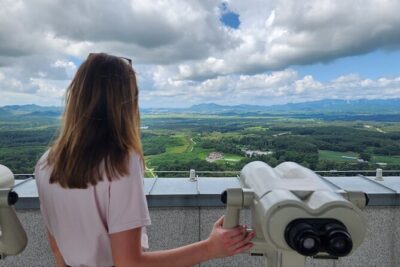
Thrilling Korean DMZ 3rd Tunnel Tour from Seoul + Red Bridge Rush
Read the review →Browse the lists this tour appears in