Reviewed · SEOUL TOURS
Danyang Tour:Guinsa Temple & Bobaljae & Cheongpung Cable Car
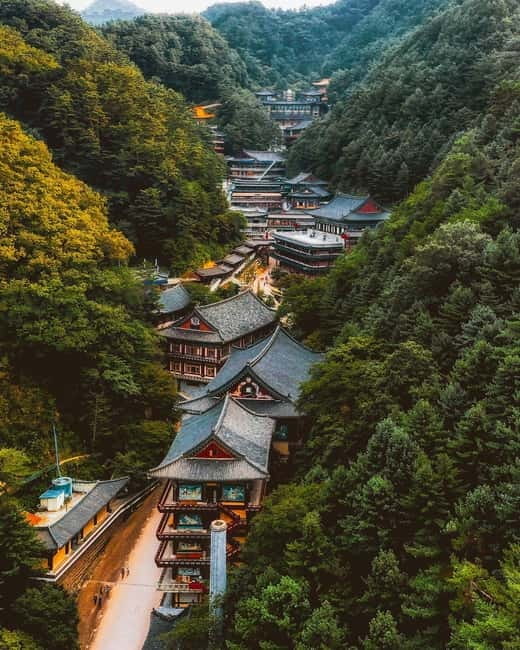
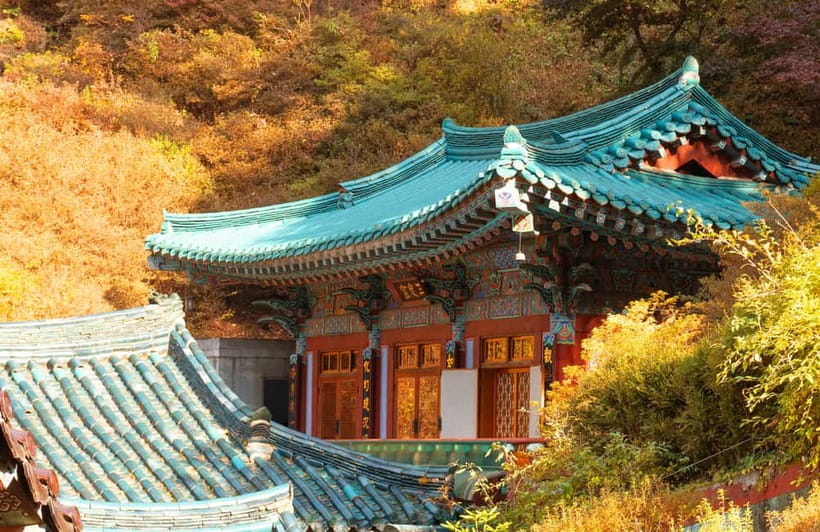
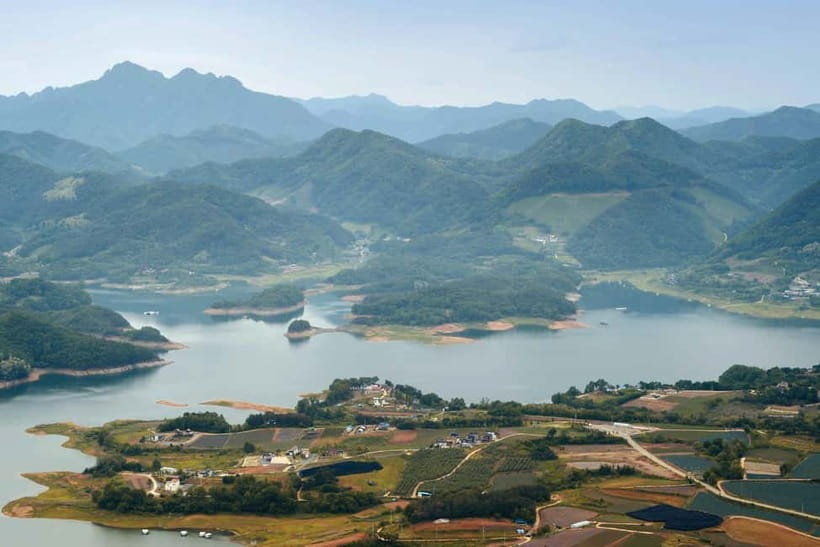
Guinsa Temple is the star here: a huge Buddhist complex tucked into wooded hills, with steep stairways, tall buildings, and a quieter feel than Seoul’s famous city temples. I like that this day trip pairs a serious cultural stop with the fun of the Cheongpung Hoban Cable Car. You get both temple courtyards and wide views over Cheongpungho Lake.
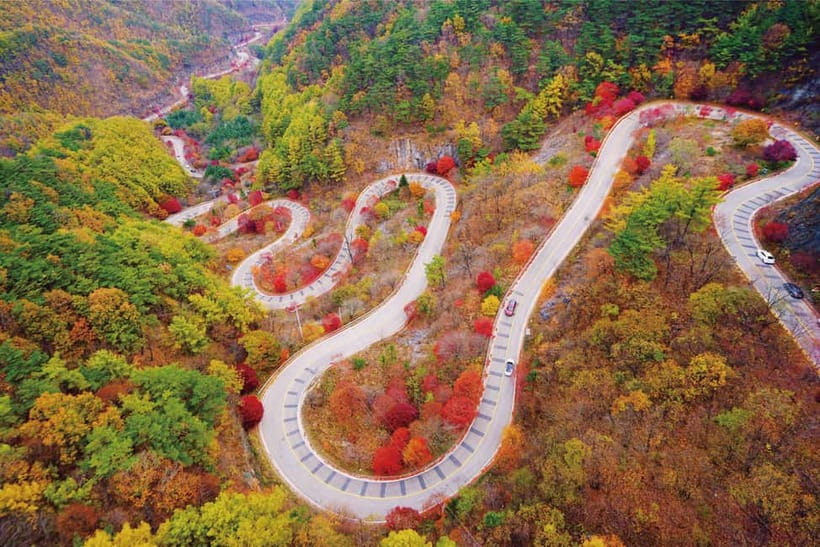
I also like the drive along Bobaljae Road, especially in autumn, and the chance to try vegetarian temple food at Guinsa. The trade-off is a long day with plenty of walking and stairs, plus a bus ride where it may sometimes be hard to hear the guide clearly.
Key points to know before booking
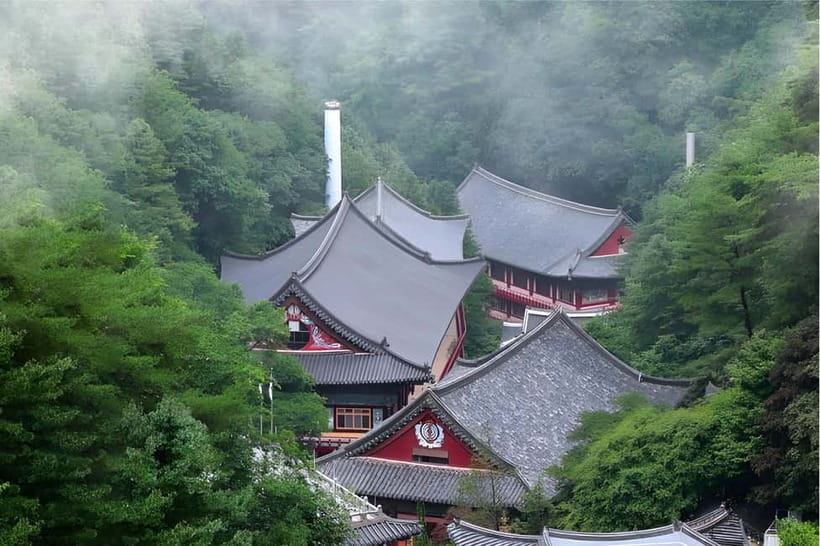
- Guinsa Temple is the main event: Explore Korea’s largest temple complex, set among wooded hills and reached by paths and stairs.
- Temple food adds a local touch: You can try vegetarian food served in the temple setting at no extra charge, while other meals and drinks are not included.
- Bobaljae is a scenic road trip: The drive and observatory are especially appealing when autumn leaves color the route.
- The cable car changes the pace: Ride above Cheongpungho Lake for broad views after the more grounded temple visit.
- Round-trip transport solves a real problem: These sights are difficult to reach from Seoul by public transportation.
- Plan for an active day: Comfortable shoes matter, and the tour requires at least four participants to operate.
Why this Danyang day trip is worth your time
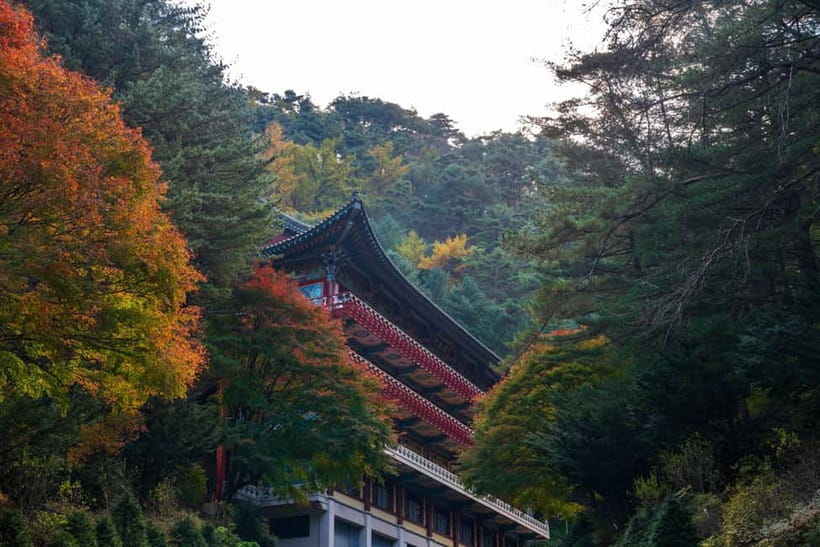
Many day trips from Seoul focus on one major sight and fill the rest of the schedule with ordinary stops. This one has a better shape. Guinsa Temple gives you culture and architecture, Bobaljae gives you a scenic drive and photo stop, and the cable car finishes the day with a view from above.
That mix matters because the sites are spread away from Seoul. You could try to reach them independently, but the transport connections would make for a tiring project. At $105 per person, the price covers round-trip transfers from Seoul, attraction admission, and an English or Chinese-speaking guide. Add in the distance, and the cost is reasonable for anyone who wants to see this part of Korea without renting a car or piecing together local buses.
You should still think of this as a full day out, not a relaxed half-day excursion. The attractions involve walking and stairs, and the early start noted by one participant is part of the bargain. Getting up early may be the least glamorous part of the trip, but it gives you time to reach places that are not practical on a short Seoul itinerary.
A few more Seoul half-days to weigh up
- Best DMZ Tour Korea from Seoul (Red Suspension Bridge Optional)
★ 5.0 · 41,422 reviews - DMZ Tour: 3rd Tunnel, Option(Suspension Bridge, Boat) from Seoul
★ 5.0 · 21,373 reviews - DMZ tour south Korea from Seoul (NK experience hall, defector)
★ 5.0 · 20,599 reviews
Guinsa Temple, Korea’s largest temple complex
Guinsa Temple is the cultural heart of the outing. It sits deep in a wooded setting, where the buildings rise along the valley and hills rather than gathering around one compact courtyard. That layout gives the visit a sense of movement. You do not simply step through one gate, take a photo, and leave. You walk from one structure to another, seeing how the complex fits into its surroundings.
The size is part of the surprise. Calling it Korea’s largest temple gives you an idea of scale, but the better way to understand it is to expect a substantial visit with several buildings, paths, and stair sections. You will want shoes with good grip and enough comfort for uneven walking.
I like this stop because it offers more than decoration. The guides explain the different buildings and help put the site into context. Yohan has been praised for explaining the buildings and for helping with photos, while guides named Yohan and Jun, Yohan and Edward, and Michael and Mario have all led particularly well-received outings. Your guide may differ, but the tour is designed around live explanation rather than simply dropping you at the entrance.
The wooded setting also changes the mood. Seoul’s major temples can be surrounded by traffic, shops, and city noise. Guinsa gives you a stronger sense of separation from everyday Korea. You can focus on the architecture, religious setting, and mountain surroundings without the usual urban distractions.
There is a practical catch. The complex is not designed for a quick, effortless stroll. Stairs and slopes are part of the visit, so anyone with limited mobility should consider the physical demands before booking. The supplied information does not promise a step-free route.
Vegetarian temple food at Guinsa
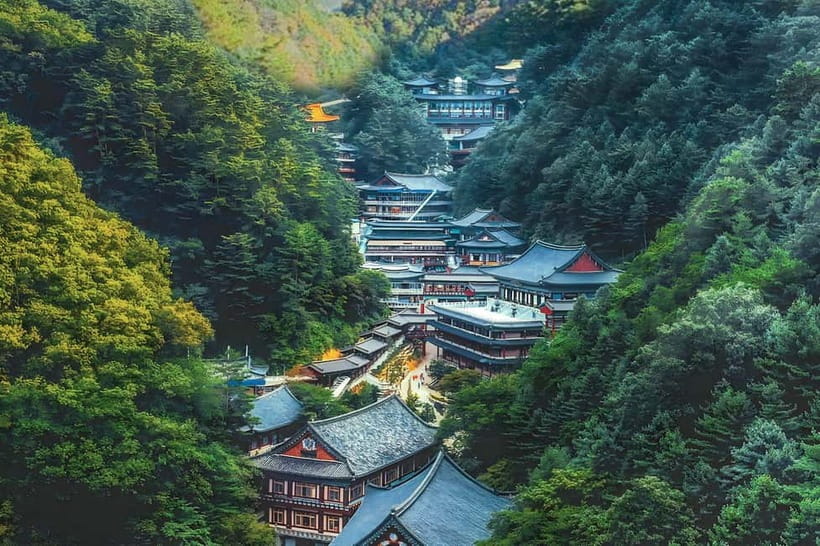
The opportunity to try vegetarian temple food is one of the most distinctive details of the day. The meal gives you a small but meaningful connection to the place. Instead of treating Guinsa as a photo backdrop, you get a taste of how food fits into temple life.
The temple food is described as free, but the tour also states that meals and beverages are not included. The practical reading is that this specific temple-food opportunity is available without an extra charge, while you should not expect every meal, snack, or drink during the day to be covered. Bring what you need for the road and confirm the exact serving arrangements with the operator if food is important to your plans.
Do not book this tour expecting a restaurant-centered food experience. The appeal is the setting and the connection to the temple, not a long meal with a broad menu. Still, it is a welcome feature, especially for anyone interested in Korean Buddhist culture and daily traditions.
The Bobaljae Road drive and observatory
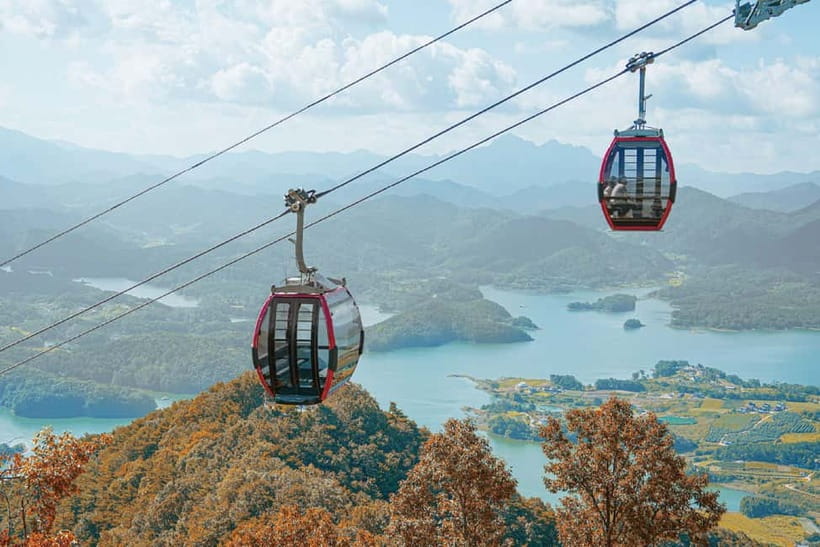
After Guinsa, the trip moves into scenery mode. The drive along Bobaljae Road is part of the experience, not just dead time between attractions. In autumn, the road is described as being lined with colorful leaves, making the journey itself one of the day’s best visual moments.
At Bobaljae Observatory, you can stop for photos and take in the surrounding views. The stop is a useful counterpoint to Guinsa. At the temple, you look closely at buildings, details, and paths. At the observatory, you step back and let the hills and open views take over.
I would keep your camera ready during the drive, but I would not expect every bend to become a formal photo stop. The itinerary specifically highlights the observatory, while the road provides a scenic transfer. Weather and season will affect how much you see. Autumn should be the strongest choice if colorful foliage is your priority, though the tour information does not promise a particular peak-leaf date.
The observatory also gives the day some breathing room. After walking around the temple, you can enjoy a more open viewpoint and take photos without having to study every building. If you prefer architecture and history to scenery, this will probably feel like a shorter stop. If you enjoy road views and changing mountain colors, it may become one of your favorite sections.
A different way to spend a day from here:
- Seoul: DMZ Tour with Optional Suspension Bridge
★ 4.8 · 5,277 reviews - Seoul: DMZ The 3rd Tunnel and Suspension Bridge Tour
★ 5.0 · 4,656 reviews - Signature DMZ Tour: Exclusive Defector Talk & Suspension Bridge
★ 5.0 · 4,459 reviews - Incheon Airport: Traveler SIM & T-money Transportation Card
★ 4.7 · 3,332 reviews
Cheongpung Hoban Cable Car over Cheongpungho Lake
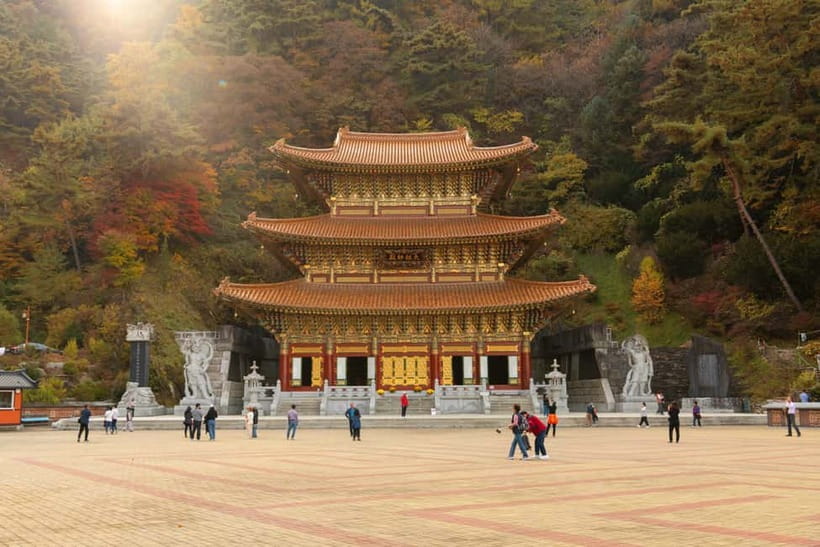
The cable car is the day’s most dynamic attraction. You ride above Cheongpungho Lake, trading temple paths and road-level views for a broad perspective across the water and surrounding hills.
This is not just transportation to another stop. It is the part of the itinerary that feels most like a classic scenic attraction. The ride lets you see the area from above and gives the day a clean change of pace. After a morning centered on cultural sites, the cable car offers a simple pleasure: sit back, look out, and watch the views shift.
Autumn should be especially attractive here, when the surrounding vegetation takes on stronger color. The experience description specifically points to the season as a high point for foliage. Still, the views depend on weather, visibility, and timing. A cloudy day can soften the distant scenery, so you should judge the cable car as a strong attraction rather than a guaranteed postcard.
The cable car also makes the tour appealing to people who want scenery without a hiking excursion. You still need to manage the walking and stairs at other points, but the ride itself gives you a way to enjoy the area from a comfortable seat.
Guides, group size, and the bus ride
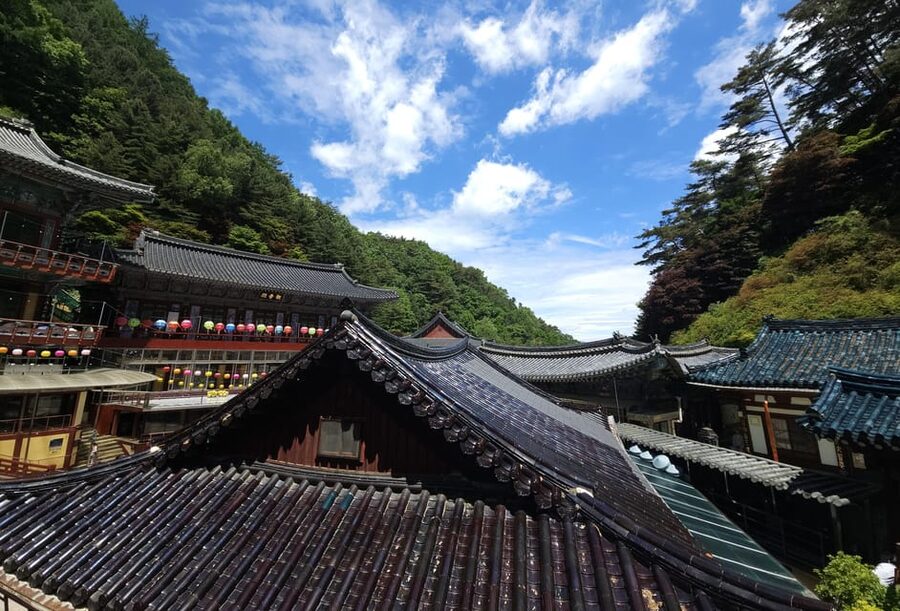
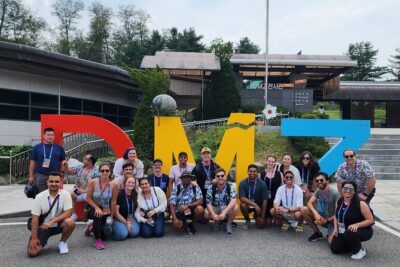
The guide can make or break a long day trip. Here, the named guide teams include Yohan and Jun, Yohan and Edward, Michael and Mario, and Johann and K. Their work has been praised for clear explanations, friendly help with photos, and keeping the day moving at a comfortable pace.
Small groups can improve the experience. One account describes a small group as a major advantage, and that makes sense here. Guinsa has several buildings and walking routes, so a compact group is easier to manage than a large crowd. You can also ask questions without turning every stop into a formal lecture.
The tour is offered with English or Chinese-speaking guides. The exact guide depends on the departure, so do not book solely because you expect one particular person. The important point is that the tour includes interpretation at sites where signs alone may not explain the buildings or their purpose.
There is one useful criticism to keep in mind: it can sometimes be difficult to hear the guide on the bus. That is common on long road excursions, especially when people are settling in or the vehicle is moving over noisy roads. If the commentary matters to you, sit closer to the guide when possible and ask for key points to be repeated at the next stop.
Is $105 a fair price?
At $105, this is not the cheapest way to spend a day outside Seoul. It is also not an unreasonable price for what you receive. The package includes round-trip transfers from Seoul, admission to the attractions, and a guide in English or Chinese.
The transport is the big value. Guinsa Temple, Bobaljae, and Cheongpung Cable Car are difficult to visit from Seoul by public transportation, according to the tour information. Independent travel might look cheaper on paper, but the time spent changing buses and working out connections could erase much of that saving.
Meals and drinks are not generally included, so budget for personal food and beverages even with the temple-food opportunity. Personal expenses are also your responsibility. The tour is best value for you if you want a managed day with several far-flung stops. If you already have access to a car, speak Korean, and enjoy planning rural transport, you may prefer to go independently.
The reserve-now, pay-later option also gives you some flexibility. You can cancel up to 24 hours before departure for a full refund, subject to the booking terms. One important condition is the minimum group size: at least four participants are required, and if that number is not reached 48 hours before departure, the tour can be canceled with notification by email or message.
Who should book this experience?
I would choose this tour if you want to see a less urban side of Korea without sacrificing convenience. It suits first-time visitors who have already seen Seoul’s central sights and want a day of temples, mountain roads, lake views, and local context.
It is also a good fit for photographers, particularly in autumn. Bobaljae Observatory and the cable car offer different kinds of views, while Guinsa provides detailed architecture and a striking setting.
Culture-focused visitors will get the most from Guinsa, especially if you enjoy hearing what different buildings mean rather than simply collecting photos. The temple-food opportunity adds another layer, though it should not be treated as a full culinary tour.
I would hesitate if you dislike early starts, long transfers, stairs, or scheduled group travel. The itinerary is active, and the bus ride takes time. You should also be comfortable with the possibility that the guide’s commentary may be harder to hear while moving between stops.
FAQ
What does the $105 tour price include?
The price includes admission to the attractions, round-trip transfers from Seoul, and an English or Chinese-speaking tour guide.
Are meals and drinks included?
Meals and beverages are listed as excluded. The experience does state that you can try vegetarian temple food for free at Guinsa Temple, but you should still plan for your own other food and drinks.
Which languages are available?
The tour is available with English-speaking or Chinese-speaking guides.
How much walking is involved?
Some attractions involve considerable walking and stairs. Comfortable shoes are strongly recommended, and you should be fit enough for an active sightseeing day.
Can I reach these places by public transportation from Seoul?
The tour information says these locations are difficult to visit by public transportation from Seoul. Round-trip transfers are provided to make the journey easier.
What happens if too few people book?
A minimum of four participants is required for the tour to depart. If that minimum is not reached 48 hours before departure, the tour may be canceled and you will be notified by email or message.
Should you book the Guinsa and Cheongpung day trip?
Book it if you want a well-rounded escape from Seoul that combines a major temple, a scenic road, an observatory, and a cable car ride. Guinsa is the reason to go, while the lake views and autumn scenery give the day variety.
Skip it if you want a short, quiet outing with little walking or if you prefer to set your own pace. For everyone else, the $105 price buys something difficult to arrange alone: access to remote sights, transport between them, and guides who can give the buildings and places more meaning. The early start and long day are real costs, but the mix of culture and scenery makes them worthwhile.
Recently added around Seoul
- Private Tour around Suwon UNESCO Fortress and Korea Folks Village★ 4.5 · 4 reviews
- Nami & Maple Road & Theatre des Lumieres Day Tour from Seoul★ 4.8 · 4 reviews
- Gyeongbokgung Palace Photo Session with your own phone★ 5.0 · 4 reviews
- Seoul: Deoksugung Palace Night Tour★ 4.5 · 4 reviews
- Jisan Forest Resort: Ski Full-Day Tour or Shuttle from Seoul★ 5.0 · 4 reviews
- N Seoul Tower + Namsan Cable Car Ticket (Collect in Myeongdong)★ 3.5 · 4 reviews
- Private Jeonju Hanok Village – Culinary tour★ 5.0 · 4 reviews
- Seoul Private Walking Tour with a Local★ 5.0 · 4 reviews
Seoul Tours, compared.
Best DMZ Tour Korea from Seoul (Red Suspension Bridge Optional)
Read the review →
DMZ Tour: 3rd Tunnel, Option(Suspension Bridge, Boat) from Seoul
Read the review →
DMZ tour south Korea from Seoul (NK experience hall, defector)
Read the review →
DMZ The 3rd Tunnel and Suspension Bridge Tour
Read the review →
Signature DMZ Tour: Exclusive Defector Talk & Suspension Bridge
Read the review →
Thrilling Korean DMZ 3rd Tunnel Tour from Seoul + Red Bridge Rush
Read the review →