
Reviewed · SEOUL TOURS
Seoul: Soju Tasting at Distillery
Seoul’s familiar green bottle is only the beginning. At this small distillery tasting near Hongdae, Sam explains the difference between industrial soju, unfiltered takju, filtered cheongju, and traditional distilled spirits before pouring at least seven samples, mostly strong soju. The star is the historic three-pig soju, linked to a Joseon-era recipe and a family tradition that reaches back hundreds of years.
I like two things right away: Sam speaks fluent English, so you can ask real questions about brewing, drinking customs, and Korean life, and the tasting sits in the city rather than requiring a long trip into the countryside. The drawback is clear: the premium spirits run from 45 to 50 percent alcohol, so this is not the right pick if you prefer light drinks or dislike tequila and whisky.
Key points to know before booking
- Seven or more samples: The selection usually centers on distilled soju, with takju and cheongju included when available.
- A serious alcohol tasting: Most premium pours fall between 45 and 50 percent alcohol.
- Sam leads in fluent English: He covers production, drinking culture, family tradition, and questions about Korea.
- Hongdae-area location: The meeting point is about 1.3 kilometers from Hongik University Station Exit 1, or roughly five minutes by bus.
- An 80-minute introduction: You get a compact lesson and tasting, not a full-day brewery visit.
- A good social evening: The international group setting makes it easy to meet other people, and Sam can suggest nearby bars and restaurants.
Why this tasting is more than a green bottle of soju
Many visitors first meet Korean alcohol through the inexpensive green bottle served with barbecue. That familiar drink has its place, but it tells only a small part of the story. This tasting gives you a better map of Korea’s traditional alcohols and shows why the word soju can cover very different drinks.
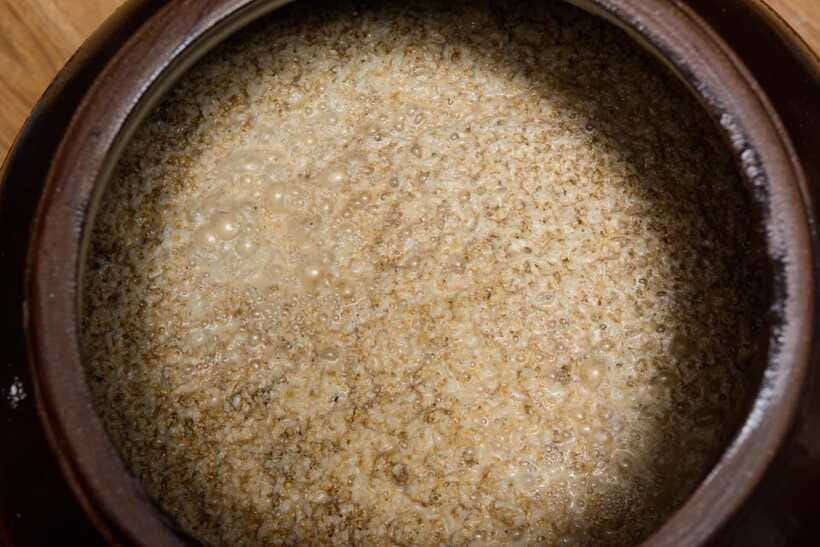
Korean alcohol is broadly grouped into three types. Takju is unfiltered rice wine, usually associated with makgeolli. Cheongju is filtered rice wine, clearer and more refined in texture. Soju is distilled spirit, and the traditional versions served here are a very different drink from diluted commercial soju sweetened for easy drinking.
I like this setup because it gives the tasting a useful frame. Instead of simply lining up shots, Sam can show you where each drink fits in the brewing process and how filtering and distillation change the final result. You leave with vocabulary that helps you order and understand Korean drinks elsewhere in Seoul.
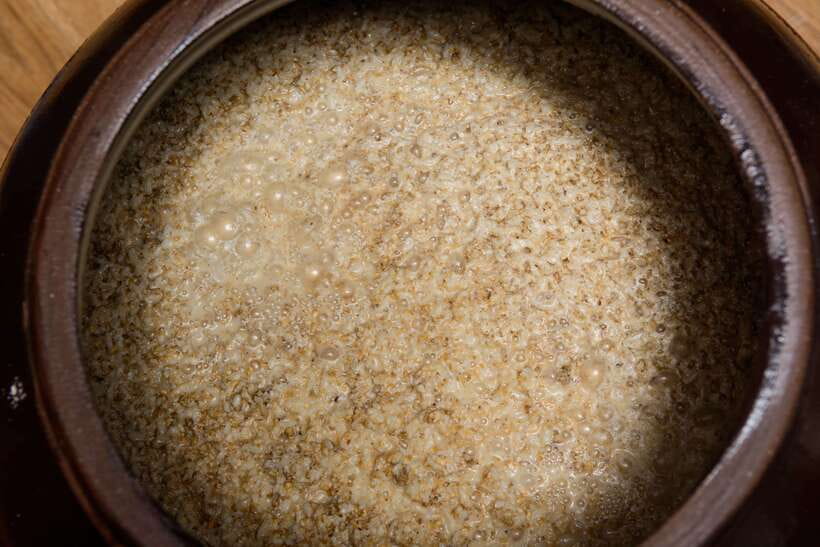
The experience focuses on soju, but the rice wines matter. Depending on availability, you may taste unfiltered takju, filtered cheongju, or both. They help you compare the earlier stages of rice fermentation with the finished distilled spirit.
More Food Tours in Seoul:
- Seoul Street Food Market Tour
★ 5.0 · 1,226 reviews - Seoul: Night Market Food Tour with Local Guide
★ 4.9 · 943 reviews - Downtown Seoul Guided Food & Market Tour with 8+ Local Tastings
★ 5.0 · 580 reviews
Meeting Sam near Hongdae
The meeting point is close to Hongik University Station, but not directly at the station exit. You need to make your own way to a small, triangle-shaped parking lot next to the building at Seoul, Mapo-gu, Seongsan-dong 103-5. A Pizza Hut sits across the street, which is a useful landmark.
From Hongik University Station Exit 1, the walk is about 1.3 kilometers, or one mile. The alternative is a bus ride of about five minutes. Use the provided mobile map link rather than relying only on a standard map search. Seoul addresses can be confusing, and the exact pickup spot is easy to miss if you stop at the wrong side of the neighborhood.
Arrive at least five minutes early. Sam picks up the group shortly before the start, and you cannot join after being more than 20 minutes late. I would allow extra time if you are unfamiliar with Seoul’s bus system or walking routes. The meeting instructions are unusually specific for a reason.
The city location is a real advantage. You do not lose half a day reaching a remote distillery, and the tasting can fit neatly into an evening in Hongdae. Afterward, you can continue into the neighborhood for food or drinks. Sam has also helped people choose and book nearby restaurants, and he can point you toward bars and Korean barbecue spots.
The opening lesson: takju, cheongju, and soju
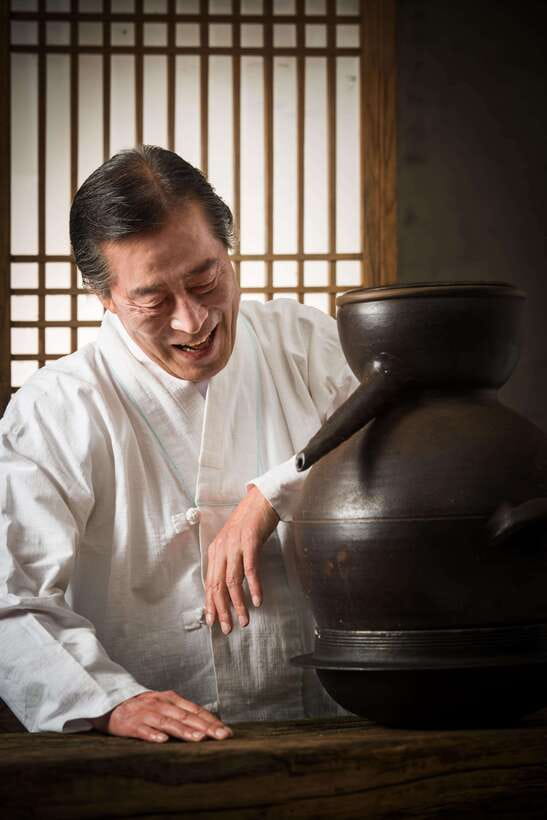
The first part is educational, but it is not a dry lecture. Sam explains how Korean alcohol is made and places the tasting samples into a wider Korean drinking culture. He also compares soju with sake and makgeolli, a helpful distinction if you have tried Japanese rice wine but know little about Korean brewing.
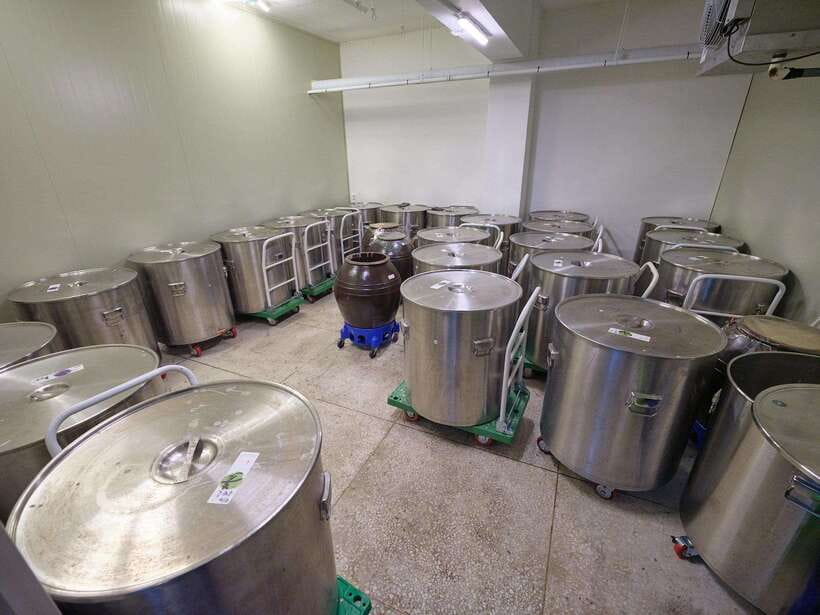
You should expect explanations of the ingredients, brewing stages, filtering, and distillation. The tasting can include samples from the early stages of production, followed by finished products. That structure matters because you can connect the process to what is in your glass instead of treating each pour as an unrelated drink.
Sam’s style is a major part of the experience. He combines clear explanations with humor and leaves room for questions. If you want to ask about Korean drinking customs, his background, or daily life in Korea, this is the kind of setting where those questions fit naturally.
The English is also important. Alcohol vocabulary can get complicated quickly, especially when you are comparing fermentation and distillation. With Sam leading in fluent English, you can ask why two clear spirits taste different or how a traditional method affects strength without relying on gestures and translation apps.
The three-pig soju and the Joseon connection
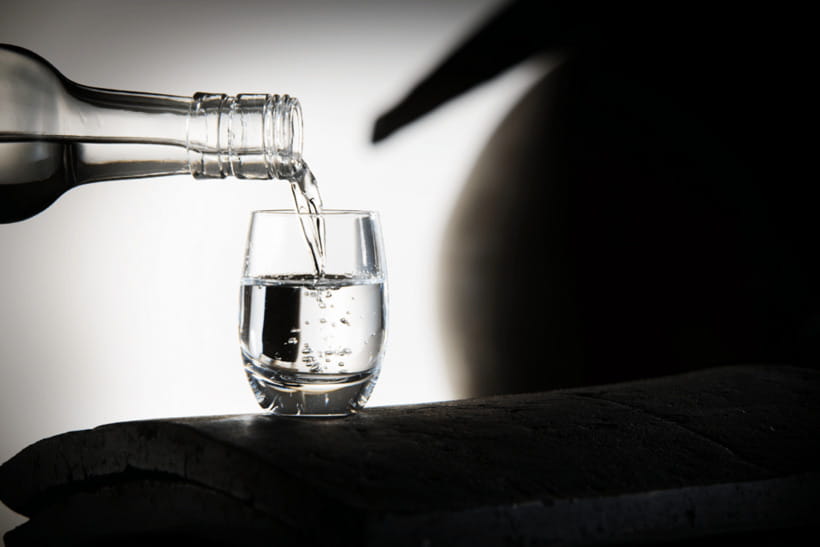
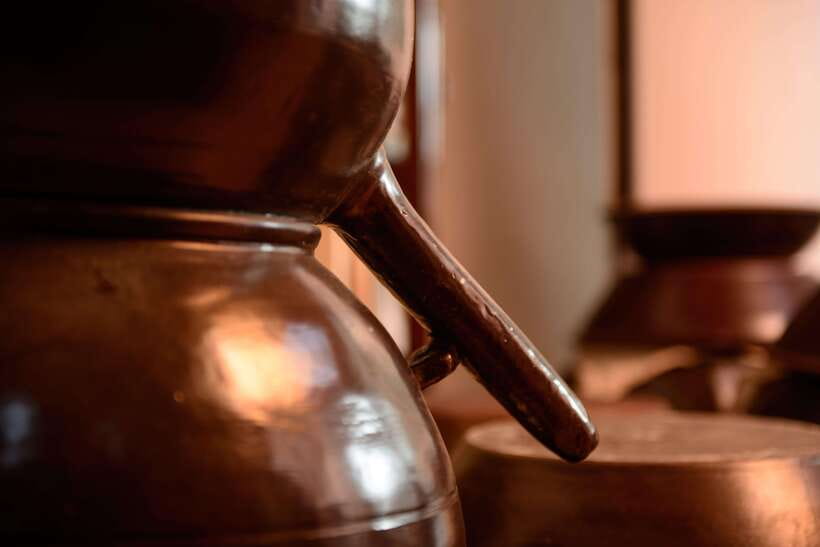
The centerpiece is Samhae soju, described as a spirit once favored by the noble class during the Joseon dynasty, which lasted from 1392 to 1894. The name is also presented as the legendary three-pig soju, a detail that makes this more memorable than a standard commercial tasting.
The current master, Hyeonjong Kim, trained for more than 10 years under Taeksang Kim, who inherited and preserved the family recipe. The family tradition is said to extend more than 400 years. The point is not simply age for its own sake. It helps explain why traditional soju is treated as a craft spirit rather than just a cheap mixed drink.
This is where the tasting gains its cultural value. You are not only learning what the alcohol tastes like. You are hearing how recipes, teachers, and methods pass from one maker to the next. The story gives you a reason to pay attention to the details in the glass.
The phrase premium soju can mislead people who expect something gentle. These spirits are generally 45 to 50 percent alcohol, closer in strength to whisky or tequila than to ordinary green-bottle soju. Take small sips, pay attention to the aroma, and do not assume that a rice-based spirit will be mild.
A few more Seoul half-days to weigh up
- Best DMZ Tour Korea from Seoul (Red Suspension Bridge Optional)
★ 5.0 · 41,422 reviews - DMZ Tour: 3rd Tunnel, Option(Suspension Bridge, Boat) from Seoul
★ 5.0 · 21,373 reviews - DMZ tour south Korea from Seoul (NK experience hall, defector)
★ 5.0 · 20,599 reviews - Seoul: DMZ Tour with Optional Suspension Bridge
★ 4.8 · 5,277 reviews
At least seven pours, with the emphasis on distilled spirits
The total selection includes at least seven samples, though the exact variety can change with availability. The tasting mainly consists of soju, with one or more rice wines added when possible.
You may compare spirits made with different brewing methods, flavors, or stages of production. The selection can include two samples from earlier stages and six finished products, as one detailed account of the format described it. Do not treat that exact count as guaranteed, but it gives you a fair idea of the range.
The value comes from comparison. One strong spirit by itself can be hard to judge. Seven different pours let you notice changes in sweetness, texture, aroma, and finish. You can begin to see that traditional soju is not one fixed taste.
This is not a cocktail class, and food is not listed as part of the included experience. Plan to eat before or after, particularly because high-proof alcohol can catch up with you. Korean barbecue afterward makes sense, both for the food and for the social mood, but you arrange that separately.
You should also pace yourself. Seven samples do not necessarily mean seven large drinks, but the alcohol is strong. If you are unused to spirits in this range, water and a slow approach will make the session far more enjoyable.
A social Hongdae evening
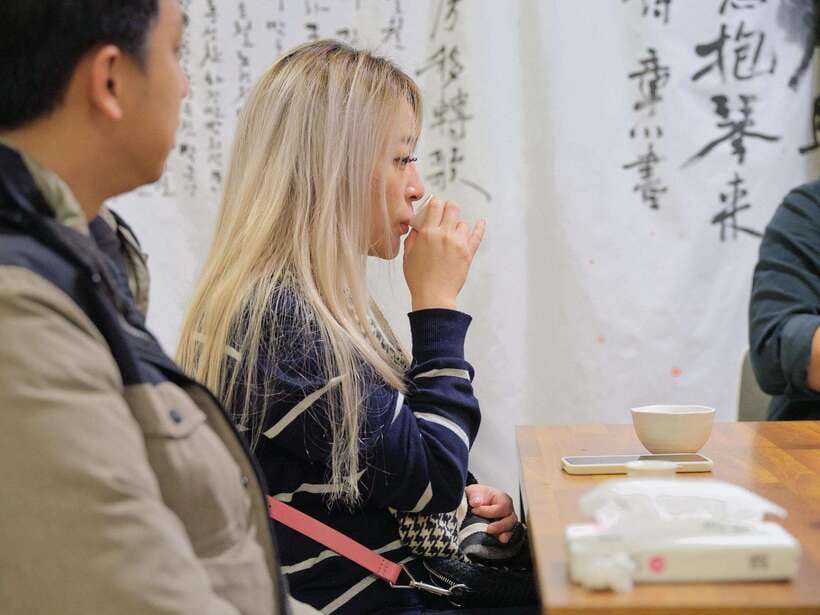
The group format adds another layer. The tasting has brought together people from several countries, with groups reported at around 10 people. That is large enough to create conversation without feeling like a crowded bar event.
I like this for solo visitors and couples who want an activity with some built-in company. Sam keeps the discussion moving, and the shared tasting gives everyone an easy subject. You can compare reactions to the different soju without having to force small talk.
The atmosphere is informal rather than ceremonial. Sam’s humor helps keep the technical material from becoming stiff, and the group can continue talking about Korea after the formal tasting ends. Some people have gone on to Korean barbecue together, which makes this a useful start to a night rather than an isolated appointment.
Still, the social side depends partly on the group on your date. If you want a private lesson, reserve a private group and contact the provider about changes. The standard format is better suited to people who enjoy meeting others.
Is $49 a fair price?
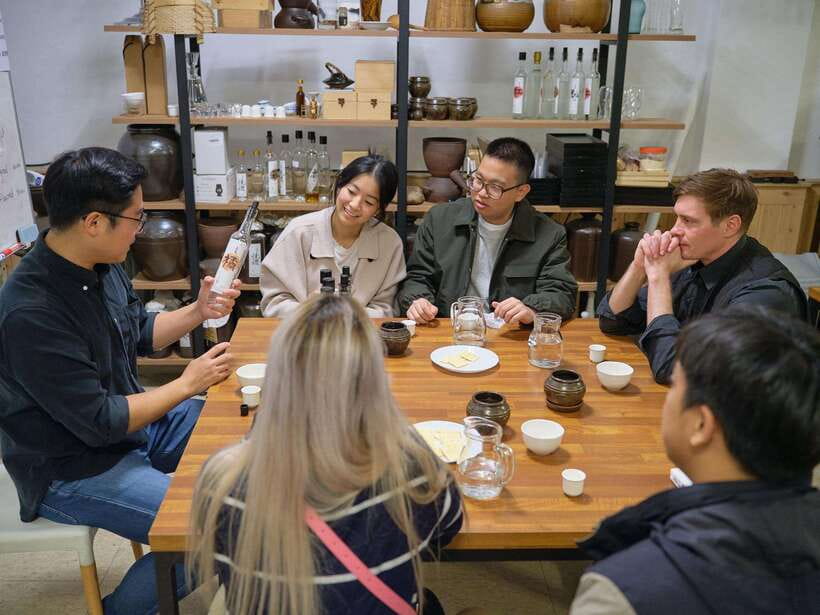
At $49 per person, this is not a bargain if you measure value by the amount of alcohol alone. You could buy inexpensive commercial soju for much less. That comparison misses the point.
You are paying for an 80-minute English-language explanation, access to traditional spirits, at least seven samples, and the chance to taste a style of soju that is difficult to understand from a convenience-store bottle. The family recipe, the production lesson, and the chance to compare several methods give the fee a reasonable cultural and educational value.
I would book it if you are already curious about Korean food and drink, especially if you want to understand what makes traditional soju different. It is also a smart choice for a first evening in Hongdae because the central location saves transport time.
I would skip it if your main goal is a relaxed, low-alcohol tasting. The listed strength is the key fact here. People who generally avoid whisky, tequila, or other strong liquor are directed toward a separate makgeolli tasting, which is likely the better match.
The price also includes flexibility. You can reserve now and pay later, and cancellation is free up to 24 hours before the tasting. Those terms help if your Seoul plans are still shifting, but they do not change the need to arrive on time.
Who should book this experience?
This tasting suits adults who want a cultural activity with real explanation rather than a simple drinking stop. It is especially useful for:
- First-time visitors who know commercial soju but want to understand traditional versions
- Food-focused visitors building a better sense of Korean dining culture
- Solo visitors who enjoy a small international group
- Couples looking for an evening activity near Hongdae
- Spirit drinkers comfortable with 45 to 50 percent alcohol
- Anyone who wants an English-speaking guide and time for questions
It is not suitable for children under 18 or pregnant women. It is wheelchair accessible, and the guide language is English.
You do not need to be an alcohol expert. Curiosity is enough. But you should be honest about your tolerance. A strong spirit tasting rewards attention and restraint, not speed.
Practical tips for getting the most from the 80 minutes
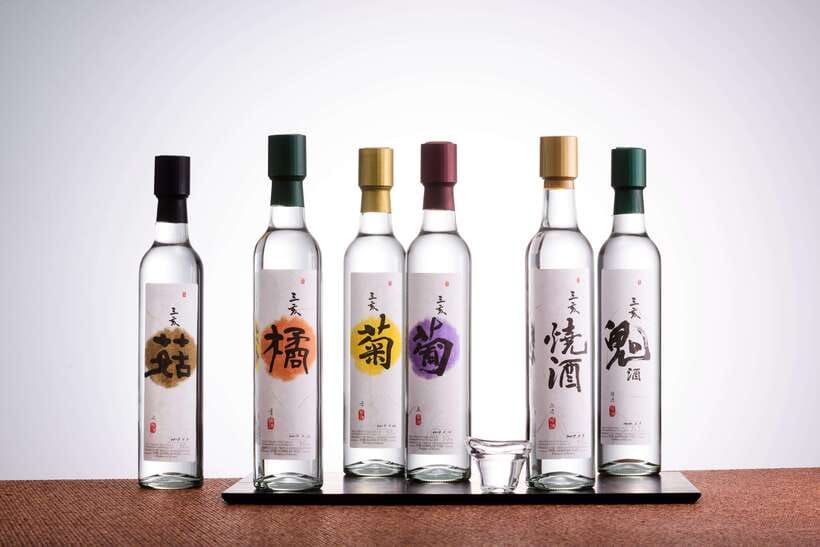
Eat beforehand, or arrange food immediately afterward. The experience does not list a meal, and the strength of the pours makes an empty stomach a poor plan.
Arrive early and save the map links before leaving your hotel. The meeting point is not simply Hongik University Station, and the provider stresses that the mobile map address is the most reliable way to find it.
Bring questions. Ask Sam about the difference between traditional and commercial soju, why one sample tastes sweeter or cleaner than another, and how Koreans serve these drinks with food. The experience works best when you treat it as a conversation, not a row of obligatory shots.
If one bottle impresses you, you may be able to buy a bottle to take home. That possibility has appealed to people who found the traditional soju much more distinctive than the standard green bottle. Check current transport and customs rules before packing alcohol for an international flight.
Give yourself room afterward. Hongdae is an excellent place to eat, and Sam can recommend bars and restaurants, but do not schedule an important appointment immediately after the tasting. You may want time to discuss the samples, eat, or simply walk.
Should you book the Seoul soju tasting?
Book it if you want the story behind Korean alcohol, not just a drink in your hand. Sam’s fluent English, easy humor, and clear explanations are the main strengths, while the location makes the experience simple to add to a Hongdae evening.
The decision comes down to alcohol strength. At 45 to 50 percent, this is a traditional spirit tasting for people who can handle serious pours. If that sounds appealing, $49 buys a focused look at Korean brewing, distillation, and drinking culture. If you prefer lighter rice wine, choose the makgeolli-focused option instead.
FAQ
How long does the soju tasting last?
The tasting lasts 80 minutes. Starting times vary, so check availability when booking.
How many alcohol samples are included?
At least seven samples are served in total. The selection mainly consists of soju, with unfiltered takju and or filtered cheongju included depending on availability.
How strong is the soju?
The premium soju served during the tasting is generally between 45 and 50 percent alcohol. This is strong liquor, closer to spirits such as whisky or tequila than ordinary commercial soju.
Who leads the tasting?
Sam leads the experience in English. He explains the production process, the history of traditional soju, Korean drinking culture, and the differences between soju, sake, and makgeolli.
Where is the meeting point?
The meeting point is at a small, triangle-shaped parking lot next to the building at Seoul, Mapo-gu, Seongsan-dong 103-5. It is about 1.3 kilometers from Hongik University Station Exit 1, or around five minutes by bus. A Pizza Hut is across the street.
Can I cancel or pay later?
You can reserve now and pay later. Cancellation is free for a full refund up to 24 hours before the tasting. You should arrive at least five minutes early, and you cannot join if you are more than 20 minutes late.
Recently added around Seoul
- Nami & Maple Road & Theatre des Lumieres Day Tour from Seoul★ 4.8 · 4 reviews
- Gyeongbokgung Palace Photo Session with your own phone★ 5.0 · 4 reviews
- Private Tour around Suwon UNESCO Fortress and Korea Folks Village★ 4.5 · 4 reviews
- N Seoul Tower + Namsan Cable Car Ticket (Collect in Myeongdong)★ 3.5 · 4 reviews
- Jisan Forest Resort: Ski Full-Day Tour or Shuttle from Seoul★ 5.0 · 4 reviews
- Seoul: Deoksugung Palace Night Tour★ 4.5 · 4 reviews
- Seoul Private Walking Tour with a Local★ 5.0 · 4 reviews
- Private Jeonju Hanok Village – Culinary tour★ 5.0 · 4 reviews
Seoul Tours, compared.
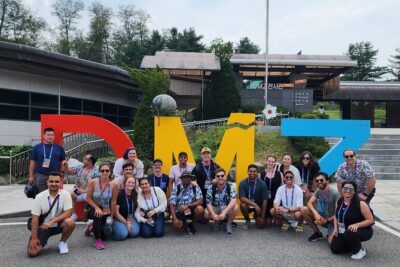
Best DMZ Tour Korea from Seoul (Red Suspension Bridge Optional)
Read the review →
DMZ Tour: 3rd Tunnel, Option(Suspension Bridge, Boat) from Seoul
Read the review →
DMZ tour south Korea from Seoul (NK experience hall, defector)
Read the review →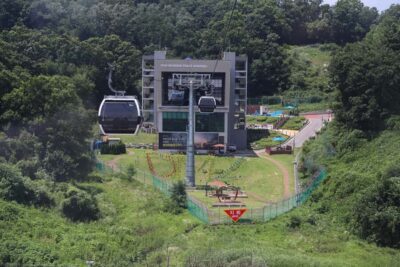
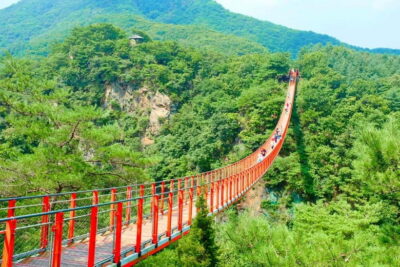
DMZ The 3rd Tunnel and Suspension Bridge Tour
Read the review →
Signature DMZ Tour: Exclusive Defector Talk & Suspension Bridge
Read the review →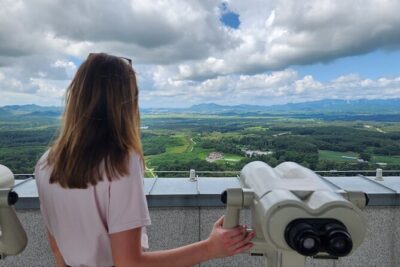
Thrilling Korean DMZ 3rd Tunnel Tour from Seoul + Red Bridge Rush
Read the review →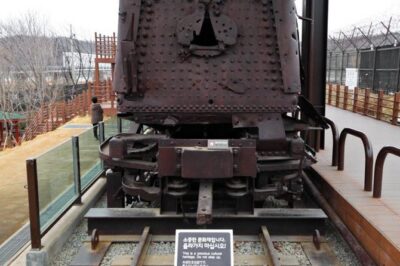
DMZ Past and Present: Korean Demilitarized Zone Tour from Seoul
Read the review →Browse the lists this tour appears in