
Reviewed · DMZ TOURS
Seoul: Paju DMZ Private Tour with Former US Military Base
The most striking part of this day is the contrast between ordinary sightseeing and the hard reality of the Korean border. You move from peaceful Imjingak Park to a former American military base, then into a cramped tunnel dug for a possible attack from the North. Camp Greaves and the Third Infiltration Tunnel give the history a physical presence that a museum cannot.
I like the way the tour combines several major DMZ sights in one day, and I like having hotel pickup, return transport, and a guide included. Guides such as Julie, Jonathan, Jenny, Chuck Park, and Jae Seo have been praised for clear explanations and thoughtful answers. The main drawback is the price, $483 per person, especially since lunch and the Peace Gondola cost extra. The day is also long, and the tunnel requires a steep walk in a narrow space.
Key points to know before you book
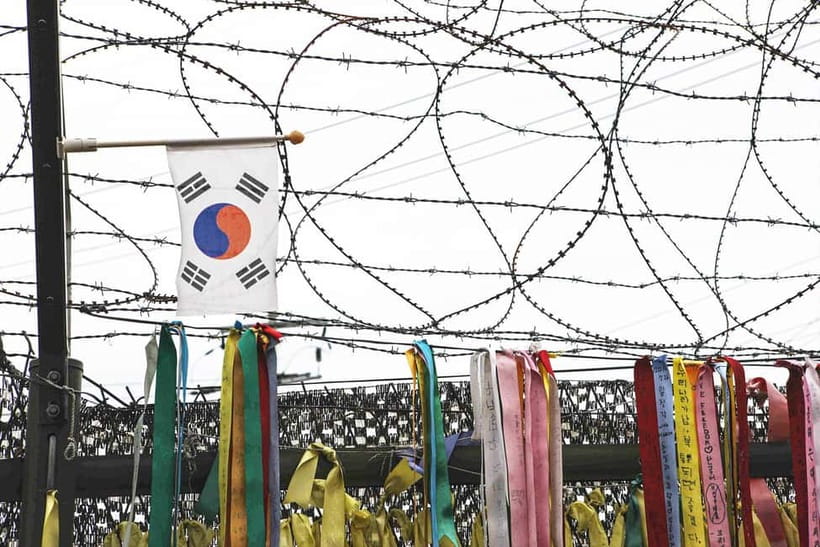
- Camp Greaves adds a rare Cold War stop: See former barracks, military facilities, ammunition depots, and other remains of a US base.
- The Third Infiltration Tunnel is physical history: You wear a safety helmet and walk into a dim passage more than 1.6 kilometers long.
- Dora Observatory offers the clearest North Korea view: Telescopes may reveal Kaesong, border villages, and large North Korean monuments on a clear day.
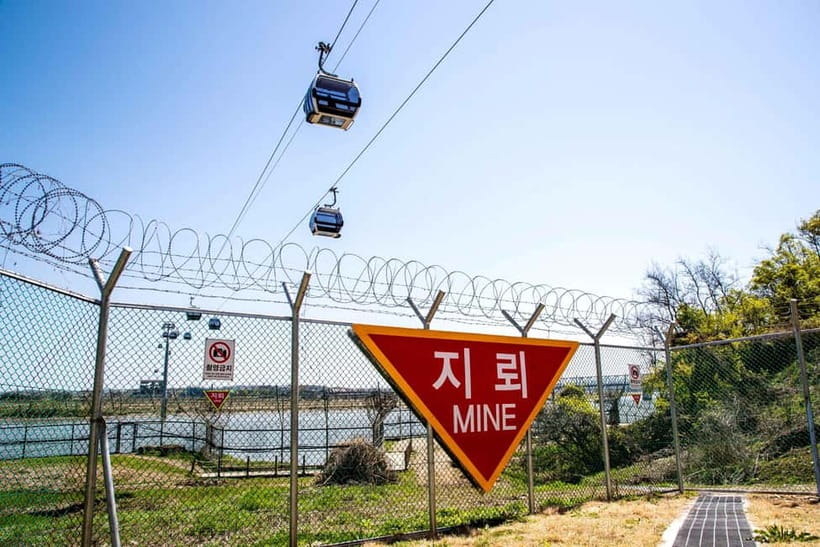
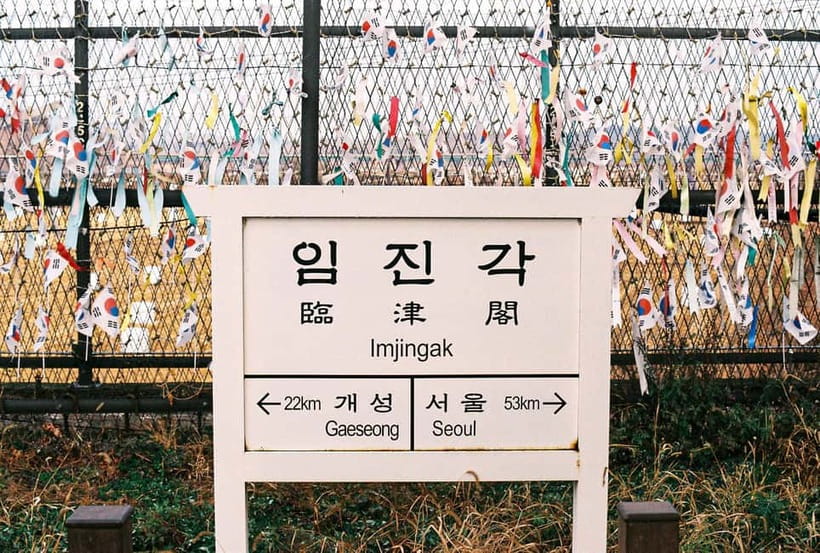
- Imjingak sets the emotional tone: The park looks toward the Imjin River and honors the Korean War, separated families, and hopes for reunification.
- The Peace Gondola is optional: You can cross the Imjin River for an added fee, but the ride is not included in the tour price.
- Bring the exact passport used at booking: Every guest, including children, needs valid identification for DMZ access.
Why this DMZ day feels different
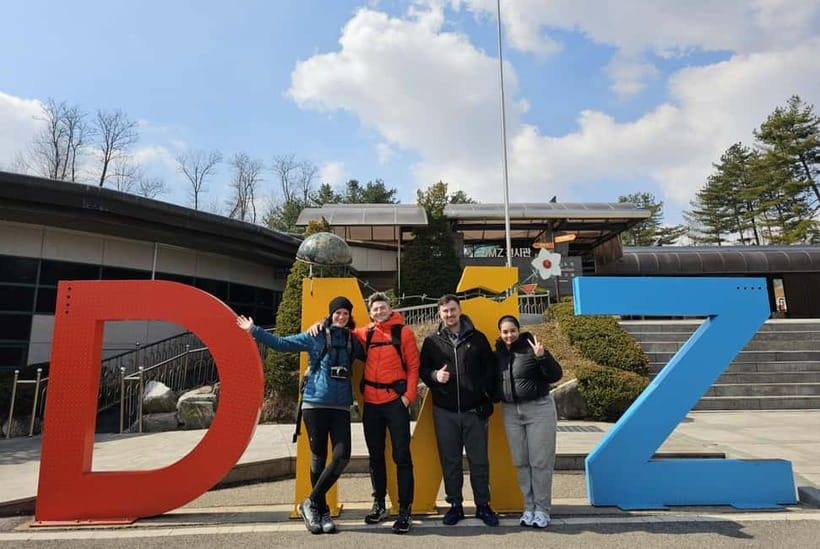
Many border excursions focus on one observation point and a few photographs. This experience gives you a fuller picture of the area. You see a public park built around memory, Cold War military remains, a secret tunnel, and a viewing platform aimed at North Korea.
That variety matters. The DMZ is not simply a dramatic line on a map. It is a cease-fire zone created in 1953 after the Korean War, and it remains one of the most heavily guarded borders in the world. At each stop, your guide can connect what you see with the wider story of division, military tension, and the continuing hope for reunification.
I would choose this tour if you want history explained as you go rather than simply receiving transport to a photo stop. The guides are a major part of the experience. Julie has been singled out for thorough historical explanations, while guides including Jonathan, Jenny, Chuck Park, Nammin, Stella, Cecilia, and Jae Seo have been praised for answering questions and adding context about everyday life in Korea.
The tour is described as a private group experience, with English and Chinese language options. Group size can affect the feel of the day. One English-language group had only six people, and another had four, allowing the guide to answer questions and adjust short breaks more easily.
More DMZ Tours in Seoul:
- Best DMZ Tour Korea from Seoul (Red Suspension Bridge Optional)
★ 5.0 · 41,422 reviews - DMZ Tour: 3rd Tunnel, Option(Suspension Bridge, Boat) from Seoul
★ 5.0 · 21,373 reviews - DMZ tour south Korea from Seoul (NK experience hall, defector)
★ 5.0 · 20,599 reviews
From Seoul to Imjingak Park
The day begins with hotel pickup in central Seoul. You should wait in the hotel lobby at least 10 minutes before the scheduled pickup. The drive toward the border takes about 50 minutes, though traffic and weather can change the timing.
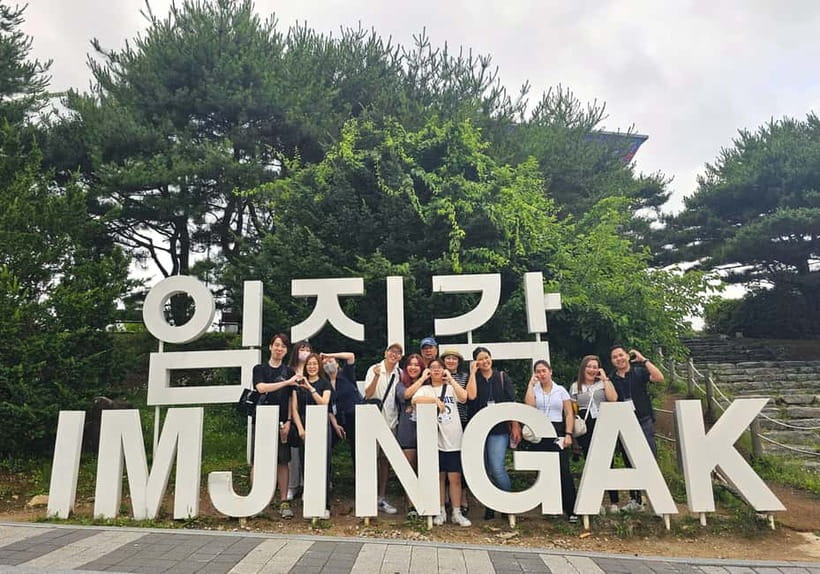
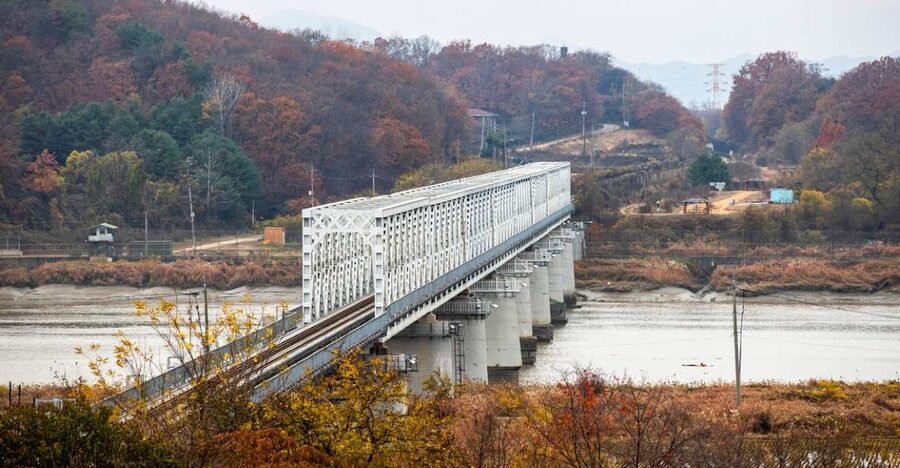
Imjingak is more than a quick roadside stop. The park is a place of remembrance, with monuments and displays connected to the Korean War and the division of the peninsula. From here, you can look toward the Imjin River and the border area, a quiet setting that can feel surprisingly close to Seoul in both distance and time.
You get roughly 40 minutes here, enough to see the main memorial areas and listen to the introduction from your guide. I like beginning at Imjingak because it gives emotional meaning to the military sites that follow. You are not starting with machinery or fences. You are starting with the human cost of a divided country.
The optional Peace Gondola ride adds about 30 minutes and carries you across the Imjin River. It requires a separate ticket, so budget for it if you want the full version of the stop. The ride is not essential to understand the tour, but it offers a different view of the river and the surrounding border area.
Camp Greaves and the remains of a US base
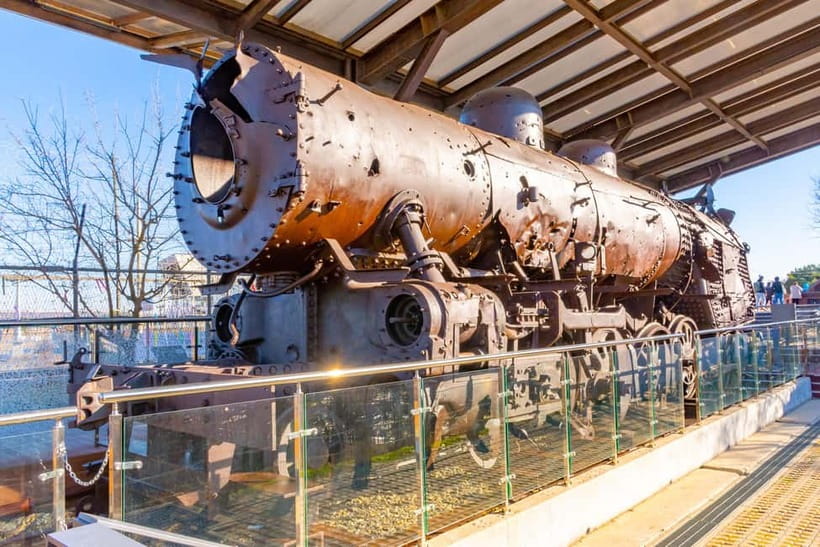
Camp Greaves is the most unusual stop on this route. The former US military base was used during the Korean War and later retained Cold War-era structures, including barracks, military facilities, and ammunition depots.
The site has since been turned into a peace-culture center with exhibitions and interactive programs. You are not simply looking at an abandoned military compound. The point is to show how a place built for conflict can be given a new public purpose.
You have about 70 minutes for the visit, including sightseeing and photographs. The old buildings provide a tangible sense of the recent past. A military map or lecture can feel abstract, but walking past barracks and storage facilities makes the period easier to picture.
Camp Greaves has also been used as a filming location for popular Korean dramas. That detail may interest fans of Korean television, but I would treat it as an extra rather than the reason to visit. The stronger attraction is the preserved military setting and the chance to see a former US base within the DMZ area.
The site can also add variety to the day. Imjingak is memorial-focused, while Camp Greaves is more architectural and military. Your guide’s explanation helps tie the two together.
Lunch in Paju and the practical middle of the day
The tour allows about 90 minutes in Paju for lunch, free time, and sightseeing. Food is not included, so you pay for your own meal. The supplied information does not name a fixed restaurant or menu, which means the exact lunch arrangement can depend on the day and the group.
That open time is useful because the tunnel visit comes later and can be physically demanding. I would use part of the break to eat properly, refill water if possible, and prepare for the walk. The overall day lasts 10 hours, so a rushed snack may leave you tired by the afternoon.
This is also a natural point to ask your guide about the next stops. Guides have been praised for making time for questions, and this is the kind of tour where a short conversation can add a lot. You may want to ask about the Korean War cease-fire, how access to the DMZ works, or what you are likely to see from Dora Observatory.
A few more Seoul half-days to weigh up
- Seoul: DMZ Tour with Optional Suspension Bridge
★ 4.8 · 5,277 reviews - Seoul: DMZ The 3rd Tunnel and Suspension Bridge Tour
★ 5.0 · 4,656 reviews - Signature DMZ Tour: Exclusive Defector Talk & Suspension Bridge
★ 5.0 · 4,459 reviews - Incheon Airport: Traveler SIM & T-money Transportation Card
★ 4.7 · 3,332 reviews
Walking into the Third Infiltration Tunnel
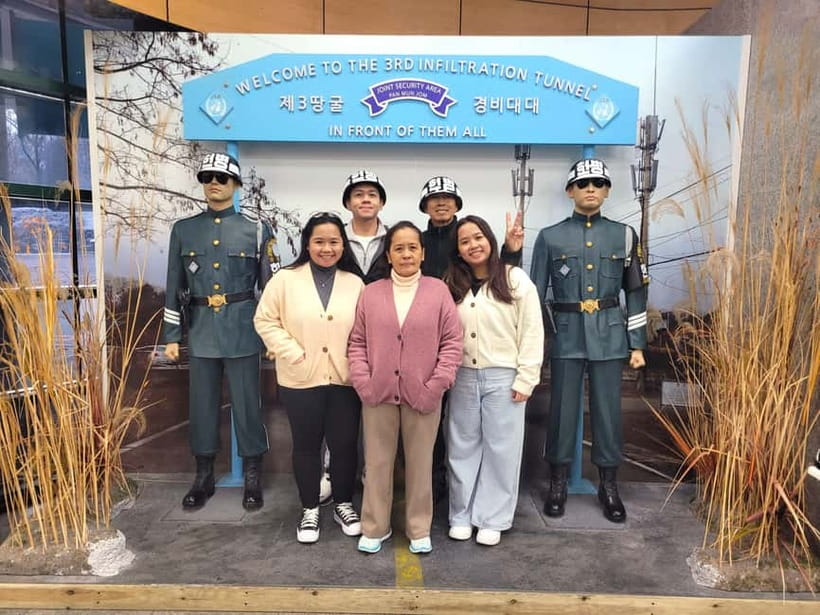
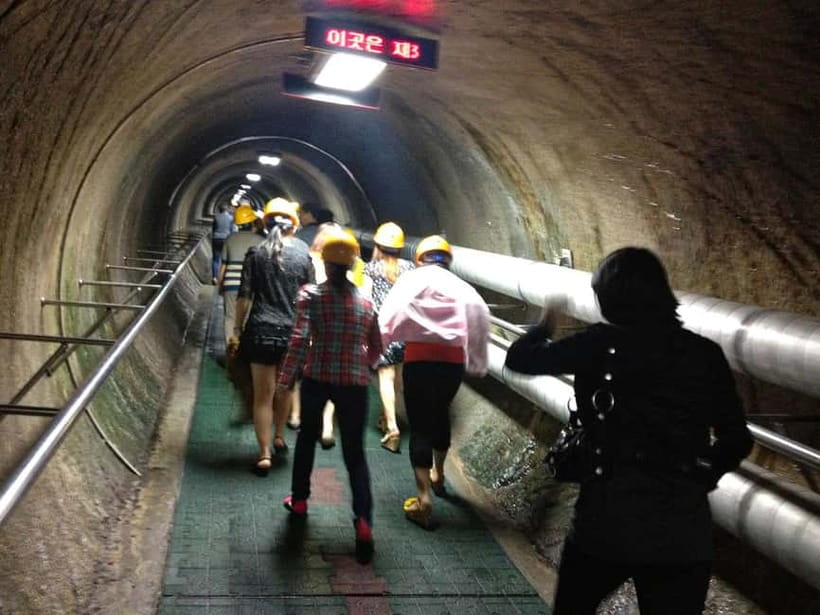
The Third Infiltration Tunnel is the most physical and memorable stop. North Korea dug the passage during the Cold War, and it was discovered in the 1970s. The tunnel extends for more than 1.6 kilometers and was intended to provide a covert route through the border area.
You put on a safety helmet and descend into a narrow, dim passage. The walk gives you a direct sense of how unpleasant and confined such a route would have been. It is not a polished museum display. The ceiling is low, the path is enclosed, and the experience can feel claustrophobic.
The stop lasts about two hours, including the visit and walking time. That does not mean you spend two full hours underground, but you should expect this to be a substantial part of the day. Wear comfortable shoes and clothing that allows easy movement. The tour is not stroller or wheelchair accessible, and the tunnel is not suitable for anyone who has difficulty with steep or confined walking.
I consider the tunnel the best reason to choose this tour over a basic border viewpoint excursion. You are not merely hearing that the peninsula was under threat. You are standing inside evidence of that threat.
There is one practical limitation. Access inside the DMZ can be controlled by security procedures and local transport schedules. A previous small group found that the official bus schedule between sites left too little time for every exhibit. A good guide can help you move efficiently, but you should not expect unlimited time at each display.
Looking north from Dora Observatory
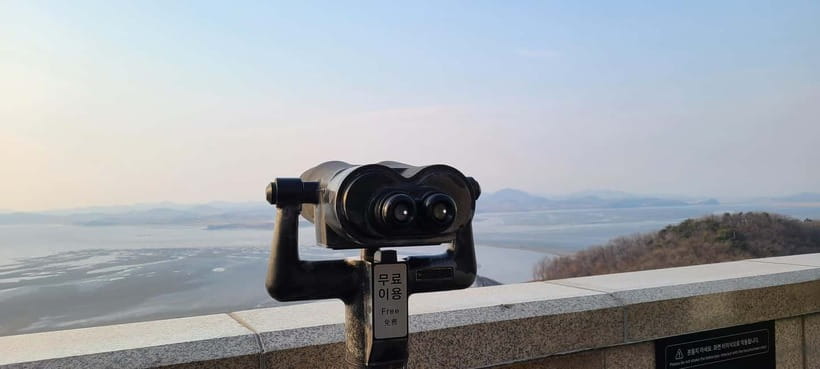
Dora Observatory sits at the highest point of the northern DMZ line and provides one of the few public places where you can look into North Korea through telescopes. You have about an hour here, including free time and sightseeing.
On a clear day, the telescopes may show North Korean border towns such as Kaesong, along with statues of Kim Il Sung. Visibility is the key variable. Weather can turn a dramatic view into a hazy outline, so keep your expectations flexible.
Even when the view is not sharp, the location matters. You are looking across a heavily guarded border at a country that is politically close yet physically difficult to enter. Your guide can help identify what you are seeing and explain why the view changes with weather and security conditions.
I would save space on your phone for photographs, but I would not make the observatory a simple photo stop. Take time to look through the telescope, then step back and consider the scale of the divide. The view is quiet, but the subject is not.
Transport, timing, and the $483 price
At $483 per person, this is an expensive day trip. Its value depends on what you want from a DMZ visit.
The price includes hotel pickup and drop-off, round-trip transportation, English or Chinese guiding, DMZ admission fees, and the Camp Greaves experience fee. You are paying for a full 10-hour day with several admission-based stops and private-group arrangements, not just a ride to the border.
Still, lunch, personal expenses, insurance, and the Peace Gondola are excluded. A couple or family should calculate the complete cost before booking. Children aged zero and above are charged the same adult rate, which can make the total especially high for families.
I see the value most clearly for first-time visitors who want logistics handled. The DMZ is a controlled area, and exact passport information is required for entry. Having a guide manage the route and explain the sites reduces the uncertainty of arranging the day yourself.
The return drive to Seoul takes about 90 minutes, though traffic may lengthen it. Drop-off options include central Seoul, Dongdaemun History and Culture Park Station Exit 10, Hongik University Station Exit 3, and Lotte Department Store Main Store. Confirm which option applies to your booking.
The transport has received perfect marks from all published ratings supplied for this experience. More useful than the number itself is the repeated emphasis on guides who keep small groups organized and answer questions clearly. Jae Seo, for example, was praised for helping a small group move efficiently and for allowing time to rest or stay longer at a stop when possible.
Who will enjoy this tour most
I recommend this experience to you if you want:
- A serious introduction to the Korean War and the continuing division of Korea
- A guide who can explain the meaning behind military sites
- A full day with hotel pickup rather than several separate bookings
- A chance to walk through the Third Infiltration Tunnel
- A small-group atmosphere when availability allows
- A combination of memorials, military remains, river views, and a North Korea lookout
I would hesitate if you want a relaxed sightseeing day with little walking. The tunnel is narrow, the schedule is long, and security or weather can force changes. The tour can also be canceled for security reasons, which is a normal risk for visits to this area.
Bring your passport and make sure every name and personal detail matches the passport exactly. Incorrect information can lead to denial of access to the DMZ. You should also confirm the cancellation deadline before paying, since the supplied booking details show both a 24-hour full-refund policy and a stricter deadline of 10 a.m. Korean time three days before travel.
Should you book the Paju DMZ tour?
I would book this tour if the Third Infiltration Tunnel and Camp Greaves appeal to you as much as the famous Dora Observatory. Those two stops give the day its character, while Imjingak and the observatory help you understand the emotional and political setting.
The price is difficult to call cheap, but it covers transport, admission, hotel service, and a full day of guiding. For a first DMZ visit, that convenience can be worth paying for, especially when a strong guide such as Julie, Jonathan, Jenny, Chuck Park, or Jae Seo is leading the group.
Skip it if you dislike confined spaces, cannot manage the tunnel walk, or want a flexible day with no security restrictions. For everyone else, this is a demanding but worthwhile way to see Korea’s divided border through places that make the history feel real.
FAQ
How long does the Seoul DMZ tour last?
The experience lasts about 10 hours, including the journey from Seoul, visits in the Paju DMZ area, and the return trip.
Is hotel pickup and drop-off included?
Yes. Hotel pickup and drop-off are included for hotels within central Seoul. You should be ready in the lobby at least 10 minutes before the scheduled pickup.
Which languages are available?
The tour provides live guiding in English and Chinese.
Is this a private tour?
Yes. The activity is described as a private group tour. Group size can vary by booking, and some English-language departures have been very small.
Do I need to bring my passport?
Yes. Every person on the tour, including children, must bring valid identification. The information must match the passport details provided at booking.
Is lunch included?
No. Meals are not included. You have free time for lunch in Paju and pay for your own food.
Is the Peace Gondola included?
No. The Peace Gondola is an optional activity and requires a separate ticket.
Is the tour suitable for wheelchair users or strollers?
No. The activity is not stroller or wheelchair accessible, and the Third Infiltration Tunnel includes a confined walk with a descent.
Recently added around Seoul
- Nami & Maple Road & Theatre des Lumieres Day Tour from Seoul★ 4.8 · 4 reviews
- Gyeongbokgung Palace Photo Session with your own phone★ 5.0 · 4 reviews
- Private Tour around Suwon UNESCO Fortress and Korea Folks Village★ 4.5 · 4 reviews
- N Seoul Tower + Namsan Cable Car Ticket (Collect in Myeongdong)★ 3.5 · 4 reviews
- Jisan Forest Resort: Ski Full-Day Tour or Shuttle from Seoul★ 5.0 · 4 reviews
- Seoul: Deoksugung Palace Night Tour★ 4.5 · 4 reviews
- Seoul Private Walking Tour with a Local★ 5.0 · 4 reviews
- Private Jeonju Hanok Village – Culinary tour★ 5.0 · 4 reviews
DMZ Tours, compared.
Best DMZ Tour Korea from Seoul (Red Suspension Bridge Optional)
Read the review →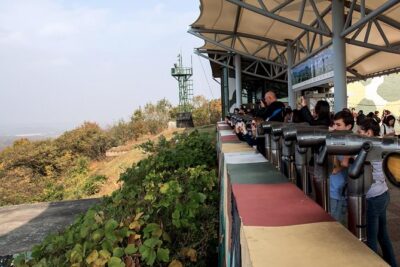
DMZ Tour: 3rd Tunnel, Option(Suspension Bridge, Boat) from Seoul
Read the review →
DMZ tour south Korea from Seoul (NK experience hall, defector)
Read the review →
DMZ Insider Tour: 3rd Tunnel, NK Defector Meet & Red Bridge
Read the review →
DMZ The 3rd Tunnel and Suspension Bridge Tour
Read the review →
Signature DMZ Tour: Exclusive Defector Talk & Suspension Bridge
Read the review →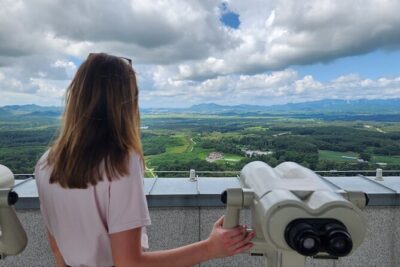
Thrilling Korean DMZ 3rd Tunnel Tour from Seoul + Red Bridge Rush
Read the review →Browse the lists this tour appears in