
Reviewed · SEOUL TOURS
Seoul History Tour: Dark Past & Market Street Flavors
Seoul’s past feels most powerful on this route, where Seodaemun Prison brings Korea’s fight for independence into sharp focus before the tour turns to warm noodles and sweet hotteok at Namdaemun Market. You move from cells and execution grounds to a royal palace and then into the ordinary food culture of modern Seoul.
I like the clear link between history and daily life, and I like that entrance fees, transportation, and market tastings are included. Guides Janice and Ron are noted for answering questions well and bringing personal energy to the history. The tradeoff is a moderate amount of walking, plus some emotionally heavy material at the prison.
Key points to know before booking
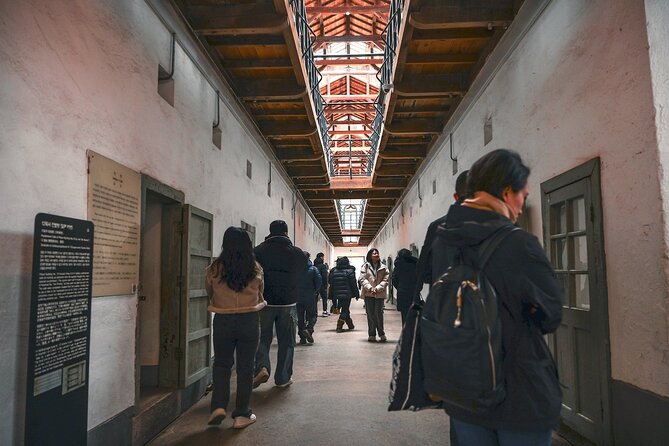
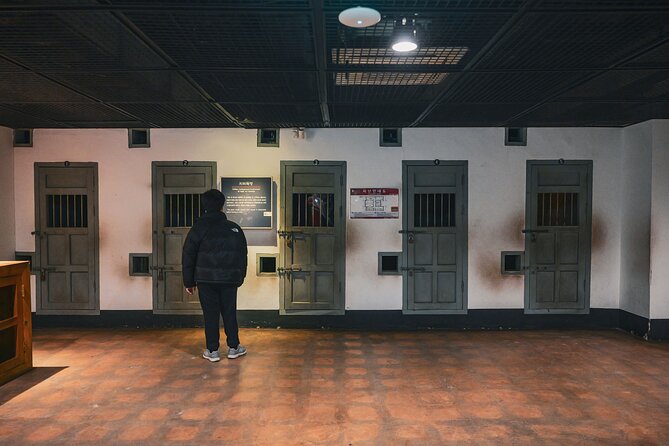
- Seodaemun Prison gives the tour its emotional weight: You see cells, execution grounds, and exhibits about Korean independence activists under Japanese rule.
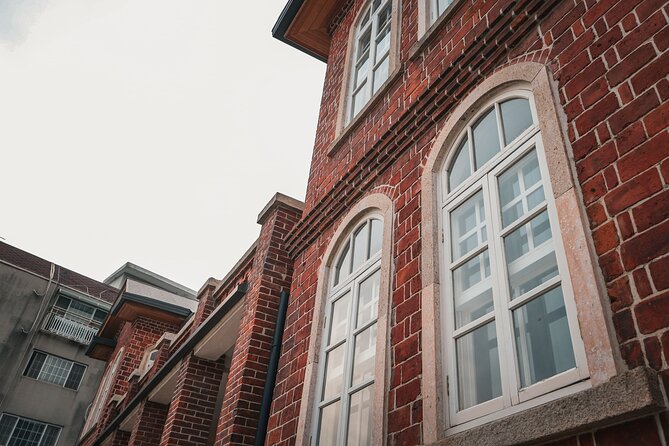
- Dilkusha adds an international angle: Albert Taylor’s former home shows how an American journalist helped share Korea’s cause beyond the peninsula.
- Deoksugung mixes royal Korean and Western design: The palace feels especially striking beside modern Seoul City Hall.
- Namdaemun provides the comfort food finish: A meal in Kalguksu Alley and street-food tastings bring you into the everyday rhythm of Seoul.
- The $65 price covers the main costs: Your guide, admissions, transport, and food tastings are included.
- Plan for a serious, walking-focused outing: Comfortable shoes matter, and the route can change from vehicle travel to walking if conditions require it.
Seodaemun Prison puts Korea’s past first
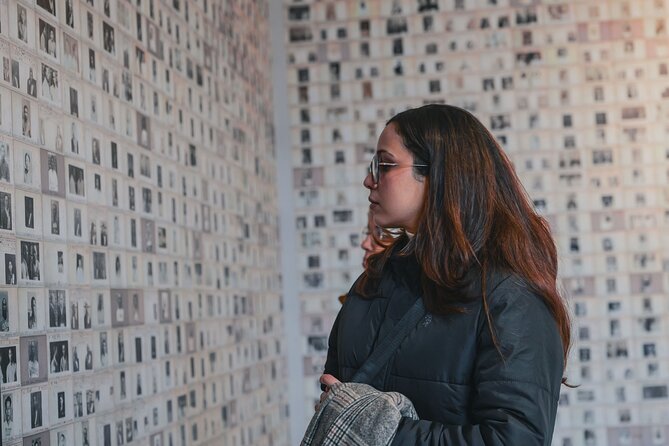
The tour begins at Dongnimmun, or Independence Gate, Station Exit 5. Look for the guide holding a Tripper sign. Starting here makes sense because the first major stop is Seodaemun Prison History Hall, where the story is not softened for easy sightseeing.
Inside, you walk through cells and areas connected with imprisonment and execution. The exhibits explain how Korean independence activists resisted Japanese colonial rule, and the guide fills in the human stories behind the buildings. You are not simply looking at old walls. You are being asked to consider what prison, surveillance, and punishment meant for people who challenged colonial power.
This section can be intense. The phrase dark past is accurate, and the experience may be emotionally tiring before the lighter food portion later in the day. If you prefer tours that stay cheerful from start to finish, this is worth knowing in advance.
I think the prison is the strongest reason to choose this route over a standard palace-and-market outing. Seoul has plenty of polished sights, but this stop gives you context for the political changes that shaped the country. It also helps explain why independence remains such an important part of Korean public memory.
The guide’s role matters here. You can expect historical explanation rather than a quick photo stop, with real-life accounts and background on Korea’s road to independence. Ron, one of the guides associated with this experience, is described as happy to answer questions about Korean culture and different periods of Korean history. Janice is also praised for her passion and storytelling.
More Historical Tours in Seoul
- Seoul: Evening Dark History, Folklore & Ghost Story Walking Tour
★ 5.0 · 593 reviews - Hanbok Photoshoot and History Tour at Gyeongbokgung Palace
★ 5.0 · 276 reviews - From Seoul: Dae Jang Geum Park Historic K-Drama Set Tour
★ 4.9 · 143 reviews
Dilkusha links Seoul to the outside world
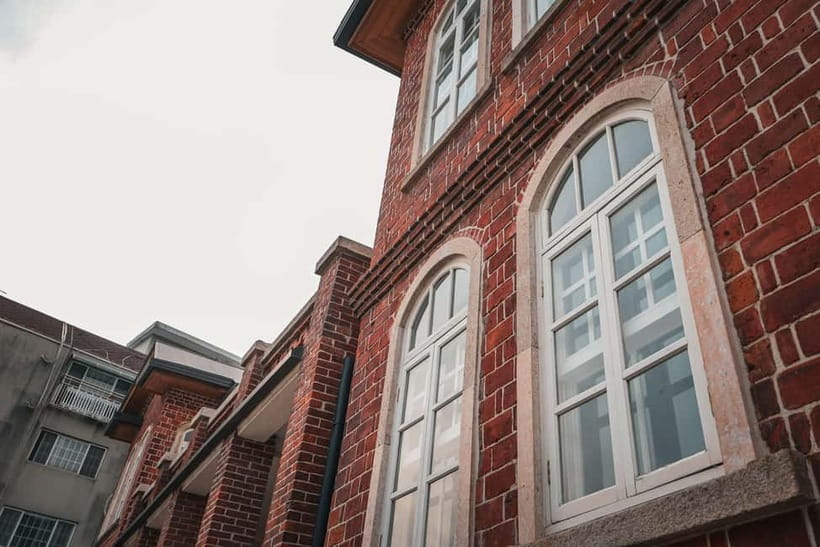
From the prison story, the tour moves to Dilkusha, the former home of Albert Taylor. Taylor was an American journalist who helped spread news of Korea’s independence movement internationally.
This stop adds a useful layer. Korea’s struggle was not only a local matter hidden behind colonial walls. International witnesses and supporters helped carry information to the wider world. Dilkusha gives that idea a physical setting, showing how one home became connected with resistance and resilience.
The house also offers a change of pace after Seodaemun Prison. You continue thinking about politics and colonial rule, but the setting is domestic rather than institutional. That shift helps you see history through people’s homes, work, and relationships, not only through official monuments.
The information provided does not specify how long you spend inside Dilkusha or the full interior route, so you should think of it as one part of a larger historical walk rather than a long standalone house tour. Its value comes from the connection it makes between Seoul and the international press.
Deoksugung Palace shows a royal court in transition
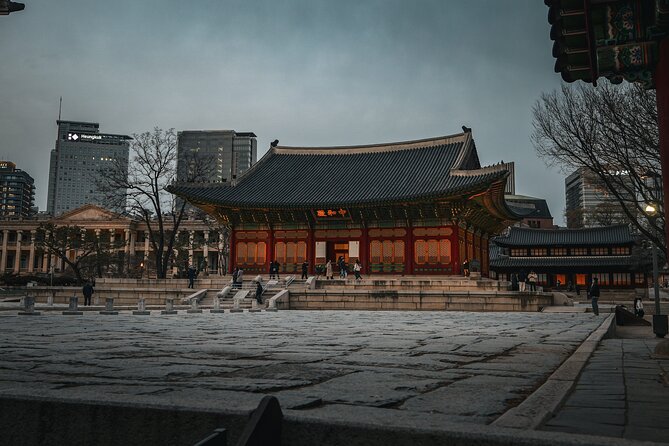
Deoksugung Palace brings you into a different chapter. This royal compound is known for its mix of Korean and Western architecture, a contrast that feels especially clear in the middle of the modern city.
The palace is tied to Emperor Gojong, Korea’s last emperor. He used the grounds as a refuge and considered ways to modernize Korea during a period of intense foreign pressure. The tour uses the palace to show a country caught between older royal traditions and a rapidly changing world.
I like this stop because it avoids presenting Korean history as a simple line from ancient palace to modern skyscraper. Deoksugung reflects a period of uncertainty, adaptation, and political pressure. Its buildings help you see modernization as a complicated process rather than a tidy success story.
The view toward Seoul City Hall is one of the route’s best contrasts. Traditional palace buildings sit beside a modern civic center, making Korea’s political transformation visible in a single glance. The setting also gives the tour a needed visual break after the darker prison material.
You should not expect a quiet palace visit far from city life. Deoksugung is part of central Seoul, and the modern surroundings are part of its appeal. The palace works best here as a place of historical comparison, not as an isolated royal retreat.
City Hall and Sungnyemun connect old Seoul to new Seoul
The route passes Seoul City Hall, a symbol of Korea’s change from colonial rule to a modern democracy. The tour does not treat the building as a separate museum visit, but the stop helps connect the earlier sites with present-day Seoul.
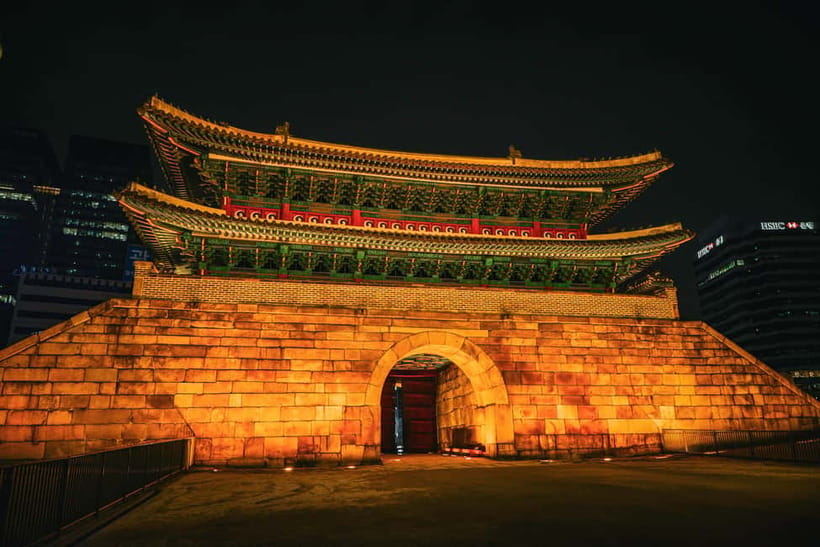
You then see Sungnyemun Gate, also called Namdaemun. This 600-year-old national treasure served as the southern entrance to Seoul during the Joseon Dynasty. Its location near traffic, offices, and the market makes the city’s layers easy to read.
A quick look at the gate can be more meaningful after Deoksugung. You have already considered royal authority, foreign influence, and political change. Sungnyemun brings you back to an older urban Seoul, while the surrounding streets show how much the capital has changed.
The route’s strength is its sequence. Each place adds a piece: oppression at Seodaemun, international reporting at Dilkusha, royal uncertainty at Deoksugung, civic change near City Hall, and Joseon-era identity at Sungnyemun. The sights are not random stops collected for convenience.
More Market Tours in Seoul:
- Seoul Street Food Market Tour
★ 5.0 · 1,226 reviews - Local Home Korean Cooking Class & Market Adventure in Seoul
★ 5.0 · 1,024 reviews - Seoul: Night Market Food Tour with Local Guide
★ 4.9 · 943 reviews - Downtown Seoul Guided Food & Market Tour with 8+ Local Tastings
★ 5.0 · 580 reviews
Namdaemun Market ends the tour with comfort food
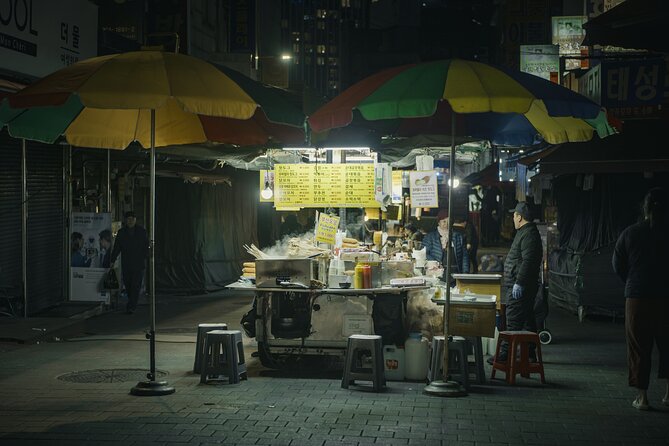
Namdaemun Market is one of Seoul’s oldest and largest traditional markets, with vendors selling goods in the area for more than 600 years. Here, the tone shifts from formal sites and difficult memories to the practical pleasures of eating.
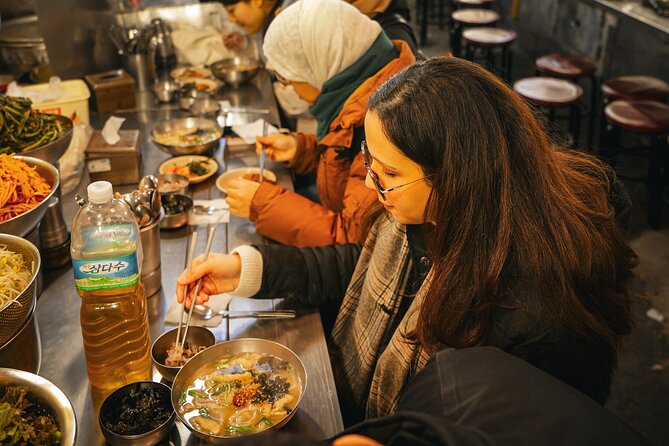
The food portion centers on Kalguksu Alley, where small stalls serve steaming bowls of handmade knife-cut noodles. Kalguksu is exactly the kind of meal that suits this tour’s ending: warm, direct, filling, and tied to ordinary city life.
You also taste street foods such as hotteok, a sweet Korean pancake. Food tastings are included, along with a meal at the noodle alley, so you are not left to guess what to order or how the market’s food lanes work.
This is more useful than simply being handed a snack at a tourist stop. A guide can point you toward the market’s established food areas and explain how they fit into Seoul’s daily routine. The stalls are close, active, and informal, so expect a practical market meal rather than a polished restaurant service.
The food portion is also a good reason to book this tour if you want history without spending the entire outing inside museums. You get a real change in mood and setting. After the prison and palace, sitting with a hot bowl of noodles gives the day a human finish.
Still, the market may feel crowded and fast-moving. Small stalls are not designed for lingering comfort, and food preferences may limit what you want to try. The included tastings are a benefit, but you may want extra money for anything beyond them.
What the $65 price really covers
At $65 per person, this tour is priced as a full guided outing rather than a single attraction visit. The cost includes an English-speaking professional guide, entrance fees, transportation, and food tastings at Namdaemun Market.
That package matters because the route combines several parts of Seoul that would otherwise require separate planning. You get admission to the historical sites, movement between stops, and help finding the market food alleys. The value is strongest if you want history explained instead of simply photographed.
The price is less compelling if you only want to see Deoksugung Palace or grab market food on your own. Seoul’s public transport makes independent sightseeing possible, and the market itself does not require a tour booking. You are paying mainly for the historical connections, the guide’s interpretation, and the convenience of combining distant-feeling themes in one route.
The small-group format should also make it easier to ask about Korean history, food, and culture. There is no stated group-size limit in the information provided, so I would not assume a very tiny private group. Still, the tour is designed to be more personal than a large coach excursion.
Walking, weather, and practical comfort
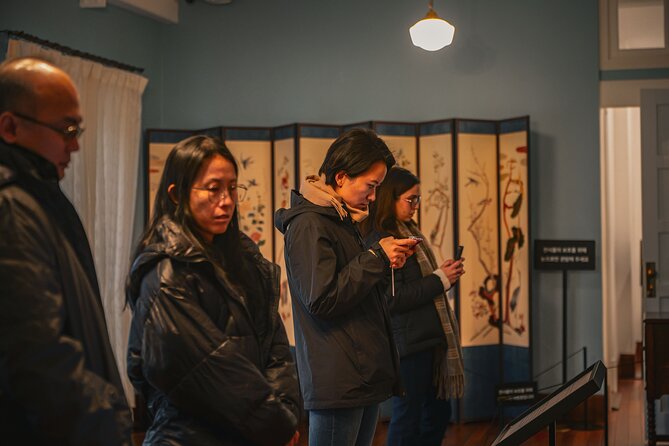
Wear comfortable shoes. This is not a sit-down sightseeing activity, and the route involves a moderate amount of walking through historical sites, city streets, and the market.
The vehicle route can change to a walking route depending on conditions at the time. That flexibility may help keep the tour running, but it also means you should be ready for more time on foot than expected.
The tour operates in rain or snow unless the weather makes the outing impossible. Bring clothing suited to the forecast, since you will move between outdoor streets and indoor historical spaces. The operator sends tour information through WhatsApp one to two days before the activity, so provide a number that can receive WhatsApp messages.
The tour starts and ends at Dongnimmun Station, Exit 5. Returning to the meeting point is useful if you have evening plans nearby, but it means the experience does not finish at Namdaemun Market. Plan your onward route from the starting station after the tour ends.
The outing is not suitable for wheelchair users, and the information also lists people with altitude sickness as unsuitable participants. No altitude-heavy mountain route is described, but the stated restriction should still be taken seriously when deciding if the tour fits your needs.
Who will get the most from this Seoul tour
I would choose this experience if you want modern Korean history explained in place, rather than treated as a short note between palace photographs. It suits first-time visitors who want a strong framework for understanding Seoul’s colonial period, independence movement, royal transition, and current civic identity.
It also works well for people who plan trips around food. The market meal is not an afterthought. Kalguksu Alley and hotteok give the tour a local, ordinary side that balances the formal history stops.
The tour may suit families with older children and teenagers, provided they are comfortable with serious material at Seodaemun Prison. It is also a good choice for solo visitors who want a guide to handle the route and introduce them to market food.
I would hesitate to book it for someone seeking a relaxed palace stroll, a short activity, or a food-only tour. The prison visit can be heavy, and the amount of walking requires reasonable fitness. You should also be comfortable with an itinerary that may adjust its transport plan on site.
Should you book Seoul History Tour: Dark Past & Market Street Flavors?
Book it if you want Seoul’s major themes tied together: colonial oppression, independence, international support, royal modernization, civic change, and market life. The strongest parts are Seodaemun Prison for historical force, Deoksugung for its old-and-new contrast, and Namdaemun for a warm bowl of noodles and familiar street food.
At $65, the tour offers fair value for an English-speaking guide, admissions, transport, and tastings. Janice and Ron are both associated with warm, engaging guiding, and their ability to answer questions can make the difference between seeing sites and understanding them.
Skip it if you want minimal walking, a lighthearted day, or complete control over your meals and schedule. For everyone else, this is a thoughtful way to meet Seoul through both its painful memories and its everyday comforts.
FAQ
Where does the tour start?
The tour starts at Dongnimmun, also called Independence Gate, Station Exit 5.
Where does the tour end?
The activity ends back at the starting meeting point.
How do I identify the guide?
Look for the guide holding a Tripper sign.
What language is the tour offered in?
The tour is offered in English.
Is transportation included?
Yes. Transportation costs are included, although the vehicle route may change to a walking route depending on on-site conditions.
Are entrance fees included?
Yes. All entrance fees are included in the price.
Is food included?
Yes. Food tastings at Namdaemun Market are included, along with a meal at Kalguksu Alley featuring handmade knife-cut noodles.
What should I bring?
Bring comfortable shoes because the tour involves a moderate amount of walking.
Does the tour operate in bad weather?
Yes. The tour operates as scheduled in rain or snow unless the weather makes it completely impossible to proceed.
Can I cancel for a full refund?
You can cancel up to 24 hours in advance for a full refund.
More shopping trips in Seoul
- Private DMZ Tour (No Shopping): 3rd Tunnel & Suspension Bridge
★ 5.0 · 607 reviews - Seoul: Korean Cooking Class at a Local Home and Market Tour
★ 5.0 · 348 reviews - Seoul: Guided Food & Market Tour with 8+ Tastings
★ 4.9 · 342 reviews - Seoul Night Palace & Market Food Tour with Vehicle
★ 5.0 · 275 reviews
Recently added around Seoul
- Nami & Maple Road & Theatre des Lumieres Day Tour from Seoul★ 4.8 · 4 reviews
- Gyeongbokgung Palace Photo Session with your own phone★ 5.0 · 4 reviews
- Private Tour around Suwon UNESCO Fortress and Korea Folks Village★ 4.5 · 4 reviews
- Jisan Forest Resort: Ski Full-Day Tour or Shuttle from Seoul★ 5.0 · 4 reviews
- N Seoul Tower + Namsan Cable Car Ticket (Collect in Myeongdong)★ 3.5 · 4 reviews
- Seoul: Deoksugung Palace Night Tour★ 4.5 · 4 reviews
- Seoul Private Walking Tour with a Local★ 5.0 · 4 reviews
- Private Jeonju Hanok Village – Culinary tour★ 5.0 · 4 reviews
Seoul Tours, compared.
Best DMZ Tour Korea from Seoul (Red Suspension Bridge Optional)
Read the review →
DMZ Tour: 3rd Tunnel, Option(Suspension Bridge, Boat) from Seoul
Read the review →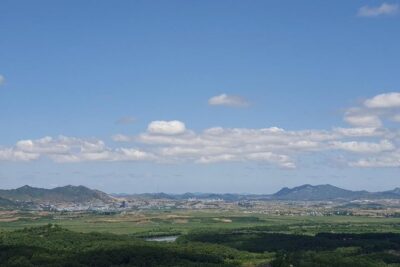
DMZ tour south Korea from Seoul (NK experience hall, defector)
Read the review →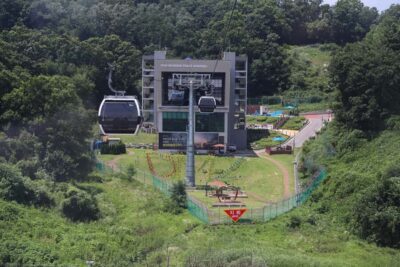
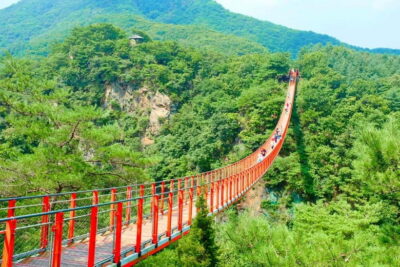
DMZ The 3rd Tunnel and Suspension Bridge Tour
Read the review →
Signature DMZ Tour: Exclusive Defector Talk & Suspension Bridge
Read the review →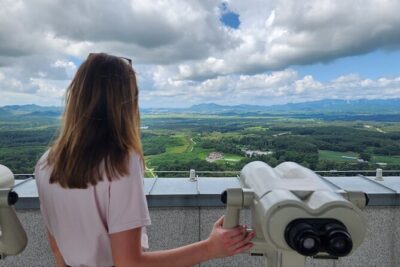
Thrilling Korean DMZ 3rd Tunnel Tour from Seoul + Red Bridge Rush
Read the review →
DMZ Past and Present: Korean Demilitarized Zone Tour from Seoul
Read the review →Browse the lists this tour appears in