Reviewed · SEOUL TOURS
Seoul Film Camera Club
Hongdae looks different through a film camera. Instead of firing off endless phone pictures, you get 36 careful chances to notice narrow lanes, Korean houses, cafe fronts, street art, and the small details that make this part of Seoul tick. Guide Kinam supplies the camera, explains the basics, and leads you through the area.
I like two things right away: the tiny group size, limited to four people, and the fact that the club handles development and scanning after the walk. The main consideration is that you do not see the photos at once, and 36 shots can disappear quickly if you press the shutter without thinking.
Key points at a glance
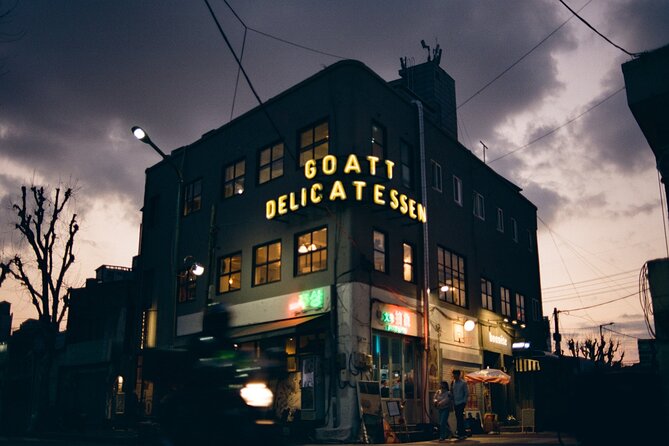
- A 36-shot Kodak roll: You have a clear limit, which makes each photograph count.
- An automatic Canon film camera: You can focus on framing rather than wrestling with manual settings.
- Kinam’s local eye: The walk includes neighborhood background, restaurant suggestions, and simple photography lessons.
- Maze Road in Yeonnam-dong: The route takes you beyond Hongdae’s main nightlife streets into quieter lanes and local scenes.
- Developing and scanning included: You receive a download link after the film has been processed.
- A four-person maximum: The small group suits beginners who want time to ask questions and take pictures.
Why film changes a walk through Hongdae
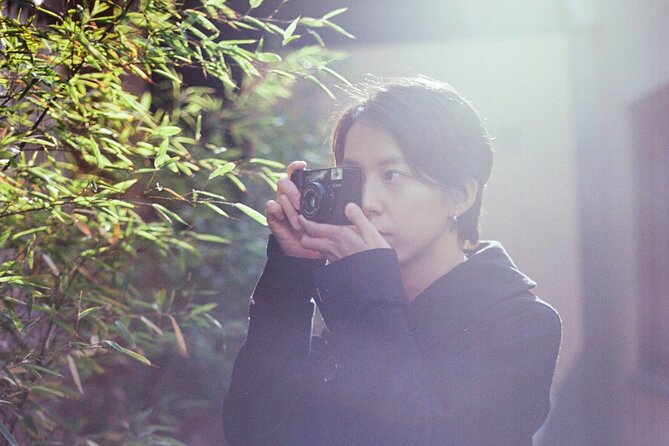
Hongdae is known for youth culture, music, shopping, cafes, and late-night energy. That can make it tempting to rush from one colorful sign to the next. Film slows you down. You have only one roll, so you start looking for a clean frame rather than collecting a blur of quick snapshots.
That limit is the heart of the experience. With a phone, you can take fifty pictures of the same doorway and decide later. With film, you need to check the light, decide what belongs in the frame, and accept that the result will remain unknown until the roll is developed. It gives a simple walk a little purpose.
The automatic Canon keeps the technical side manageable. You are not expected to arrive knowing aperture, shutter speed, or film loading. Kinam begins with the basics, making this suitable if you have never used a film camera before or have not touched one since childhood.
Still, film has its limits. You cannot correct a poorly framed picture on the spot, and you may end the walk with fewer successful images than you hoped. I see that as part of the appeal, but anyone seeking instant, polished photos should stick with a digital camera or phone.
A few more Seoul half-days to weigh up
- Best DMZ Tour Korea from Seoul (Red Suspension Bridge Optional)
★ 5.0 · 41,422 reviews - DMZ Tour: 3rd Tunnel, Option(Suspension Bridge, Boat) from Seoul
★ 5.0 · 21,373 reviews - DMZ tour south Korea from Seoul (NK experience hall, defector)
★ 5.0 · 20,599 reviews
Meeting Kinam at Hongik University Station
The meeting point is Exit 3 of Hongik University subway station. This is a practical place to begin because it puts you directly beside one of Seoul’s best-known entertainment districts. The activity lasts three hours and returns to the starting area at the end.
The group is capped at four participants, with an English-speaking guide. That matters here. A film lesson can become hurried in a large crowd, while a small group gives Kinam room to explain the camera, answer basic questions, and point out details without turning the walk into a lecture.
You will want to arrive ready to walk. The route uses Hongdae streets and the lanes of Yeonnam-dong, so comfortable shoes make sense. Meals and drinks are not included, but the area has plenty of places to eat, and food recommendations are one of the useful extras Kinam provides during the walk.
Learning the Canon camera before the first shot
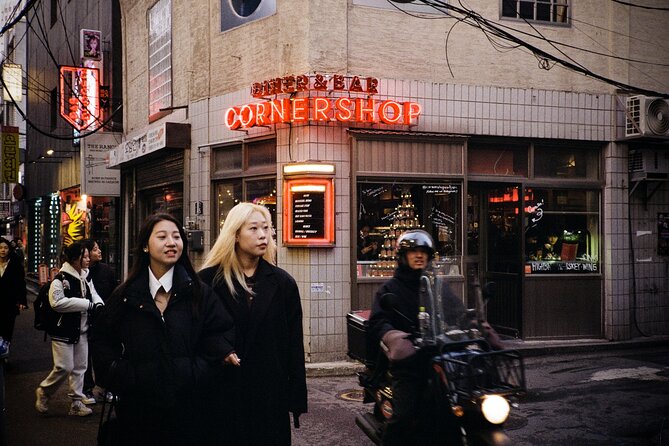
The first part is not simply a camera handoff. Kinam takes you through the basics of using the automatic Canon and helps you understand how film photography differs from taking pictures on a phone. That introduction is especially useful for beginners who may feel nervous about wasting a shot.
The camera is automatic, so you can give your attention to composition. Look at the edges of the frame. Notice bright signs, dark alleys, people crossing a street, and the way traditional Korean houses sit beside newer cafes. The camera handles much of the mechanics, but you still make the important choices.
You receive one roll of Kodak film with 36 exposures. There is no spare roll included in the stated price. If you tend to take photographs quickly, try setting yourself a small rule: take a moment before each shot and ask what first caught your eye.
That approach also helps you get more varied results. Use some frames for wider street scenes, some for architectural details, and some for the textures and signs that give Hongdae its character. You might also save a few shots for the final part of the walk, when you have settled into the camera.
Walking Hongdae and Yeonnam-dong
The route takes you through Hongdae Street and the famous Maze Road area in Yeonnam-dong. The value is not just reaching a list of photo stops. Kinam explains the neighborhood as you walk, giving the pictures a local setting instead of leaving you to photograph unfamiliar streets without context.
Hongdae can feel loud and crowded in its best-known zones, yet nearby Yeonnam-dong offers a different rhythm. The route includes narrow streets, funky cafes, and Korean-style houses, creating a useful mix of old and new. Those contrasts give you more to photograph than a string of neon storefronts.
I like this balance. If you only visit Hongdae’s main road, you may come away with the same kind of images found in every quick city guide. Moving into side streets lets you notice doorways, walls, rooflines, cafe windows, and ordinary corners that better show how the neighborhood works.
The walk also gives you a chance to stop for explanations. Kinam has a strong interest in film photography and ties the area’s past to what you see now. You are not just being led from one attractive wall to another. You are learning why the neighborhood feels the way it does.
Do not expect a formal museum-style history tour. The stated focus is photography and a walk through Hongdae, with neighborhood background along the way. If you want a long, detailed account of Seoul’s political or architectural past, this is not the right format. If you want local context while making pictures, it fits well.
A different way to spend a day from here:
- Seoul: DMZ Tour with Optional Suspension Bridge
★ 4.8 · 5,277 reviews - Seoul: DMZ The 3rd Tunnel and Suspension Bridge Tour
★ 5.0 · 4,656 reviews - Signature DMZ Tour: Exclusive Defector Talk & Suspension Bridge
★ 5.0 · 4,459 reviews - Incheon Airport: Traveler SIM & T-money Transportation Card
★ 4.7 · 3,332 reviews
Finding the best subjects with only 36 frames
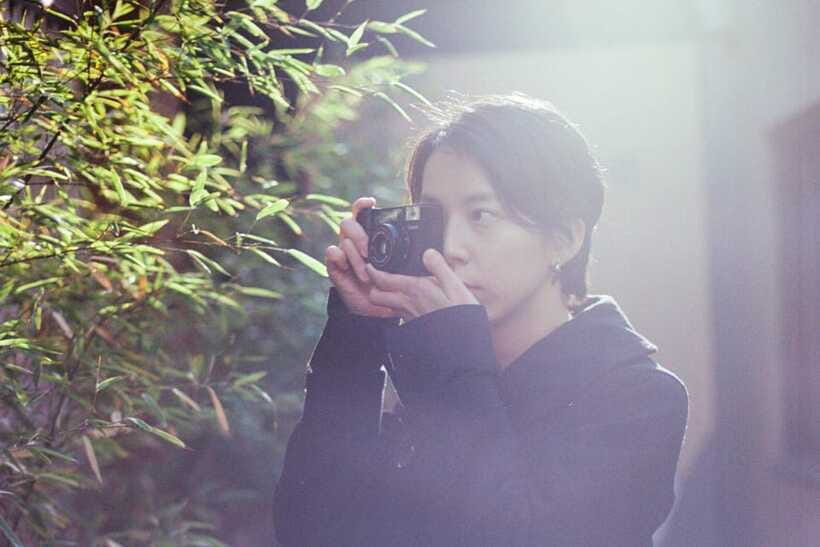
The most useful lesson here is selective attention. Film encourages you to ask whether a scene is worth one of your limited exposures. That sounds small, but it can change how you move through a familiar tourist district.
Try looking for three kinds of images:
- A broad view that shows the shape and feel of the street.
- A medium scene, such as a cafe entrance, house facade, or alley.
- A close detail, such as a sign, texture, plant, doorway, or piece of street decoration.
This is not a technical requirement, just a helpful way to avoid using the entire roll on similar pictures. Kinam can help with the basics, but you still decide what deserves the frame.
The automatic camera is a good match for this outing because the experience is not built around advanced photography. You can learn a few simple habits, such as checking the background and watching for strong light, without getting bogged down in camera theory.
Film also rewards patience. If someone walks through your frame, you may wait for the next moment. If a lane looks flat in dull light, you may shift your position. That pause is where the activity becomes more than a standard neighborhood walk.
What makes the four-person format worthwhile
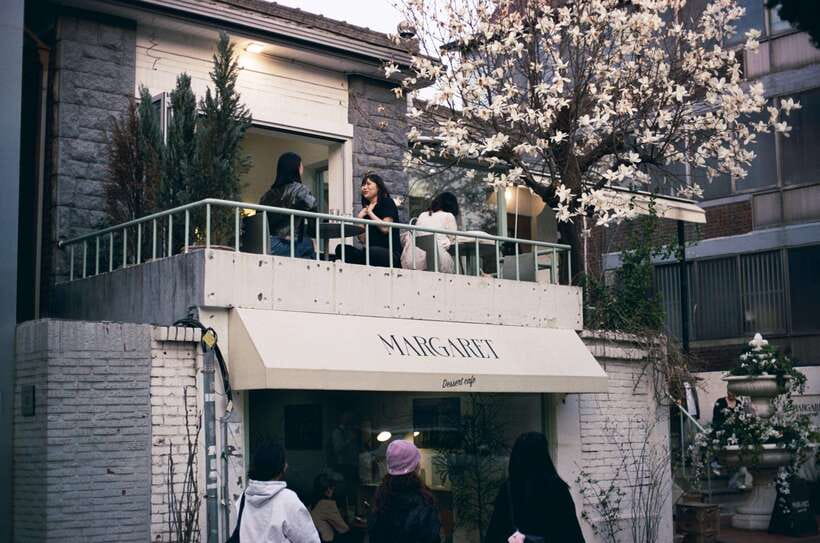
A four-person maximum is one of the strongest practical features. Kinam can spend time with each participant, and the group can stop without blocking a large section of pavement. That creates a calmer pace for people who are still learning how to hold and use the camera.
The small format is also useful if your interests differ. One person may want to photograph cafes, another may prefer houses or street scenes. With a large group, the guide would have to keep everyone moving. With four or fewer people, there is more room for individual questions and suggestions.
The tradeoff is that small-group activities often feel less anonymous. If you prefer to wander alone, set your own pace, and avoid conversation, this may feel too guided. The point is to walk with Kinam, learn from him, and share the experience with a few other people.
The English-language format makes the instructions accessible to international visitors. The available information lists English as the tour language, so you should not expect instruction in another language as part of the standard activity.
Developing the film after the walk
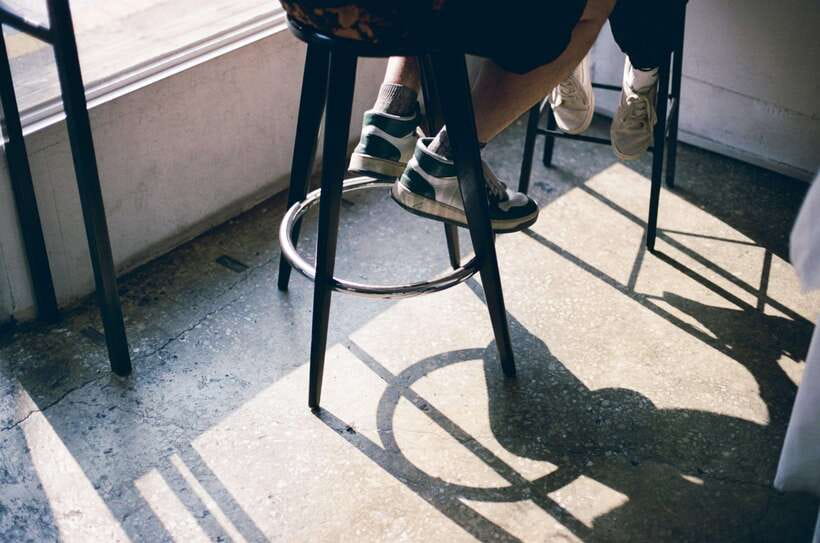
At the end, the Seoul Film Camera Club develops the roll, scans the images, and sends you a download link. This is a major part of the value. You do not need to find a Seoul photo lab, explain what you want, or carry an undeveloped roll home.
The process also gives the outing a delayed ending. You finish the walk knowing that the photos are not yet available. Later, when the scan arrives, you can see which frames worked and which ones captured something unexpected. That delay is part of the film experience, though the supplied details do not state exactly how long delivery takes.
The scans make the pictures easy to use after your trip. You can save them, share them, or keep them as a visual record of your time in Hongdae. They may not all be perfect, and that is worth accepting before you book. Film has charm partly because it preserves mistakes along with the good frames.
For a trip memento, this is more personal than buying a souvenir in a shop. You made the images yourself, and the walk gave you a reason to notice the neighborhood closely. The result is not only a set of pictures, but also a record of how you spent three hours in Seoul.
Price and value at $55 per person

At $55 per person, the cost covers a three-hour guided walk, an automatic Canon film camera, one 36-shot Kodak roll, film development, and scanning. You are paying for both the equipment and the local guidance, not merely for access to Hongdae.
The price makes the most sense if you would otherwise need to rent a camera and pay separately for film processing. It also saves you the trouble of finding a lab after the activity. For someone already carrying a good camera and planning to explore Hongdae alone, the value is less obvious.
The included roll is important. Film, processing, and scans are not free extras, and the activity bundles them into one booking. You should think of the price as a short creative workshop and neighborhood walk with a finished digital result.
Restaurant suggestions add practical value, especially if Hongdae is new to you. Kinam points out places to eat during the walk, but meals and drinks remain your own expense. Plan to pay separately if you want to stop for food.
Who should book this experience
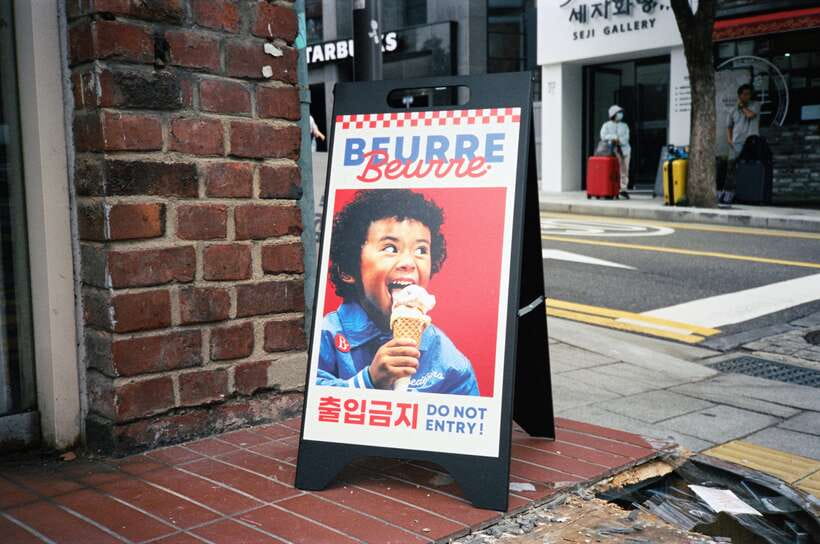
I would recommend it most strongly to beginners, casual photographers, and anyone who wants a slower way to see Hongdae. You do not need a film background. Kinam’s introduction is designed to make the camera understandable, and the automatic model keeps the learning curve modest.
It also suits repeat visitors who have already seen the main shopping and nightlife streets. The route through Yeonnam-dong, with its alleys, cafes, and Korean-style houses, can help you look at the district from a less obvious angle.
Couples and friends may enjoy the shared challenge of deciding which 36 moments deserve a photograph. Solo visitors can also benefit from the company of a local guide, especially if they want neighborhood suggestions along with picture-taking.
I would hesitate to recommend it if you need instant images, dislike guided walks, or want advanced instruction in manual photography. The camera is automatic, the film supply is limited, and the photos arrive later rather than during the activity.
The activity has a perfect 5 rating from the five supplied bookings, with repeated praise for Kinam’s patience, kindness, local knowledge, photography guidance, and food suggestions. Those comments point to the experience’s real strength: the human side of the walk, not just the camera included in the price.
Booking details worth knowing
You can cancel up to 24 hours before the activity for a full refund. The reserve-now, pay-later option lets you hold a place without paying immediately, which is useful when your Seoul schedule is still shifting.
Starting times vary, so check availability for the date you want. The duration is three hours, and the stated group limit is four participants. The meeting point is Exit 3 of Hongik University subway station, with the route returning there after the walk.
The activity does not include meals or drinks. Since food recommendations are part of the guide’s local help, you may want to keep the rest of the day flexible for a cafe or restaurant nearby, but any purchase is separate.
Should you book the Seoul Film Camera Club?
Book it if you want to see Hongdae with more care than a quick phone walk allows. The included Kodak roll, automatic Canon, developing, and scans give you a complete activity, while Kinam’s neighborhood explanations add useful local color.
The main question is not whether you can use a film camera. It is whether you like the idea of slowing down and accepting a few imperfect pictures. If that sounds appealing, $55 is a fair price for a small-group creative outing and a personal set of Seoul photographs.
Skip it if you need instant results or prefer a self-guided stroll. For everyone else, this is a thoughtful way to spend three hours in Hongdae, with a delayed photo surprise waiting after you leave Seoul.
FAQ
Where does the Seoul Film Camera Club experience begin?
Meet at Exit 3 of Hongik University subway station in Seoul.
How long does the activity last?
The experience lasts three hours and returns to the starting area at the end.
What camera and film are provided?
You receive an automatic Canon film camera and one roll of Kodak film with 36 shots.
Are film development and scans included?
Yes. The club develops the film, scans the photos, and sends you a download link.
Is the tour conducted in English?
Yes. The live guide language is English.
How many people can join the group?
The activity is limited to four participants, making it a small-group experience.
Recently added around Seoul
- Nami & Maple Road & Theatre des Lumieres Day Tour from Seoul★ 4.8 · 4 reviews
- Gyeongbokgung Palace Photo Session with your own phone★ 5.0 · 4 reviews
- Private Tour around Suwon UNESCO Fortress and Korea Folks Village★ 4.5 · 4 reviews
- Jisan Forest Resort: Ski Full-Day Tour or Shuttle from Seoul★ 5.0 · 4 reviews
- N Seoul Tower + Namsan Cable Car Ticket (Collect in Myeongdong)★ 3.5 · 4 reviews
- Seoul: Deoksugung Palace Night Tour★ 4.5 · 4 reviews
- Private Jeonju Hanok Village – Culinary tour★ 5.0 · 4 reviews
- Seoul Private Walking Tour with a Local★ 5.0 · 4 reviews
Seoul Tours, compared.
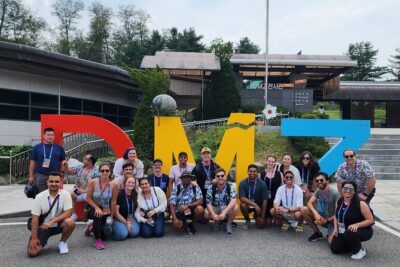
Best DMZ Tour Korea from Seoul (Red Suspension Bridge Optional)
Read the review →
DMZ Tour: 3rd Tunnel, Option(Suspension Bridge, Boat) from Seoul
Read the review →
DMZ tour south Korea from Seoul (NK experience hall, defector)
Read the review →
DMZ The 3rd Tunnel and Suspension Bridge Tour
Read the review →
Signature DMZ Tour: Exclusive Defector Talk & Suspension Bridge
Read the review →
Thrilling Korean DMZ 3rd Tunnel Tour from Seoul + Red Bridge Rush
Read the review →