
Reviewed · GANGNAM TOURS
Seoul: Gangnam Tour on Youth and Society in South Korea
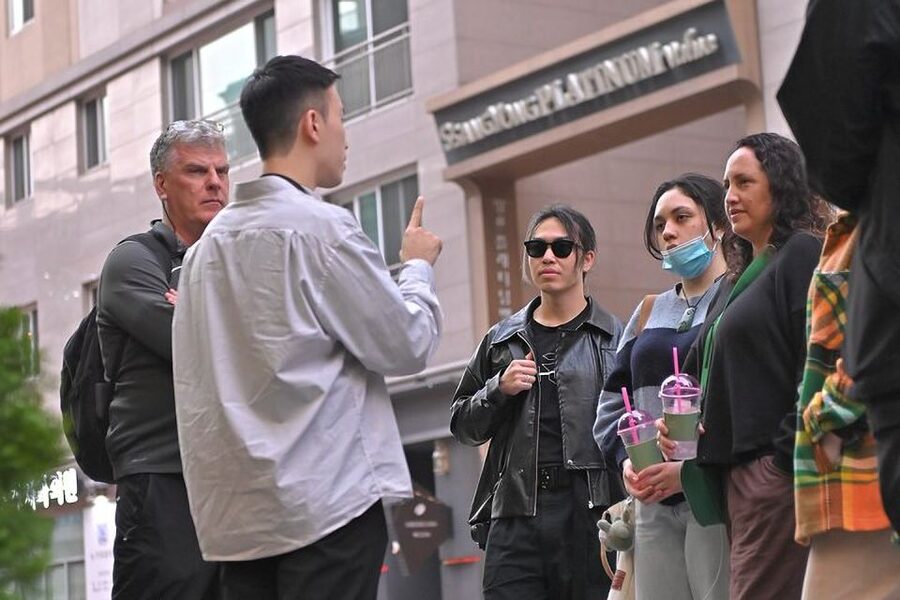
Gangnam is more than designer shops, giant beauty ads, and the pop song that put the district on the world map. This 150-minute walking tour uses Gangnam’s streets to explain the pressure behind South Korea’s economic success, from school competition and housing costs to appearance, work, dating, and family life.
I like the way the tour links ordinary street signs and clinics to larger social questions, rather than treating Gangnam as a glossy shopping zone. I also like the guides’ personal perspective. Jessica and June are praised for clear English, humor, and the ability to explain Korean life from both local and overseas viewpoints.
The subject can be heavy. Suicide, low birth rates, beauty pressure, and what some Koreans call Korean hell are not light sightseeing topics. The walk is generally easy, but summer heat, winter cold, and the final stretch toward the Han River require sensible shoes, water, and a willingness to think as well as look.
Key Points

- Gangnam Station to the Han River: Follow a carefully chosen route through one of Seoul’s wealthiest districts before finishing near the river.
- Beauty culture in plain sight: Beauty clinics, cosmetic advertising, and luxury brands become clues to Korean appearance standards and social pressure.
- School pressure explained: Learn how education affects children, parents, careers, housing choices, and family expectations.
- Personal and historical context: Guides such as Jessica and June connect today’s social rules with Korea’s rapid economic development and older traditions.
- A strong English-language presentation: The guides use stories, humor, and time for questions rather than giving a dry lecture.
- Good value for curious visitors: At $33, the tour costs less than many standard sightseeing activities and offers context you cannot get from looking at monuments alone.
Why Gangnam Is the Right Classroom
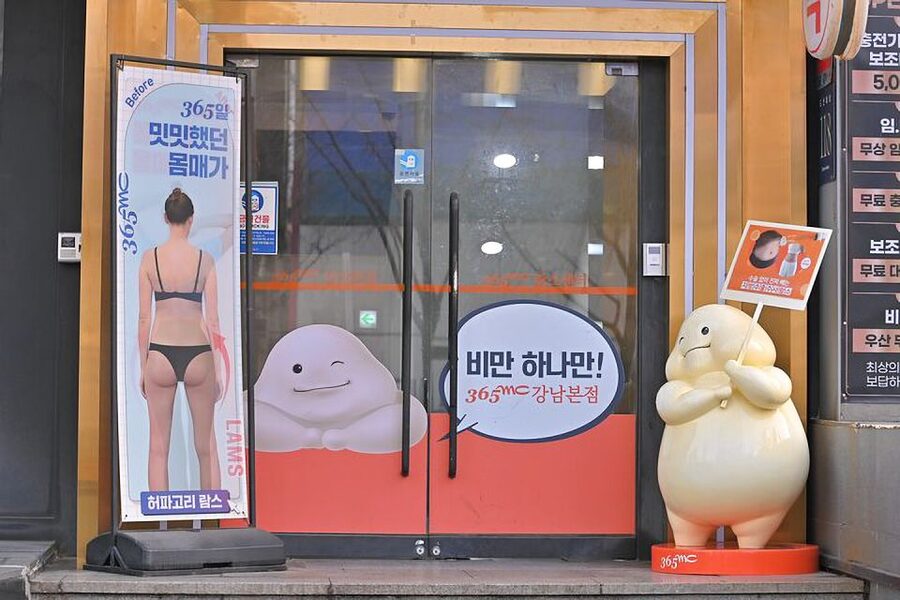
Gangnam is an effective place to talk about modern Korea because the district puts success on display. High-rise buildings, luxury labels, beauty services, office towers, and constant advertising create a public picture of what a successful life should look like.
The tour does not simply point out expensive buildings. It asks why so many people want to live here, why certain jobs and schools carry so much weight, and how prosperity can bring new strains. You see the symbols first, then the guide explains what they mean to people trying to keep up.
That approach gives the walk a useful rhythm. You move through normal city streets, stop to look at the built environment, and then hear the social story behind it. Gangnam becomes less of a backdrop and more of a working example of how Korean society operates.
This is not a palace tour, and it is not designed around famous photo stops. You should book it for explanation, not for a checklist of attractions. If you want to understand why Seoul looks and feels the way it does, that trade is well worth making.
More of Gangnam:
- Gangnam Walking Tour on Youth and Society in Seoul Korea
★ 5.0 · 401 reviews - Korean Home Style Cooking Class in Gangnam Seoul
★ 5.0 · 40 reviews - Seoul: Temple & Starfield COEX Mall Gourmet Tour in Gangnam
★ 4.7 · 22 reviews
Starting at Gangnam Station, Where the Signals Begin
Meet the guide at Gangnam Station Exit 11, at 820-10, Yeoksam-dong, Gangnam-gu. The station is a practical meeting point, but allow extra time to find the correct exit. Gangnam Station is a large transport hub, and a short delay underground can make the first meeting feel rushed.
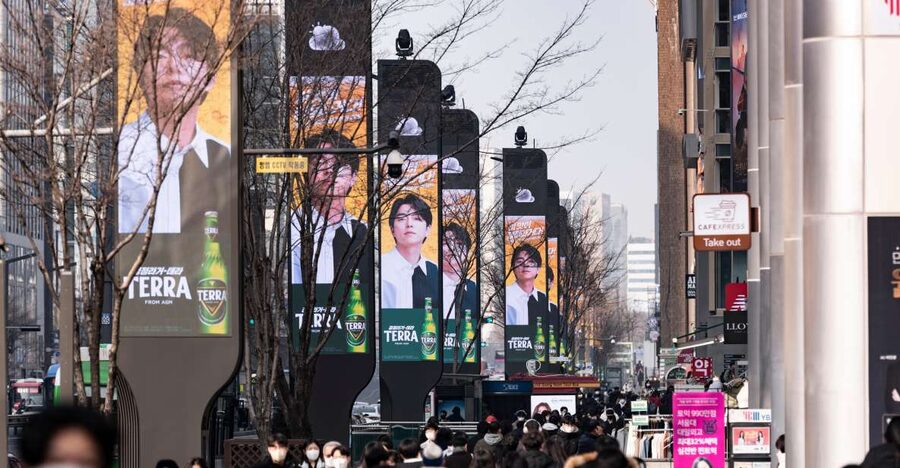
From there, you follow the guide through streets surrounded by high-rise buildings. The route uses what is already in front of you: advertisements, commercial signs, beauty clinics, offices, shops, and the constant movement of people going to work, study, eat, or meet friends.
The guide’s role matters here. Without context, a wall of cosmetic adverts is just a wall of cosmetic adverts. With an explanation of Korean beauty standards and the pressure to look polished, it becomes evidence of a much wider social habit.
Several people who took the walk with Jessica or June found the presentation easy to follow because it combines facts with personal examples. Jessica’s experience living abroad gives her a useful comparison between Korean and Western expectations. June is also praised for a friendly, humorous style and strong English.
Guide assignments can vary, so you should not book on the assumption that one particular person will lead your date. Still, the repeated strengths are clear: approachable delivery, thoughtful answers, and a willingness to discuss difficult subjects without turning the tour into a scolding lecture.
Beauty Clinics and the Cost of Looking Right
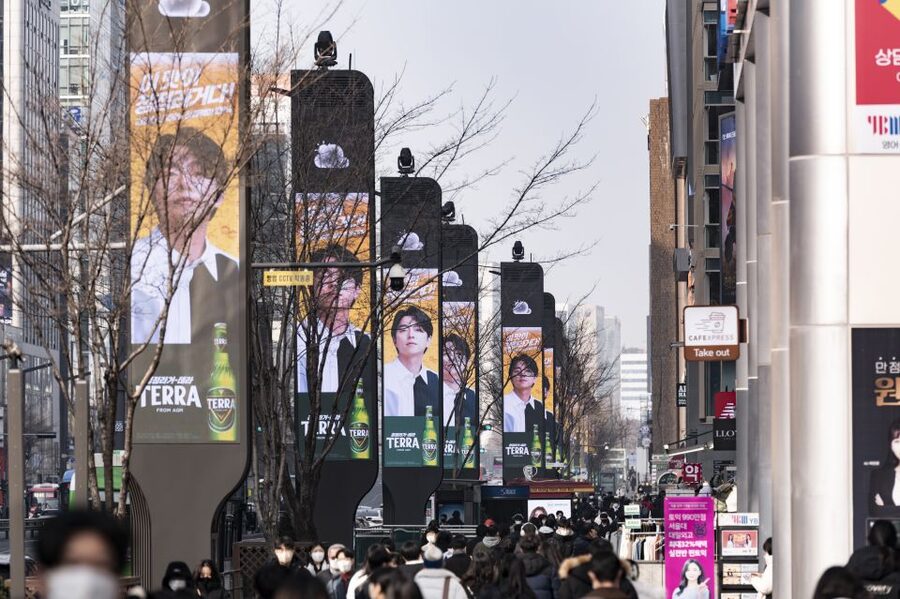
Gangnam is one of the clearest places in Seoul to examine Korea’s cosmetic surgery boom. The tour draws attention to the number of clinics and beauty-related adverts, then explains how appearance can affect confidence, dating, work, and ideas about social success.
The useful point is not simply that plastic surgery is common. You learn to ask why appearance receives so much attention, how beauty standards are formed, and why people may feel pressure to change their faces or bodies.
This part may challenge the easy image of South Korea as a carefree center of K-pop, fashion, and skincare. The same beauty culture that looks exciting to an outsider can create a demanding standard for people living inside it.
The guide also places the topic beside other pressures rather than treating it as an isolated trend. Appearance connects with job hunting, relationships, marriage, and the search for status. You are encouraged to consider how advertising turns private insecurity into a normal part of public life.
I would especially recommend this section to anyone interested in Korean popular culture. K-pop, television dramas, online beauty content, and commercial fashion make more sense when you understand the social expectations operating underneath them.
Schools, Parents, and the Race for Success
Education is another major theme. The discussion looks at the intense expectations placed on Korean children and the sacrifices made by parents who want their sons and daughters to succeed.
You will hear how schooling can shape a child’s schedule, a family’s spending, and a young person’s sense of worth. The issue is not just long hours of study. It is the belief that education can determine access to better jobs, housing, marriage prospects, and social standing.
Gangnam is a fitting setting for this conversation because wealth and achievement are highly visible here. The district can look like proof that the system works, yet the tour asks who pays the price and how much pressure is required to reach that level.
This is one of the tour’s strongest subjects because it moves beyond a simple outsider’s judgment. You get a chance to consider both sides: education helped fuel South Korea’s remarkable economic growth, but the same drive can leave children and parents exhausted.
If you are visiting with older children or teenagers, the topic may lead to useful family discussion. One review specifically describes a teenage daughter enjoying the tour, though the material is serious and may not suit every child.
A few more Seoul half-days to weigh up
- Best DMZ Tour Korea from Seoul (Red Suspension Bridge Optional)
★ 5.0 · 41,422 reviews - DMZ Tour: 3rd Tunnel, Option(Suspension Bridge, Boat) from Seoul
★ 5.0 · 21,373 reviews - DMZ tour south Korea from Seoul (NK experience hall, defector)
★ 5.0 · 20,599 reviews - Seoul: DMZ Tour with Optional Suspension Bridge
★ 4.8 · 5,277 reviews
Housing, Work, Dating, and Family Choices
The walk also examines the practical decisions that shape adult life. Housing, jobs, dating, marriage, and family planning are connected to the larger question of how much freedom young Koreans really have when social expectations are strong.
In a district like Gangnam, housing is not an abstract topic. The buildings and prices around you help explain why location carries status and why young adults may feel pushed toward certain careers or life choices.
Dating and marriage are discussed in relation to friendship networks, appearance, family expectations, and economic security. The tour can help you understand why relationships may be influenced by more than personal chemistry. Social standing, housing, education, and income can all enter the picture.
The low birth rate also receives attention. The tour connects fewer births with the cost and pressure of raising children, the demands of work, and the difficulty of meeting traditional expectations in modern city life.
This is where the experience gains balance. It does not present Korean society as simply unhappy or dysfunctional. It also explains why people stay in Korea, return after living abroad, and value the country’s strengths despite its problems.
That balance is important. A tour called dark side can easily become sensational. Here, the better approach is to see both the benefits and burdens of a society that achieved a great deal in a short time.
Mental Health and the Question of Happiness
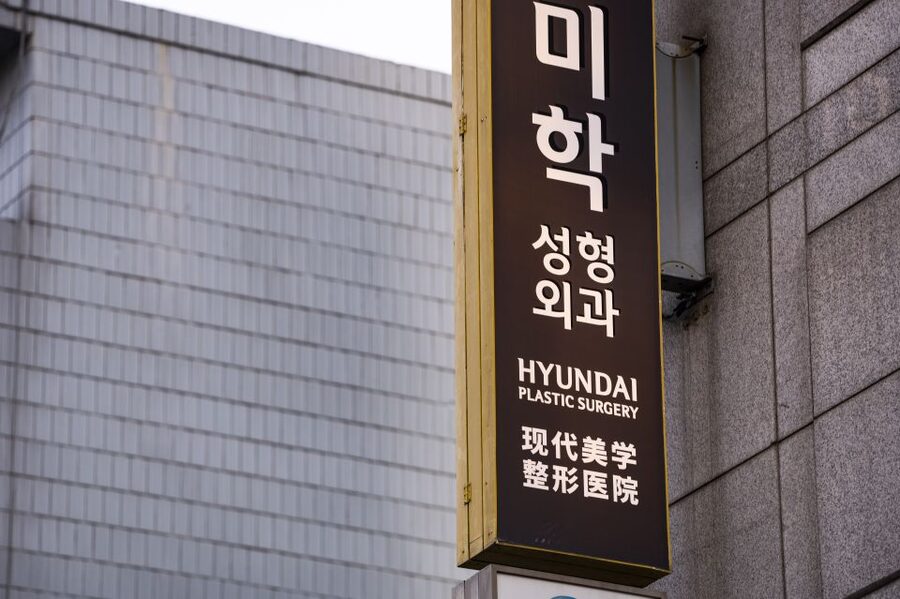
The tour asks why a wealthy, successful country can still experience high suicide rates and widespread unhappiness. You will not get a quick answer, because the discussion ties mental health to work, school, status, family duties, and the pressure to appear successful.
This is a sensitive part of the walk, and the guide’s tone matters. Jessica and June are praised for using humor where appropriate while still treating difficult subjects with care. The aim is to explain social forces, not reduce people’s lives to a gloomy stereotype.
For you, the value lies in the change of viewpoint. Seoul can seem efficient, polished, and exciting during a short holiday. This discussion reminds you that a clean, prosperous city does not tell the whole story of how people feel.
The subject also helps explain the tour’s broader purpose. You are not being asked to decide if Korea is good or bad. You are being shown the tradeoffs behind rapid growth, strong group expectations, and a culture that places great weight on achievement.
The Walk Itself: Easy Ground, Long Conversation
The physical route is described as relaxed and mostly flat, with some steps involved in using the subway. Near the end, the group has a seated conversation of about 30 minutes, which gives you a break and time to ask questions.
The full activity lasts 150 minutes, though some sessions have run closer to three hours when discussion continued. That extra time can be welcome if you enjoy conversation, but it is worth keeping a little flexibility in your schedule.
Summer in Seoul can be hot and humid. Bring water, wear light clothing, and use the portable handsfree fan supplied during the summer season. In winter, hot packs are provided, but you should still dress warmly because this is an outdoor walk.
The tour is not suited to people with mobility impairments, and the activity information says it is not suitable for people over 70. One account describes the route as manageable for a fit pair of 70-year-olds, but you should treat the stated age and mobility guidance seriously and contact the provider if you are unsure.
Audio recording is not allowed. Bring cash, since the 2,000 KRW transportation fee is not included. An optional Korean food session may also be available, but it is an extra rather than part of the main tour.
Is $33 a Fair Price?
At $33 per person, this is a good-value experience if you want social and cultural context. You are paying for 150 minutes with an English-speaking local historian, not for entry to a major attraction or a meal.
The value comes from interpretation. You could walk through Gangnam alone and see the same clinics, signs, offices, and luxury shops, but you would miss the connections between those sights and education, beauty, work, dating, and mental health.
It also works well early in your Seoul stay. Once you understand some of the pressures discussed here, later visits to shopping districts, cafés, museums, and entertainment areas can feel less superficial. You may notice details that would otherwise pass without meaning.
The included seasonal items are small but practical. A fan in summer and hot packs in winter show that the provider understands the basic discomforts of a two-and-a-half-hour outdoor activity. You still need to bring water and suitable clothing.
Free cancellation up to 24 hours before the start gives you some flexibility, and you can reserve without paying immediately. The main extra costs are transportation and any optional food session.
Who Should Book This Gangnam Tour?
I would choose this tour if you want to understand daily life in South Korea beyond palaces, shopping, food, and pop culture. It suits first-time visitors, people interested in Korean society, and anyone who has wondered why Gangnam carries such strong status.
It is also a good choice for visitors who enjoy asking questions. The guides make time for discussion, and several accounts describe them answering personal questions after the tour, including practical recommendations by WhatsApp.
You should think twice if you want a fast-moving sightseeing walk with many famous landmarks. The route is built around ideas, not photo opportunities. It can also feel emotionally demanding if you prefer light entertainment.
Book it near the start of your Seoul visit if you want context for the rest of your time. Book it near the end if you want a thoughtful way to connect everything you have already seen.
Should You Book It?
Yes, if you want the human story behind Seoul’s polished surface. The strongest reasons are the carefully chosen Gangnam route, the clear English presentation, and the way Jessica, June, or another guide can connect visible city life with less visible pressure.
I would not choose it for someone seeking only architecture, shopping, or food. For an open-minded visitor who wants to understand why Korean society prizes education, beauty, achievement, and family so strongly, $33 is a sensible spend.
Bring cash, water, and questions. Expect a serious discussion, some humor, a generally easy walk, and a final view of Gangnam that is far more complicated than its glossy image.
FAQ
Where does the Gangnam tour meet?
Meet the guide at Gangnam Station Exit 11. The English address is 820-10, Yeoksam-dong, Gangnam-gu, Seoul. The Korean address is 강남역 11번 출구.
How long does the tour last?
The scheduled duration is 150 minutes, or two and a half hours. Some sessions may run longer when the group has an extended discussion.
What language is the tour conducted in?
The tour is conducted in English with a live guide.
What does the tour cover?
It covers Korean history and culture, youth and society, education pressure, housing, work, dating, marriage, family life, plastic surgery, beauty standards, mental health, suicide rates, and the low birth rate.
Is transportation included?
No. A transportation fee of 2,000 KRW is not included. Bring cash.
Is the tour suitable for people with mobility impairments?
No. The activity is not suitable for people with mobility impairments and is listed as unsuitable for people over 70. The route includes walking and some subway steps.
Recently added around Seoul
- Nami & Maple Road & Theatre des Lumieres Day Tour from Seoul★ 4.8 · 4 reviews
- Gyeongbokgung Palace Photo Session with your own phone★ 5.0 · 4 reviews
- Private Tour around Suwon UNESCO Fortress and Korea Folks Village★ 4.5 · 4 reviews
- Jisan Forest Resort: Ski Full-Day Tour or Shuttle from Seoul★ 5.0 · 4 reviews
- N Seoul Tower + Namsan Cable Car Ticket (Collect in Myeongdong)★ 3.5 · 4 reviews
- Seoul: Deoksugung Palace Night Tour★ 4.5 · 4 reviews
- Seoul Private Walking Tour with a Local★ 5.0 · 4 reviews
- Private Jeonju Hanok Village – Culinary tour★ 5.0 · 4 reviews
Gangnam Tours, compared.

Gangnam Walking Tour on Youth and Society in Seoul Korea
Read the review →
Korean Home Style Cooking Class in Gangnam Seoul
Read the review →
Temple & Starfield COEX Mall Gourmet Tour in Gangnam
Read the review →
4-Hour Gangnam Walking Tour With Customized Itinerary
Read the review →
(Private tour) Seoul highlights; Gangnam and beyond Tour
Read the review →
Essential Gangnam Tour (Incl. Dinner)-Hot Place of Seoul
Read the review →Browse the lists this tour appears in