
Reviewed · GANGNAM TOURS
Gangnam Walking Tour on Youth and Society in Seoul Korea
Gangnam is more than glossy towers, designer shops, and K-pop associations. This 2.5-hour walk uses ordinary streets to explain the pressures behind South Korea’s success, from housing costs and cram schools to plastic surgery, dating, and low birth rates. Guides such as June and Jessica bring personal views and historical context to subjects many sightseeing tours skip.
I like the small maximum of 15 people, which gives you room to ask questions, and I like the way the stops make difficult topics visible in everyday settings. A cram school is not just a building here. A love-hotel district is not just a row of signs. Each place gives the guide a starting point for explaining modern Korean life.
The main drawback is simple: this is primarily a discussion walk, not a sightseeing tour packed with famous monuments. You spend much of the time on regular Gangnam streets, and one participant found the amount of walking tiring for older people. Come for ideas and conversation, not a long list of photo stops.
Key points to know before you book
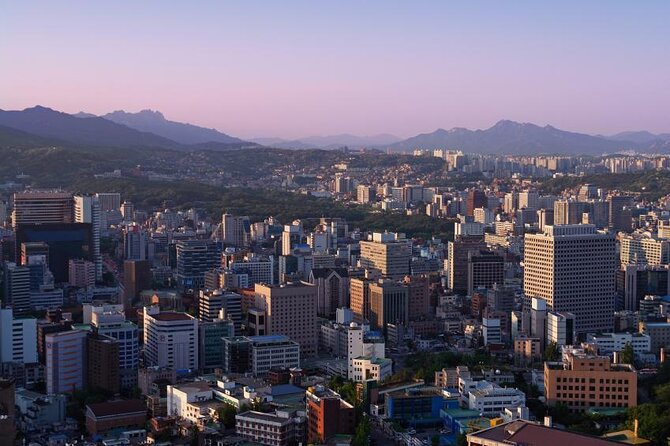
- Gangnam Station opens the conversation about wealth and housing: You begin in one of Seoul’s most prosperous districts and hear how rapid development changed the country.
- The cram-school stop explains academic pressure: Gangnam Daeseong Cram School provides a clear setting for discussing private education, birth rates, and the race for opportunity.
- Sinsa-dong puts beauty standards in plain view: Plastic-surgery clinics become a way to examine lookism and the social value placed on appearance.
- The love-hotel district deals with dating culture directly: This is a candid look at relationships, privacy, marriage, and changing social habits.
- Hangang Park brings the tour to its most serious point: The river connects Seoul’s growth with discussions of suicide and the pressures carried by young people.
- One subway ride is extra: The tour includes a subway trip, but you pay the 1,800-won fare separately.
Why this Gangnam walk feels different

I would choose this tour early in a Seoul visit if I wanted more than the polished version of South Korea. It does not try to make every part of life look cheerful. Instead, it asks how a country can achieve remarkable economic growth while leaving many young people under intense academic, financial, and social strain.
That approach gives Gangnam a new meaning. You see the district as a place of wealth and ambition, but also as a stage where housing competition, beauty ideals, education costs, and relationship expectations play out. The guide’s explanations are the main attraction.
The tour has received a 5 out of 5 rating, with 99 percent recommending it. The strongest praise centers on the guides’ clear explanations, honest tone, and ability to connect everyday places with larger social questions. June is especially valued for adding historical context about South Korea’s rapid development over the past seven decades. Jessica is described as friendly, patient, engaging, and good at adjusting her approach when the weather is poor.
The subject matter can be heavy. You may discuss suicide, birth rates, economic pressure, plastic surgery, and the darker side of social competition. That is useful if you want a fuller picture of Korea, but it may not suit you if you want a light morning focused on food, architecture, or shopping.
More of Gangnam:
- Seoul: Gangnam Tour on Youth and Society in South Korea
★ 4.9 · 466 reviews - Korean Home Style Cooking Class in Gangnam Seoul
★ 5.0 · 40 reviews - Seoul: Temple & Starfield COEX Mall Gourmet Tour in Gangnam
★ 4.7 · 22 reviews
Starting at Gangnam Station and looking at housing
The walk begins at 10:30 am near 820-10 Yeoksam-dong, in the Gangnam area. The first stop is Gangnam Station’s main intersection, a sensible place to begin because it represents the district’s money, development, and status.
Here, the guide explains housing problems and the history of Korea’s development. The point is not simply that apartments are expensive. You get a broader picture of how fast urban growth, education, jobs, and property values became tied together.
This opening discussion helps you read the streets differently. Gangnam’s polished image is linked to opportunity, but access to that opportunity depends heavily on where a person can live, study, and work. The first stop lasts about 15 minutes and has no admission fee.
Do not expect a formal lecture or a museum display. You are standing in an active city intersection, listening to the guide connect visible prosperity with less visible strain. That direct setting is one of the tour’s strengths.
The love-hotel district and changing relationships
The second stop, near Hotel Seattle, takes you into a love-hotel area. The visit lasts about 10 minutes and uses the district to discuss Korean attitudes toward privacy, dating, and intimacy.
This can be an eye-opening part of the walk because it deals with a side of Seoul you may pass without understanding. The guide explains love culture in Korea and places it alongside wider changes in relationships and marriage.
The stop is not about gawking at hotel signs. Its value comes from the social context. You learn how public expectations and private life can differ, and how dating habits fit into a society where work, study, housing, and family expectations all place demands on young adults.
The subject is handled directly, but the tone may vary with the guide and group. If you prefer a tour that avoids adult themes, this is worth considering before booking. If you want candid discussion of Korean society rather than a polished cultural postcard, it is an important stop.
Gangnam Daeseong Cram School and the cost of success
At Gangnam Daeseong Cram School, the guide spends about 20 minutes discussing private education and birth rates. This is one of the clearest stops because you can see the kind of institution that supports South Korea’s intense education culture.
The term cram school can sound familiar, but the social role matters more than the translation. Private institutes are connected to competition, family expectations, and the hope that academic success will lead to a secure future. The guide uses this setting to explain why education can take up so much of a young person’s time and a family’s budget.
The stop also connects education pressure to the country’s low birth rate. The tour does not treat the birth-rate issue as a single problem with a simple cause. Instead, it places it among the pressures facing younger Koreans, including the cost of housing, work expectations, and the demands of raising children.
You spend around 20 minutes here, but the ideas can easily become one of the longer conversations of the morning. Ask questions if you want to understand how these pressures affect daily choices. The small group helps, since a group of up to 15 people is easier to engage than a large coach tour.
More Walking Tours in Seoul:
- Seoul moonlight walking tour with local historian
★ 5.0 · 940 reviews - Seoul: Nighttime Hidden Gems Walking Tour
★ 5.0 · 775 reviews - Seoul: Evening Dark History, Folklore & Ghost Story Walking Tour
★ 5.0 · 593 reviews - Seoul: Dark Side of the City and Ghost Stories Walking Tour
★ 4.8 · 484 reviews
Sinsa-dong, plastic surgery, and lookism

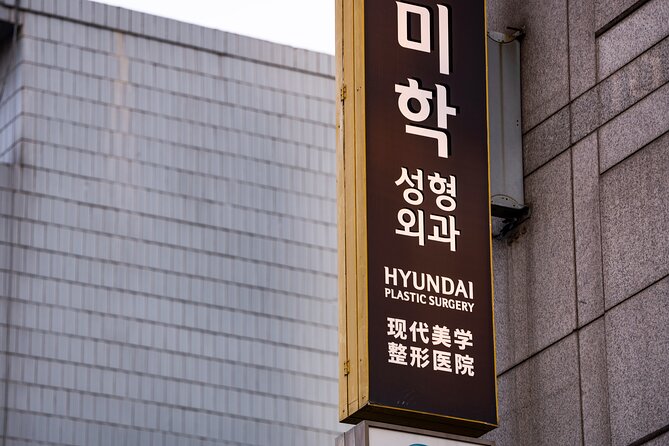
The walk continues to Sinsa-dong, identified as a major area for plastic surgery. The stop lasts about 20 minutes and focuses on beauty culture and lookism, the belief that appearance affects how a person is judged or treated.
This section is useful because it moves beyond the simple idea that Korea is interested in beauty. The guide explains how appearance can become tied to confidence, employment, relationships, and social standing. You see clinics and advertisements as part of an everyday commercial setting, not as an isolated cultural oddity.
I appreciate that this stop can help you avoid easy judgments. It encourages you to ask why cosmetic procedures have become so visible and how social expectations shape personal choices. The discussion may also appeal to K-drama and Korean pop-culture fans who want context for the image-driven side of Korean entertainment.
At the same time, the stop is observational. You are not visiting a clinic, receiving a consultation, or seeing a procedure. If you want hands-on beauty activities, this is not that kind of tour. You are listening, watching, and asking questions while moving through the neighborhood.
One subway ride and the way the route works
The tour includes one subway trip, with the 1,800-won transportation fare paid separately. That small extra cost is easy to overlook when comparing prices, so include it in your budget.
The subway ride also gives the walk a practical Seoul rhythm. You are not confined to one compact block. The route links different parts of Gangnam and ends near the river, allowing the guide to connect commercial districts, education zones, residential concerns, and public space.
The walk lasts about two hours and 30 minutes. That is long enough to cover serious material without taking up an entire day, but you should still wear comfortable shoes. One participant specifically found the amount of walking difficult for older people. The tour is near public transportation, and most people can take part, but the description does not promise a fully accessible route.
Weather matters. The experience requires good weather, and poor conditions can lead to a new date or a full refund. Rain does not always make the tour impossible, since Jessica has adjusted the route and kept discussions going in wet conditions, but you should still plan for an outdoor walk.
Hangang Park and the hardest conversation
The final major stop is Hangang Park Playground, where the guide discusses the Han River, Seoul’s development, and suicide. The stop lasts about 20 minutes and gives the tour its most serious setting.
The river is often presented as a pleasant public space, but this tour asks you to consider its place in Seoul’s modern story. The discussion links visible development with the emotional and social costs that can accompany rapid economic achievement.
This part may feel disturbing, especially because the topic is personal and serious. It is also one reason the tour feels more useful than a standard introduction to Seoul. You are encouraged to think about the gap between a country’s success on paper and the pressure experienced by individuals.
The tour finishes at Hangang Park. The closest station is Apgujeong Station, Exit 4, which is listed as the end point. You may want to allow a little extra time afterward to get your bearings and continue your day from the station.
What the guides add to the experience
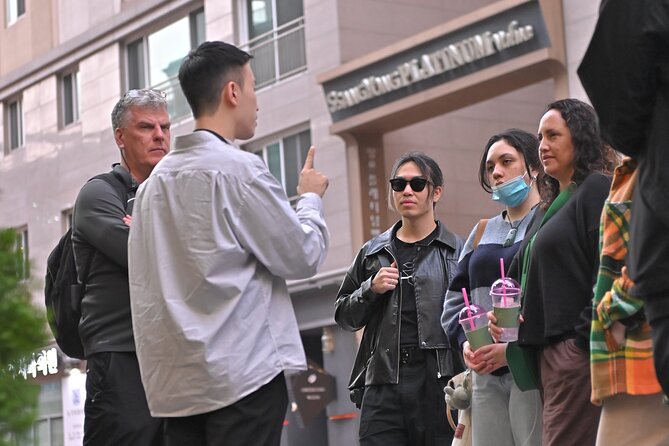
The guide makes or breaks a discussion-based walk. June is praised for keeping to the schedule, explaining history clearly, and covering education, supplemental education, dating, marriage, birth rates, plastic surgery, and lookism without losing the thread.
Jessica is praised for being warm, patient, relatable, and willing to adjust when conditions change. She has also been appreciated for comparing Korean and American culture in ways that help visitors understand differences without reducing either country to stereotypes.
The provider lists SeoulDude’s Walking Tours, and the guide may be June or Jessica. Since both names appear in the available tour information, I would not assume you can choose one unless the booking system confirms it. Either way, the strongest part of the experience is the guide’s ability to answer questions and explain what you are seeing.
English ability is described positively, which matters here. The value depends on clear discussion, not just pointing out streets. If you enjoy asking follow-up questions, you will get more from the walk than someone who prefers to listen silently.
Is $31.98 a fair price?
At $31.98 per person, this is reasonably priced for a small-group experience lasting about 2.5 hours. The maximum group size is 15, gratuities are included, and there are no admission charges at the stops.
The price is paying mainly for interpretation. You are not buying entry to a palace, a meal, or a special attraction. You are paying for a local guide who can connect visible places with social issues that are difficult to understand from guidebooks alone.
The separate 1,800-won subway fare is modest, but remember it. The value is strongest if you want cultural context and are willing to spend the morning walking and listening. The value is weaker if you measure a tour by the number of monuments visited or by how many photo opportunities it provides.
Who should book this tour?
I would recommend it to curious first-time visitors who want to understand modern South Korea beyond food, shopping, historical palaces, and pop culture. It is also a good fit for anyone interested in education systems, urban development, gender expectations, beauty standards, dating, or youth culture.
K-drama fans may find the discussion especially useful because it adds social context to themes often shown on screen. Students, teachers, and anyone interested in how economic growth affects daily life should also get plenty from it.
I would think twice if you want a relaxed sightseeing loop. Much of the route involves regular streets, discussion, and walking. One participant felt that the tour spent too much time walking or sitting at a café rather than showing unusual sights. That is a fair warning, even though the same feature is exactly what makes the tour valuable for others.
The topics also require an open mind. The walk presents difficult parts of Korean society, and it may challenge idealized images of Seoul. It is not designed to condemn Korea, but it does not hide uncomfortable subjects either.
Practical details before you go
Your mobile ticket is confirmed at booking, and the meeting point is near public transportation. The tour starts at 10:30 am and accepts a maximum of 15 people.
Gratuities are included. The subway fare is not, and the listed amount is 1,800 won for one ride. No admission fees are required for the stops described.
Free cancellation is available up to 24 hours before the start time for a full refund. Changes or cancellations made inside that 24-hour window are not accepted for a refund. If poor weather or an insufficient number of bookings causes cancellation, you are offered another date or a full refund.
Should you book the Gangnam Youth and Society Walk?
Book it if you want Seoul explained through its social pressures, not just its famous sights. The strongest reasons are the clear focus, the small group, the candid subjects, and guides such as June and Jessica, who bring history and personal perspective to ordinary streets.
Skip it if you want grand architecture, shopping time, or a gentle introduction to Korean culture. This walk can be serious, and it involves a fair amount of walking.
For the right person, $31.98 buys something difficult to arrange alone: a structured way to connect Gangnam’s wealth, schools, clinics, hotels, and riverfront with the lives of young people. That is a worthwhile addition to a more traditional Seoul sightseeing plan.
FAQ
Where does the Gangnam walking tour start?
The tour starts at 820-10 Yeoksam-dong in Gangnam District, Seoul.
What time does the tour begin?
The listed start time is 10:30 am.
How long does the tour last?
The experience lasts approximately two hours and 30 minutes.
How large is the tour group?
The maximum group size is 15 people.
Is transportation included?
One subway ride is used during the tour, but the 1,800-won transportation fare is not included in the price.
Where does the tour finish?
The walk finishes at Hangang Park. The closest station is Apgujeong Station, Exit 4.
Are admission tickets included?
There are no admission fees for the listed stops, and gratuities are included.
Can I cancel for a refund?
You can cancel at least 24 hours before the start time for a full refund. If poor weather or an insufficient number of bookings cancels the experience, you are offered another date or a full refund.
Recently added around Seoul
- Nami & Maple Road & Theatre des Lumieres Day Tour from Seoul★ 4.8 · 4 reviews
- Gyeongbokgung Palace Photo Session with your own phone★ 5.0 · 4 reviews
- Private Tour around Suwon UNESCO Fortress and Korea Folks Village★ 4.5 · 4 reviews
- Seoul: Deoksugung Palace Night Tour★ 4.5 · 4 reviews
- N Seoul Tower + Namsan Cable Car Ticket (Collect in Myeongdong)★ 3.5 · 4 reviews
- Jisan Forest Resort: Ski Full-Day Tour or Shuttle from Seoul★ 5.0 · 4 reviews
- Seoul Private Walking Tour with a Local★ 5.0 · 4 reviews
- Private Jeonju Hanok Village – Culinary tour★ 5.0 · 4 reviews
Gangnam Tours, compared.
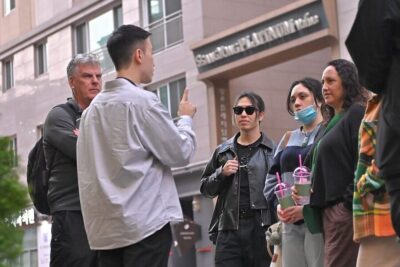
Gangnam Tour on Youth and Society in South Korea
Read the review →
Korean Home Style Cooking Class in Gangnam Seoul
Read the review →
Temple & Starfield COEX Mall Gourmet Tour in Gangnam
Read the review →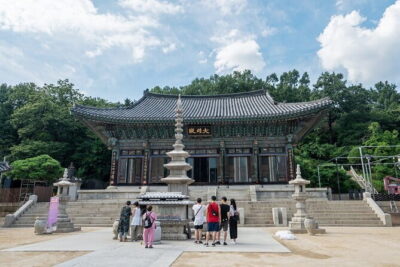
4-Hour Gangnam Walking Tour With Customized Itinerary
Read the review →
(Private tour) Seoul highlights; Gangnam and beyond Tour
Read the review →
Essential Gangnam Tour (Incl. Dinner)-Hot Place of Seoul
Read the review →Browse the lists this tour appears in