Reviewed · SEOUL TOURS
Savoring Authentic Korean Liquor and Cuisine
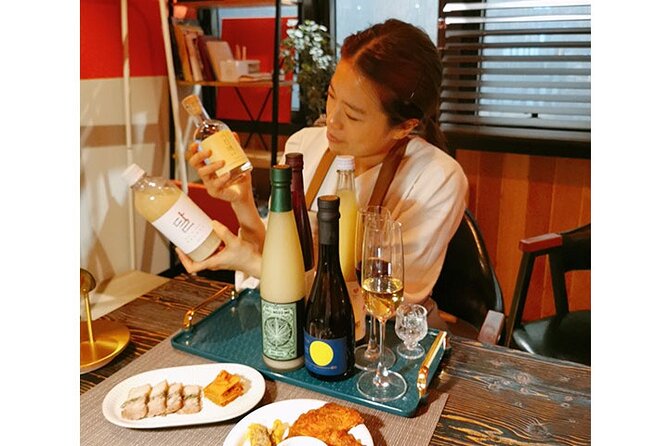
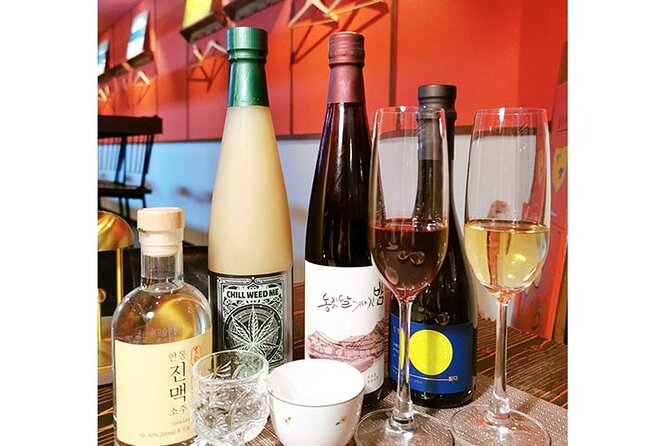
Korean drinking culture gets a much better introduction here than a night spent pouring green-bottle soju. Chef Hyesun serves three traditional styles, explains how rice, mountain mineral water, and natural yeast shape each one, and pairs the drinks with anju, the savory food made for drinking.
I like the rare selection from small breweries across Korea, bottles you are unlikely to find in an ordinary shop or restaurant. I also like the tiny group size, capped at six, which gives the 90-minute session a personal feel and leaves room for food, questions, and travel stories.
The main drawback is the location in Magok, west of central Seoul, rather than in a classic sightseeing district. You also need to be at least 18 to drink, and the food can change with ingredient supply, so anyone seeking a fixed menu should take note.
Key points before you book
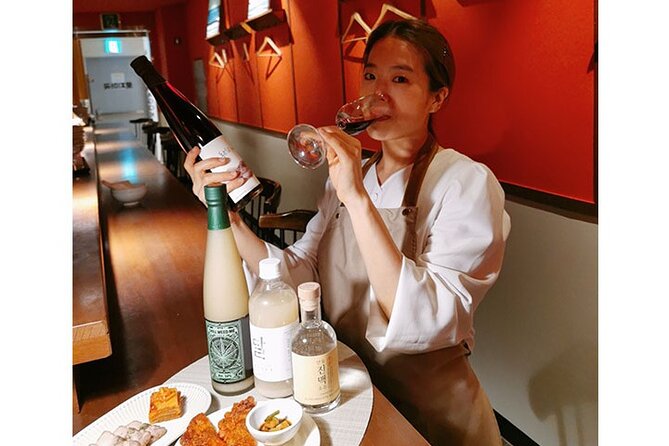
- Three Korean liquor styles: Taste takju, cheongju, and distilled liquor rather than only familiar factory-made soju.
- Chef Hyesun leads the session: She is a world traveler and restaurant owner who specializes in traditional liquor.
- Small-batch bottles: The lineup comes from local breweries across Korea and may include drinks not sold in regular stores or restaurants.
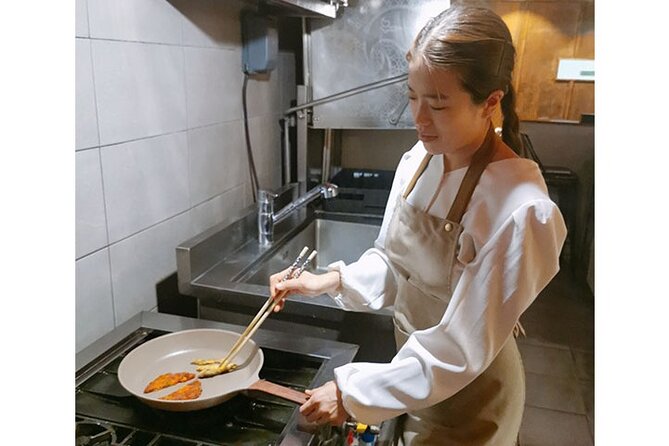
- Anju pairings: Expect Korean drinking food such as vegetable pancakes, meat pancakes, and kimchi bibim noodles, depending on available ingredients.
- Small group, short format: The experience lasts about 90 minutes and accepts no more than six people.
- Magok meeting point: You meet at LodgeMagok, near public transportation, at 171 Jungang-ro, Magok-dong, Gangseo-gu, Seoul.
Why this is not just a soju tasting
Many first-time visitors meet Korean alcohol through the familiar green bottle of inexpensive soju. That drink has its place, especially around a busy Korean meal, but it represents only one narrow part of the country’s drinking culture.
This session introduces you to traditional liquor made in a different way. The focus is on three basic ingredients: Korean rice, mineral water from a mountain, and naturally fermented yeast. That simple recipe does not mean simple flavor. Small changes in rice, water, fermentation, and distillation can produce drinks with different bodies and aromas.
Chef Hyesun’s point is practical: Korean traditional liquor has many local expressions. Korea has more than 1,400 small traditional liquor breweries, and the bottles chosen for this tasting come from different parts of the country. You are not simply sampling three generic categories. You are comparing local styles selected by someone who works closely with the food and drink.
That makes the experience useful for anyone who wants context along with a glass. You learn what you are tasting, why it differs from factory-made liquor, and how Korean food is built around it.
A few more Seoul half-days to weigh up
- Best DMZ Tour Korea from Seoul (Red Suspension Bridge Optional)
★ 5.0 · 41,422 reviews - DMZ Tour: 3rd Tunnel, Option(Suspension Bridge, Boat) from Seoul
★ 5.0 · 21,373 reviews - DMZ tour south Korea from Seoul (NK experience hall, defector)
★ 5.0 · 20,599 reviews
Meeting Chef Hyesun in Magok
The meeting point is LodgeMagok, located at 171 Jungang-ro in Magok-dong, Gangseo-gu. The area is near public transportation, but it is not one of Seoul’s main tourist centers. Give yourself enough time to reach Magok, especially if you are staying around Myeongdong, Insadong, or Hongdae.
That out-of-center location is both a limitation and part of the experience. You will not be stepping from a palace or market directly into the tasting. Instead, you are visiting a local restaurant setting run by Chef Hyesun, a world traveler who specializes in traditional liquor.
After booking, send a confirmation message through WhatsApp to +82 10 2661 7832. This is important because Hyesun uses that message to double-check the schedule, discuss food allergies, and cover other details before the meeting. The booking is automatically confirmed, but the WhatsApp follow-up helps prevent confusion.
The group is limited to six people. That matters in a food-and-drink session. A large room can turn a tasting into a lecture where you only hear the person beside you. With six or fewer, you have a better chance to ask about flavor, brewing, regional differences, and food pairings.
The first pours: takju, cheongju, and distilled liquor
The tasting covers three traditional Korean categories: takju, cheongju, and distilled liquor. The exact bottles are not specified in advance, which is useful if you enjoy discovery but less useful if you want to plan around a particular brand.
Takju is the broad category that includes cloudy traditional rice liquor, with makgeolli being the style most people recognize. It is often associated with a soft, grainy character and a fuller texture than clear spirits. The session gives you a chance to compare traditional versions with the mass-market makgeolli commonly found in Korean restaurants.
Cheongju is a clear rice wine. The name is often translated as clear liquor, and the style gives you a different view of fermented rice. Compared with cloudy takju, it can feel cleaner and more delicate, making it a useful contrast in the tasting sequence.
Distilled liquor brings another change in strength and texture. This is where you can better understand why traditional Korean spirits should not be treated as interchangeable with standard green-bottle soju. The production method and source liquor matter, and Hyesun explains those differences as you taste.
The value comes from comparison. A single glass can be hard to place if you have no reference point. Three styles served in one sitting give you a basic map of Korean liquor, even though they cannot represent every brewery or region.
How the Anju changes the tasting
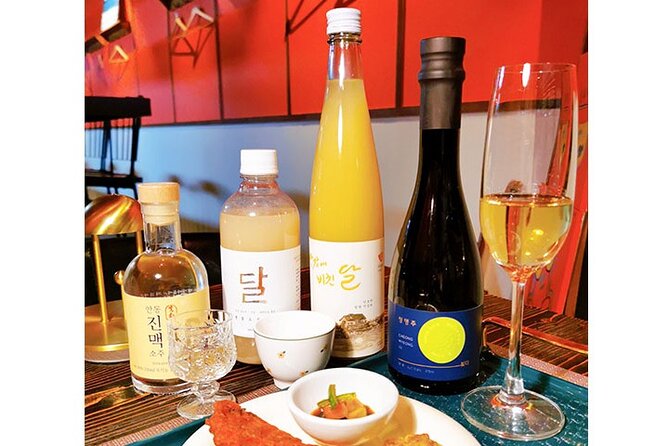
Korean food served with alcohol is called anju. It is not just a snack placed beside the drink. The food is meant to support the drinking, soften strong flavors, and give the meal a social rhythm.
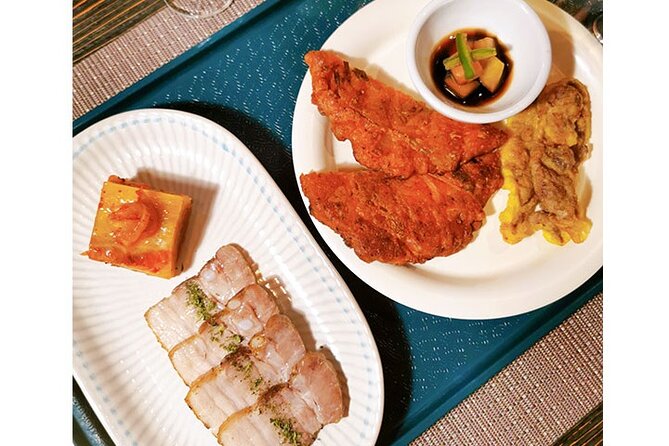
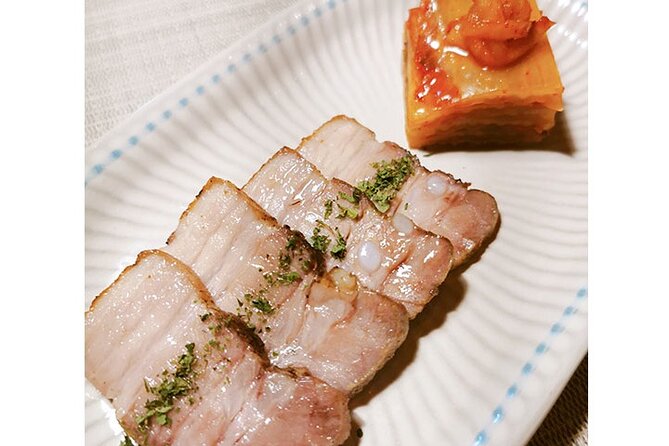
The food here may include vegetable pancakes, meat pancakes, and kimchi bibim noodles. The ingredients can change with supply and demand, so you should treat those examples as a guide rather than a guaranteed menu.
Vegetable and meat pancakes offer a useful contrast in texture and weight. A savory pancake can make a sharp drink feel rounder, while a richer meat version may suit a stronger pour. Kimchi bibim noodles bring spice, tang, and a chewy texture, giving you another way to see how Korean flavors interact with alcohol.
I like this part of the experience because it moves the tasting away from a technical exercise. You are not asked to judge the liquor in isolation. You taste it with food, the way traditional drinks are normally enjoyed in Korea.
The changing menu is also the one food-related uncertainty. If you have allergies or dietary concerns, use the WhatsApp contact before arrival. The provider specifically asks you to discuss food allergies and other details after booking.
A different way to spend a day from here:
- Seoul: DMZ Tour with Optional Suspension Bridge
★ 4.8 · 5,277 reviews - Seoul: DMZ The 3rd Tunnel and Suspension Bridge Tour
★ 5.0 · 4,656 reviews - Signature DMZ Tour: Exclusive Defector Talk & Suspension Bridge
★ 5.0 · 4,459 reviews - Incheon Airport: Traveler SIM & T-money Transportation Card
★ 4.7 · 3,332 reviews
What makes the bottles special
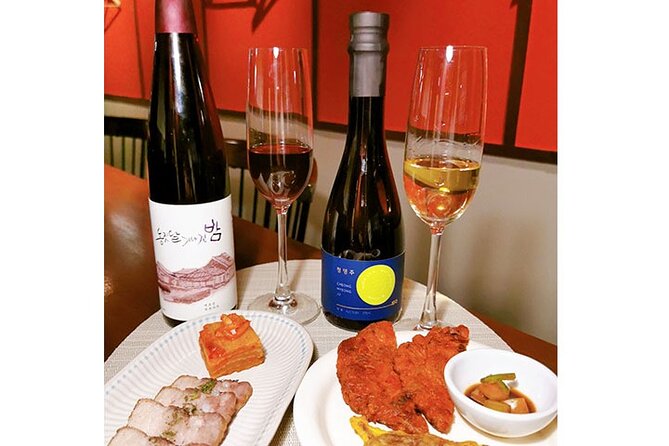
The liquor lineup is selected from local breweries across Korea. These are not described as standard bottles that you can pick up in any Korean supermarket or order at a typical restaurant. The selection gives Hyesun room to show regional and production differences through bottles chosen for the session.
You might find that two drinks in the same general category have very different bodies and flavors. One may feel gentle and grain-forward, while another may have more acidity, sweetness, heat, or weight. The tasting is built around those variations rather than presenting Korean liquor as one uniform thing.
This is especially helpful if you have already tried makgeolli or soju and assumed you knew what Korean alcohol tasted like. The session challenges that assumption without requiring you to become a specialist.
The comparison with sake or wine should be handled with an open mind. The experience presents traditional Korean liquor as capable of surprising people who are more familiar with Japanese rice wine or European wine. That does not mean one drink is automatically better. It means the fermentation and distillation methods create another set of flavors worth learning.
A 90-minute format with a clear purpose
At about an hour and a half, this is a compact experience. You can fit it into a Seoul itinerary without giving up an entire afternoon or evening, though the journey to Magok still needs to be planned.
The session combines explanation, tasting, food, and conversation. Hyesun introduces the background of traditional liquor, pours three styles, and serves the anju pairings. She also invites you to share travel stories and talk about food and drink.
That format works best when you participate. If you want a silent tasting with written notes and exact measurements, this may not be the right choice. The tone is more social and personal, with Hyesun acting as a host as well as a chef.
The short length also means you should not expect a complete survey of Korean alcohol. You will not taste every regional style or visit a brewery. Instead, you get a focused introduction with enough variety to understand the main categories and the role of food.
For a first meeting with Korean traditional liquor, that is a sensible amount of time. You leave with a starting point rather than a rushed list of samples.
Is the $59 price fair?
At $59 per person, the experience costs more than ordering a bottle of ordinary soju and a few side dishes. That comparison misses what you are paying for, though. The price includes a guided tasting of three liquor styles, unusual small-brewery selections, anju, and direct time with the owner-chef.
The group limit of six improves the value. You are not paying for a large commercial tasting where the guide must move quickly from table to table. You are paying for a small session in which questions and food pairing are part of the format.
The strongest value is for someone who would otherwise have trouble finding these bottles or understanding the differences among them. A regular restaurant may offer makgeolli, soju, or a few regional drinks, but it may not explain the production method or pair several traditional categories with homemade anju.
The value is weaker if you do not drink alcohol, want a full meal, or prefer a large sightseeing activity with several stops. This is a specialized food experience, not a general tour of Seoul. The 90-minute duration keeps the cost manageable, but it also limits the quantity of food and drink you should expect.
The experience is typically booked about 12 days in advance. That suggests you should reserve ahead if it is an important part of your Seoul plans, particularly because only six places are available.
Who will enjoy this most
I would recommend this to adults who want to understand Korean food culture beyond barbecue, fried chicken, and convenience-store snacks. It suits people who enjoy comparing drinks, asking questions, and trying products that are not easy to find on their own.
It is also a good fit if you have already tried ordinary soju and want to see what traditional liquor can be. The difference between factory-made alcohol and small-brewery drinks is central to the session.
Food-focused visitors will get plenty from the anju pairing. You can taste the relationship between savory pancakes, spicy noodles, and the three liquor categories rather than treating the dishes as decoration.
This may not suit you if you dislike alcohol, need a guaranteed menu, or want to stay near Seoul’s central sights. It is also less suitable for anyone under 18, since alcoholic beverages are offered only to people aged 18 and above.
Service animals are allowed, and the meeting point is near public transportation. The activity returns to the same place, so you do not need to arrange a separate end point.
Booking, changes, and practical details
You receive confirmation when you book. After that, send the WhatsApp message requested by Hyesun so you can confirm the schedule and raise allergy concerns.
The activity has free cancellation up to 24 hours before the start time for a full refund. If you cancel or request a change less than 24 hours before the start, the payment is not refunded and changes are not accepted. The cut-off follows Seoul local time.
Since the experience includes alcohol, plan your return sensibly. The supplied details confirm that the meeting point is near public transportation, but they do not provide a separate transportation service or hotel pickup. You meet and finish at LodgeMagok.
The exact food and liquor lineup may vary. Think of the listed dishes as likely examples, not a promise of every item. If a specific ingredient matters to you, ask about it before the day of the activity.
Should you book Savoring Authentic Korean Liquor and Cuisine?
Book it if you want a personal introduction to Korean traditional alcohol, especially if you are curious about the difference between small-brewery liquor and familiar green-bottle soju. The three styles, hard-to-find selections, anju pairings, and six-person limit make this more useful than a basic restaurant tasting.
The main decision is location and focus. Magok is not central Seoul, and the experience will not fill a whole day. But if you can spare 90 minutes and enjoy food, fermentation, and conversation, the trip gives you a clear reason to leave the usual sightseeing path.
I would choose this for an adult couple, a small group of friends, or a solo visitor who likes talking with local hosts. Confirm allergies through WhatsApp, allow time to reach LodgeMagok, and reserve ahead. If those details work for you, this is a thoughtful way to taste a side of Korea that ordinary soju rarely shows.
FAQ
Where does the Korean liquor experience meet?
You meet at LodgeMagok, located at 171 Jungang-ro, Magok-dong, Gangseo-gu, Seoul. The Korean address is 로찌마곡, 나루역프라이빗타워Ⅱ 207호.
How long does the experience last?
The tasting lasts approximately 1 hour and 30 minutes.
Which Korean liquors will I taste?
The session includes three traditional liquor categories: takju, cheongju, and distilled liquor.
What food is served with the liquor?
The anju may include vegetable pancakes, meat pancakes, and kimchi bibim noodles. The dishes can change depending on ingredient supply and demand.
Who leads the tasting?
Chef Hyesun leads the experience. She is the owner-chef of a restaurant specializing in traditional liquor and is also a world traveler.
How many people can join?
The activity has a maximum of six travelers.
Is there a minimum age for the alcohol tasting?
Alcoholic beverages are available only to people aged 18 and older.
Can I cancel for a full refund?
Yes. You can cancel at least 24 hours before the experience start time for a full refund. Cancellations and changes made less than 24 hours before the start are not accepted for a refund.
Recently added around Seoul
- Imjingak DMZ Private Tour for Incheon Airport and Cruise Guests★ 5.0 · 3 reviews
- Seoul: Private Car Tour with Licensed Professional Guide★ 5.0 · 3 reviews
- Unique Native Experience : Han River Picnic, Board game, BBQ★ 5.0 · 3 reviews
- Seoul: Nami and K-Garden with Optional Alpaca Winter Tour★ 5.0 · 3 reviews
- BTS In The Soop Version: One Day Private VIP Tour★ 5.0 · 3 reviews
- DMZTour from Seoul:3rd Tunnel,North Korea View&UNESCO Valley★ 5.0 · 3 reviews
- Bukhansan mountain hiking tour – 6 hours★ 4.7 · 3 reviews
- Seoul’s Hidden Dark History Guided Tour of Seodaemun Prison★ 5.0 · 3 reviews
Seoul Tours, compared.
Best DMZ Tour Korea from Seoul (Red Suspension Bridge Optional)
Read the review →
DMZ Tour: 3rd Tunnel, Option(Suspension Bridge, Boat) from Seoul
Read the review →
DMZ tour south Korea from Seoul (NK experience hall, defector)
Read the review →
DMZ The 3rd Tunnel and Suspension Bridge Tour
Read the review →
Signature DMZ Tour: Exclusive Defector Talk & Suspension Bridge
Read the review →
Thrilling Korean DMZ 3rd Tunnel Tour from Seoul + Red Bridge Rush
Read the review →