
Reviewed · DMZ TOURS
DMZ 2nd Tunnel and Cheorwon Peace Observatory with Admission
The most striking part of this tour is the chance to enter the civilian-controlled zone in your own vehicle instead of transferring to a large group bus. That makes the day feel less processed and gives your party a closer look at Cheorwon’s quiet, carefully guarded border area.
I like the 2nd Tunnel, where you can walk to a point only 300 meters from the Military Demarcation Line. I also like the Cheorwon Peace Observatory’s monorail, which saves you a steep climb and opens views toward North Korea, old battle sites, and a propaganda village. The main drawback is the long day from Seoul, with about eight hours devoted to a serious, tightly controlled subject.
Key points at a glance
- Walk inside the 2nd Tunnel: Reach the end point 300 meters from the Military Demarcation Line.
- Keep your own vehicle: Your group does not need to change to a shared DMZ bus after registration.
- Ride the observatory monorail: The round trip is included and avoids the climb to the mountaintop.
- See a bombed Korean War train: Woljeongri Station preserves a stark reminder of the conflict.
- Expect a history-focused day: Guides including Jun, Moon, and Wendy explain the war and the Korean desire for reunification.
- Budget for lunch: A meal costs an extra 15,000 Korean won per person.
Why Cheorwon offers a different DMZ day
Most people picture the DMZ as a short stop at a famous lookout, followed by a quick photo and a return to Seoul. Cheorwon gives you a more grounded experience. The day combines a military site, an underground tunnel, a mountain observatory, and the remains of a railway station damaged during the Korean War.
The setting matters. The DMZ has been largely untouched by human activity for more than 70 years. That restricted access has allowed cranes, migratory birds, and other animals to use the area. You are not visiting a nature park, and wildlife sightings are not promised, but the protected setting adds another layer to the visit.
I find this route especially useful for understanding how the border affects Korean life today. The stops are not isolated sights. Together, they show the war underground, the military line from above, the destruction left behind, and the continuing wish for reunification.
The tone is educational rather than lighthearted. Korean students visit the DMZ to learn about the Cold War and the Korean War, and this trip has that same classroom quality. Guides Jun and Moon are noted for explaining both the facts and the human suffering behind them. Wendy is also available on some departures and brings a personable, attentive approach to the day.
More DMZ Tours in Seoul:
- Best DMZ Tour Korea from Seoul (Red Suspension Bridge Optional)
★ 5.0 · 41,422 reviews - DMZ Tour: 3rd Tunnel, Option(Suspension Bridge, Boat) from Seoul
★ 5.0 · 21,373 reviews - DMZ tour south Korea from Seoul (NK experience hall, defector)
★ 5.0 · 20,599 reviews
Registration at the Cheorwon Peace Center
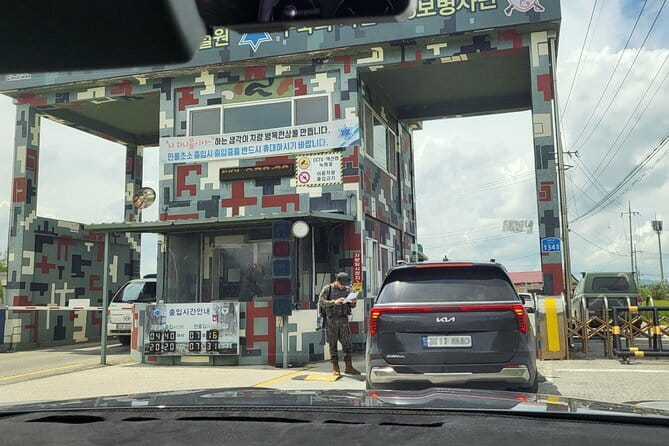
Your first stop is the Cheorwon DMZ Peace Center, where the vehicle’s license number and each participant’s name are registered before you enter the civilian-controlled area. This is a necessary security step, not a sightseeing stop, so expect a practical beginning.
The private vehicle arrangement is one of the tour’s strongest features. Unlike the route to the 3rd Tunnel, you do not need to switch into a group tourist bus. Your vehicle follows a lead vehicle in single file, allowing your party to remain together from Seoul through the controlled zone.
That setup is useful in several ways. You avoid the shuffle of loading onto another bus, you spend more time with your own guide, and you do not have to keep track of a large mixed group. It also makes the day feel more focused, though the convoy rules mean you will still follow a set route and schedule.
Bring patience for the registration process. The border area is controlled for good reason, and access depends on the required registration. The tour includes the admission fee, so you do not need to arrange the DMZ entry separately.
Walking through the 2nd Tunnel
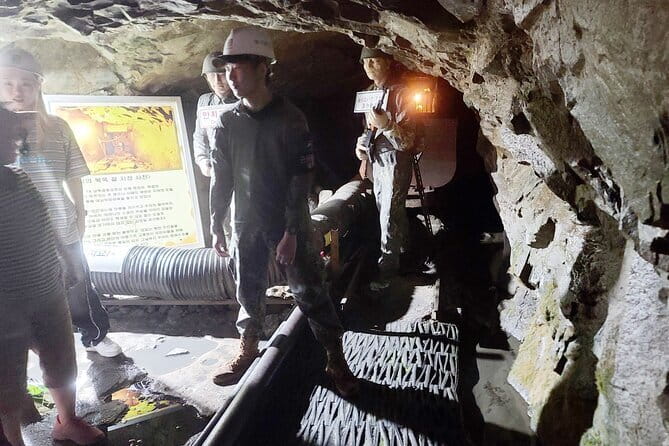
The 2nd Tunnel was discovered on March 24, 1975, after two soldiers reported hearing explosions during sentry duty in November 1973. Those dates are more than background facts. They explain how the tunnel was found and why the military regarded it as a serious threat.
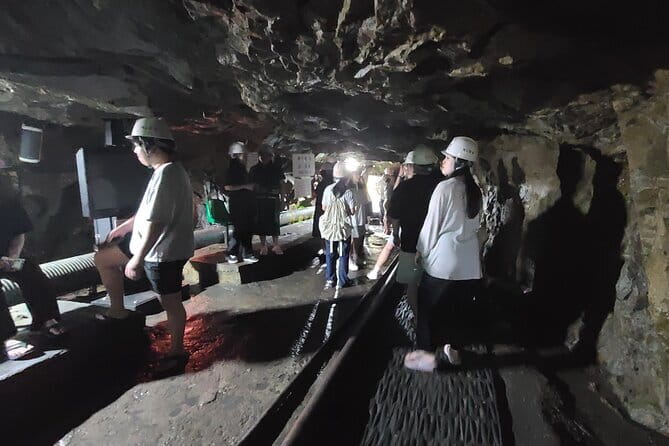
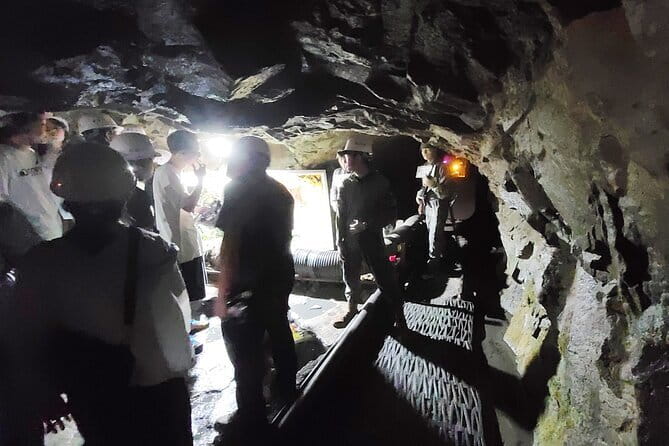
The tunnel is described as twice as long and deeper than the 3rd Tunnel. You can walk inside to the marked end point, which is 300 meters from the Military Demarcation Line. That distance gives the stop its weight. You are not simply looking at an old passage. You are entering a place built for a possible military advance beneath the border.
Wear practical shoes and expect the tunnel portion to be more physical than the observatory stop. The supplied details do not specify the exact walking conditions, so you should be ready for an underground route rather than a polished museum passage. If anyone in your group dislikes confined places or tiring walks, this is the part to consider most carefully.
A guide adds real value here. The tunnel’s dimensions and discovery story are interesting, but the explanation of its purpose connects the site to the wider conflict. Jun and Moon are praised for putting the Korean War’s suffering into human terms, while Wendy is described as keeping the day moving and personal. Ask questions as you go, since this is one of the stops where a guide can turn a stark concrete passage into a clear lesson.
The Cheorwon Peace Observatory and its monorail
At the Cheorwon Peace Observatory, you can take an included monorail to the top of the mountain. The round-trip ticket is part of the tour price, and the ride saves energy for the viewing area. That is a practical advantage after the tunnel walk and the drive from Seoul.
From the observatory, the listed sights include the ecosystem around the DMZ, the Battle of Bloody Ridge, Kim Il Sung’s high land, the former fortress and castle town of Gung-Ye, the Pyeonggang tableland, and a North Korean propaganda town. Visibility will shape how much you can make out, but the observatory gives you a broad view of the area’s military and political story.
The Battle of Bloody Ridge is presented with the human cost on both sides: about 1,250 North Korean soldiers and 1,030 South Korean soldiers died in the fierce fighting. That kind of detail changes the view from a scenic overlook into a place of remembrance.
The stop also includes a striking piece of Korean political lore. Kim Il Sung’s high land is linked to the claim that he cried for three days after losing Cheorwon. You do not need to accept every historical story without question, but hearing how the land is remembered on both sides helps explain why this border remains emotionally charged.
The observatory can be rewarding for adults and children, but the subject matter is serious. Younger children may enjoy the monorail and the distant views, while older children are more likely to follow the military history. The tour is educational for families, but it is not built around entertainment.
A few more Seoul half-days to weigh up
- Seoul: DMZ Tour with Optional Suspension Bridge
★ 4.8 · 5,277 reviews - Seoul: DMZ The 3rd Tunnel and Suspension Bridge Tour
★ 5.0 · 4,656 reviews - Signature DMZ Tour: Exclusive Defector Talk & Suspension Bridge
★ 5.0 · 4,459 reviews - Incheon Airport: Traveler SIM & T-money Transportation Card
★ 4.7 · 3,332 reviews
Woljeongri Station and the wrecked train
Woljeongri Station is a small stop with a powerful physical reminder of the Korean War. Behind the station building sits the wreck of a train bombed during the conflict. The train was used by the North Korean army and was struck by United Nations forces.
The damaged train helps make the war tangible. Maps and dates can feel distant. Twisted metal and a ruined railway carriage show what the conflict left behind in a way that needs very little explanation.
This stop is likely shorter than the tunnel and observatory, but do not dismiss it as a quick photo opportunity. The station represents a railway interrupted by division. Its presence beside the DMZ connects the military border to ordinary movement, trade, and the hopes of a country that was once more connected.
The site also gives the day a useful change of pace. After the underground tunnel and mountain view, Woljeongri returns you to a ground-level memorial. I would listen closely to the guide here, since the train’s military use and bombing are the details that give the remains meaning.
What the private format changes
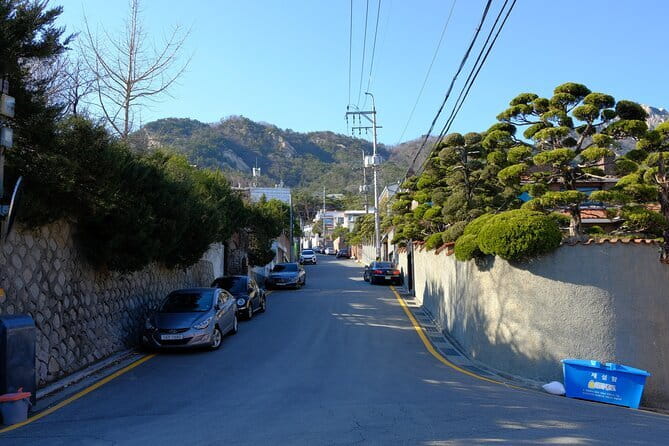
This is a private activity, so only your group takes part. That does not make the DMZ flexible in the way a free-form private tour might be. You still register, follow the lead vehicle, and observe the rules of the controlled area.
It does make the day easier to manage. You can stay with one vehicle, ask questions without speaking over a large crowd, and keep the explanations connected to your interests. If your group wants more detail about the Korean War, the tunnel, or reunification, a private guide can spend more time on those topics.
Pickup is offered, and the tour includes air-conditioned transportation, private transport, bottled water, DMZ admission, and the observatory monorail. Those inclusions matter because the day covers several sites outside Seoul. You are paying for transport and coordination as much as for the admissions.
The tour price is $245.29 per person. That is not a bargain for a sightseeing day, especially before lunch, which costs an additional 15,000 Korean won per person. Still, the price is easier to justify if you value a private group, door-to-door pickup, your own vehicle inside the controlled zone, and a guide who can explain the political and personal meaning of each stop.
Group discounts may be available, so the value can improve for a larger party. If you are comparing this with a standard DMZ trip, focus on the complete package rather than the ticket price alone. A cheaper tour may use shared transport and a larger group, while this option charges more for privacy and a route that includes the 2nd Tunnel and Cheorwon.
How to prepare for the eight-hour outing

Plan on roughly eight hours from start to finish. Cheorwon is outside Seoul, and the itinerary includes registration, vehicle travel, the tunnel, the observatory, and the station. This is not a quick half-day add-on that leaves you plenty of time for other major sights in Seoul.
Wear shoes suitable for walking inside the tunnel. Bring water, although bottled water is included, and keep your day comfortable rather than fashionable. The tour includes an air-conditioned vehicle, which helps during the long road portions.
Lunch is not included. Set aside 15,000 Korean won per person for the meal, and remember that the day’s main price does not cover it. The provided information does not specify the restaurant or menu, so do not book this tour expecting a particular dining experience.
Confirmation is issued at booking, and the mobile ticket makes access convenient. Most people can participate, but the tunnel walk may be the main physical consideration for your party. If someone in your group has trouble with enclosed spaces or extended walking, check the practical demands before paying.
The DMZ remains a controlled military area, so access and the day’s movement follow official procedures. Keep your identification and booking information available, follow the guide’s instructions, and avoid treating the border as a casual photo stop. The point of Cheorwon is to understand a living political divide, not just collect a dramatic picture.
Who will get the most from this tour
I would choose this trip for someone who wants more than the standard Seoul DMZ snapshot. The 2nd Tunnel offers a stronger sense of the military reality, while the observatory and Woljeongri Station show how the conflict shaped the land and its people.
It suits families with school-age children who can manage a serious history lesson and a tunnel walk. Korean students visit DMZ sites to study the past, and this route has that same clear educational purpose. It also suits couples, friends, and private groups who prefer their own vehicle and a guide focused only on them.
The tour may not suit someone looking for a relaxed countryside outing. The subject is heavy, the day is long, and entry procedures are part of the experience. You should also think twice if your main goal is shopping, food, or a wide range of casual photo stops.
The guide can make a major difference. Jun and Moon are associated with thoughtful explanations of the Korean War and its human cost. Wendy is described as personable and efficient, with little wasted time. Since the exact guide may vary, consider the private format itself the reliable advantage rather than expecting one specific person.
Should you book the Cheorwon DMZ tour?

Book this tour if you want a serious, well-organized look at the Korean border and value private transport over the lowest possible price. The 2nd Tunnel, Cheorwon Peace Observatory, and wrecked train at Woljeongri Station form a stronger historical sequence than a single lookout stop.
The $245.29 price is fair for a private eight-hour outing with pickup, transport, admission, bottled water, and the monorail included, though lunch costs extra. It is especially sensible for a group that can share the private experience and wants to avoid changing buses.
Skip it if you want a short, inexpensive DMZ visit or dislike enclosed spaces, long road days, and military history. For everyone else, this is a thoughtful Cheorwon route that connects the war’s underground threat, its battlefields, its divided railway, and the continuing hope for reunification.
FAQ
How long does the tour last?
The tour lasts approximately eight hours.
Where does the tour take place?
The experience begins with pickup in Seoul and visits Cheorwon-gun, the 2nd Tunnel, Cheorwon Peace Observatory, and Woljeongri Station.
Is pickup available?
Yes. Pickup is offered.
Do I need to change to a group tourist bus?
No. After registration, your group enters the civilian-controlled area in its own vehicle and follows the lead vehicle in single file.
Is this a private tour?
Yes. Only your group participates in the private activity.
What is included in the price?
The price includes an air-conditioned vehicle, private transportation, bottled water, the DMZ admission fee, and a round-trip monorail ticket.
Is lunch included?
No. Lunch costs an additional 15,000 Korean won per person.
Can I ride the monorail at Cheorwon Peace Observatory?
Yes. A round-trip monorail ticket is included, and the ride takes you to the top of the mountain.
Can I cancel for a full refund?
Yes, if you cancel at least 24 hours before the experience start time. Cancellations made less than 24 hours in advance are not refundable, and changes within that period are not accepted.
Recently added around Seoul
- Gyeongbokgung Palace Photo Session with your own phone★ 5.0 · 4 reviews
- Private Tour around Suwon UNESCO Fortress and Korea Folks Village★ 4.5 · 4 reviews
- Nami & Maple Road & Theatre des Lumieres Day Tour from Seoul★ 4.8 · 4 reviews
- Jisan Forest Resort: Ski Full-Day Tour or Shuttle from Seoul★ 5.0 · 4 reviews
- N Seoul Tower + Namsan Cable Car Ticket (Collect in Myeongdong)★ 3.5 · 4 reviews
- Seoul: Deoksugung Palace Night Tour★ 4.5 · 4 reviews
- Private Jeonju Hanok Village – Culinary tour★ 5.0 · 4 reviews
- Seoul Private Walking Tour with a Local★ 5.0 · 4 reviews
DMZ Tours, compared.
Best DMZ Tour Korea from Seoul (Red Suspension Bridge Optional)
Read the review →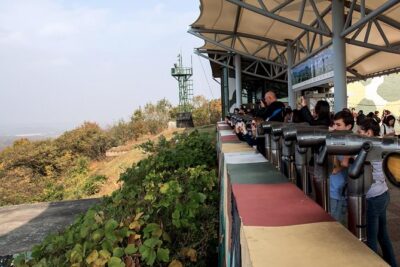
DMZ Tour: 3rd Tunnel, Option(Suspension Bridge, Boat) from Seoul
Read the review →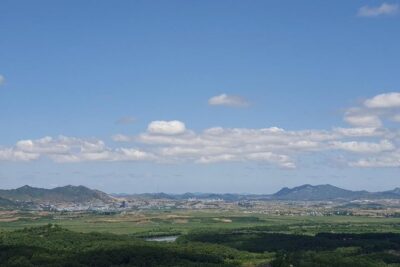
DMZ tour south Korea from Seoul (NK experience hall, defector)
Read the review →
DMZ Insider Tour: 3rd Tunnel, NK Defector Meet & Red Bridge
Read the review →
DMZ The 3rd Tunnel and Suspension Bridge Tour
Read the review →
Signature DMZ Tour: Exclusive Defector Talk & Suspension Bridge
Read the review →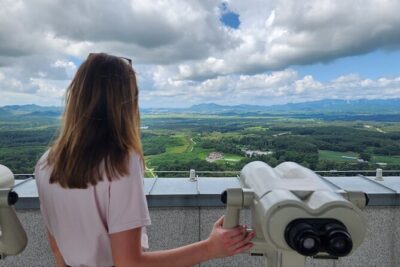
Thrilling Korean DMZ 3rd Tunnel Tour from Seoul + Red Bridge Rush
Read the review →Browse the lists this tour appears in