
Reviewed · SEOUL TOURS
Makgeolli Brewing Class
Makgeolli is not just a drink you order with Korean pancakes. In this 2.5-hour class at a working brewery in Seoul’s Hyehwa neighborhood, you learn how rice, water, and fermentation become the cloudy Korean rice wine known as makgeolli. I like the hands-on format, especially the way you move from tasting to making. I also like that you can take home either an ingredient kit or a bottle of makgeolli.
The class gives you a useful look at Korean alcohol traditions without turning into a dry lecture. Omar and Inji have been praised for taking time with questions and explaining each step clearly. The main drawback is that the class starts at 1:00 pm and ends back at the brewery, so it fills a good part of your afternoon and does not include a wider neighborhood tour.
Key points at a glance
- Start with Korean alcohol culture: Learn about different kinds of sool, the Korean word for alcohol, and the fermentation methods behind them.
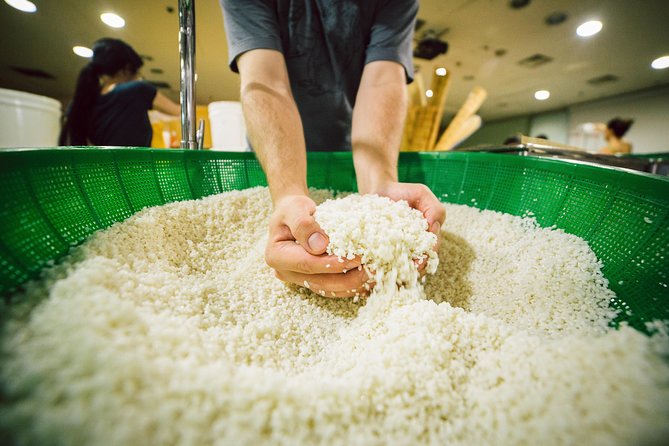
- Work through the full process: The class covers rice washing, preparation, fermentation, and final filtering.
- Taste before you brew: Sample home-brewed makgeolli so you can understand how the finished drink can vary.
- Choose your takeaway: Leave with a basic ingredient kit for home brewing or a bottle of makgeolli.
- Learn from working brewers: The class takes place inside a functioning makgeolli brewery in Hyehwa.
- Keep the group manageable: The maximum group size is 20 people, with mobile tickets and a meeting point near public transportation.
Makgeolli is more than cloudy rice wine
Makgeolli is often described as Korean rice wine, but that simple label hides what makes it different from many Western wines. It is milky, lightly fermented, and usually less polished in appearance than clear spirits or filtered wines. The character comes from the brewing process, not from grapes or fruit.
This class gives you a chance to understand that process with your hands. Instead of only hearing how makgeolli is made, you work through the basic stages yourself. That matters because fermentation can seem mysterious when you only read about it. Washing rice, preparing it correctly, and filtering the finished liquid make the process much easier to understand.
I like this approach for first-time visitors because it connects food, drink, and culture in one sitting. You are not simply tasting a local specialty and moving on. You are learning why it looks the way it does and what happens before it reaches a bowl or bottle.
The class also introduces different kinds of sool, or Korean alcohol. That wider context helps place makgeolli within Korea’s drinking culture instead of treating it as an isolated novelty. The tasting portion gives you a point of comparison before you begin the practical work.
A few more Seoul half-days to weigh up
- Korean Brewery
★ 5.0 · 24 reviews - Seoul: Craft Makgeolli Brewery Tour & Tasting Experience
★ 5.0 · 16 reviews - Learn and Craft Makgeolli in a Traditional Brewery
★ 5.0 · 12 reviews
Arriving at the Hyehwa brewery
The meeting point is on the second floor at 229 Changgyeonggung-ro in Jongno District. The brewery is near public transportation, which makes the Hyehwa location useful if you are already exploring central Seoul. Your activity begins at 1:00 pm and finishes at the same place.
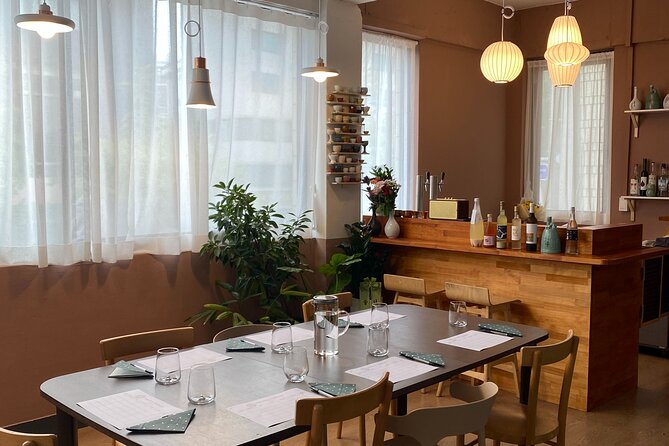
The setting is part of the appeal. You are learning inside a fully functioning makgeolli brewery, not in a generic classroom fitted out for tourists. That does not mean you will see every part of the commercial operation, but it does mean the instruction comes from people who work with Korean alcohol in a practical setting.
Allow time to find the second-floor entrance. The supplied meeting details are clear, but the address itself is more useful than a broad neighborhood name, particularly if you are arriving by taxi or navigating Seoul’s busy streets. A mobile ticket makes entry simple once you reach the correct building.
The maximum group size is 20 people. That is not a tiny private lesson, but it is still small enough for a class with hands-on steps, especially when the instructors keep the session moving. If you want lots of personal attention, arrive ready with your questions and take part rather than standing back.
The opening lesson: Korean alcohol and fermentation
The class begins with an introduction to makgeolli and other Korean alcoholic drinks. You learn about the role of fermentation and the methods that give Korean alcohol its particular character.
This opening section is important because it gives meaning to the practical work that follows. You are not just washing rice because that happens to be the first instruction. You are learning how preparation affects the later stages of brewing.
The explanation also helps you taste with more purpose. Makgeolli is easy to approach as a sweet, creamy drink, but the class asks you to notice more than its cloudy appearance. The instructors explain how the brewing method shapes the final result.
The experience includes alcohol tasting, so this is not the right pick if you want an entirely alcohol-free activity. The tasting is built into the lesson rather than added as an afterthought. Pace yourself, especially if you have plans later in the day or are sensitive to alcohol.
The instruction is available in a setting designed around Korean alcohol, which gives the subject more weight than a quick tasting at a restaurant. Feedback about Omar and Inji points to patient explanations, detailed guidance, and plenty of time for questions. Since the exact instructor can vary, you should treat those names as examples of the teaching style rather than a guarantee of who will lead your session.
Washing rice and starting the brew
The practical portion takes you from the beginning. Rice washing may sound basic, but it is a useful way to see how brewing depends on careful preparation. The class does not jump straight to a finished bottle. You start with the foundation and follow the process in order.
I value this sort of instruction because it makes the activity easy to remember at home. You leave with a sequence you can repeat, not just a story about how somebody else makes makgeolli.
The class then explains the fermentation techniques used in Korean alcohol. Fermentation is the part most home brewers may find intimidating, and the instructor’s job is to make it understandable. You learn the principles needed to continue brewing after the session, rather than stopping at a single classroom batch.
The information supplied does not promise that you will take home the exact brew prepared during the lesson. Instead, you receive the instructions and then choose between an ingredient kit for your own home attempt or a bottle of makgeolli. That distinction is worth noting. The kit is the better choice if you want an activity to continue after Seoul. The bottle is easier if you want a ready-to-drink souvenir.
More hands-on workshops in Seoul:
- Local Home Korean Cooking Class & Market Adventure in Seoul
★ 5.0 · 1,024 reviews - Seoul: Korean Cooking Class at a Local Home and Market Tour
★ 5.0 · 348 reviews - Yongpyong Ski Resort from Seoul with Optional Lesson and Packages
★ 5.0 · 217 reviews - Seoul: Kpop Dance Class Including Video Shooting & Editing
★ 4.8 · 185 reviews
Tasting homemade makgeolli
Before or during the practical work, you taste home-brewed makgeolli. This is one of the class’s strongest features because it gives you a finished reference point.
Tasting makes the technical explanation more concrete. After hearing about rice and fermentation, you can connect those ideas to the drink in front of you. You may notice differences in texture and flavor between batches, though the provided details do not specify which varieties or number of samples are served.
The session also includes alcoholic drinks from across South Korea at the shop after the class. This gives you a chance to keep exploring Korean drinking culture once the brewing lesson ends. The drinks are selected from different parts of the country, so the shop adds a broader look at regional alcohol.
Keep your expectations sensible. This is not advertised as a full food pairing or a long bar crawl. It is a brewing class with tasting, followed by the option to visit the shop for more drinks. If your main goal is a relaxed afternoon of drinking, the educational structure may feel more deliberate than a casual bar visit.
If you are curious about Korean alcohol but usually find tastings too passive, this format works well. You taste first, then put the ideas into practice.
Filtering and understanding the finished drink
The final practical stage is filtering. This is where the cloudy liquid becomes recognizably makgeolli, and it helps you see why the drink has its familiar texture and appearance.
Filtering also reinforces a useful point: makgeolli is not simply rice mixed with alcohol. Several steps shape what ends up in the bowl or bottle. The class takes you through the process from washing rice to this later stage, giving you a complete outline rather than a single demonstration.
The instructors aim to equip you with the basic information needed to make makgeolli at home. That does not mean you will become an expert brewer in one afternoon. It means you leave with a practical starting point, a clearer sense of the ingredients, and a better idea of what fermentation requires.
You should pay close attention during this section and ask questions. The hands-on parts are likely to be the most memorable, but the small explanations around them are what make the experience useful later. The class is only about two hours and 30 minutes, so there is enough time for a proper introduction and practice without making this a full-day commitment.
Choosing between the kit and the bottle
At the end, you can take home a kit containing the basic ingredients needed to recreate your own brew, or you can choose a bottle of makgeolli instead.
The kit gives the class lasting value. You can try the process again after returning home, which is especially appealing if you enjoy cooking projects or want to share a Korean food tradition with friends. The supplied information does not state how much makgeolli the kit produces, how long the process takes at home, or whether all equipment is included. Ask the instructor about those points before choosing it.
The bottle is the simpler option. You avoid managing a home fermentation project and leave with something ready to enjoy. It also makes sense if you are traveling with limited kitchen space or if you are unsure that you will actually brew again.
This choice is a smart touch because it respects different kinds of visitors. Some people want a skill and a project. Others want a local drink without adding another task to their trip. The $75 price includes the class and one of these take-home options, according to the experience details, but the exact contents of the kit are not specified.
Is $75 a fair price?
At $75 per person, this is not a bargain if you compare it with buying a bottle of makgeolli at a market. You are paying for instruction, tasting, hands-on preparation, access to a working brewery, and the choice of a kit or bottle.
I think the value is strongest for visitors who want a cultural activity with a practical result. The class lasts about 2.5 hours, so the price works out better than a short tasting where you simply sample drinks and leave. You also get a lesson you can use later, particularly if you select the ingredient kit.
The value is weaker if you only want to drink makgeolli or if you dislike structured activities. You can find Korean alcohol more cheaply elsewhere, and the class does not include a meal, a city tour, or transportation beyond the convenient central location.
The 100 percent recommendation rate and five-star score from 21 ratings suggest very strong satisfaction, but the small number of ratings should keep your expectations measured. The clearest strengths are the detailed teaching, the chance to ask questions, and the practical work. The class earns its price through participation, not luxury.
Who will enjoy this class most?
I would recommend this experience to you if you like food traditions, craft workshops, or local drinks with a story behind them. It also suits couples, friends, and solo visitors who want an indoor Seoul activity with a clear start and finish.
It is a good fit for people who enjoy learning by doing. The class is less appealing if you prefer to spend the afternoon sightseeing outdoors or if you want a flexible schedule with no fixed instruction.
You should also be comfortable with alcohol tasting. The class includes samples and offers more alcoholic drinks at the shop afterward. Anyone avoiding alcohol should choose a different activity.
The experience may appeal to repeat visitors who have already covered Seoul’s major sights. Hyehwa gives you a reason to return to a central neighborhood for something more specific than another palace or shopping street. Still, the class itself does not include a guided tour of Hyehwa, so plan your own nearby sightseeing separately.
Planning your afternoon in Hyehwa
The 1:00 pm start makes this easy to pair with a morning activity elsewhere in Seoul. Since the class finishes at its original meeting point, you can continue exploring Jongno District afterward without arranging a second pickup.
The end time is approximate because the activity lasts about two hours and 30 minutes. Leave room in your schedule rather than booking a tight restaurant reservation immediately afterward, especially if you plan to stay for drinks at the shop.
A mobile ticket is provided, and confirmation comes at booking. The activity has a maximum of 20 people and requires a minimum number to operate. If that minimum is not met, you are offered another date or experience, or a full refund.
Free cancellation is available if you cancel at least 24 hours before the 1:00 pm start time. A cancellation within 24 hours is not refunded, and late changes are not accepted. The cut-off follows Seoul local time, so keep that in mind if you are booking from another country.
Should you book the Makgeolli Brewing Class?
Book it if you want more than a drink and like the idea of carrying a Korean brewing project home. The combination of cultural background, tasting, rice preparation, fermentation instruction, and filtering gives the $75 price a clear purpose.
I would choose the ingredient kit if you enjoy cooking and expect to have time for a follow-up project. Choose the bottle if you want a simpler souvenir. The only real caution is that this is a structured alcohol workshop, not a casual tasting or a broad Seoul tour.
For an afternoon in Hyehwa, this is a focused and useful choice. You leave with a better understanding of makgeolli, practical instructions, and either the ingredients or the bottle to keep the experience going.
FAQ
Where does the makgeolli brewing class meet?
The class meets on the second floor at 229 Changgyeonggung-ro in Seoul’s Jongno District. The location is near public transportation.
What time does the class begin?
The scheduled start time is 1:00 pm.
How long does the class last?
The activity lasts approximately two hours and 30 minutes.
Where does the class finish?
The activity ends back at the original meeting point.
What will I learn during the class?
You will learn about Korean alcohol and fermentation, then work through makgeolli brewing steps from washing rice to the final filtering process.
Can I take something home after the class?
Yes. You can choose an ingredient kit for making your own brew or take home a bottle of makgeolli instead.
Can I cancel for a full refund?
Yes, if you cancel at least 24 hours before the experience start time. Cancellations made less than 24 hours before the start are not refunded.
Recently added around Seoul
- Private Tour around Suwon UNESCO Fortress and Korea Folks Village★ 4.5 · 4 reviews
- Nami & Maple Road & Theatre des Lumieres Day Tour from Seoul★ 4.8 · 4 reviews
- Gyeongbokgung Palace Photo Session with your own phone★ 5.0 · 4 reviews
- Seoul: Deoksugung Palace Night Tour★ 4.5 · 4 reviews
- N Seoul Tower + Namsan Cable Car Ticket (Collect in Myeongdong)★ 3.5 · 4 reviews
- Jisan Forest Resort: Ski Full-Day Tour or Shuttle from Seoul★ 5.0 · 4 reviews
- Private Jeonju Hanok Village – Culinary tour★ 5.0 · 4 reviews
- Seoul Private Walking Tour with a Local★ 5.0 · 4 reviews
Seoul Tours, compared.
Best DMZ Tour Korea from Seoul (Red Suspension Bridge Optional)
Read the review →
DMZ Tour: 3rd Tunnel, Option(Suspension Bridge, Boat) from Seoul
Read the review →
DMZ tour south Korea from Seoul (NK experience hall, defector)
Read the review →

DMZ The 3rd Tunnel and Suspension Bridge Tour
Read the review →
Signature DMZ Tour: Exclusive Defector Talk & Suspension Bridge
Read the review →
Thrilling Korean DMZ 3rd Tunnel Tour from Seoul + Red Bridge Rush
Read the review →
DMZ Past and Present: Korean Demilitarized Zone Tour from Seoul
Read the review →Browse the lists this tour appears in