
Reviewed · SEOUL TOURS
Korean Brewery
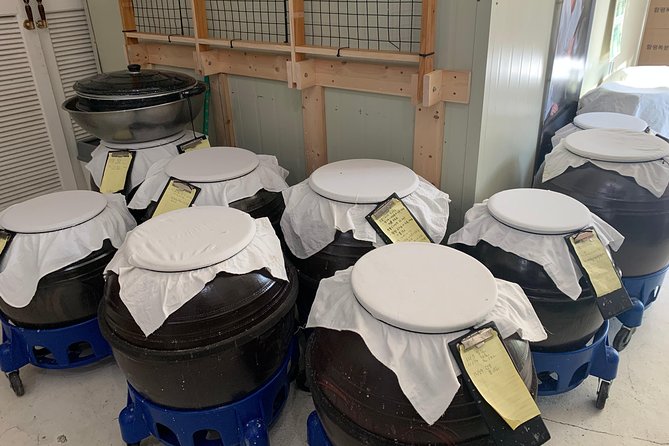
The most unusual part of this Seoul evening is meeting a 10th-generation brewmaster in his own workshop. He explains how rice becomes makgeolli, yakju, and soju, then pours several versions for you to compare. This is not a bar crawl. It is a close look at a family craft that still lives in the middle of the city.
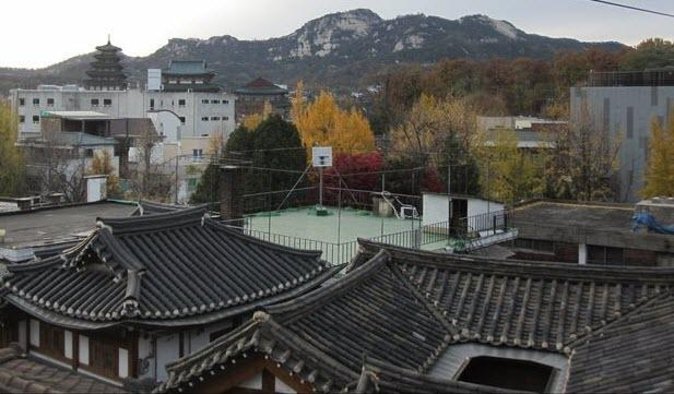
I like the walk through Bukchon Hanok Village before the tasting, and I like that dinner is more than an afterthought. You sit down to doenjang jjigae, jeon, bossam, side dishes, and premium makgeolli in a small restaurant in Insadong. The main caution is the meeting point at 165 Anguk-dong can be hard to spot, especially if Seoul is new to you, so arrive early.
Key points at a glance
- Meet a family brewmaster: Visit the workshop of a 10th-generation artisan and learn directly about his methods and recipes.
- Compare three Korean drinks: Taste makgeolli, yakju, and soju while hearing how fermentation and distillation affect strength and flavor.
- Walk through two central neighborhoods: The route links Bukchon Hanok Village with Insadong, adding old Seoul streets to the evening.
- Finish with a serious Korean meal: Expect doenjang jjigae, jeon, bossam, many side dishes, and more makgeolli.
- Small group setting: The booking information lists a maximum of 12 people, though some promotional material says 15.
- Plan for an early arrival: The Anguk-dong meeting point may take time to find, and comfortable walking shoes are a smart choice.
Why this Korean alcohol tour feels different
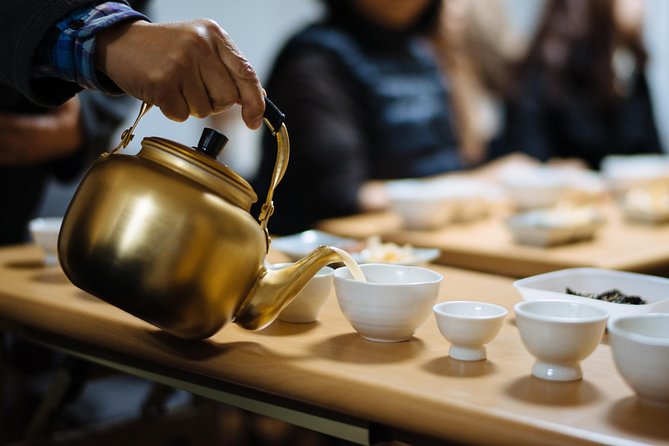
Seoul offers plenty of places to drink soju, but this outing explains what is in your glass. The focus is on traditional rice alcohol and the people who keep the process alive. You will learn why makgeolli is cloudy, how yakju differs from it, and why artisan soju is not simply the same drink as the inexpensive green-bottle spirit found everywhere in Korea.
The brewmaster has been designated a Human National Treasure by the city of Seoul. That title matters because it signals a recognized craft tradition, not just a clever tasting-room story. He is described as a 10th-generation maker working from a secret family recipe, and the workshop visit gives the evening a personal center.
The guides also add useful local context. Veronica is frequently named as the guide, while Jay and YG have led other departures. Their roles include interpretation, neighborhood orientation, and helping you understand the food as it arrives. If you are lucky, the brewmaster may be making a new batch or sharing seasonal experiments. One tasting included grape yakju and mushroom-infused soju, showing how broad these drinks can be.
A few more Seoul half-days to weigh up
- Seoul: Pub Crawl
★ 4.7 · 903 reviews - The Seoul Pub Crawl Official
★ 5.0 · 838 reviews - Drinking and Eating through the Alleys of Seoul
★ 5.0 · 364 reviews
Starting at Anguk-dong and walking through Bukchon
You meet at 165 Anguk-dong in Jongno District, near public transportation. The activity ends at the same general meeting point, which makes the route easier to manage than a tour that drops you far from where it began.
Give yourself extra time to find the exact spot. The directions have been unclear for at least one person who knew the broad area but not the precise meeting location. Seoul’s streets around Anguk, Bukchon, and Insadong can feel confusing, with small lanes and several nearby subway exits. Arriving early is the simplest fix.
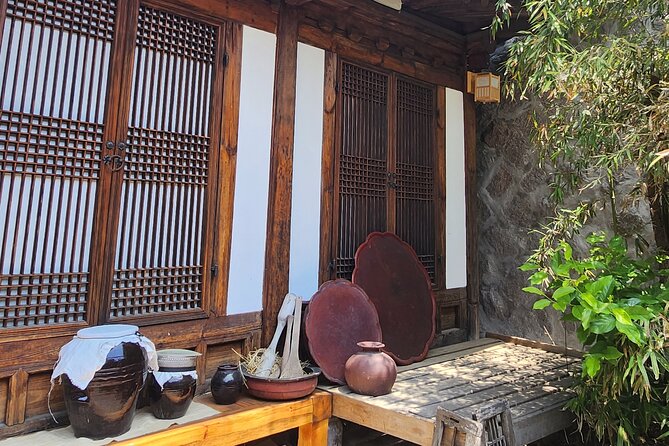
The first walk leads through Bukchon Hanok Village. This area is known for old traditional houses, craft workshops, and narrow streets linking the palace district with Insadong. The walk is not just filler before the drinks. It places the tasting in the older fabric of Seoul and gives your guide a chance to point out craft shops, local streets, and neighborhood details.
You should wear shoes that handle walking comfortably. The tour operates in all weather, and the route includes outdoor time. The supplied schedule gives about 40 minutes for the Bukchon portion, but the full activity lasts around two and a half hours, so expect walking, conversation, tasting, and dinner to flow together rather than follow a rigid minute-by-minute plan.
Inside the 10th-generation brewmaster’s workshop
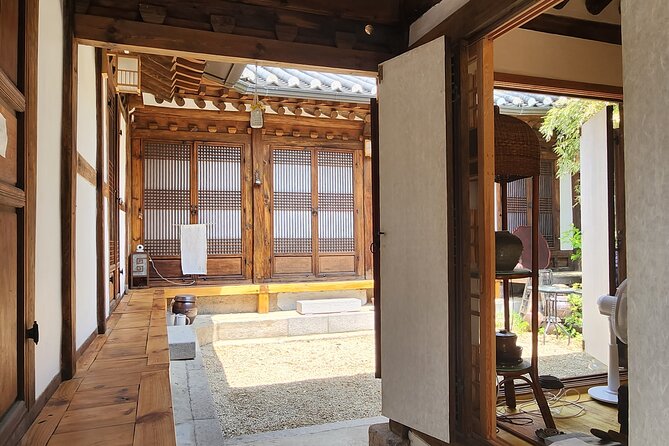
The workshop is the heart of the outing. Here you meet the artisan brewmaster and distiller, hear about his family’s methods, and see where the drinks are made. The setting is more intimate than a large commercial brewery, which makes it easier to ask questions and watch the process at close range.
The lesson centers on rice, fermentation, and distillation. Makgeolli is a cloudy rice wine, yakju is a clearer refined rice wine, and soju is distilled. The exact methods and strength vary, and the brewmaster explains those differences while you taste.
That order matters. You are not asked to memorize a technical lecture before trying anything. You taste as you learn, which lets you connect the brewing method to what you notice in the glass. Some pours may be light and fruity, while others can be earthy, fuller, or more forceful.
The tasting can include more than one version of each drink. Seasonal and experimental batches have appeared, including grape yakju with a wine-like character and mushroom-infused soju with an earthy quality closer to whiskey. These examples are not guaranteed on every departure, but they show why artisan Korean alcohol deserves more attention than the standard soju bottle on a restaurant table.
Pace yourself. The tour includes alcoholic drinks at the workshop and additional makgeolli with dinner. Because the outing lasts only about two and a half hours, the tasting moves at a friendly pace, but you should still treat it as a real alcohol tour, not a few token sips.
What you will taste, and what it teaches you
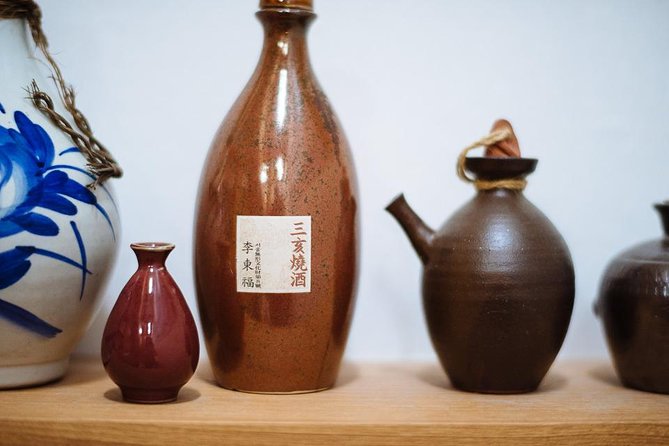
Makgeolli is likely to be the most immediately approachable drink for many people. It is cloudy, often gently sweet, and made from rice. You will have it with dinner as well, which gives you a chance to see how it works beside salty pancakes, pork, stew, and side dishes.
Yakju offers a different point of comparison. It is clearer and can feel more like a rice-based wine. The tasting may include flavored or fruit-based versions, such as grape yakju. That kind of pour can surprise you if you expect every Korean rice drink to taste earthy or sweet in the same way.
Soju is presented as a craft product rather than a basic table spirit. The brewmaster discusses distillation and alcohol content, and the artisan versions can have more distinctive character. The mushroom variation mentioned in the tasting program is a useful example of how an infused soju can take on savory, woody, or whiskey-like notes.
The value here is the comparison. A single drink can be interesting, but tasting several styles beside one another helps you understand Korean alcohol culture. You will leave with a better sense of what to order later and why one bottle may cost much more than another.
A different way to spend a day from here:
- Best DMZ Tour Korea from Seoul (Red Suspension Bridge Optional)
★ 5.0 · 41,422 reviews - DMZ Tour: 3rd Tunnel, Option(Suspension Bridge, Boat) from Seoul
★ 5.0 · 21,373 reviews - DMZ tour south Korea from Seoul (NK experience hall, defector)
★ 5.0 · 20,599 reviews - Seoul: DMZ Tour with Optional Suspension Bridge
★ 4.8 · 5,277 reviews
Dinner in Insadong with more than 15 dishes
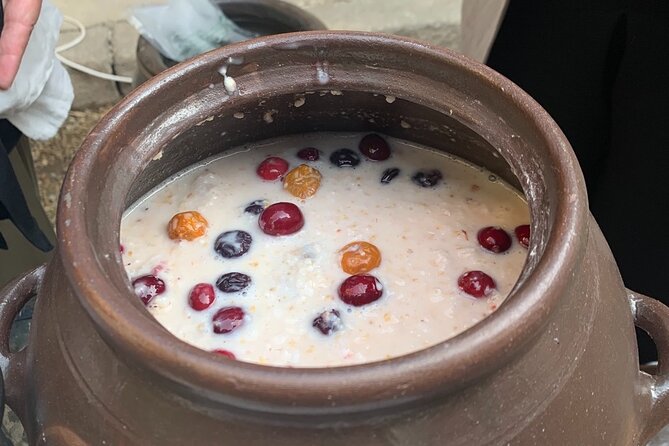
After the workshop, you walk toward Insadong and sit down at a small local restaurant. The restaurant is described as using special ingredients from the tidal flats of Jeollanam-do, a detail that gives the meal a regional angle rather than making it a generic Korean set menu.
The food is generous. Expect doenjang jjigae, a fermented soybean paste stew; jeon, Korean pancakes; bossam, boiled pork belly; and a spread of side dishes. The full meal can include more than 15 different dishes, so this is not a light snack attached to a tasting.
Your guide explains the culinary background as the plates arrive. That helps you make sense of the meal, especially if you are unfamiliar with the way Korean dishes are shared and served together. Makgeolli continues at the table, and the guide can explain how the restaurant’s version differs from what you tasted at the workshop.
The food may not suit every palate. One person found the traditional seafood dishes interesting but not especially appealing. That is a fair warning: the meal leans into regional Korean flavors and ingredients, rather than staying safely familiar for international diners.
I see that as part of the point, but you should know what you are signing up for. If you want a predictable dinner with mild flavors, this may feel adventurous. If you enjoy trying local food and letting the guide explain unfamiliar dishes, the meal is one of the strongest parts of the evening.
How the small group affects the evening
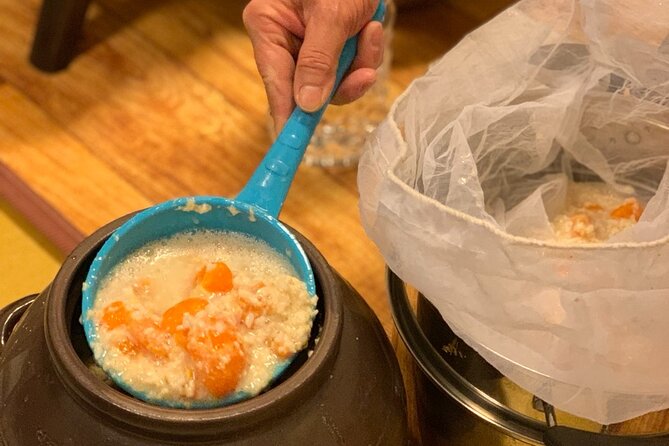
The group limit is a real advantage. The booking details state a maximum of 12 people, although another description lists 15, so confirm the current cap when you book. Either way, this is intended to be a small-group activity, not a coach outing.
A small group matters most inside the workshop. You can hear the brewmaster, ask questions, and watch the process without being lost at the back of a crowd. It also keeps dinner more social and gives the guide room to adjust explanations to the people at the table.
The format can work even with only two people. One couple had the activity with just the two of them and still found the evening complete. The minimum booking requirement is two people, while solo visitors are asked to contact the operator individually.
Private departures are also possible. A private group of five had the workshop and dinner as a more personal evening. If you are arranging a family outing or a special food-focused night, ask about the private option rather than assuming every departure has the same setup.
The guides make a practical difference
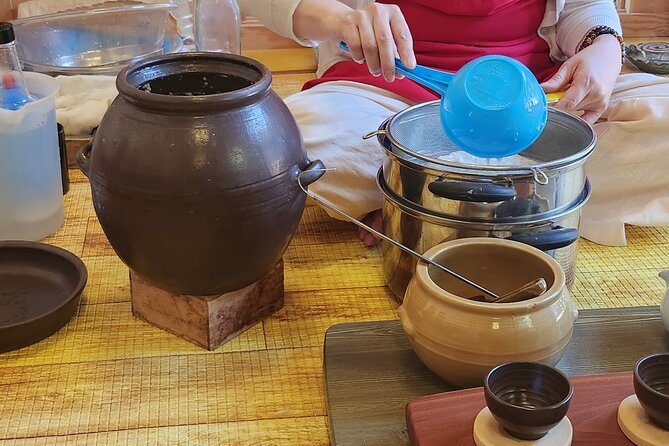
The guide is not merely there to lead the walk. You rely on this person to translate the brewmaster’s explanations, introduce the food, and keep the route moving. Veronica is especially associated with neighborhood suggestions and meal guidance. Jay has been praised for fluent English and careful attention, and YG has also led the tour.
Guide assignments can change, so you should not book on the promise of one particular person unless the operator confirms it. Still, the repeated emphasis on interpretation is important. The brewmaster’s craft is the main attraction, but without clear translation, some of the technical and cultural detail could be lost.
You also get informal help beyond the scheduled tasting. The guide may show you around the neighborhood and suggest places to eat or things to do afterward. That extra local orientation is useful on an early Seoul day, when you are still learning how the palace district, Bukchon, and Insadong fit together.
Is $150 a fair price?
At $150 per person, this is not a bargain drink-and-dinner outing. The price includes a local guide, the alcoholic tastings, and an upscale local meal with premium makgeolli. It also pays for access to a specialist workshop and interpretation, which is different from simply ordering a bottle at a restaurant.
I think the price makes sense if you care about Korean food culture, craft alcohol, and a small group. You are paying for a guided introduction to three drink styles, an artisan meeting, neighborhood walking, and a substantial meal in one evening.
The value is weaker if your main goal is simply to drink inexpensive soju. You could spend far less at a Seoul restaurant, and you would probably receive more alcohol for the money. You would not receive the brewmaster lesson, the workshop access, or the same explanation of how the drinks connect to Korean cooking.
The dinner helps the value considerably. With more than 15 dishes and continued makgeolli, it is a full meal rather than a few samples. Still, additional food and drinks are not included, so budget separately if you want anything beyond the planned menu.
Who should book this evening?
I would choose this for you if you enjoy food tours, fermentation, spirits, or cultural crafts. It is also a strong first or second-night activity because it combines a neighborhood walk with a meal and gives you useful background for ordering Korean drinks later.
It suits couples, friends, and small family groups with members aged 21 or older. The minimum age is 21, and the activity requires at least two people per booking. Most people can take part, but comfortable shoes are recommended because the evening includes walking through Bukchon and Insadong.
I would hesitate if you dislike alcohol, prefer a strictly scheduled itinerary, or are uncomfortable with unfamiliar seafood and regional dishes. The tour is built around drinking and food exploration, so those are not minor side features.
The route is also better for people who enjoy conversation than for anyone seeking a quiet, private museum-style visit. The small group and shared dinner create a social atmosphere, though private arrangements may be available.
Booking details worth knowing
Confirmation is provided at booking, and the activity uses a mobile ticket. Hotel pickup and drop-off are not included, so you must reach Anguk-dong on your own and return there at the end.
The tour runs in all weather. Seoul’s weather can change quickly, and the first part takes place outdoors, so dress for the forecast and bring suitable footwear. Since the exact meeting point can be difficult to locate, arriving early is more useful than cutting it close.
Free cancellation is available up to 24 hours before the start time for a full refund. Cancellations or changes made within 24 hours are not accepted for a refund. Minimum numbers apply, so the operator can cancel after confirmation if too few people book, offering an alternative or a full refund.
Should you book the Korean Brewery tour?
Book it if you want to understand Korean alcohol rather than simply consume it. The 10th-generation brewmaster, the close workshop setting, the range of makgeolli, yakju, and soju, and the large regional dinner give the evening real substance.
I would especially recommend it to food-focused visitors and homebrewers who want to ask practical questions. The grape yakju, mushroom soju, and possible seasonal experiments add variety, while the Bukchon walk keeps the activity connected to Seoul beyond the tasting room.
Skip it if $150 feels too high for a two-and-a-half-hour outing, or if strong traditional flavors and several alcohol samples do not appeal to you. For the right audience, though, this is a thoughtful way to meet Seoul through its rice, its neighborhoods, and the people who still make its old drinks by hand.
FAQ
Where does the Korean Brewery tour start?
The tour starts at 165 Anguk-dong, Jongno District, Seoul, South Korea.
Where does the activity end?
The activity ends back at the original meeting point.
How long does the tour last?
The experience lasts approximately 2 hours and 30 minutes.
What drinks are included?
The tasting includes traditional Korean makgeolli, yakju, and soju. Alcoholic beverages are included in the tour.
Is dinner included?
Yes. The tour includes an upscale local meal with premium makgeolli. The meal can include doenjang jjigae, jeon, bossam, side dishes, and more than 15 different dishes.
What age must participants be?
The minimum age is 21.
How many people can join the group?
The additional information lists a maximum of 12 participants per booking. Another description gives a limit of 15, so confirm the current group size when booking.
Is hotel pickup included?
No. Hotel pickup and drop-off are not included. You must make your way to the meeting point and return there at the end.
Can I cancel for a full refund?
Yes. You can cancel at least 24 hours before the start time for a full refund. Cancellations or changes made less than 24 hours before the start time are not accepted for a refund.
Recently added around Seoul
- Nami & Maple Road & Theatre des Lumieres Day Tour from Seoul★ 4.8 · 4 reviews
- Gyeongbokgung Palace Photo Session with your own phone★ 5.0 · 4 reviews
- Private Tour around Suwon UNESCO Fortress and Korea Folks Village★ 4.5 · 4 reviews
- Jisan Forest Resort: Ski Full-Day Tour or Shuttle from Seoul★ 5.0 · 4 reviews
- N Seoul Tower + Namsan Cable Car Ticket (Collect in Myeongdong)★ 3.5 · 4 reviews
- Seoul: Deoksugung Palace Night Tour★ 4.5 · 4 reviews
- Seoul Private Walking Tour with a Local★ 5.0 · 4 reviews
- Private Jeonju Hanok Village – Culinary tour★ 5.0 · 4 reviews
Seoul Tours, compared.
Best DMZ Tour Korea from Seoul (Red Suspension Bridge Optional)
Read the review →
DMZ Tour: 3rd Tunnel, Option(Suspension Bridge, Boat) from Seoul
Read the review →
DMZ tour south Korea from Seoul (NK experience hall, defector)
Read the review →
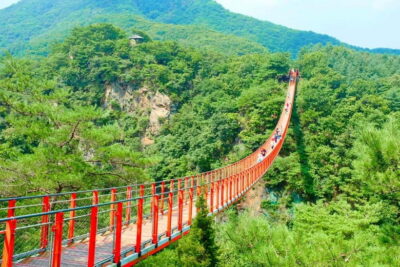
DMZ The 3rd Tunnel and Suspension Bridge Tour
Read the review →
Signature DMZ Tour: Exclusive Defector Talk & Suspension Bridge
Read the review →
Thrilling Korean DMZ 3rd Tunnel Tour from Seoul + Red Bridge Rush
Read the review →
DMZ Past and Present: Korean Demilitarized Zone Tour from Seoul
Read the review →Browse the lists this tour appears in