Reviewed · SEOUL TOURS
Traditional Korean Bookbinding Experience in Seoul, Hongdae
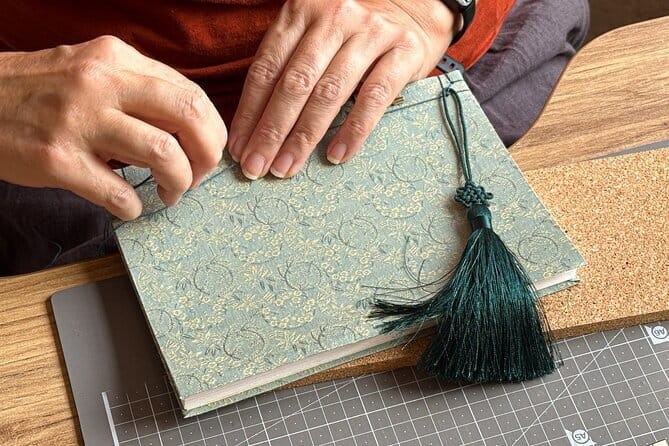
Traditional Korean bookbinding turns a short Seoul activity into a lasting souvenir. At Danchoodan in Hongdae’s wider Mapo area, you make a notebook from Hanji, the handmade Korean paper used for important Joseon-era records, then bind it with silk and traditional thread. The finished book gets a Norigae knot, a small Korean ornament that gives it a graceful final touch.
I like two things right away: you choose the design yourself, with 22 silk covers and many thread and ornament colors, and you leave with something useful rather than a mass-produced souvenir. I also like the two-hour length, which gives you time to learn the method without taking over your day.
The main consideration is the age rule. Only people aged 17 and older may reserve, and only the number of people on the reservation can enter the studio. This is a hands-on craft class, not a general sightseeing tour, so it suits you best if you enjoy careful making and cultural context.
Key points to know before booking
- Hanji connects your souvenir to Joseon Korea: Learn about the handmade paper used for royal records, diaries, and notes.
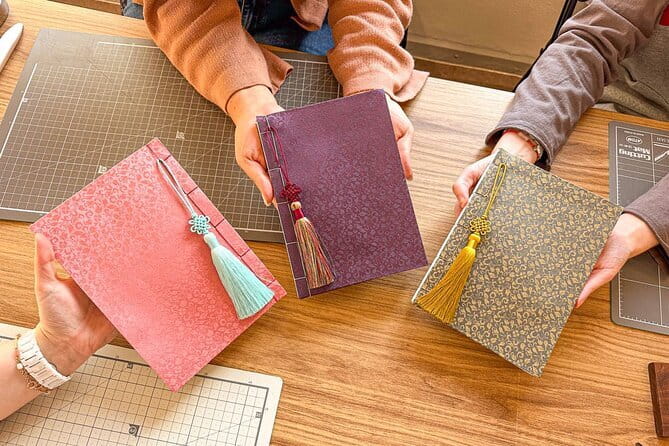
- Twenty-two silk covers give you real design choice: You can select a Korean traditional pattern instead of accepting a single standard style.
- The notebook is made during a two-hour class: You bind the paper and silk yourself, then take the finished piece home.
- A Norigae knot completes the book: This traditional Korean ornament adds color and a distinctly local detail.
- The class is small by design: A maximum of 12 people keeps the activity more personal and practical.
- The $49 price includes the working materials and a licensed guide: You are paying for instruction, tools, and a handmade keepsake, not transportation.
Making a souvenir from Hanji in Seoul
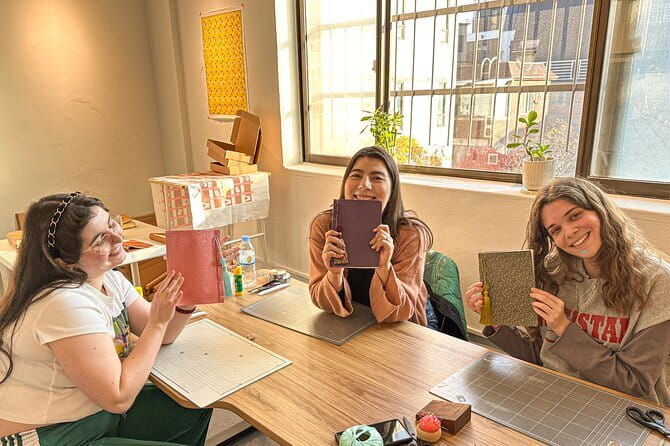
Many Seoul souvenirs are easy to buy but quickly lose their connection to place. This class takes a different route. You work with Hanji, Korean paper with a long place in the country’s literary and administrative life, and turn it into a notebook with your own hands.
Hanji was used for the Annals of the Joseon Dynasty, which are listed in the UNESCO Memory of the World register. Joseon royalty, Confucian scholars, and Korean intellectuals also used it for diaries, records, and everyday notes. That gives the paper more weight than a simple craft material. You are not just decorating a blank pad. You are learning a traditional way of making an object meant to be kept and used.
The class also introduces the old saying that silk lasts 500 years while Hanji lasts 1,000 years. Treat that as a traditional expression rather than a laboratory guarantee, but it captures the point: the materials were valued for staying power. Your finished book can hold trip notes, sketches, photographs, or memories from Korea long after the holiday ends.
I find that practical quality important. A notebook has a job. It can sit on a desk, hold a journal, or become a scrapbook for your Korean journey. You are less likely to put it in a drawer and forget it than a decorative trinket with no clear use.
A few more Seoul half-days to weigh up
- Best DMZ Tour Korea from Seoul (Red Suspension Bridge Optional)
★ 5.0 · 41,422 reviews - DMZ Tour: 3rd Tunnel, Option(Suspension Bridge, Boat) from Seoul
★ 5.0 · 21,373 reviews - DMZ tour south Korea from Seoul (NK experience hall, defector)
★ 5.0 · 20,599 reviews
Choosing one of 22 Korean silk covers
The first creative decision is the cover. You choose from 22 silk covers decorated with Korean traditional patterns. This is one of the strongest parts of the experience because the cover sets the mood of the entire book.
You might prefer a restrained pattern with soft colors, or you may want something more decorative. The precise designs and colors available can vary, so I would think about what you want the notebook to become before you arrive. A travel journal might suit a pattern you will enjoy looking at every day, while a gift may call for a color that matches the recipient’s taste.
The silk is not simply pasted on as a surface decoration. It becomes part of the binding process, joined to the Hanji using a traditional Korean method. That gives you a better sense of how the materials work together.
This choice also makes the final notebook personal. Two people attending the same class can leave with books that look quite different. If you are visiting Seoul with a friend or family member, selecting contrasting covers can make the shared activity more fun without requiring anyone to compete or compare results.
Selecting thread and a Norigae ornament
After choosing the silk, you select the thread color and a Norigae. A Norigae is a traditional Korean ornament, often associated with clothing and decorative knots. Here, it becomes the finishing detail on your notebook.
The class offers dozens of colorful threads and silk options, so you have room to coordinate or contrast. You might match the thread to the main color of the cover, or choose a bright accent that makes the binding easy to see. This is a small decision, but it changes the character of the book.
The Norigae gives the finished item a specifically Korean identity. Without it, you would still have a handmade notebook. With it, the object carries a visual link to traditional Korean dress and ornament.
I would take your time at this stage. Once the binding is complete, the chosen colors and knot will be part of the book’s appearance. The staff can help you, and the class is designed for beginners, but your own choices matter more than trying to make the most elaborate combination.
Learning why Hanji matters
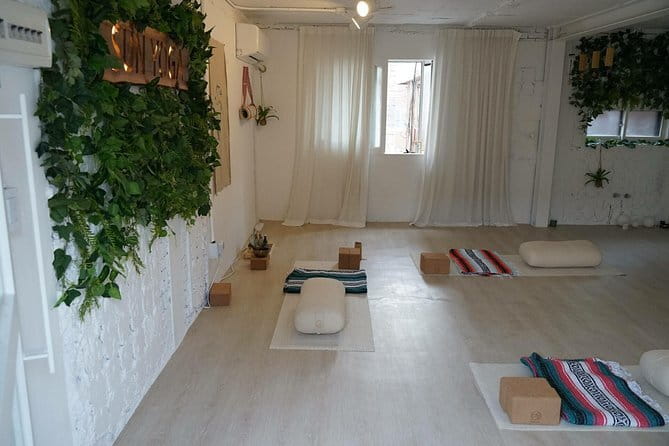
The class includes an explanation of Hanji before you begin the main construction. This part adds context without turning the activity into a formal museum lecture.
You learn why Korean handmade paper is special and how it was used in Joseon society. The references to royal records and scholarly writing help explain why paper preservation mattered. They also show that bookbinding was once tied to government, education, religion, and personal record keeping.
That cultural background makes the practical work easier to appreciate. When you fold, align, and bind the pages, you are handling a material that carried official history and private thought. The notebook is small, but the tradition behind it is not.
The teacher is described as patient and kind, with a good sense of pacing. The class includes laughter and craft work, so the tone is likely relaxed rather than stern. You should still expect to listen carefully when learning the binding steps. Traditional handwork rewards attention, especially when thread tension and alignment affect the final look.
A different way to spend a day from here:
- Seoul: DMZ Tour with Optional Suspension Bridge
★ 4.8 · 5,277 reviews - Seoul: DMZ The 3rd Tunnel and Suspension Bridge Tour
★ 5.0 · 4,656 reviews - Signature DMZ Tour: Exclusive Defector Talk & Suspension Bridge
★ 5.0 · 4,459 reviews - Incheon Airport: Traveler SIM & T-money Transportation Card
★ 4.7 · 3,332 reviews
Binding the silk and Hanji by hand
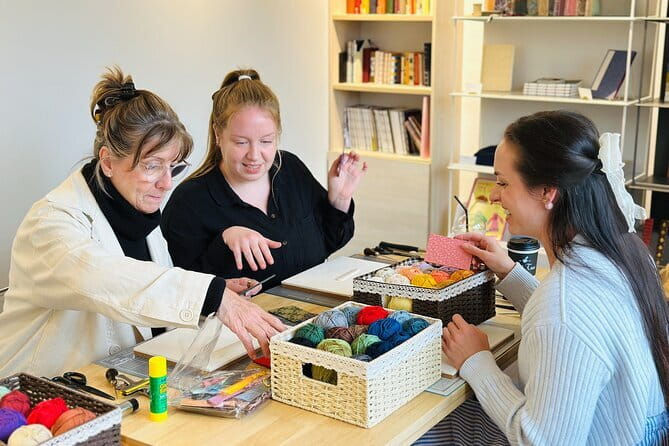
The central part of the experience is making the notebook. You use the provided tools and materials while the licensed guide shows you how to bind the silk and Hanji.
This is where the $49 price makes sense. You are not paying only for a finished item. You are paying for access to the materials, the tools, and instruction that lets you make the object yourself. You also avoid the uncertainty of buying a handmade notebook without knowing how it was produced.
The work is described as enjoyable and nicely paced. At about two hours, the class has enough room for instruction, selection, construction, and decoration. It is short enough to fit into a day of Seoul sightseeing, but long enough to feel like an activity rather than a quick demonstration.
You should expect some hands-on concentration. Bookbinding involves repeated steps, and small differences in alignment may give your notebook a handmade character. That is part of the appeal. If you want a perfectly uniform factory finish, buy a notebook in a shop. If you want a personal object that shows your choices and effort, this class is the better fit.
The maximum group size is 12. That is not a private lesson, but it is small enough for the guide to provide help during the binding process. The restricted studio entry rule also means the room is reserved for the people named on the booking. Do not assume you can bring along an unregistered companion who will simply watch.
Adding the final Norigae knot

Once the book is assembled, you decorate it with a traditional Norigae knot. This is the final step, but it has an outsized effect on the result.
A knot can look simple when someone else has already made it. Learning to handle the thread and create it yourself gives you a better feel for the patience behind Korean decorative crafts. The Norigae also works as a small handle or hanging accent, depending on how it is attached to the finished notebook.
The guide’s support matters here. Knot work can be fiddly, and a patient instructor keeps the last stage from becoming frustrating. The class is intended to produce a finished object you can feel good about taking home, not a half-complete project that still needs professional help.
The result is also gift-ready. That is useful if you are nearing the end of a Seoul trip and want something meaningful for someone at home. You can take it away immediately rather than waiting for shipping or collecting it later.
What the finished notebook can become

The most praised feature of this class is the final notebook itself. It is beautiful, personal, and practical, but its best use is up to you.
You can turn it into a scrapbook for your Korean journey, as one attendee did, or use it for notes and sketches. It could hold restaurant names, Korean phrases, museum impressions, or short entries about your time in Seoul. The paper and silk also make it suitable as a keepsake for a book lover or someone interested in Korean culture.
This flexibility improves the value. A souvenir that reflects your trip and serves a purpose has a better chance of remaining part of your life. I would write the date and place inside the cover while the experience is fresh. You could also add a first note about the Hanji and the binding method, giving the book its own origin story.
The finished item is not likely to be identical to a professional studio product. That is an important expectation to set. Your notebook is made during a short class, and small signs of your own hand may remain. For me, that makes it more meaningful, not less.
Price, timing, and the Mapo-gu location
The listed price is $49 per person. For a two-hour activity, that is not the cheapest way to spend time in Seoul, especially since you still need to arrange your own way to the studio. But the price includes binding tools, materials, and a licensed guide, as well as the handmade notebook you take home.
I see the value most clearly if you would otherwise buy a quality Korean craft item as a souvenir. Here, you get the object plus the story of making it. If you are mainly looking for a low-cost activity, there are free parks, markets, and cultural sites in Seoul. If you want a guided craft with a durable result, $49 is a reasonable middle-range price.
The class starts at 10:30 a.m. and lasts about two hours. That leaves the afternoon open for more of Seoul. You can combine it with other plans in Mapo-gu, but leave enough time to reach the studio at Danchoodan, at 100 Daeheung-ro, third floor, in Daeheung-dong, Mapo-gu.
The activity begins and ends at the same meeting point. No air-conditioned vehicle is included, which is not a major issue because transportation is not part of the experience. You will need to make your own way there and back.
The mobile ticket is handy for a short activity. Confirmation normally arrives at booking, though reservations made within one day of the start time are confirmed as soon as possible, subject to availability. Free cancellation is available up to 24 hours before the 10:30 a.m. start time. Changes or cancellations inside that window are not accepted for a refund.
Who should book this Seoul craft class
I would recommend it most strongly to adults and older teens who enjoy making things. The minimum reservation age is 17, so families with younger children cannot use this activity as a group craft class.
It is a good choice for:
- Book lovers who want more than a standard souvenir
- Visitors interested in Joseon culture and traditional materials
- Couples or friends looking for a quiet shared activity
- Solo visitors who enjoy guided handwork
- Anyone wanting a useful gift made in Seoul
- People who prefer a small studio class to a large group excursion
You do not need to be an expert in crafts. The guide provides the tools and materials, and the process is taught during the session. Still, you should be comfortable following instructions and working with your hands for much of the two hours.
This is less suitable if you want a fast, casual activity with no concentration. It is also not the right pick if your main goal is seeing famous Seoul sights. The class takes place at one studio and focuses on making one object well.
Service animals are allowed, and the activity is near public transportation. Most people can participate, but the supplied details do not describe specific studio access features beyond those points. If you have a mobility concern, contact the provider before booking.
Should you book Danchoodan’s bookbinding experience?
Book this class if you want a Seoul souvenir with a clear connection to Korean tradition and your own hands in the process. The strongest reasons are the Hanji paper, the choice of 22 silk covers, the colorful thread and Norigae details, and the chance to leave with a notebook ready to use or give away.
Skip it if you want a sightseeing tour, a very cheap activity, or a class open to children under 17. You also need to reach Danchoodan independently, and the fixed 10:30 a.m. start requires some planning.
For the right person, this is a thoughtful use of two hours. You learn about Hanji, practice a traditional binding method, and leave Seoul with a notebook that carries more meaning than a shop-bought souvenir. The current score is 5 out of 5 from 16 ratings, with 100 percent recommending it, and the praise centers on the patient teaching, pleasant pace, and beautiful finished journal. Those are exactly the qualities I would use to judge this kind of activity.
FAQ
Where does the traditional Korean bookbinding class take place?
The class takes place at Danchoodan, at 100 Daeheung-ro, third floor, in Daeheung-dong, Mapo-gu, Seoul, South Korea.
What time does the class start?
The scheduled start time is 10:30 a.m.
How long does the activity last?
The experience lasts approximately two hours.
What is included in the price?
The price includes the binding tools and materials, along with a licensed guide.
Is transportation included?
No. An air-conditioned vehicle is not included, and the activity begins and ends at the studio meeting point.
How old do I need to be to reserve?
Reservations are available only to people aged 17 or older.
How many people can join the class?
The maximum group size is 12 people.
Can I choose the appearance of my notebook?
Yes. You can choose from 22 silk covers with traditional Korean patterns, then select a Norigae ornament and thread color.
Can I cancel for a full refund?
Yes. You can cancel up to 24 hours before the experience start time for a full refund. Cancellations or changes made less than 24 hours before the start time are not accepted for a refund.
Recently added around Seoul
- Nami & Maple Road & Theatre des Lumieres Day Tour from Seoul★ 4.8 · 4 reviews
- Gyeongbokgung Palace Photo Session with your own phone★ 5.0 · 4 reviews
- Private Tour around Suwon UNESCO Fortress and Korea Folks Village★ 4.5 · 4 reviews
- N Seoul Tower + Namsan Cable Car Ticket (Collect in Myeongdong)★ 3.5 · 4 reviews
- Jisan Forest Resort: Ski Full-Day Tour or Shuttle from Seoul★ 5.0 · 4 reviews
- Seoul: Deoksugung Palace Night Tour★ 4.5 · 4 reviews
- Private Jeonju Hanok Village – Culinary tour★ 5.0 · 4 reviews
- Seoul Private Walking Tour with a Local★ 5.0 · 4 reviews
Seoul Tours, compared.
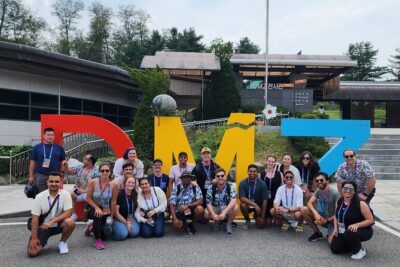
Best DMZ Tour Korea from Seoul (Red Suspension Bridge Optional)
Read the review →
DMZ Tour: 3rd Tunnel, Option(Suspension Bridge, Boat) from Seoul
Read the review →
DMZ tour south Korea from Seoul (NK experience hall, defector)
Read the review →

DMZ The 3rd Tunnel and Suspension Bridge Tour
Read the review →
Signature DMZ Tour: Exclusive Defector Talk & Suspension Bridge
Read the review →
Thrilling Korean DMZ 3rd Tunnel Tour from Seoul + Red Bridge Rush
Read the review →