
Reviewed · SEOUL TOURS
Soju Tasting at Distillery – story of 3 pigs
The most interesting part of this Seoul experience is the chance to taste traditional soju inside a working distillery, not just the familiar green bottle served in restaurants. Sam Lee leads you through the making of Korean alcohol, from fermented rice drinks to strong, carefully distilled soju, with plenty of history and practical cultural context along the way.
I like the small-group format, which gives you room to ask questions, and I like the range of the tasting: at least seven Korean drinks, including high-proof soju at 45% alcohol or more. The main caution is simple: this is a lot of alcohol in 90 minutes, so eat first and pace yourself.
Key points to know
- Traditional soju reaches 45% ABV or higher: This is a very different drink from mass-market green-bottle soju.
- You enter a distillery normally closed to the public: The setting adds a useful sense of place to the tasting.
- Sam Lee leads the session: He combines explanations of production with Korean history, manners, food, and restaurant advice.
- At least seven Korean drinks are included: You may taste soju in several styles, along with other Korean alcohols.
- The session lasts about 90 minutes: It is compact, social, and focused rather than a long factory tour.
- The Mapo meeting point is near public transportation: You return to the same location at the end.
Why this is not ordinary green-bottle soju
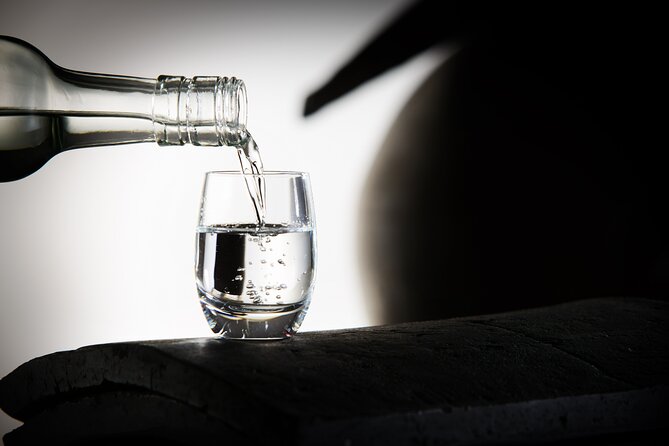
Most visitors first meet soju as a small clear shot poured from a green bottle. That drink is part of modern Korean drinking culture, but it is not the whole story. The standard mass-market version is generally a diluted spirit with artificial sweetener, designed to be inexpensive, mild, and easy to share over a meal.
At Samhae Soju, you get a different picture. The tasting focuses on traditional distilled soju, including versions at 45% ABV or above. That means you should expect a stronger drink with more presence, not a lightly sweetened spirit that disappears into a glass of beer or a plate of barbecue.
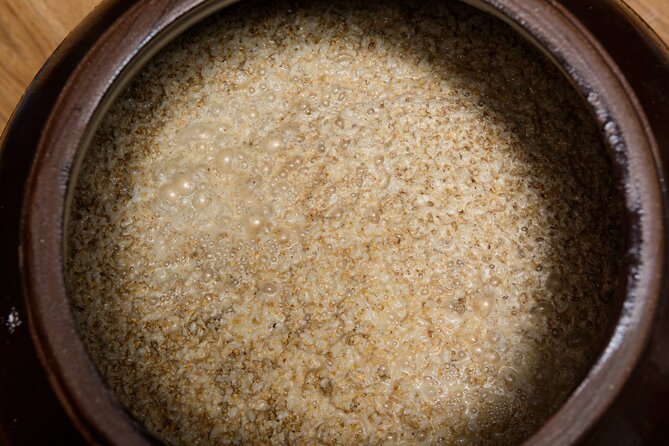
The experience also introduces the wider Korean alcohol family. Takju is unfiltered rice wine, cheongju is filtered clear rice wine, and soju is distilled. Tasting these categories side by side helps you understand why Korean drinking culture cannot be reduced to one familiar bottle.
I especially like this structure for anyone who has already tried soju in Seoul and wondered what the fuss was about. The tasting gives you a useful comparison. You can see how fermentation, filtering, and distillation create different textures, strengths, and flavors.
More Food Tours in Seoul:
- Seoul Street Food Market Tour
★ 5.0 · 1,226 reviews - Seoul: Night Market Food Tour with Local Guide
★ 4.9 · 943 reviews - Downtown Seoul Guided Food & Market Tour with 8+ Local Tastings
★ 5.0 · 580 reviews
Entering the Samhae Soju distillery in Mapo
The meeting point is Samhae Soju, at World Cup buk-ro 109, basement level 1, in Mapo-gu, Seoul. The experience ends at the same place, so you do not need to arrange a second pickup point or find your way across town after drinking.
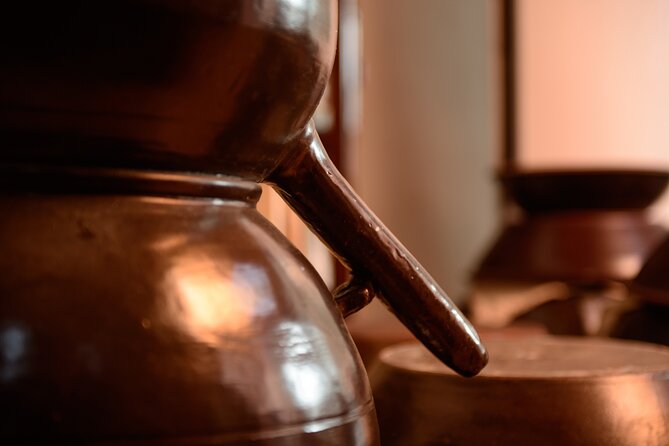
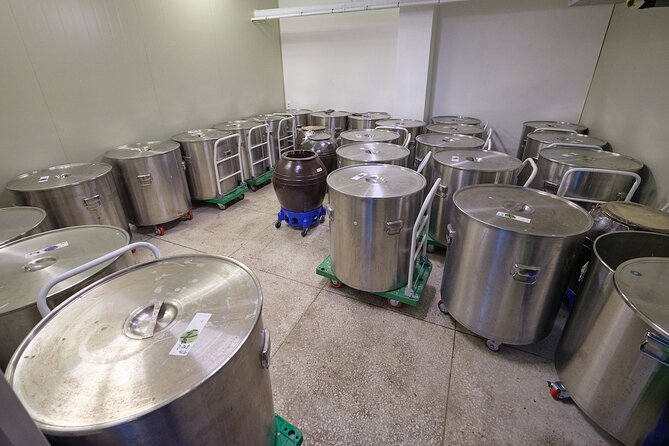
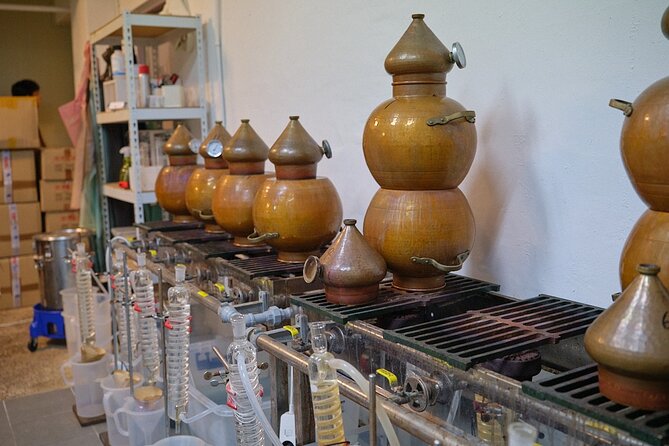
The distillery is not open to the public in the usual way. That matters. You are not simply sitting in a bar with a flight of drinks. You are brought into the production setting, where you may see fermentation in progress and learn how the final spirit comes from earlier stages of Korean rice alcohol.
The setting sounds practical rather than polished. One comment specifically suggested that the company could improve its marketing and visual presentation. I would treat that as a fair expectation setter: book this for the access, teaching, and tasting, not for a glossy cocktail lounge or carefully staged design experience.
Being in a real distillery also makes the explanations easier to follow. When Sam discusses fermentation or distillation, you are close to the place where that work happens. Even if the production area is modest, it gives the session a more direct connection to the drink in your glass.
The location is near public transportation, but the supplied details do not name a specific station or provide walking directions. I would check the exact map pin before leaving and allow enough time to find the basement-level entrance.
The story of Samhae soju and the Joseon court
A central part of the session is the story of Samhae soju. This style was associated with the noble class during the Joseon dynasty, which lasted from 1392 to 1894. It was considered a luxurious spirit, partly because its production required a large amount of rice.
That rice demand was not a small issue. During famines, production had to stop because using so much rice for alcohol was impossible to justify. This detail gives the drink a human and economic context. Traditional soju was not simply stronger old-fashioned liquor. It was a costly product tied to status, resources, and difficult choices.
The current master, Hyeonjong Kim, trained and practiced for more than 10 years under master Taeksang Kim, who had inherited and preserved the family recipe. Taeksang Kim died in 2021, so the tasting also presents a recipe and method carried forward through a changing Korea.
You will hear this history while tasting the result. That is valuable because the drink is easier to appreciate when you understand why it once belonged to a privileged class and why its production was vulnerable to food shortages. The story also helps separate traditional soju from the mass-market product you may already know.
The title refers to the story of three pigs, but the supplied information does not explain that story in detail. I would expect Sam to cover it during the session, but I would not book this experience assuming a particular folk tale or production detail that is not clearly promised.
What you taste during the 90 minutes
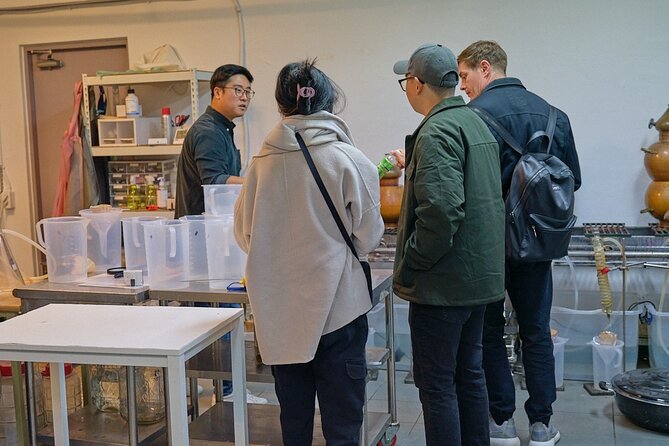
The tasting includes at least seven different Korean alcohols made by a master distiller. The exact lineup can vary, but the experience is centered on soju and may include other categories of Korean alcohol as well.
You can expect to compare different strengths and flavors rather than drink one standard pour repeatedly. One tasting description refers to seven sojus with added special aromas. Another notes that the pours range in strength, with some becoming noticeably tipsy-making by the end.
The alcohol can include spirits at 45% ABV or higher, which is roughly 90 proof or more. That is the key practical point. Seven tastes of strong spirit can catch up with you quickly, especially if you arrive without food.
I would approach the tasting as a lesson in small pours, not as a race. Smell each drink before tasting it. Pay attention to how the stronger soju differs from the sweet green-bottle style. If you usually find commercial soju bland, this may change your view. If you prefer mild drinks, the high-proof samples could be challenging.
The experience may also cover yakju and takju before explaining how soju is produced. This wider sequence is useful: it shows that distilled soju begins with a fermented base and that filtering and distillation are separate steps with different results.
Food is not listed as part of the experience, so do not count on a meal or substantial snacks. Eat before you arrive. That advice comes directly from the nature of the tasting, and one visitor specifically wished the session had been longer, not that it included a larger meal.
A few more Seoul half-days to weigh up
- Best DMZ Tour Korea from Seoul (Red Suspension Bridge Optional)
★ 5.0 · 41,422 reviews - DMZ Tour: 3rd Tunnel, Option(Suspension Bridge, Boat) from Seoul
★ 5.0 · 21,373 reviews - DMZ tour south Korea from Seoul (NK experience hall, defector)
★ 5.0 · 20,599 reviews - Seoul: DMZ Tour with Optional Suspension Bridge
★ 4.8 · 5,277 reviews
Sam Lee makes the session social
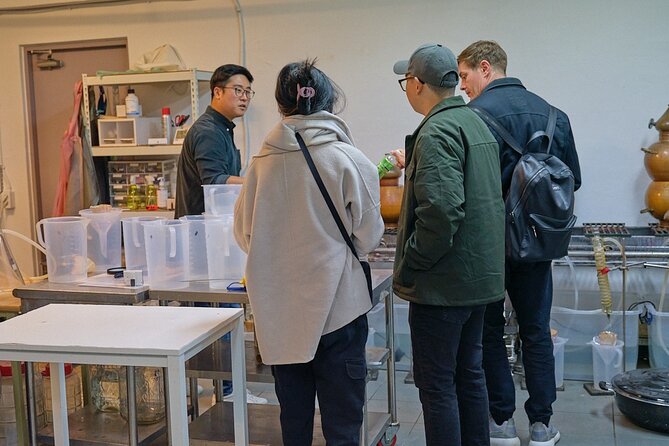
Sam Lee is the host, and his role appears to be central to the experience. He explains the history and production methods in clear terms, answers questions patiently, and keeps the mood relaxed with humor.
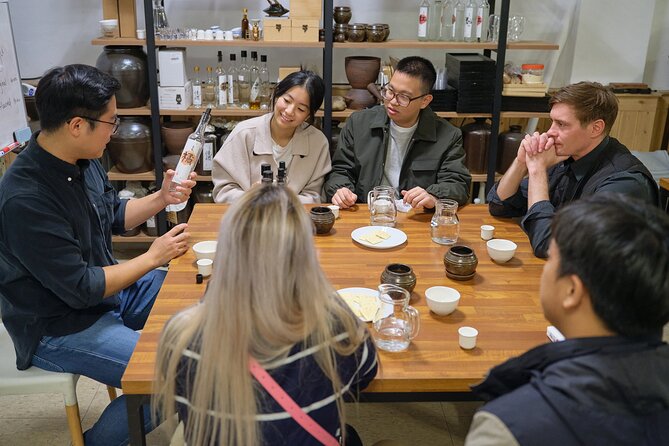
This is not presented as a silent technical lecture. The format allows conversation among the group, and several descriptions point to the feeling of tasting with friends rather than sitting through a formal presentation. Sam also talks about Korean manners and drinking culture, which gives you useful context for restaurant meals later in your trip.
He may offer suggestions for restaurants, food, and places to visit in Seoul after the tasting. Those tips are a practical bonus, especially if this is early in your stay and you want help deciding where to eat next.
The group size is small. The additional details set a maximum of 10 people, while the overview describes groups of up to 12, so the exact cap should be confirmed when booking. Either way, this is not a large bus tour. A small group gives you a better chance to ask about production, flavors, or Korean drinking customs.
There is one social consideration. A solo visitor could find the group dynamic less comfortable if the other people form their own circle. The host can explain the drinks, but he cannot control every conversation. If you are traveling alone, go in expecting a communal tasting rather than a private lesson.
Is $43.83 a fair price?
At $43.83 per person, this is more expensive than buying a green bottle of soju at a convenience store. That comparison misses the point, though. You are paying for access to a closed distillery, a guided explanation of Korean alcohol, a historical story, and at least seven samples.
The price makes the most sense for someone who values context. If you only want to drink soju, buy a bottle with dinner. If you want to understand why traditional soju is different, how Korean alcohol is classified, and how a historic recipe survived, the guided tasting offers more.
The high proof also changes the value calculation. You are not simply receiving seven large drinks. The samples are part of a structured tasting, and the strength means the session can feel substantial even within 90 minutes. Still, the experience is short, so anyone wanting a lengthy distillery tour or a full evening meal should adjust expectations.
I would call the price reasonable for a specialized Seoul activity, particularly for people interested in food, drinks, history, or local production. It is less compelling if you are already uncomfortable with strong spirits or prefer sightseeing that does not revolve around alcohol.
Timing, transport, and the practical details
The activity lasts about one hour and 30 minutes. That makes it easy to fit into a Seoul day, but it also means the pace may feel brisk once explanations and seven or more samples are included.
The mobile ticket is useful for getting to the meeting point without printing paperwork. Confirmation is provided at booking. Since the experience begins and ends at Samhae Soju, plan your route in advance and arrange your evening around returning to Mapo afterward.
The activity requires good weather. If poor weather forces cancellation, you are offered another date or a full refund. Your own cancellation is different: the experience is non-refundable and cannot be changed for any reason, so check your schedule carefully before paying.
The information confirms that the location is near public transportation, but it does not provide details about accessibility, stairs, seating, food, or hotel pickup. If any of those points matter to you, contact Sam before booking.
Who should book this tasting?
I would recommend it most strongly to:
- People who want to understand the difference between traditional and industrial soju
- Anyone interested in Korean food culture and drinking customs
- Spirit drinkers comfortable with pours at 45% ABV or higher
- Visitors who prefer small-group activities over large organized tours
- Solo visitors who enjoy meeting other people during a shared activity
- Anyone looking for a Seoul evening activity outside the usual palace and shopping circuit
I would be more cautious if you dislike strong alcohol, need a full meal included, or want a long, polished museum-style tour. The distillery setting may be plain, and the social experience depends partly on the mix of people in your group.
Eat beforehand, drink water when you can, and leave room in your evening for a slow trip back. Seven samples of strong soju can make the rest of your plans less ambitious.
Should you book the Samhae soju experience?
Book it if you want the real story behind Korean soju, not just another drink in a green bottle. The combination of a working distillery, Joseon-era history, traditional production, seven or more tastings, and Sam Lee’s easy conversational style gives this short activity a clear purpose.
Skip it if your main goal is cheap drinking or if high-proof spirits are not your thing. For curious food and drink lovers, though, $43.83 buys a useful look at a part of Korean culture that is easy to miss at an ordinary restaurant table.
FAQ
Where does the soju tasting take place?
It takes place at Samhae Soju, located at World Cup buk-ro 109, basement level 1, Mapo-gu, Seoul, South Korea.
How long does the experience last?
The tasting lasts approximately one hour and 30 minutes.
Where does the experience end?
It ends back at the Samhae Soju meeting point.
How many Korean drinks will I taste?
You will taste at least seven different types of Korean alcohol made by a master distiller.
Is the tasting limited to soju?
Soju is the main focus, but the session can also include other Korean alcohol categories, including takju and cheongju.
How strong is the soju?
The premium soju served during the experience is 45% alcohol by volume or higher, equal to about 90 proof or more.
Who leads the tasting?
Sam Lee leads the experience. He explains soju production, Korean alcohol history, cultural manners, and related traditions.
How large is the group?
The additional information gives a maximum of 10 participants. The overview also refers to groups of up to 12, so confirm the exact group size when booking.
Is the distillery open to the public?
The experience takes you inside a distillery that is not normally open to the public.
Can I cancel for a refund?
The experience is non-refundable and cannot be changed for any reason. If the provider cancels because of poor weather, you will be offered another date or a full refund.
Recently added around Seoul
- Private Tour around Suwon UNESCO Fortress and Korea Folks Village★ 4.5 · 4 reviews
- Nami & Maple Road & Theatre des Lumieres Day Tour from Seoul★ 4.8 · 4 reviews
- Gyeongbokgung Palace Photo Session with your own phone★ 5.0 · 4 reviews
- Seoul: Deoksugung Palace Night Tour★ 4.5 · 4 reviews
- N Seoul Tower + Namsan Cable Car Ticket (Collect in Myeongdong)★ 3.5 · 4 reviews
- Jisan Forest Resort: Ski Full-Day Tour or Shuttle from Seoul★ 5.0 · 4 reviews
- Private Jeonju Hanok Village – Culinary tour★ 5.0 · 4 reviews
- Seoul Private Walking Tour with a Local★ 5.0 · 4 reviews
Seoul Tours, compared.
Best DMZ Tour Korea from Seoul (Red Suspension Bridge Optional)
Read the review →
DMZ Tour: 3rd Tunnel, Option(Suspension Bridge, Boat) from Seoul
Read the review →
DMZ tour south Korea from Seoul (NK experience hall, defector)
Read the review →
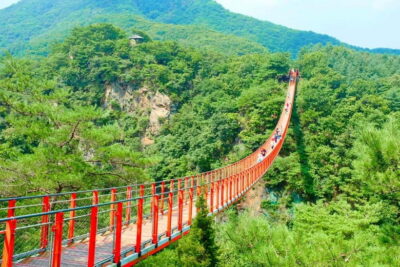
DMZ The 3rd Tunnel and Suspension Bridge Tour
Read the review →
Signature DMZ Tour: Exclusive Defector Talk & Suspension Bridge
Read the review →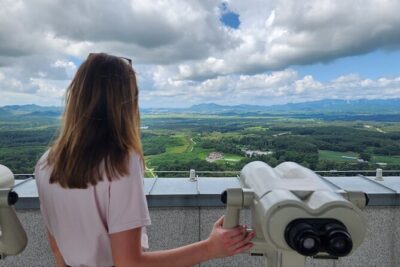
Thrilling Korean DMZ 3rd Tunnel Tour from Seoul + Red Bridge Rush
Read the review →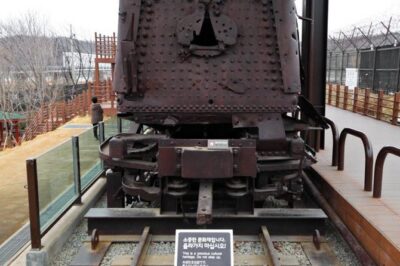
DMZ Past and Present: Korean Demilitarized Zone Tour from Seoul
Read the review →Browse the lists this tour appears in